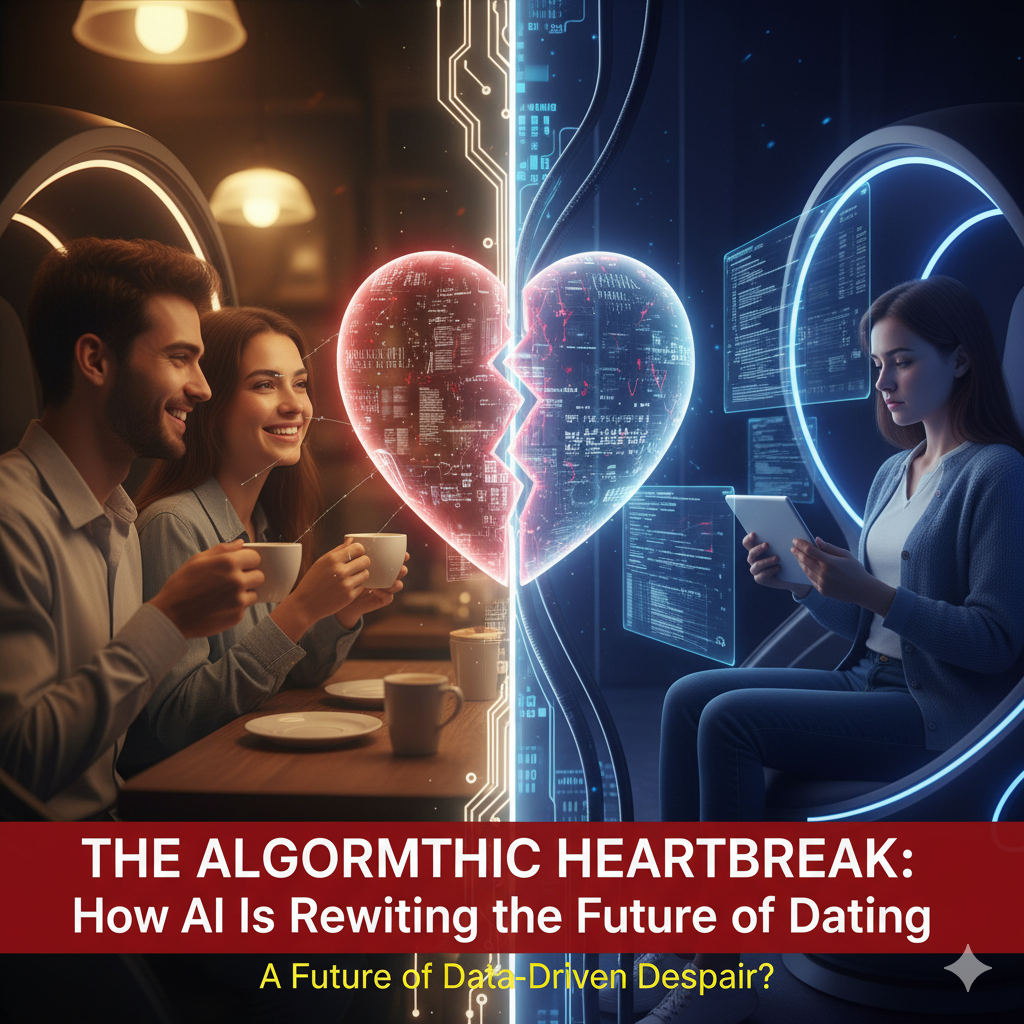
As Tinder, Bumble, and Hinge reinvent themselves with artificial intelligence, the dating industry faces a dilemma: will AI make love more meaningful or more mechanical?
By Webfit News Editorial Desk | November 2025
Artificial intelligence has officially entered the world of romance. Leading dating platforms such as Tinder, Hinge, Bumble, and Grindr are betting that smart algorithms can fix what years of endless swiping could not: user fatigue, falling profits, and the search for genuine connection.
The change comes at a crucial moment. Match Group, owner of Tinder and Hinge, has lost nearly 80 percent of its market value in four years, while Bumble’s stock has dropped more than 90 percent since 2021. With users frustrated by repetitive swiping and fake profiles, AI is now being introduced as a rescue plan to improve matches, boost subscriptions, and rebuild trust in digital dating.
The Swipe Is Dead, and the Algorithm Takes Over
Gen Z users, now the largest group on dating apps, are turning away from traditional swiping. They prefer more personal and meaningful connections and are losing interest in platforms that feel too mechanical. Many now meet through Instagram or TikTok or by attending in-person social events.
To stay relevant, dating companies are adding AI tools that aim to make the process smarter and less tiring.
- Hinge reports a 15 percent increase in match success since launching its new AI discovery system. It also uses a “Prompt Feedback” coach that reviews user bios and suggests small improvements to help people sound more natural.
- Bumble is developing a separate AI-based companion app that analyzes emotional styles such as “secure” or “anxious” and matches users with compatible communication types.
- Tinder now offers “Daily Drops,” an AI-curated set of limited profiles that reduces choice overload. Its algorithm also studies behavior to suggest matches that reflect real interests instead of just stated preferences.
- Grindr is working on a “Wingman AI” designed to help users draft messages, spot potential dealbreakers, and plan dates.
These updates mark a shift from quantity to quality. Instead of trying to keep users online for as long as possible, the goal is to help them find better matches faster.
The Promise and the Paradox
AI might make dating faster, but it also raises questions about honesty. Nearly half of Gen Z users already use AI to improve profiles or start conversations, and one in three has chatted with an AI companion for emotional support.
However, this progress also brings “Chatfishing,” where people rely on AI to write charming messages. Surveys show that 36 percent of singles see AI-generated messages as a dealbreaker, and 60 percent believe dating apps already contain too many bots.
Women remain cautious. Only 10 percent believe AI improves relationship success, compared to 20 percent of men.
Risks, Privacy, and Bias
AI-powered dating comes with serious risks.
- Bias: Algorithms often favor users who are already popular or conventionally attractive, reinforcing existing social inequalities.
- Scams: Fraudsters now use AI to create realistic fake profiles and deepfake images, making romance scams harder to identify.
- Privacy: Apps collect very personal data, including emotional patterns and photos, raising concerns about misuse and safety.
Experts warn that regulation has not caught up with this rapid change. Many dating apps still operate in a gray area without clear rules on how emotional and behavioral data are stored or used.
Love or Illusion
Despite the concerns, AI can make online dating better if used with care. Smarter algorithms can reduce choice overload, improve match quality, and shorten the time between matching and meeting. Hinge’s improved match rate shows that better design can lead to more real-world connections if people still trust the system.
But if AI continues to focus on profit rather than sincerity, online dating may become more mechanical than meaningful. The future of love will depend on whether technology can support, rather than replace, genuine human connection.
As one industry observer said, “AI can help you find someone faster, but it cannot teach you how to love.”