Webfit News Correspondent | 26 November 2025
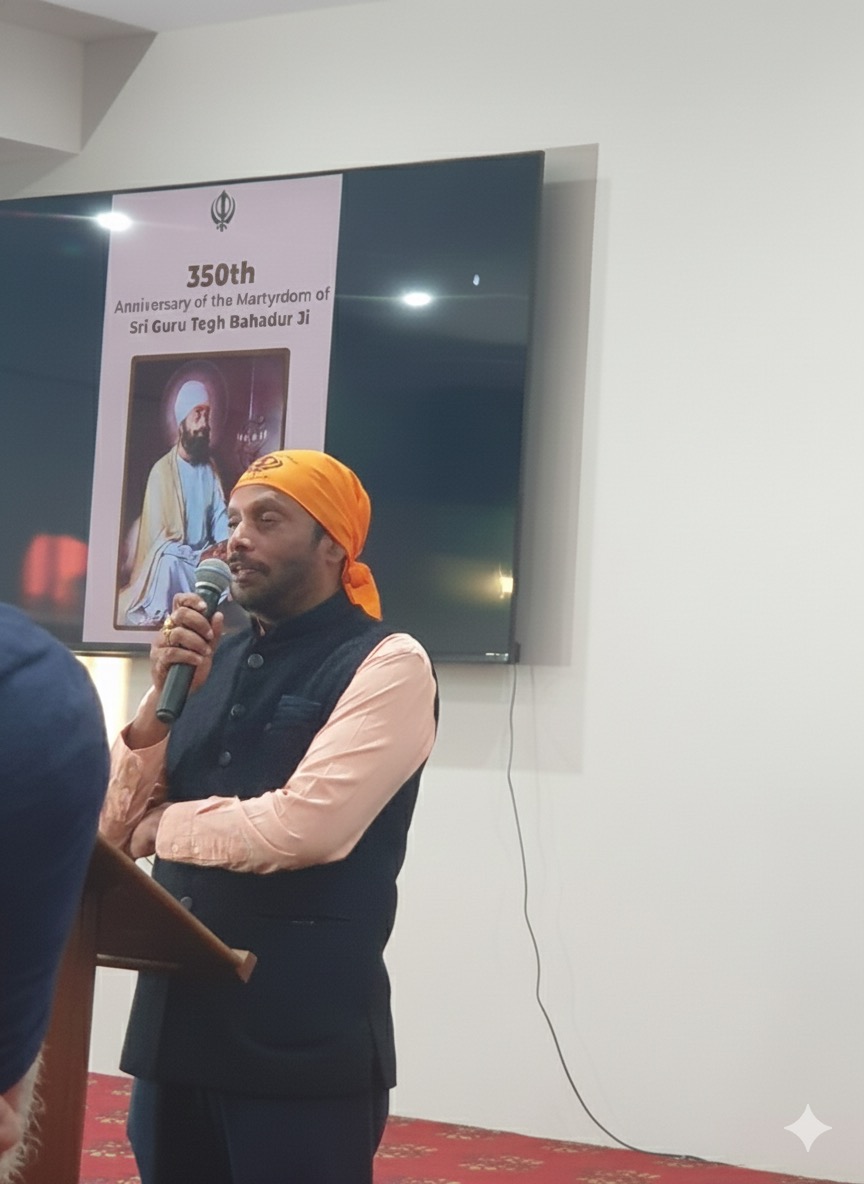
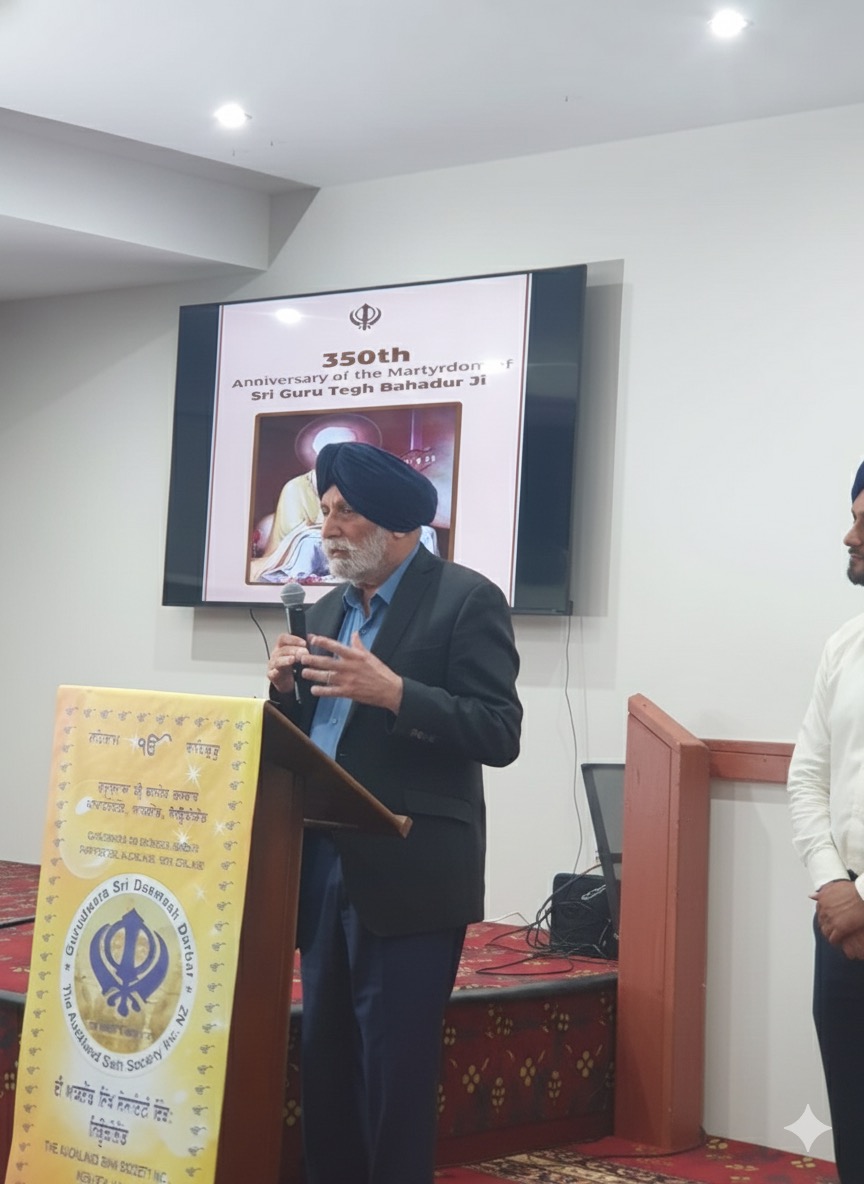
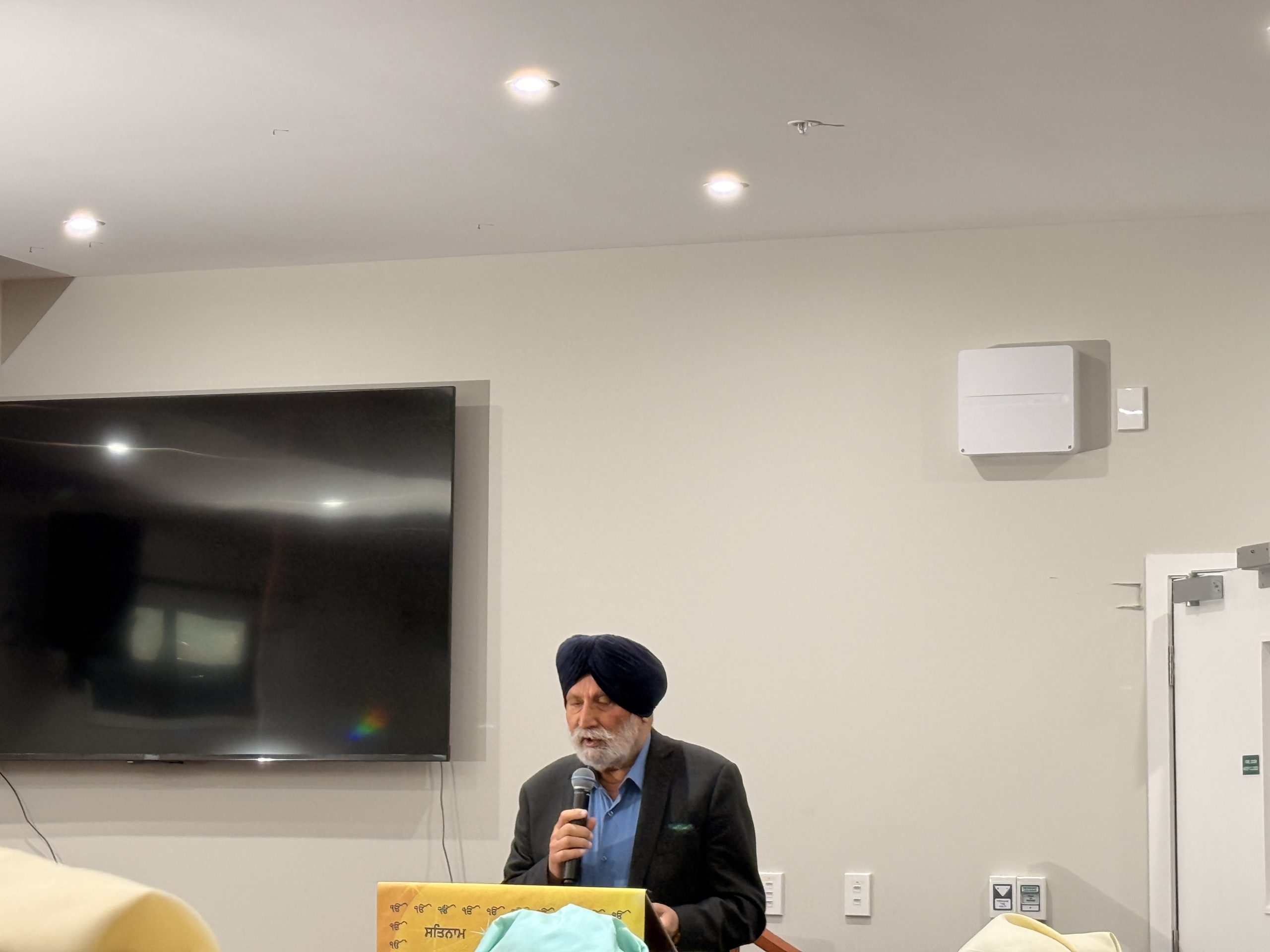
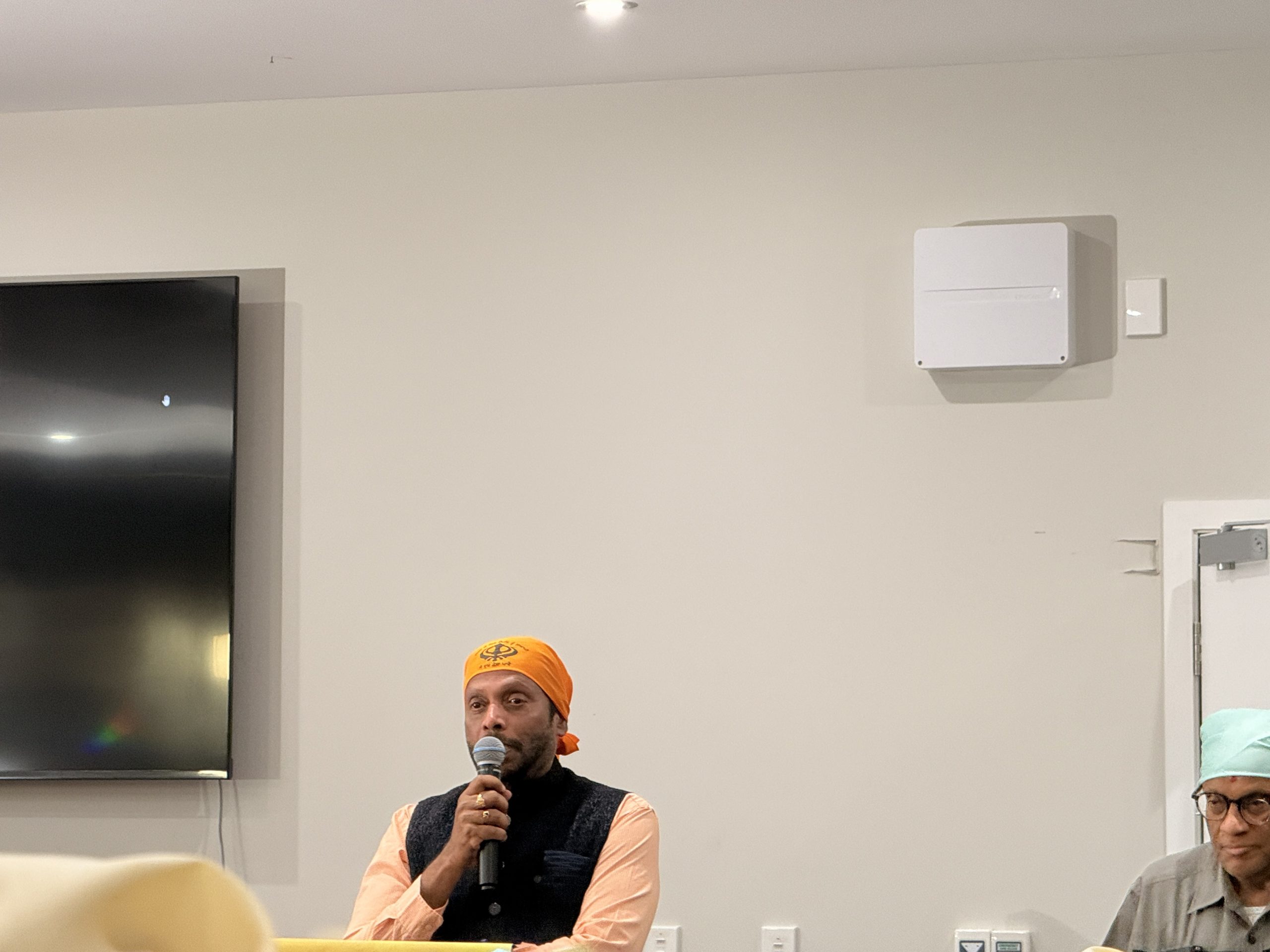
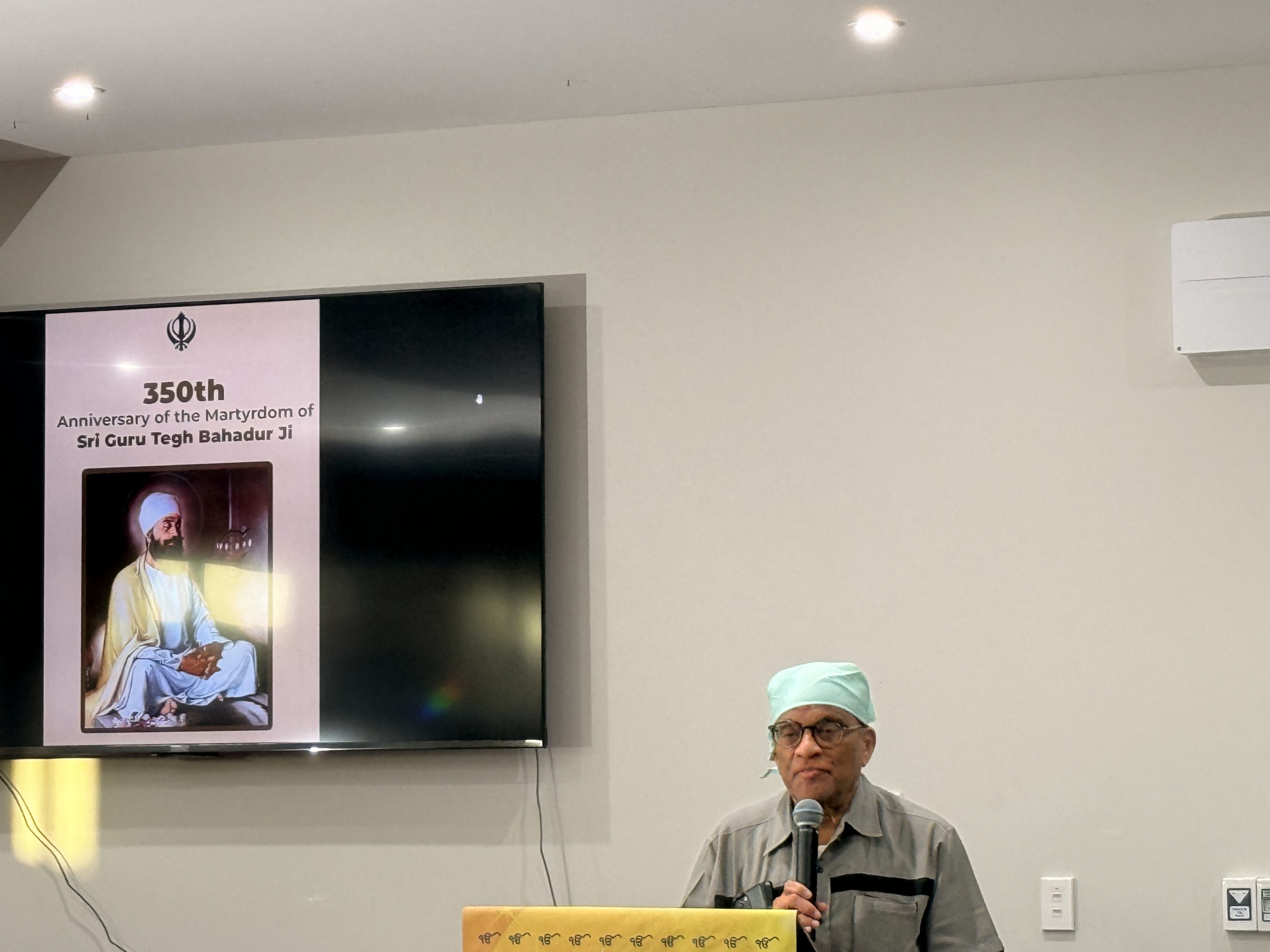
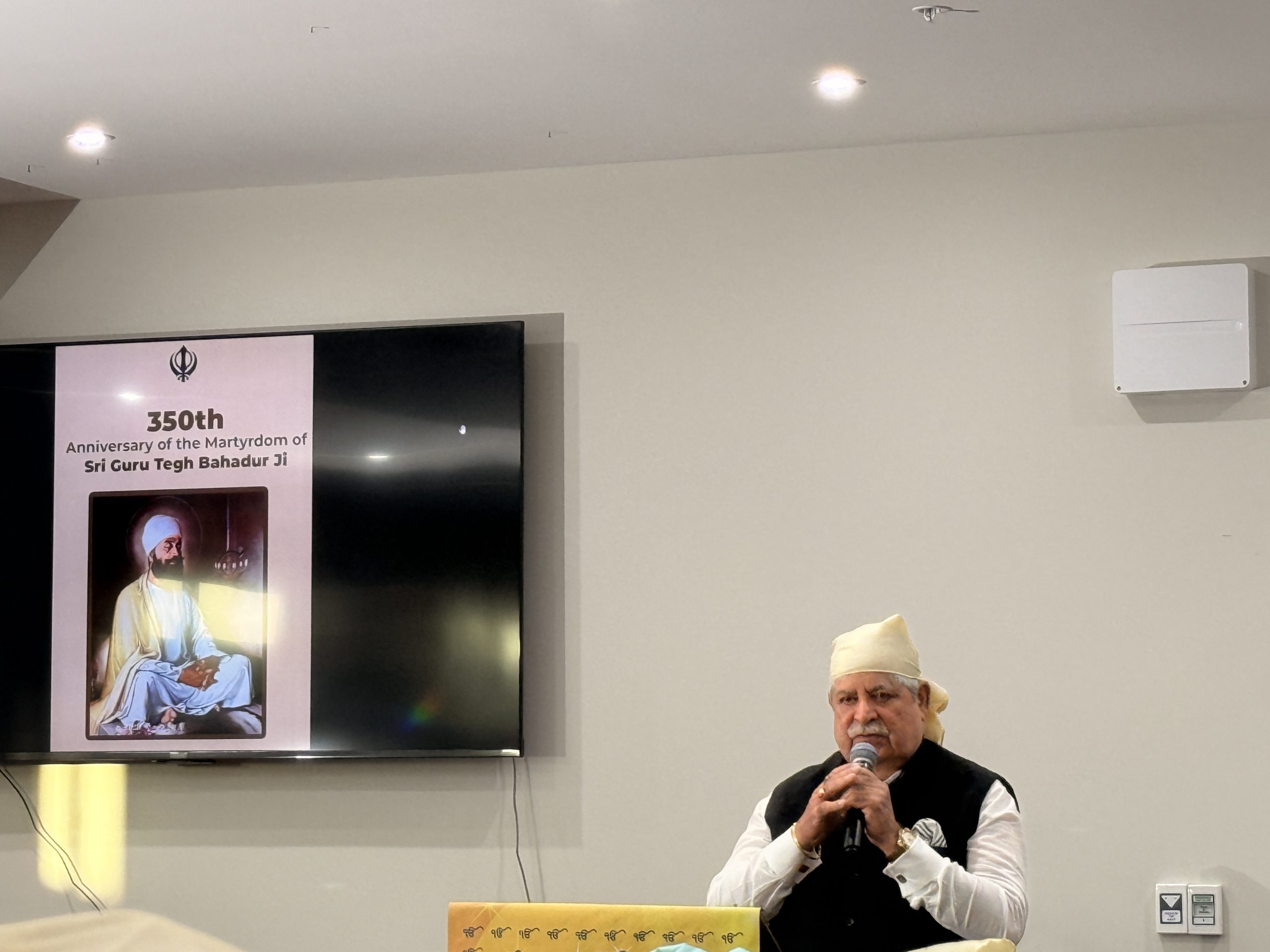
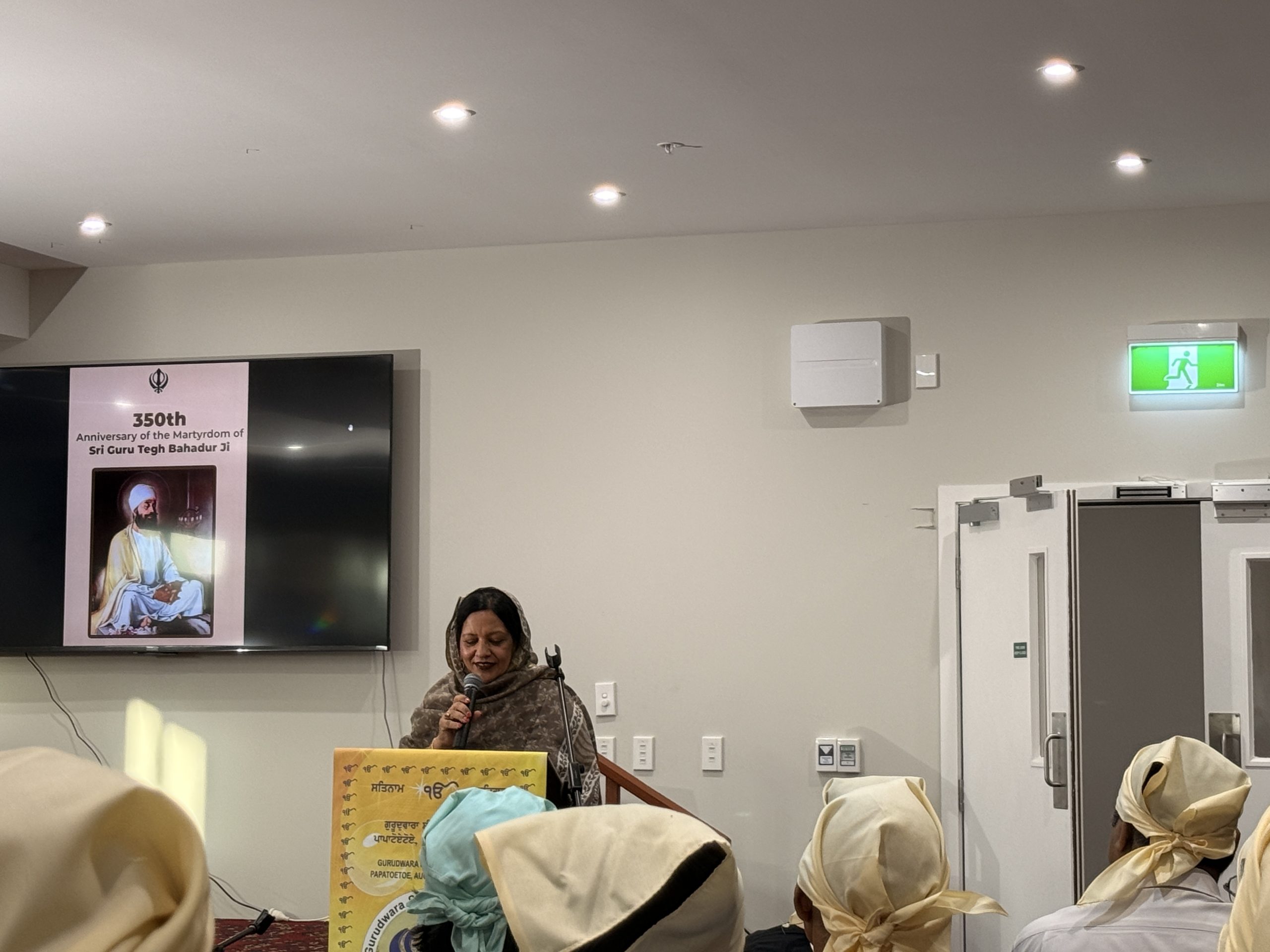
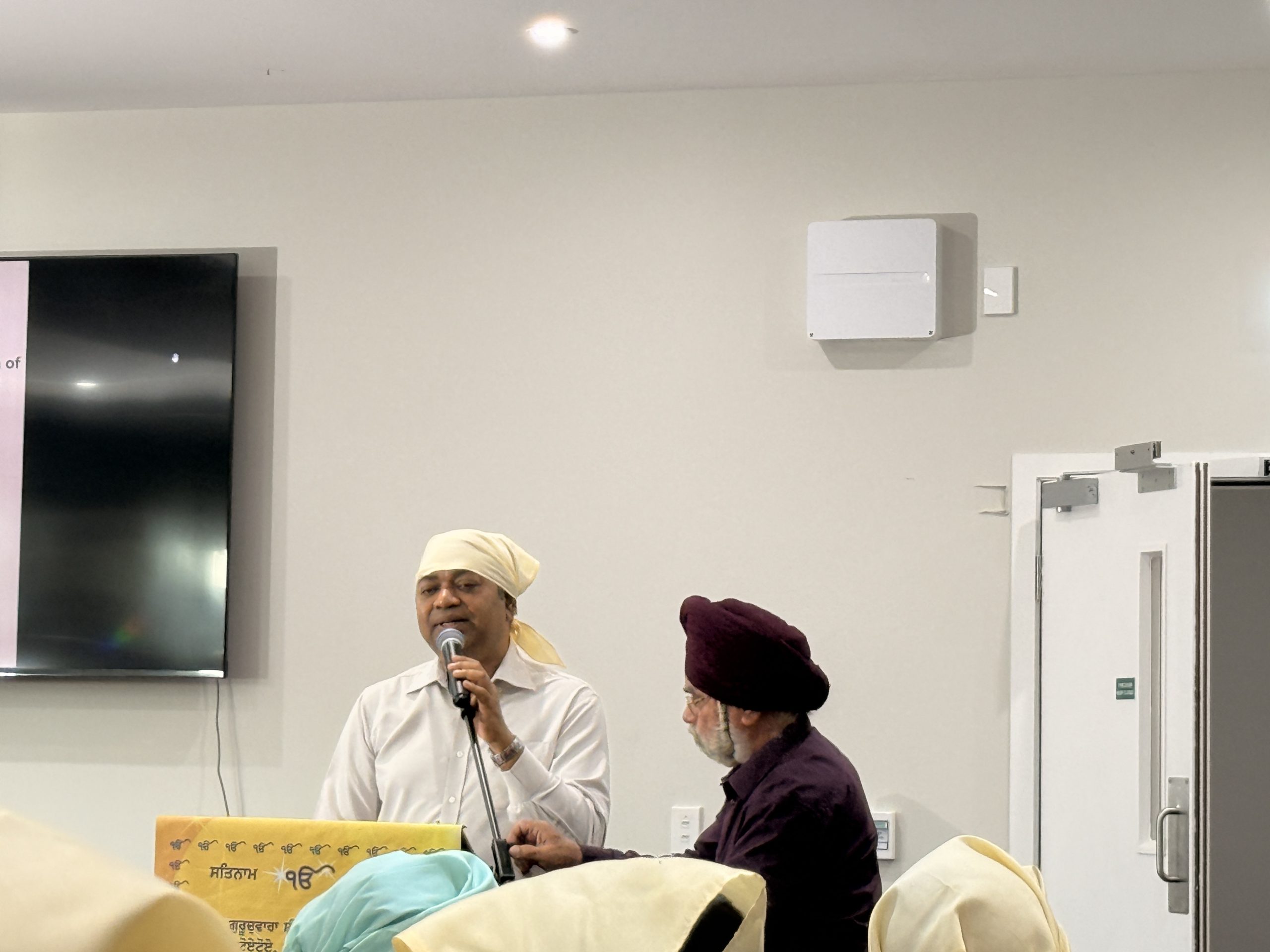
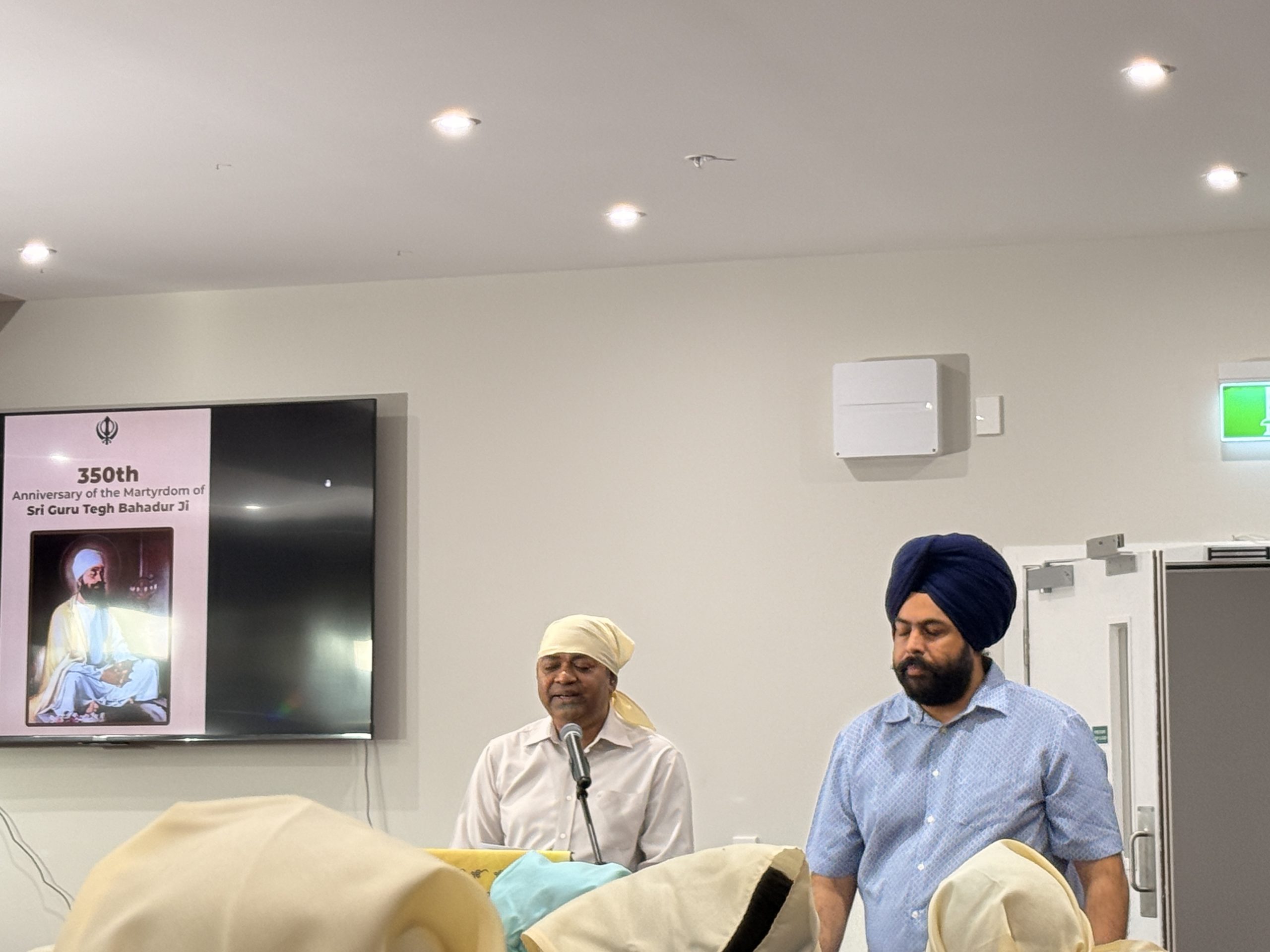
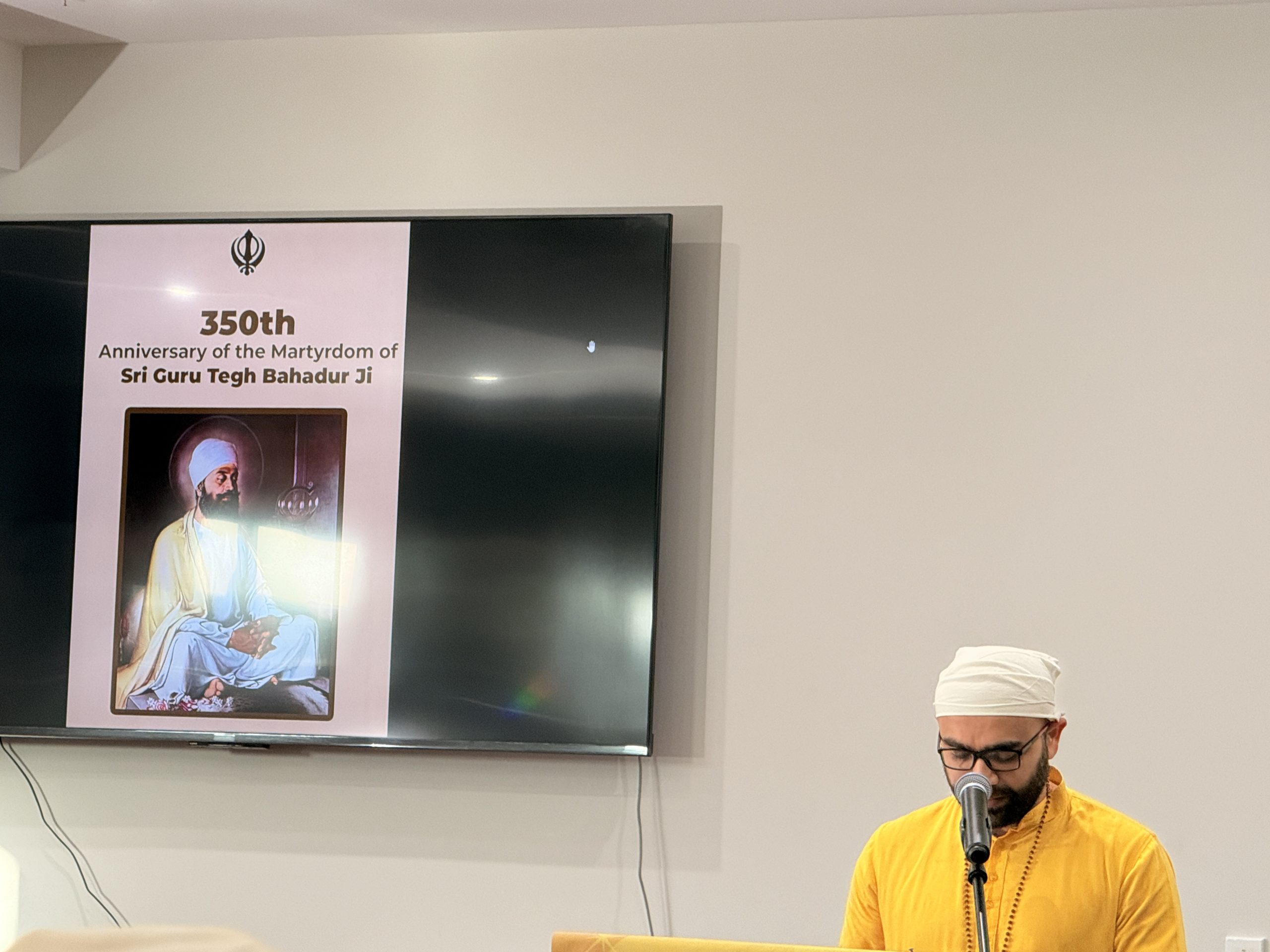
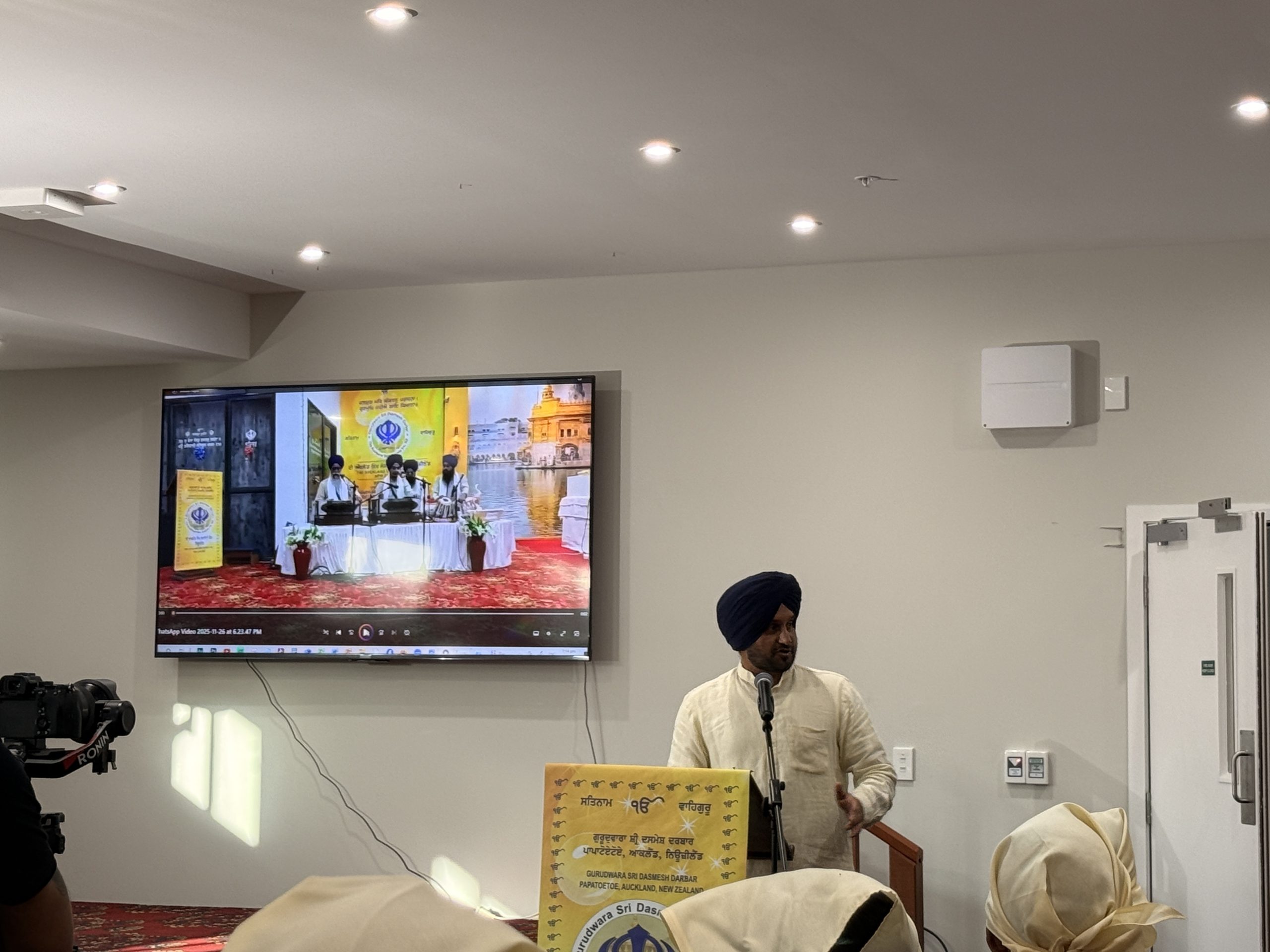
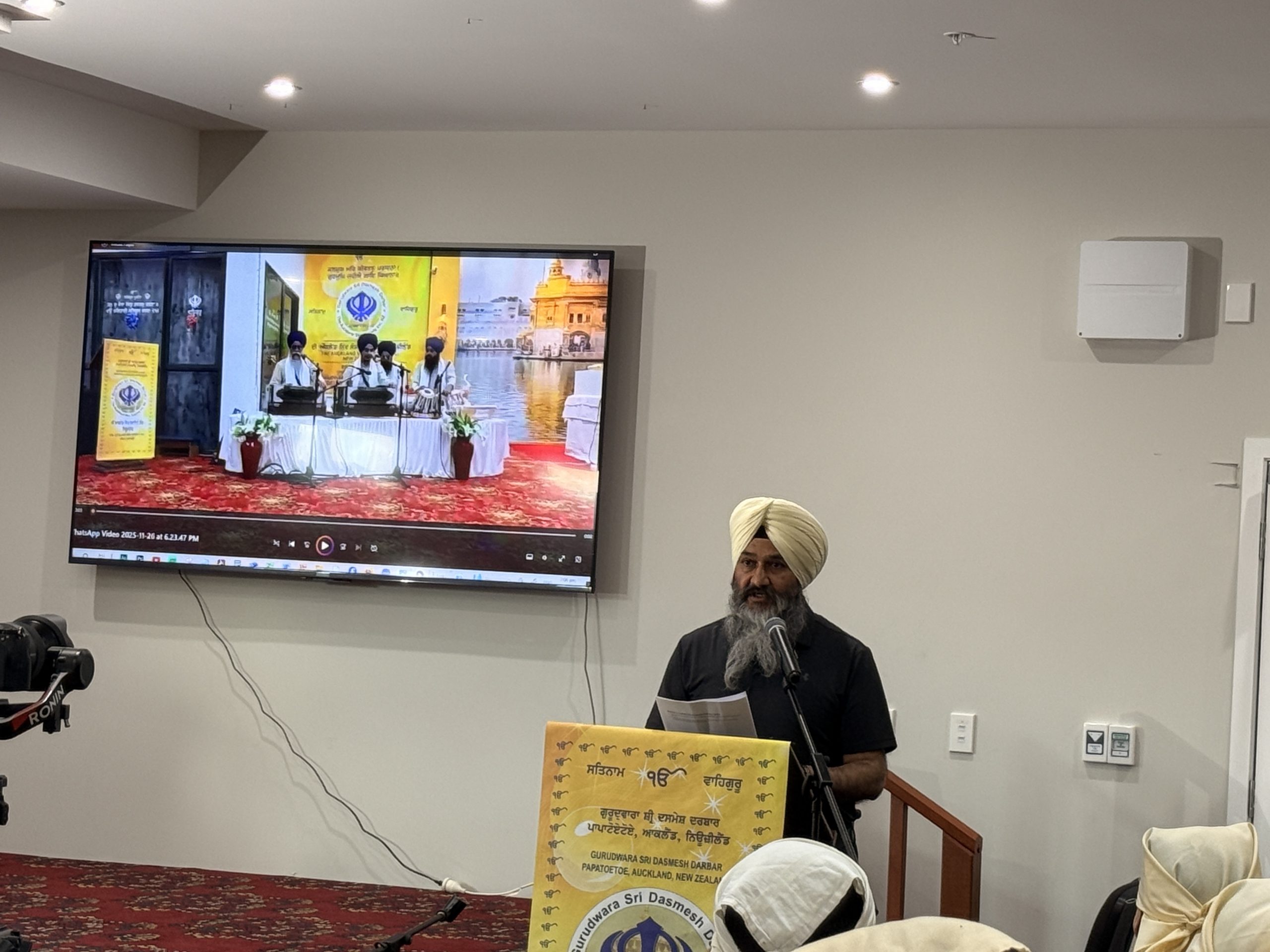
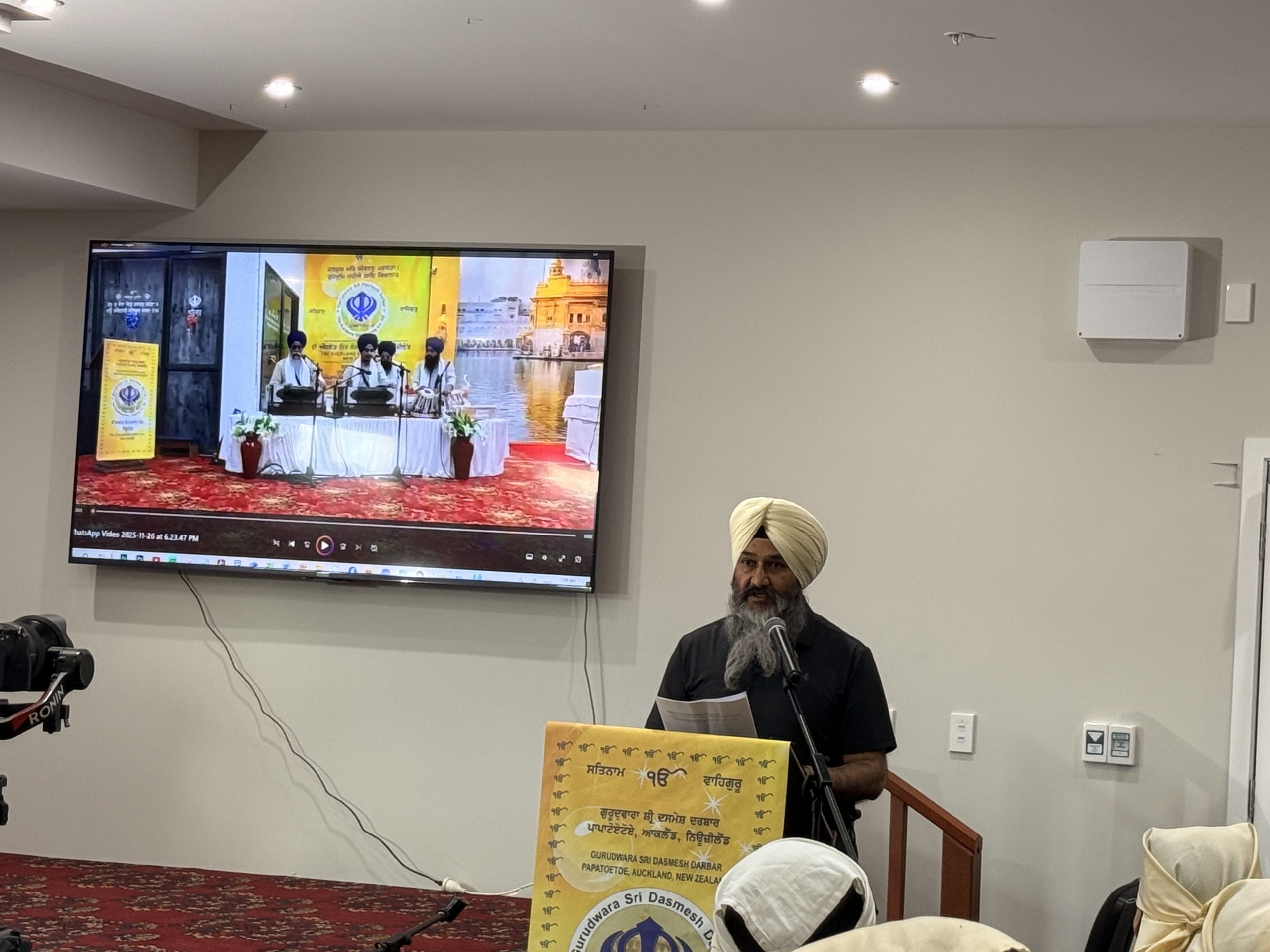
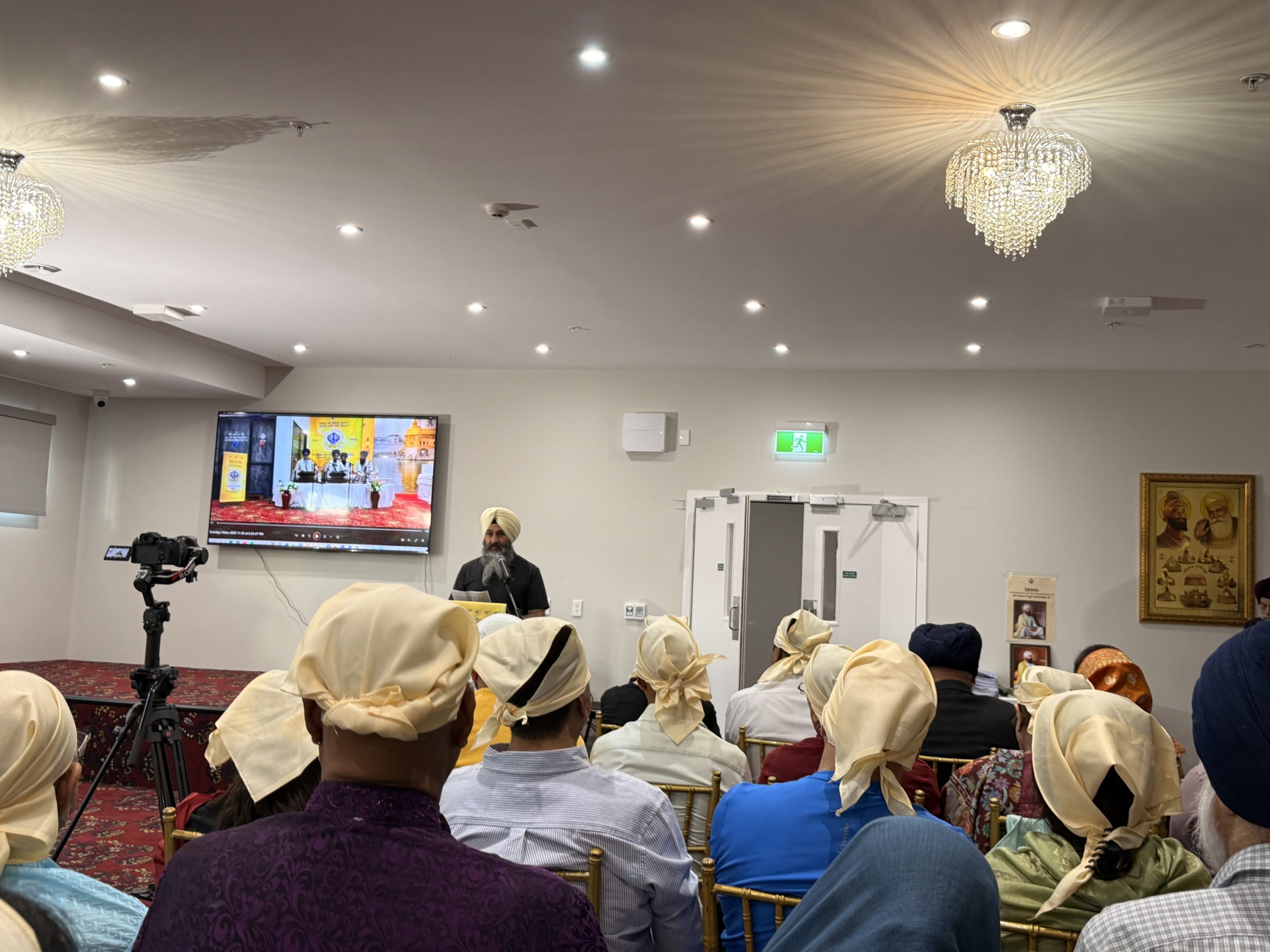
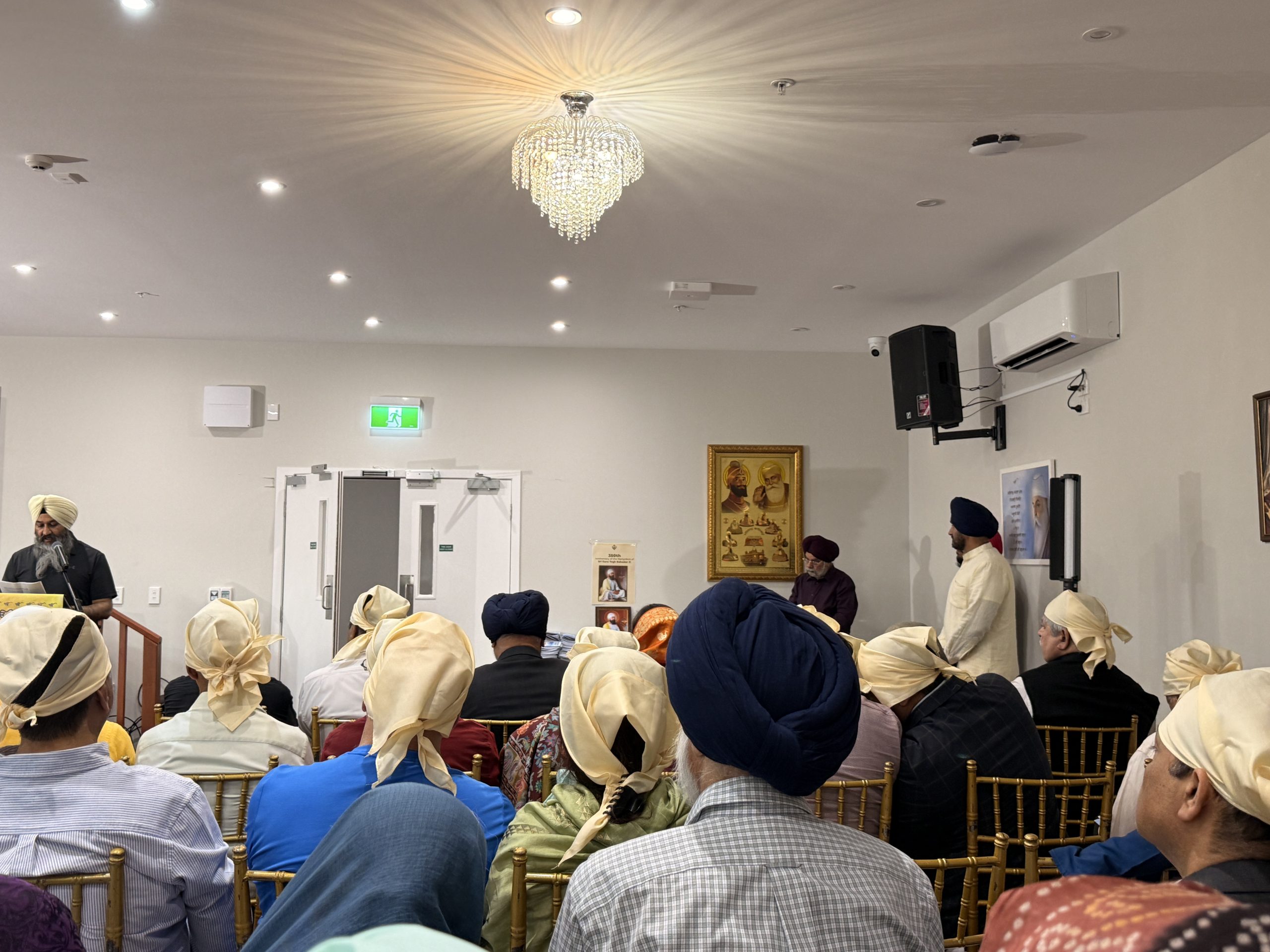
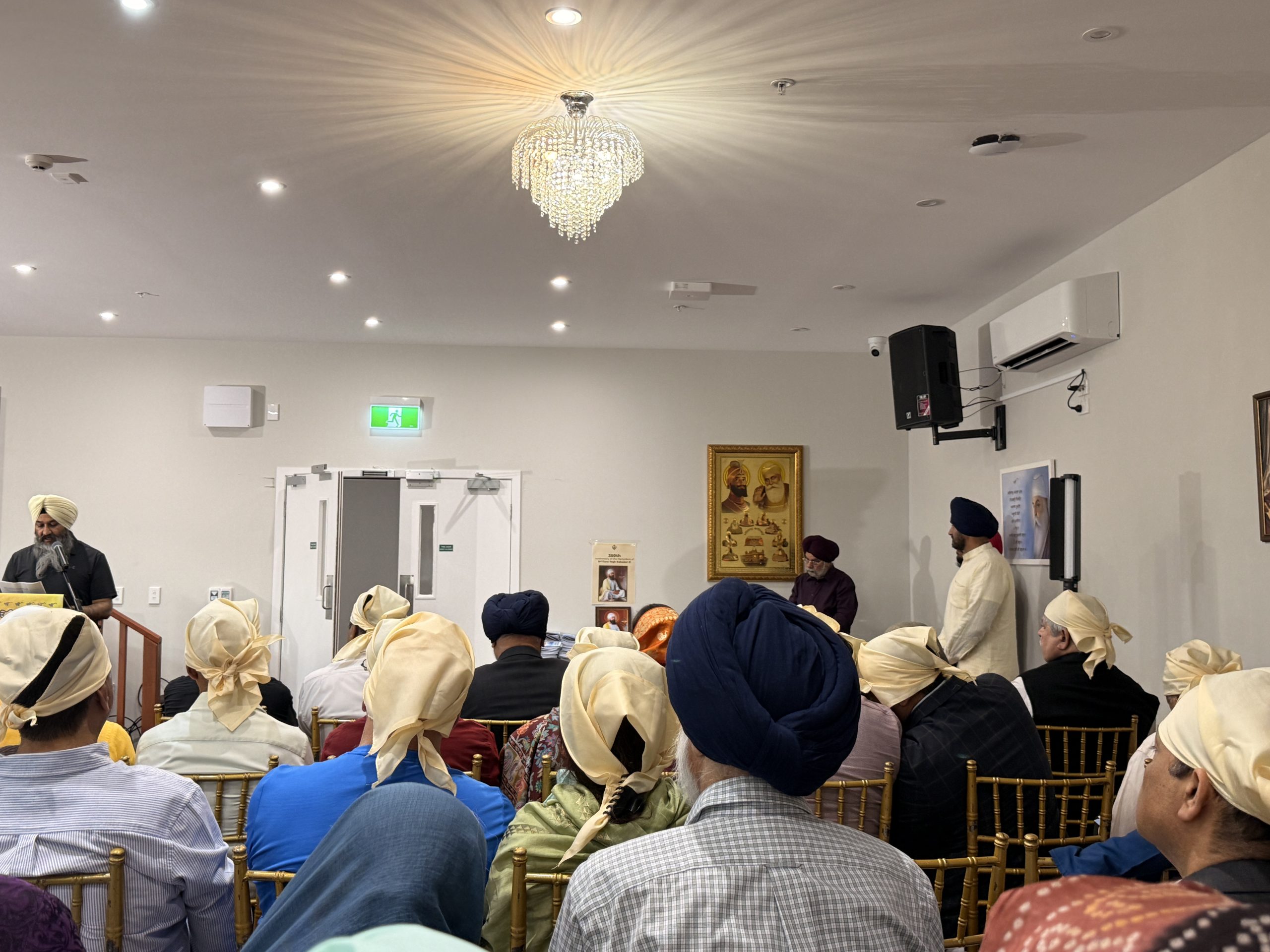
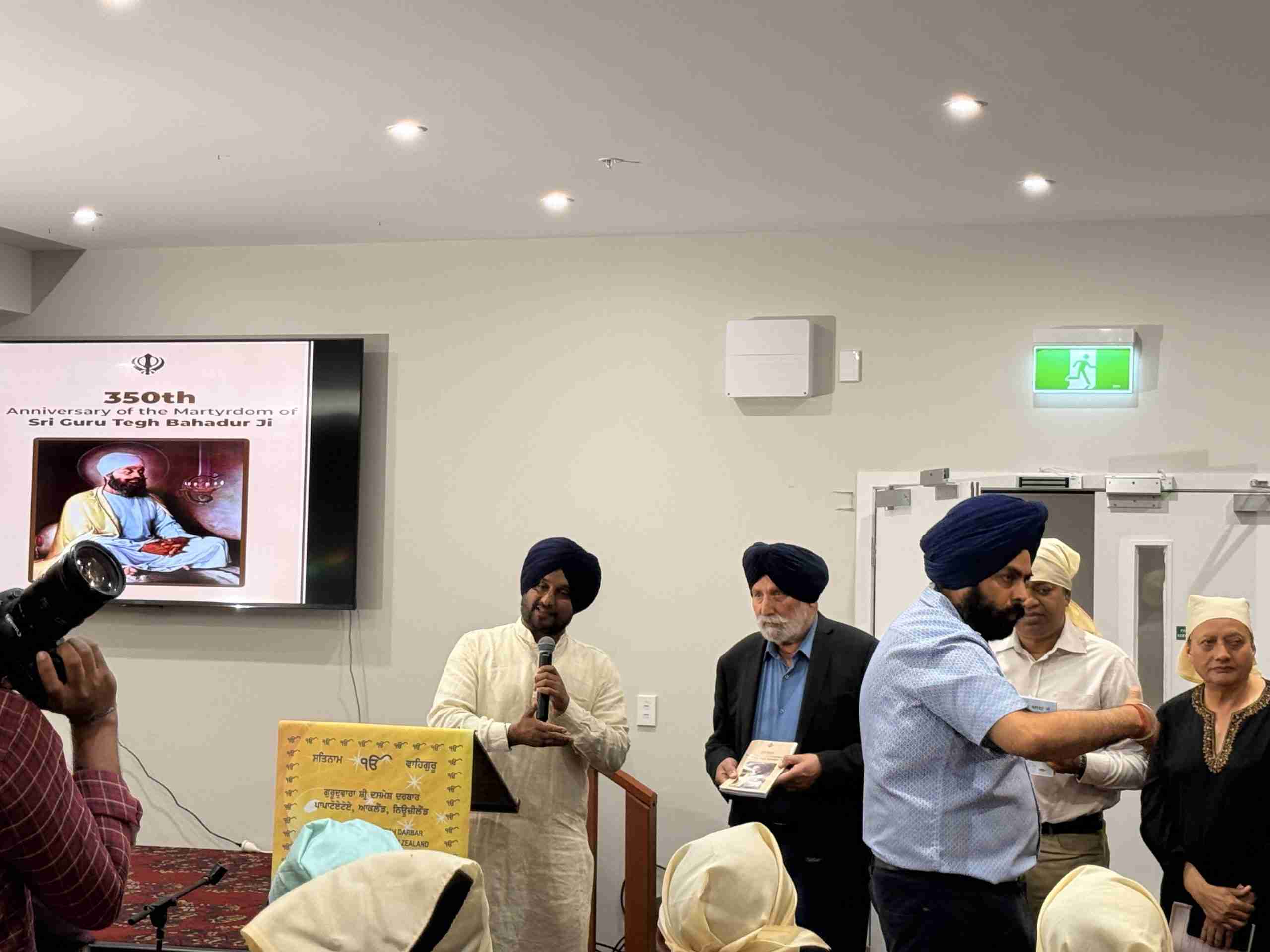
Auckland gathered at Shree Dashmesh Darbar for a deeply moving commemoration of the 350th Centenary of the Martyrdom of Hind Ki Chadar, Guru Tegh Bahadur Ji. The community came together with reverence and unity to honour one of the most respected spiritual figures in Sikh history and Indian heritage.
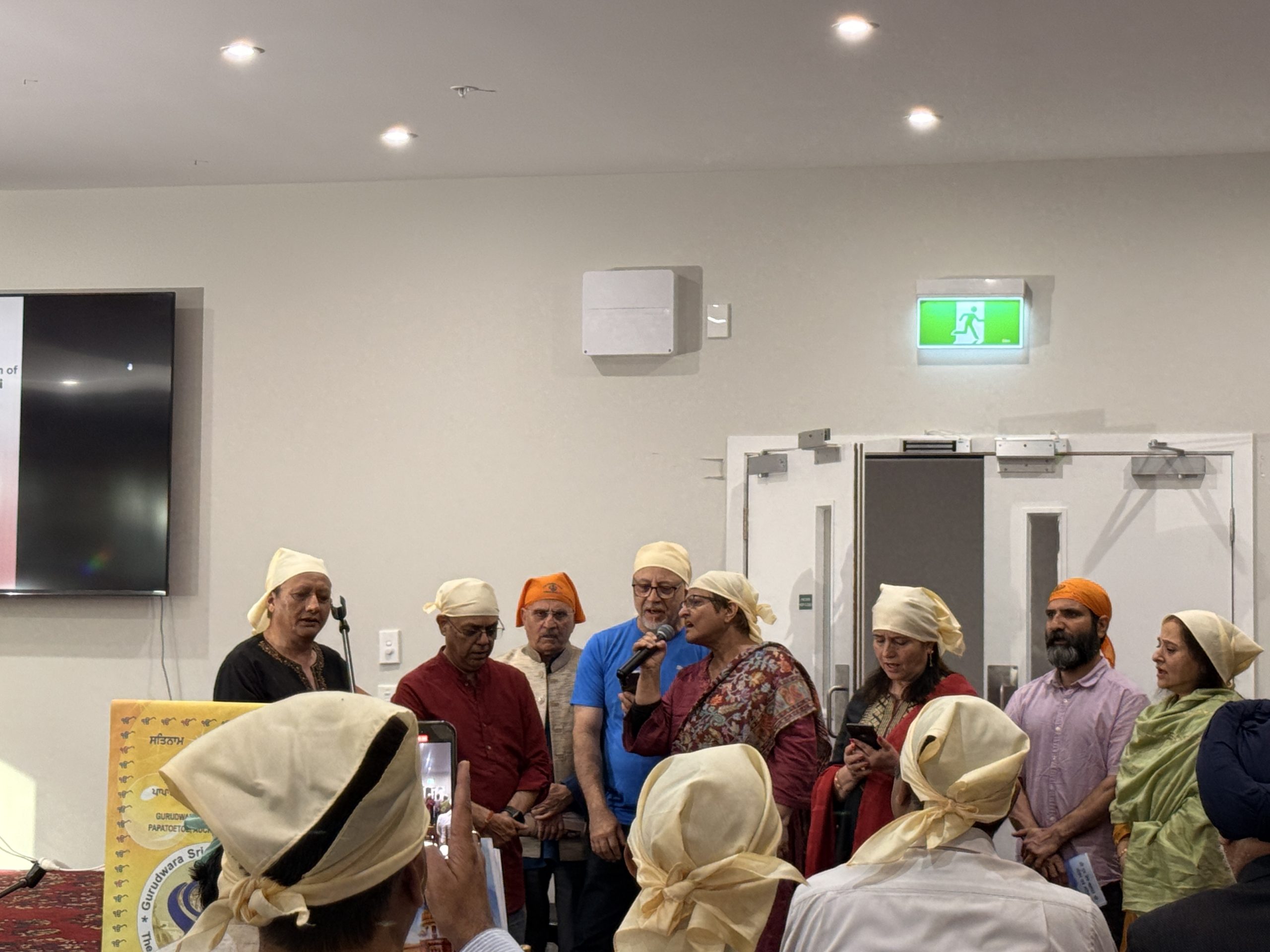
The New Zealand Sikh Sangat organised the event and brought together dignitaries, faith leaders, families, and youth. Everyone participated with deep respect and heartfelt devotion.
The evening opened with soulful kirtan. The hymns filled the hall and created a quiet atmosphere of reflection. Many attendees felt emotionally moved because of the significance of the day.
Highlights of the Evening
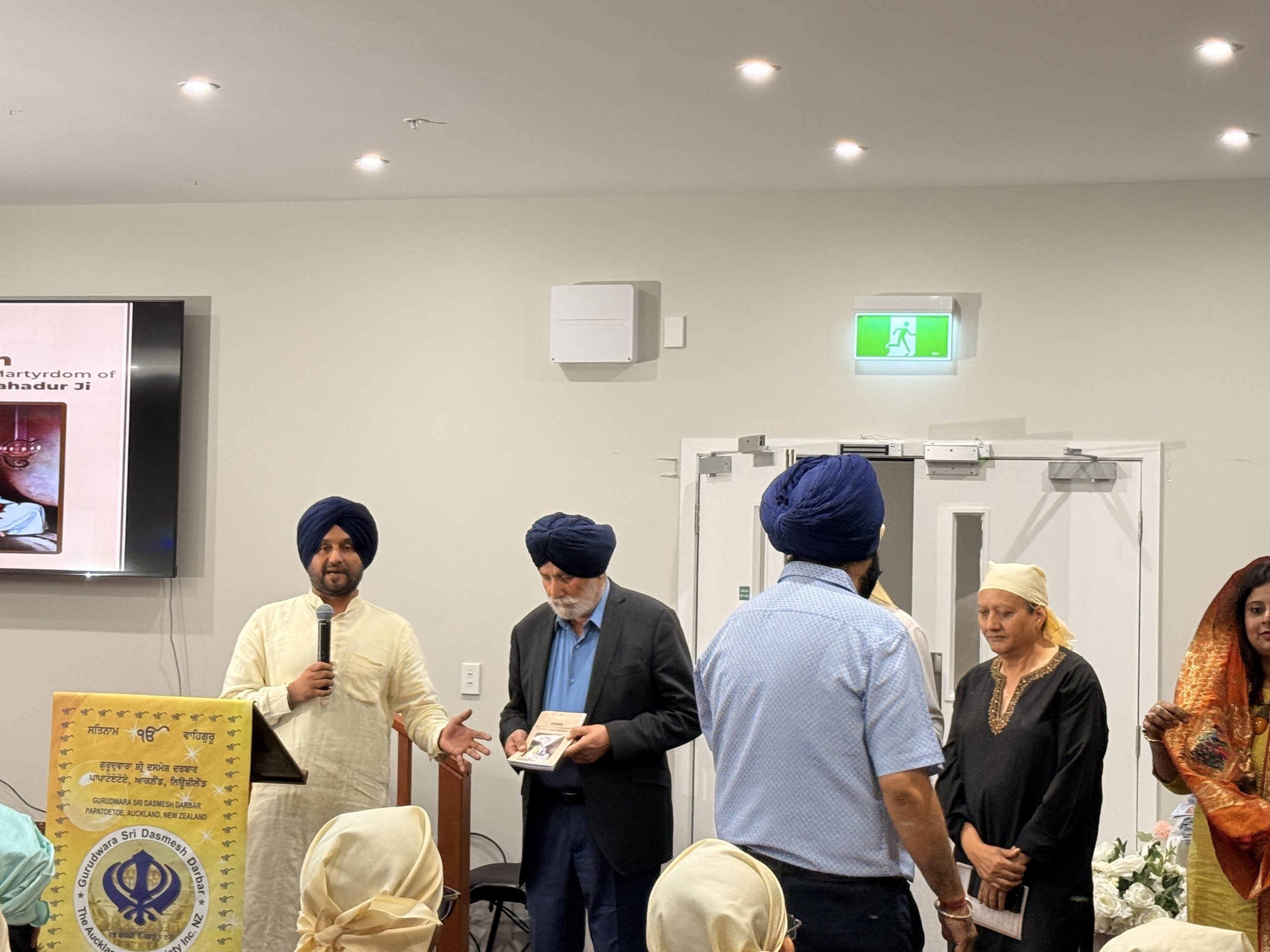
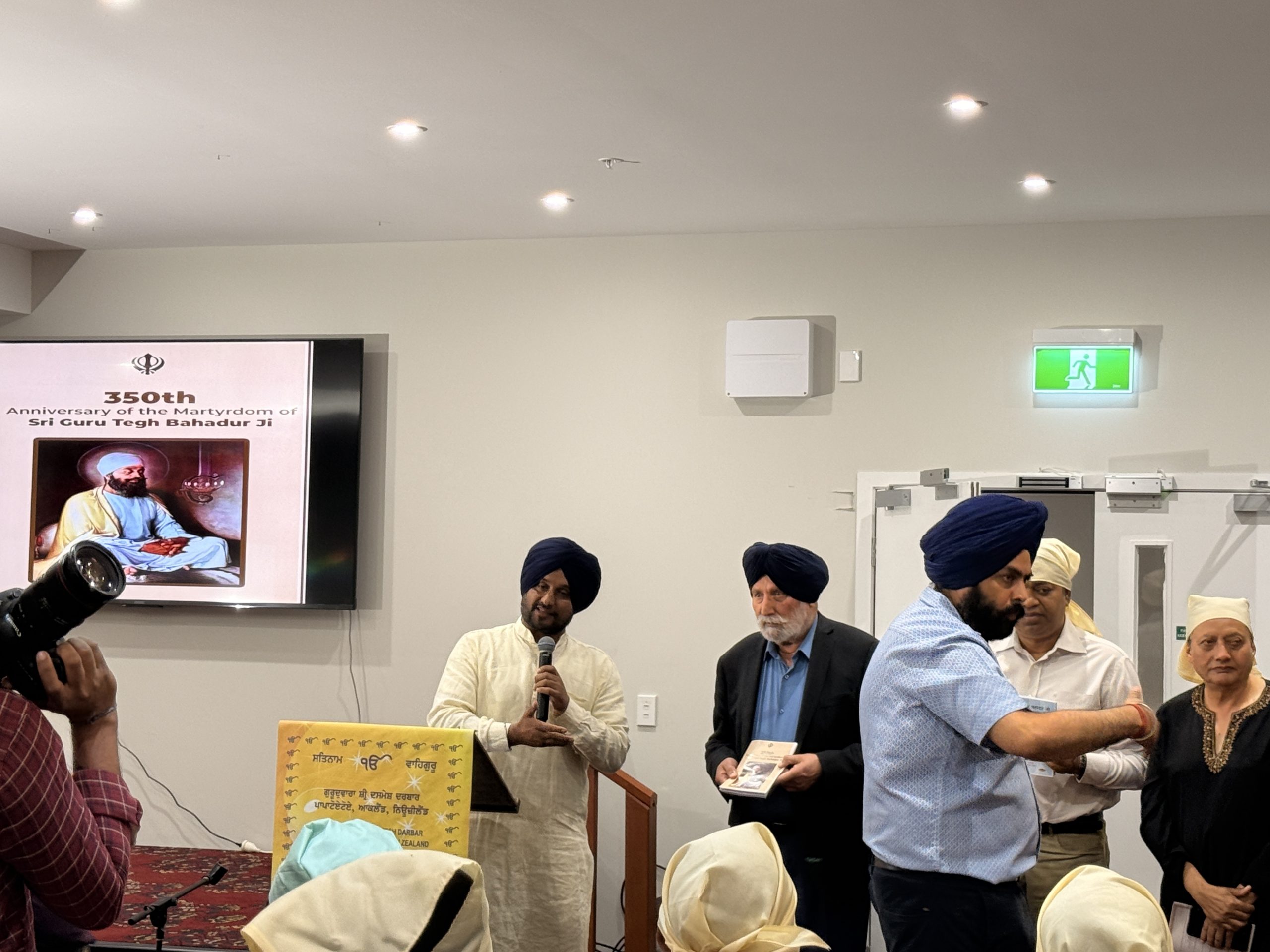
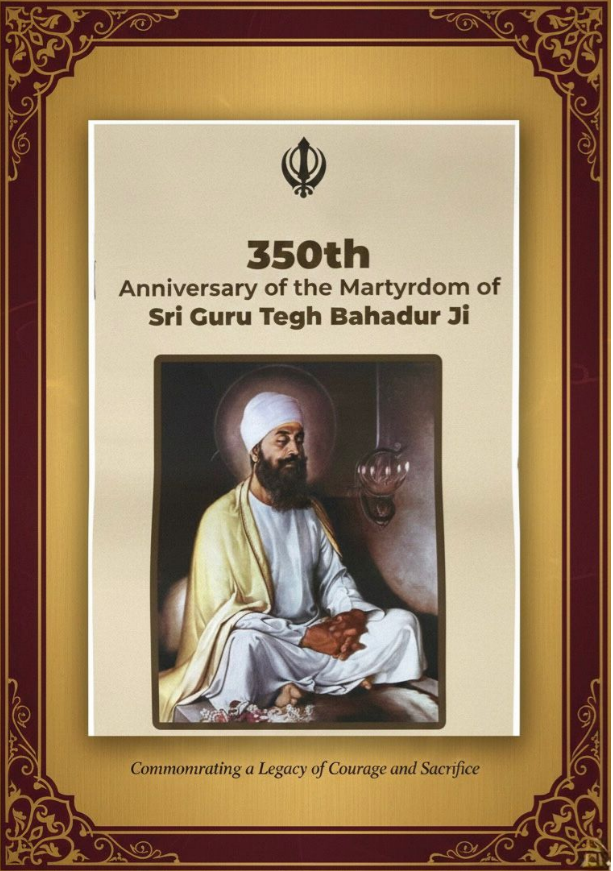
• A commemorative booklet presented the Guru’s life, teachings, and sacrifice. It was created to educate younger generations.
• A special centenary coin honoured his martyrdom.
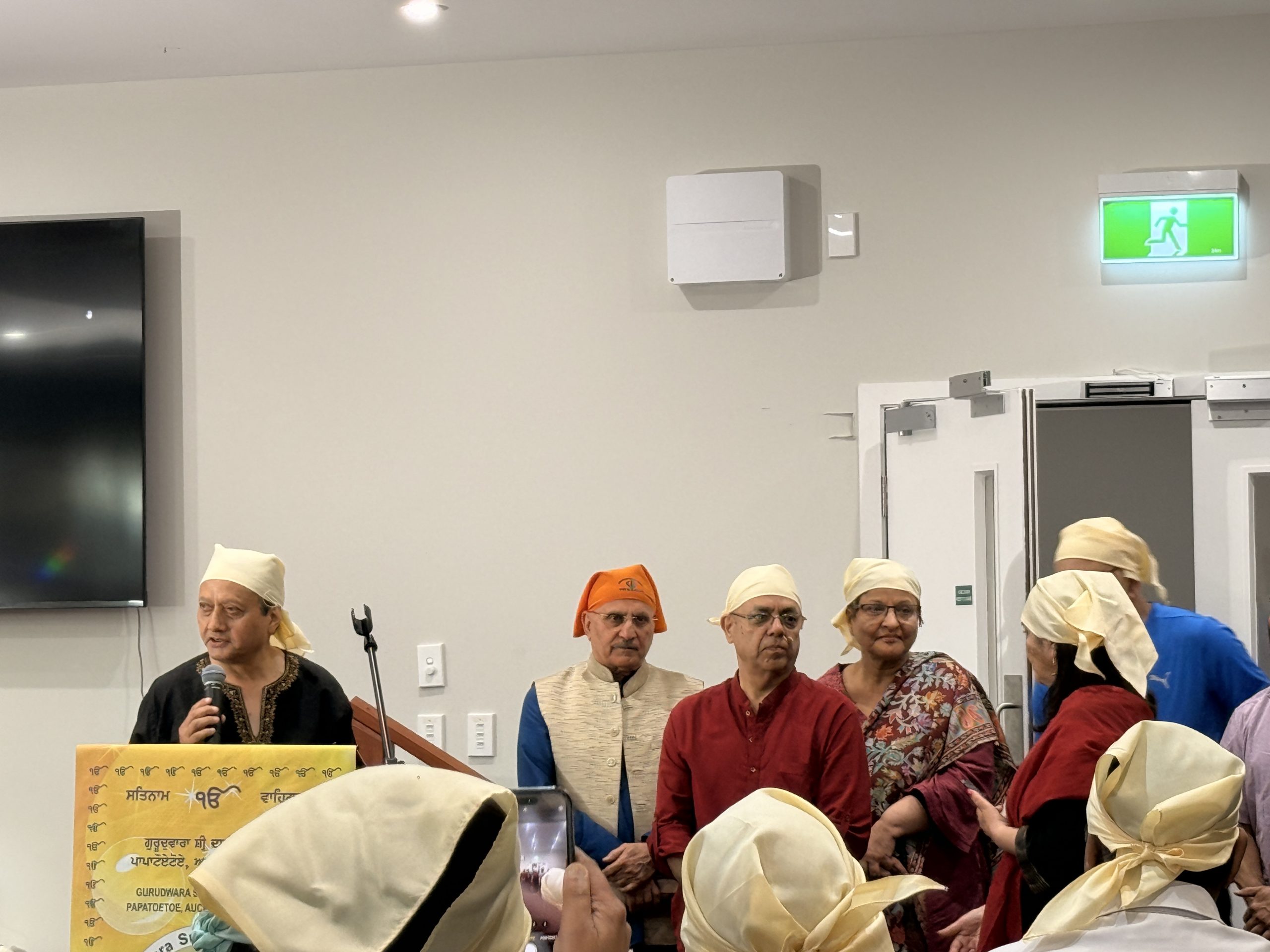
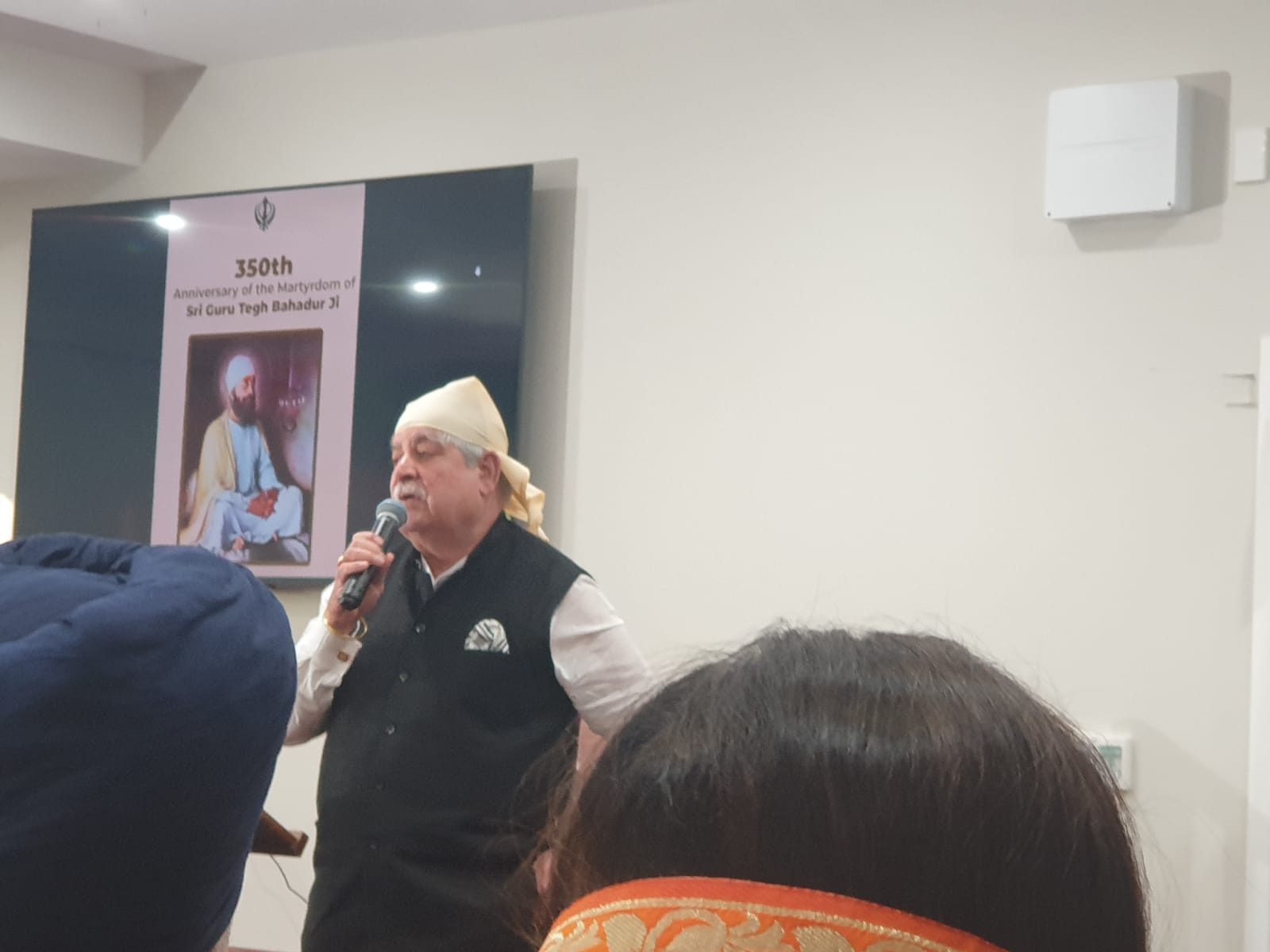
• Interfaith leaders and academics offered spoken tributes and explained the continued relevance of the Guru’s message.
• Multimedia slides showed important moments from Guru Tegh Bahadur Ji’s life and his final days.
• Langar was served in traditional Sikh style, which promoted equality and service.
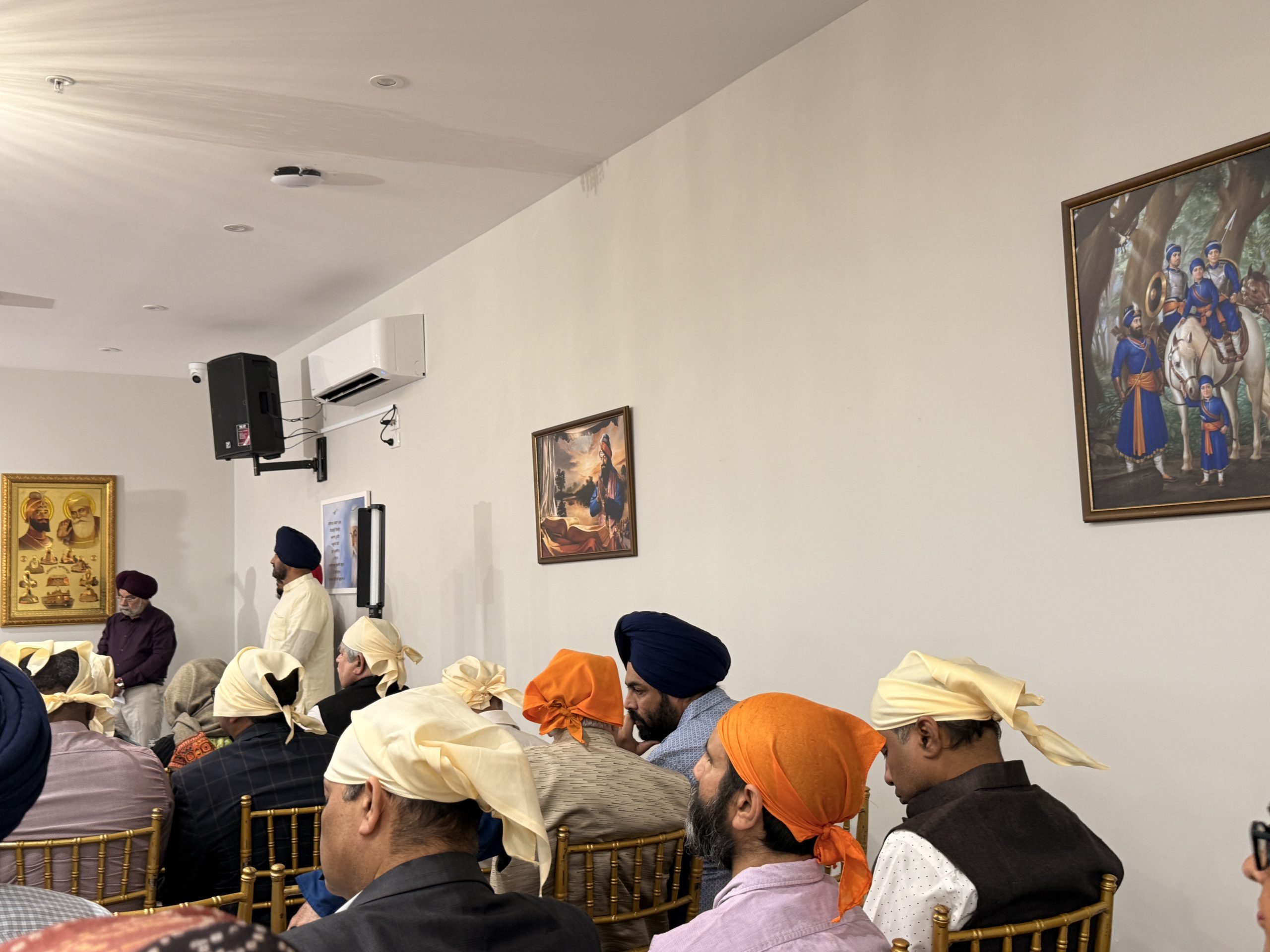
The gurdwara hall featured visual panels and projections that showed the Guru’s journey. These included his travels from Amritsar to Bakala, his spiritual depth, his work in Bengal and Assam, and his final days in Delhi. Displays also remembered Bhai Mati Das, Bhai Sati Das, and Bhai Dayal Das. Their fearless sacrifices stood beside the Guru’s own.
One of the most emotional parts of the programme came when young volunteers read aloud historical excerpts from the commemorative booklet. Their narration described the torture of Guru Tegh Bahadur Ji’s companions, the Guru’s calm strength, and his final prayer. Because of this, many listeners felt deeply moved.
Senior Sikh Sangat members, respected kaar sevaks, and students from Sikh educational institutions attended the event. The Consul General of India and NZICA President, Mr. Veer Kha,r also joined the gathering. Their presence highlighted the interfaith and global importance of the Guru’s life.
Honouring the Auckland Sikh Society Incorporated
This commemoration was organised by The Auckland Sikh Society Incorporated, an association that shaped Sikh history in Auckland. The sangat expressed sincere thanks to President Manjit Singh Bath, founding member and past president Mr. Ajit Singh Randhawa, and Prithipal Singh Basra, a respected historical figure who helped establish the Auckland branch of the Sikh Society and the original gurdwara. Their lifelong dedication continues to guide and inspire the community.
Shivani Arora, representing the organising team, said, “This event is not only about remembrance. It is also about passing these values on. We want our children to understand who Guru Tegh Bahadur Ji was and what he stood for.”
A Beacon of Courage, Faith, and Humanity
Guru Tegh Bahadur Ji, the ninth Guru of Sikhism, was born in 1621 in Amritsar to Guru Hargobind Sahib and Mata Nanaki. His birth name was Tyag Mal. He grew up with teachings of humility, service, and devotion. Under Baba Budha Ji and Baba Gurditta, he studied scripture and deepened his spiritual learning. He also trained in horseback riding, archery, and swordsmanship.
At fourteen, he displayed remarkable courage during the Battle of Kartarpur. As a result, he earned the name Tegh Bahadur, meaning Brave Sword. He later spent more than two decades in meditation in Bakala. His humility was so deep that people could not recognise him as the true Guru until Bhai Makhan Shah Labana finally identified him.
Guru Tegh Bahadur Ji travelled widely in northern and eastern India. He spread messages of justice, remembrance of God, and compassion. During his travels, he opened langars, provided food relief, unified Sikh communities, and established Chakk Nanaki, later known as Anandpur Sahib. His bani, 115 hymns in the Guru Granth Sahib, teaches detachment from ego, the temporary nature of material wealth, and the power of naam.
Teachings of Guru Tegh Bahadur Ji
• Live without fear, and do not cause fear in others.
• Let go of pride and meditate on the Eternal.
• Stand for truth and righteousness, even if sacrifice becomes necessary.
These teachings guided the path that led to his supreme sacrifice.
The Path to Martyrdom
In 1675, Kashmiri Pandits approached Guru Tegh Bahadur Ji for protection. They faced forced conversion under Mughal rule. The Guru defended their right to worship freely and asked them to tell the Emperor that they would convert only if Guru Tegh Bahadur Ji converted.
The Guru understood the danger. He appointed his young son Gobind Rai as the next Guru and travelled to Delhi to protect human rights.
Authorities arrested him and subjected him to harsh treatment. His beloved Sikhs faced painful executions.
• Bhai Mati Das was sawn alive.
• Bhai Dayal Das was boiled.
• Bhai Sati Das was wrapped in cotton and set on fire.
These tortures were meant to break his resolve. However, he remained firm in his faith.
The Final Act of Courage
The Emperor gave him a choice. He could convert or face death. He chose death.
On 24 November 1675, at Chandni Chowk, Delhi, Guru Tegh Bahadur Ji was publicly executed. His sacrifice protected the freedom of faith for all people. He became the first known martyr in world history to give his life for the rights of another religion.
After his execution, Bhai Lakhi Shah took his body and cremated it by burning his home to hide the act. Bhai Jaita carried the Guru’s head to Anandpur Sahib. He risked his life to return it to Guru Gobind Singh Ji.
This sacrifice led to the rise of the Khalsa. Guru Gobind Singh Ji created the order of saint soldiers to defend the oppressed and stand against injustice.
Today, memorials such as Sis Ganj Sahib and Rakab Ganj Sahib honour this sacrifice. His name is recited daily in Ardaas. His message continues to inspire people across the world.
Guru Tegh Bahadur Ji remains a universal symbol of dignity, courage, and sacrifice.
Hind Ki Chadar, the Shield of India, the Defender of the Oppressed, the Light of Courage.