SOUTH OTAGO, 3 August 2026
A major $2 million upgrade to flood protection infrastructure at the mouth of the Puerua River is nearing completion, with the Otago Regional Council confirming the work remains on track to finish by mid-October.
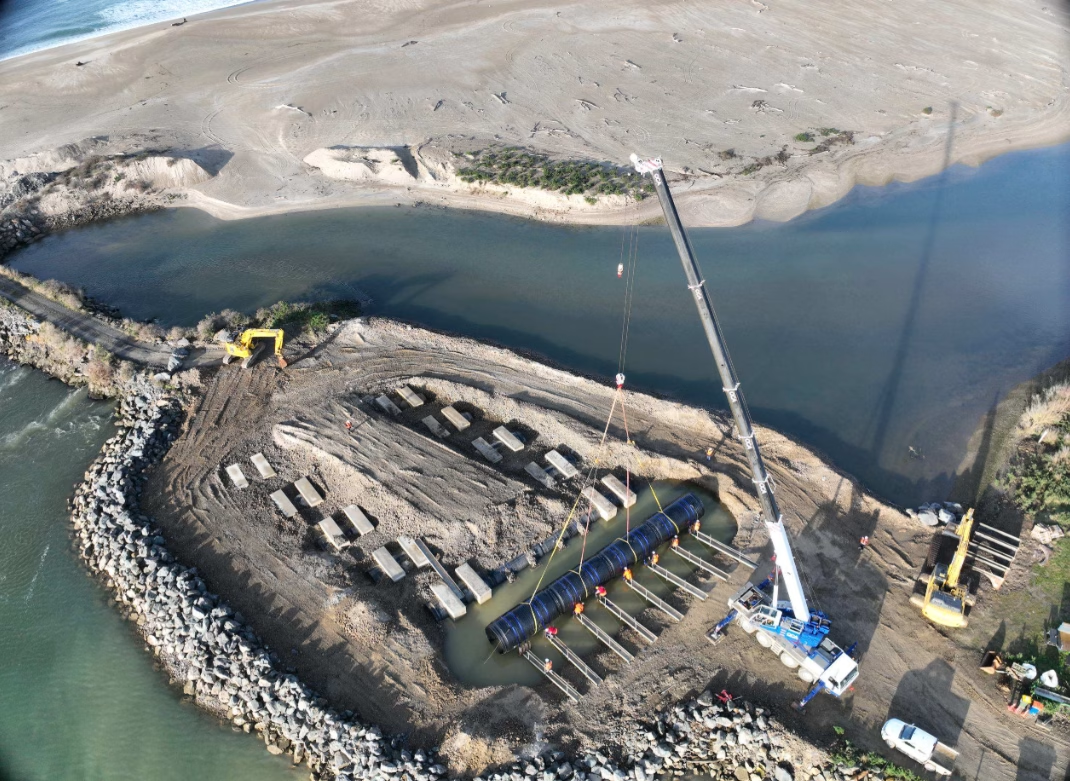
The Puerua Outfall Structure Upgrades are being carried out where the river meets the Koau branch of the Clutha River, south of Balclutha. The project is intended to strengthen a vulnerable section of the Lower Clutha flood protection and drainage network and improve protection for nearby communities, farmland and transport infrastructure.
Work began in November 2025 and includes the replacement of outfall culverts and reinforcement of the coastal river training wall.
Key flood protection infrastructure being strengthened
Otago Regional Council Manager Engineering Brett Paterson said the project focuses on the training line and culverts that help control the way water moves from the Puerua River towards the sea.
“The project focuses on the river training line and its culverts, which control river flows to the sea and prevent the river mouth from shifting along the coast,” Paterson said.
River training walls are engineered structures, generally built from rock, that guide water through a defined channel. At the Puerua outfall, the wall helps maintain the river mouth’s position and supports reliable drainage from the surrounding low-lying land.
Earlier flood events and continuing coastal erosion had damaged parts of the existing infrastructure and reduced its effectiveness.
The current project is designed to restore that performance and strengthen the system for future conditions.
Work scheduled for completion in October
SouthRoads is the main contractor delivering the project.
Paterson said construction was progressing well and remained within the planned timetable.
“The work is progressing well, and is on target to meet the planned timelines,” he said.
Completion is expected by mid-October, subject to weather, tides and site conditions.
Unlike a conventional inland construction site, the Puerua outfall is affected by three constantly changing water environments: the Clutha River, the coastal sea and a smaller adjoining waterway.
That makes planning and delivery particularly difficult.
“The biggest challenge on this site is the environment itself. Dealing with the Clutha, sea and side waterway, all working to the windows of tides and weather patterns,” Paterson said.
“With the three water patterns in play the environment is always changing. The team on site have done an amazing job monitoring and dealing with any adverse effect of the changes.”
Culverts and rock walls form two-stage upgrade
The project involves two main stages.
The first is the installation and replacement of outfall culverts. These structures allow water to pass through the training line while supporting drainage and flow management.
The second stage involves strengthening the training line’s rock walls to improve their resilience against erosion, high flows and coastal forces.
Together, the improvements are expected to increase protection for the Balclutha and Kaitangata areas.
They will also help the wider system cope with changing river behaviour and the increased pressure that may arise from more severe rainfall, flooding and climate-related changes.
“Upgrading the training line and culverts improves the system’s ability to handle future floods and cope with changing river flows caused by climate change,” Paterson said.
Government-backed regional investment
The $2 million project is being supported by a loan of up to $1.2 million from the Government’s Regional Investment Fund.
The fund is administered by Kanoa, the Regional Economic Development and Investment Unit.
The co-funding recognises the wider economic and community importance of reliable flood protection in South Otago.
The Lower Clutha area includes productive agricultural land, townships, roads, rail infrastructure and essential services that can be disrupted or damaged during major flood events.
Investment in river and drainage assets is therefore not limited to protecting individual properties. It supports the wider regional economy and the movement of people and goods through the district.
Protecting communities and productive land
The Puerua works form part of the Lower Clutha/Mata-Au Flood Protection and Drainage Scheme.
The scheme protects approximately 9,300 hectares and includes an extensive network of engineered assets.
| Scheme infrastructure | Scale |
|---|---|
| Floodbanks | 110 kilometres |
| Open drains | 153 kilometres |
| Culverts | 189 |
| Pump stations | Five |
| Bridges | Four |
The network extends from about four kilometres north of Balclutha to the coast.
It protects the towns of Balclutha, Kaitangata and Stirling, along with surrounding low-lying farmland.
The scheme was built progressively between 1960 and 1991 and remains central to managing flood risk in the Lower Clutha.
Without the floodbanks, drains, culverts and pumping systems, large areas of productive land would face greater exposure to waterlogging and inundation.
Climate change adds pressure to ageing assets
Flood protection systems across New Zealand are facing growing pressure from ageing infrastructure and changing weather patterns.
Heavier rainfall, coastal erosion, higher river flows and more frequent extreme events can all reduce the effectiveness of structures built decades ago.
The Puerua training wall has already experienced damage from previous floods and erosion.
Strengthening it now is intended to extend its useful life and improve reliability before further deterioration creates more serious risks.
The project also shows the complexity of upgrading infrastructure in environmentally exposed locations.
Construction teams must work around tides, river flows and weather windows while protecting the surrounding environment and keeping the drainage system functioning.
Long-term role in Lower Clutha resilience
Once completed, the upgraded culverts and training wall are expected to support more reliable drainage and maintain the performance of the Lower Clutha scheme.
The work will help protect homes, farms, roads, rail lines and other infrastructure from flood-related disruption.
For communities near Balclutha and Kaitangata, the project is part of a wider effort to ensure flood protection systems remain fit for purpose as climate and river conditions continue to change.
With the most difficult stages now well advanced, the Otago Regional Council expects the project to be completed within the next few months.
The finish will mark another step in strengthening South Otago’s resilience against flooding while protecting the land and infrastructure that underpin the region’s communities and economy.