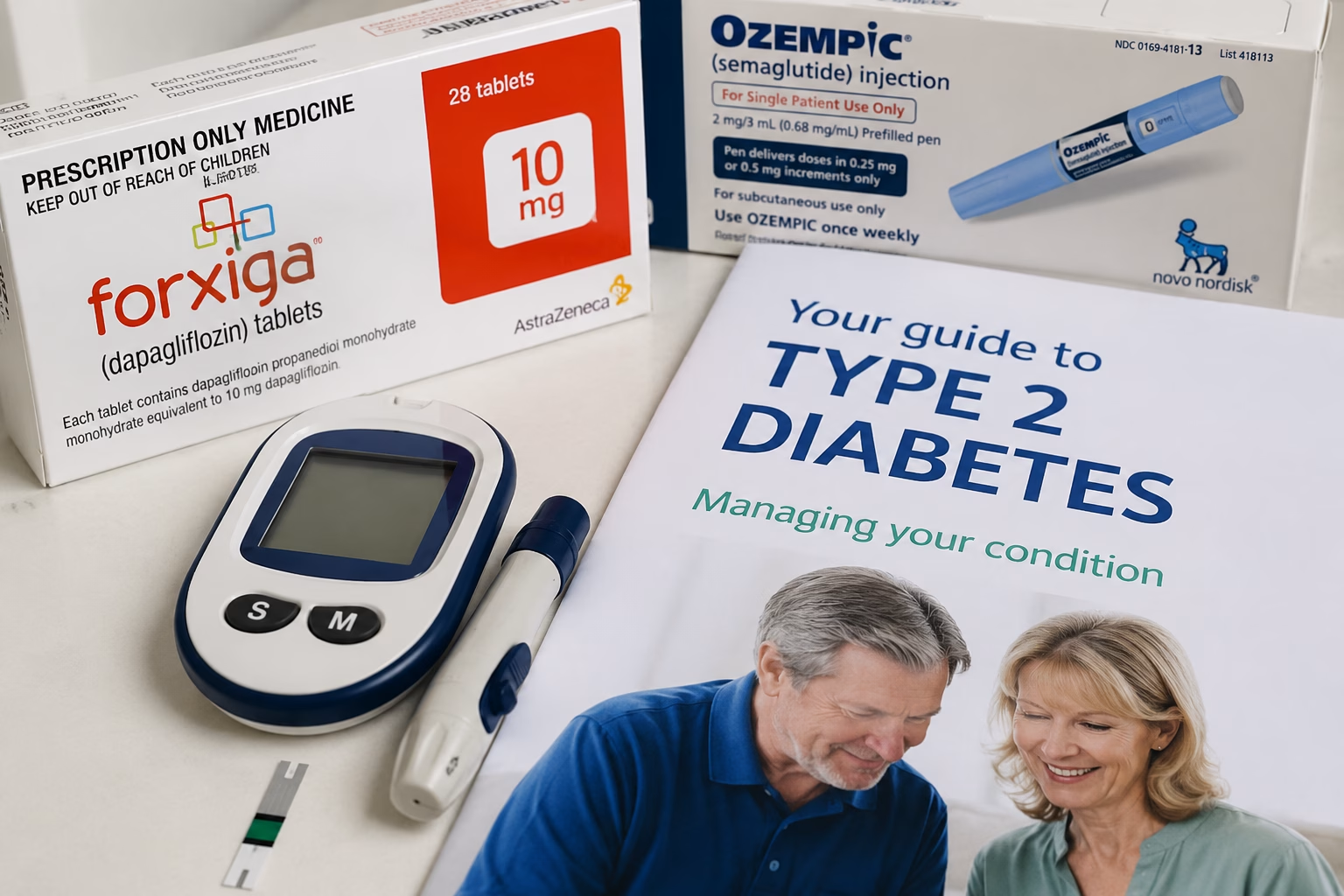
From 1 September, thousands more New Zealanders living with type 2 diabetes will be able to access funded medicines following a major decision by Pharmac to widen eligibility criteria.
The move is expected to benefit around 14,000 additional people in the first year, with more than 31,000 New Zealanders gaining access over the next five years.
The decision follows one of Pharmac’s largest public consultations on diabetes treatment, during which nearly 1,900 submissions were received from patients, families, healthcare professionals, advocacy groups and community organisations.
PSA Warns MSD Security Guard Cuts Could Put Staff and Visitors at Risk – WebfitNews
What is changing?
Beginning 1 September, Pharmac will expand funded access to four widely used medicines for people with type 2 diabetes:
- Empagliflozin
- Empagliflozin with metformin
- Liraglutide
- Dulaglutide
Previously, many patients had to meet strict eligibility requirements before receiving funded treatment. These included:
- Having a history of cardiovascular disease
- Having kidney disease
- Being at elevated risk of heart disease
- Meeting ethnicity-based eligibility criteria
Under the new rules, these restrictions will be removed.
Instead, access will primarily depend on whether a person’s blood sugar levels remain inadequately controlled despite treatment with other funded diabetes medicines.
Why the decision matters
Type 2 diabetes is one of New Zealand’s most common long-term health conditions, affecting hundreds of thousands of people across the country.
If left poorly managed, it can lead to serious complications including:
- Heart disease
- Kidney disease
- Stroke
- Vision loss
- Nerve damage
- Reduced quality of life
According to Pharmac Chief Medical Officer Dr David Hughes, expanding access earlier in the course of the disease could help many patients avoid these complications.
“Type 2 diabetes affects hundreds of thousands of New Zealanders and can lead to serious complications including heart and kidney disease.”
Dr Hughes said earlier treatment would help improve blood sugar control while reducing future pressure on New Zealand’s healthcare system.
Who will benefit?
Around 145,000 New Zealanders already receive these funded medicines.
From September:
| Timeframe | Additional People Eligible |
|---|---|
| First 12 months | Around 14,000 |
| Five years | Around 31,000 |
Patients whose blood sugar remains high despite treatment with currently funded diabetes medicines may now qualify for funded access without needing to prove cardiovascular disease risk or meet ethnicity requirements.
Consultation changed the final decision
The final funding criteria are significantly broader than Pharmac originally proposed.
Earlier this year, Pharmac suggested:
- Lowering the cardiovascular risk threshold
- Removing ethnicity-based eligibility
However, many submitters raised concerns that simply removing ethnicity criteria could unintentionally disadvantage Māori and Pacific people, who currently qualify under existing rules but remain underrepresented in treatment uptake.
After reviewing feedback and working with medicine suppliers, Pharmac revised its approach.
Instead of limiting access based on cardiovascular risk, it removed both the cardiovascular and ethnicity requirements entirely and introduced a single set of funding criteria centred on poor blood sugar control.
Dr Hughes said the consultation played a major role in shaping the final outcome.
“We heard many personal stories about the impact of type 2 diabetes on people’s health, wellbeing and day-to-day lives.”
He said Pharmac carefully considered those concerns before making its final decision.
Simpler and fairer access
The updated approach creates one consistent pathway for funded treatment.
People who currently qualify, including Māori and Pacific patients, will continue to remain eligible under the revised rules, while thousands more New Zealanders will now also gain access.
The change is intended to simplify prescribing for clinicians while ensuring patients receive effective treatment earlier.
Why these medicines are important
The four medicines help lower blood glucose levels through different mechanisms and are widely recognised for reducing the risk of diabetes-related complications.
Clinical benefits include:
- Better long-term blood sugar control
- Reduced risk of heart disease
- Lower risk of kidney complications
- Improved diabetes management
- Better overall quality of life
Earlier treatment may also help delay or prevent expensive hospital care associated with advanced diabetes complications.
Growing burden of diabetes in New Zealand
Diabetes continues to place significant pressure on New Zealand’s health system.
As rates of obesity and an ageing population increase, healthcare professionals have repeatedly highlighted the importance of early intervention to reduce future complications and hospital admissions.
By expanding access to modern diabetes medicines, Pharmac aims to improve health outcomes while helping reduce long-term healthcare costs.
Looking ahead
The new funding criteria take effect on 1 September, allowing thousands more eligible patients to discuss these treatment options with their healthcare providers.
For many people living with type 2 diabetes, the decision represents earlier access to medicines that could improve daily management of the condition and reduce the likelihood of serious complications later in life.
As Dr Hughes noted, earlier treatment can make diabetes easier to manage while supporting healthier long-term outcomes for New Zealanders.
References
- Pharmac New Zealand
- Pharmac media release: Widened access to diabetes medicines to benefit over 30,000 New Zealanders