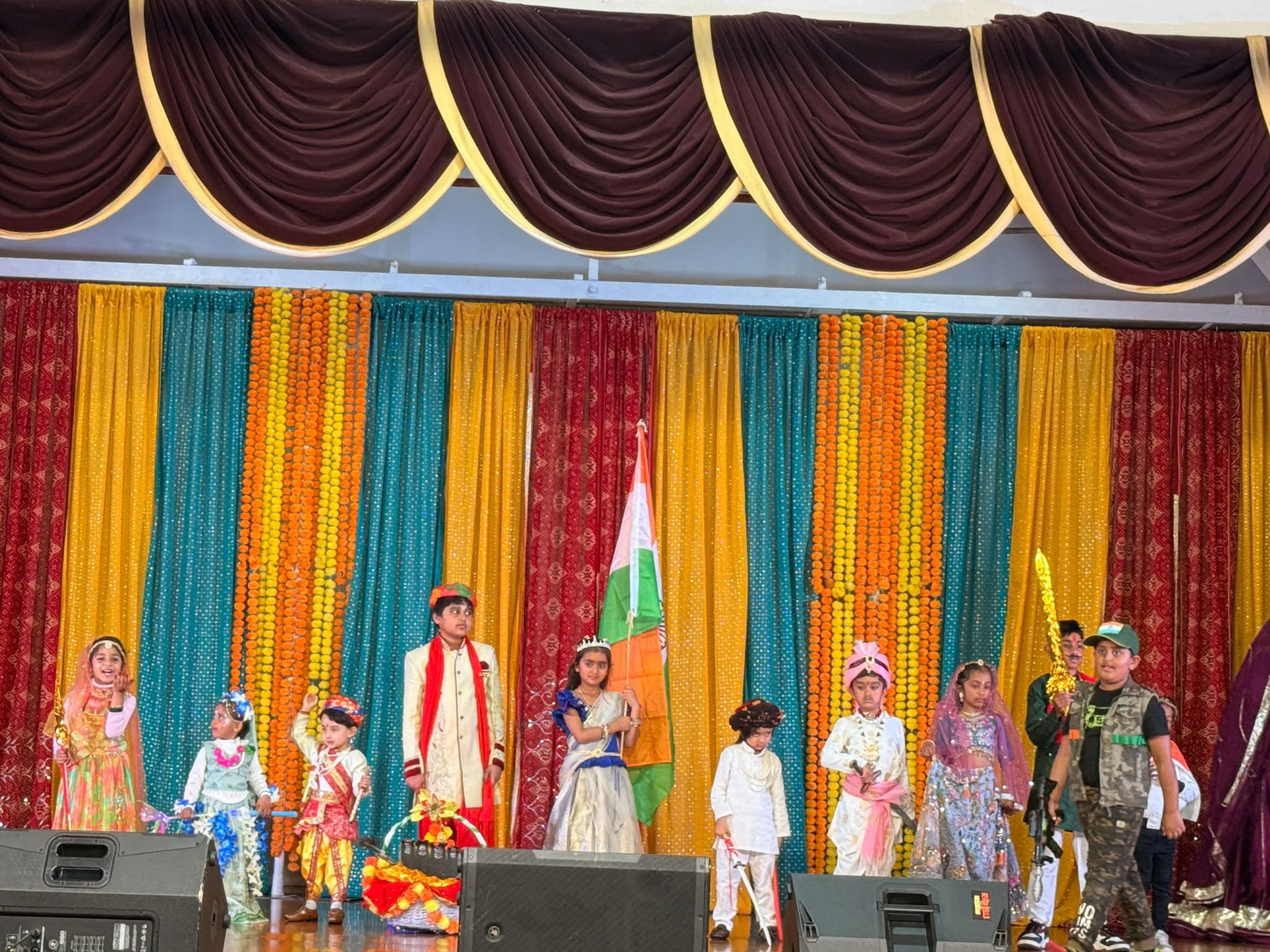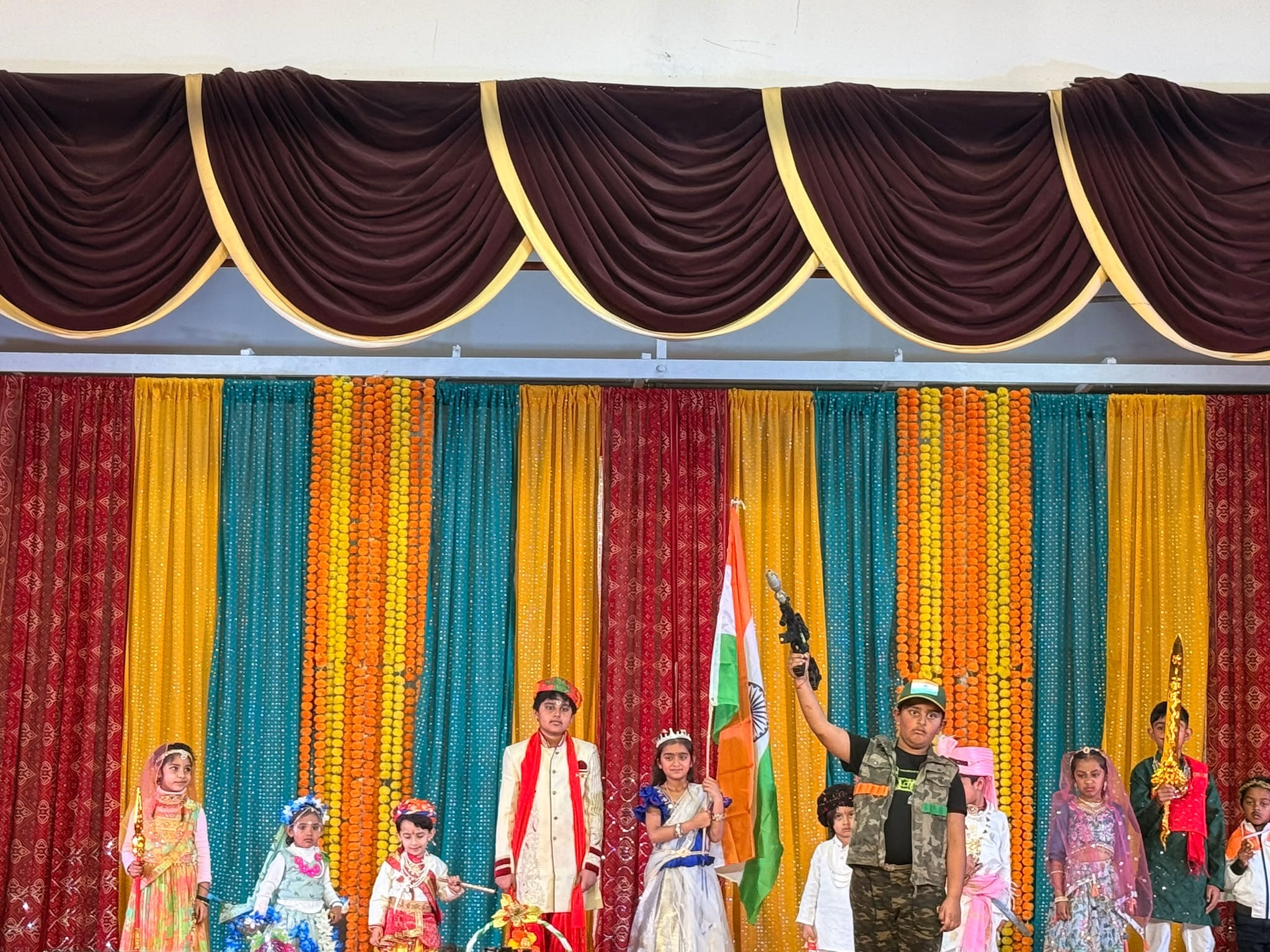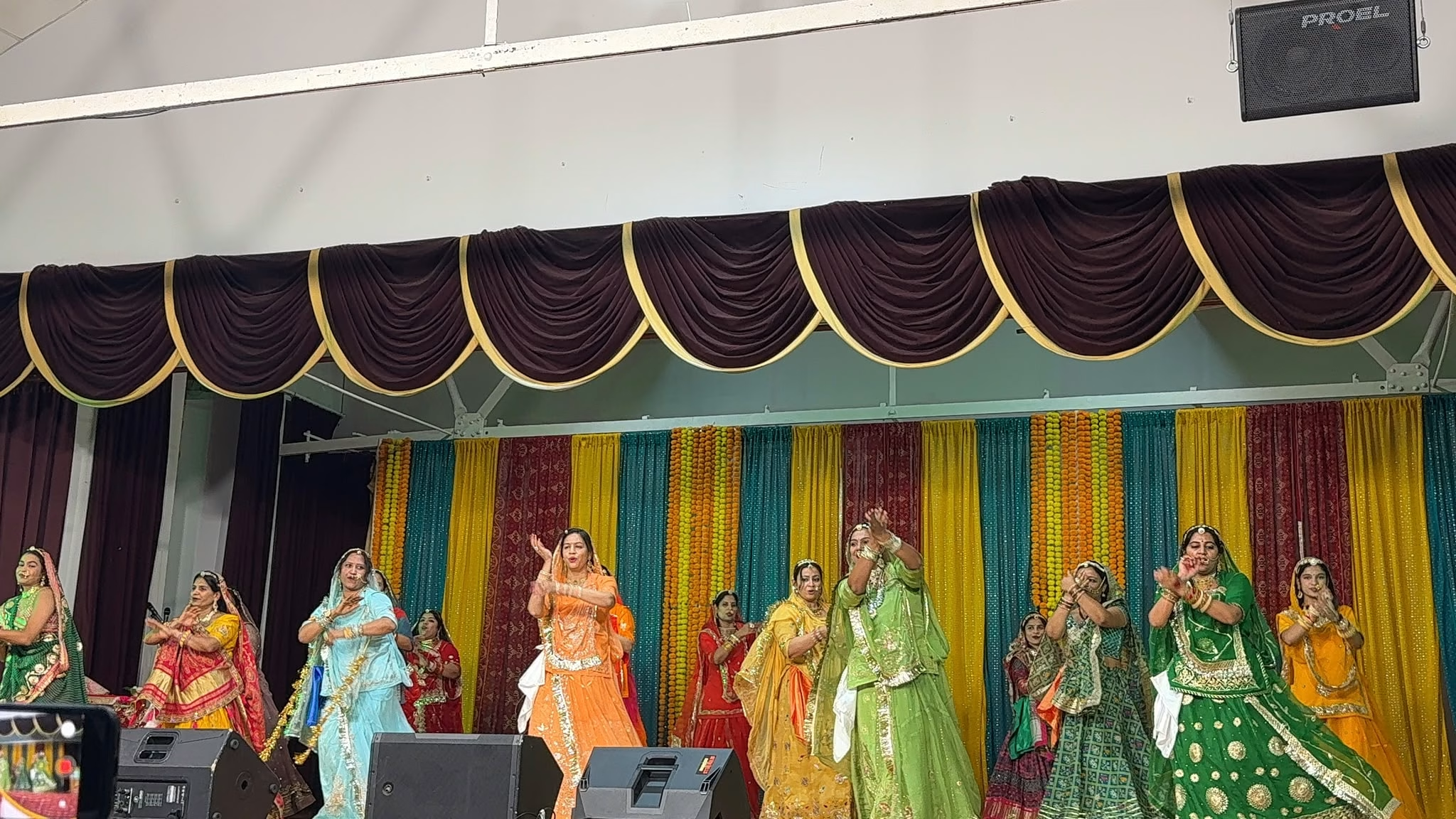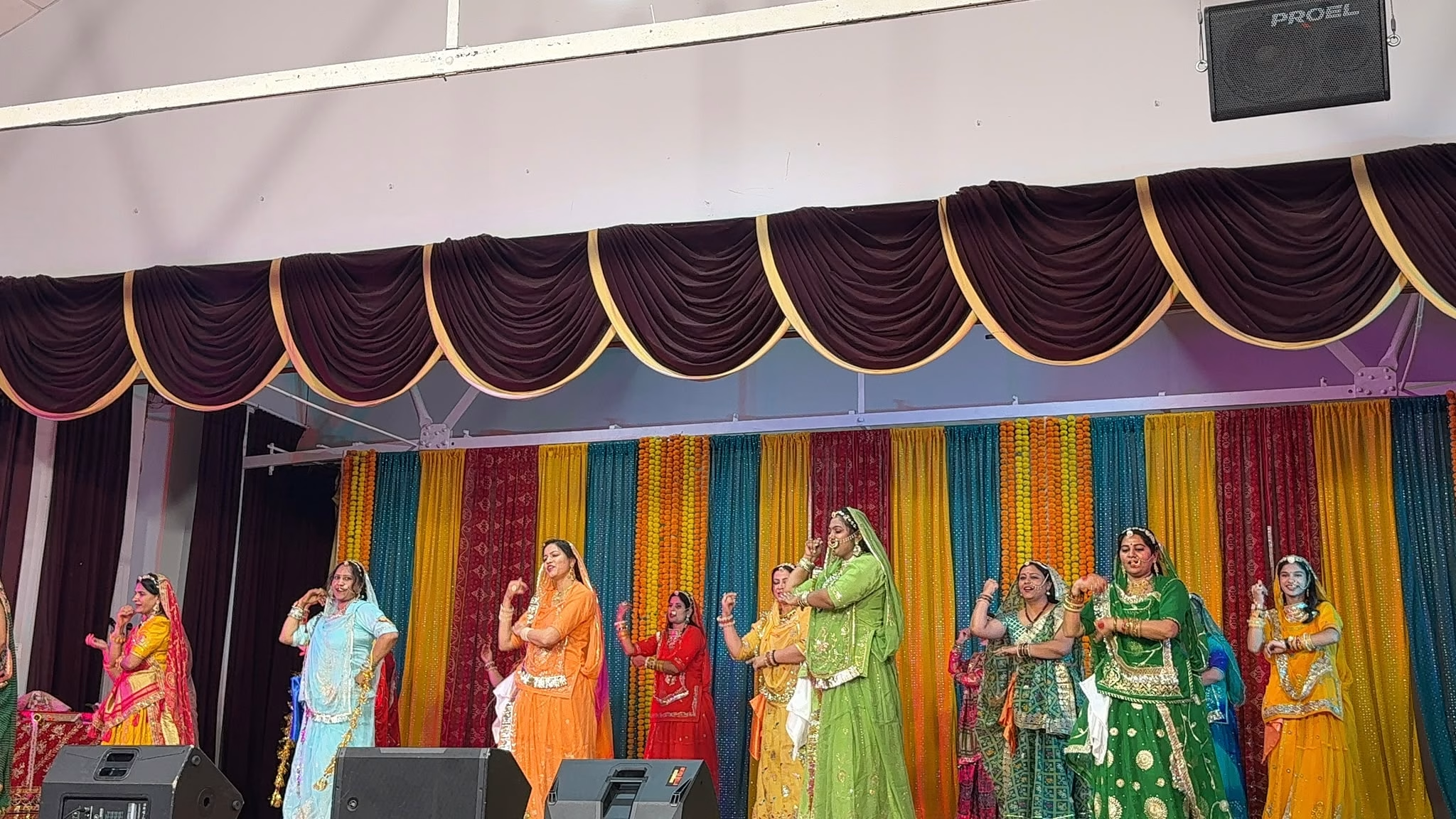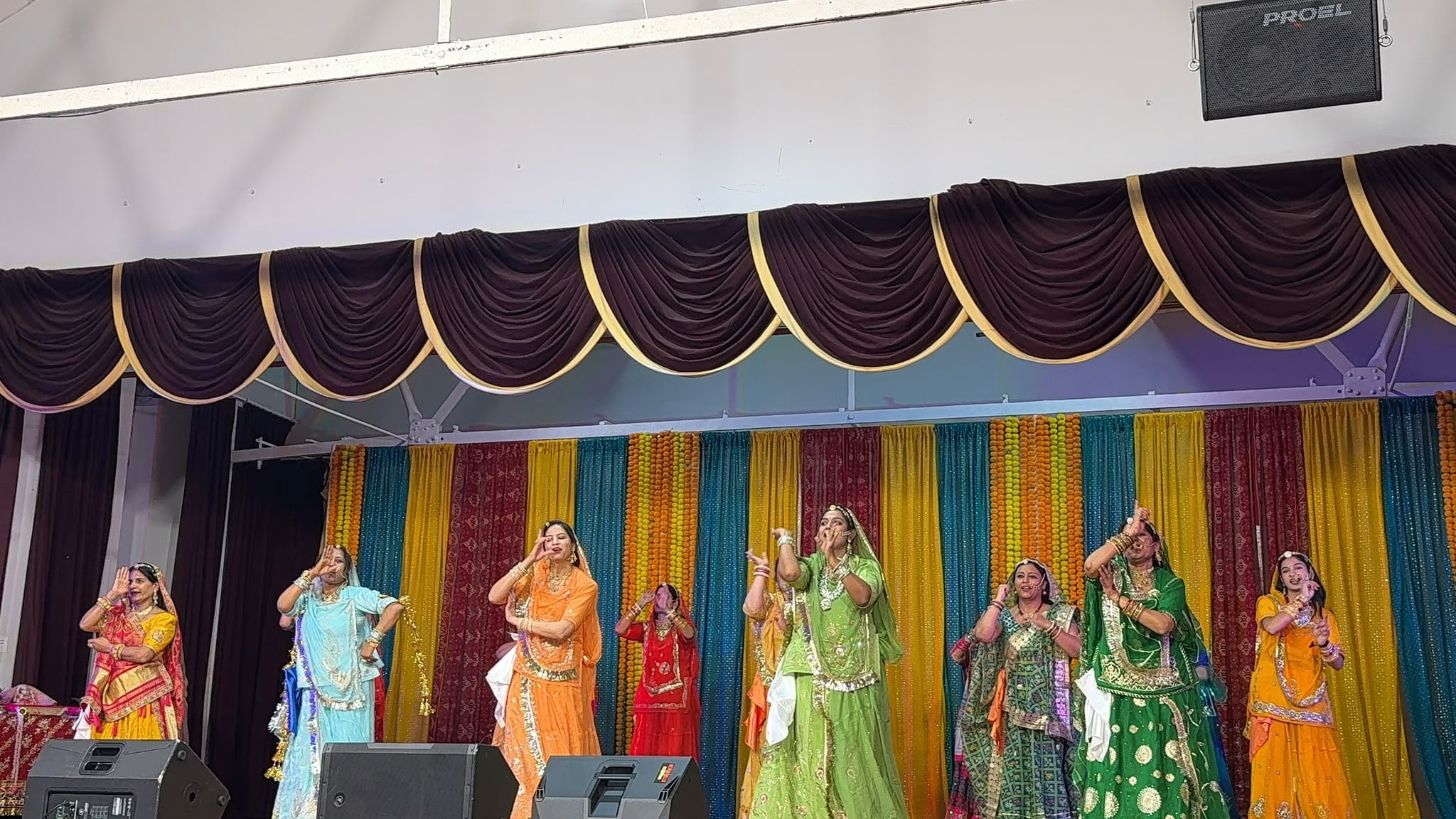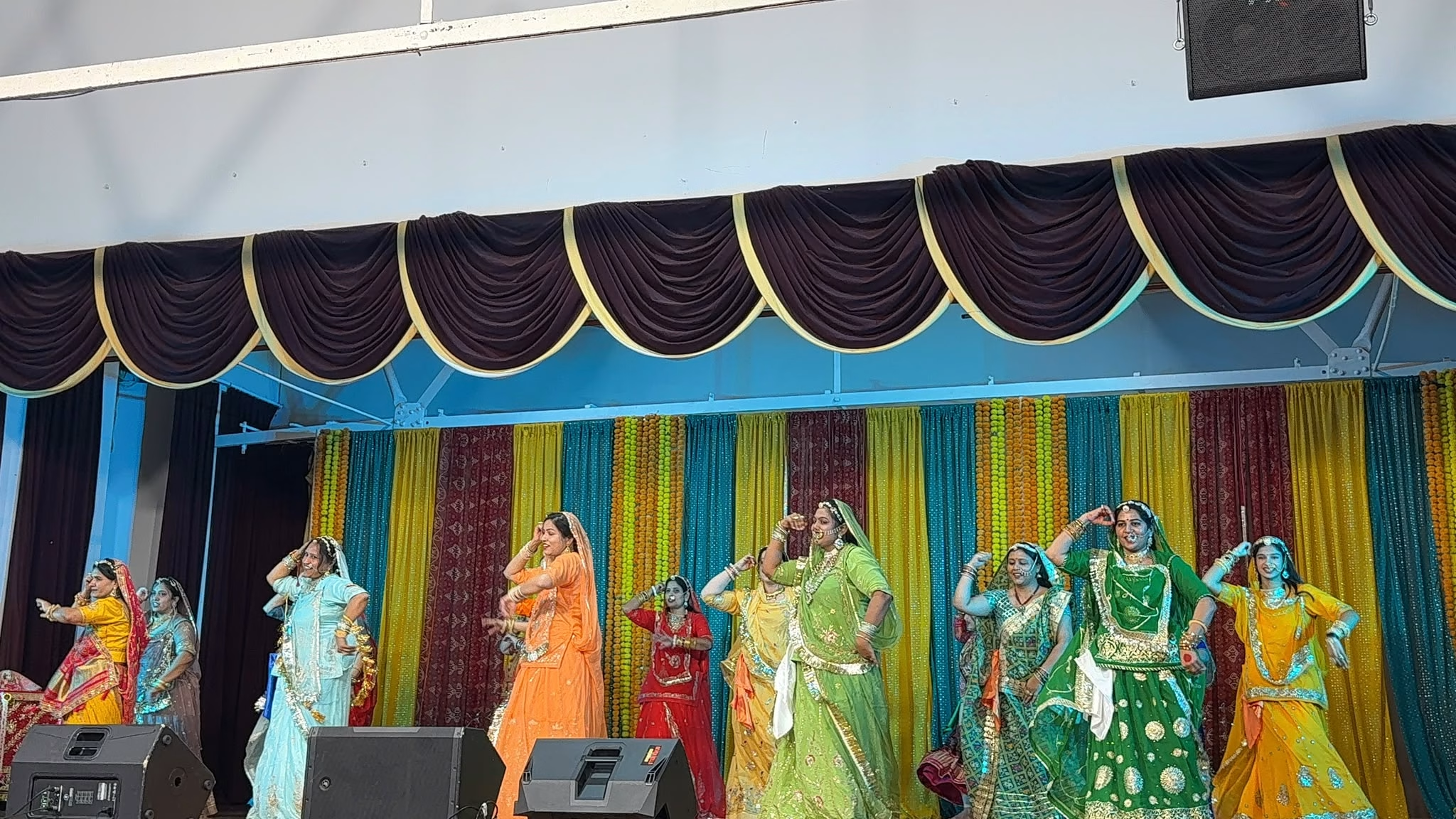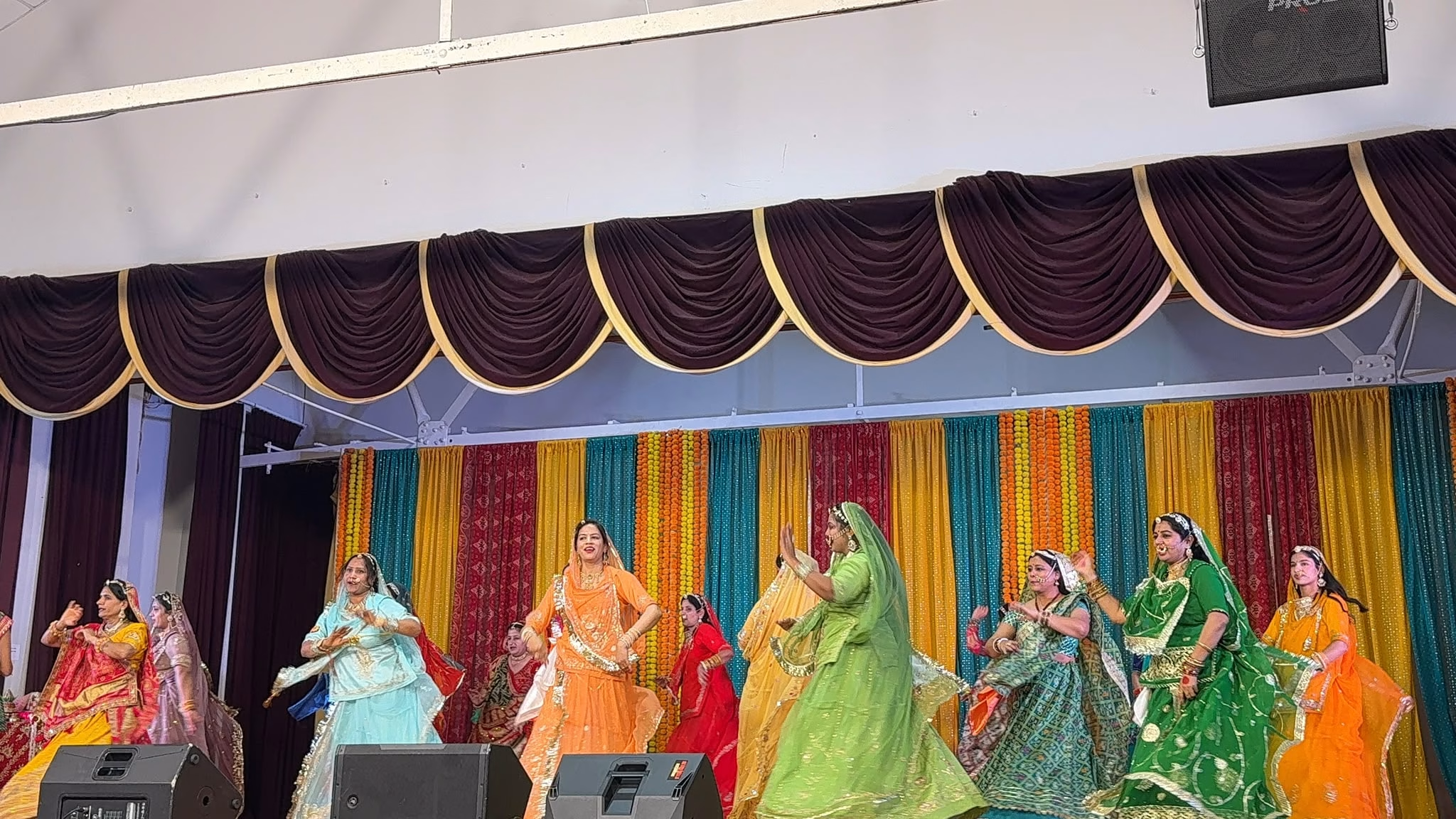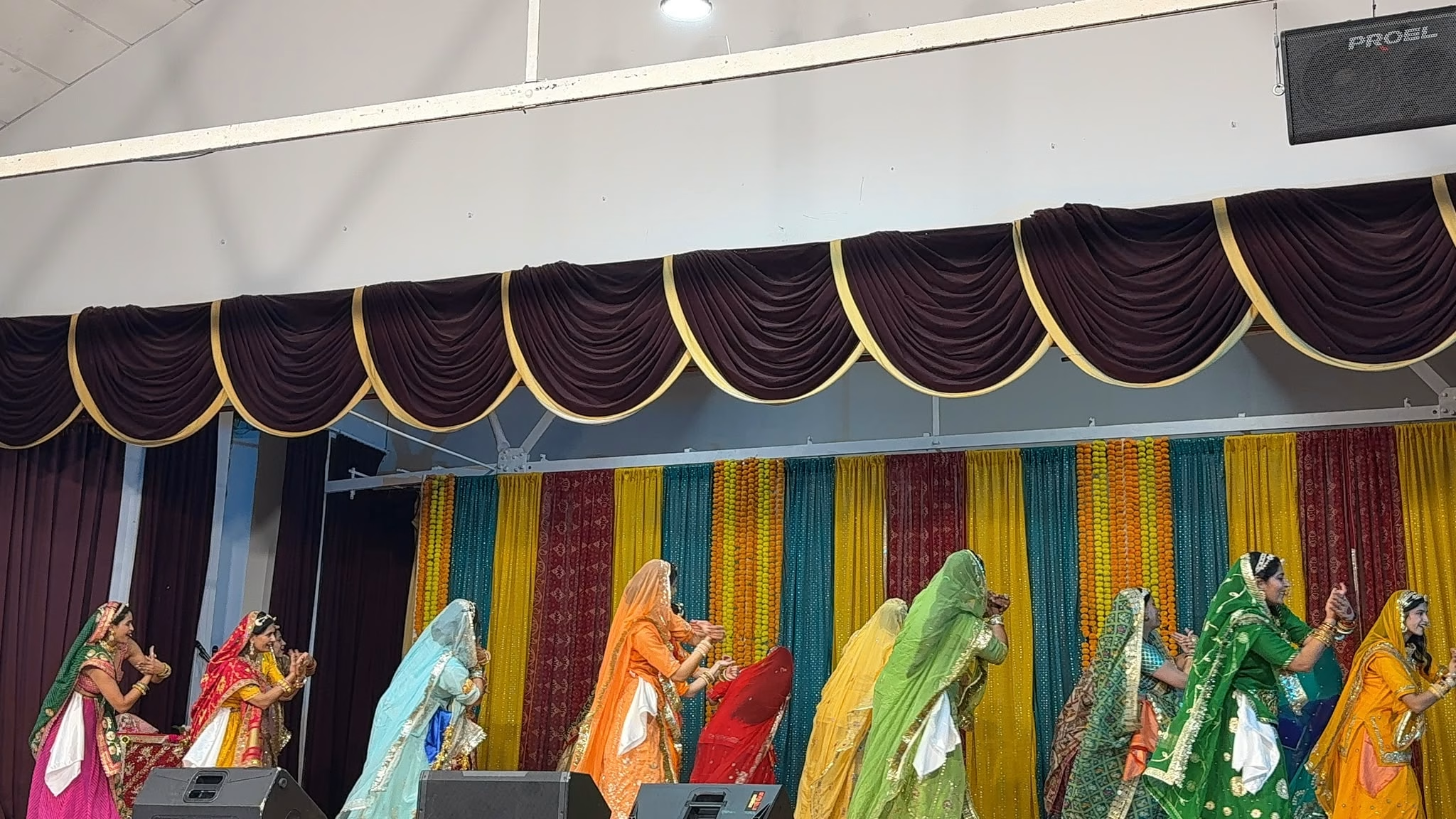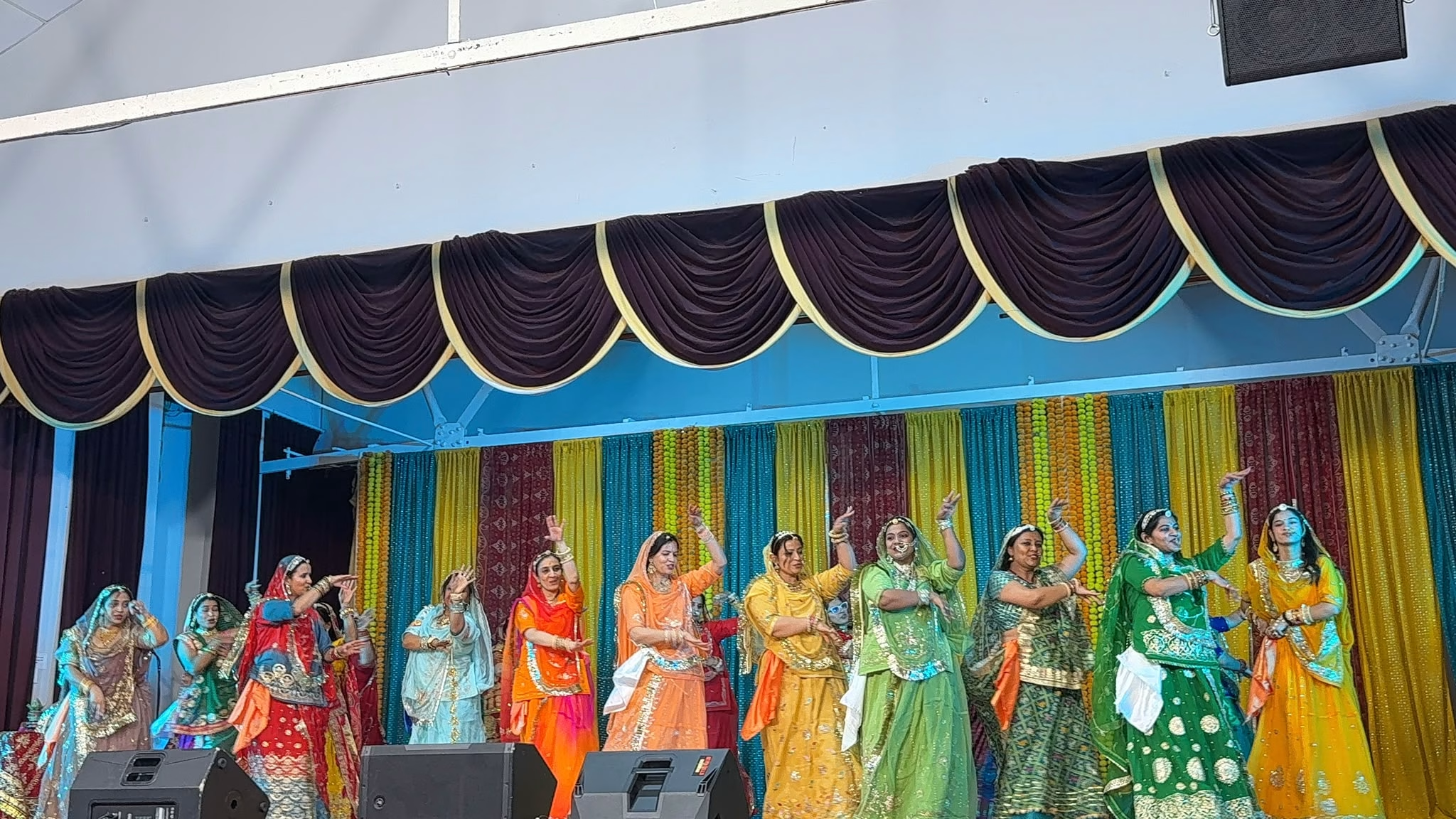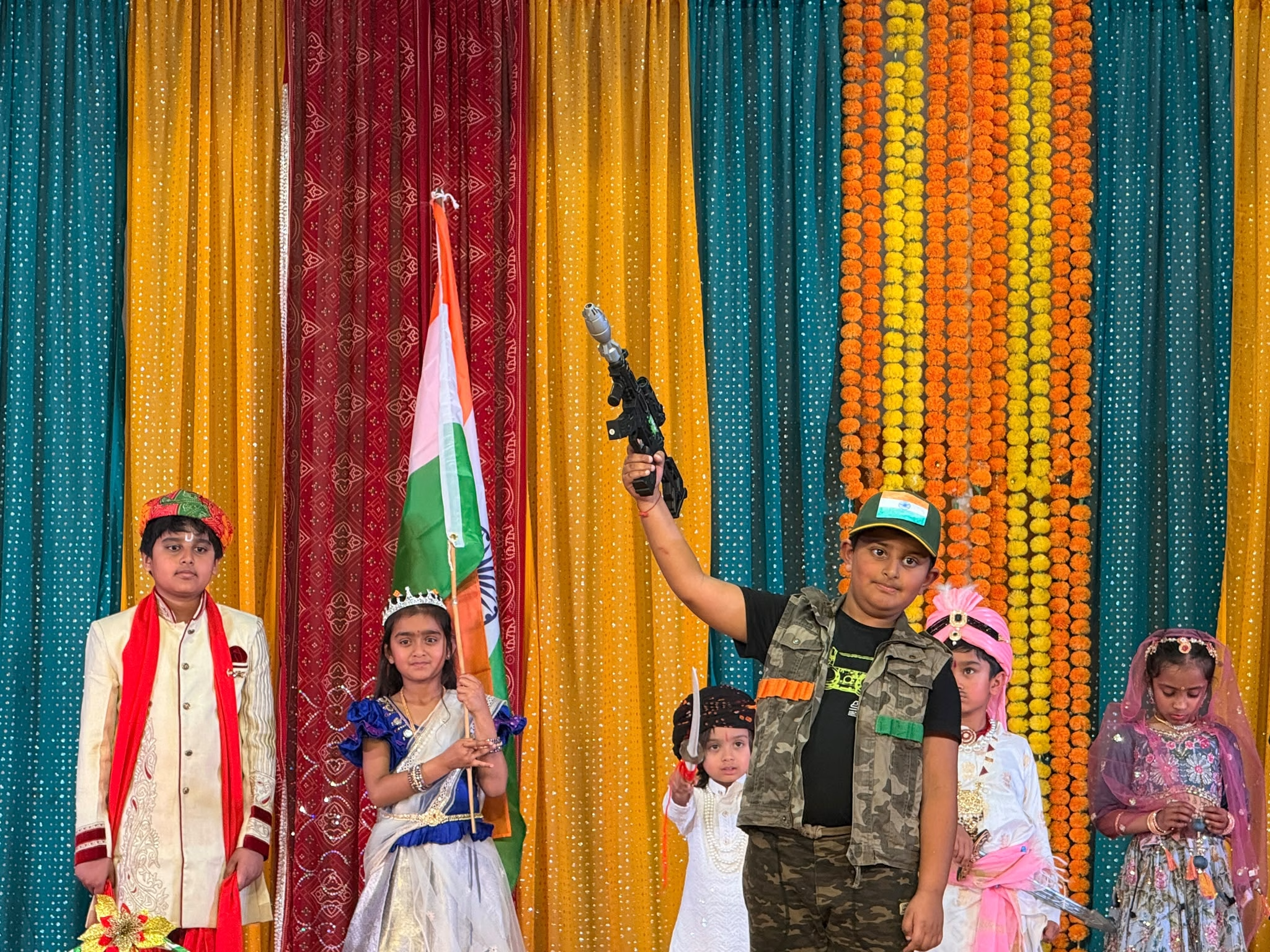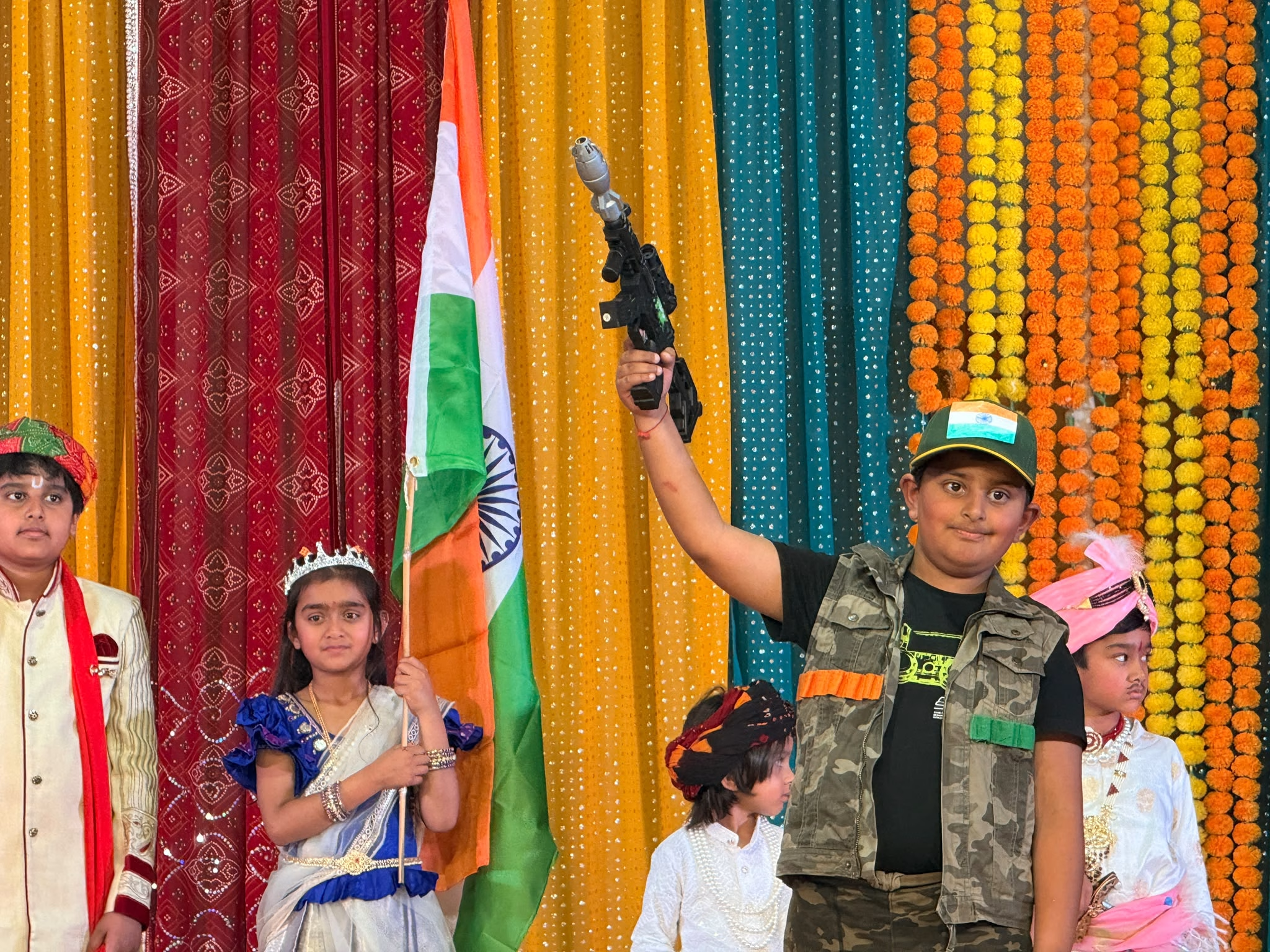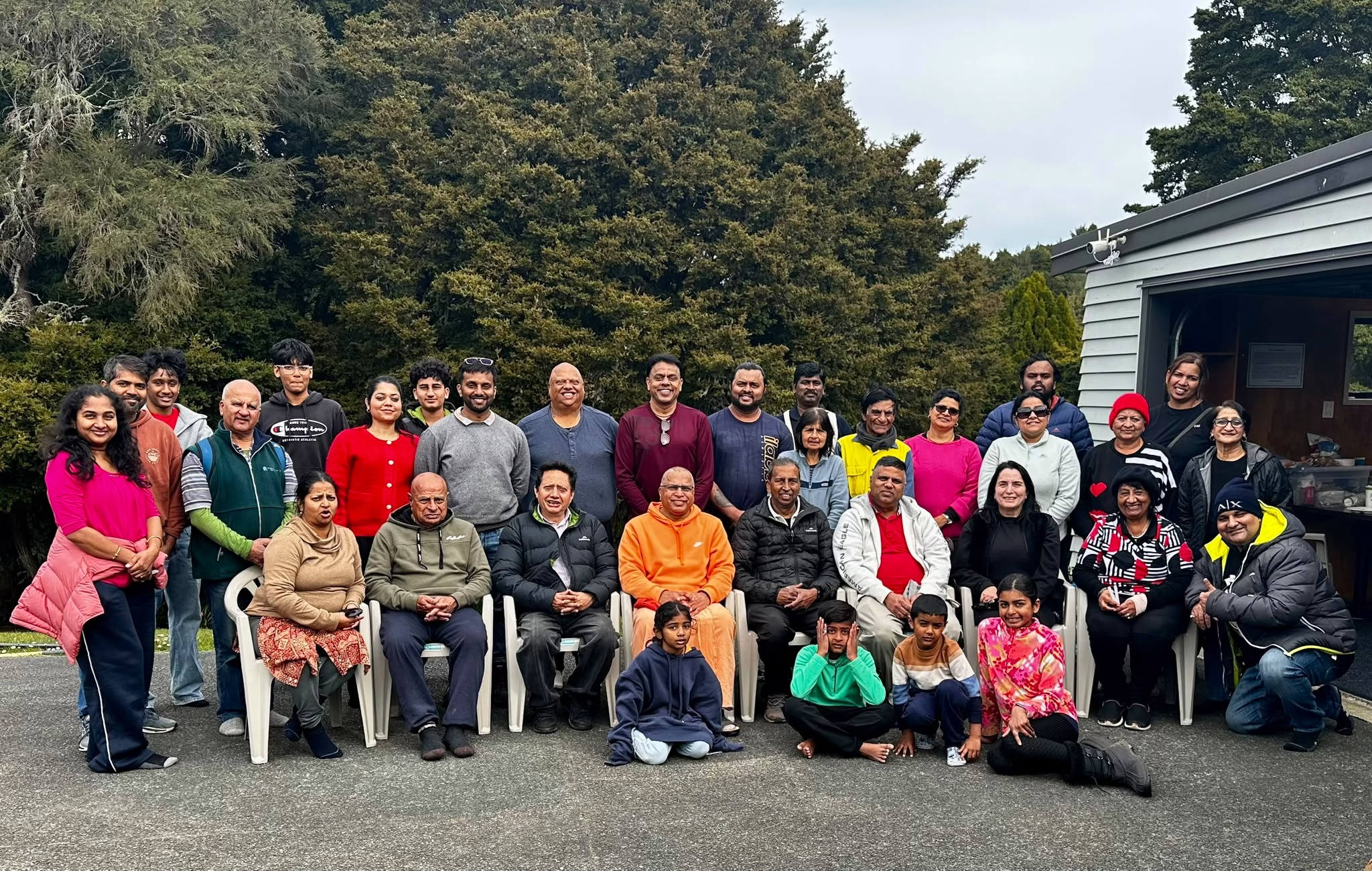
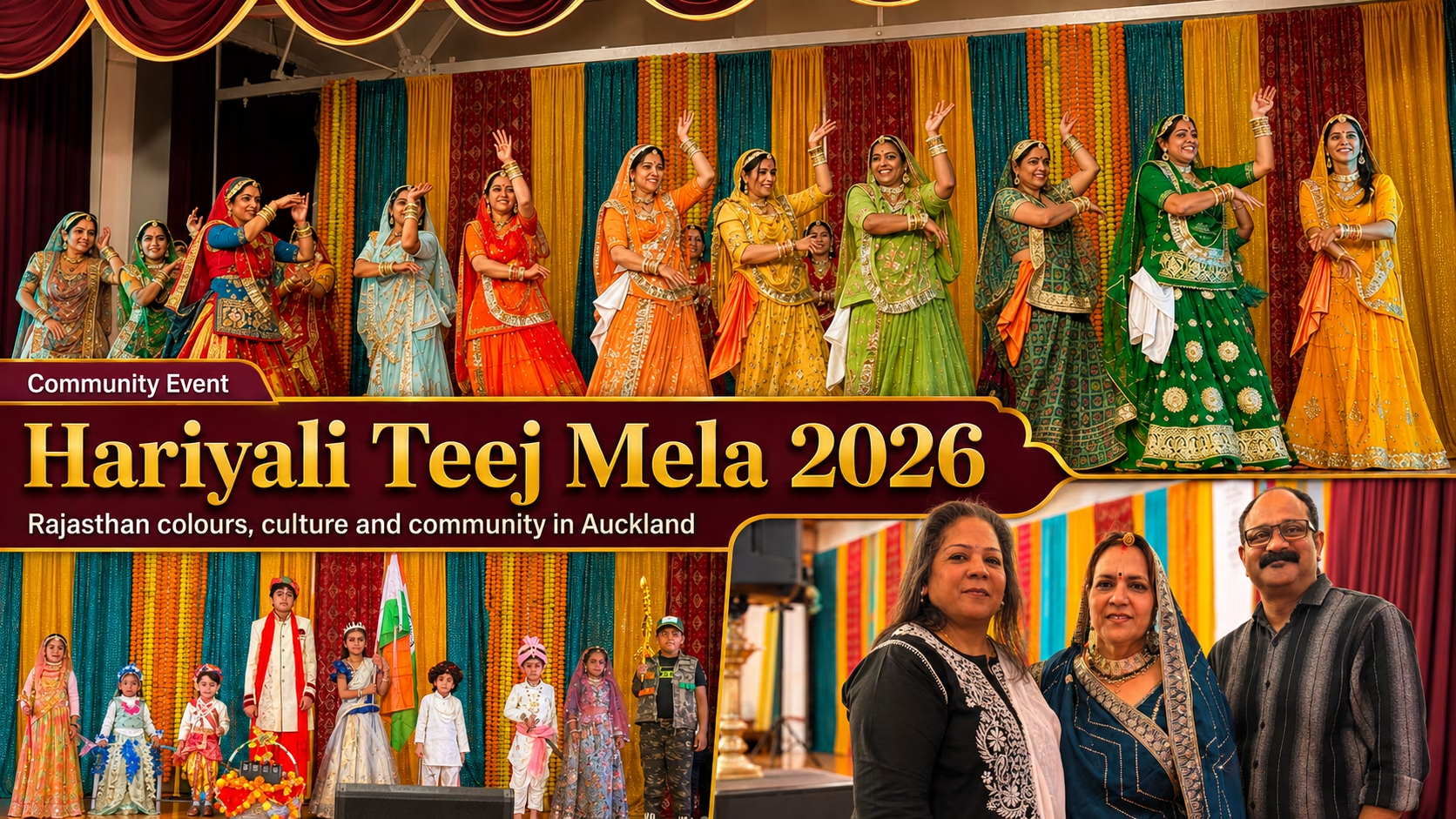
Auckland, New Zealand: The Mahatma Gandhi Centre in Eden Terrace was filled with colour, traditional attire, music, food and community spirit on Saturday, 8 August 2026, as the Rajasthan Association Charitable Trust New Zealand hosted its Hariyali Teej Mela 2026.
The community celebration brought together families, community members, local businesses and supporters for several hours of cultural activities designed to showcase the traditions of Rajasthan while creating a welcoming space for people of all ages.
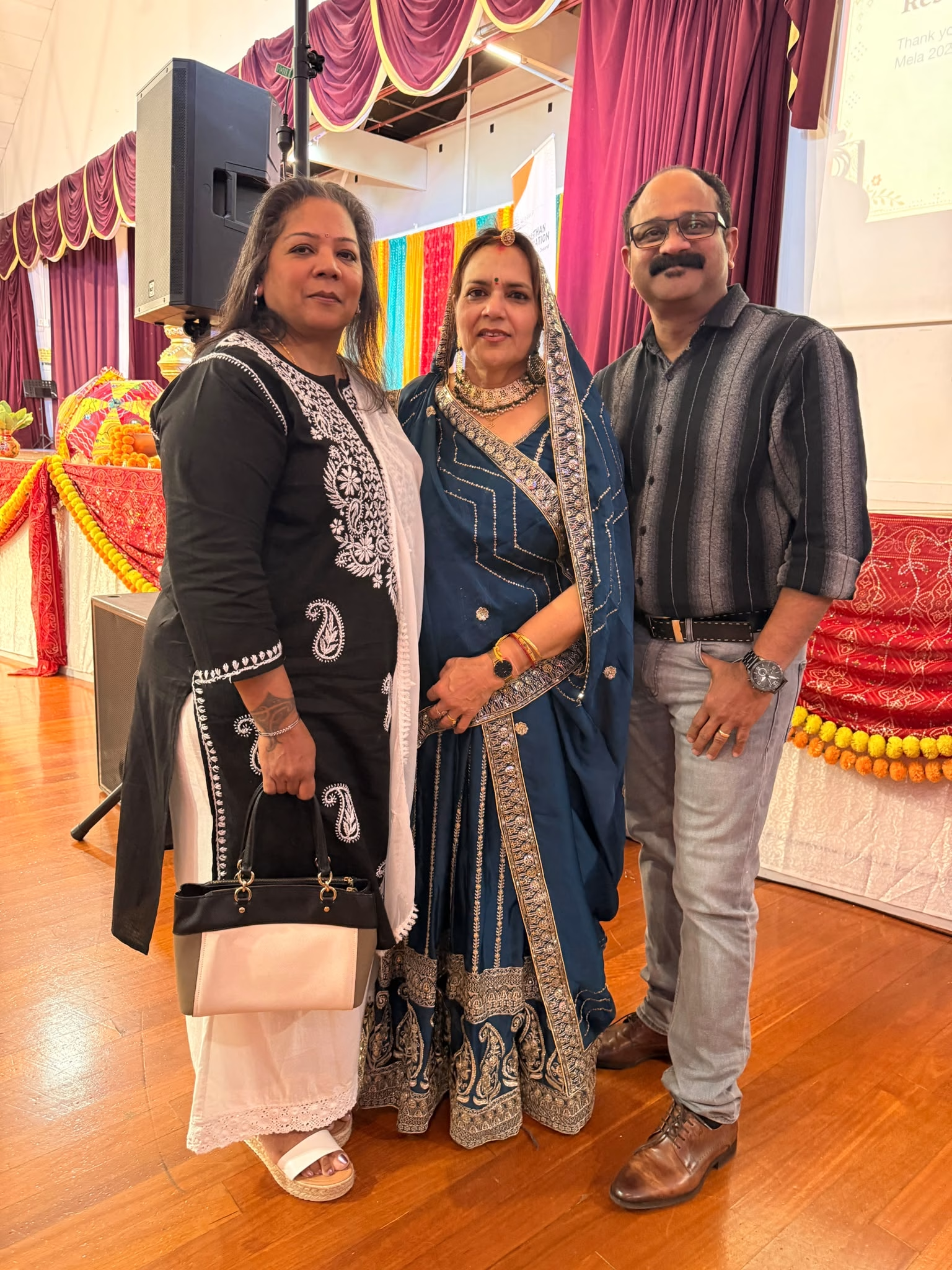
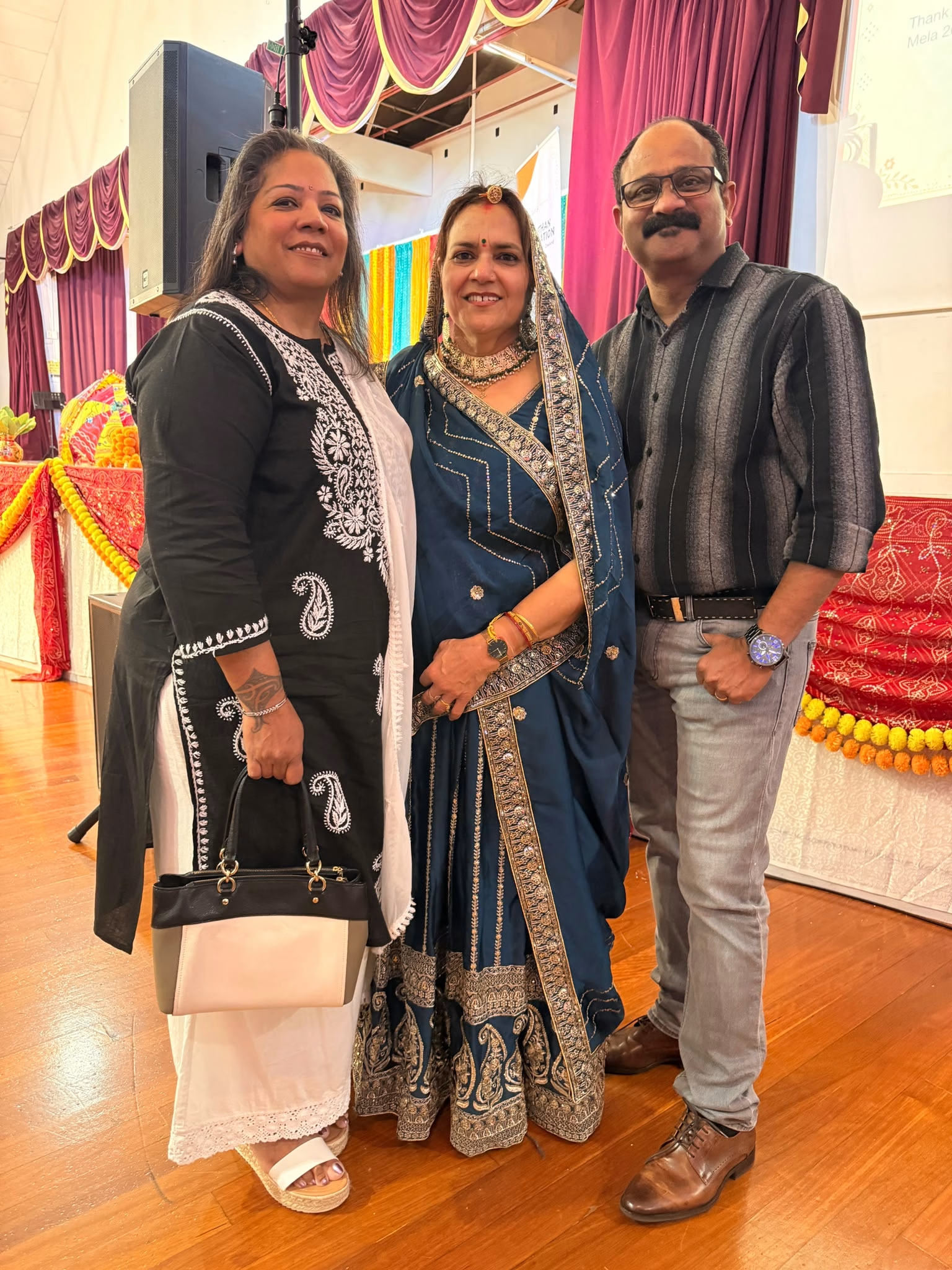
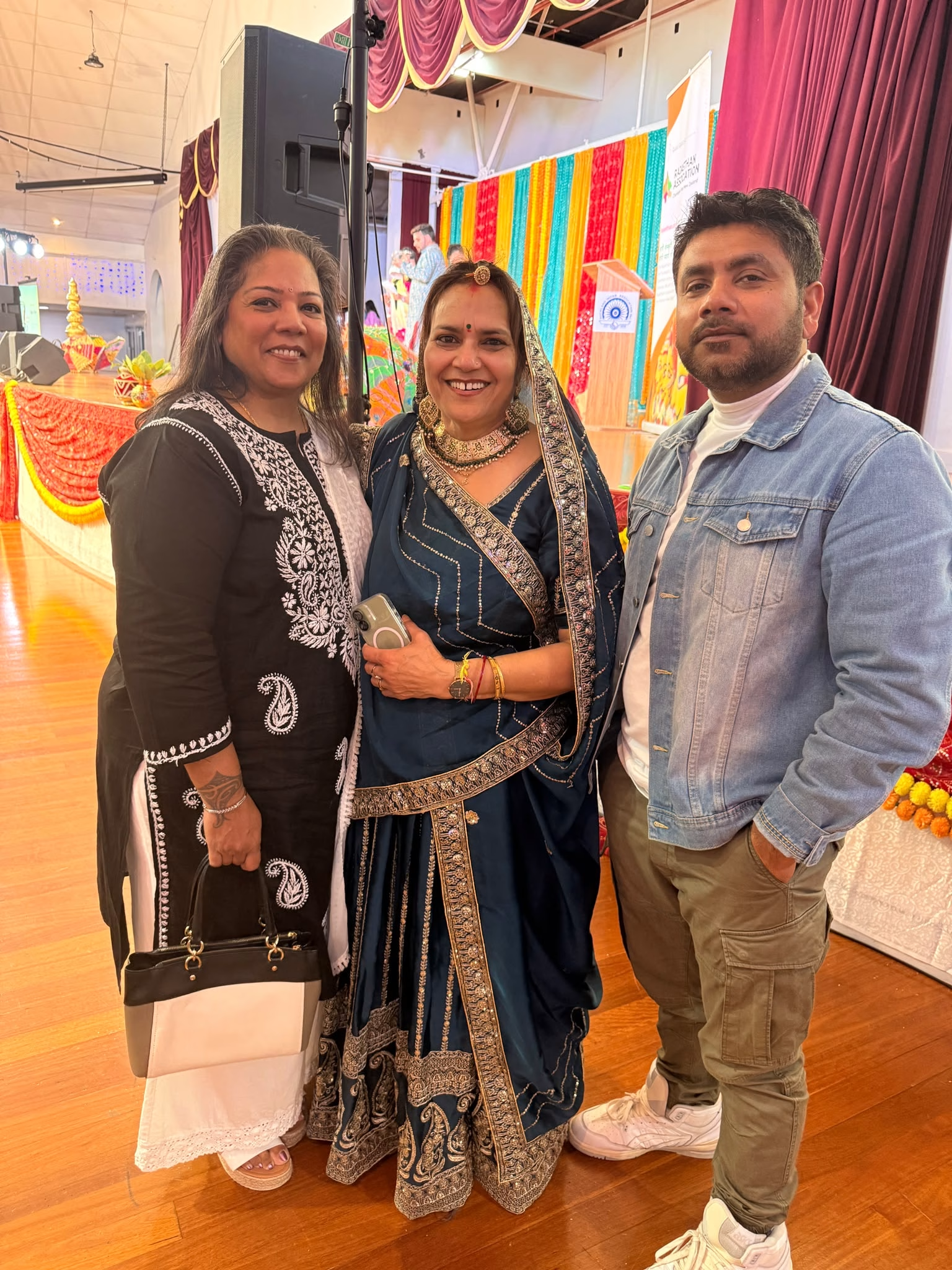
From the moment guests entered the venue, the atmosphere reflected the spirit of a traditional mela. Many attendees arrived in colourful Indian and Rajasthani outfits, adding to the festive character of the occasion and turning the Mahatma Gandhi Centre into a vibrant celebration of heritage.
Megh Utsav 2026 Celebrates Culture, Community and Togetherness in Auckland – WebfitNews
A celebration rooted in Rajasthan’s traditions
Hariyali Teej holds a special place in the cultural calendar of Rajasthan and other parts of India. Traditionally associated with the monsoon season, the festival is celebrated through music, dancing, colourful clothing, food and gatherings with family and friends.
The Auckland celebration carried many of those elements into a New Zealand community setting.
Rather than simply staging a cultural programme, the organisers created a complete mela-style experience where people could watch performances, enjoy traditional food, shop for cultural products and spend time together.
That combination helped make the event particularly appealing to families.
For those who have made New Zealand their home, events such as Hariyali Teej provide an opportunity to remain connected with traditions while introducing younger generations to the festivals, food and cultural practices that form part of their heritage.
Cultural performances bring the venue alive
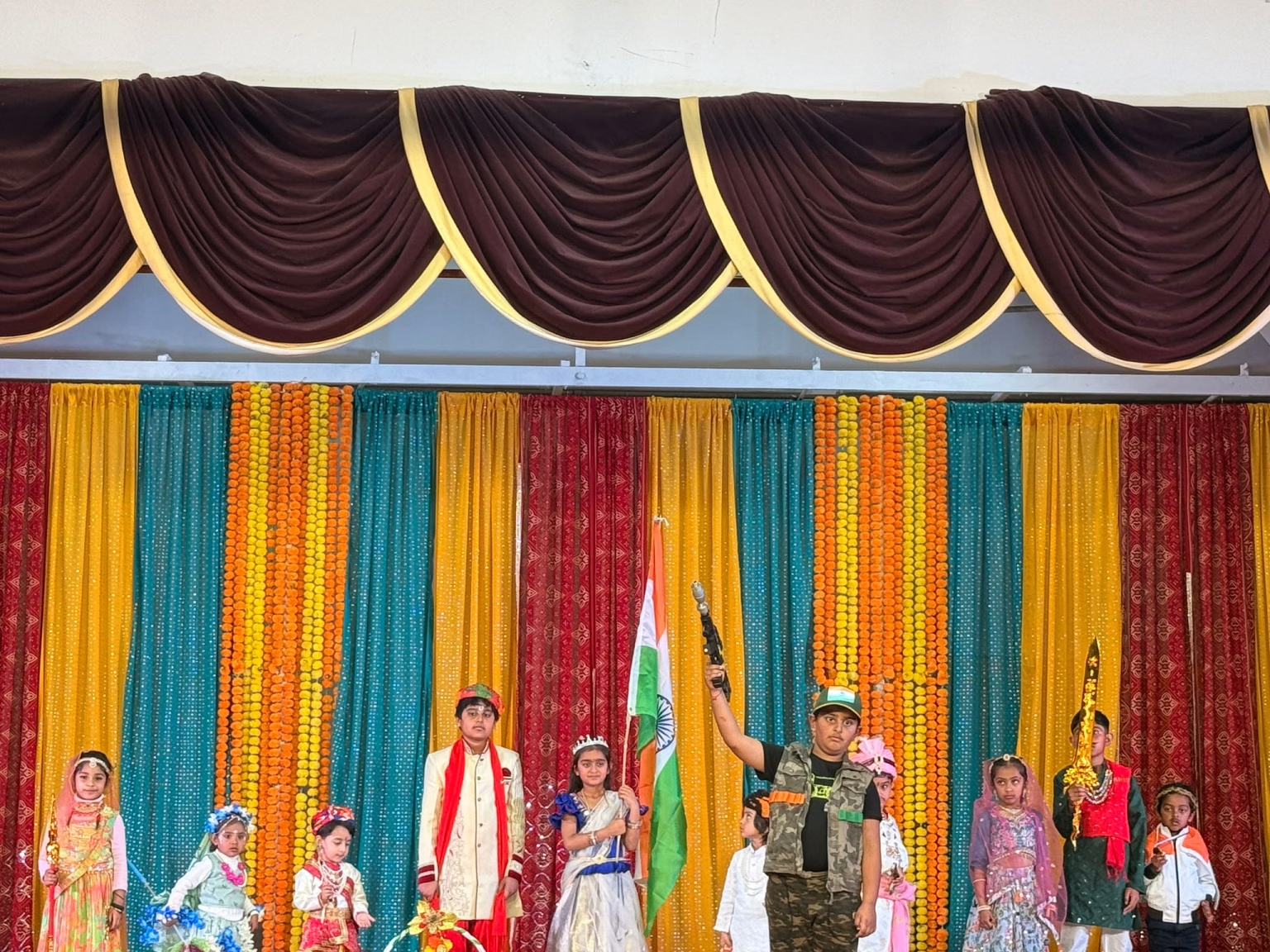
Music and dance formed an important part of the programme throughout the day.
The event featured live music, dancing and cultural performances, along with activities connected to Rajasthan’s famous Ghoomar dance tradition.
The performances provided both entertainment and a visible expression of Rajasthan’s rich cultural identity.
The strong participation from the community was equally noticeable. Guests did not simply attend an event. They dressed for the occasion, interacted with performers, visited stalls, enjoyed food together and contributed to the overall festive atmosphere.
It was the kind of celebration where the audience itself became part of the colour of the event.
Reema Sharma and the community team behind the celebration
The event was led by Reema Sharma, Chairperson of the Rajasthan Association Charitable Trust New Zealand, alongside members and supporters of the association.
Sharma and the organising team worked to bring together the different parts of the celebration, from cultural programming and community participation to food, stalls, sponsors and supporters.
Umesh, who was among those supporting Sharma and the organising effort, was also present throughout the event as members of the association worked together behind the scenes.
Successful community events often look effortless from the audience side, but the reality is rather different. Venue preparation, performers, stallholders, food arrangements, sponsorship, promotion and coordination all require significant work.
Hariyali Teej Mela reflected that collective effort.
Rajasthani food adds flavour to the festival
No traditional mela is complete without food, and the food area was one of the popular parts of the celebration.
A dedicated area at the venue offered visitors a range of Indian food and refreshments, including traditional snacks, meals and chai.
Shivani Food was among those serving visitors during the event, helping bring another important cultural dimension to the day.
Food at community festivals is about more than simply feeding the crowd. It is often one of the most immediate ways people reconnect with memories, places and traditions.
For some visitors, a cup of chai or a familiar Rajasthani dish can carry as much cultural meaning as the performances happening on stage.
A real mela experience with shopping and local stalls
The event also recreated another familiar feature of Indian festivals through a collection of small shopping stalls.
Visitors could browse cultural and traditional products, adding a marketplace atmosphere to the celebration.
The stalls provided local businesses and community entrepreneurs with an opportunity to showcase their products while giving attendees the experience of walking through a traditional mela.
Alongside shopping, the programme promoted activities including Rajasthani food, live music and dancing, Ghoomar activities, raffle prizes and cultural experiences.
The format allowed guests to move freely between different parts of the event rather than remaining seated for a single stage programme.
Sponsors help make community celebrations possible
The organisers were supported by a number of businesses and sponsors whose involvement helped make the event possible.
Major supporters featured for Hariyali Teej Mela 2026 included RYT Finance and Eco Travels.
Other organisations and businesses associated with the event included Bank of Baroda New Zealand, Bank of India New Zealand and UA International, together with several local businesses supporting the community programme.
The event also received support from businesses including RYS, Smart Kids EduCare, Sparkles Jewellers, Barfoot & Thompson, Arjun Supermarket, Esteem Cars and NZSE.
Sponsorship plays an important role in community-led cultural events, helping organisations provide venues, activities and entertainment while keeping celebrations accessible to a broad audience.
Keeping culture alive in Auckland
Hariyali Teej Mela 2026 was ultimately about more than a festival.
It was about maintaining cultural connection thousands of kilometres from Rajasthan while allowing those traditions to become part of Auckland’s increasingly diverse identity.
The sight of families arriving in traditional clothing, children experiencing cultural performances, community members sharing food and local businesses participating in the mela demonstrated how cultural organisations can create spaces where heritage remains active rather than simply remembered.
For the Rajasthan Association Charitable Trust New Zealand, the event provided another opportunity to bring the community together and celebrate the colours, culture and traditions of Rajasthan.
And for those who attended, the Mahatma Gandhi Centre offered something that felt familiar for a few hours: the music, colours, food, shopping and unmistakable energy of a traditional Indian mela, recreated right here in Auckland.