By Geet | Webfit News
A hundred-year anniversary can be marked with speeches, photographs and a formal dinner. The New Zealand Indian Central Association chose to mark part of its centenary in a way that may still be visible centuries from now.
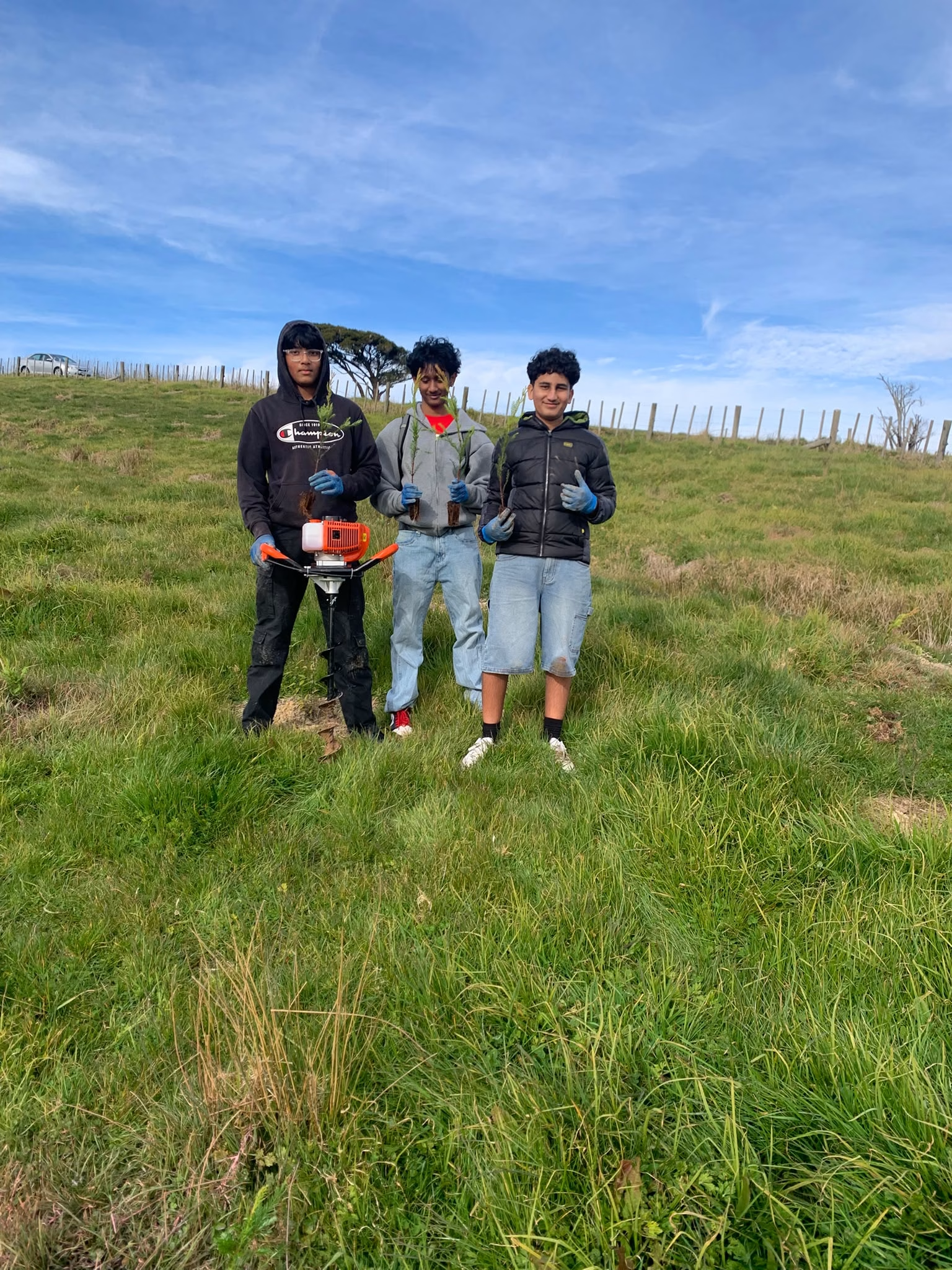
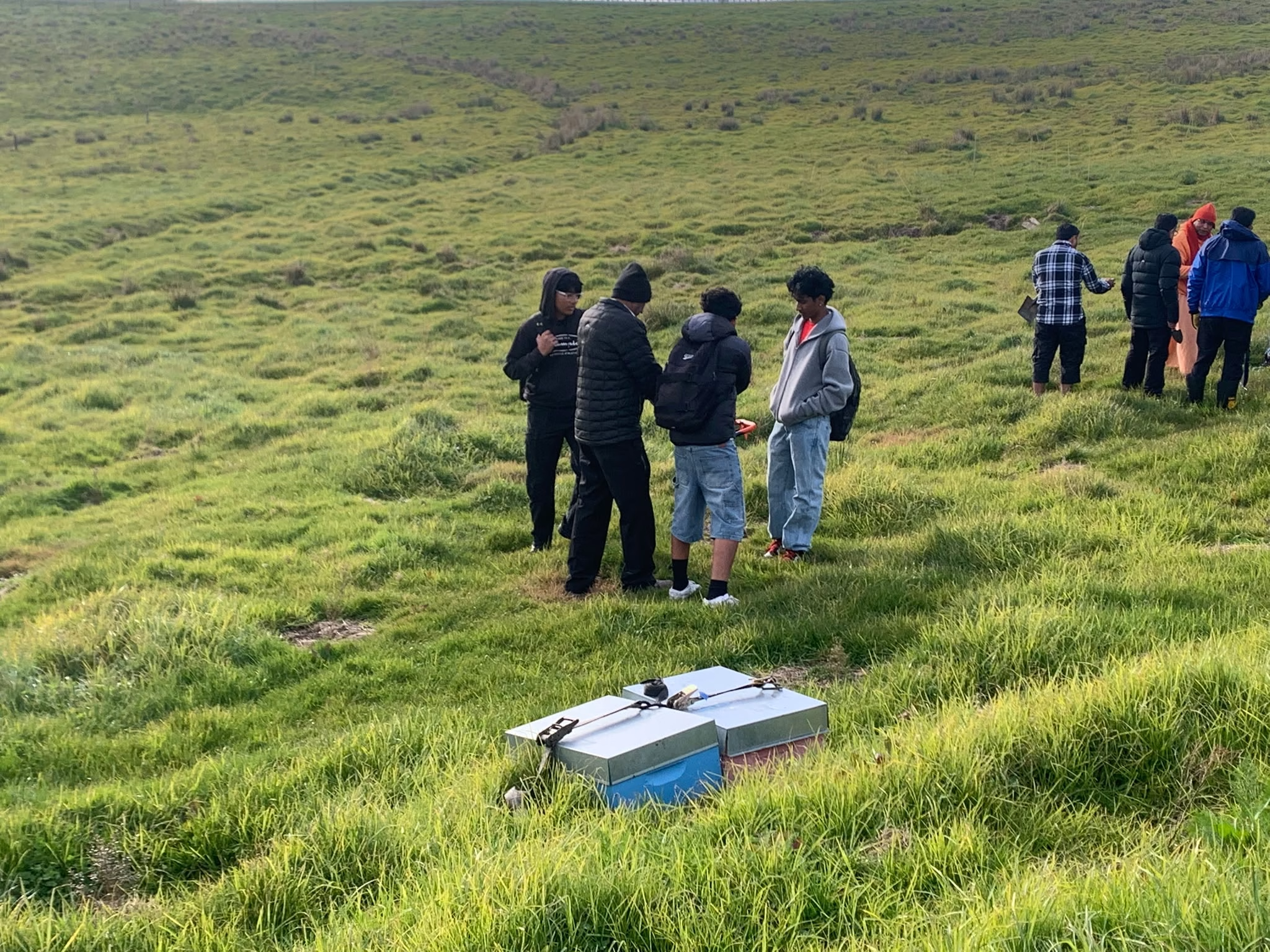
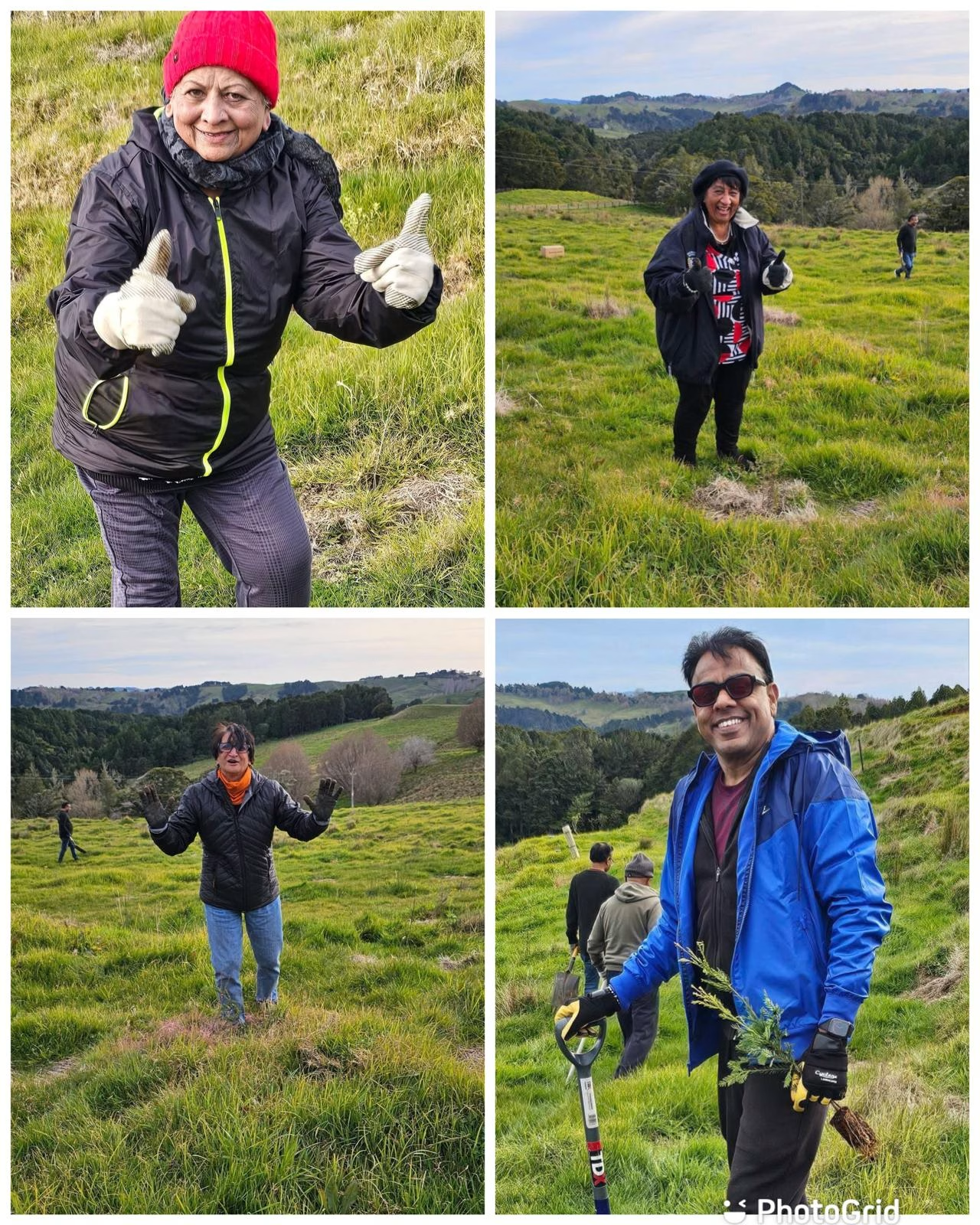
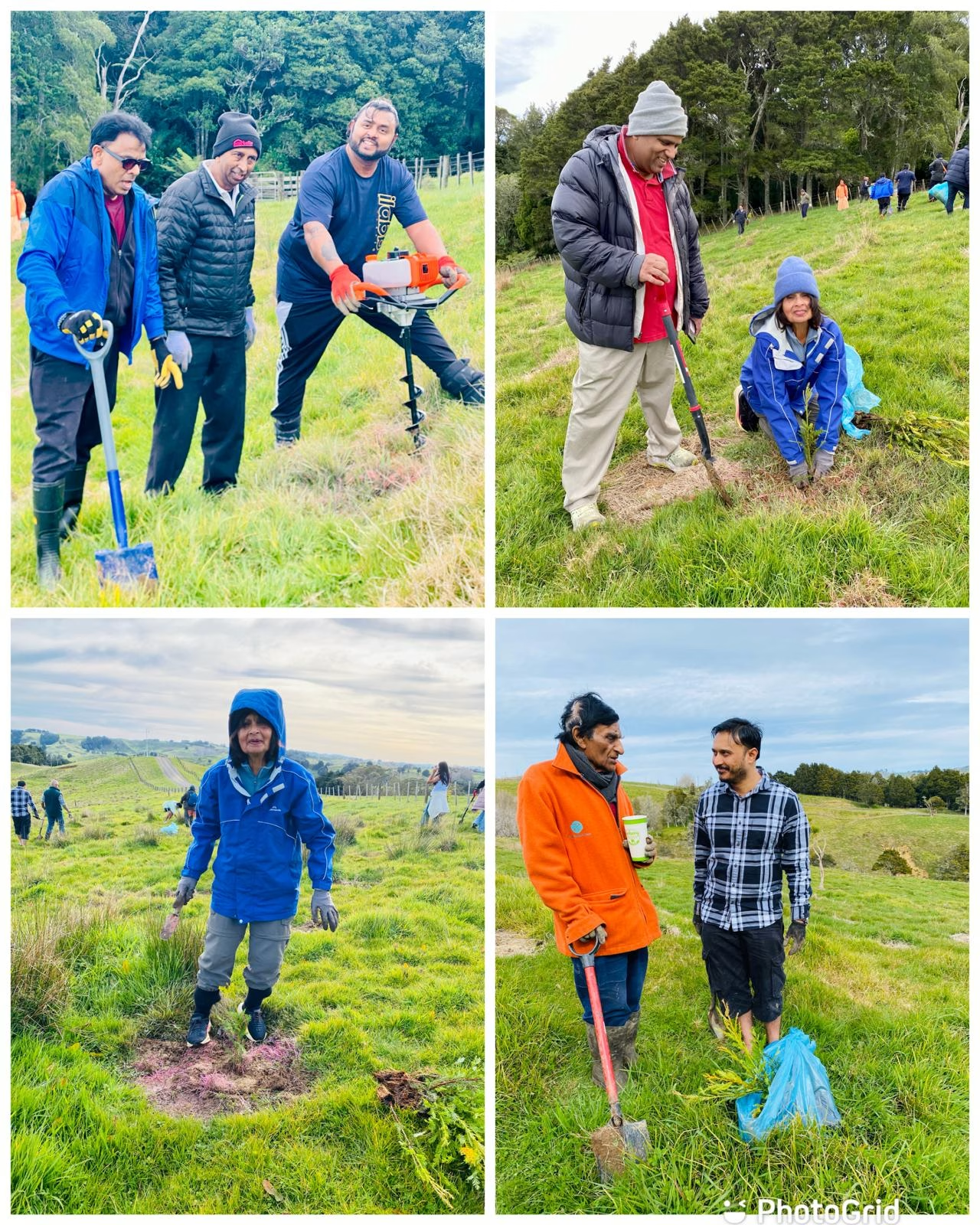
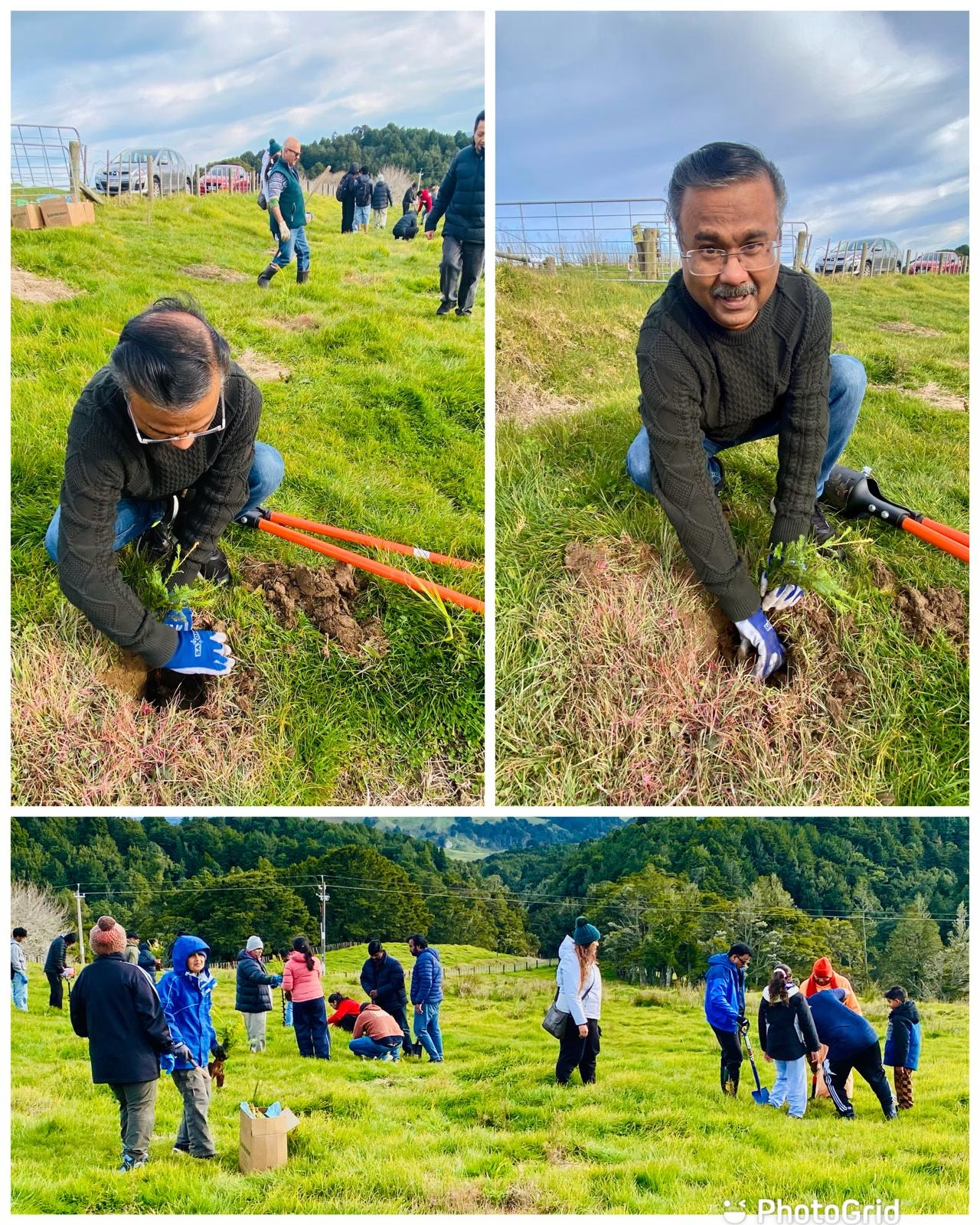
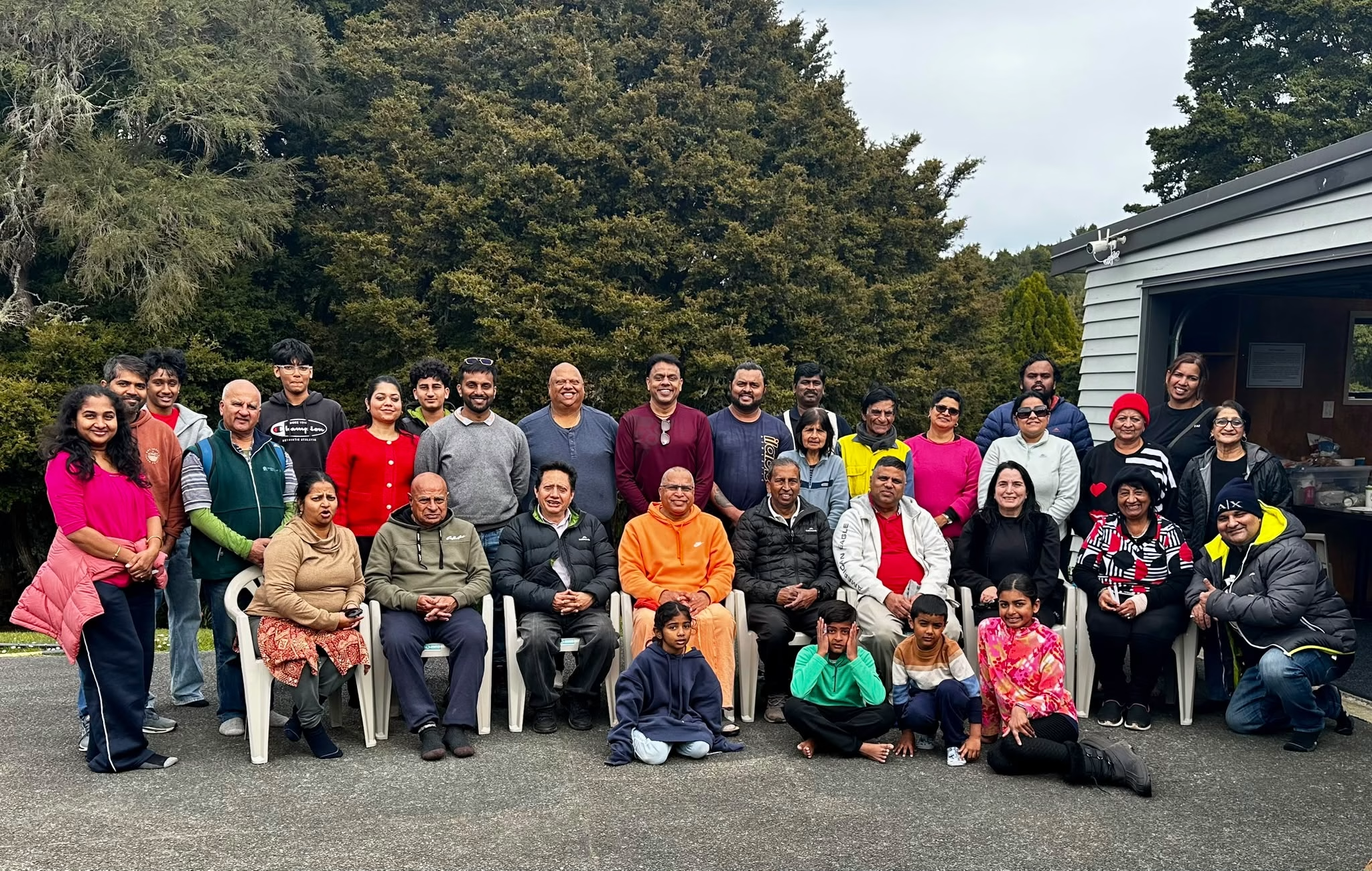
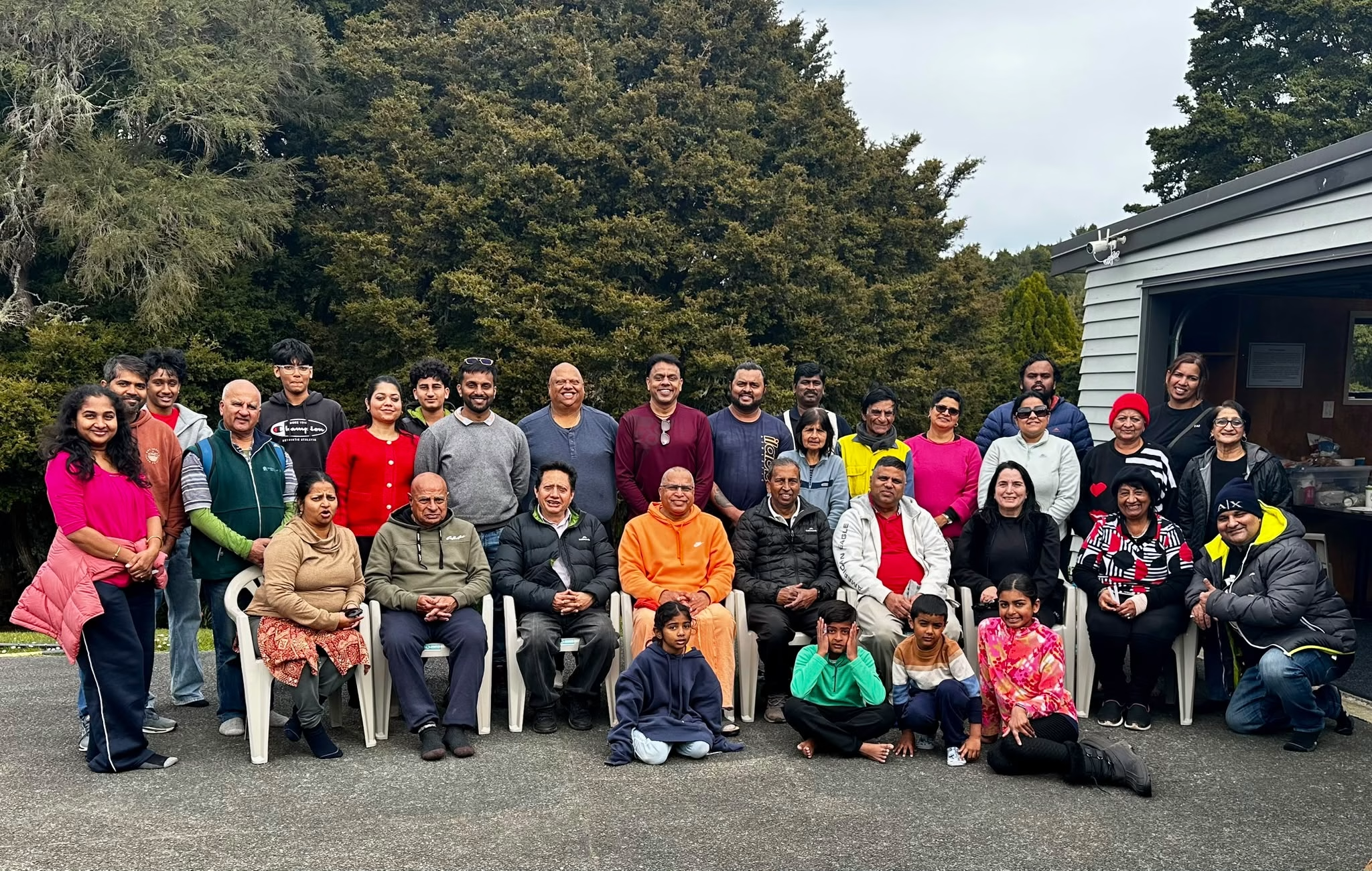
On Saturday, 8 August 2026, members of the Indian community travelled to Waikaretu Valley Road in Glen Murray, Waikato, for an ambitious centenary tree-planting initiative that saw 1,000 redwood trees planted in a single day.
It was a cold Waikato winter morning, but the mood was anything but subdued.
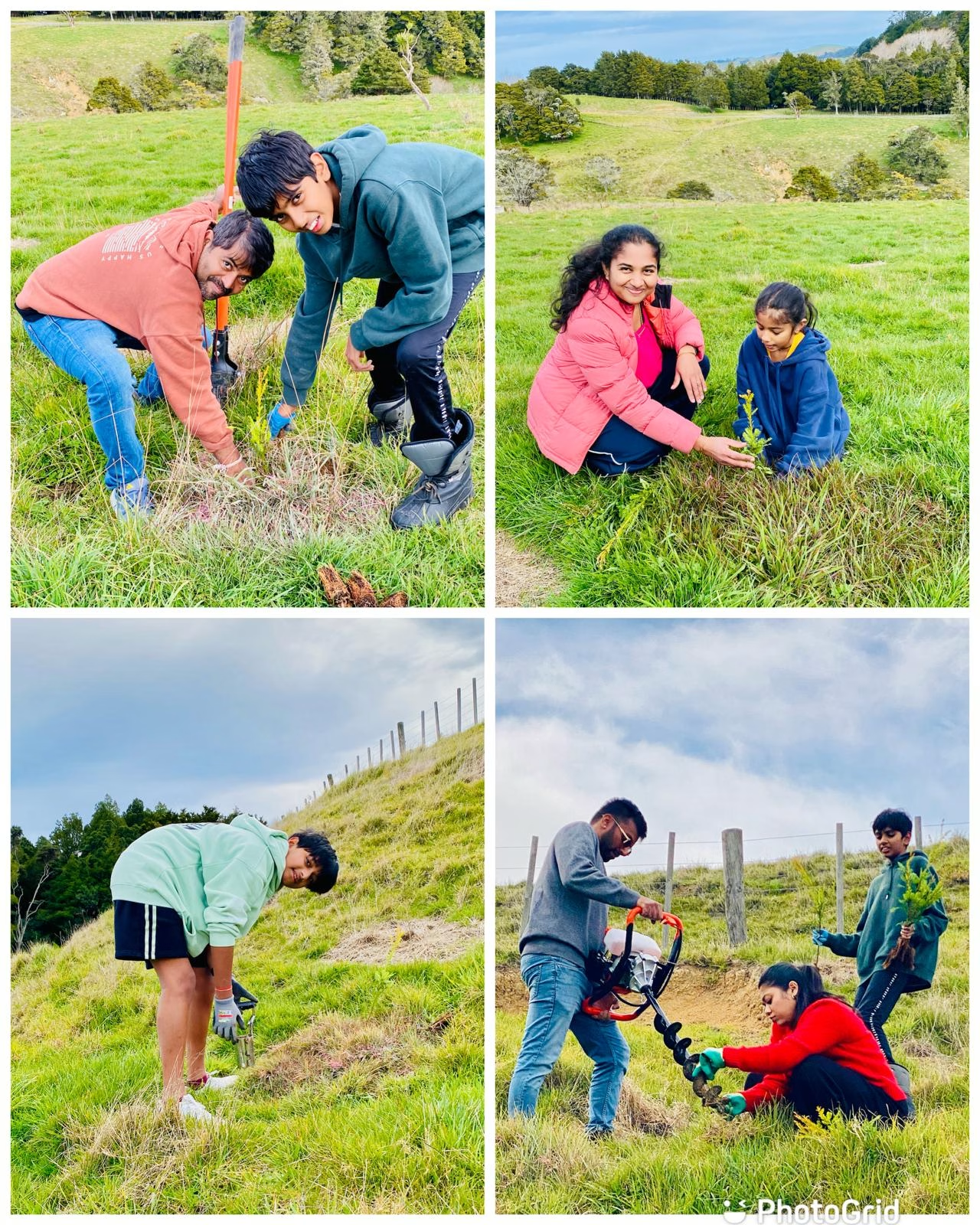
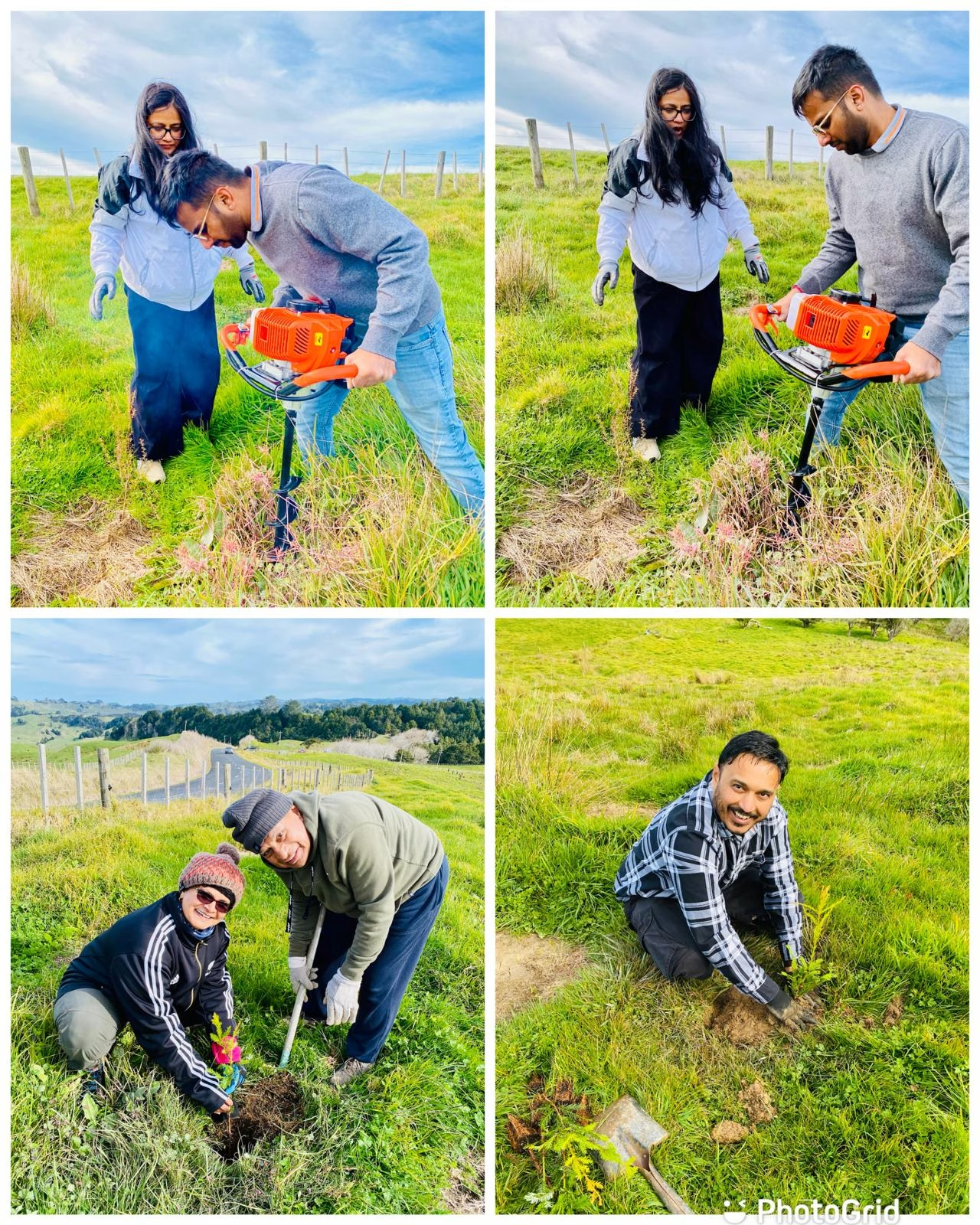
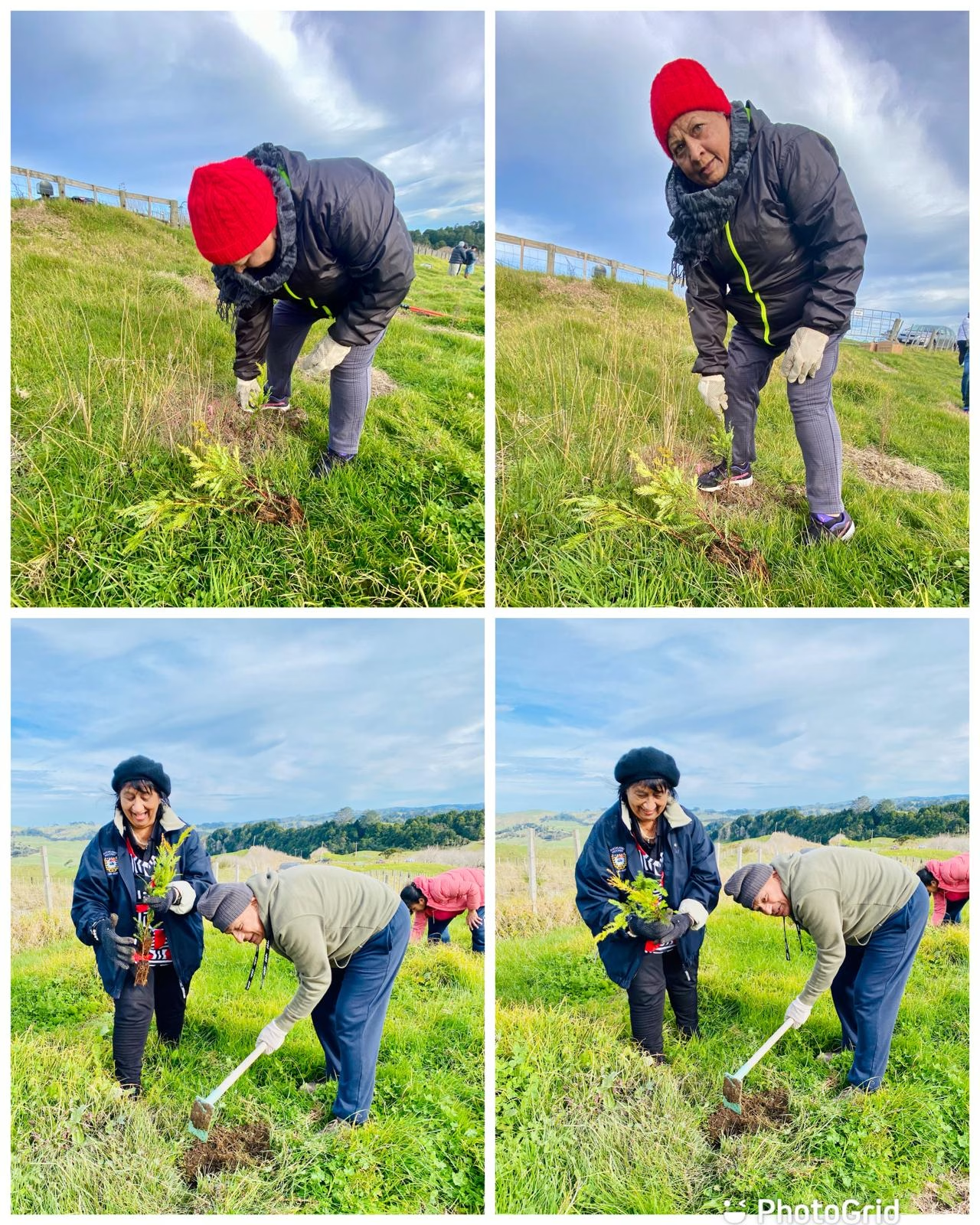
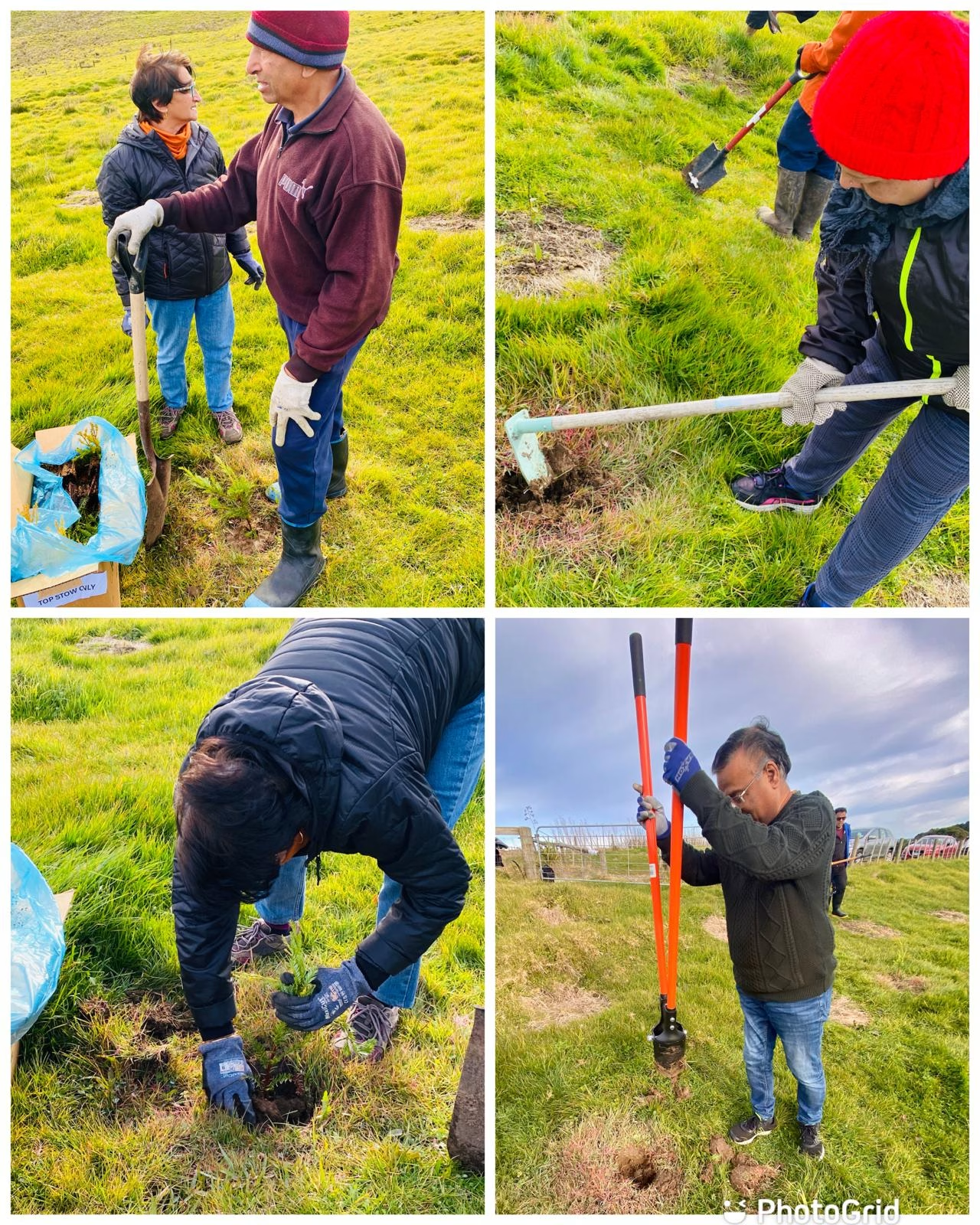
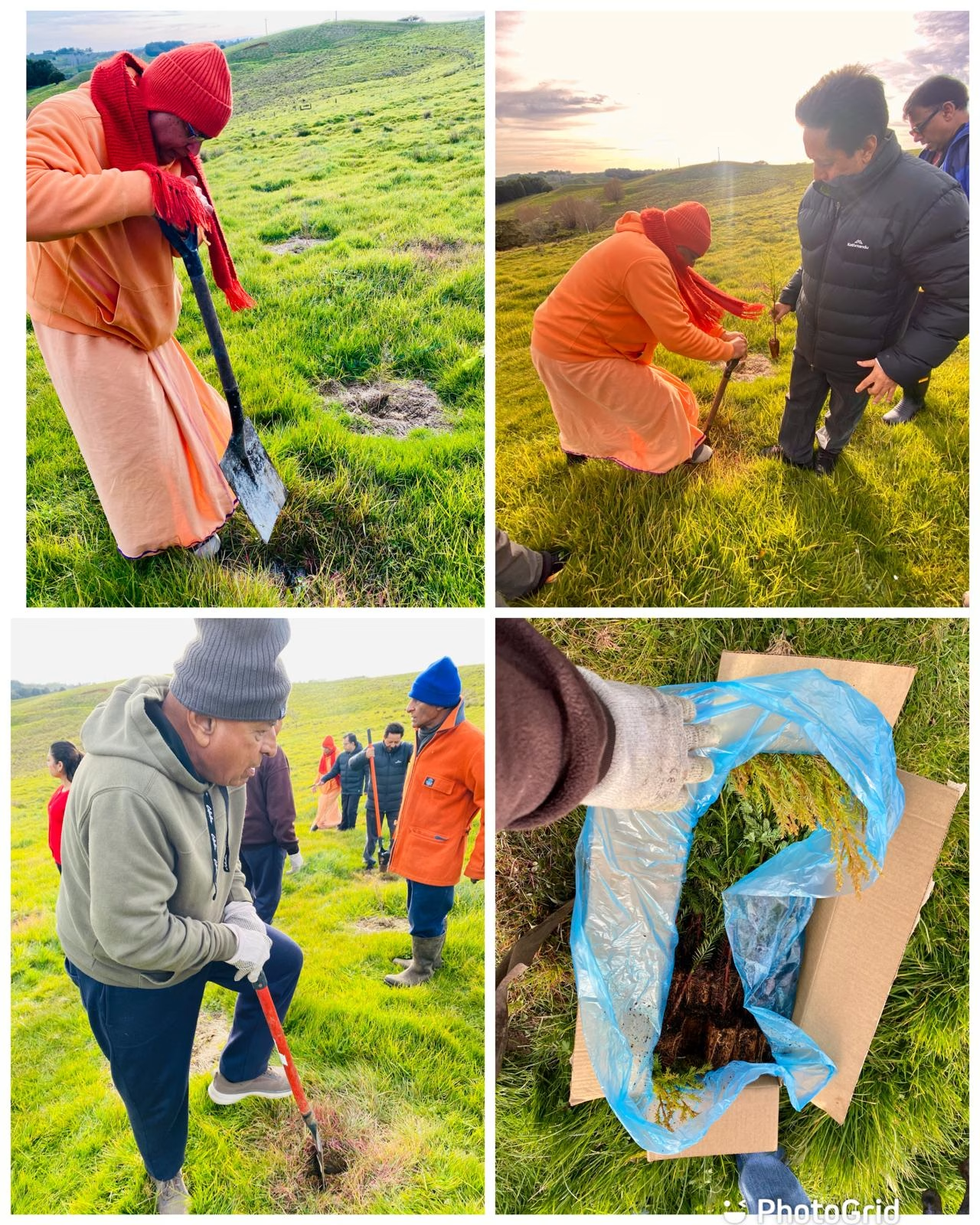
Families arrived from Auckland, South Auckland, Pukekohe, Hamilton, Tuakau and surrounding areas. Seniors stood alongside children and young volunteers. Gloves were pulled on, spades went into damp soil and, tree by tree, a new chapter in the history of one of New Zealand’s oldest Indian community organisations began taking root.
For NZICA, the day was about much more than planting trees.
It was about legacy.
$31 Million Devonport Ferry Wharf Upgrade to Rebuild Piers and Modernise Terminal – WebfitNews
One tree-planting day, one century of history
The New Zealand Indian Central Association, or NZICA, was established in 1926, beginning with branches representing Auckland, Wellington and the Country Section based in Taumarunui.
The organisation was formed during a very different period in New Zealand’s social history, when Indian migrants frequently faced discrimination, restrictive policies and significant barriers to establishing themselves and their families.
A century later, the community NZICA represents looks dramatically different.
Indian New Zealanders are now firmly woven into the country’s business, healthcare, education, technology, politics, sport, hospitality and community sectors.
That journey from a small national organisation formed during difficult times to an umbrella body representing a large and diverse Indian diaspora gives the 1,000-tree project a significance beyond its environmental value.
Every tree planted represented another small piece of a much larger story.
Why redwoods made the symbolism especially powerful
The choice of redwood trees gave the event an unusually appropriate meaning.
Redwoods are known for extraordinary longevity and growth. Given the right conditions, they can live for centuries and become among the tallest trees on Earth.
But one of their most interesting characteristics lies beneath the ground.
Unlike trees that depend on a very deep central root, redwoods develop broad root systems that spread out and connect with those of neighbouring trees. Within a grove, those root networks help trees support one another.
For a community organisation celebrating 100 years, the comparison was difficult to miss.
NZICA itself was created because individuals and regional communities recognised that they would be stronger by working together.
Those early connections became stronger over succeeding generations, creating a national network that has helped advocate, organise and preserve cultural connections for Indian New Zealanders.
A thousand redwoods growing together therefore became something more meaningful than simply a conservation project.
They became a living representation of community.
Ten trees for every year of NZICA
There was also a simple piece of arithmetic behind the scale of the planting.
One thousand trees across 100 years equals 10 trees for every year NZICA has existed.
Ten trees for the organisation’s first year in 1926.
Ten for each year in which volunteers attended meetings, organised events, raised community concerns or supported families.
Ten for years when Indian families were still fighting to establish their place in New Zealand society.
Ten for the decades in which new generations began entering universities, professions, businesses and public life.
And ten for 2026, as the organisation celebrates its centenary.
The planting also added to an environmental restoration programme already underway at the site.
According to information associated with the event, approximately 16,600 trees had already been established there before the NZICA initiative, with the additional 1,000 bringing the overall planting closer to 17,600 trees.
That made the centenary activity part of something larger than a one-day event.
Elders at the heart of the day
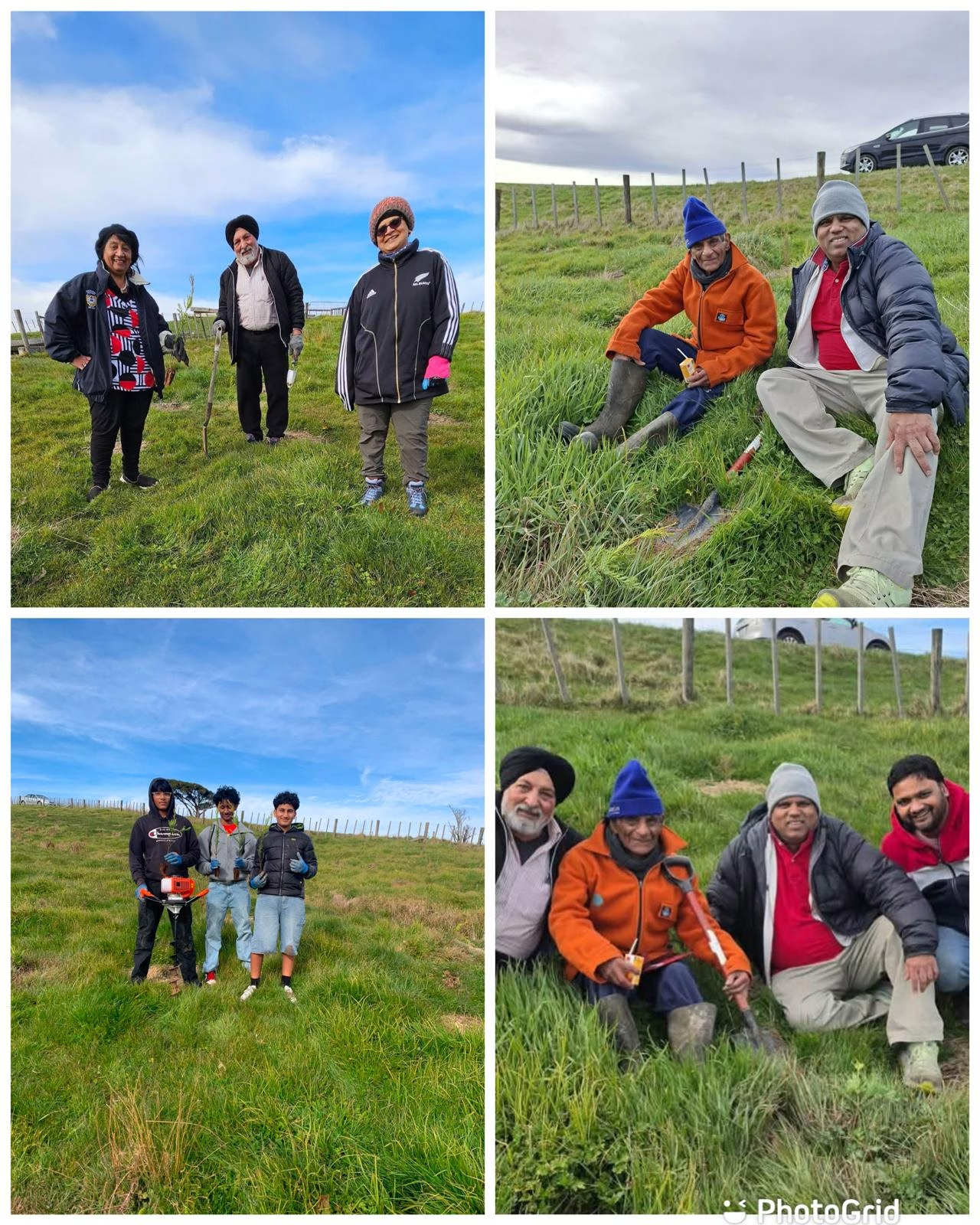
Perhaps the most meaningful part of the gathering was the participation of senior community members.
The centenary initiative specifically encouraged seniors to plant a tree and leave something behind for future generations.
There was something deeply fitting about that.
Many senior Indian New Zealanders spent decades building the foundations that younger generations now inherit.
They established businesses when opportunities were fewer. They created community associations, temples, halls, sports clubs and cultural organisations.
They worked long hours, supported extended families and created opportunities for children and grandchildren whose lives in New Zealand would look very different from their own.
They were, in a sense, already accustomed to investing in futures they might never personally enjoy.
On Saturday, that idea became physical.
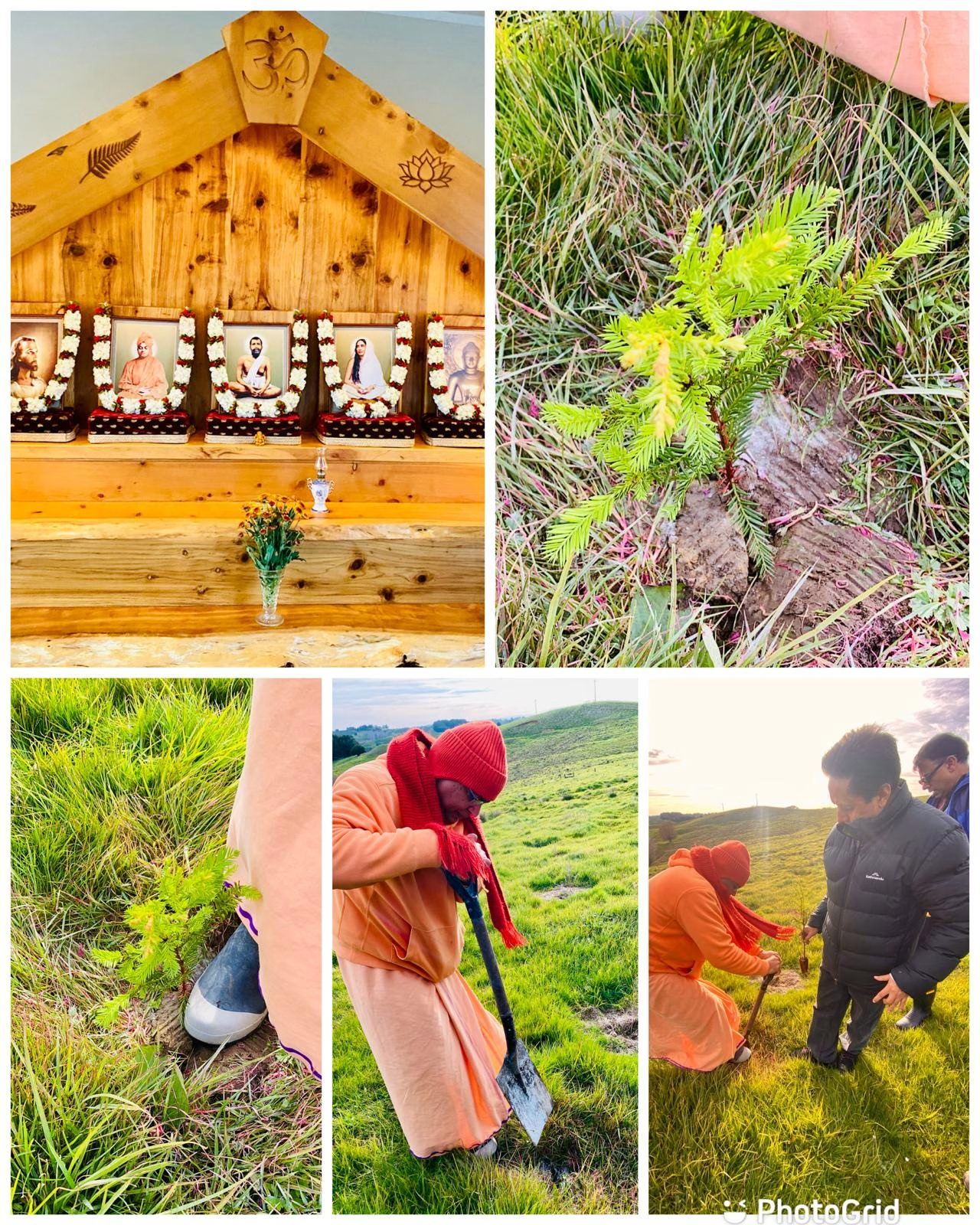
A seedling went into the ground.
Soil was pressed around it.
And somewhere in the crowd a grandparent could look towards a child or grandchild and know that, decades later, that family may be able to return and find the same tree standing there.
NZICA Life Member Nanette Nathoo, QSM, described taking part in the milestone planting as a moment of gratitude and blessing, thanking those who helped make the day possible.
From centenary celebrations to centenary responsibility
NZICA formally began its centenary year with celebrations in Auckland earlier in 2026, bringing together political leaders, community representatives and members of the Indian diaspora.
Those events looked back at the organisation’s history and recognised the people who helped build it.
The Waikato tree planting did something different.
It looked forward.
That matters because centenaries can easily become exercises in nostalgia. There is value in remembering the past, but an organisation reaching 100 years also has to ask what it wants to leave behind for the next generation.
A forest is one answer.
Not a plaque that may eventually be removed.
Not a banner that comes down after the celebration.
Something alive.
Something that requires care.
Something future generations will inherit whether or not they remember every name associated with its beginning.
A community effort rather than a ceremonial gesture
The day itself was practical.
People arrived early.
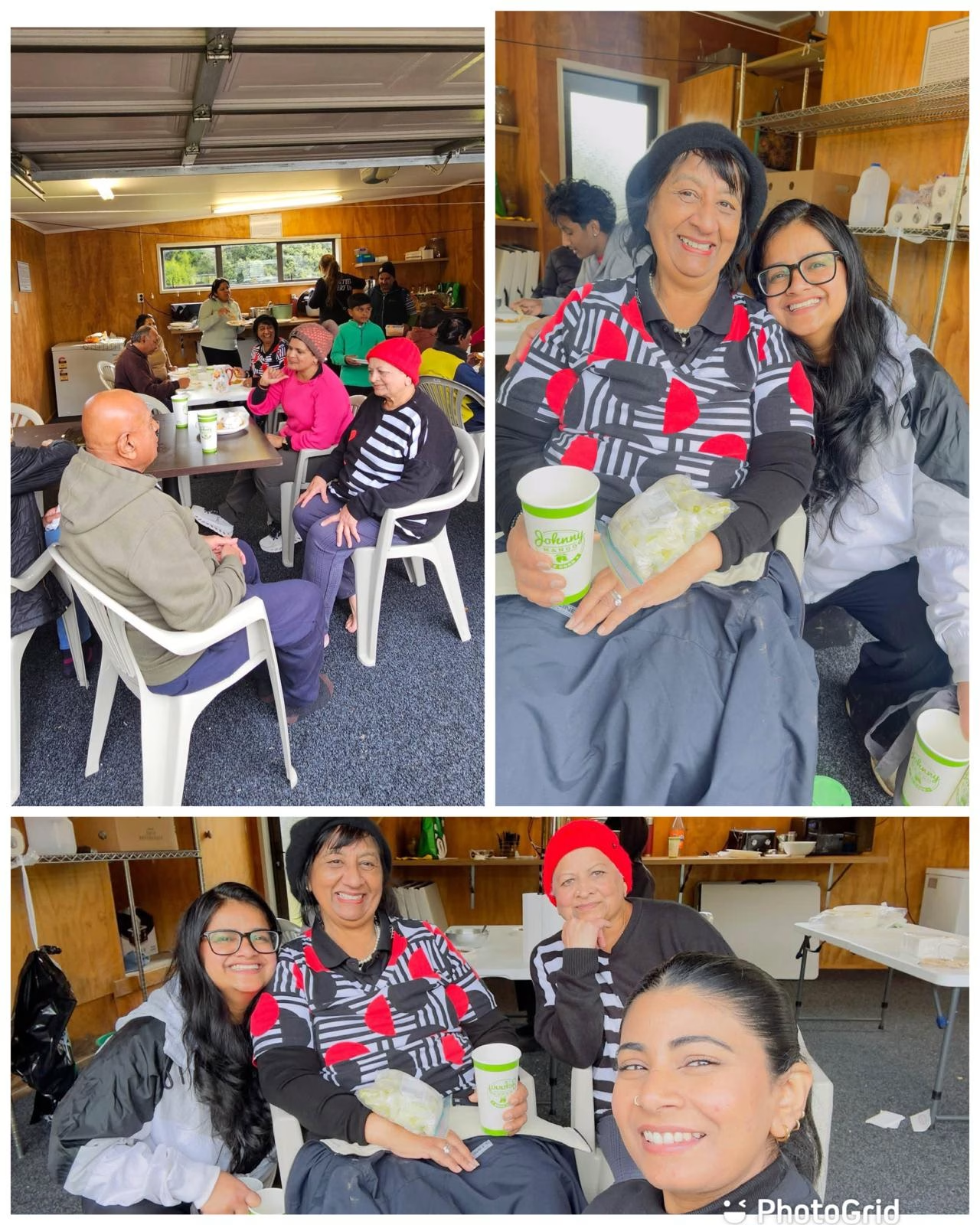
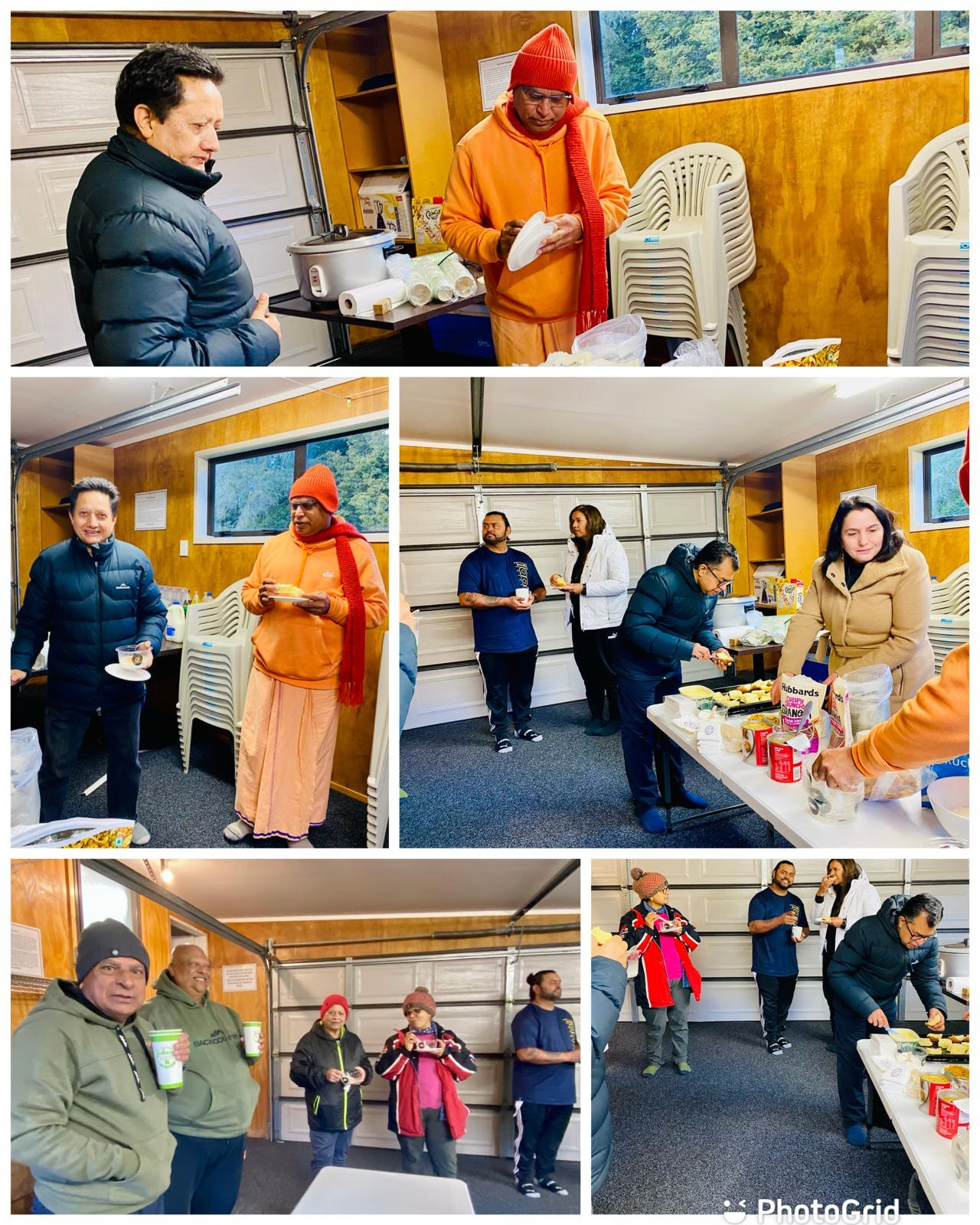
There was breakfast, hot drinks, tools, mud, cold hands and the inevitable learning curve for those who had never planted a tree before.
Children worked beside parents.
Teenagers joined adults.
Seniors took part at their own pace.
By the end of the planting, the physical effort was visible on shoes, clothes and tired faces.
And that may be precisely why the event worked.
There is a difference between watching somebody unveil something and helping build it yourself.
Everyone who planted a redwood left a small personal connection behind in Waikato soil.
For some families, returning to the site years from now may become part of the story.
“This is the tree we planted during NZICA’s hundredth year.”
That sentence may eventually be passed from grandparents to grandchildren.
A story larger than NZICA
The event also carries a wider message about migration and belonging.
The Indian community’s story in New Zealand has always involved adaptation.
People arrived from somewhere else, established roots, faced difficult periods, built networks and gradually became part of the country’s social landscape.
The redwood itself is not native to New Zealand, yet it has found conditions here in which it can grow remarkably well.
There is no need to stretch the comparison too far.
It is already powerful enough.
A tree can arrive from another part of the world and, given soil, time and care, become part of a landscape.
Communities can do much the same.
What will remain in another hundred years?
The real measure of Saturday’s planting will not be visible next week or next year.
It will come slowly.
In ten years, the seedlings will look entirely different.
In thirty or fifty years, many will tower over the people who return to visit them.
And in 2126, when future generations mark NZICA’s 200th anniversary, some of those redwoods may still carry a direct physical connection to the people who gathered in Glen Murray during the winter of 2026.
Those future visitors may not know every person who planted them.
They may not recognise every face in the photographs.
But they will know somebody thought far enough ahead to plant them.
For an organisation created in 1926 by a community that learned the importance of standing together, there could hardly be a more appropriate centenary message.
One hundred years behind them.
One thousand trees ahead of them.
And beneath the Waikato soil, thousands of young roots beginning the slow work of finding one another.