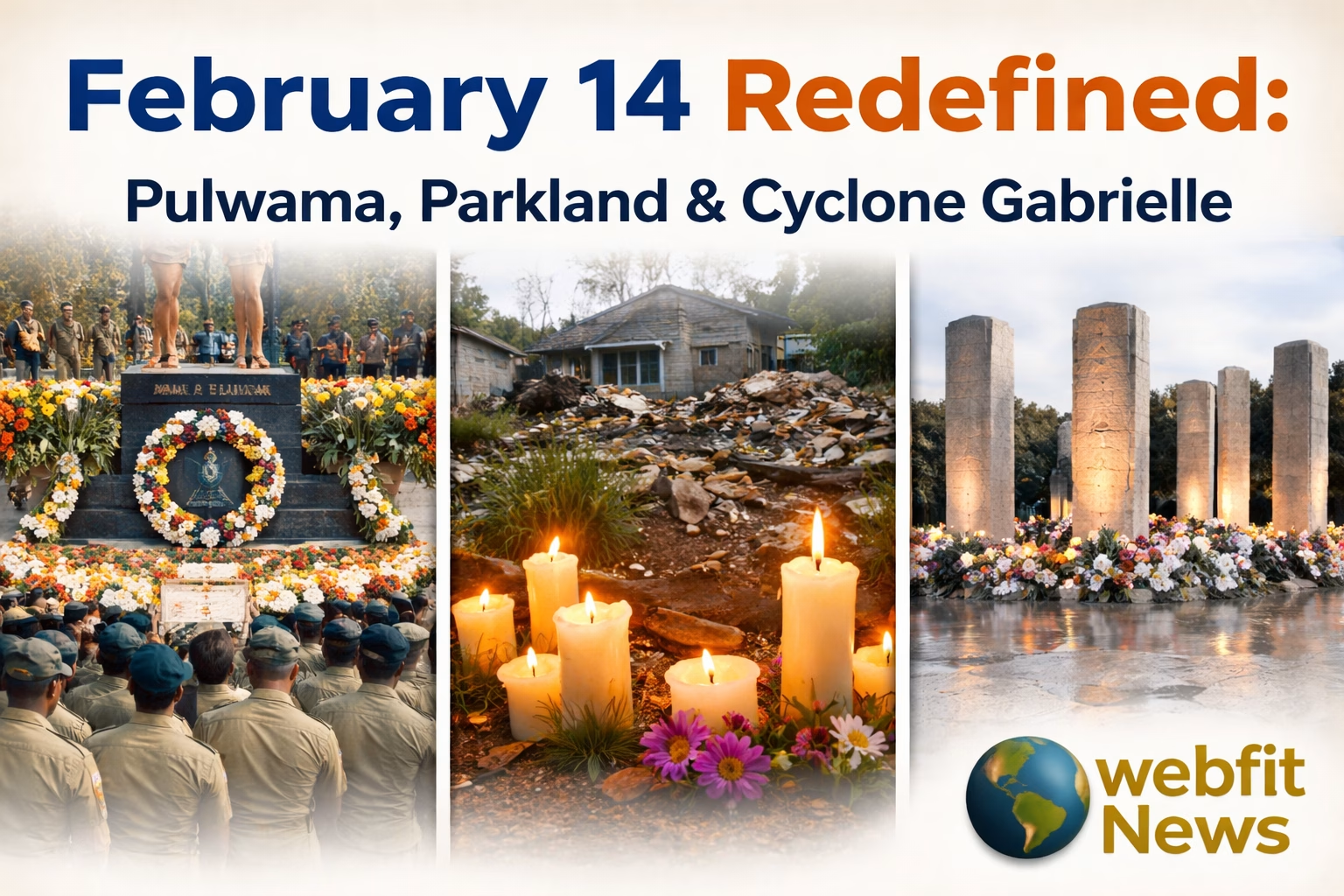

February 14 carries a deep weight for India. While many across the world celebrate love, millions of Indians pause in silence. On this day in 2019, the Pulwama terror attack claimed the lives of 40 brave CRPF personnel. Today, on February 14, 2026, the nation remembers them with pride and sorrow.
What Happened That Afternoon
On February 14, 2019, a large convoy of the Central Reserve Police Force travelled from Jammu to Srinagar along National Highway 44. Heavy snowfall had closed the highway for two days. As a result, more than 2,500 personnel moved together in nearly 80 vehicles.
At around 3:15 pm, near Lethpora in Pulwama district, a vehicle loaded with explosives rammed into one of the buses carrying CRPF jawans. The explosion ripped through the convoy with devastating force.
The blast destroyed the targeted bus instantly and damaged nearby vehicles. Forty personnel lost their lives. Dozens of others suffered injuries.
Investigators later identified the attacker as Adil Ahmad Dar, a local youth who had joined the Pakistan-based militant group Jaish-e-Mohammed. Authorities confirmed that the device contained high-grade explosives, including RDX. The scale of the explosion showed careful planning and coordination.
Within minutes, news channels began broadcasting images from the highway. Across India, families watched in shock. Soon after, heartbreaking confirmations reached homes in different states.
The Human Stories Behind the Headlines
The 40 martyrs came from across the country. Some belonged to small villages. Others served from large cities. Many supported young children and aging parents. A few had planned to return home for holidays within weeks.
Funeral processions drew thousands of people. Citizens stood along roads holding the national flag. Schoolchildren saluted as the tricolour-covered coffins passed by. In those moments, grief united the nation.
Pulwama was not just a security failure or a headline. It struck at the heart of ordinary families who had entrusted their sons to serve the country.
The Immediate National Response
Anger and sorrow quickly spread across India. Candlelight marches took place in cities, towns, and campuses. Citizens demanded accountability and stronger action against terrorism.
Twelve days later, on February 26, 2019, Indian Air Force jets carried out airstrikes in Balakot. The government described the operation as a pre-emptive strike against terrorist infrastructure. The move signaled a shift in India’s counter-terror policy and escalated tensions with Pakistan.
Meanwhile, diplomatic efforts intensified. India pushed for global recognition of the role of cross-border militant networks. Security protocols for convoy movement were reviewed. Intelligence coordination saw tighter monitoring.
Over time, the country strengthened its internal security approach. However, beyond policy and strategy, one reality remained constant: 40 families had lost their loved ones forever.
Pulwama in 2026: A Nation Reflects
Seven years later, Pulwama stands firmly in India’s collective memory. Each February 14, tribute ceremonies take place at CRPF camps and memorial sites. Leaders from across political parties offer their respects. Schools observe moments of silence.
Today, on February 14, 2026, floral tributes mark the seventh anniversary of the attack. Social media platforms are filled with photographs of the martyrs. Citizens share messages of gratitude and remembrance.
Importantly, younger generations who were children in 2019 now learn about Pulwama through news reports and memorial programs. Through these acts of remembrance, the sacrifice continues to shape national consciousness.
A Day That Changed Meaning
Before 2019, February 14 carried a lighter cultural meaning for many Indians. After Pulwama, the date took on a deeper identity. Now, it represents sacrifice, service, and national resolve.
For the families of the martyrs, the pain remains personal. Every year brings back memories of that afternoon. At the same time, they carry forward their loved ones’ legacy with strength.
India’s security forces continue to operate in challenging conditions. Their duty often unfolds far from public view. Yet Pulwama reminds the nation of the risks they accept daily.
Remembering with Responsibility
At Webfit News, we believe remembrance must remain respectful and factual. Honouring the fallen means acknowledging the truth of what happened, understanding the cost, and reinforcing unity.
Pulwama aimed to spread fear. Instead, it strengthened collective resolve.
Seven years later, the names of the 40 CRPF martyrs still echo across the country. Their sacrifice continues to remind India of the price of security and the value of unity.
On February 14, 2026, India does not simply look back. It stands together, remembers, and reaffirms its commitment to peace and strength.
India remembers.