Introduction
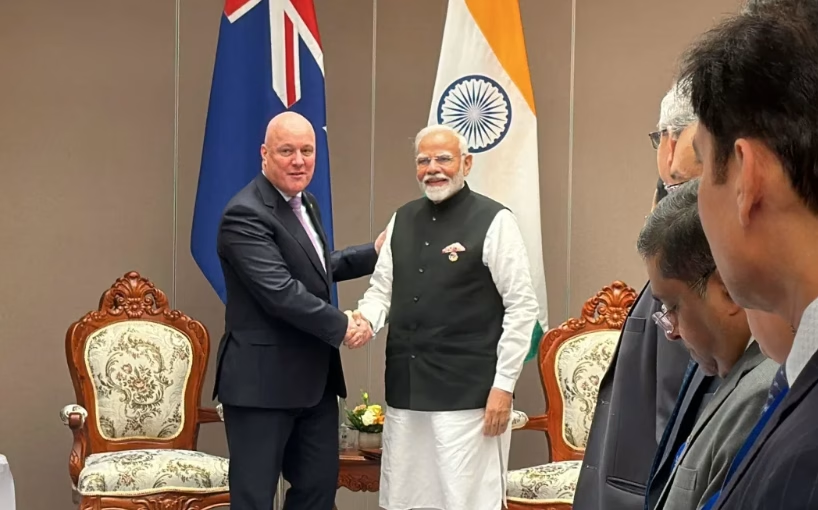
A major diplomatic moment is quietly building between India and New Zealand. Prime Minister Narendra Modi’s expected state visit in 2026 is not just another high-level meeting. It signals a deeper shift in how both countries see each other in a rapidly changing Indo-Pacific region.
For New Zealand, this is about expanding trade, strengthening security ties, and engaging one of the world’s fastest-growing economies. For India, it is about increasing its footprint in the Pacific and building stronger relationships with trusted democratic partners.
This visit could redefine the relationship for the next decade.
Background: From Friendly Ties to Strategic Partnership
Workers Across Asia-Pacific Rise: What Global Labour Protests Mean for New Zealand – WebfitNews
India and New Zealand have shared cordial relations for years, but largely at a surface level. Trade existed, people-to-people connections were strong, and diplomacy remained steady but limited.
That started changing after a series of high-level engagements:
- Prime Minister Christopher Luxon’s visit to India in 2025
- Multiple ministerial meetings across trade, defence, and innovation
- Rapid negotiations of a Free Trade Agreement within nine months
Now, both nations are moving toward what officials describe as a “comprehensive strategic partnership.”
This is not just symbolic diplomacy. It is structured, outcome-driven, and clearly timed.
The Big Deal: India–New Zealand Free Trade Agreement
At the center of this visit is the formal signing of the Free Trade Agreement.
What the FTA Includes
- 100% tariff elimination on Indian exports to New Zealand
- Preferential access for New Zealand exports like meat, wool, and timber
- Target to double trade to USD 5 billion within five years
- Strong focus on services, investment, and financial integration
This is a big deal, but let’s be honest. The real story is not just trade growth. It is a strategic positioning.
New Zealand is trying to diversify beyond traditional markets. India is offering scale, demand, and long-term opportunity.
What This Means for New Zealand
Let’s cut through the diplomacy and look at reality.
1. Economic Opportunity
New Zealand businesses get access to a massive consumer market. Sectors like:
- Agriculture
- Education
- Technology
- Tourism
…stand to benefit.
But here is the uncomfortable truth. India protects its sensitive sectors aggressively. Dairy and some horticulture segments remain shielded. So expectations need to stay realistic.
2. Investment Flow
New Zealand has committed around USD 20 billion in investment into India over 15 years.
That sounds impressive. But execution matters more than announcements.
3. Workforce and Skills
New visa pathways will allow:
- 5,000 temporary work visas annually
- Skilled sector mobility in healthcare, IT, and engineering
This helps address New Zealand’s ongoing skills shortage.
The Real Power Factor: The Indian Diaspora
You are missing the point if you think this is just about trade.
The 300,000-strong Indian community in New Zealand is the real backbone of this relationship.
They are:
- High-income contributors
- Business owners
- Skilled professionals
- Cultural connectors
This “living bridge” is doing more diplomatic work than governments.
If leveraged correctly, this community becomes New Zealand’s strongest strategic advantage.
Digital Shift: Payments and Technology Collaboration
One of the most interesting developments is the push to integrate India’s UPI system with New Zealand’s payment infrastructure.
Why this matters:
- Faster remittances
- Lower transaction costs
- Better support for tourism and small businesses
This is not just fintech. It is digital diplomacy.
India is exporting its digital public infrastructure model globally, and New Zealand is aligning with it.
Soft Power Angle: 100 Years of Sporting Ties
Timing matters in diplomacy.
This visit aligns with 100 years of sporting relations between India and New Zealand, dating back to the 1926 hockey tour.
Expect:
- Joint sporting programmes
- Athlete exchanges
- Cultural events
This is not random. It is strategic soft power. Sport builds emotional connection where policy cannot.
Geopolitical Context: Why This Visit Matters Now
Let’s step back.
The Indo-Pacific region is becoming more volatile:
- China-US tensions
- Supply chain disruptions
- Security alliances shifting
New Zealand is joining initiatives like:
- Indo-Pacific Oceans Initiative
- Disaster resilience frameworks
… show a clear direction.
India is becoming a key partner in that shift.
This visit is not just bilateral. It is geopolitical positioning.
Challenges You Should Not Ignore
Now, the part most people avoid.
1. No Direct Flights Yet
Connectivity is still weak. Travel requires stopovers, which slow business and tourism growth.
2. Trade Imbalance Risks
India’s scale can easily dominate smaller economies if not managed carefully.
3. Execution Gap
Deals look great on paper. Implementation is where most fail.
Webfit News Perspective
Here is the honest take.
This partnership has real potential. But potential means nothing without execution.
New Zealand needs to be clear about:
- What sectors does it want to win in
- How it protects local industries
- How it leverages its diaspora advantage
India will move fast. That is how it operates.
If New Zealand moves slowly, it will become just another partner. Not a strategic one.
This is not a feel-good story. It is a test of ambition.
Conclusion
Prime Minister Modi’s 2026 visit is shaping up to be one of the most important diplomatic events for New Zealand in recent years.
It brings:
- Trade opportunities
- Investment flows
- Cultural connections
- Strategic alignment
But the outcome depends on one thing.
Execution.
If both countries follow through, this could redefine their relationship. If not, it becomes another headline that fades.
References
- India–New Zealand FTA and diplomatic roadmap
- Trans-Tasman media and economic positioning
- NZ media and policy framework insights