Rotorua, New Zealand
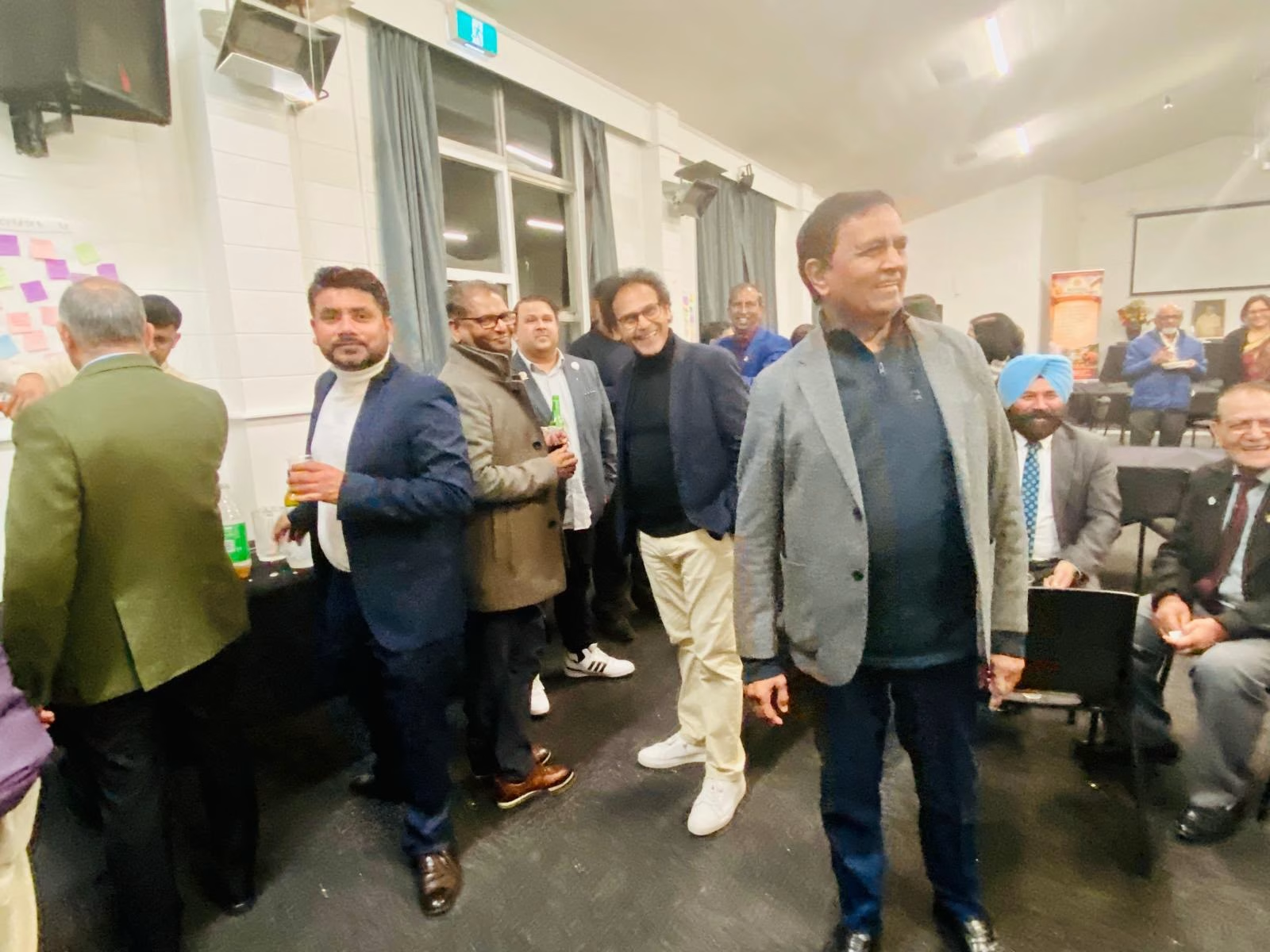
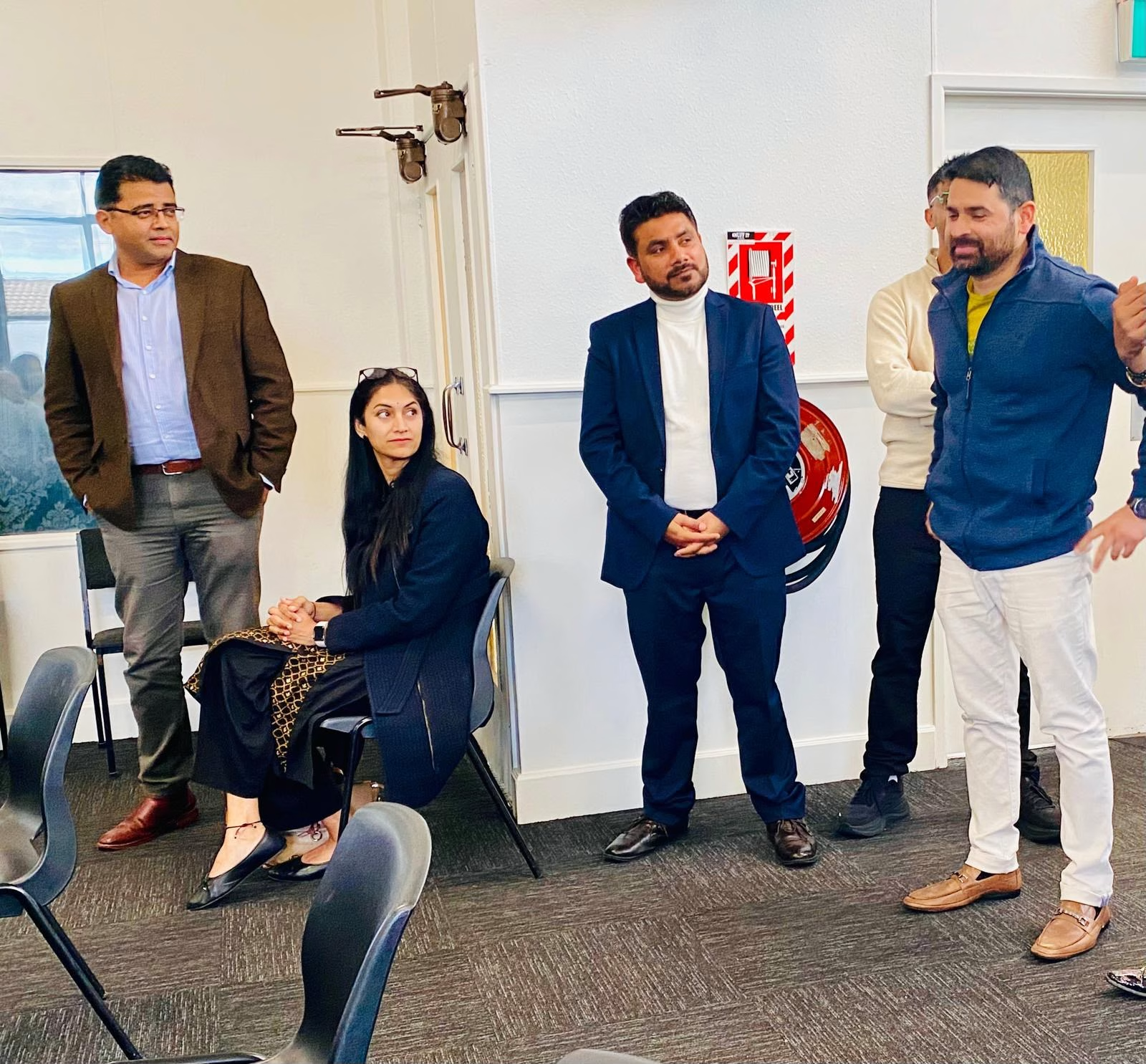
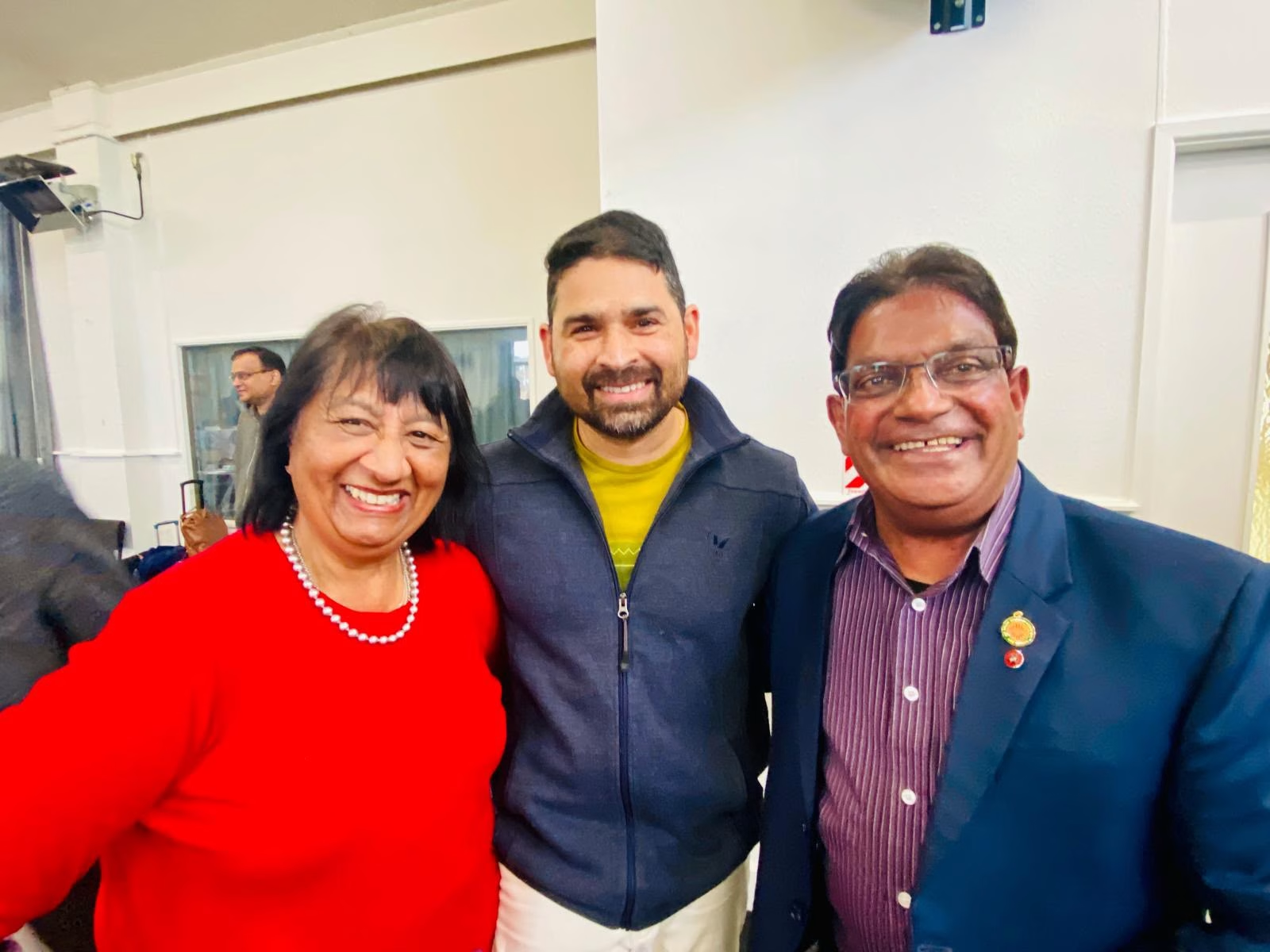
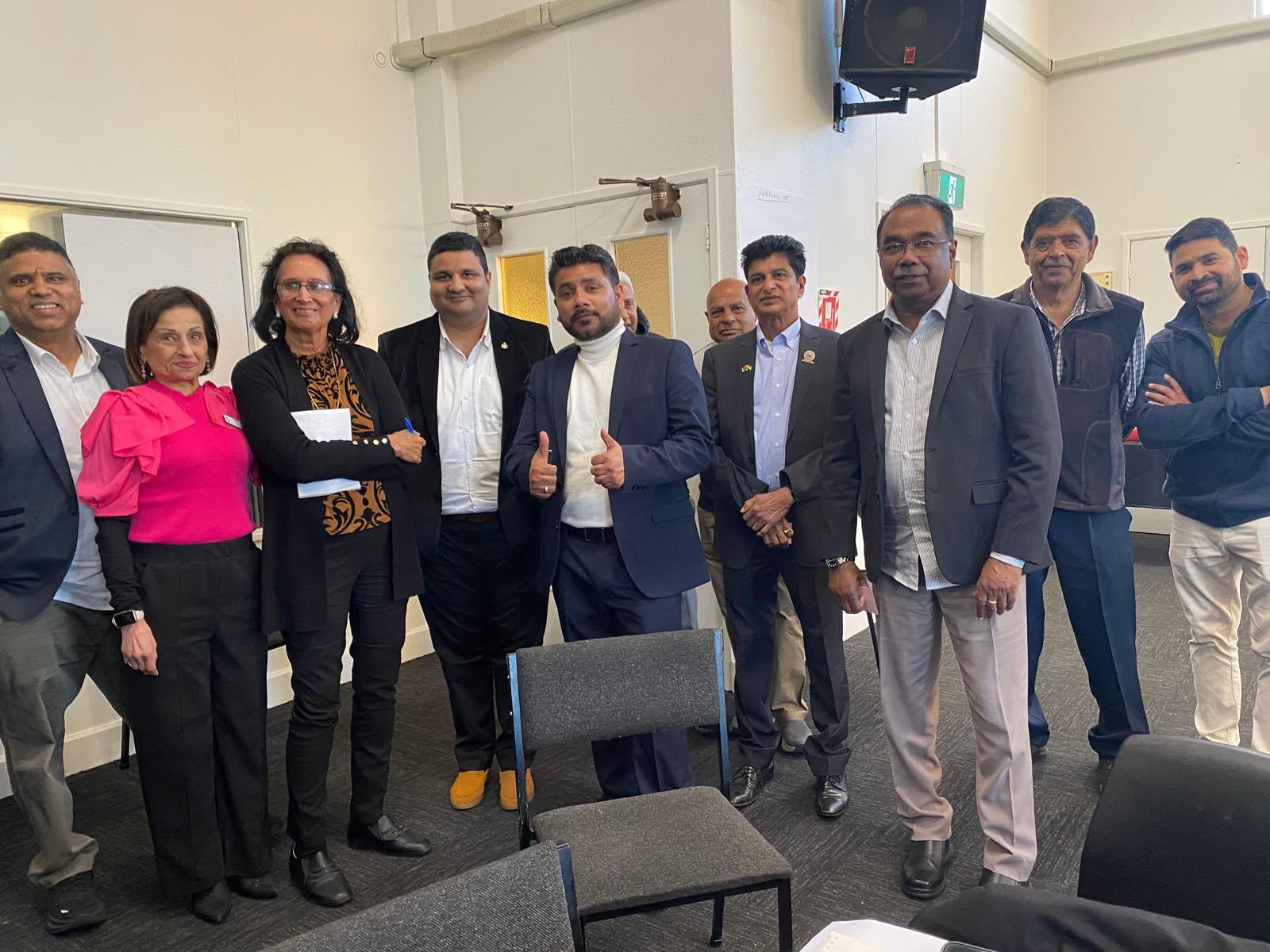
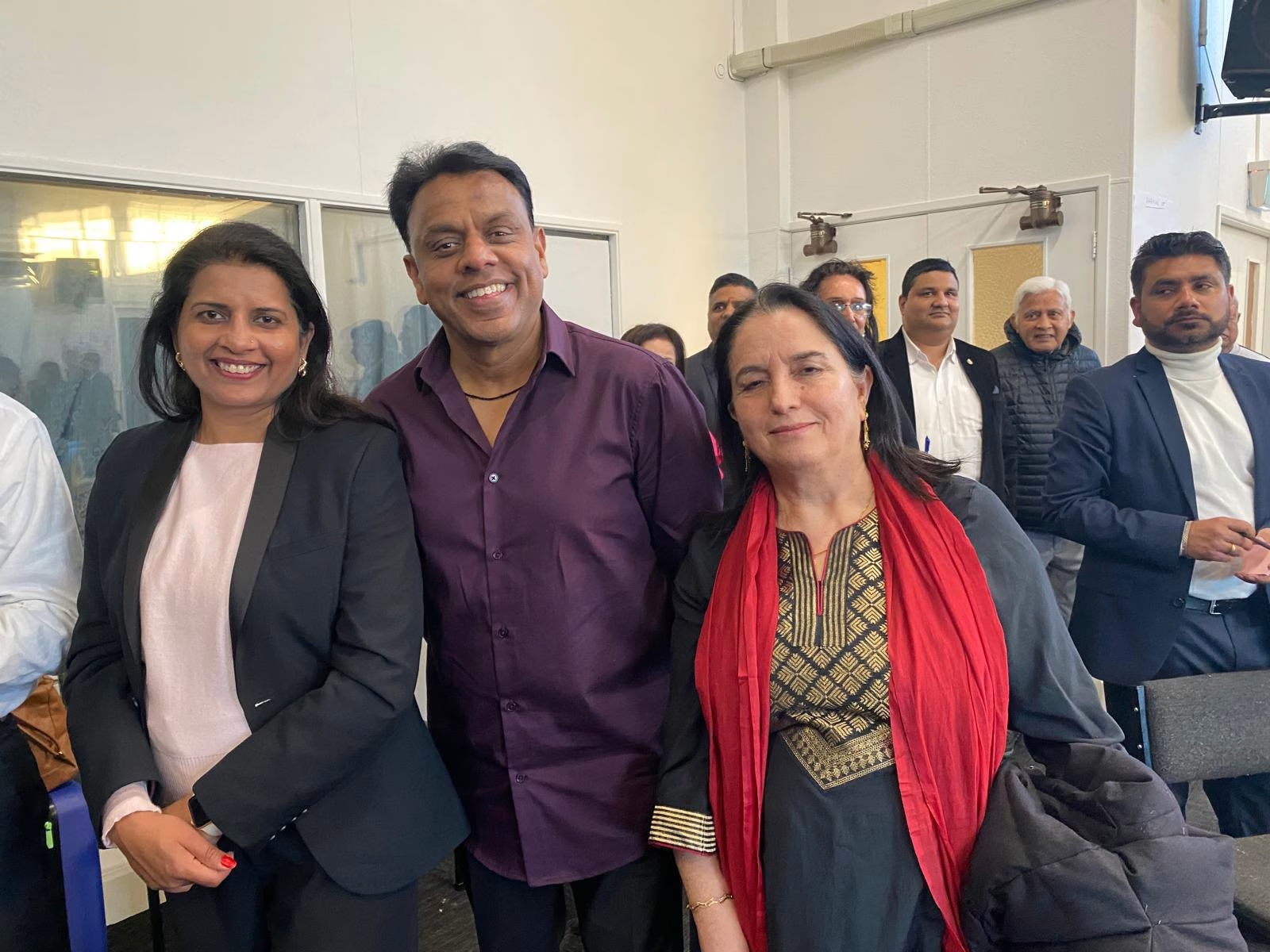
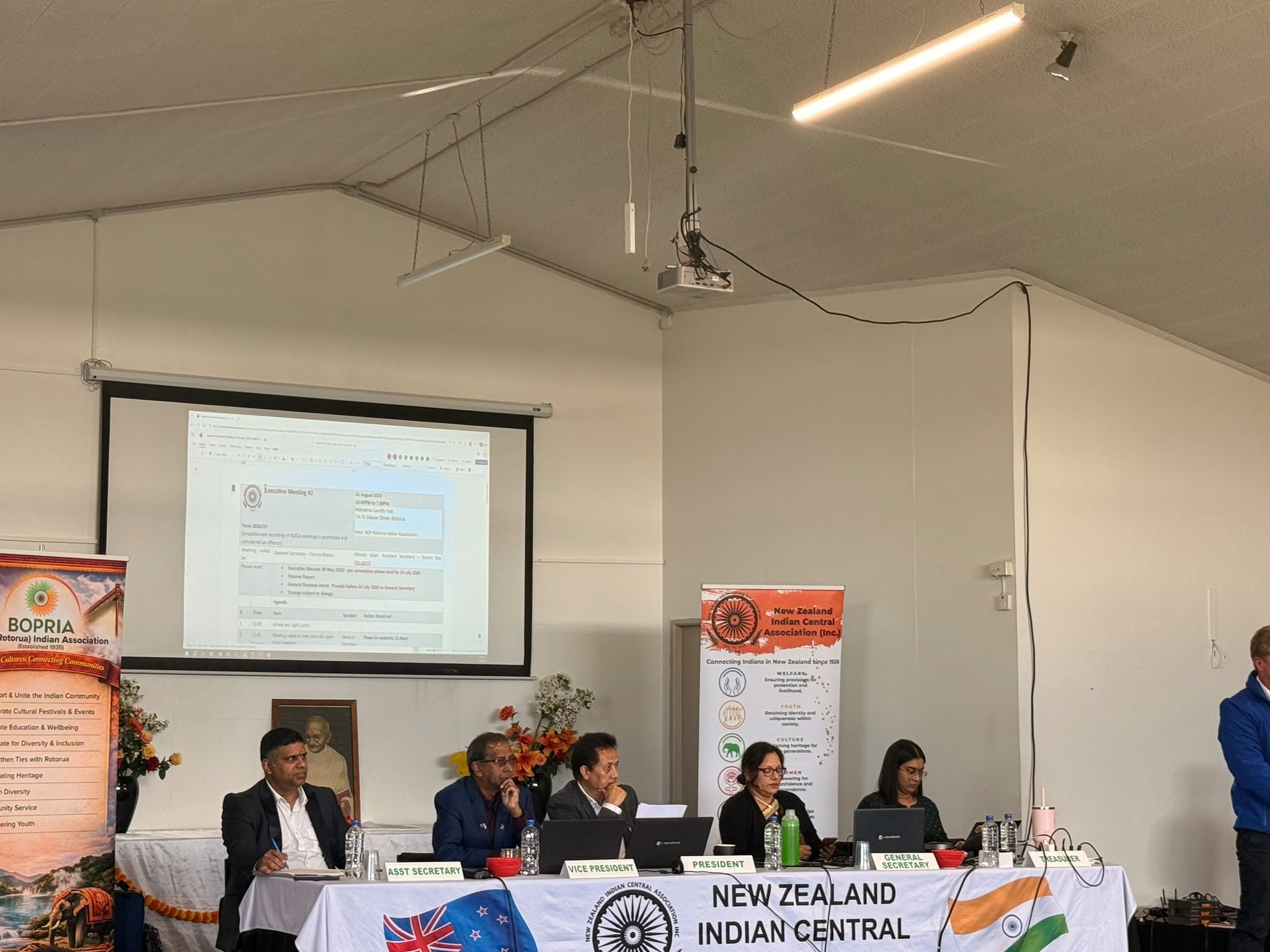
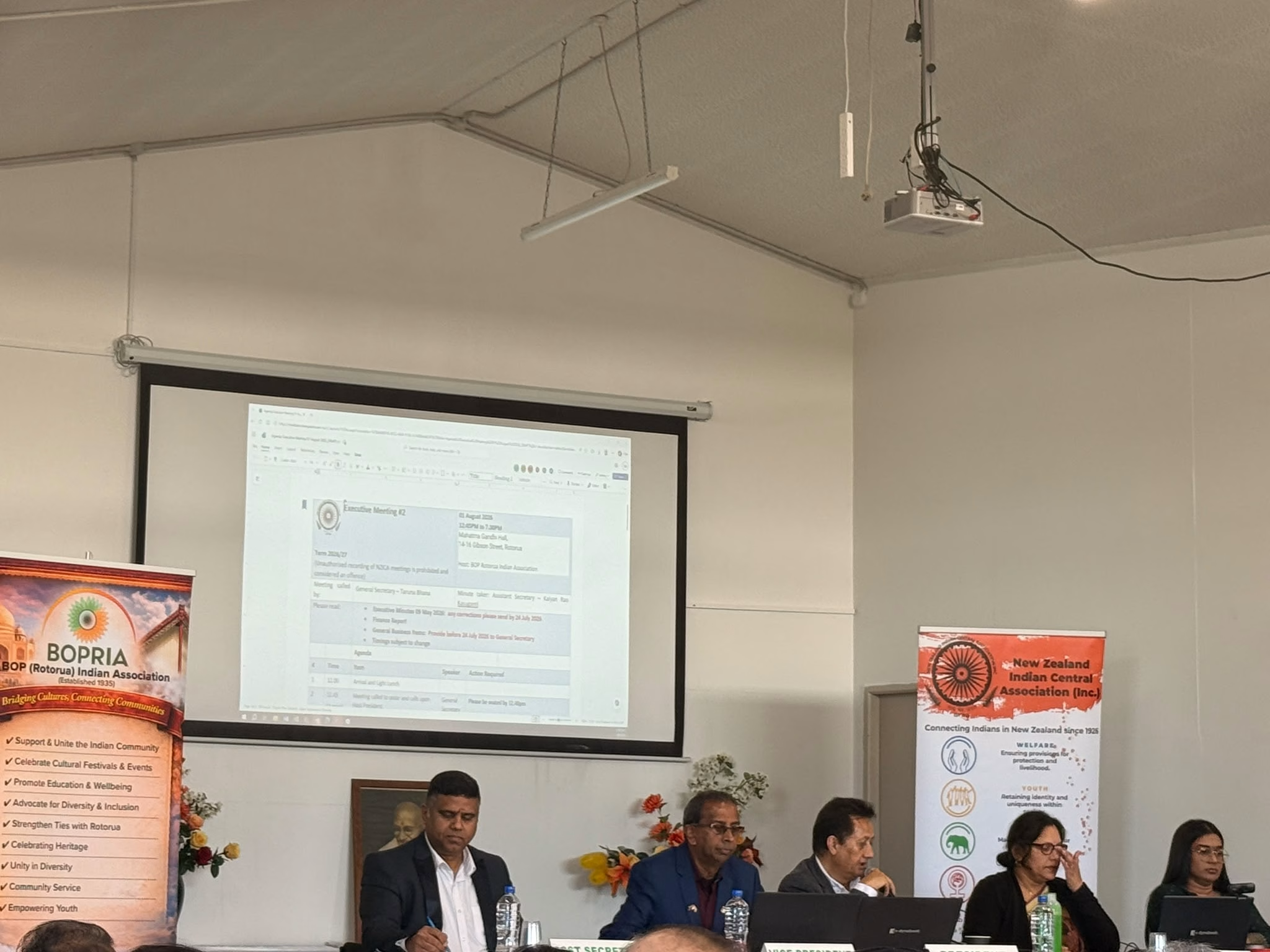
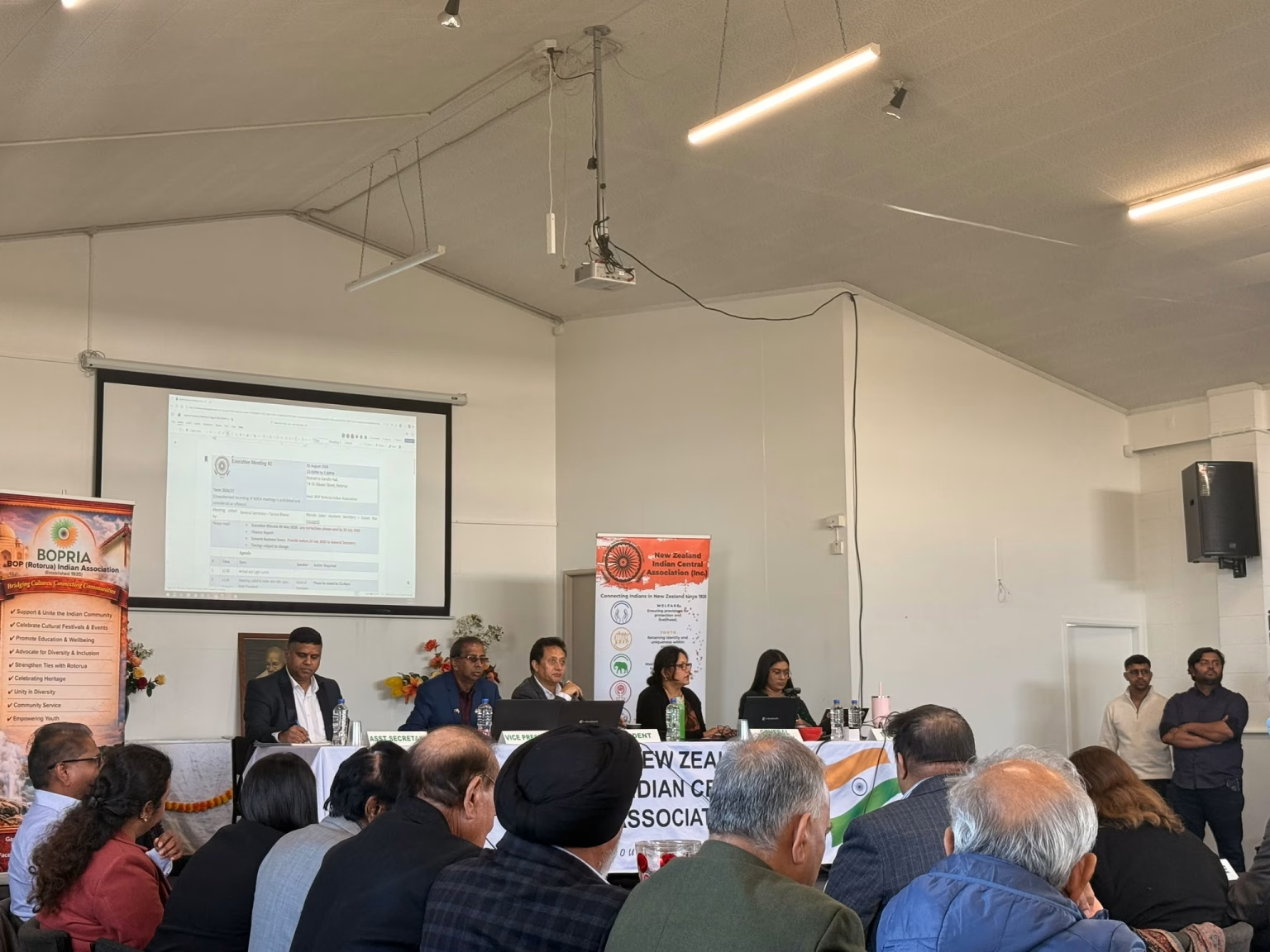
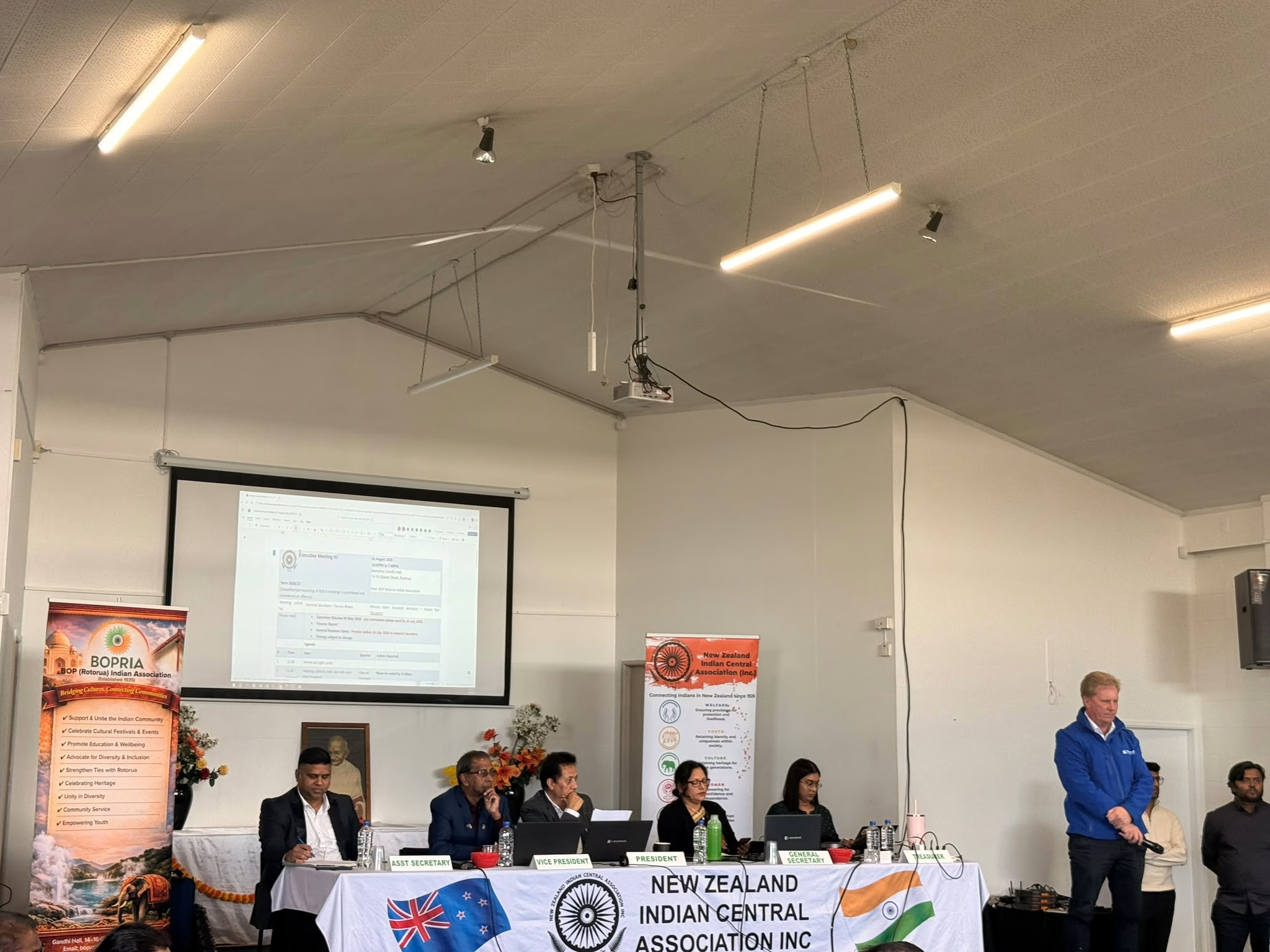
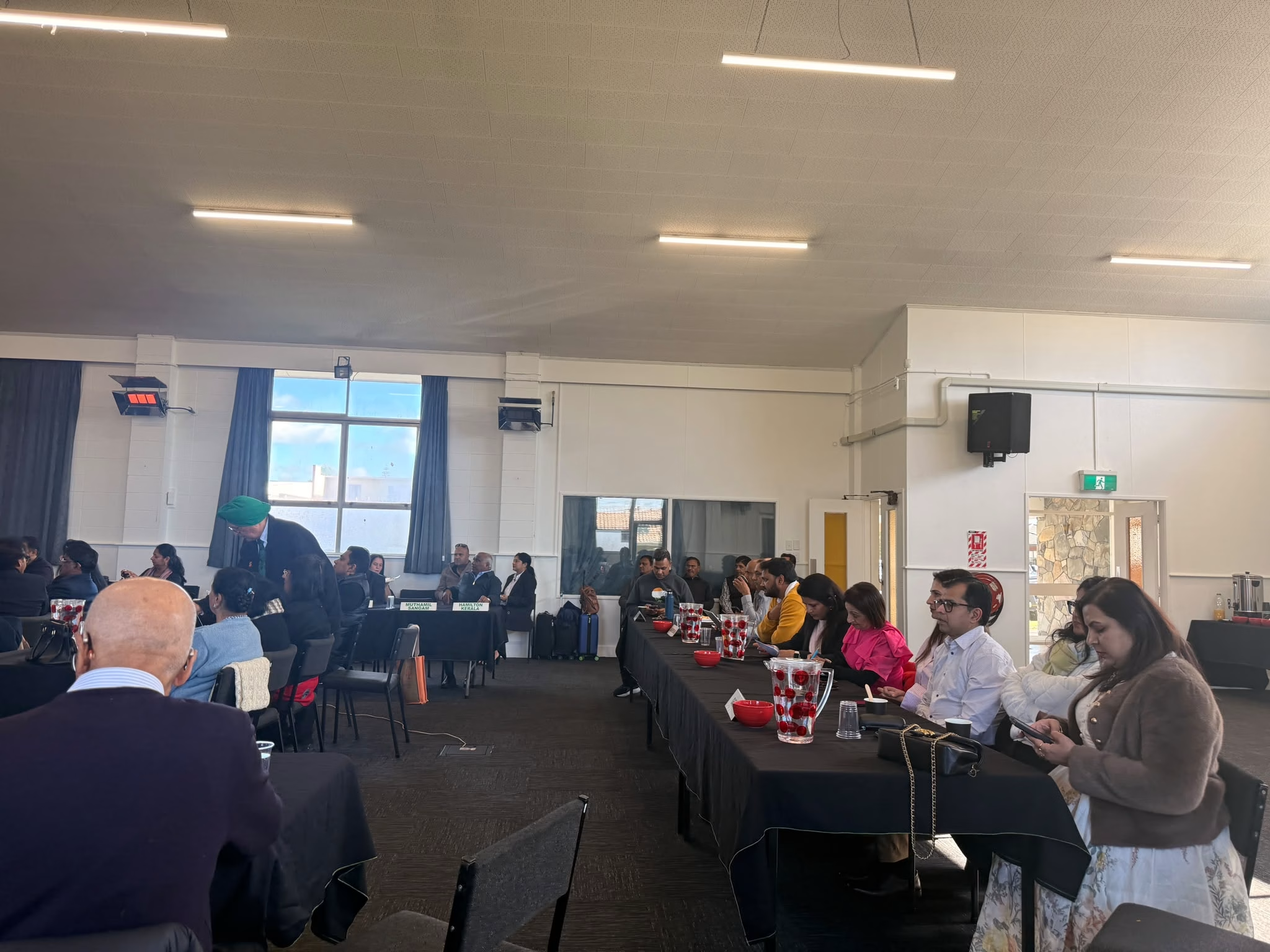
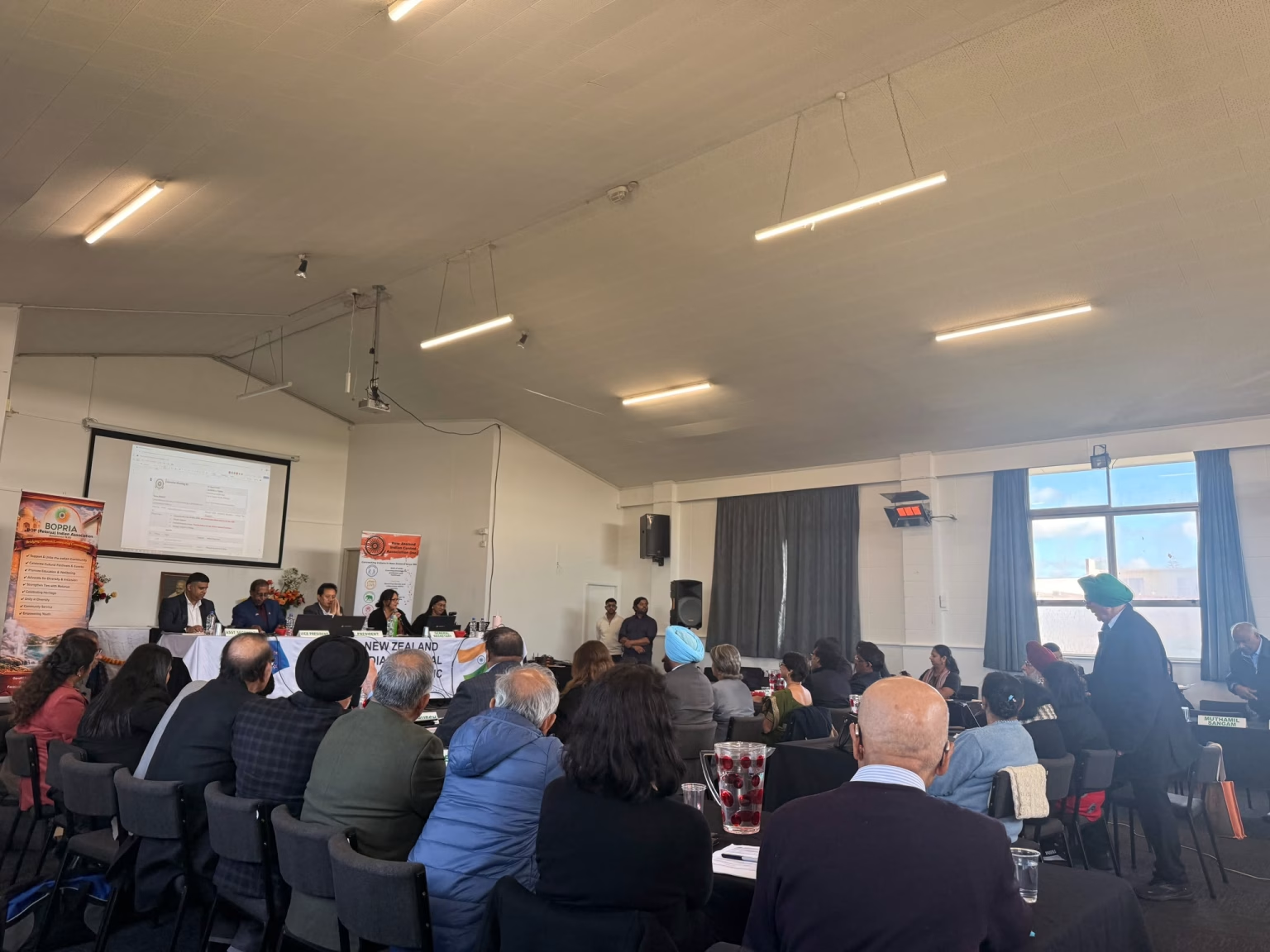
The New Zealand Indian Central Association, known as NZICA, brought together representatives from its affiliated organisations across the country for an executive meeting in Rotorua on 1 August 2026.
Hosted locally by the Bay of Plenty Rotorua Indian Association, the meeting recorded strong attendance and provided a national platform for community leaders to discuss NZICA programmes, governance, future events and matters affecting Indian communities across New Zealand.
The gathering reflected NZICA’s long history of connecting Indian associations, supporting community development and strengthening participation in New Zealand’s multicultural society.
National representatives gather in Rotorua
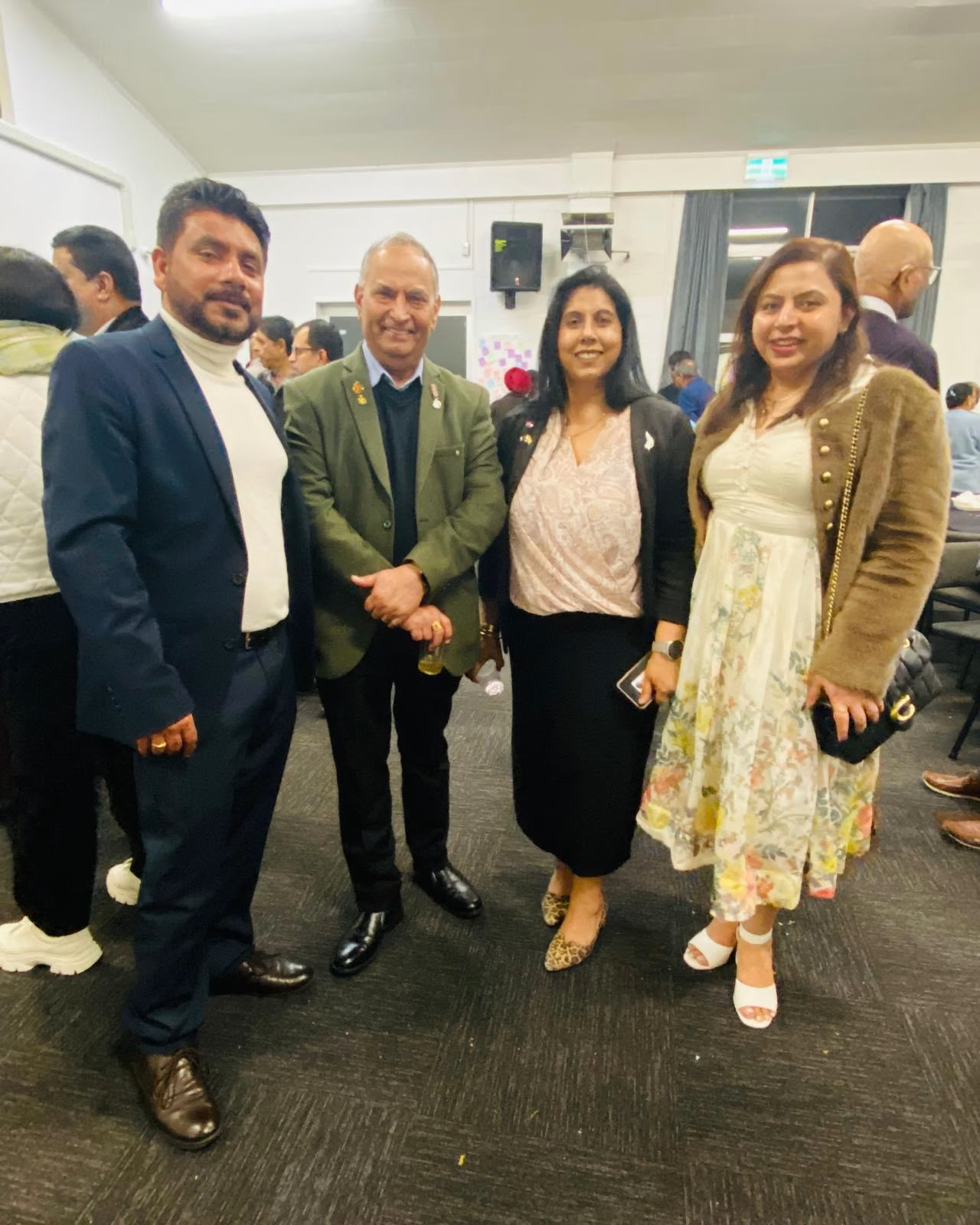
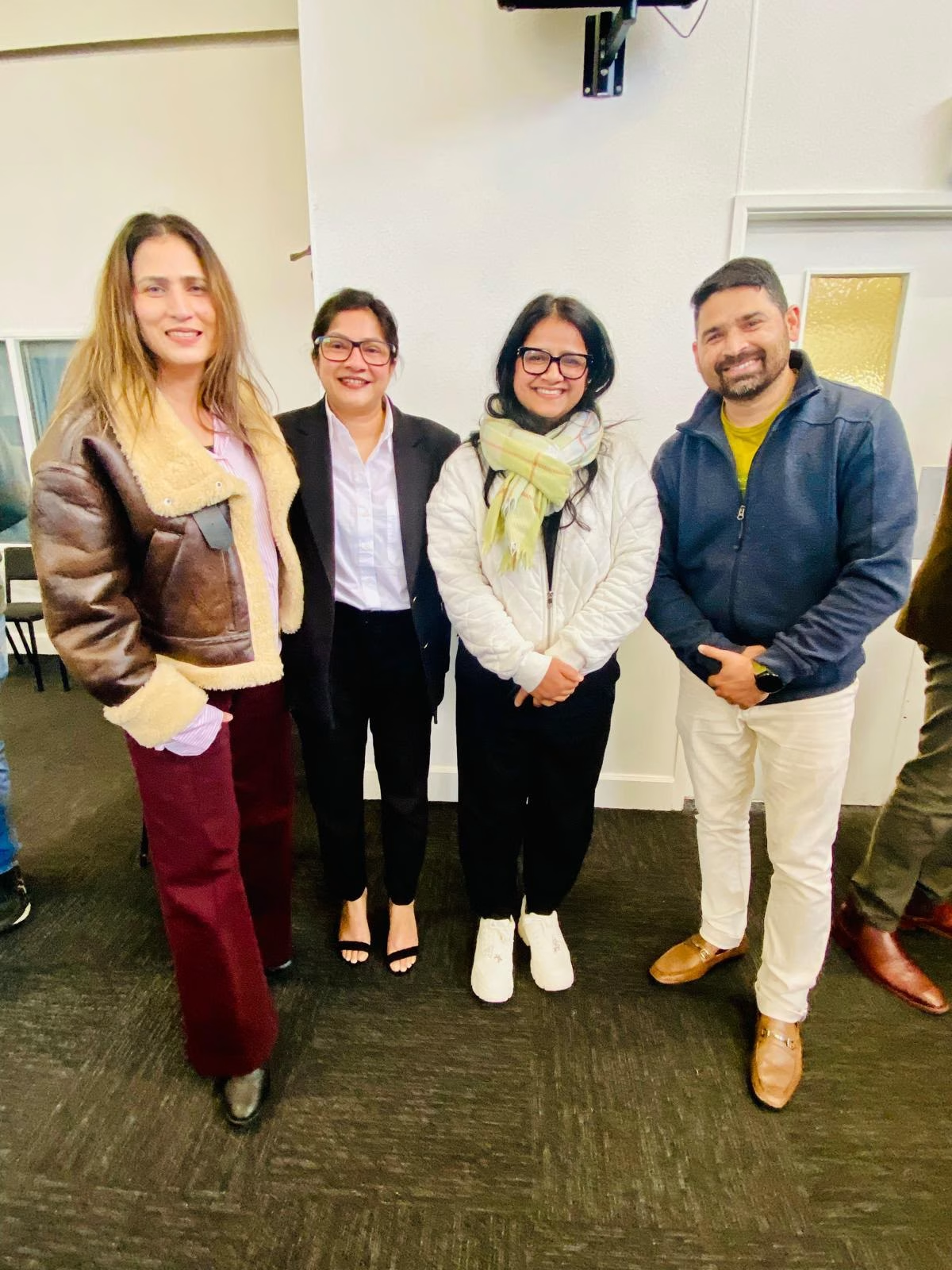
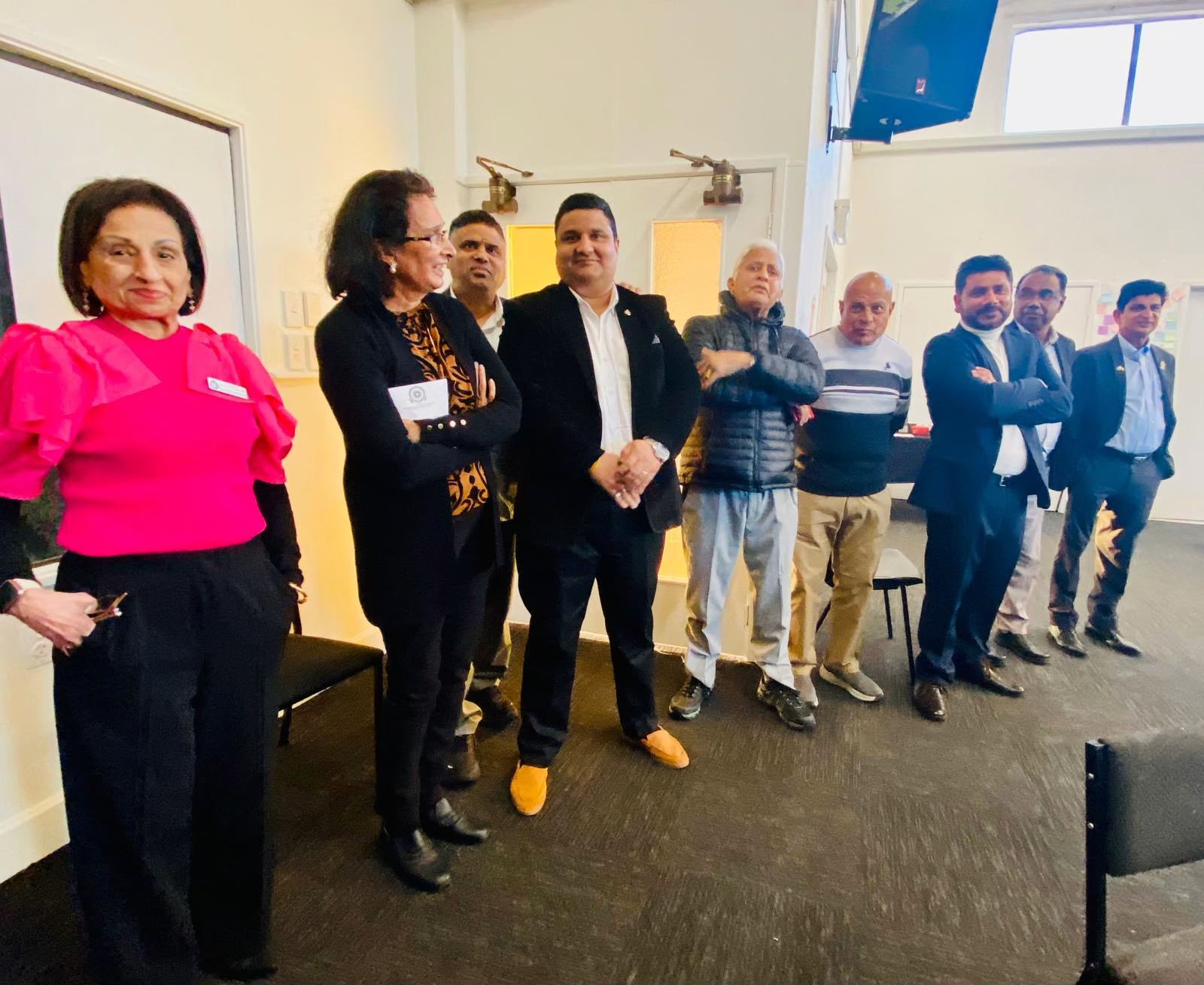
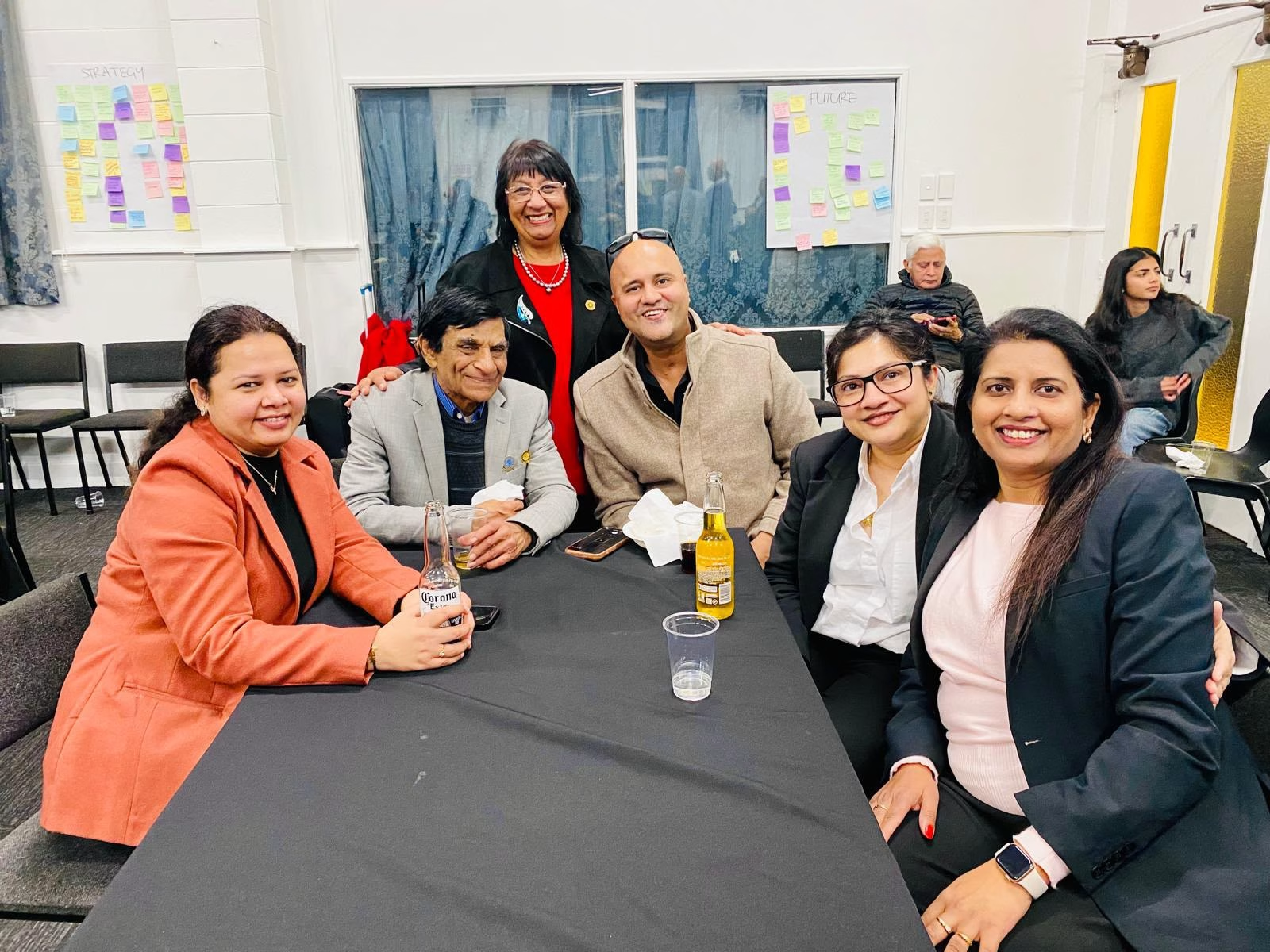
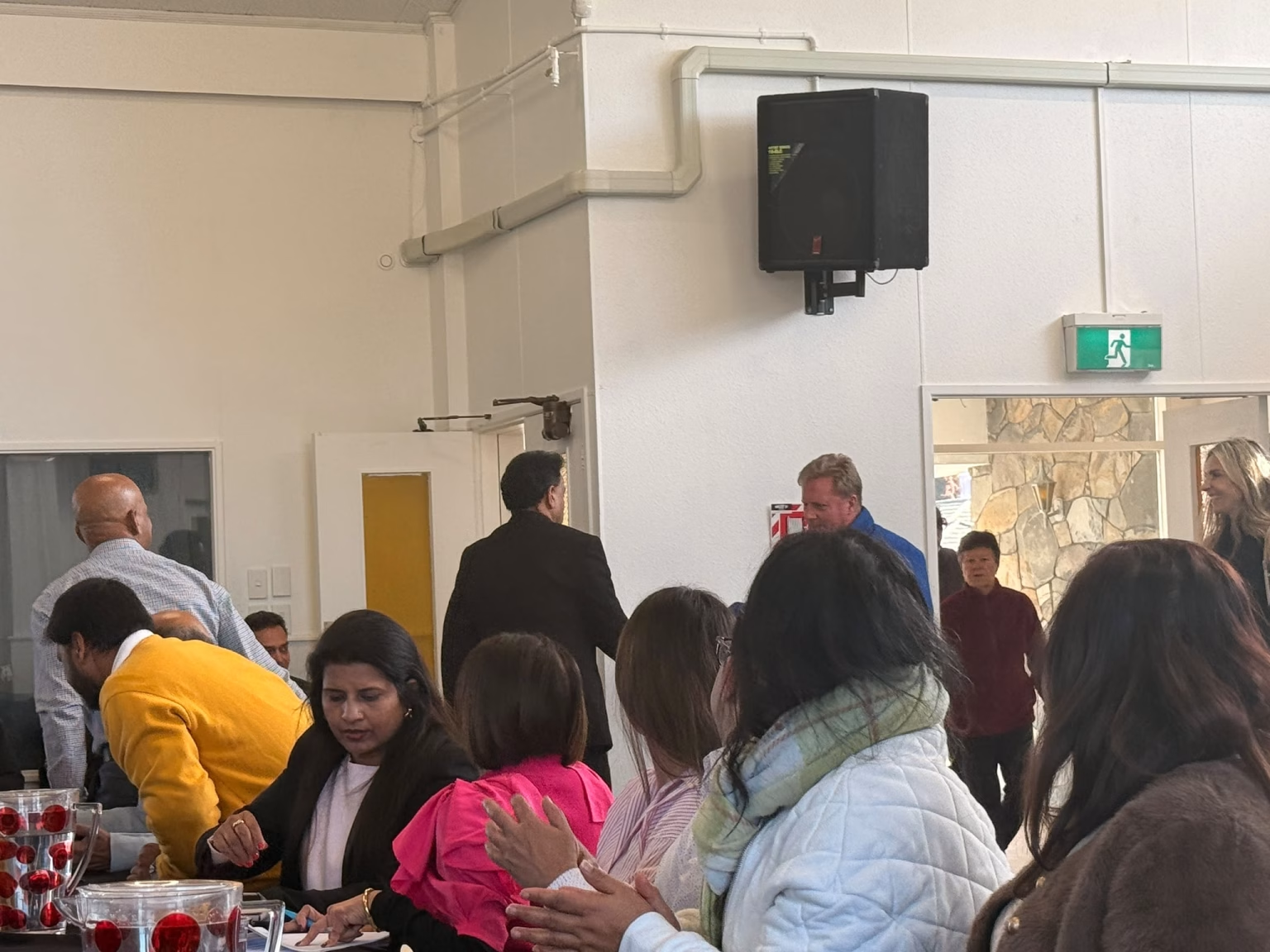
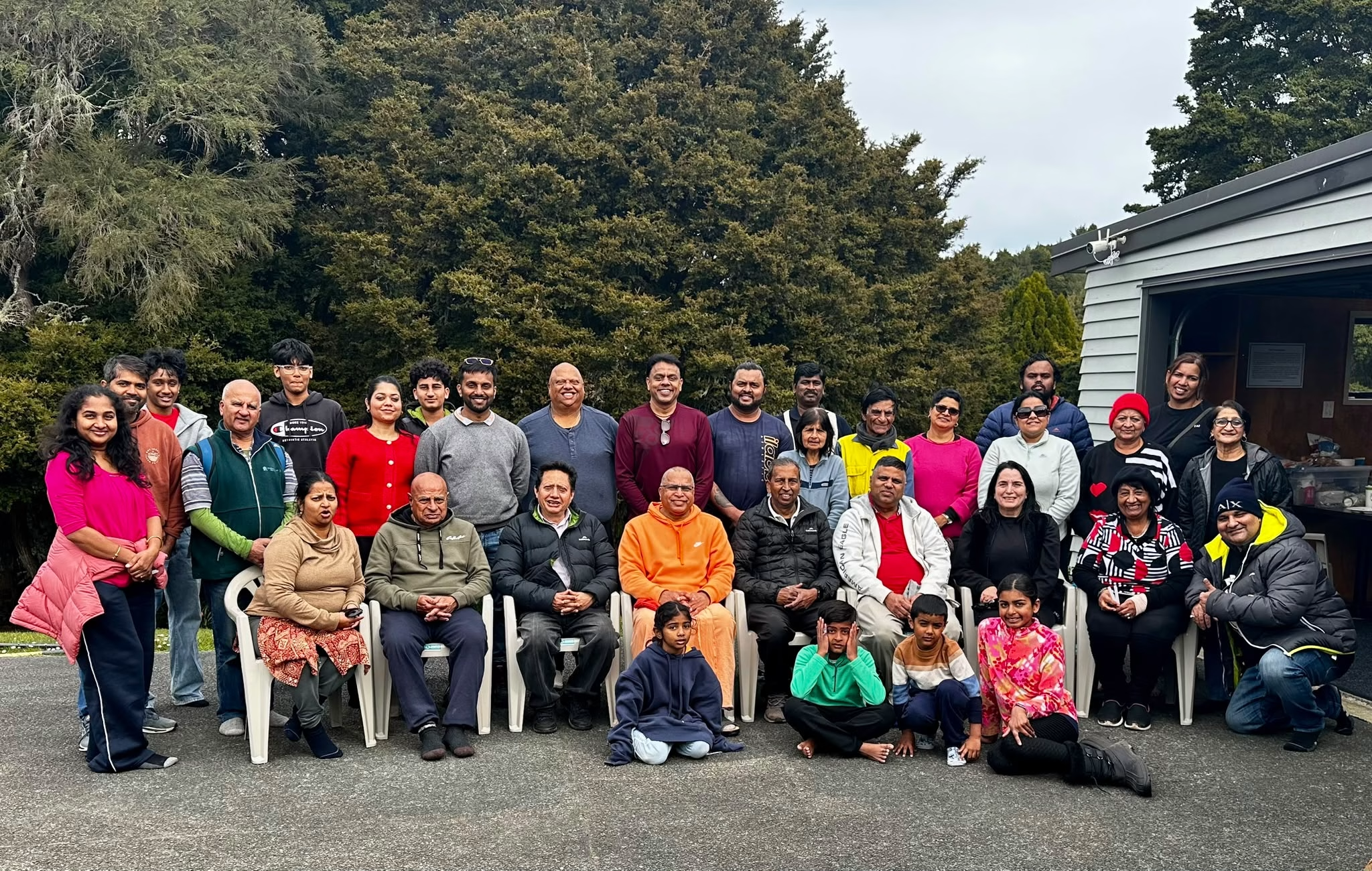
NZICA executive members and representatives from affiliated associations travelled from several regions to participate in the meeting.
The agenda included organisational reports, financial matters, policy updates, correspondence, subcommittee work and planning for future national activities.
Discussions also covered community wellbeing, youth participation, law and order, constitutional matters, funding requests, cultural initiatives and preparations for upcoming NZICA programmes.
The strong turnout allowed representatives to exchange ideas, raise regional concerns and contribute to future priorities at a national level.
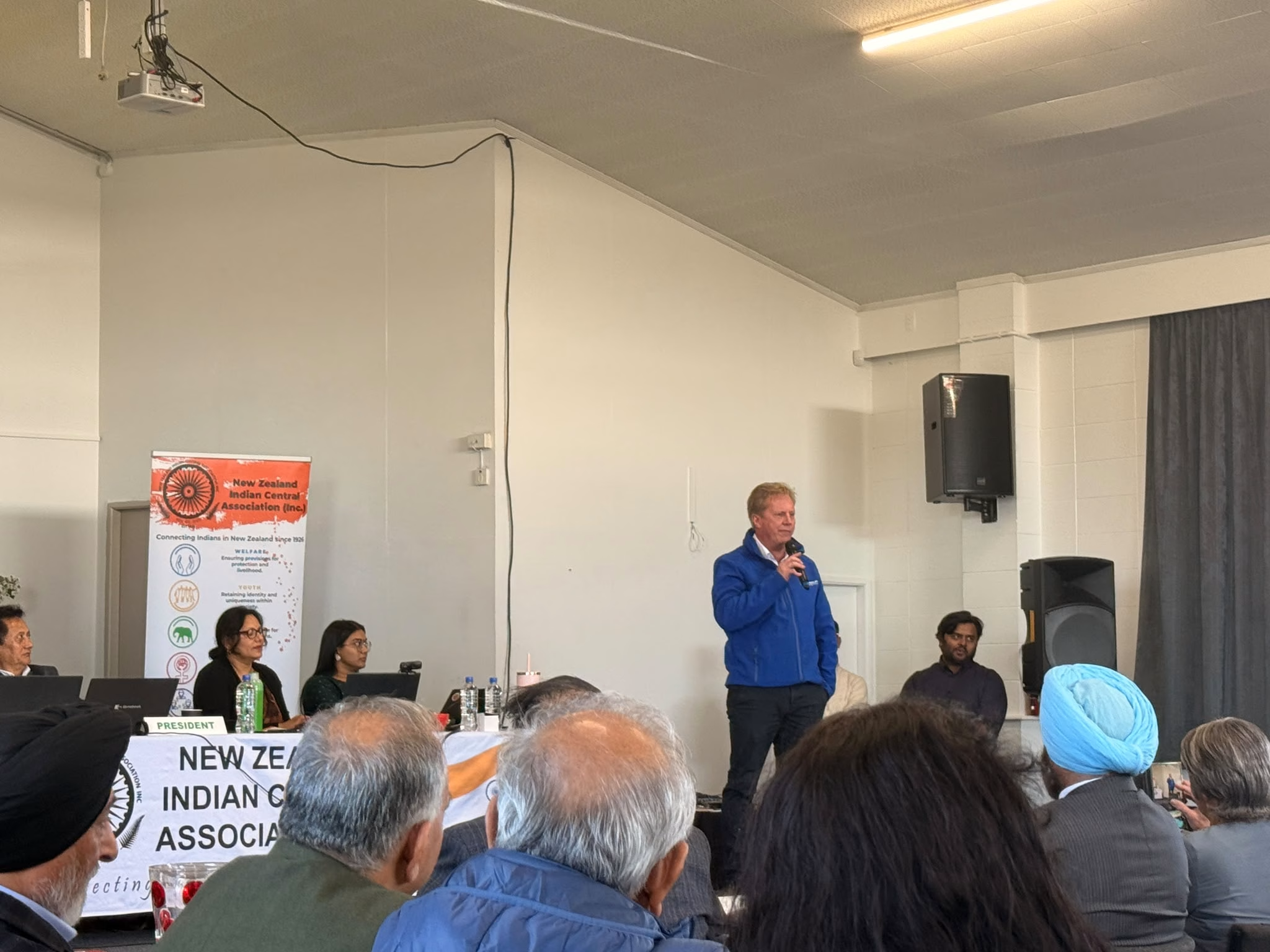
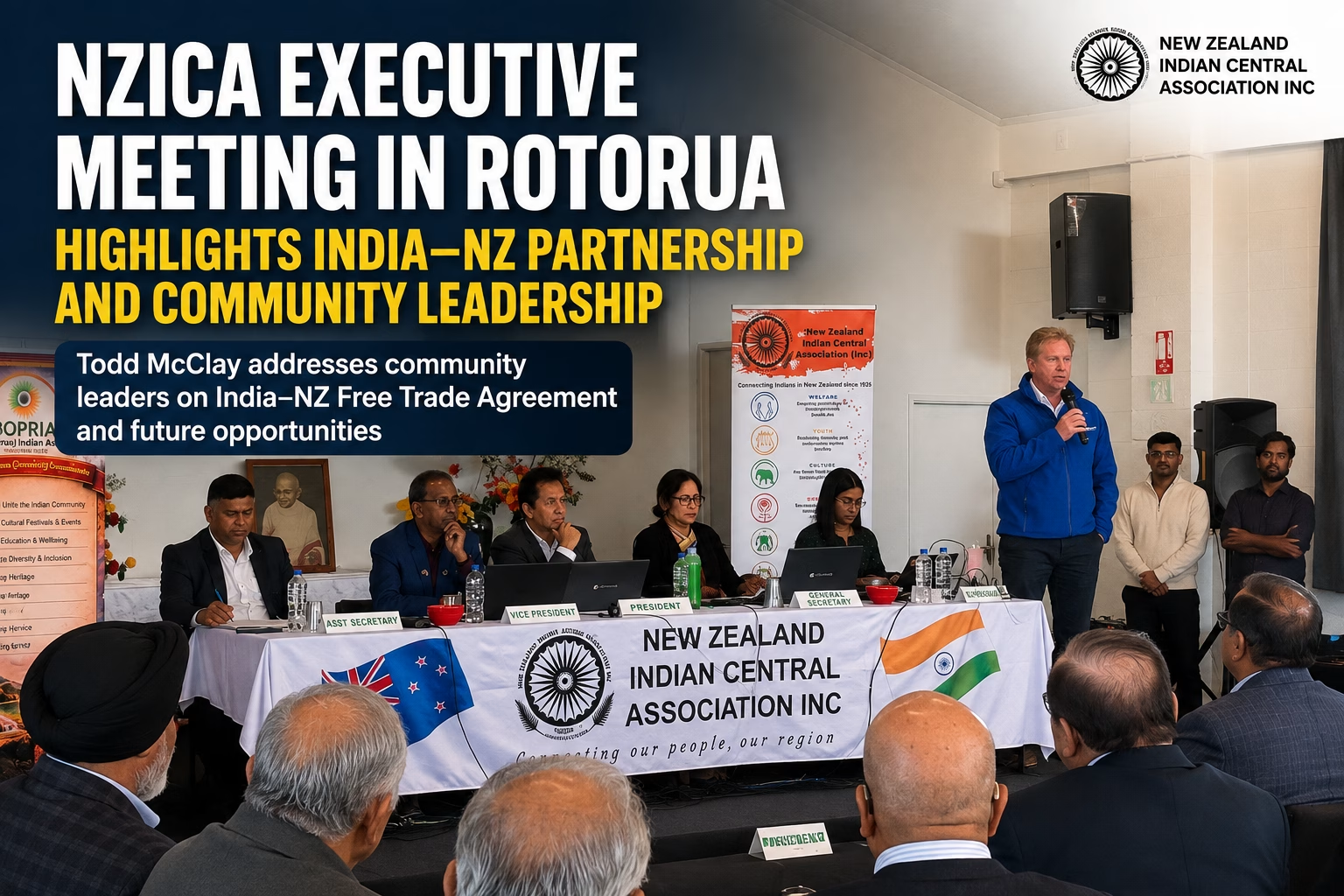
Todd McClay addresses NZICA representatives
A major public highlight of the meeting was an address by Trade and Investment Minister Todd McClay.
McClay thanked NZICA representatives and community volunteers for the time and effort they contribute through their associations.
He spoke about the importance of the Indian community to New Zealand and acknowledged the role community organisations play in cultural connection, business development and public life.
In his remarks, McClay focused heavily on the developing relationship between India and New Zealand.
He said a trade agreement establishes rules and opportunities, but governments, businesses, sporting organisations, cultural groups and communities must give practical life to the relationship.
According to McClay, stronger engagement with India could create wider opportunities across trade, education, tourism, sport, culture and investment.
He also said the Indian community in New Zealand would have an important role in helping organisations and businesses in both countries build meaningful connections.
India relationship described as increasingly important
McClay told attendees he believed India’s relationship with New Zealand would become increasingly significant over time.
He referred to India’s population, economic growth and global influence, while noting that New Zealand must build strong partnerships to expand its opportunities internationally.
He also spoke about the value of direct engagement between political leaders, businesses and community organisations.
McClay said official agreements are only one part of the relationship. Long term progress would depend on people, institutions and businesses working together.
He referred to cooperation in areas including education, defence, sport, culture and commercial activity.
Community organisations have a practical role
During the discussion, McClay highlighted the contribution Indian New Zealanders can make by building links with similar organisations, businesses and institutions in India.
He said community engagement had helped visiting Indian representatives better understand New Zealand, its people and the contribution made by the Indian diaspora.
He also shared experiences from his visits to India and explained how personal relationships, cultural understanding and community participation supported formal negotiations.
His remarks suggested that diaspora organisations such as NZICA and its affiliated associations could help translate government level engagement into practical connections.
Possibility of stronger air links
McClay also spoke positively about the possibility of direct air services between India and New Zealand.
He said work was progressing around future cooperation and expressed confidence that direct flights could eventually support tourism, trade, education and family travel.
Any future route would be particularly significant for Indian New Zealanders, many of whom currently face long journeys and multiple connections when travelling between the two countries.
The Minister presented closer air connectivity as part of the wider growth in bilateral engagement.
Economy and government priorities discussed
McClay also addressed the Government’s economic priorities.
He spoke about public spending, national debt, inflation, interest rates, frontline services, law and order, exports and business confidence.
He argued that government spending must be carefully managed and said the Government was focused on supporting essential services while improving economic conditions.
His comments reflected the National Party’s wider political and economic position.
As the remarks were delivered in a political context, Webfit News has presented them as the Minister’s stated views rather than independently established conclusions.
Questions and discussion
Following the address, attendees asked questions about India New Zealand relations, implementation of trade arrangements, political support and the role of community organisations.
McClay welcomed the cross party support shown for stronger engagement with India and said broad parliamentary backing sent a positive signal.
He also emphasised that differences of political opinion should not prevent New Zealand from pursuing opportunities that could benefit both countries.
The question and answer session gave NZICA representatives an opportunity to hear directly from the Minister and raise issues relevant to the community.
NZICA leadership welcomes record participation
NZICA President Mr Veer Khar acknowledged the strong attendance and thanked the local host branch for supporting the meeting.
He said:
“Thank you BOPRIA for hosting the executive meeting with a record attendance. Your hospitality was par excellence, and wider participation helped a lot to achieve.”
His message highlighted both the level of participation and the value of bringing representatives together for direct discussion.
Appreciation for the local hosts
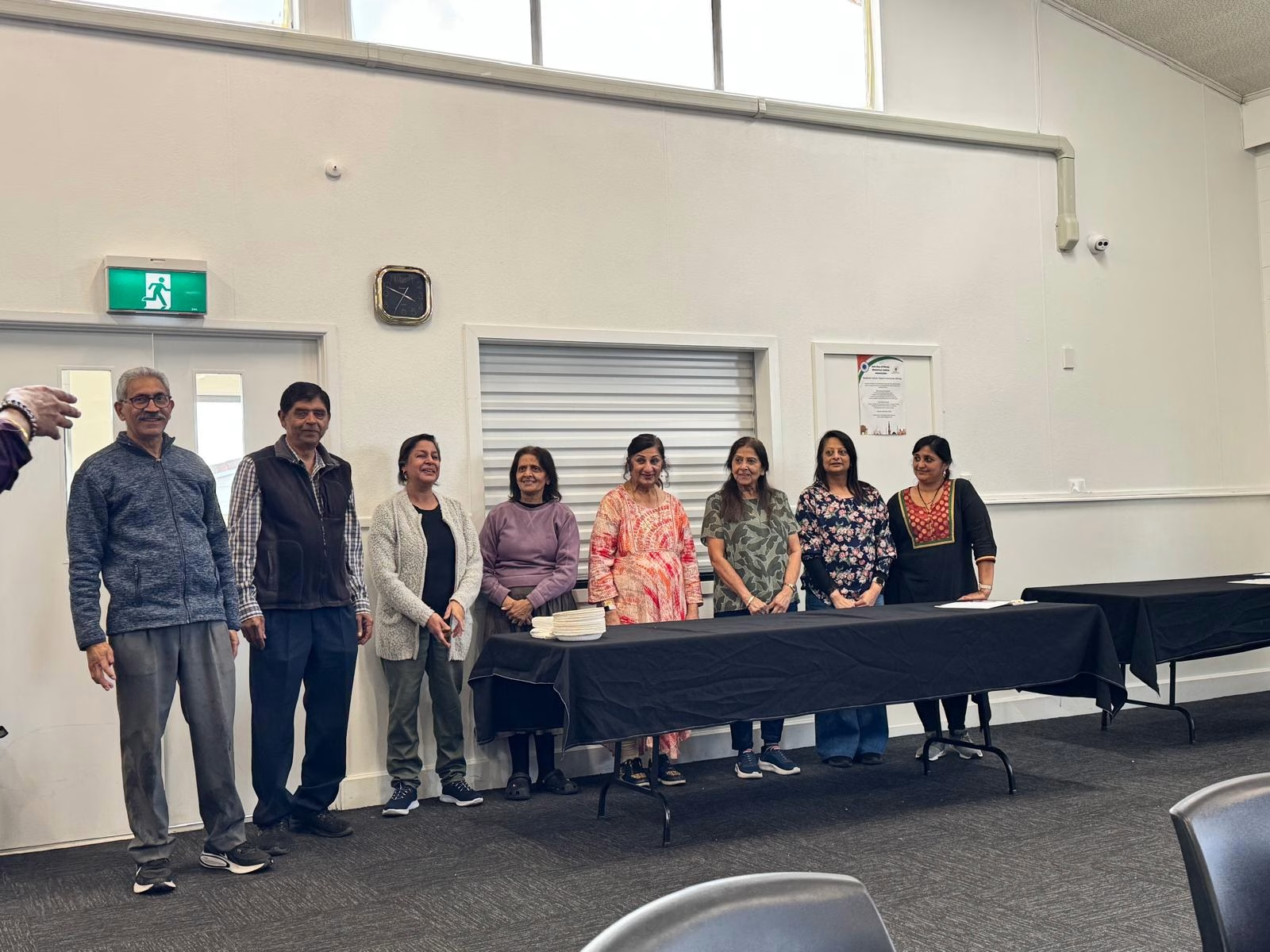
While the meeting was an NZICA executive gathering, the Bay of Plenty Rotorua Indian Association supported the event locally by arranging the venue and hospitality.
A message of appreciation shared after the meeting said:
“Our heartfelt thanks to all the team members for your excellent hospitality. Thank you BOPRIA team for your kind hospitality.”
The hosting contribution helped ensure visiting delegates were welcomed and the meeting proceeded smoothly.
NZICA’s national role remains central
The Rotorua meeting reinforced NZICA’s role as a national body linking Indian associations across New Zealand.
Its affiliated organisations serve diverse communities, but the executive forum allows them to work collectively on shared priorities.
By bringing representatives together, NZICA provides a structure for national coordination, cultural preservation, community advocacy and engagement with public leaders.
The meeting also showed how community organisations can contribute to wider public conversations about trade, migration, economic participation, youth development and multicultural New Zealand.
Looking ahead
The executive meeting concluded with continued focus on future NZICA programmes, stronger participation from member associations and deeper cooperation across regions.
The presence of Todd McClay added a significant public dimension to the gathering, particularly as India and New Zealand continue to explore closer economic, cultural and people-to-people ties.
For NZICA, the meeting was not simply an administrative gathering. It was an opportunity to strengthen national coordination, hear directly from a senior government minister and reaffirm the contribution Indian community organisations make throughout New Zealand.