
By Webfit News Desk
Indian classical music is often described as timeless. What is less often acknowledged is how fragile tradition becomes when it fails to speak to its present generation. Across concert halls, universities, and global diaspora communities, one artist has taken on that challenge directly. Mahesh Kale is not merely preserving the raga. He is rebuilding his relationship with the modern world.
From Pune to Silicon Valley, from gurukul discipline to global stages in Australia and New Zealand, Kale’s journey represents a rare fusion of rigor, intellect, devotion, and accessibility. His 2026 AbhangWari tour across Australia and New Zealand is not just another international run. It is a statement about where Indian classical and devotional music is headed next.
A Classical Foundation That Refused to Stay Frozen
Born in Pune into a deeply musical household, Mahesh Kale’s initiation into music came early and seriously. Trained first by his mother, a disciple of Veena Sahasrabuddhe, and later shaped under the legendary Pandit Jitendra Abhisheki, Kale absorbed the discipline of the Gwalior and Jaipur traditions within the uncompromising gurukul system.
This training was not about imitation. Abhisheki’s philosophy emphasized synthesis over rigidity. Kale learned to respect gharanas without becoming imprisoned by them. That openness later became his signature.
Even as a child performer singing devotional music before thousands, Kale internalized a belief that music is a shared emotional experience, not a competitive display. That belief still defines his concerts today.
The Silicon Valley Paradox That Changed Everything
Unlike most classical vocalists, Kale pursued parallel mastery in engineering. With advanced degrees from the United States and a successful career in Silicon Valley, he lived the life many artists only imagine as a safety net.
Then he walked away from it.
Kale’s technical background did not disappear. It reshaped how he thought about sound, resonance, acoustics, and audience engagement. His concerts reflect careful production design without diluting musical purity. His lectures at institutions like Stanford and Harvard translate raga grammar into concepts Western audiences can understand.
This dual identity made him deeply relatable to the global Indian diaspora. He spoke their language, literally and psychologically.
Katyar Kaljat Ghusli and the Turning Point
The 2016 National Film Award for Best Male Playback Singer for Katyar Kaljat Ghusli marked a public shift. Kale did not just sing classical music for a film audience. He brought Natya Sangeet, a demanding theatrical tradition, back into mainstream relevance.
Young listeners who had written off classical music as distant or elitist suddenly saw its emotional force. Concert demographics changed. Television followed. Kale became a household name without compromising musical depth.
AbhangWari: When Concerts Become Pilgrimage
If Katyar Kaljat Ghusli proved his technical authority, AbhangWari revealed his deeper purpose.
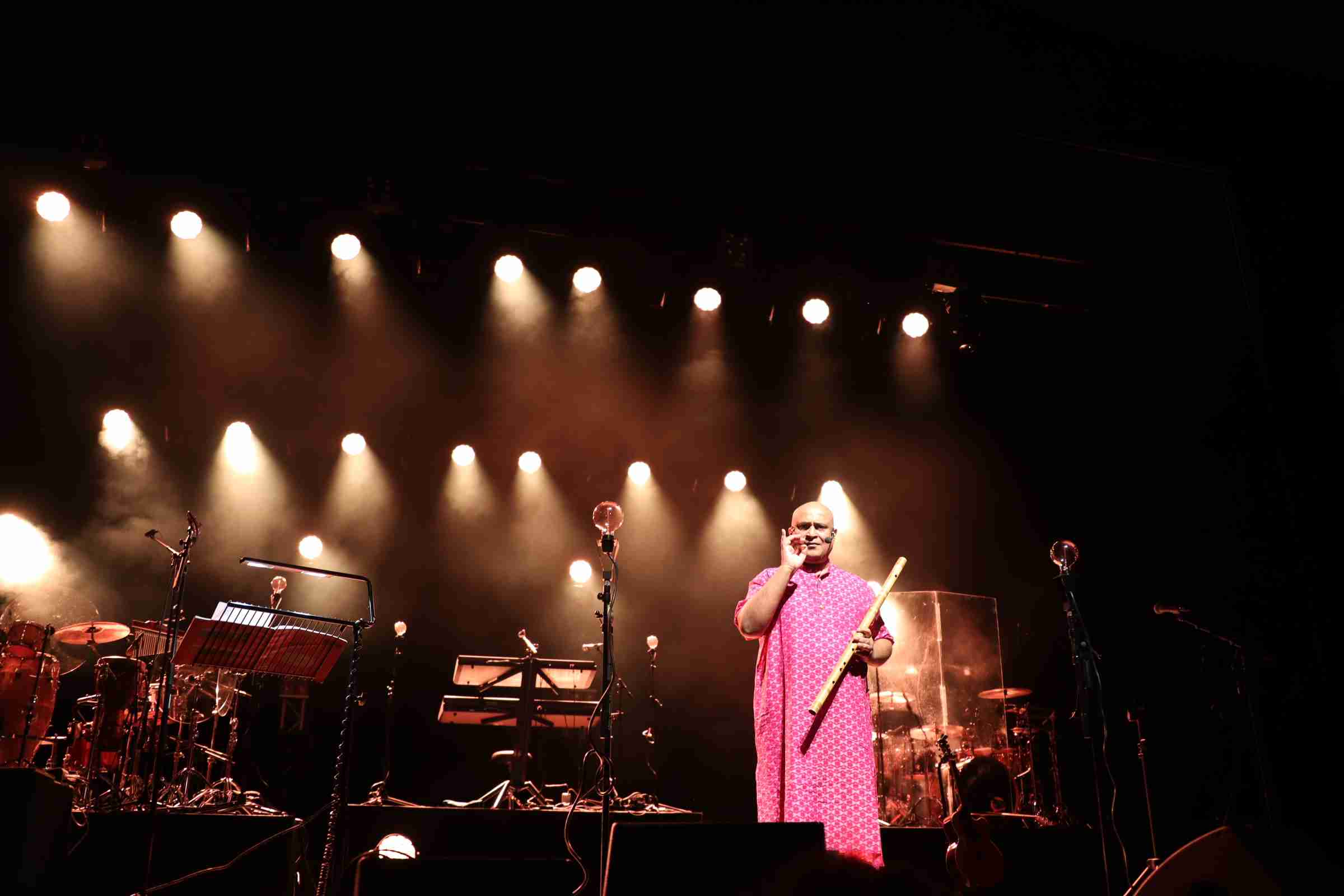
AbhangWari is not a concert format. It is a recreated spiritual journey inspired by the Pandharpur Wari pilgrimage. Through abhangs of saints like Tukaram and Dnyaneshwar, Kale transforms performance halls into shared devotional spaces.
White-clad ensembles, rhythmic clapping, immersive storytelling, and carefully layered instrumentation create an atmosphere that feels communal rather than performative. Audiences do not merely listen. They participate.
For diaspora communities in Australia and New Zealand, AbhangWari offers something rare. Cultural connection without nostalgia fatigue. Devotion without dogma. Tradition without stagnation.
Global Collaborations Without Cultural Dilution
Kale’s collaborations with artists such as Zakir Hussain, Sivamani, Trilok Gurtu, and Indo-jazz musicians have earned respect rather than skepticism. His rule is simple. Fusion must never flatten the raga.
Projects like the Indian Jazz Journey demonstrate that classical frameworks can converse with global genres without losing their soul. That credibility is why both purists and first-time listeners show up.
Teaching as Cultural Survival
Through the Mahesh Kale School of Music and the ICMA Foundation, Kale teaches over a thousand students across continents. His belief is blunt. Tradition survives only if it creates informed listeners, not just trained performers.
His digital-first teaching model, immersive workshops, and student collaborations aim to create a global ecosystem, not a closed lineage.
The 2026 Australia and New Zealand Tour
The 2026 AbhangWari tour is positioned as one of the most significant Indian classical devotional events across Australia and New Zealand.
Key highlights include:
- Auckland on Saturday, 16 May 2026 at the Four Winds Theatre, Due Drop Events Centre
- Melbourne on Sunday, 10 May 2026 at the Tony Sheumack Centre for Performing Arts
Organisers expect multiple cities, sold-out halls, and strong cross-generational attendance. Tickets are already in high demand.
Why Mahesh Kale Matters Right Now
Mahesh Kale is not popular because he simplifies classical music. He is popular because he respects his audience enough to invite them into his complexity.
In an era of short attention spans and algorithm-driven culture, he insists that depth still has a future if it is presented with honesty, warmth, and intelligence.
His concerts do not promise entertainment alone. They offer grounding. Connection. A reminder that music, at its best, is both art and shared humanity.
For Australia and New Zealand in 2026, AbhangWari will not simply arrive as a performance. It will arrive as an experience people did not realize they were missing.