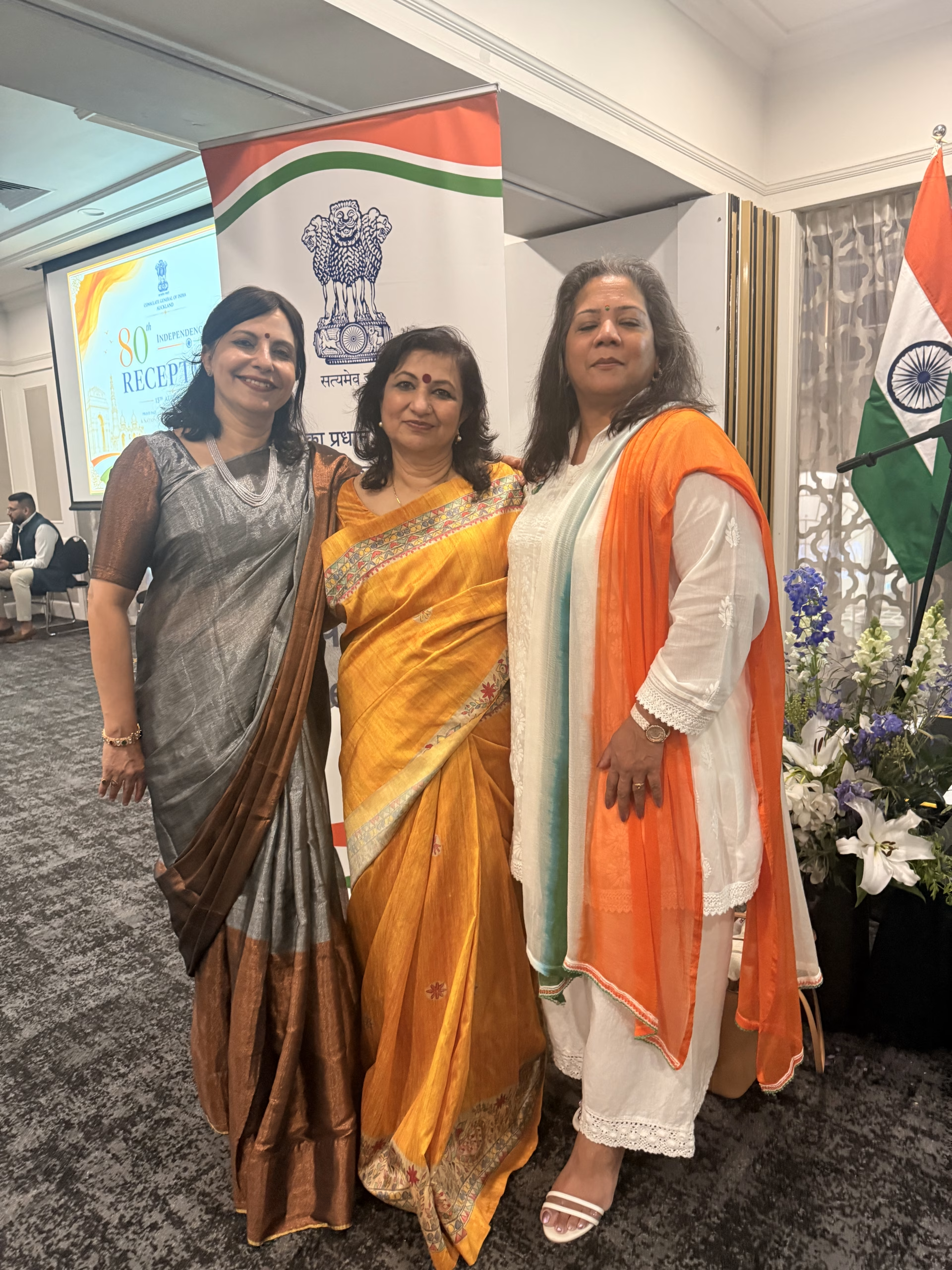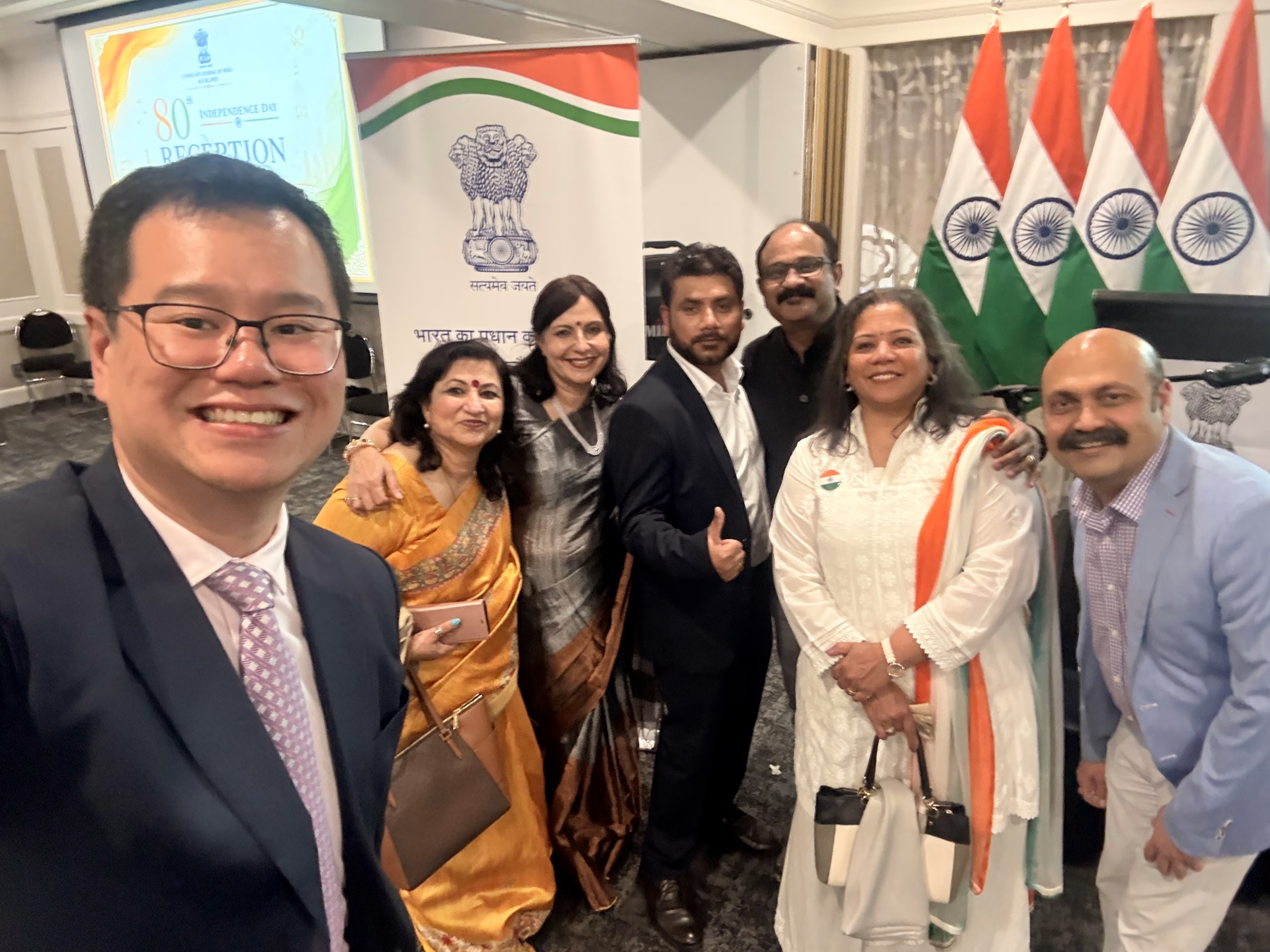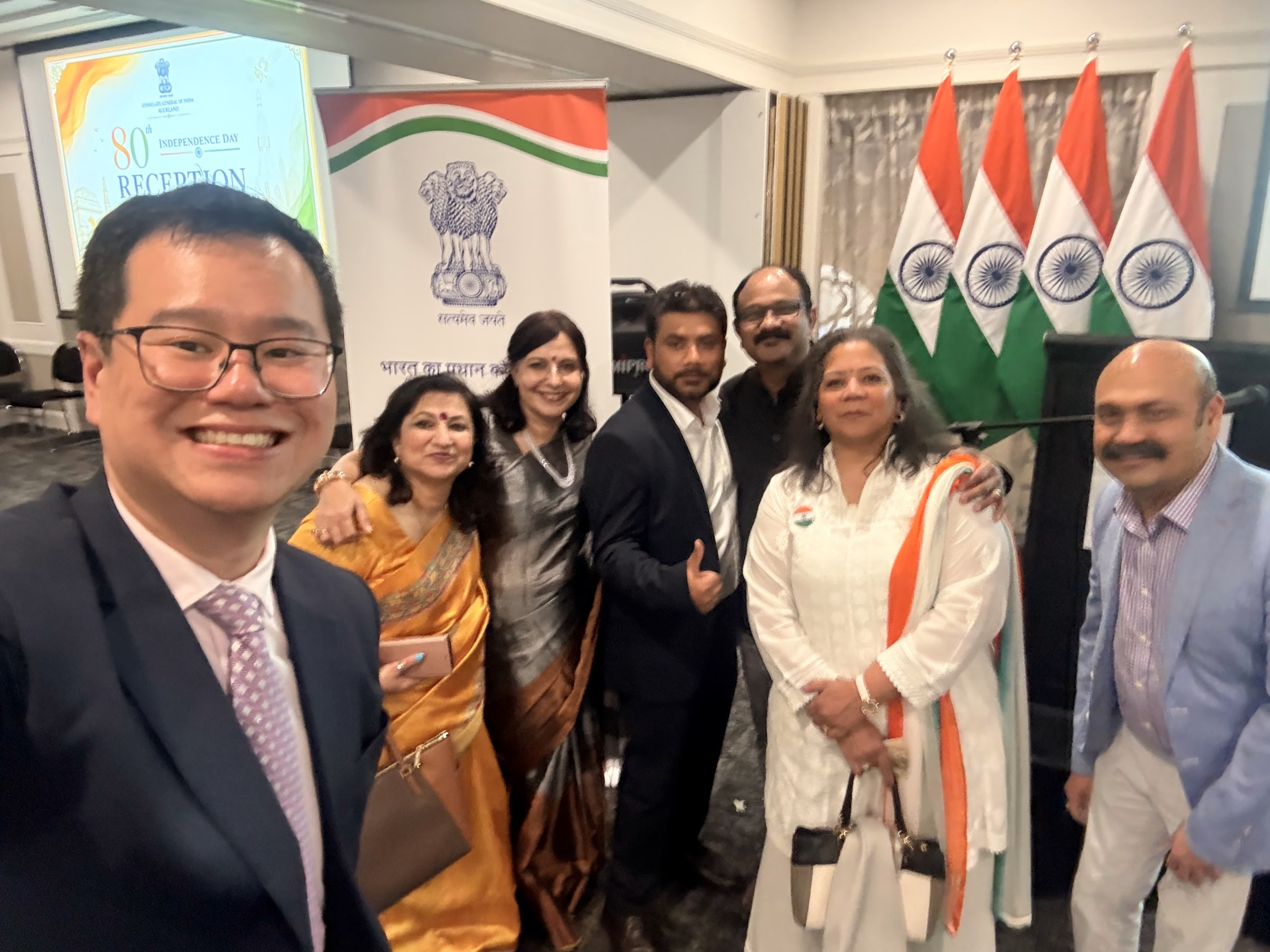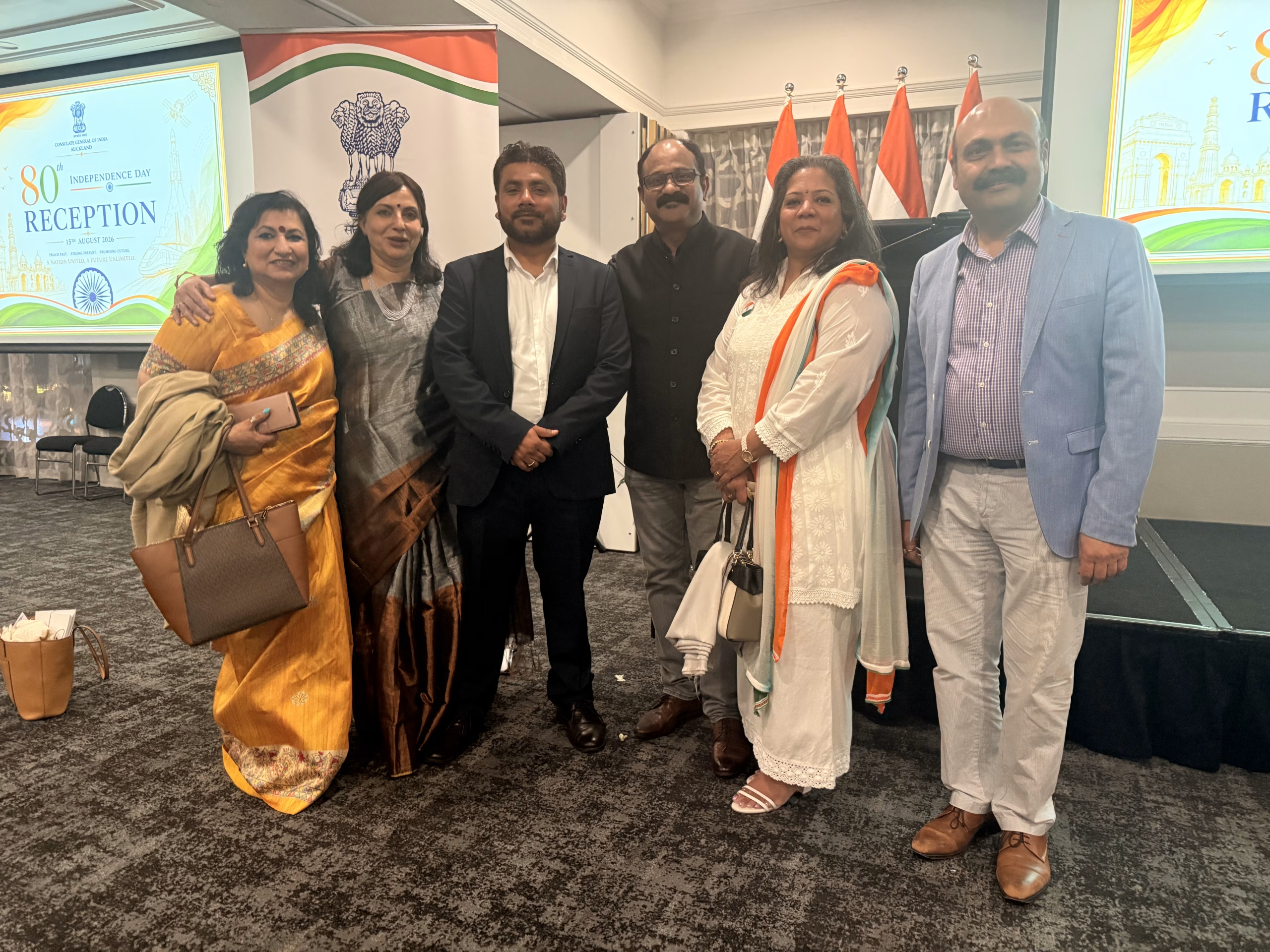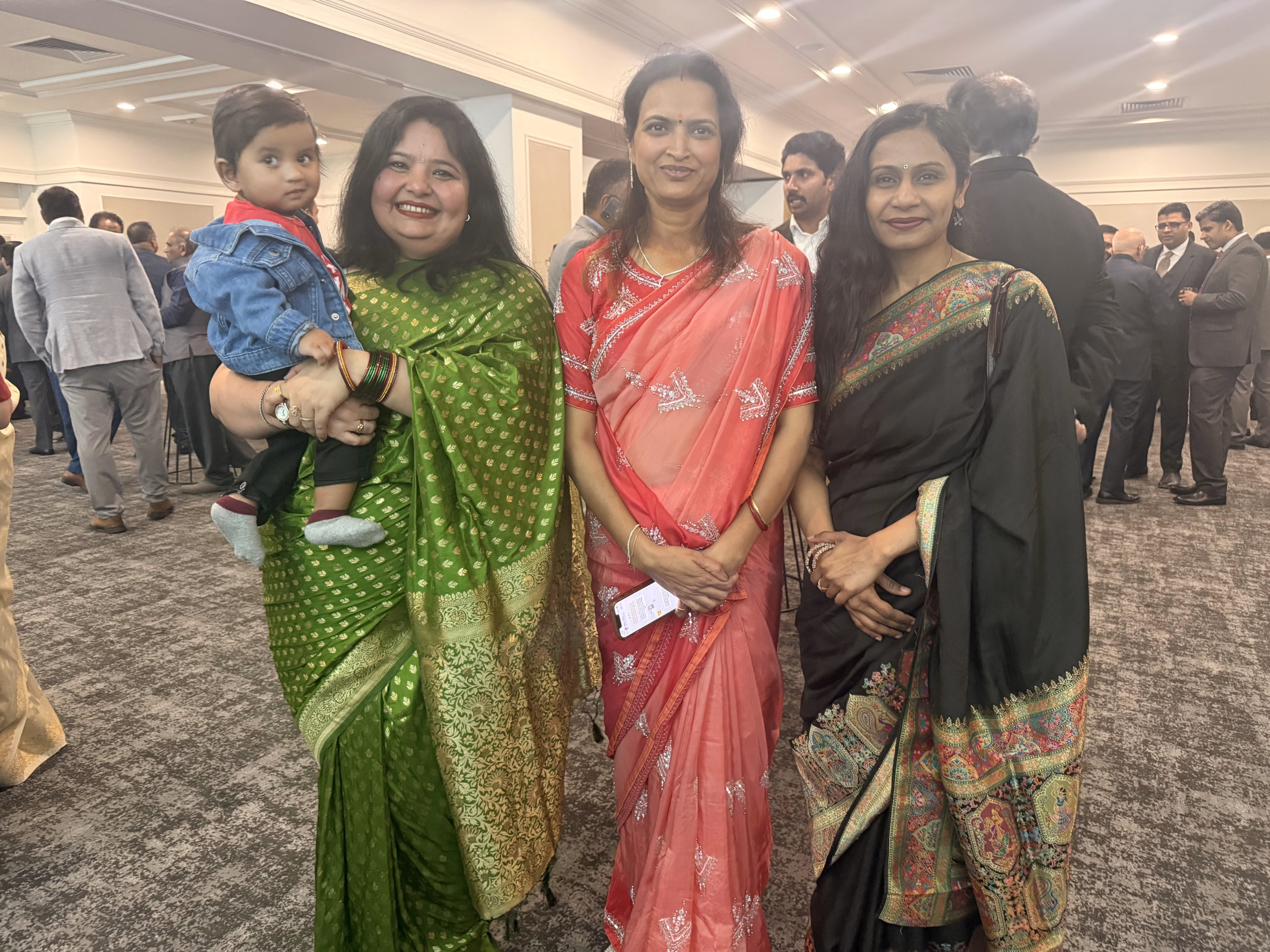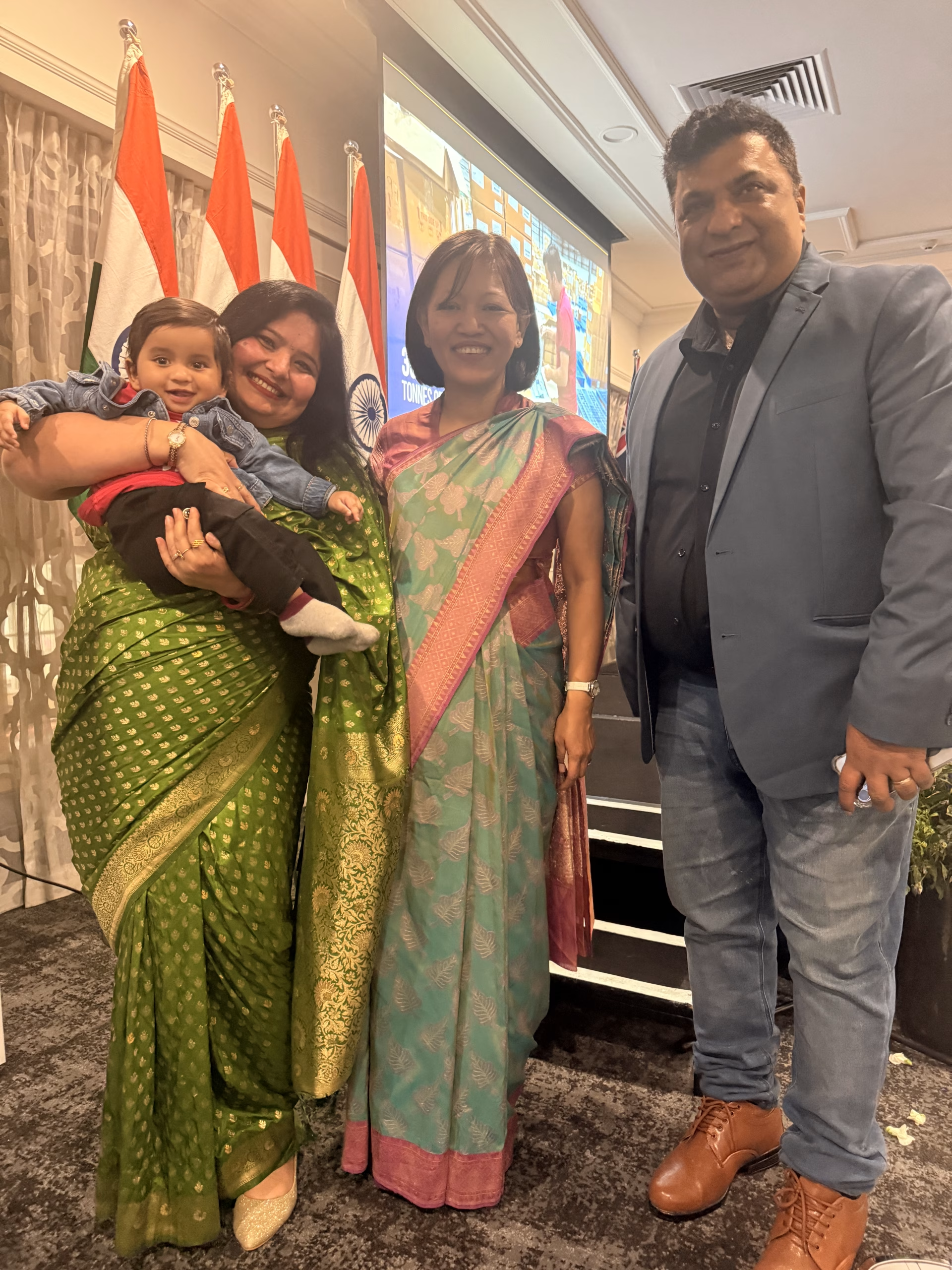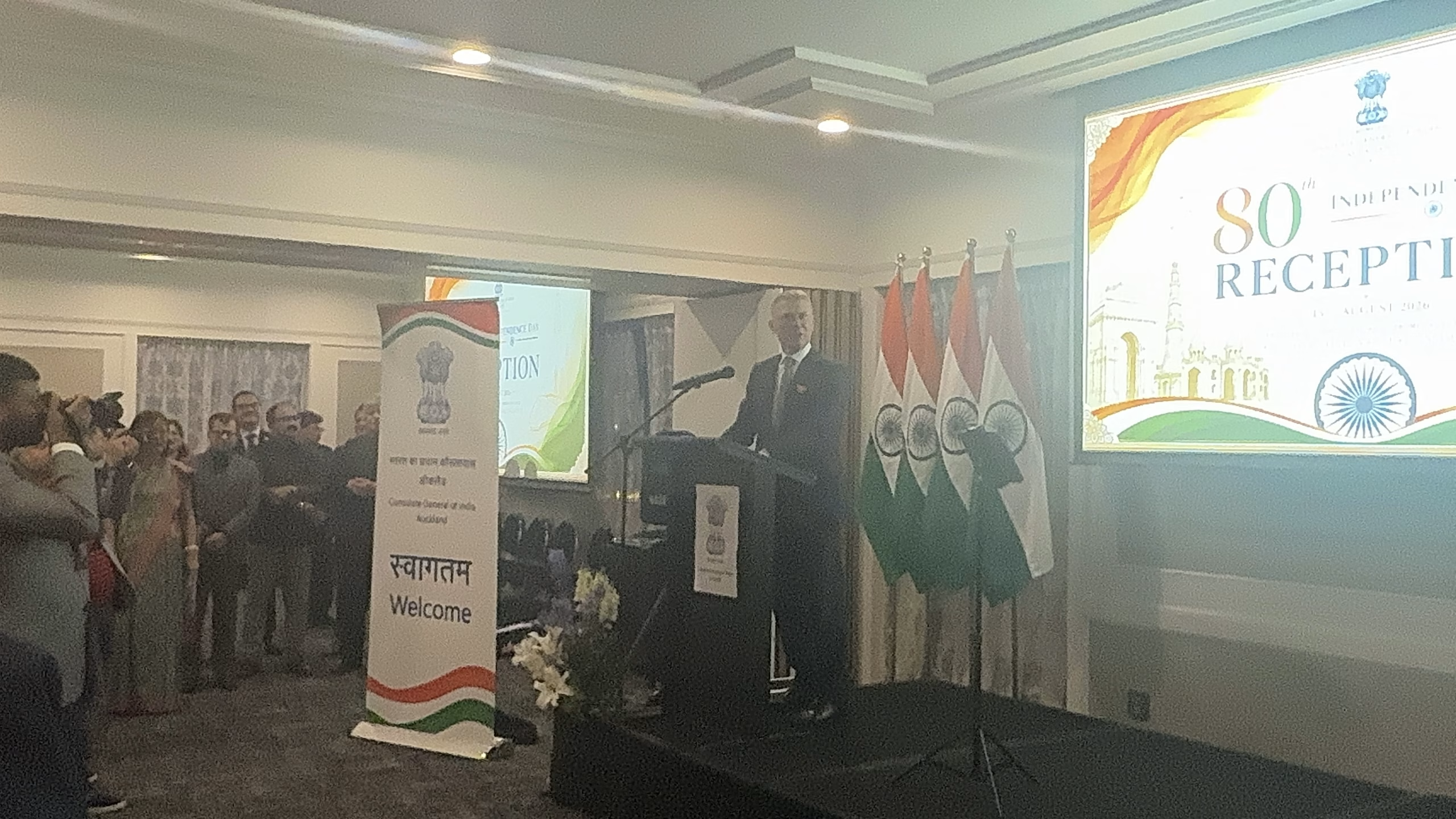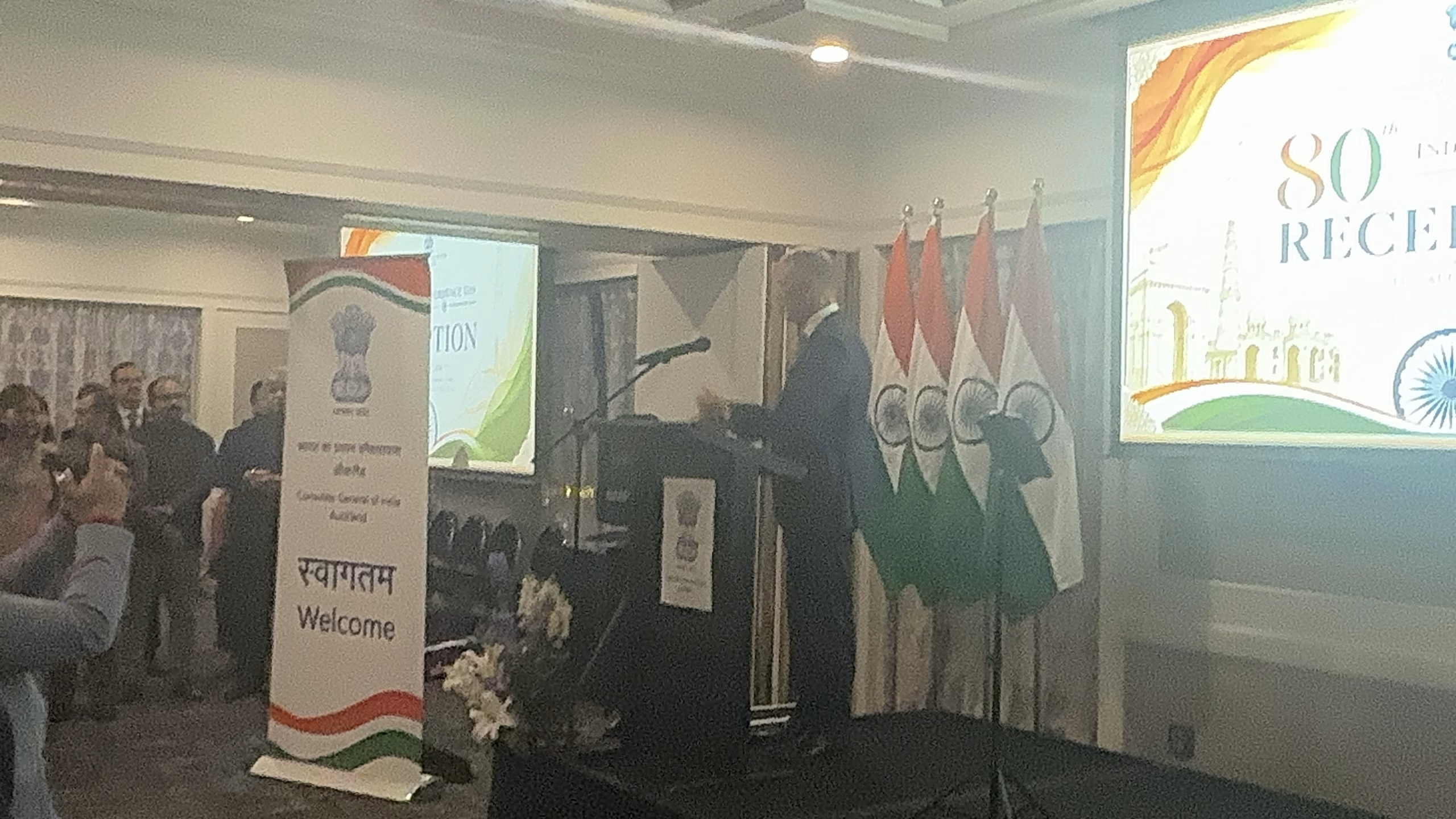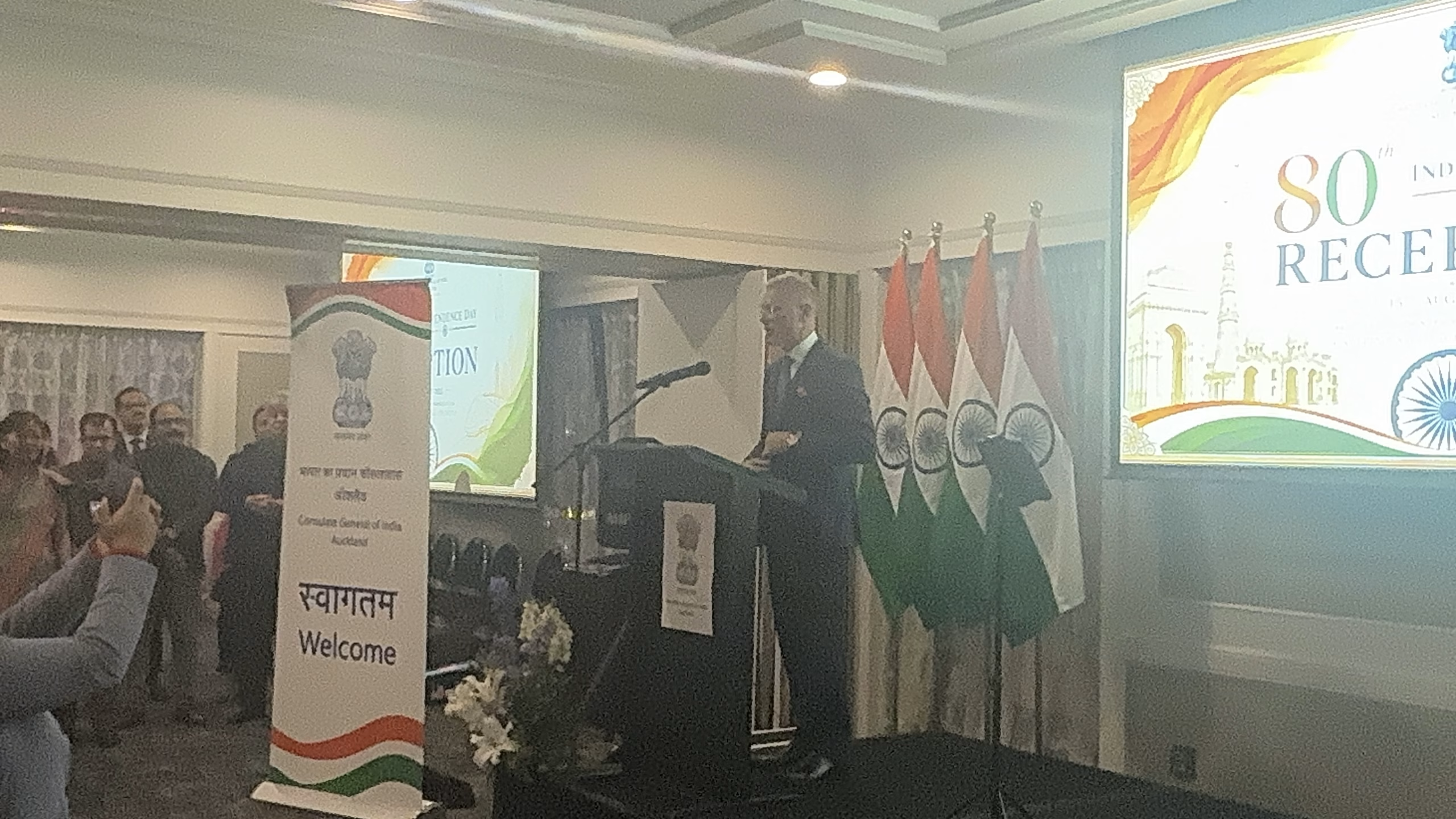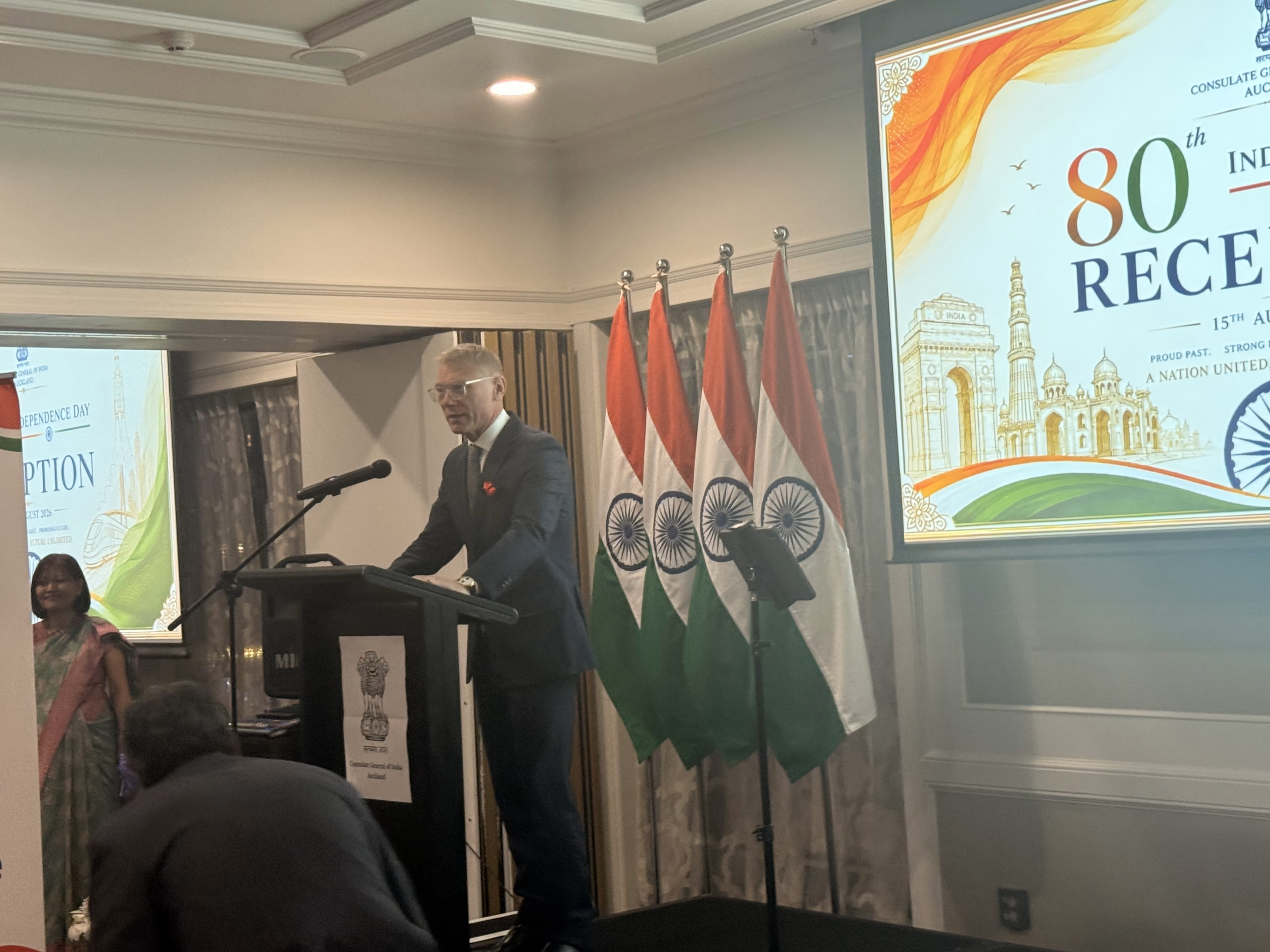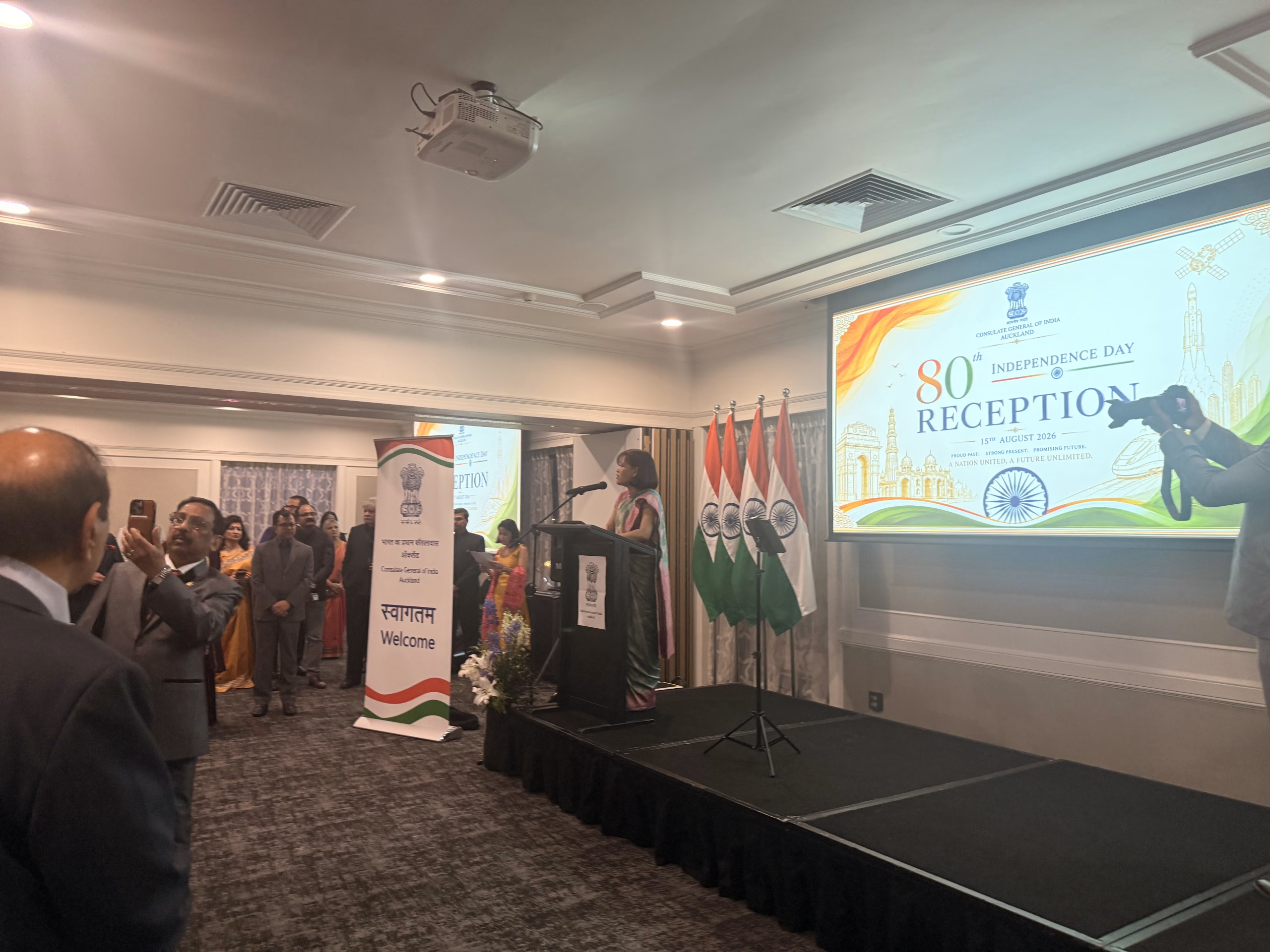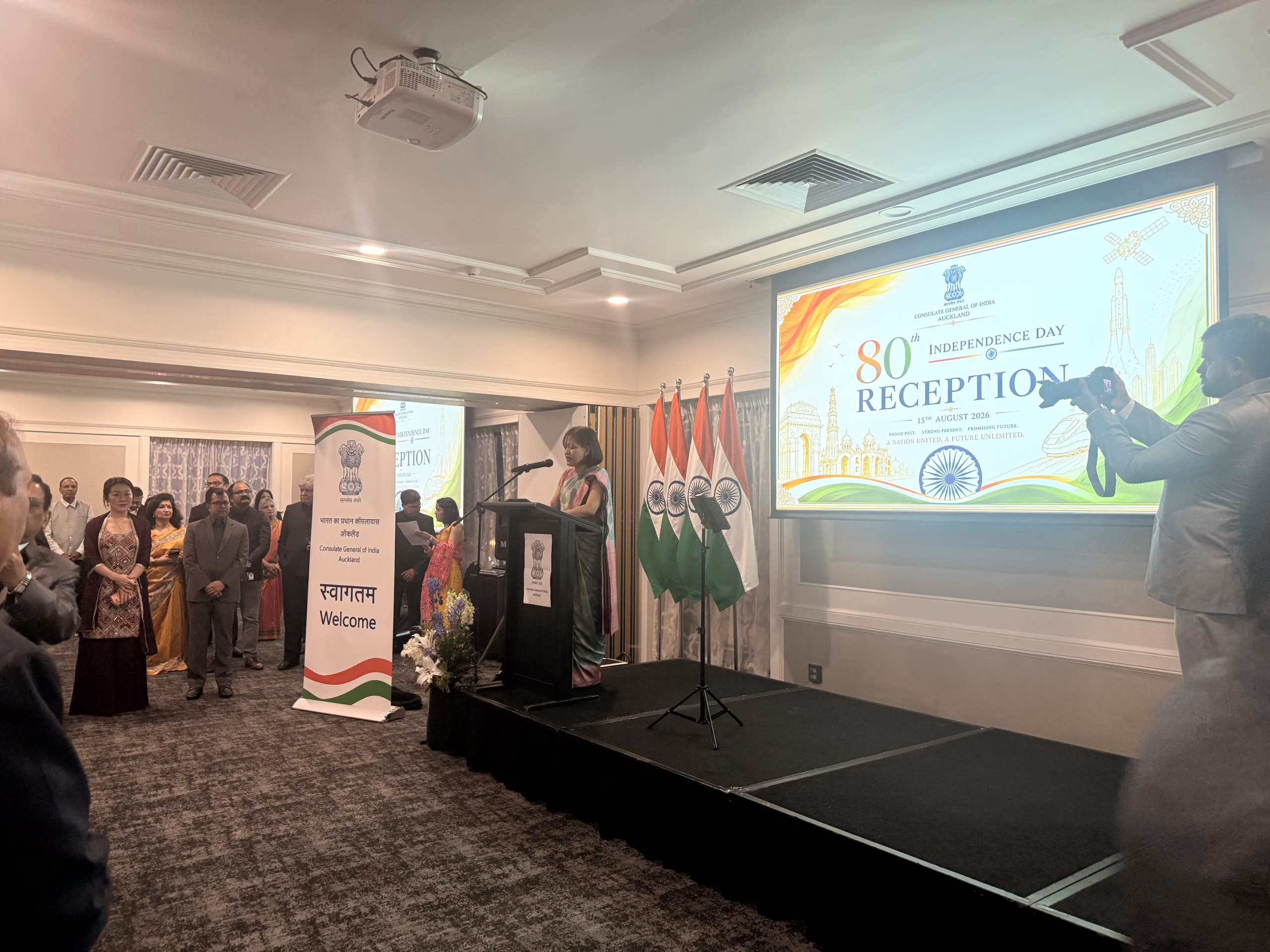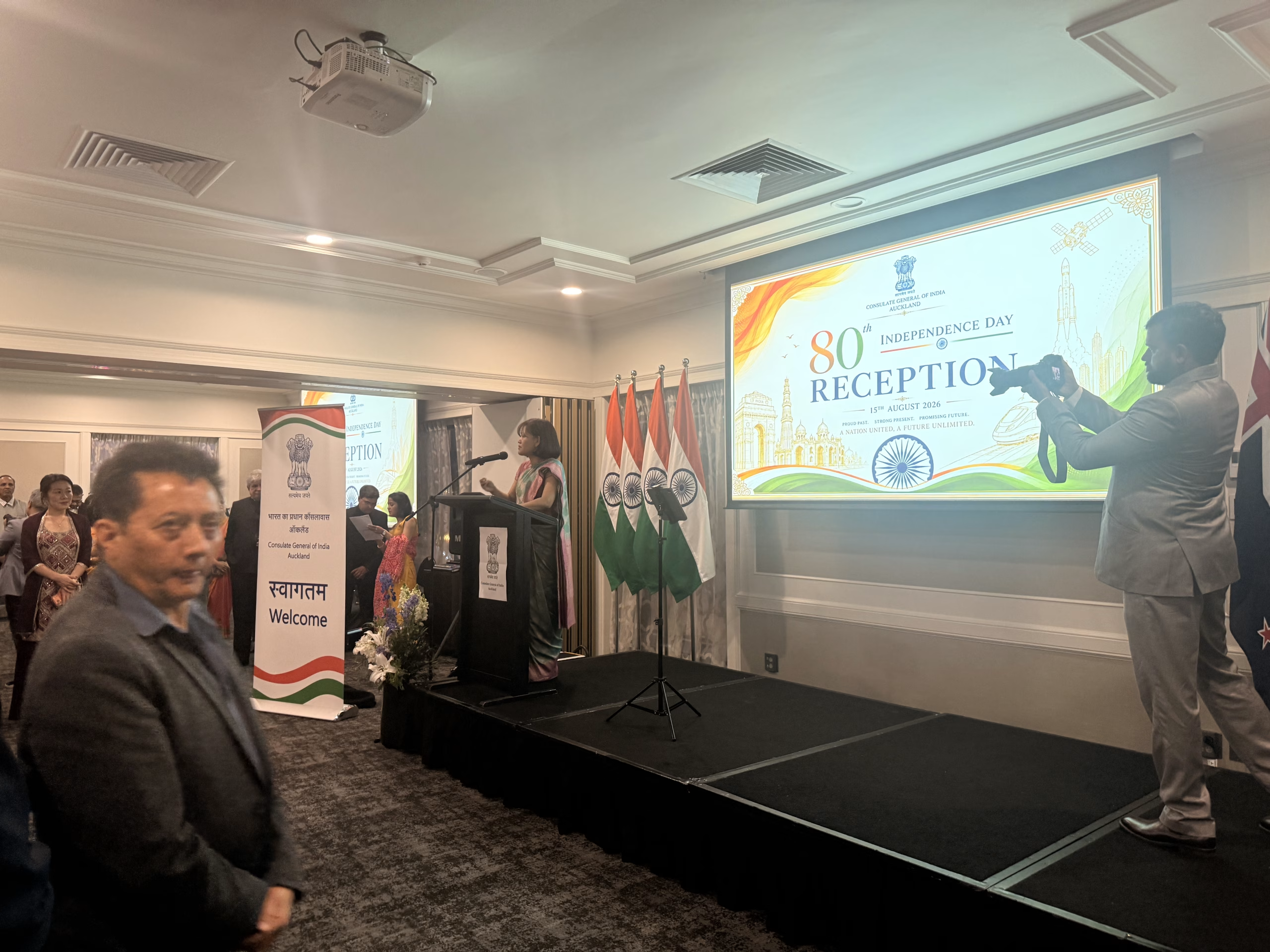
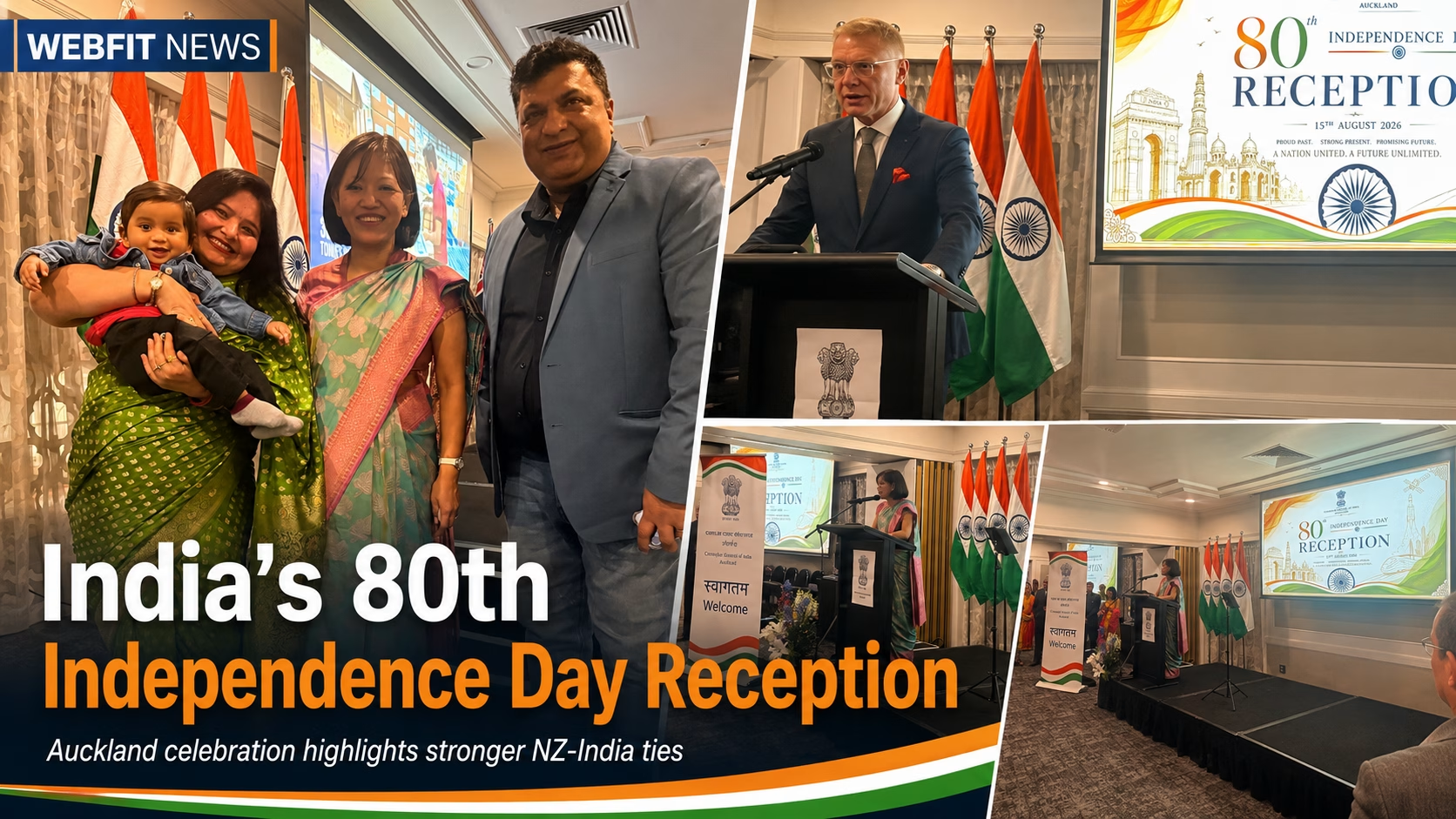
AUCKLAND: India’s 80th Independence Day was marked in Auckland with an official evening reception that brought together diplomats, New Zealand political leaders, community representatives, business figures and media, with the growing relationship between India and New Zealand emerging as the defining theme of the evening.
The reception, hosted by Consul General of India Dr Madan Mohan Sethi on Saturday, 15 August, was held at the Mövenpick Hotel Auckland following Independence Day celebrations earlier in the day.
India’s High Commissioner to New Zealand, Muanpuii Saiawi, joined the Consul General and other dignitaries for the event, which combined the traditional celebration of India’s independence with a strong focus on the future of the bilateral relationship.
The evening came at a particularly significant moment for the two countries.
Only weeks earlier, Indian Prime Minister Narendra Modi had visited New Zealand, where India and New Zealand formally elevated their relationship to a Strategic Partnership and agreed on a Roadmap to 2030 covering trade, investment, technology, education, tourism, agriculture, maritime security and stronger people-to-people connections.
That new momentum was evident throughout the Auckland reception.
High Commissioner looks towards technology and India’s future
High Commissioner Muanpuii Saiawi congratulated members of the Indian community and those who have contributed to strengthening India’s presence and relationships in New Zealand.
Her remarks also looked beyond the Independence Day anniversary towards India’s next stage of development.
She spoke about Prime Minister Narendra Modi’s vision for India’s future and the increasing importance of areas such as artificial intelligence, quantum technologies and other emerging fields as India works towards its long-term development ambitions.
Technology has also become an increasingly visible part of the wider India-New Zealand relationship.
The new Strategic Partnership Roadmap agreed during Modi’s July visit includes technology among the areas in which both governments intend to deepen cooperation.
The High Commissioner also acknowledged the Indian diaspora and its continuing role in connecting the two countries.
For New Zealand’s Indian communities, those links now extend well beyond cultural identity. Indian New Zealanders are active across business, healthcare, technology, education, professional services, hospitality and a wide range of community organisations.
Goldsmith points to a major economic opportunity
New Zealand Minister Paul Goldsmith used his address to focus strongly on the economic opportunity created by the closer relationship with India.
Goldsmith, who holds several portfolios including Justice, Media and Communications, Arts, Culture and Heritage, Public Service and Digitising Government, and Pacific Peoples, spoke about the potential for New Zealand to build a new era of prosperity through stronger trade with India.
He linked that opportunity to New Zealand’s own economic history, arguing that the country originally built much of its prosperity by trading across great distances with the major economic powers of the time.
India, he suggested, now represents another opportunity to build a long-term bridge of prosperity.
That assessment comes after New Zealand and India signed a Free Trade Agreement in New Delhi on 27 April.
Under the agreement, tariffs are set to be eliminated or reduced on 95 per cent of New Zealand exports to India. Almost 57 per cent are expected to receive duty-free access from the first day the agreement enters into force, rising to 82 per cent once fully implemented.
The agreement has been signed but is still moving through New Zealand’s parliamentary implementation process, with the Government working towards ratification later in 2026.
Goldsmith described India as one of the most dynamic economies of the coming decades and said the opportunity extended to Indians living in New Zealand as well as the wider New Zealand population.
His comments reflected an increasingly important theme in the bilateral relationship: the Indian diaspora is not simply a community link between the two countries but can also become an important commercial and professional bridge.
Safer communities and education also raised
Goldsmith also addressed two issues he said were of particular relevance to many families: community safety and education.
He spoke about the Government’s work on law and order and its determination to maintain safer streets and communities.
Education was another area he highlighted, noting the importance many Indian families place on academic standards, achievement and expectations.
He said work had been undertaken to lift standards and expectations within the education system while acknowledging there remained more to do.
The Minister described the broader relationship between India and New Zealand as being in a strong position and welcomed the opportunity to join the Independence Day celebration.
Whangārei mayor sees opportunities for Northland
Whangārei Mayor Ken Couper brought a regional perspective to the evening, telling guests that the India-New Zealand relationship was increasingly relevant beyond the country’s largest cities.
He congratulated India on the 80th anniversary of independence and said the occasion provided an opportunity both to reflect on India’s journey and to recognise the relationship that has developed between the two countries.
He placed particular emphasis on the contribution Indian communities make across New Zealand through sectors including business, healthcare, education, technology, agriculture, hospitality, arts and culture.
For Northland, Couper said stronger ties with India could open opportunities across areas such as marine industries, manufacturing, engineering, forestry, food production, renewable energy and tourism.
He also acknowledged Dr Sethi’s engagement with Whangārei and Northland and said those relationships had been practical and appreciated.
Couper was due to continue those connections through Independence Day celebrations with the Northland Indian community.
His central message was that trade agreements and government relationships may create the framework, but their success ultimately depends on relationships between individuals, communities and businesses.
Free trade agreement reshapes the conversation
The recently signed FTA was one of the strongest threads running through the evening.
Prime Minister Christopher Luxon’s Government has described it as a major economic opportunity, particularly because of India’s scale and growth.
The agreement includes immediate tariff elimination in areas including sheep meat, wool, coal and more than 95 per cent of forestry and wood exports, alongside phased duty-free treatment across seafood, industrial products and other categories.
Even before the agreement has formally entered into force, some New Zealand exporters have reported increased demand from India.
The July meeting between Prime Ministers Modi and Luxon then moved the relationship beyond trade alone.
The countries agreed to elevate their relationship to a Strategic Partnership, with a goal of doubling two-way trade by 2030 and expanding cooperation across a much broader range of areas.
That context made this year’s Independence Day reception different from a purely ceremonial anniversary.
It took place as both governments are actively trying to convert diplomatic goodwill into measurable economic, educational and strategic outcomes.
Consulate team and community come together
Dr Madan Mohan Sethi led the Auckland reception in his role as Consul General of India.
He was joined by members of the Consulate team, including Shri Sanjeev Kumar, who serves as Consul and HOC/Commercial Representative.
Members of the diplomatic community, elected representatives, business figures, community leaders and representatives of New Zealand’s Indian and mainstream media were also among those attending.
The formal programme included a ceremonial toast to India and to the friendship between India and New Zealand, followed by cultural performances reflecting the significance of the occasion.
The cultural programme reinforced another important dimension of the bilateral relationship.
Economic agreements may increasingly dominate political discussion, but the relationship between India and New Zealand is also sustained by families, migration, culture and the daily connections created by a large and established Indian diaspora.
More than an anniversary
India’s Independence Day commemorates the country’s freedom from British rule on 15 August 1947.
Eighty years later, the Auckland reception reflected how the meaning of the occasion has expanded for Indians living abroad.
It remains a celebration of national identity and history, but in New Zealand it is increasingly also a platform for discussing trade, technology, education, business opportunities and the contribution of the Indian diaspora.
The tone of this year’s gathering was therefore as much about the next chapter as the previous eight decades.
With a Free Trade Agreement signed, a Strategic Partnership established, Prime Minister Modi’s recent New Zealand visit still fresh, and both governments setting ambitious targets for the relationship through 2030, the diplomatic foundations are now considerably stronger.
The harder part begins from here.
For businesses, communities and governments on both sides, the challenge will be turning political momentum and signed agreements into investment, jobs, education partnerships, technology collaboration and opportunities that people can actually see.
On India’s 80th Independence Day, Auckland provided a clear reminder that the relationship between India and New Zealand is no longer defined only by diplomatic goodwill.
It is increasingly being built around shared economic interests, technology, community connections and the people capable of carrying those relationships forward.