By Webfit News | Auckland | 16 August 2026
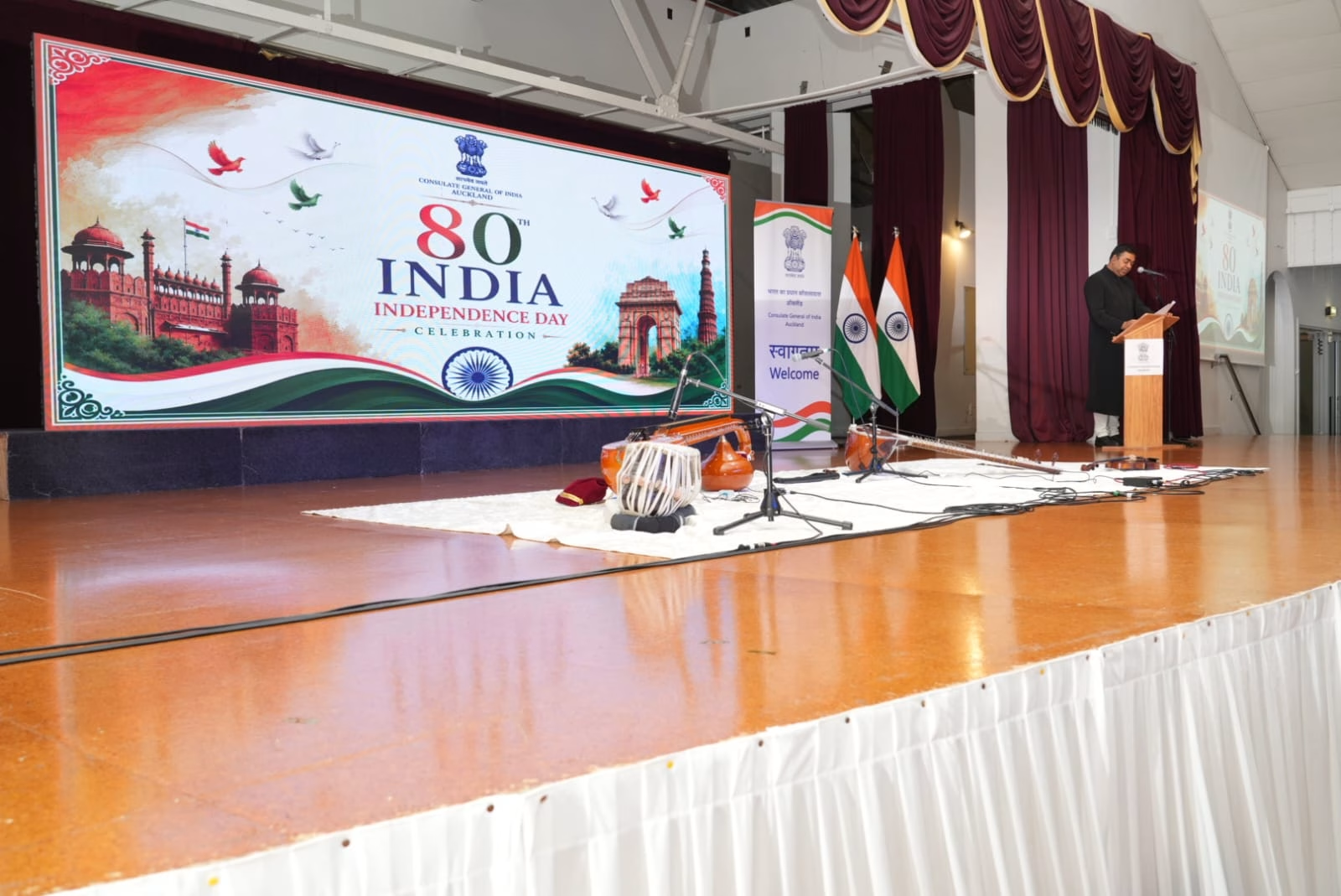
For a few hours on Saturday morning, the Mahatma Gandhi Centre in Auckland felt considerably closer to New Delhi.
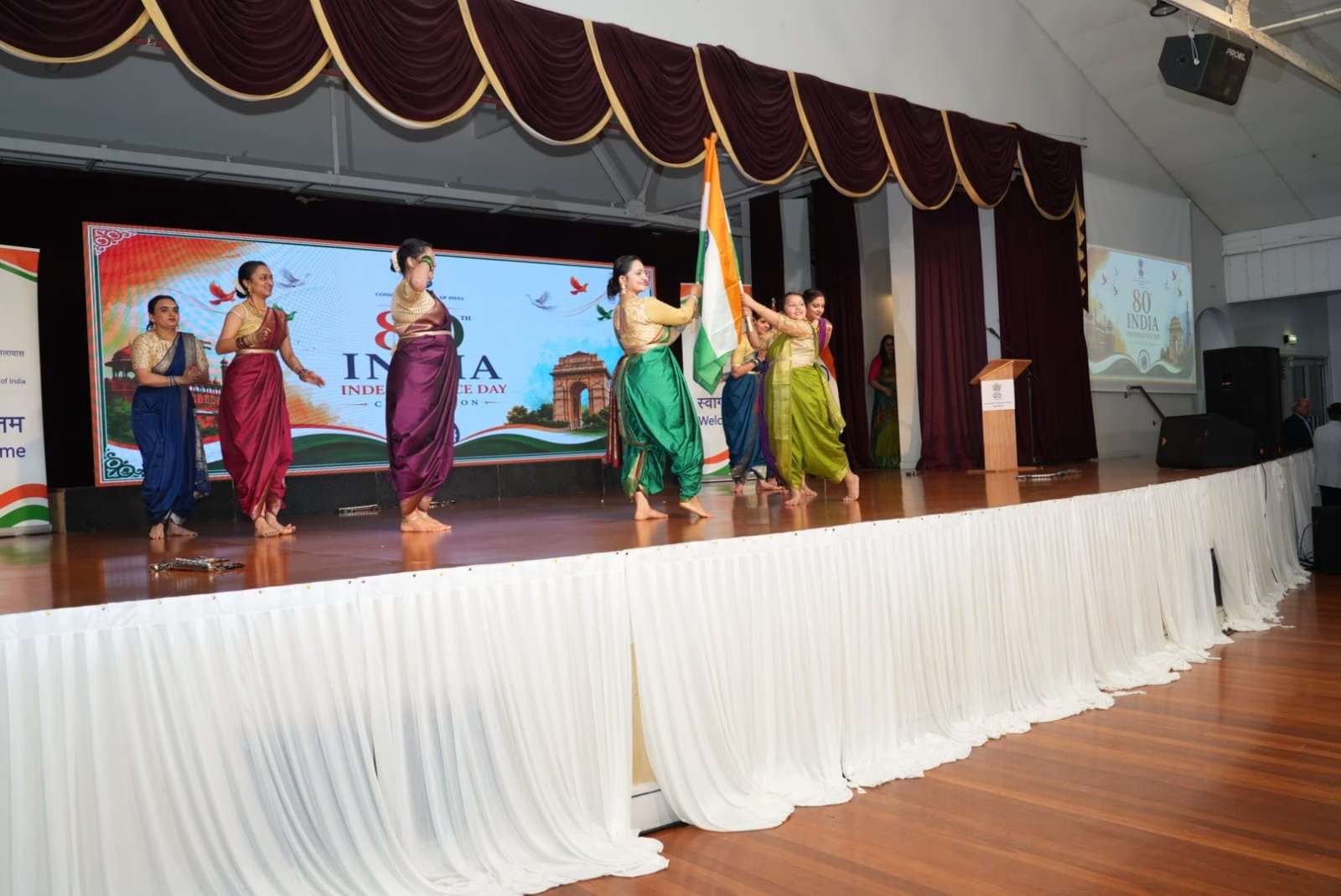
The tricolour went up. The national anthem followed. Children, families, community leaders, veterans, diplomats and politicians stood together. There was music, colour and the familiar emotion that follows the Indian flag wherever a large Indian community has made a home.
But India’s 80th Independence Day celebration in Auckland on 15 August 2026 was about considerably more than nostalgia.
It was also a visible sign of how much the relationship between India, New Zealand and the Indian diaspora has changed.
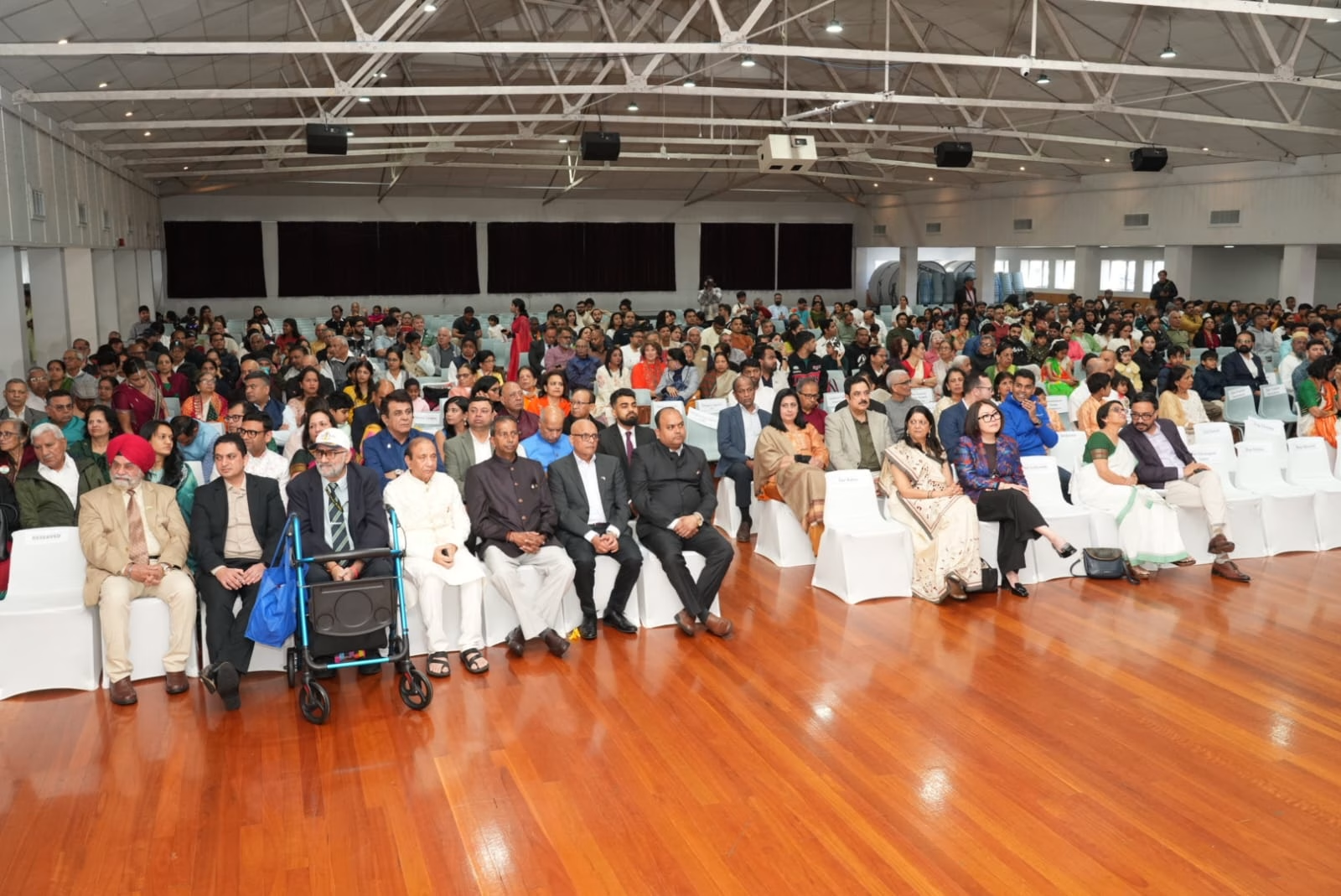
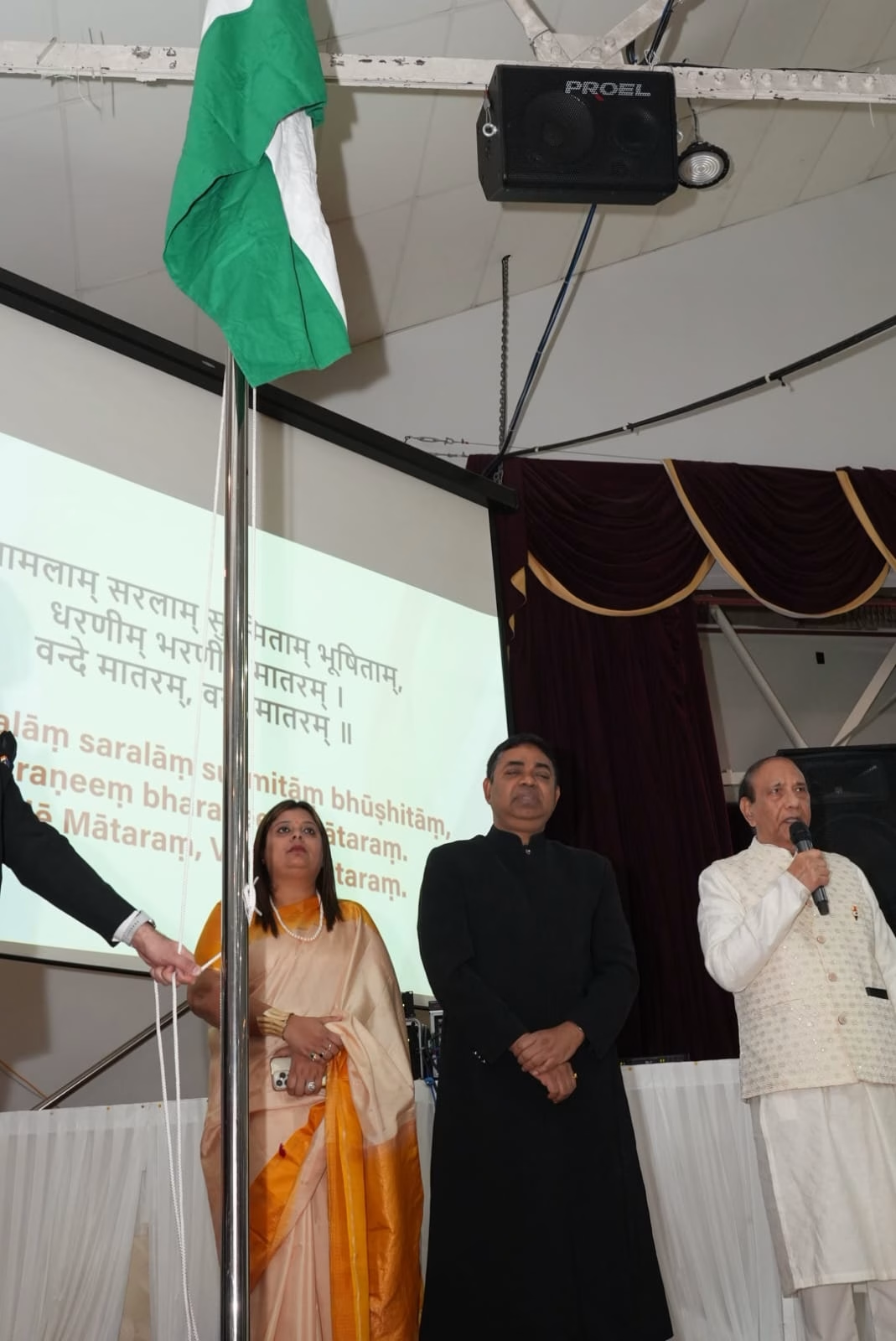
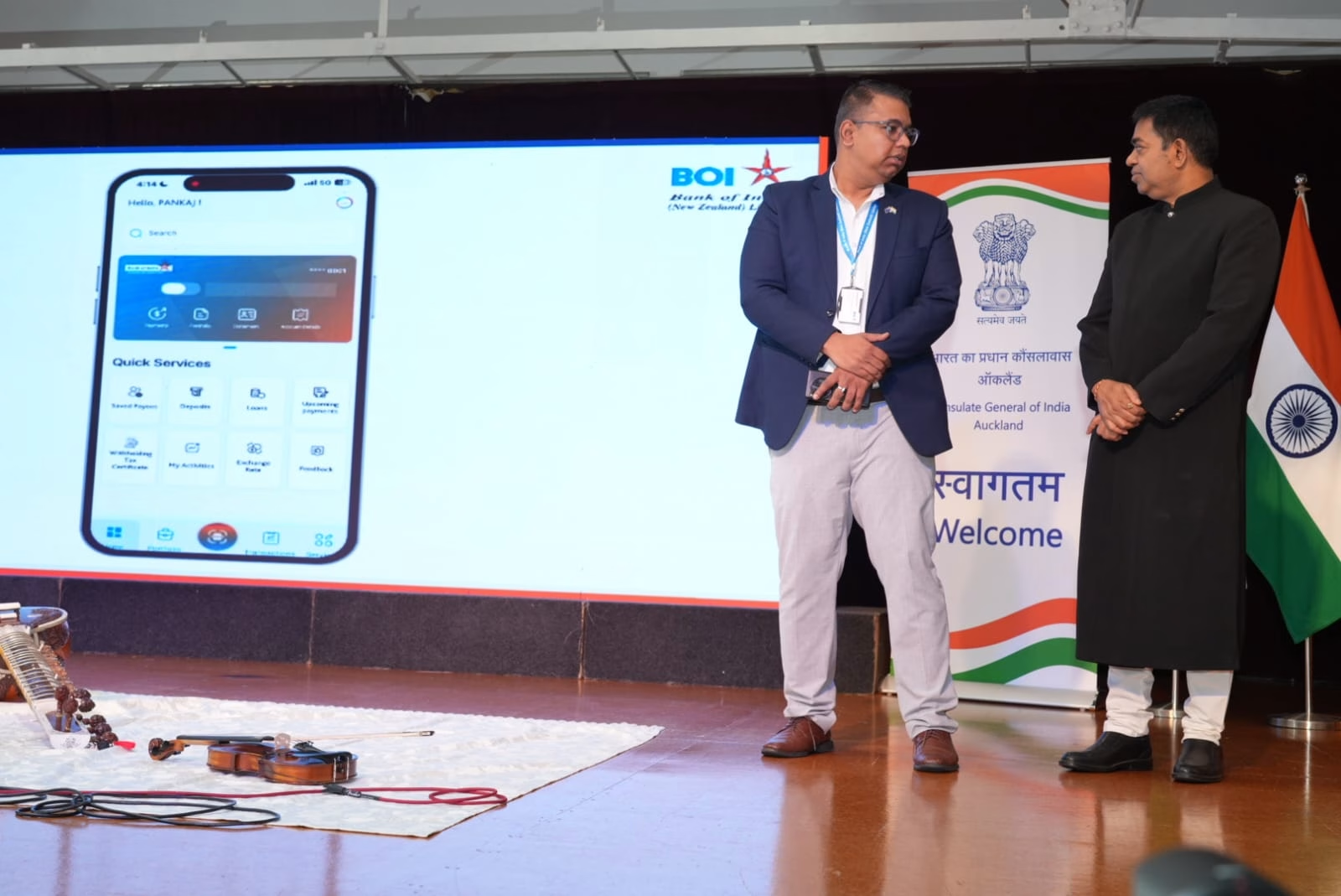
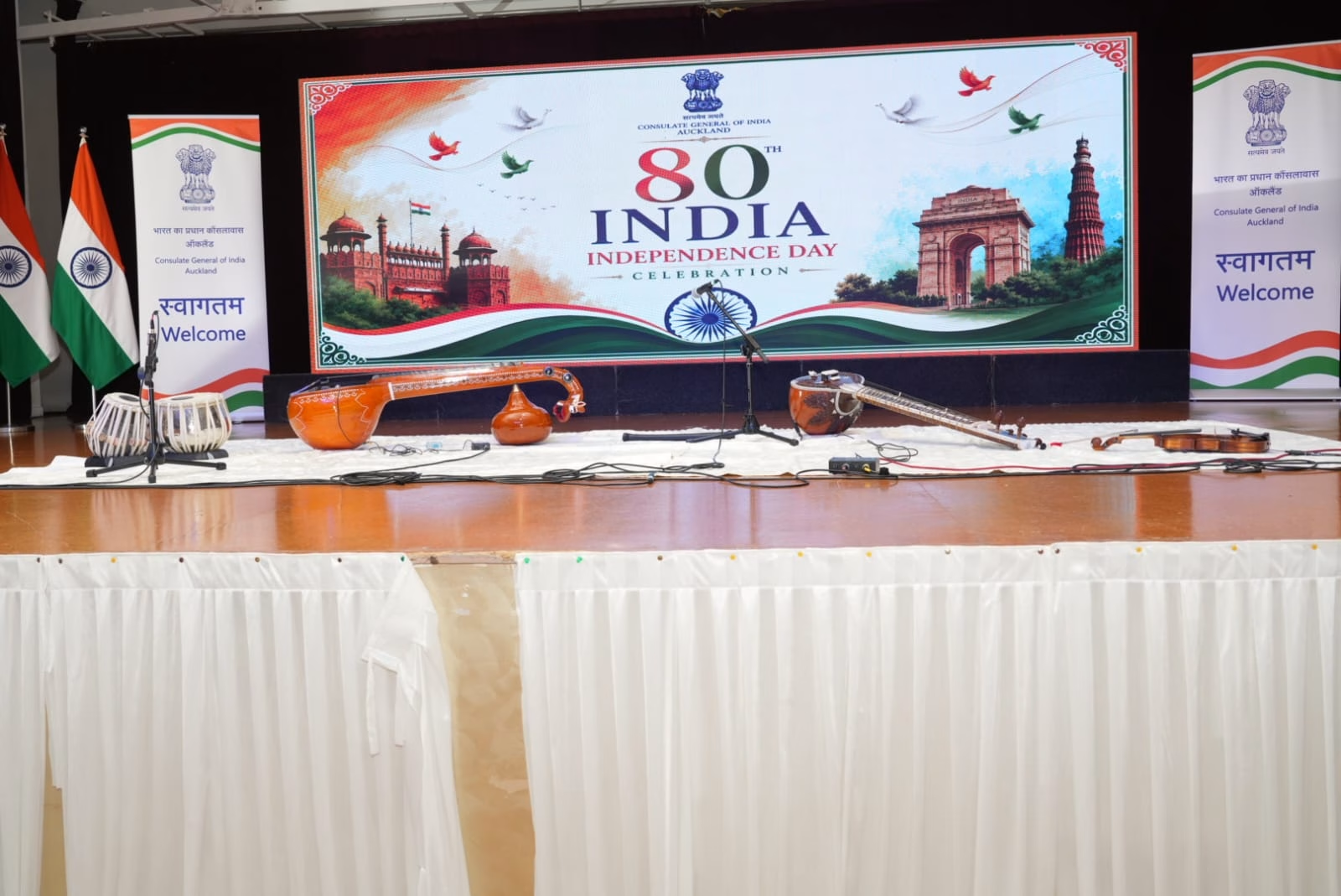
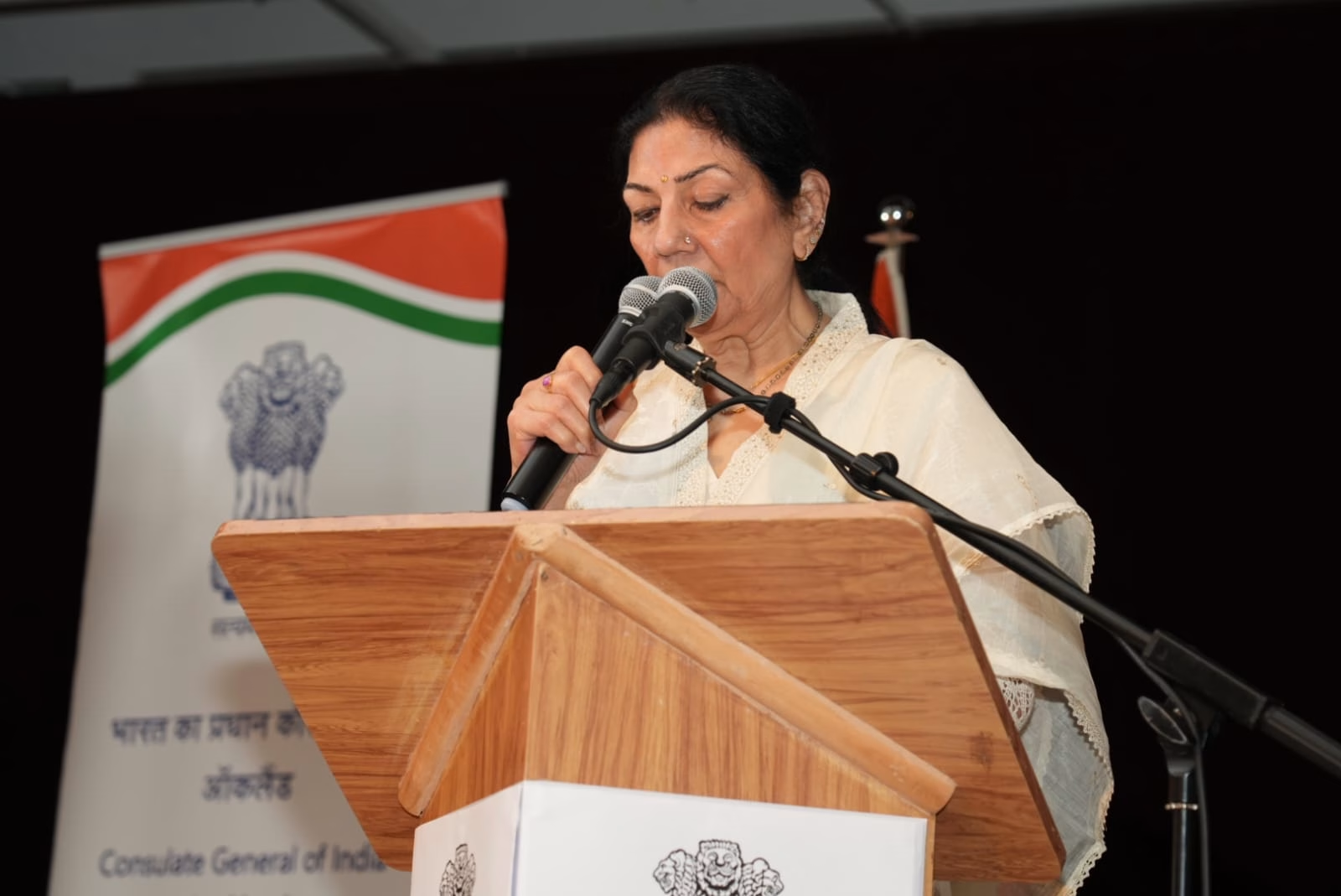
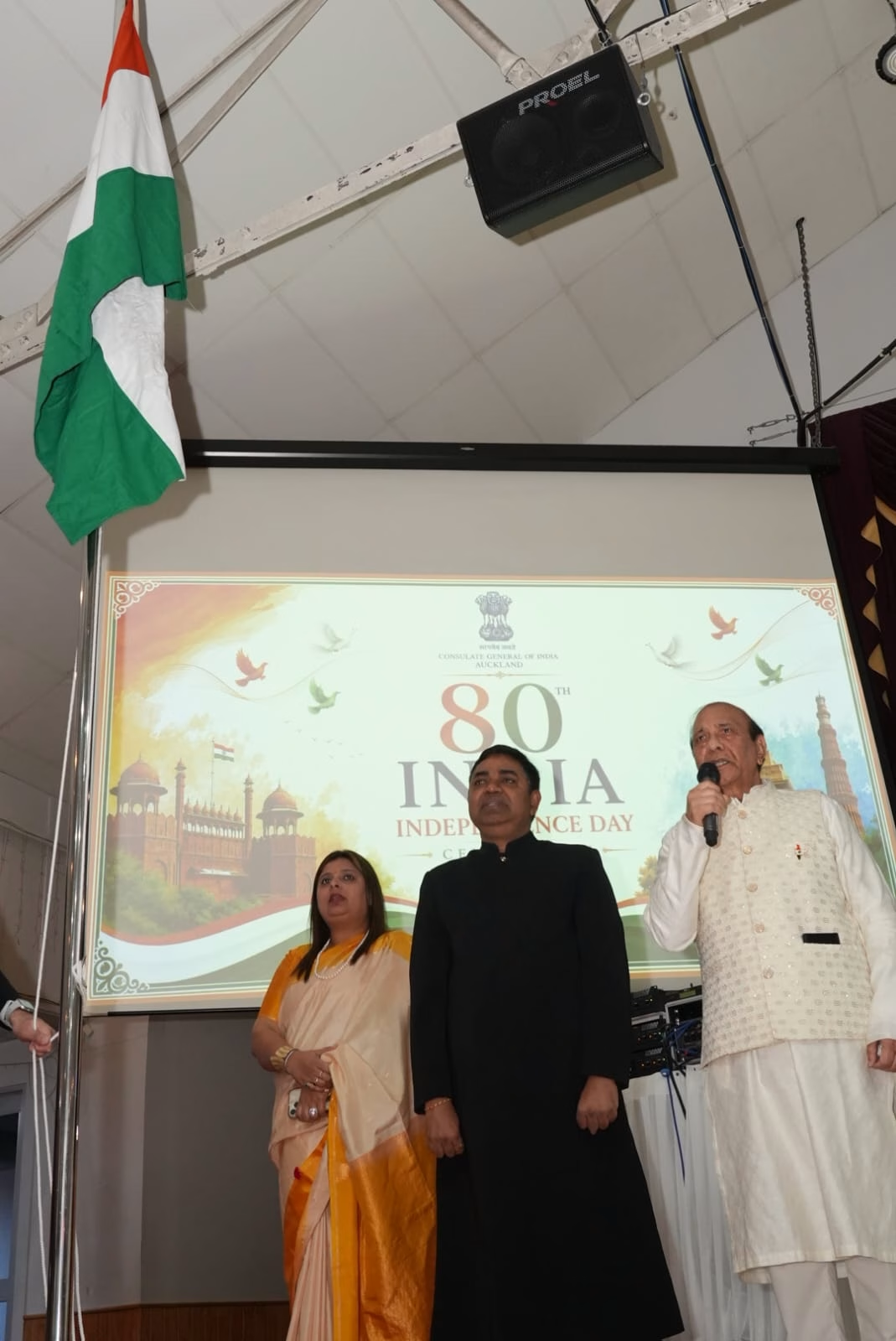
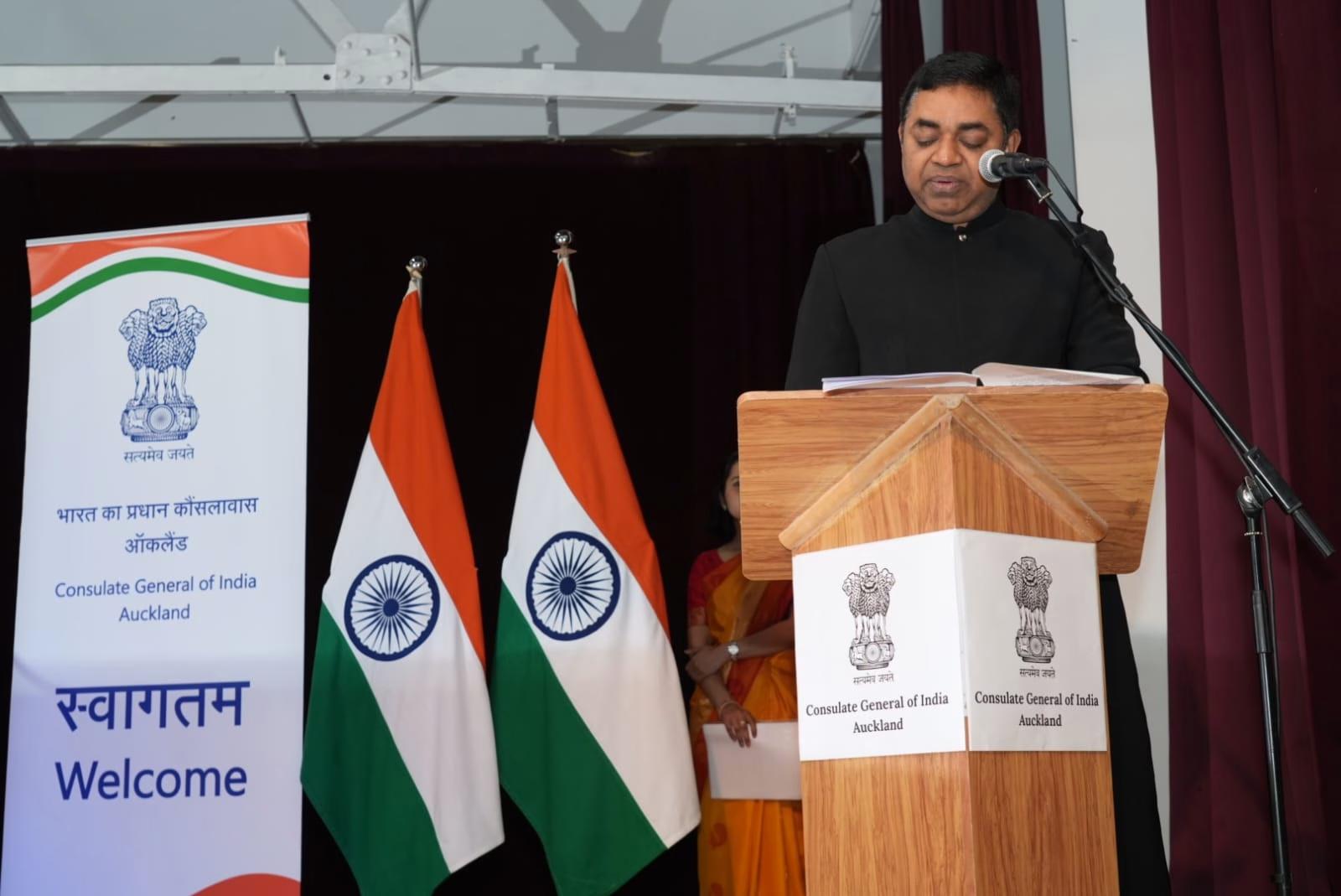
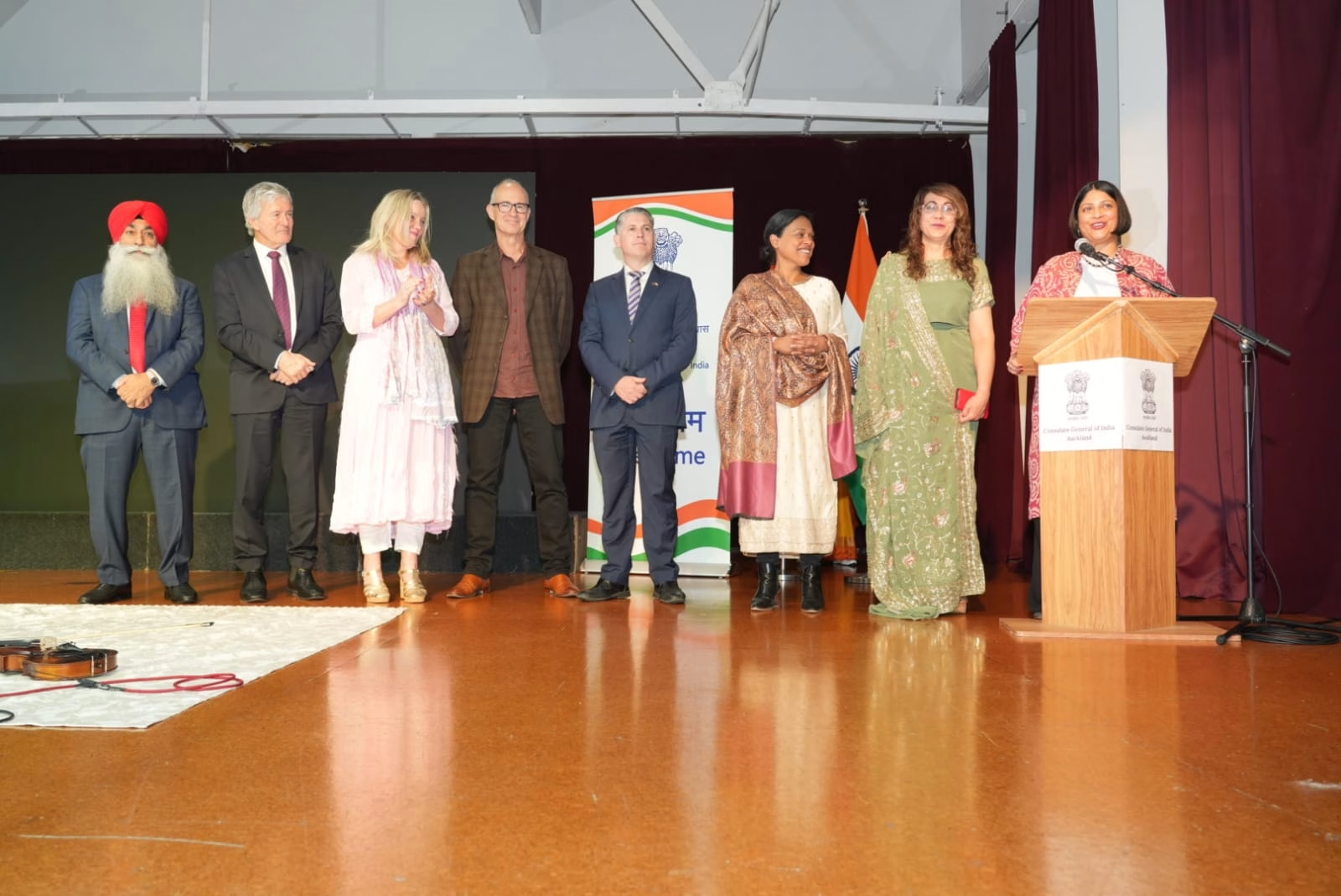
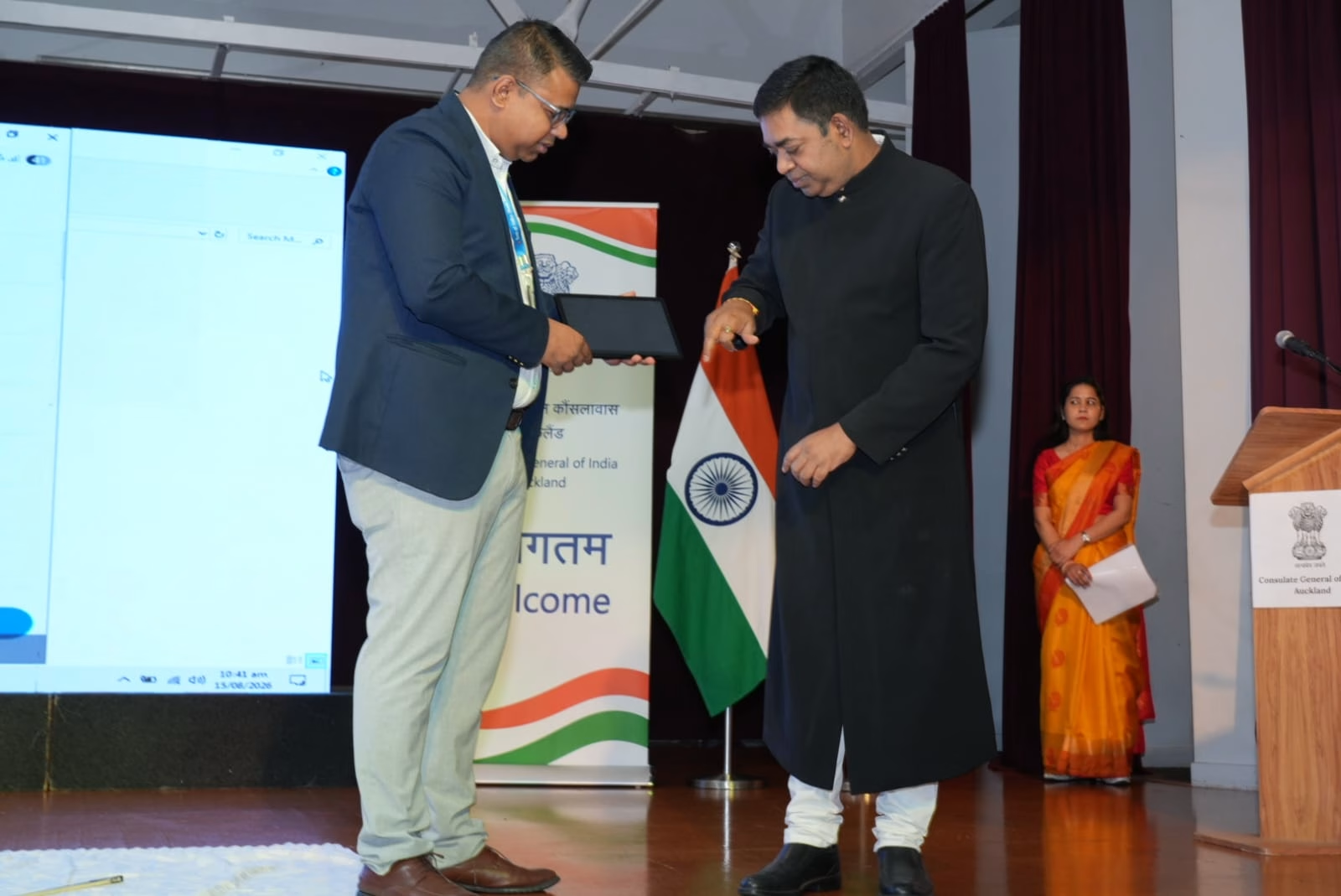
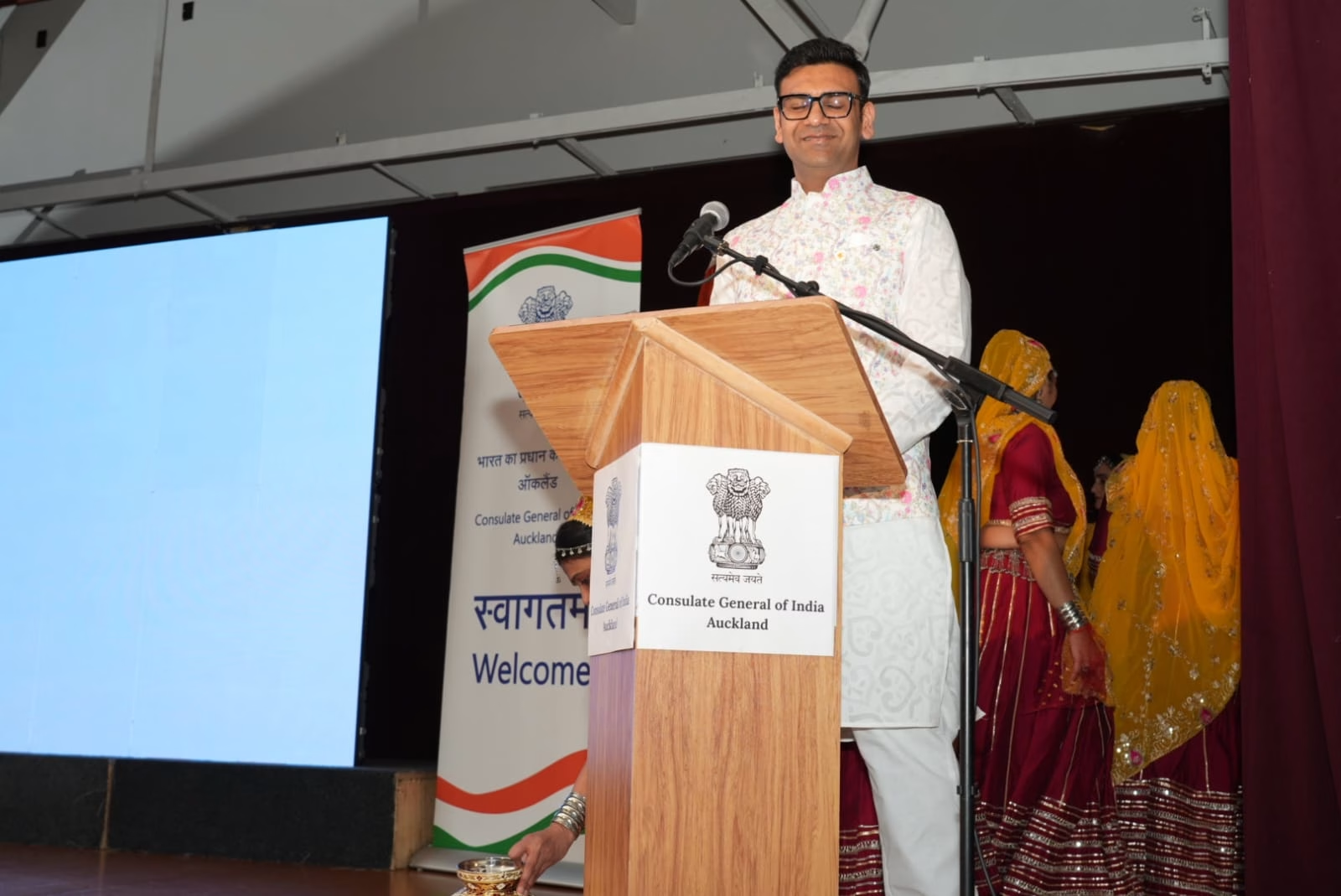
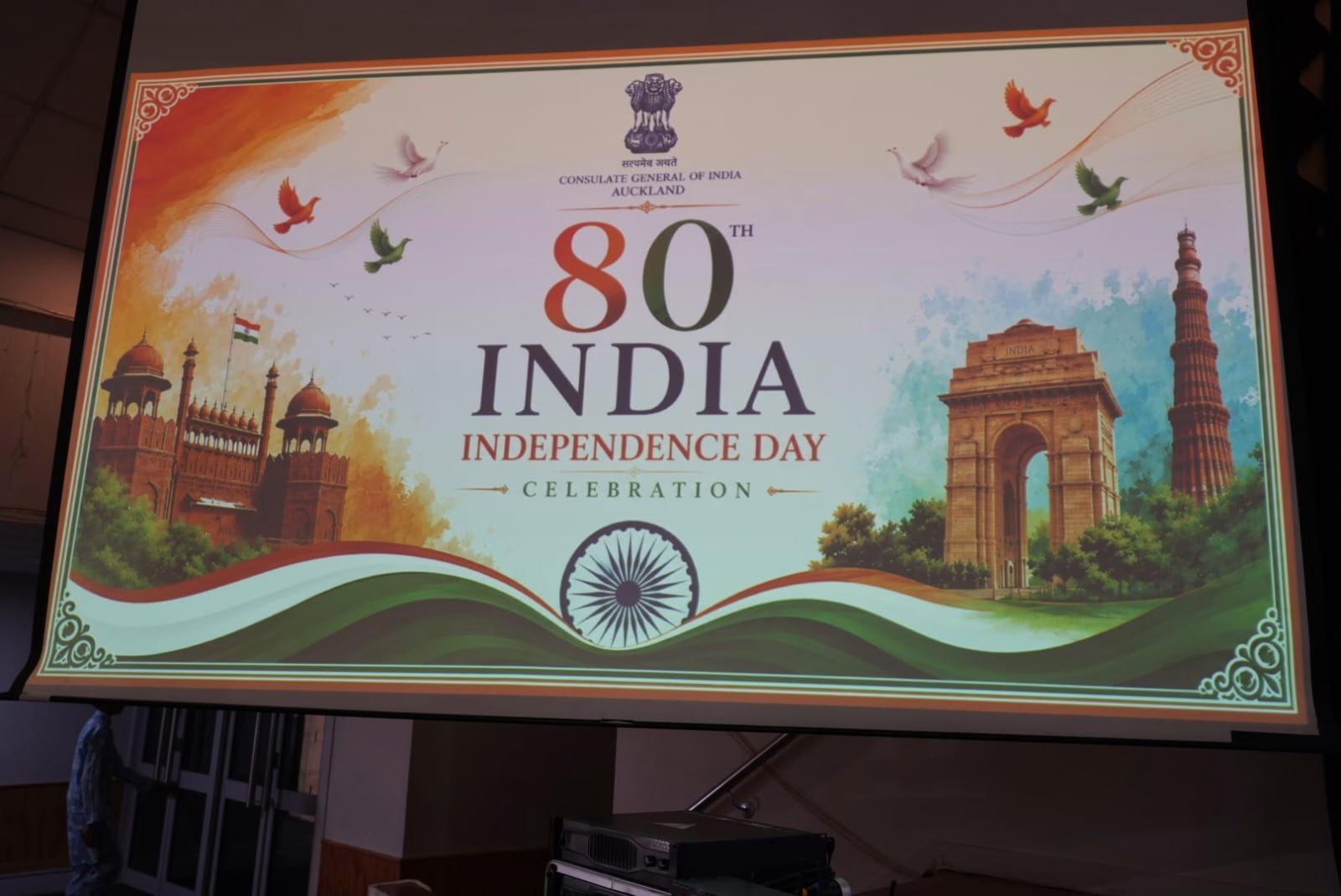
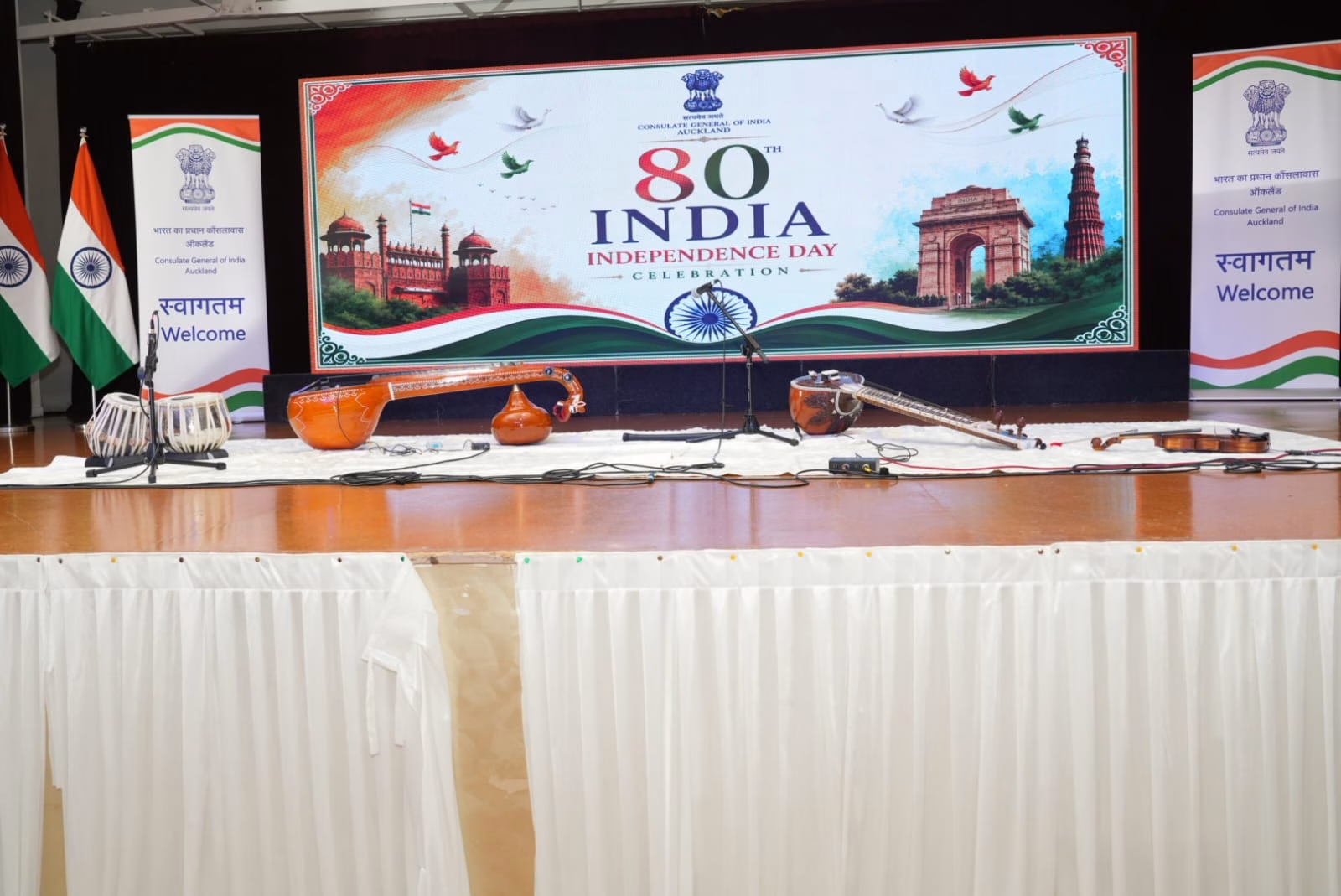
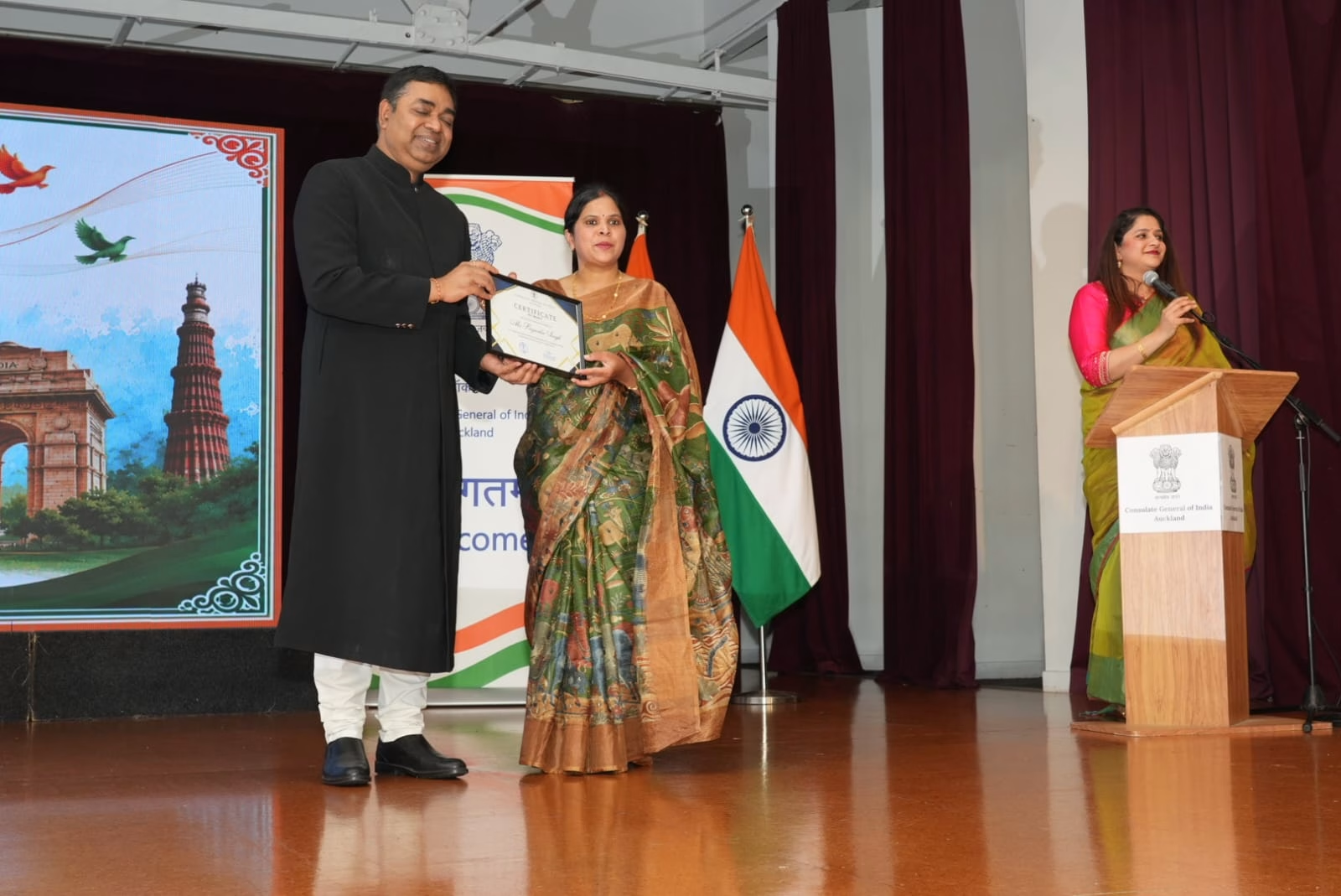
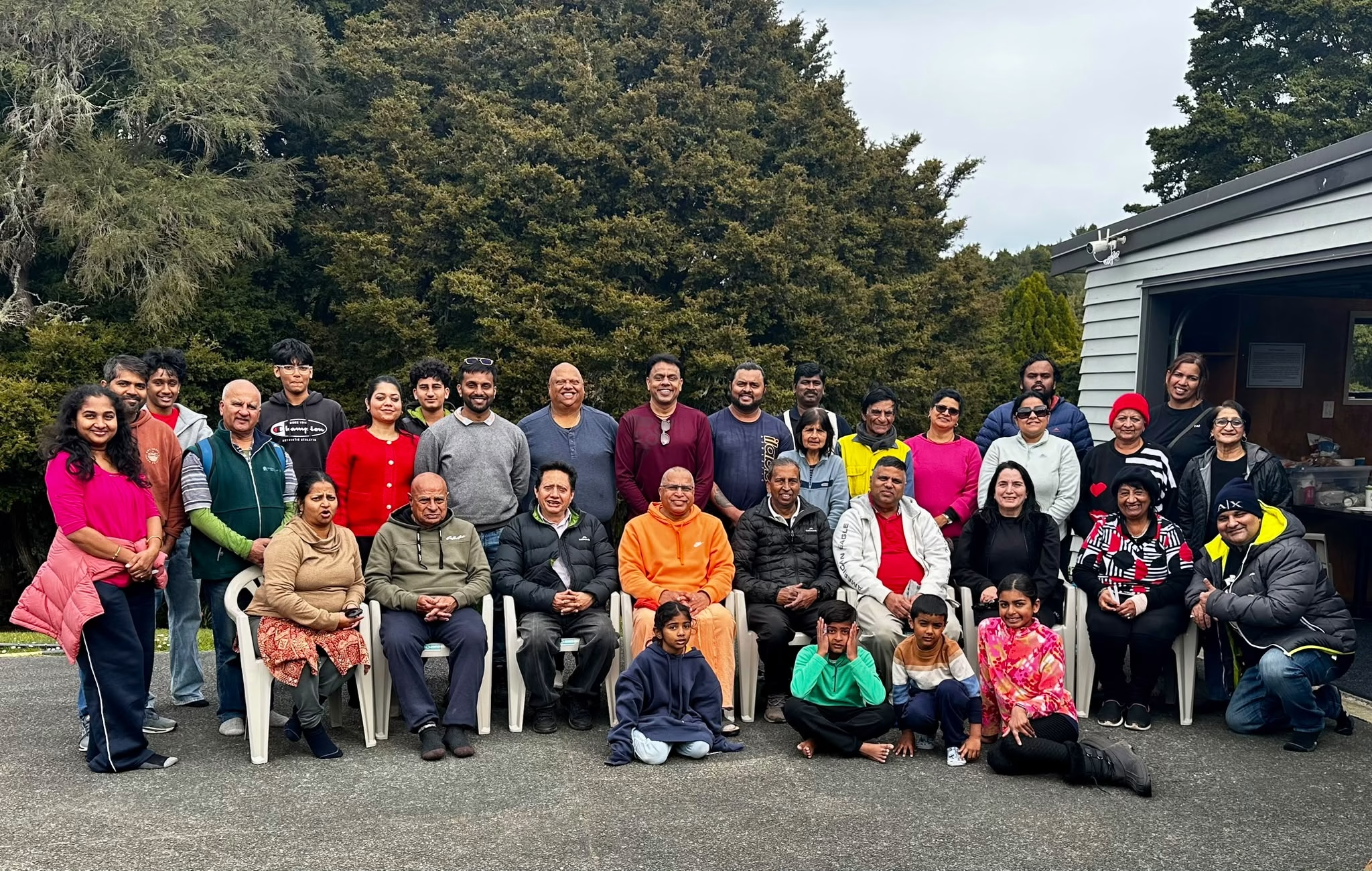
An estimated 800 to 1,000 people gathered at the Mahatma Gandhi Centre in Eden Terrace for the celebration organised by the Consulate General of India in Auckland. Consul General Dr Madan Mohan Sethi unfurled the Indian national flag, followed by the singing of the national anthem and the formal Independence Day programme.
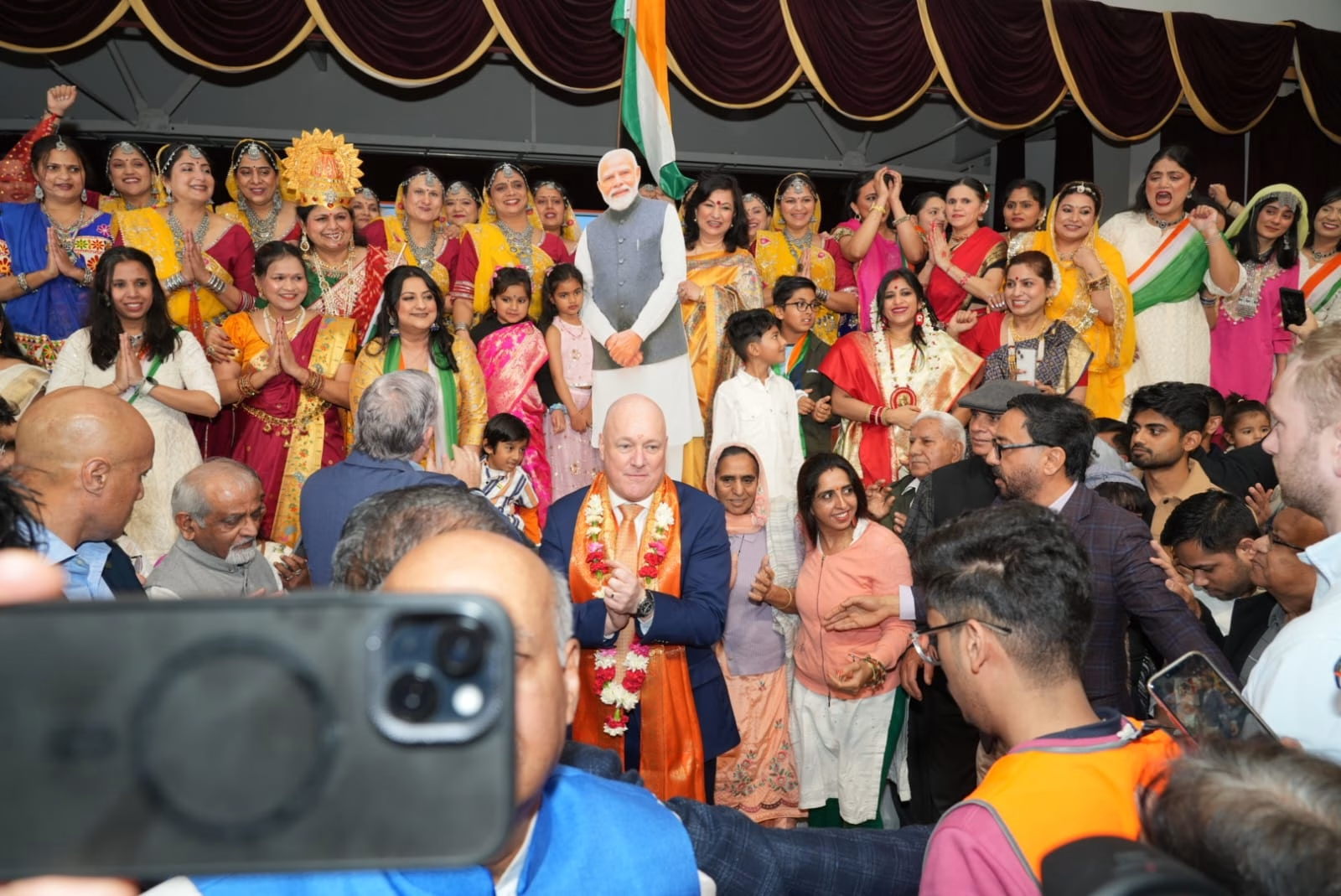
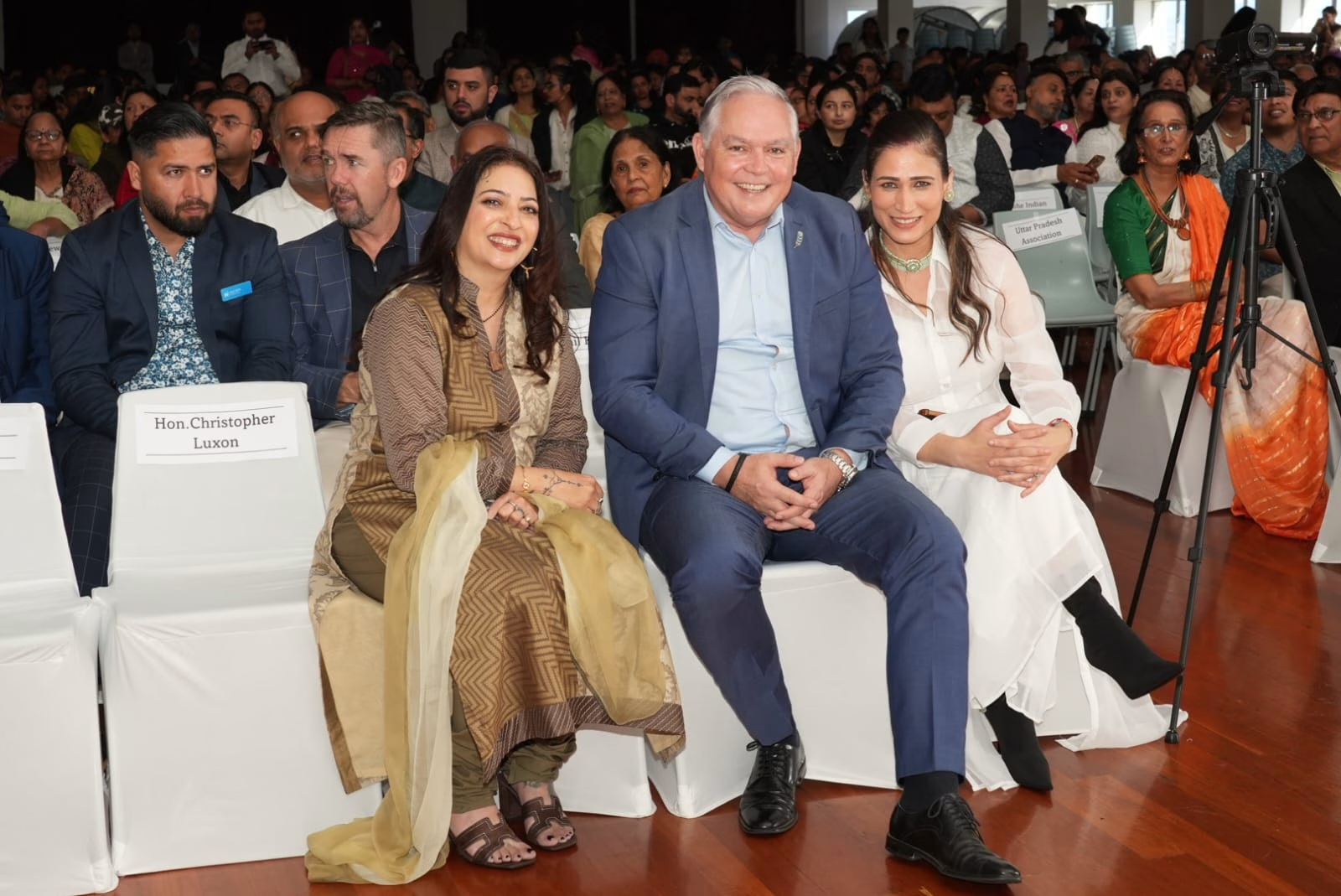
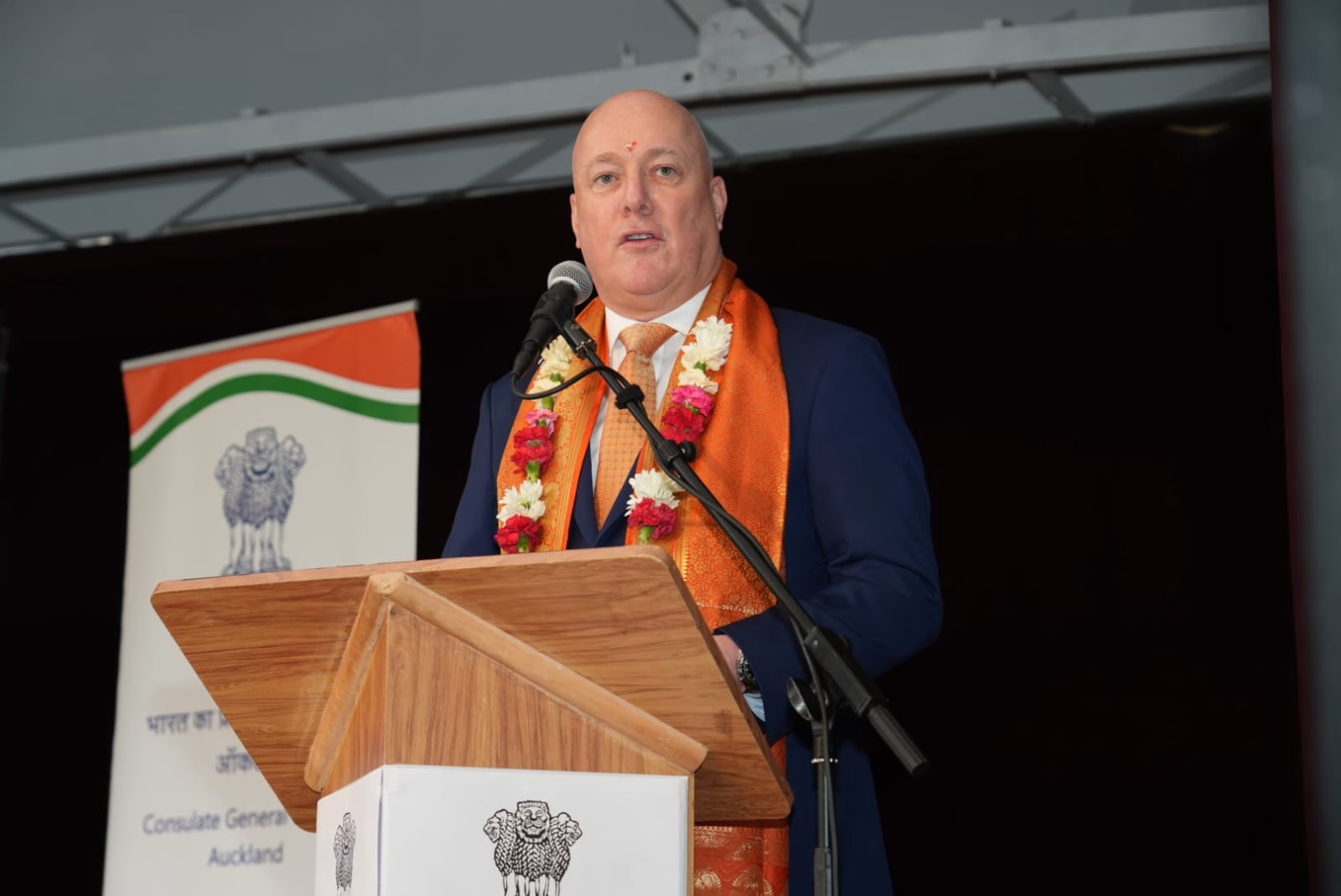
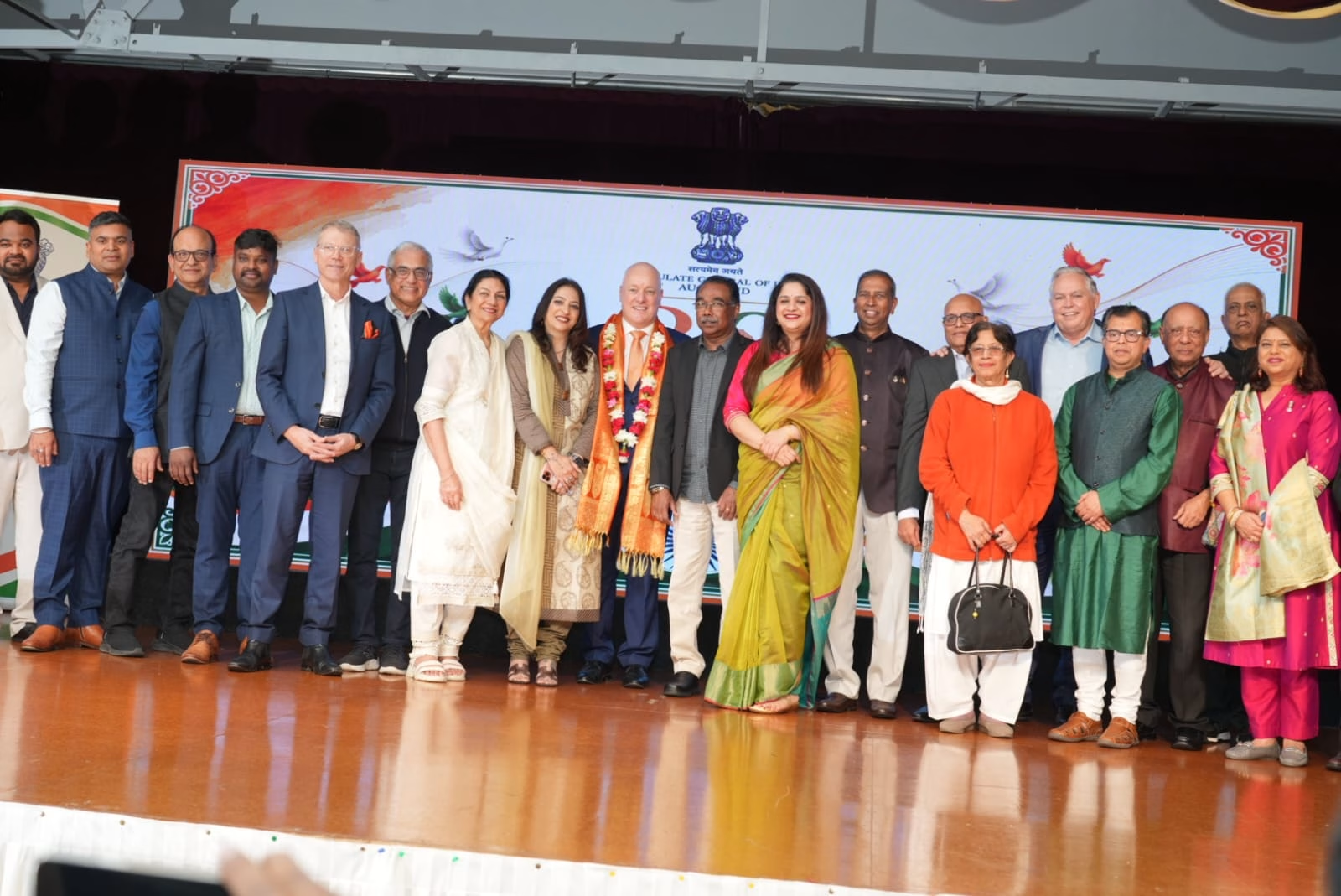
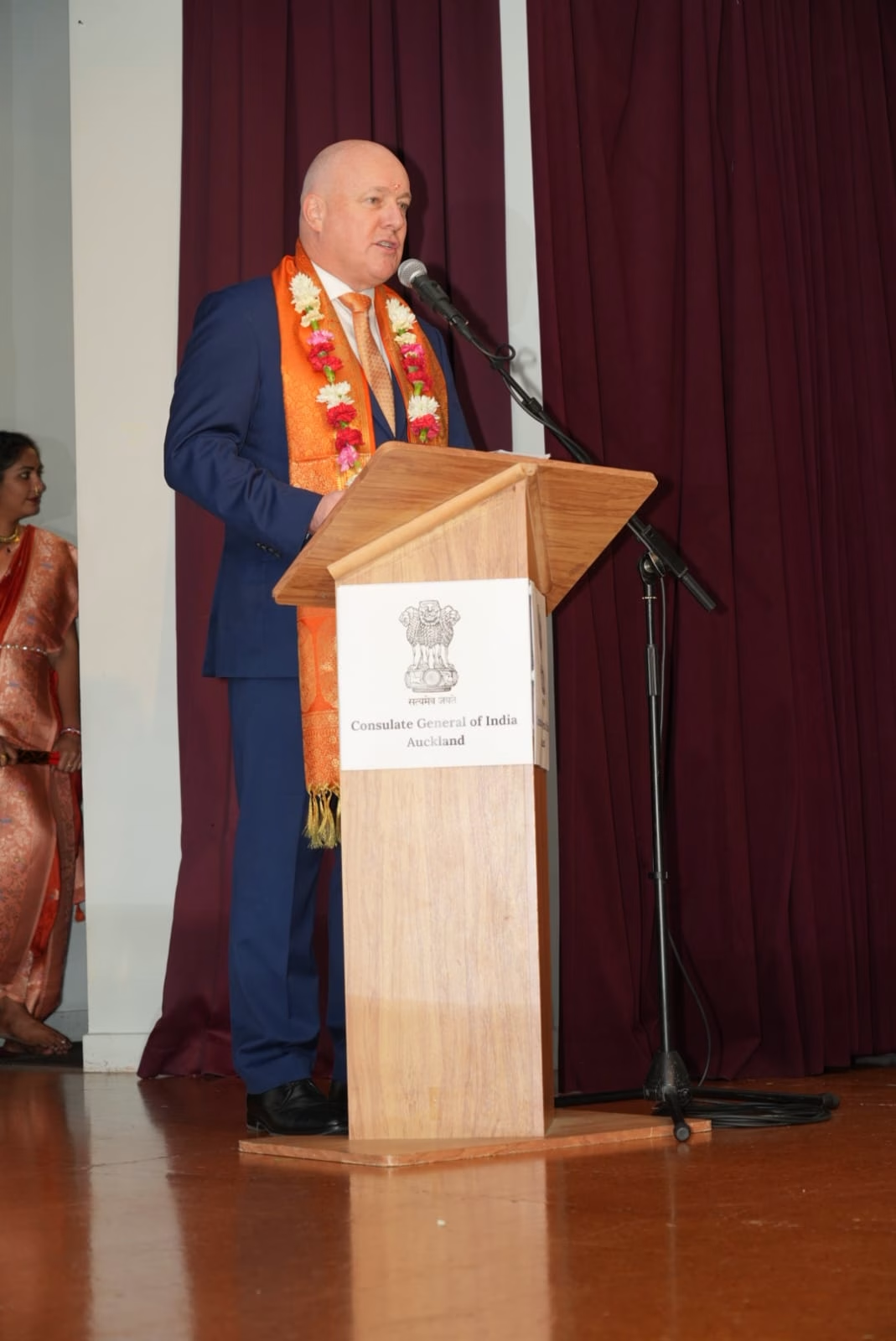
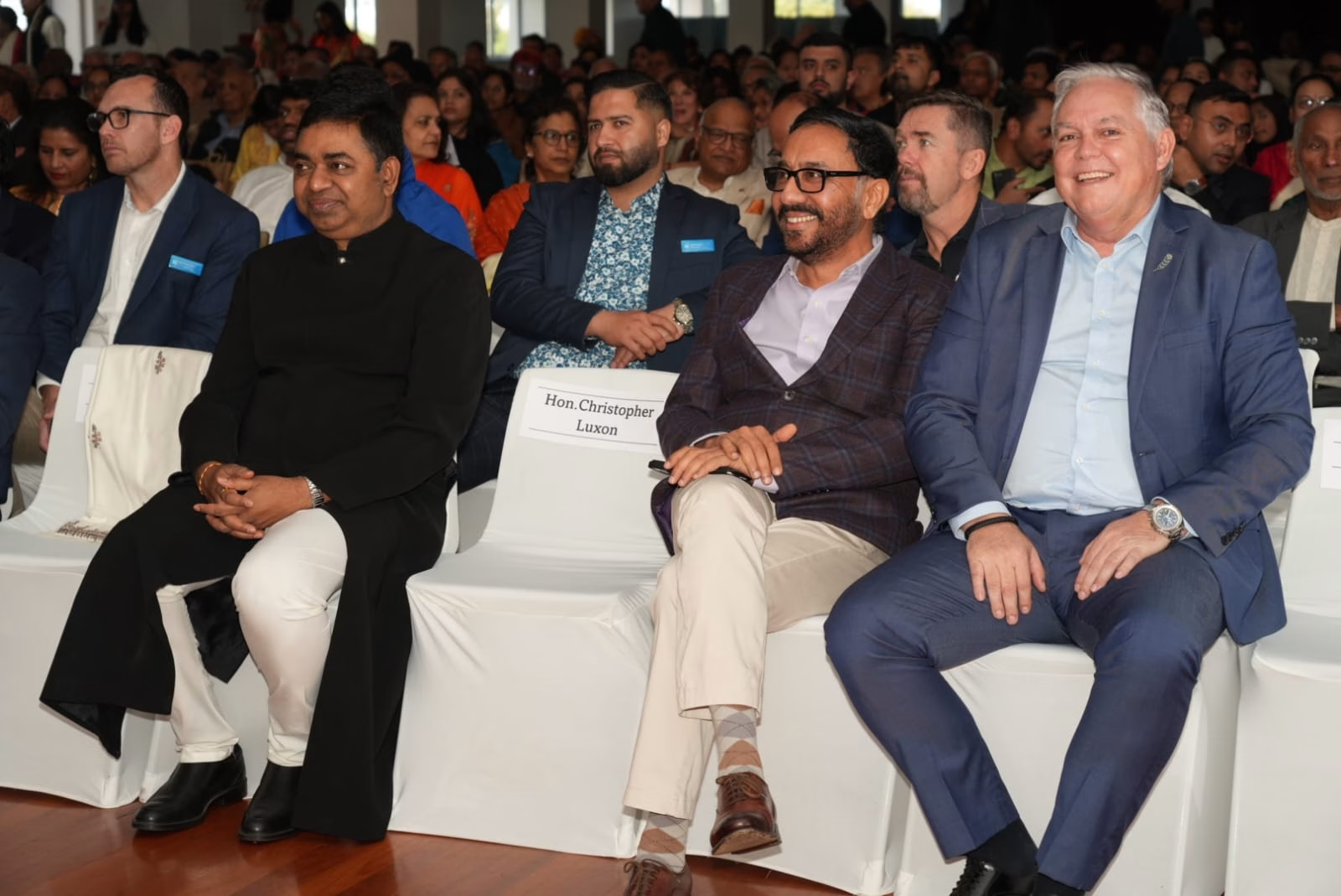
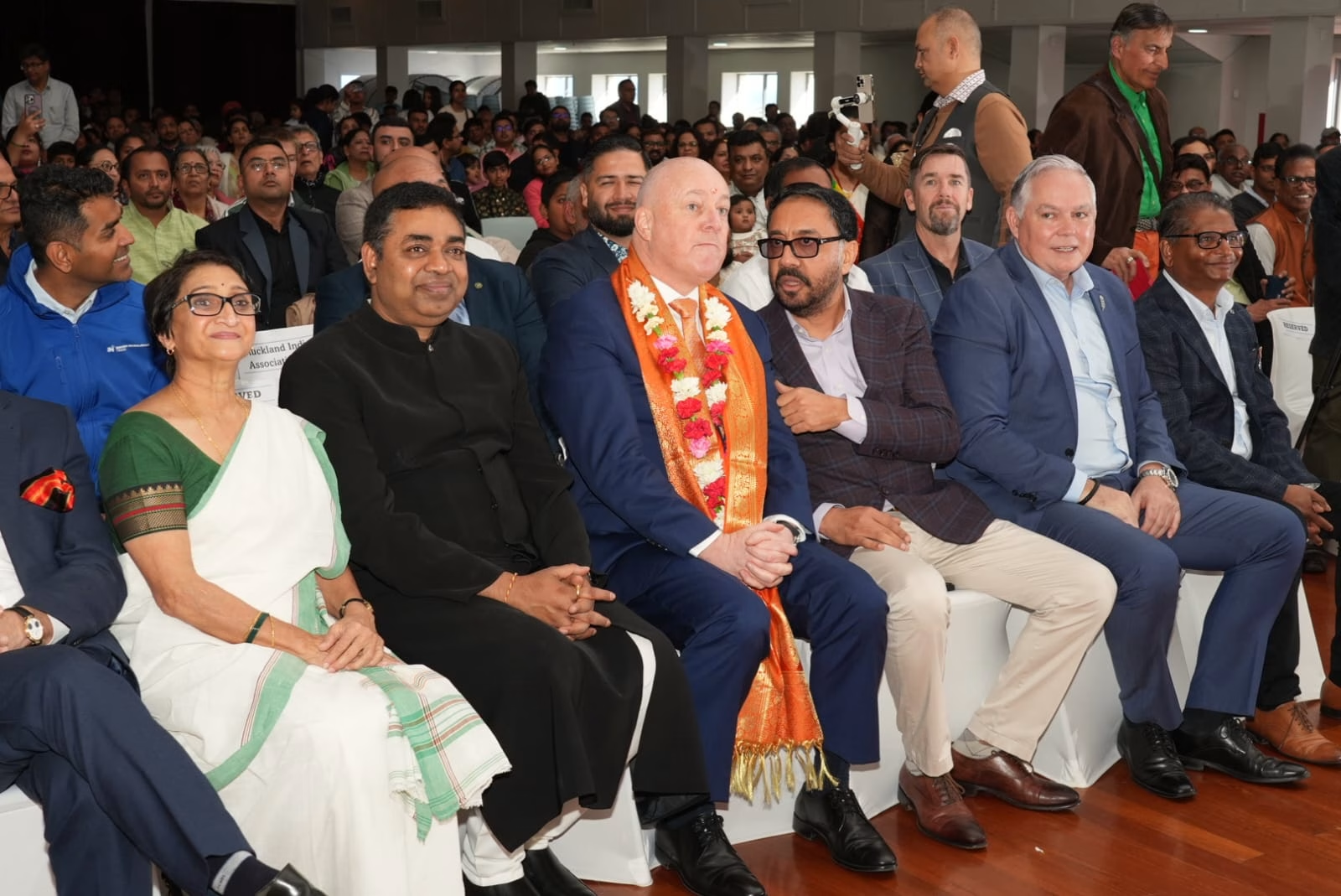
Among those attending was New Zealand Prime Minister Christopher Luxon, alongside senior government and opposition figures.
That political presence mattered.
When a New Zealand Prime Minister stands before hundreds of Indian New Zealanders on India’s Independence Day, alongside ministers, MPs and Indian diplomatic representatives, the occasion inevitably carries meaning beyond ceremony.
A room that reflected modern New Zealand
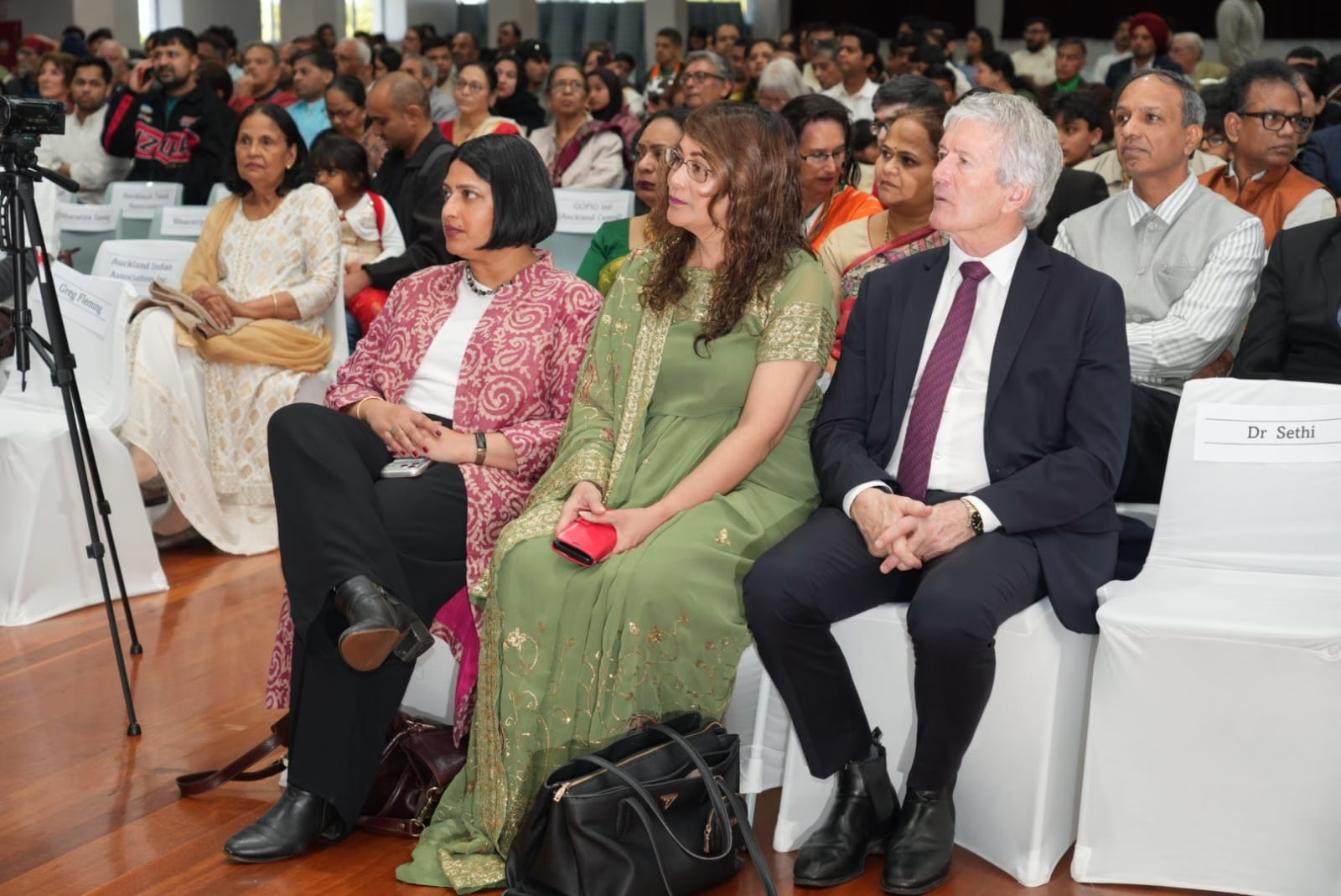
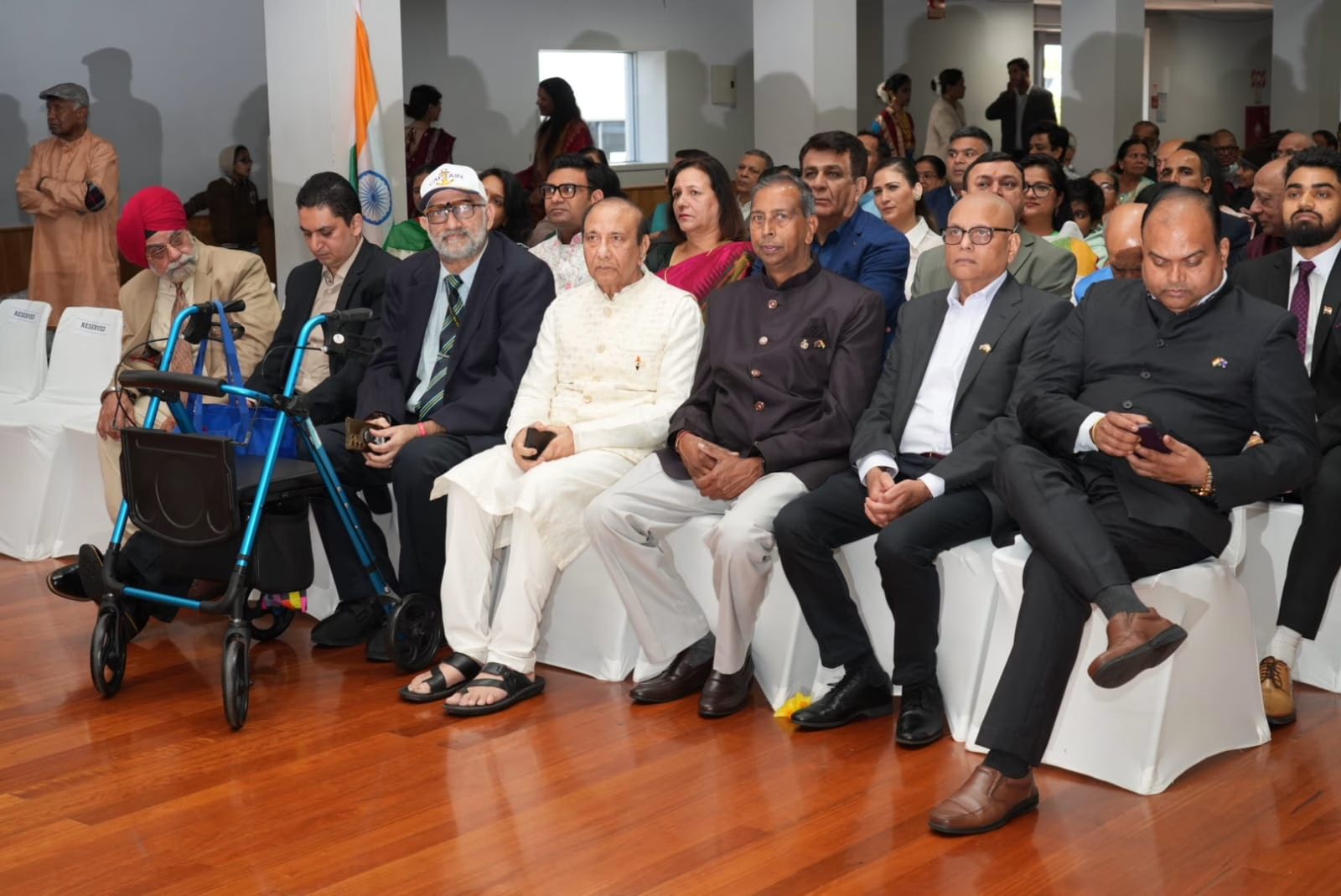
The audience itself told part of the story.
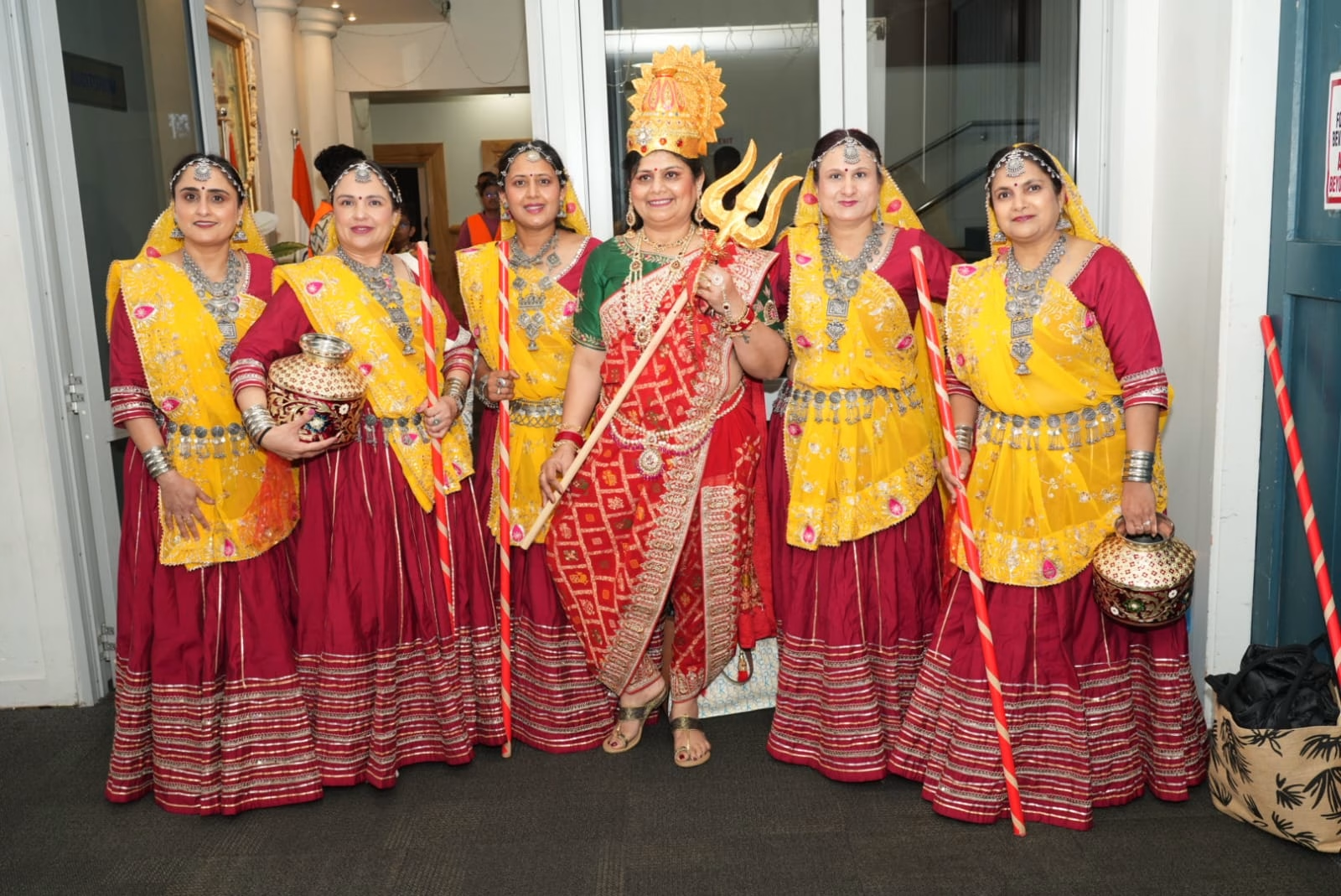
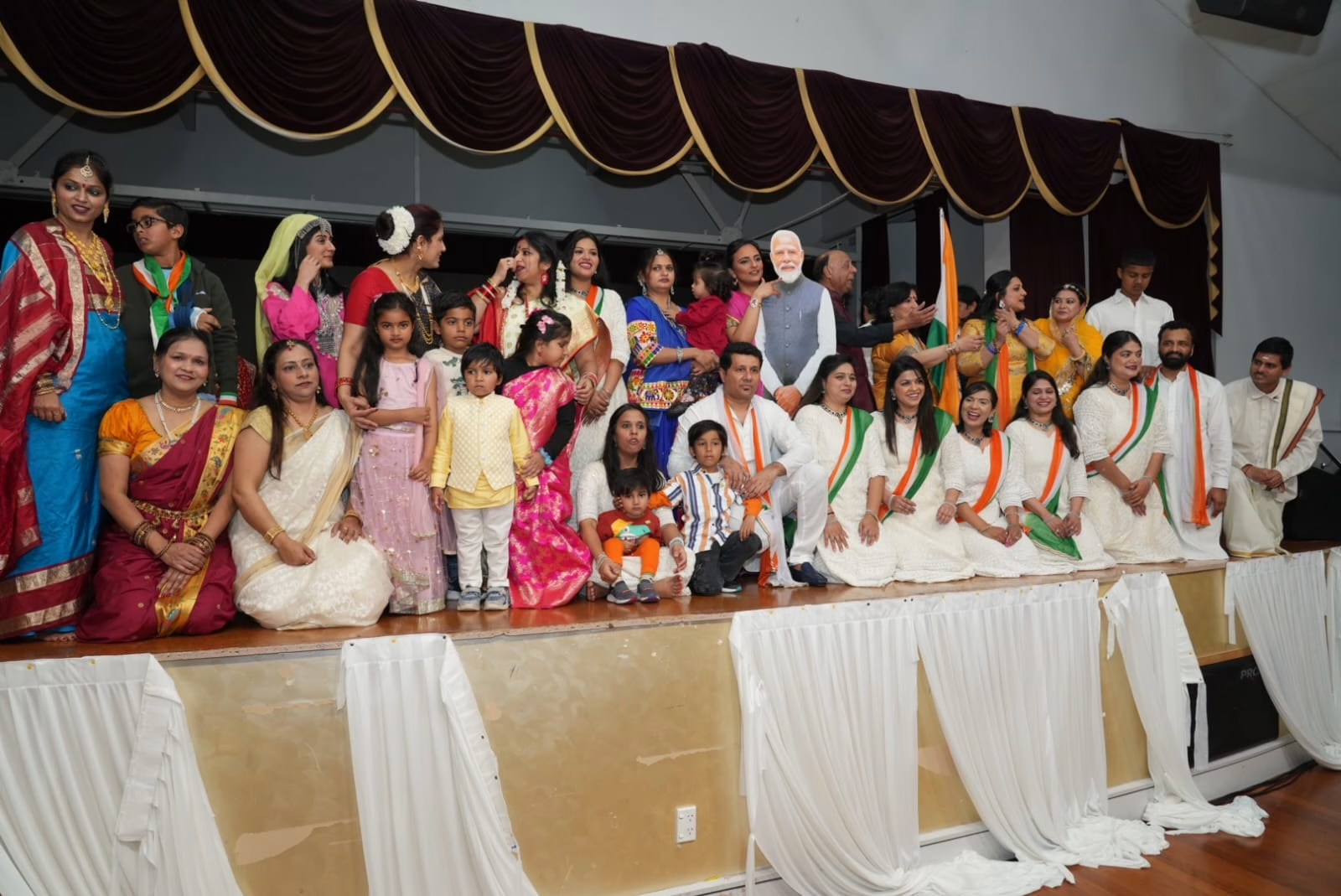
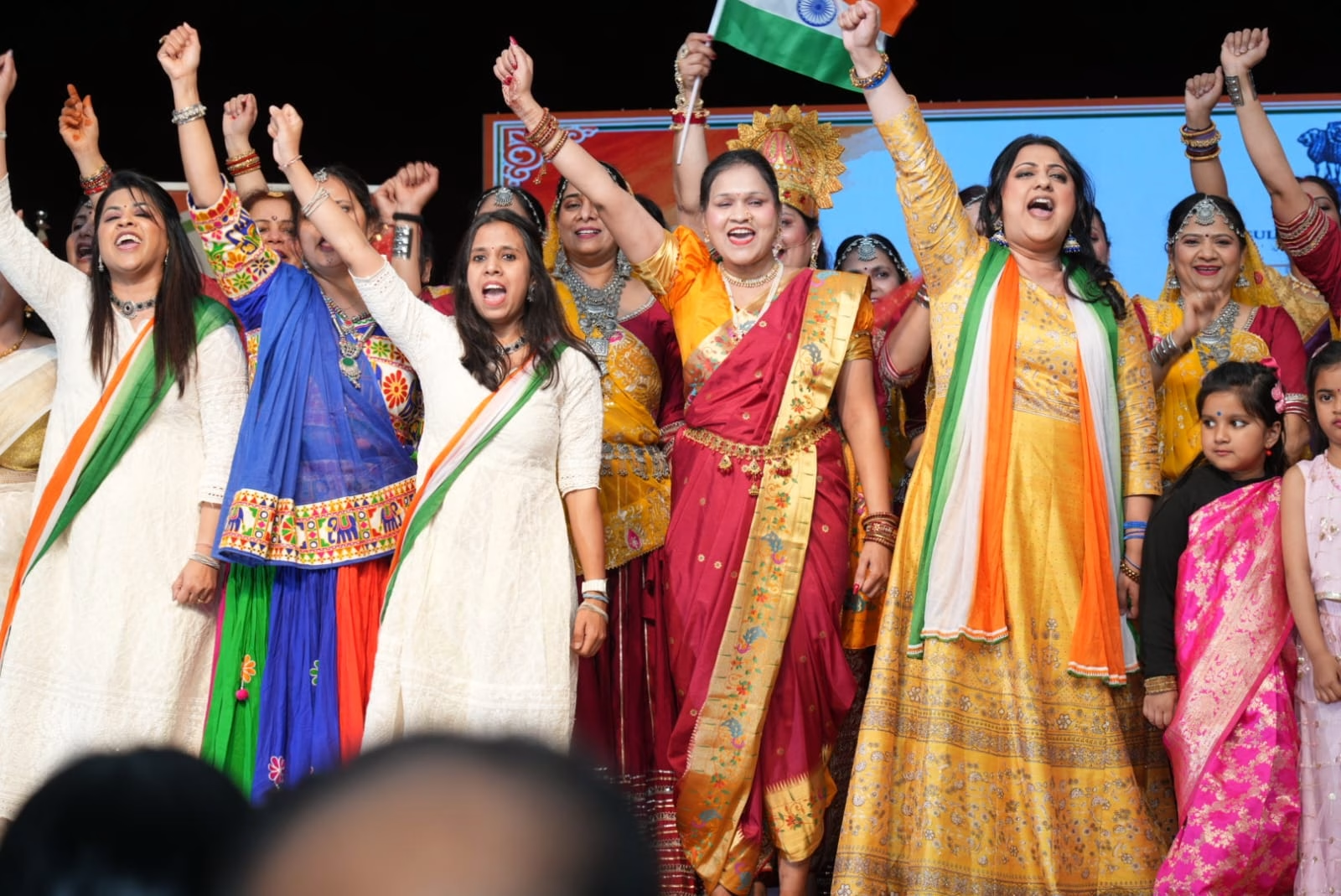
There were people who were born in India and later made New Zealand home. There were children growing up as New Zealanders while retaining a strong connection to their parents’ culture. There were community organisations, businesspeople, former and serving members of the Indian Armed Forces, political representatives and families dressed in the colours and traditions of different parts of India.
India was being celebrated, but so was the Indian story in New Zealand.
Prime Minister Christopher Luxon used his address to acknowledge the contribution of Kiwi-Indians to New Zealand’s economy, culture and wider society, while also speaking about the growing relationship between the two countries.
He also recognised former and serving members of the Indian Armed Forces who were present, one of the quieter but particularly meaningful moments of the morning.
Webfit News recorded the Prime Minister’s remarks at the event, along with addresses and key moments involving Indian diplomatic representatives and community leaders.
What emerged from those speeches was a consistent theme: the India-New Zealand relationship is no longer confined to diplomatic courtesies. It is becoming more practical, political and economically significant.
The timing made this Independence Day different
The context surrounding the ceremony is important.
Only months earlier, on 13 April 2026, India and New Zealand signed a Free Trade Agreement in New Delhi, which the New Zealand Government described as a major development in the economic relationship between the two countries.
Then, in July, Indian Prime Minister Narendra Modi travelled to New Zealand and was received in Auckland by Prime Minister Christopher Luxon, another highly visible moment in the rapidly developing bilateral relationship. The Consulate General of India in Auckland records the visit among its major recent diplomatic developments.
Seen in that context, Saturday’s gathering was not simply another annual diaspora function.
It came during one of the most consequential periods in India-New Zealand relations in years.
Trade, education, technology, tourism, migration, defence dialogue, business investment and people-to-people connections are increasingly being discussed within the same relationship.
The Indian community sits directly in the middle of that story.
The tricolour rises in Auckland
At the heart of the programme remained the ceremony itself.
Consul General Dr Madan Mohan Sethi unfurled the national flag before the assembled community, carrying out a tradition repeated at Indian diplomatic missions around the world every 15 August.
The Consulate had formally invited members of the Indian diaspora and friends of India to attend the Auckland ceremony from 9:30am at the Mahatma Gandhi Centre.
Dr Sethi also conveyed the Independence Day message of India’s President, Droupadi Murmu.
President Murmu’s official address, delivered in New Delhi on 14 August, described the occasion as the beginning of India’s 80th year since independence and specifically addressed Indians both at home and overseas.
Her message looked backwards and forwards at the same time.
It remembered those whose sacrifices made independence possible, while placing responsibility for India’s next chapter on citizens living today.
The idea of a developed India by 2047, when the country marks 100 years of independence, remains central to that national ambition.
It is an ambitious proposition.
India is already one of the world’s fastest-growing major economies, while its infrastructure, technology, digital services and international influence have expanded substantially. The World Bank notes that India’s economy has nearly quadrupled in real terms since 2000 and describes the country’s aspiration to reach high-income status around the centenary of independence.
But development at India’s scale is not measured only in GDP figures or skyscrapers.
The harder test is whether growth reaches ordinary citizens, whether opportunity expands beyond major cities, whether social mobility improves and whether economic progress can be matched by inclusive development.
That is what makes the 2047 ambition consequential rather than simply celebratory.
When government and opposition share the same room
There was another aspect of the Auckland gathering worth noticing.
Prime Minister Luxon’s presence was accompanied by senior political figures from different sides of New Zealand politics, including Police Minister Mark Mitchell and National Party representatives, alongside Labour figures including Priyanca Radhakrishnan, Michael Wood and Jenny Salesa.
For one morning, party lines were secondary to the occasion.
That should not be over-romanticised. Politicians naturally attend significant community events, particularly within one of New Zealand’s large and increasingly influential ethnic communities.
But the breadth of political attendance still says something.
Indian New Zealanders are no longer a community that can be considered peripheral to the country’s political, economic or social life.
They are employers and employees, doctors and nurses, technology professionals, teachers, retailers, tradespeople, entrepreneurs, students, public servants, volunteers and increasingly visible participants in local and national politics.
Political parties know it.
Businesses know it.
Diplomats know it.
And the community itself increasingly knows it.
Diplomacy is ultimately about people
Governments sign agreements. Ministers conduct negotiations. Diplomats prepare communiqués.
Relationships between countries, however, survive because ordinary people give them substance.
That was perhaps the strongest message visible in Auckland.
Every family in the hall represented its own small bridge between India and New Zealand.
A child born in Auckland but learning an Indian language at home is part of that bridge.
So is an Indian-trained professional working in New Zealand.
So is a Kiwi company trying to enter the Indian market.
So is a New Zealand student travelling to India, an Indian student studying here, a tourist, an entrepreneur or a family whose lives now stretch across both countries.
This is where the bilateral relationship becomes real.
The signing of an FTA can open doors, but people still have to walk through them.
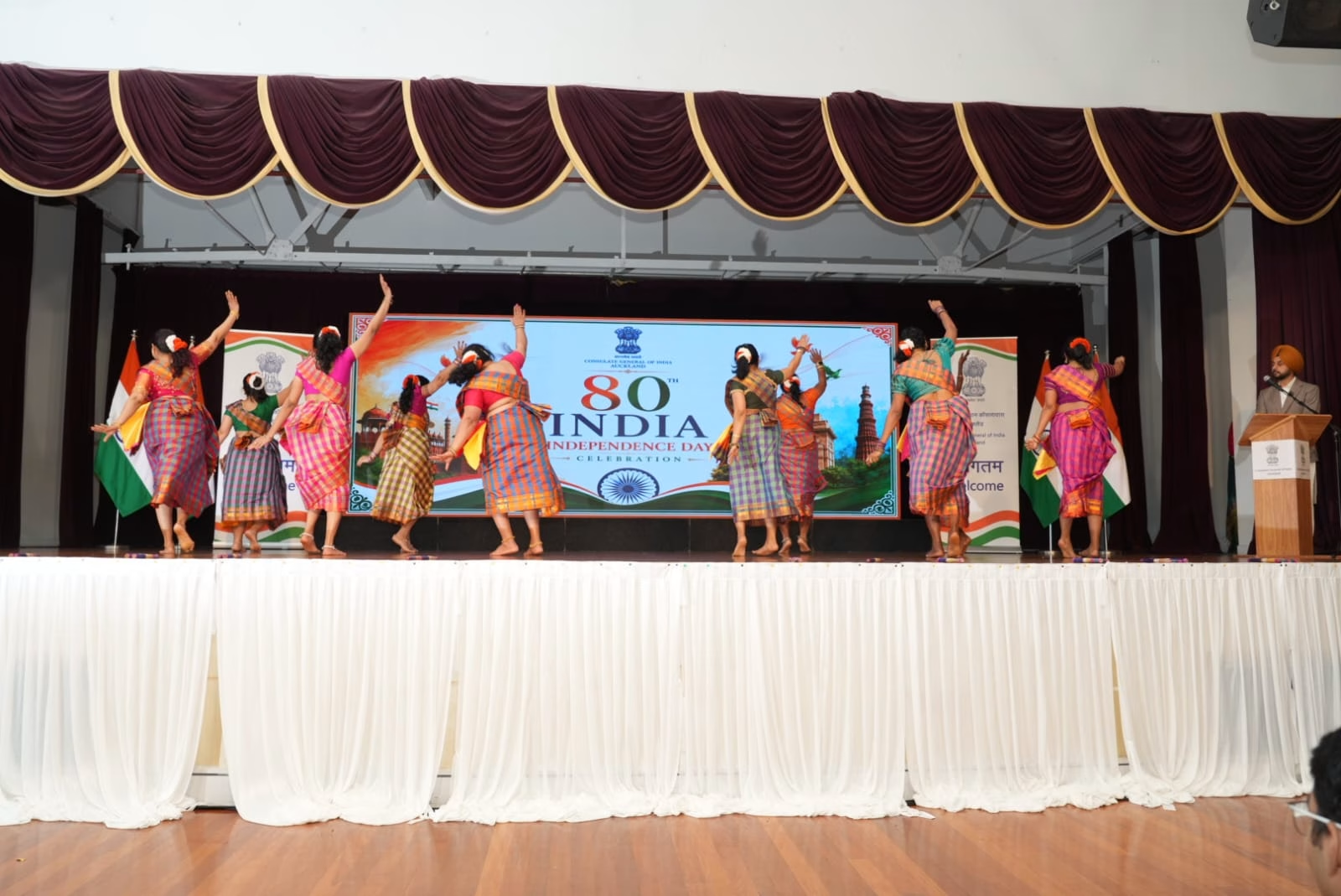
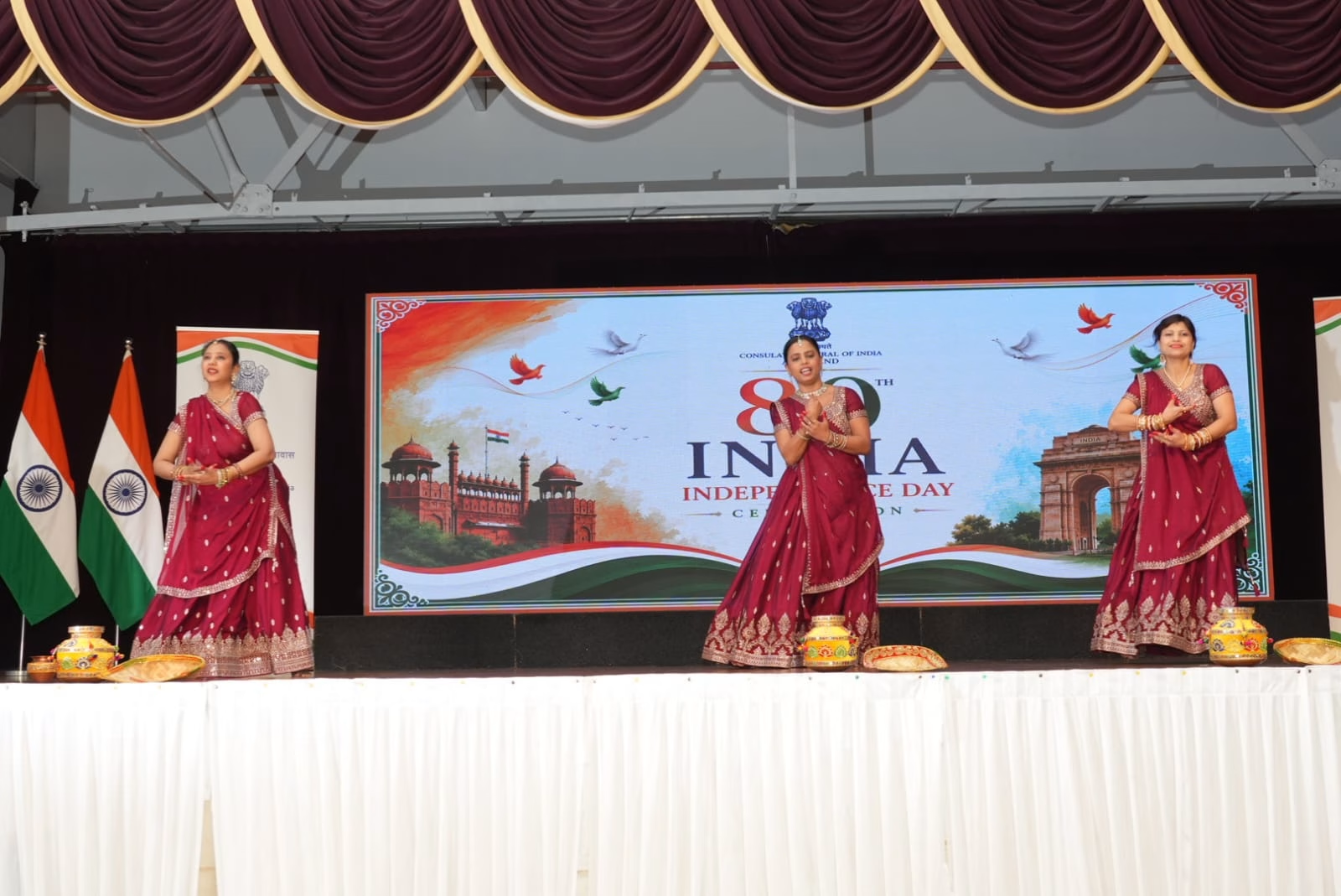
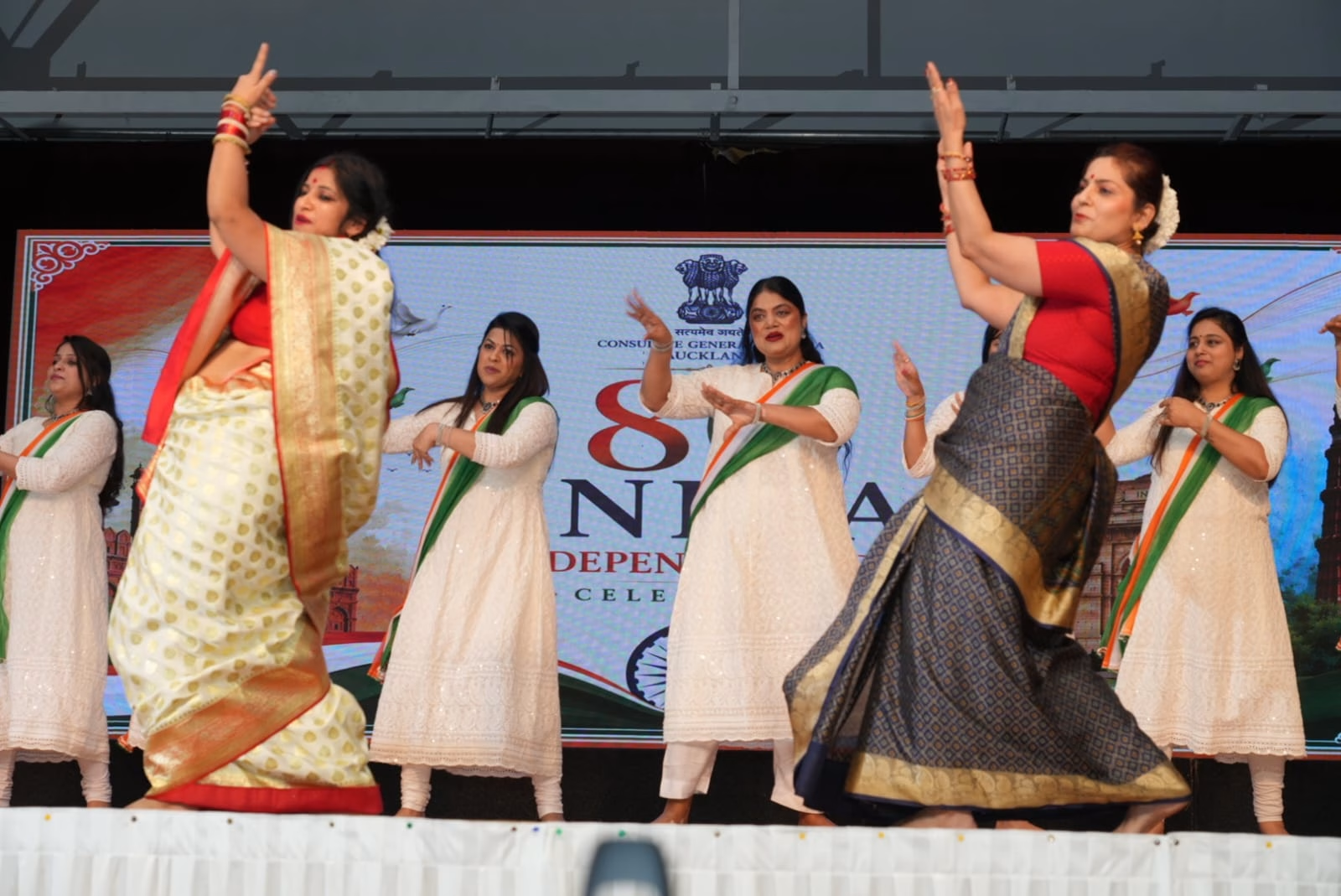
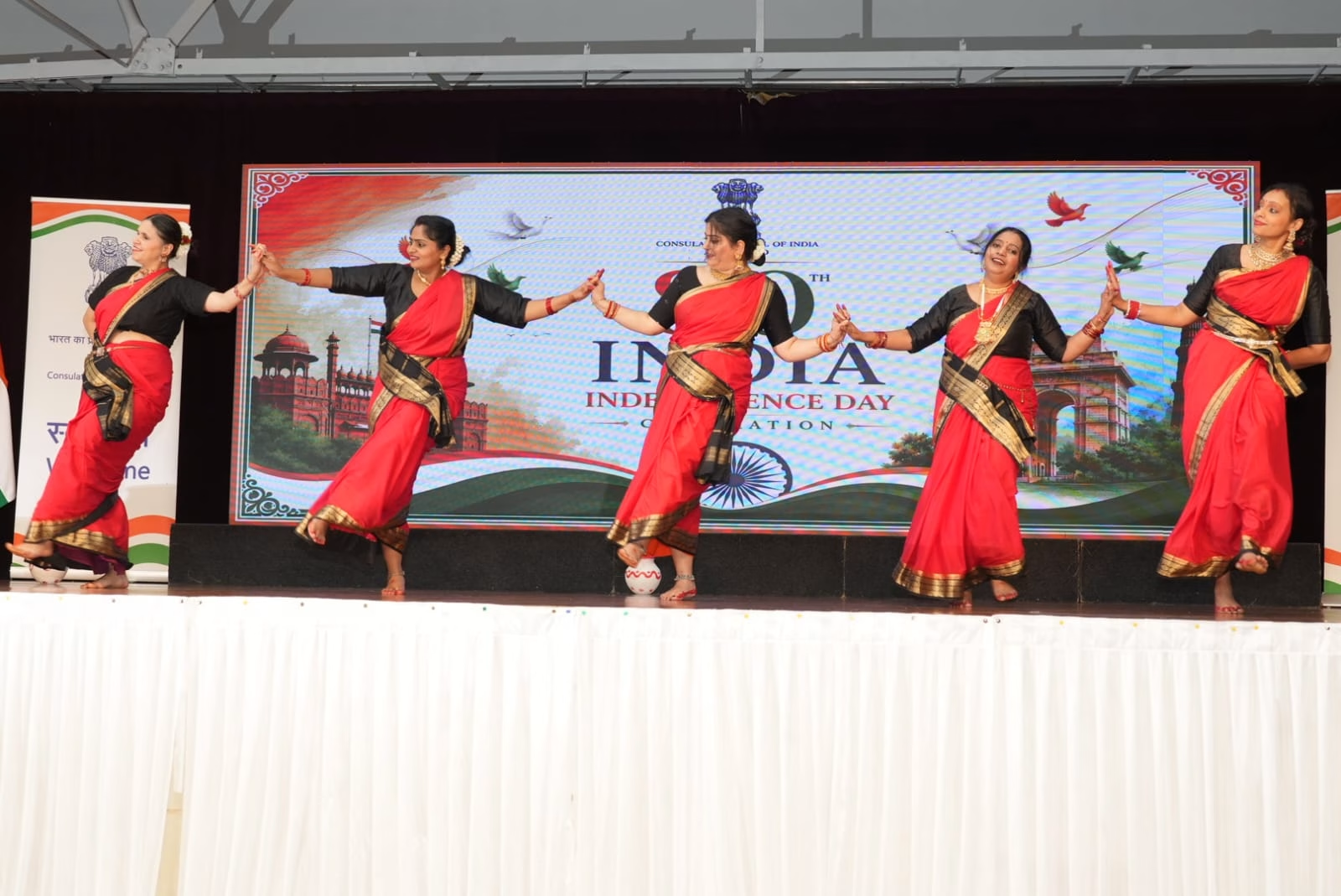
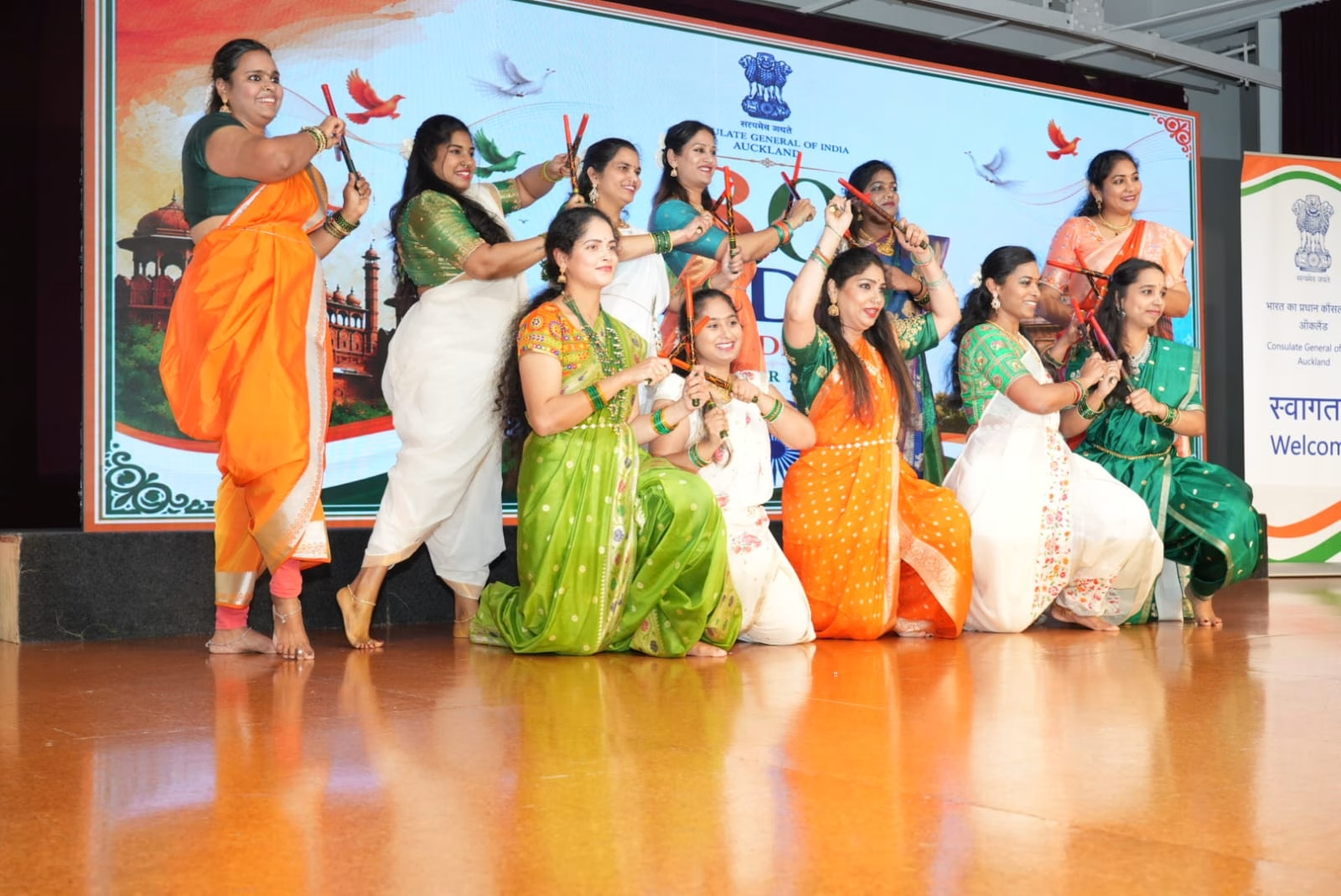
Culture was not decoration
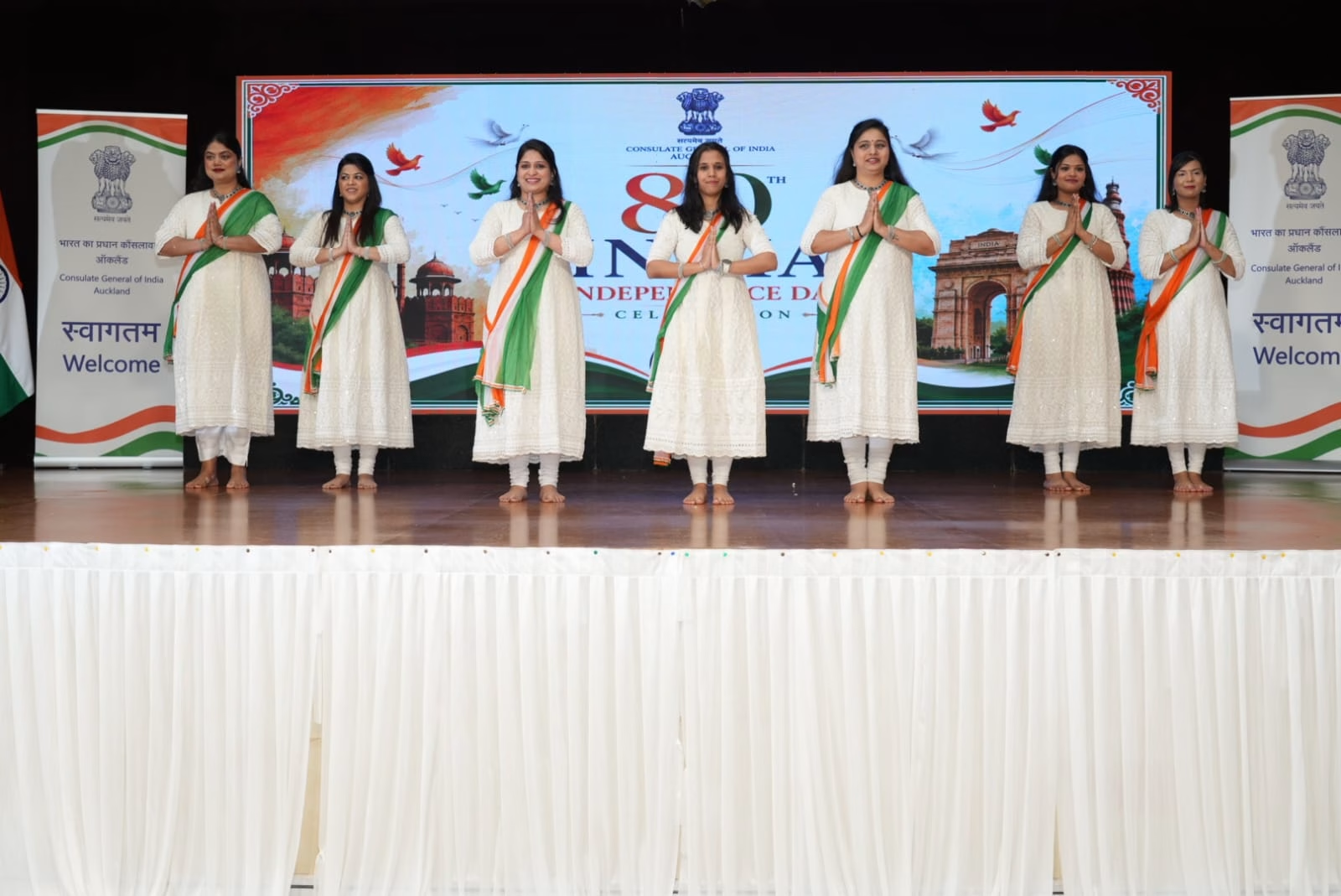
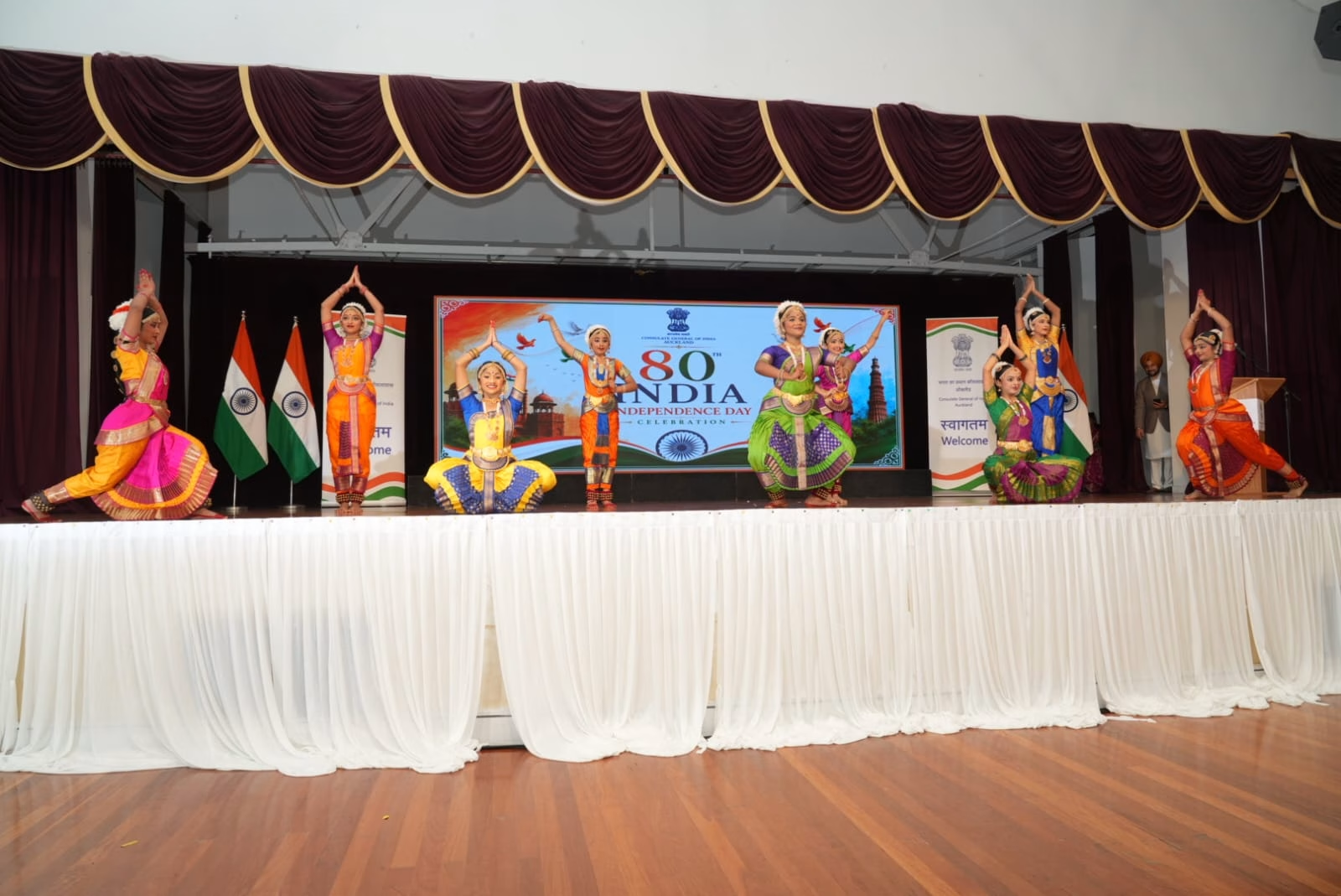
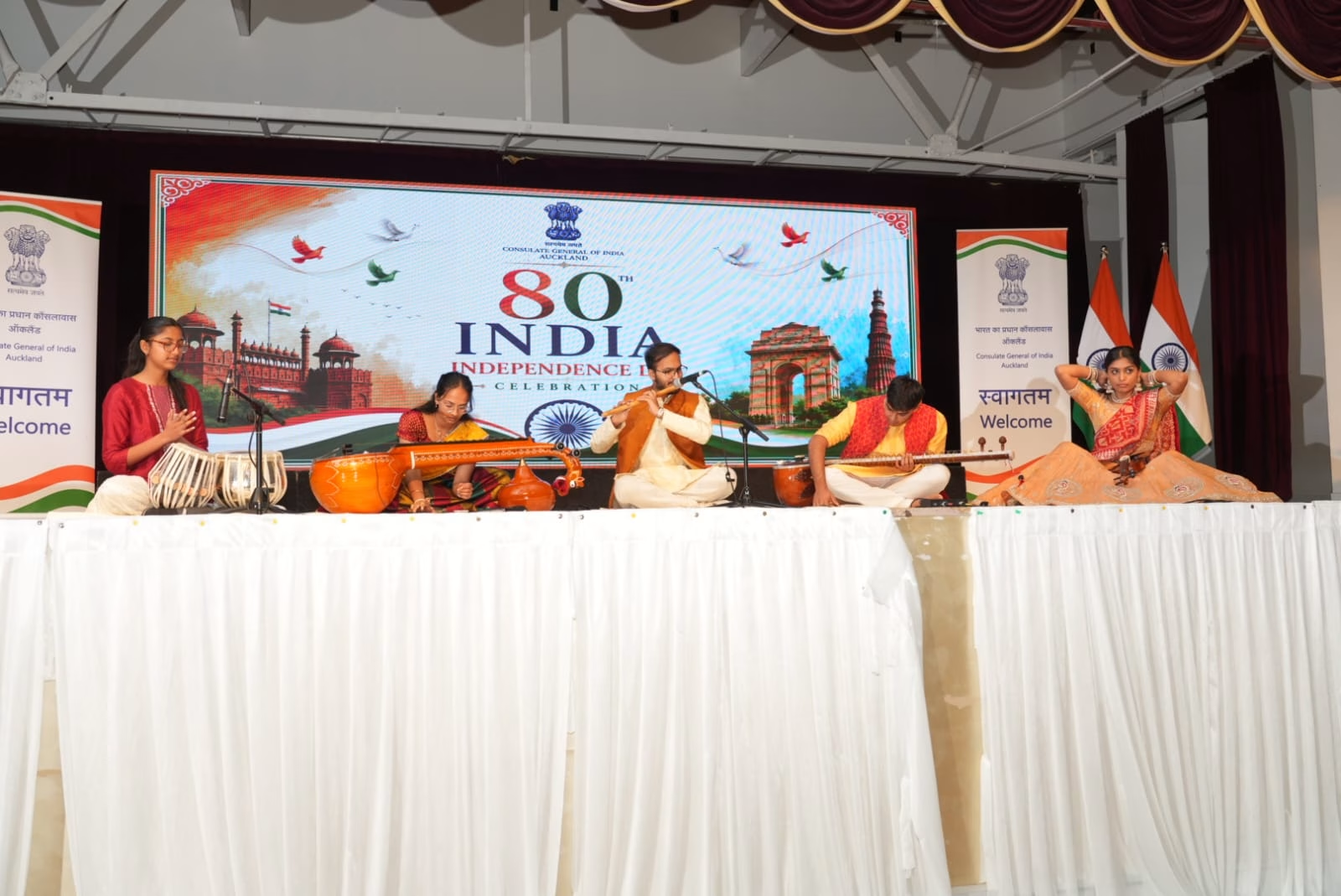
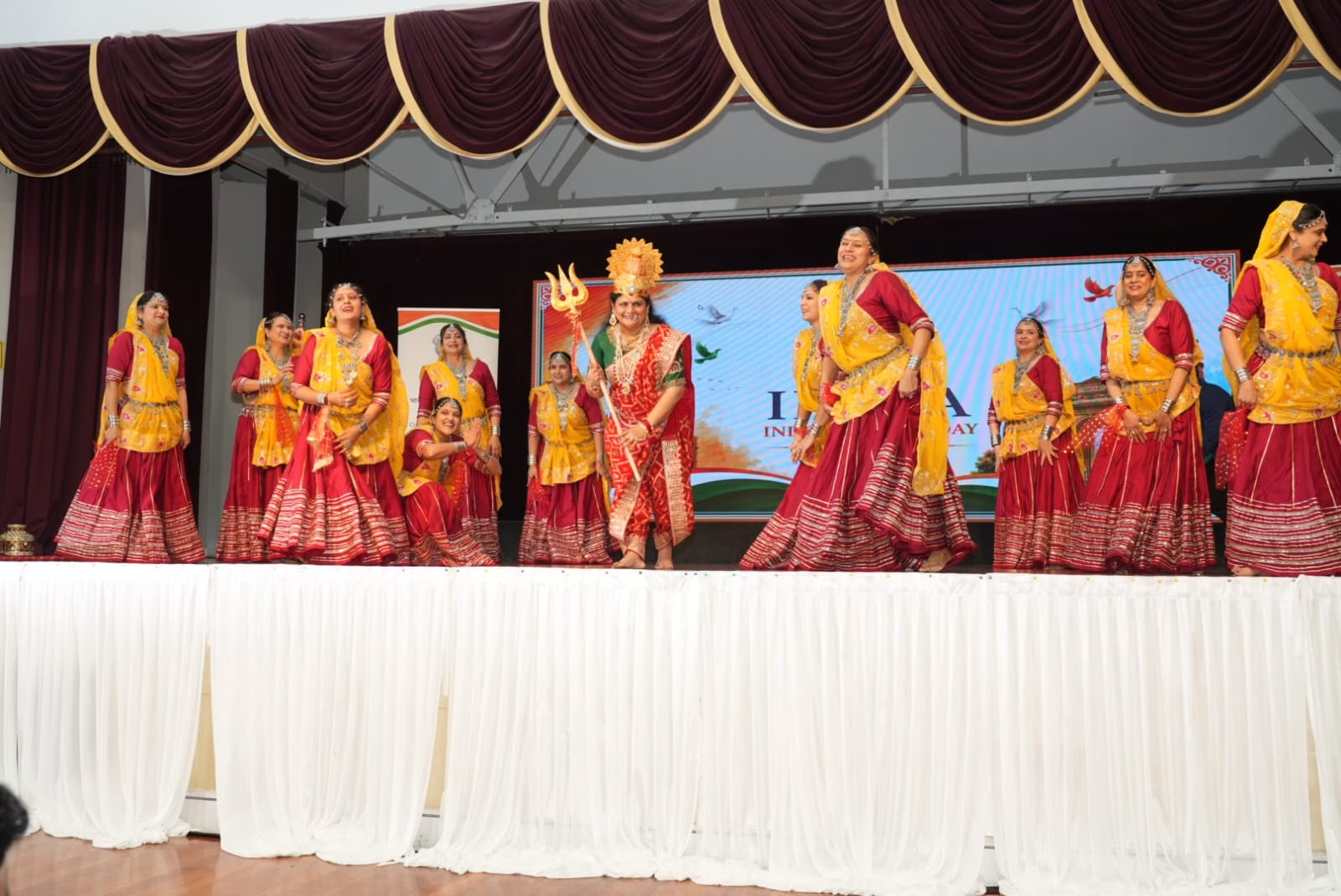
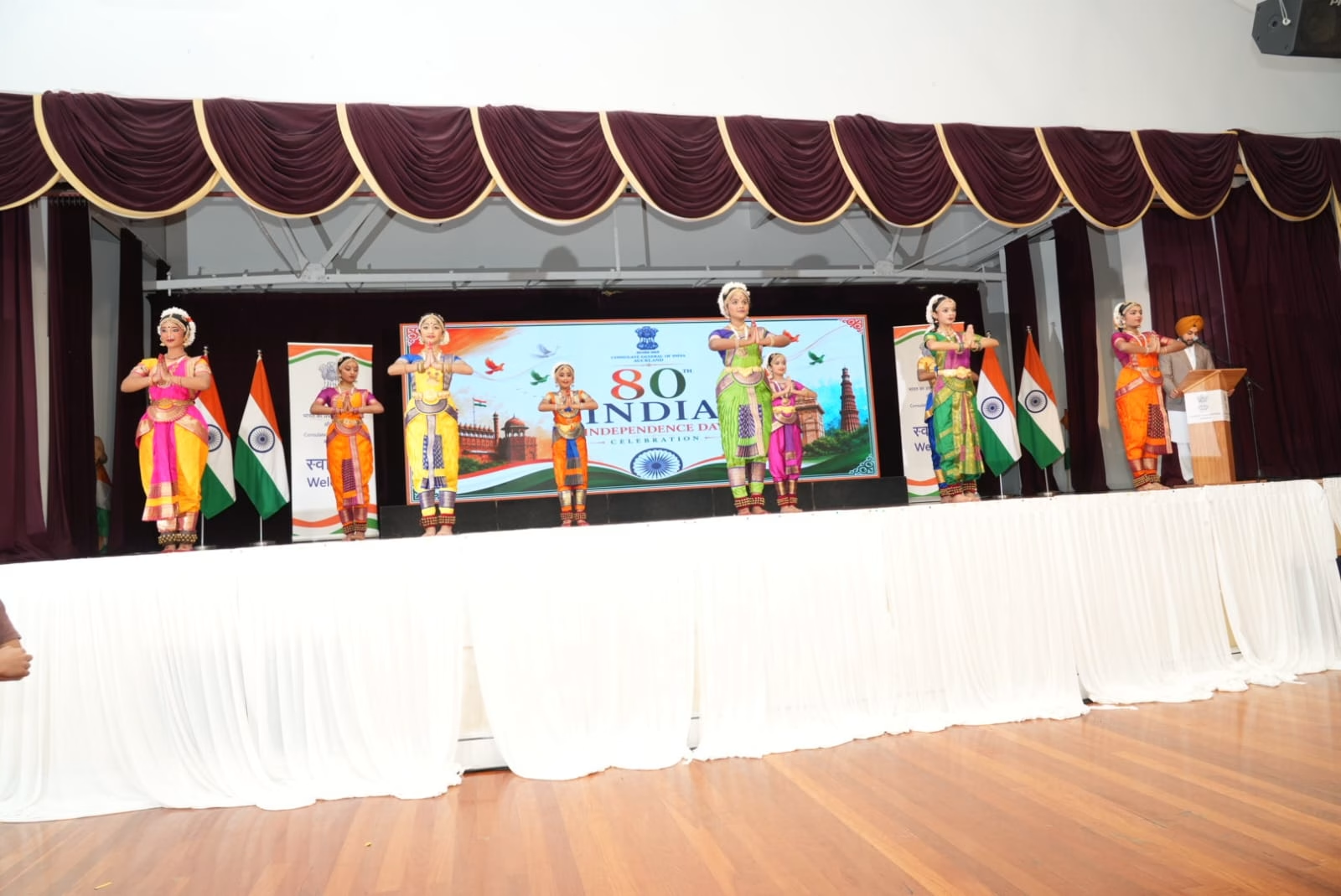
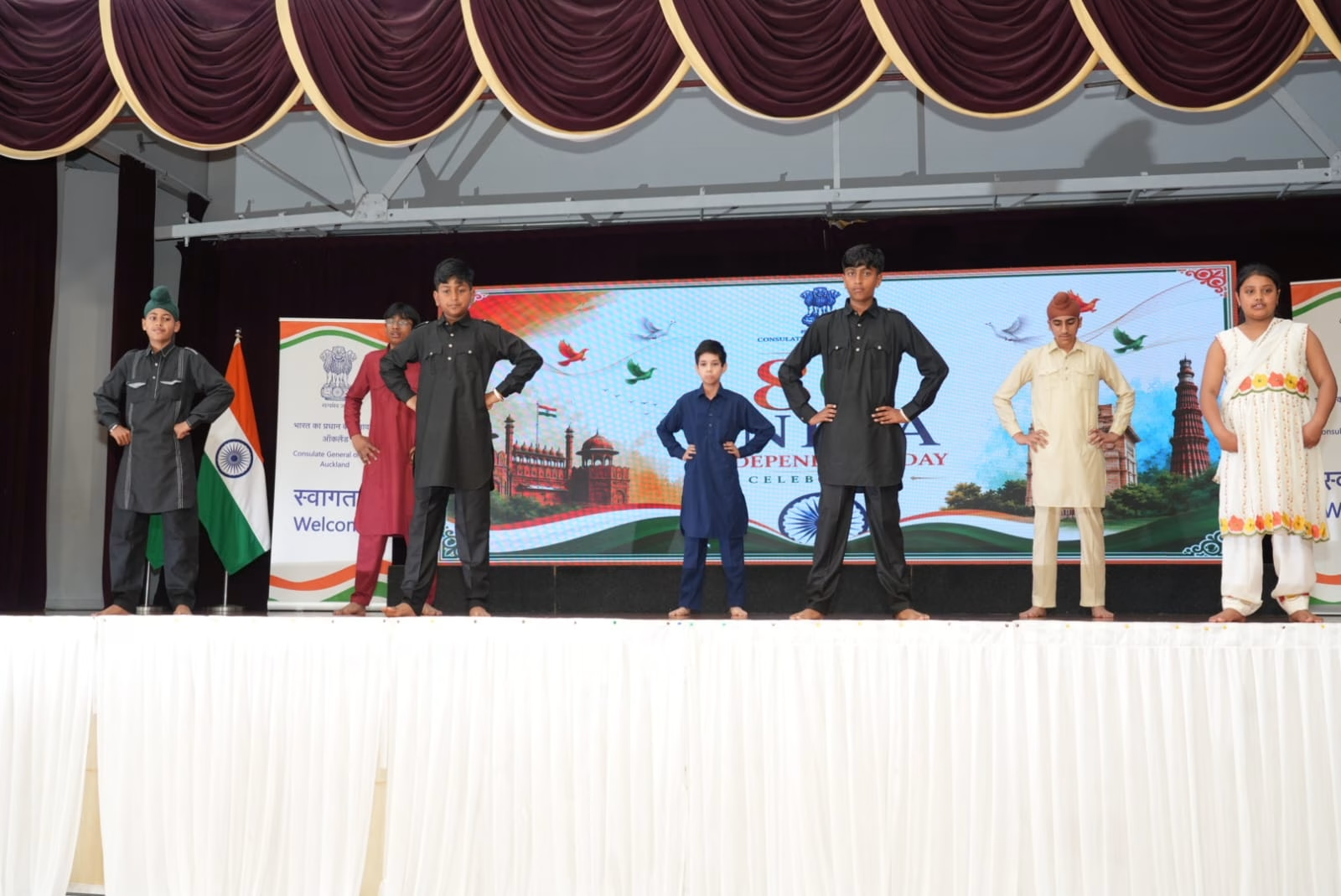
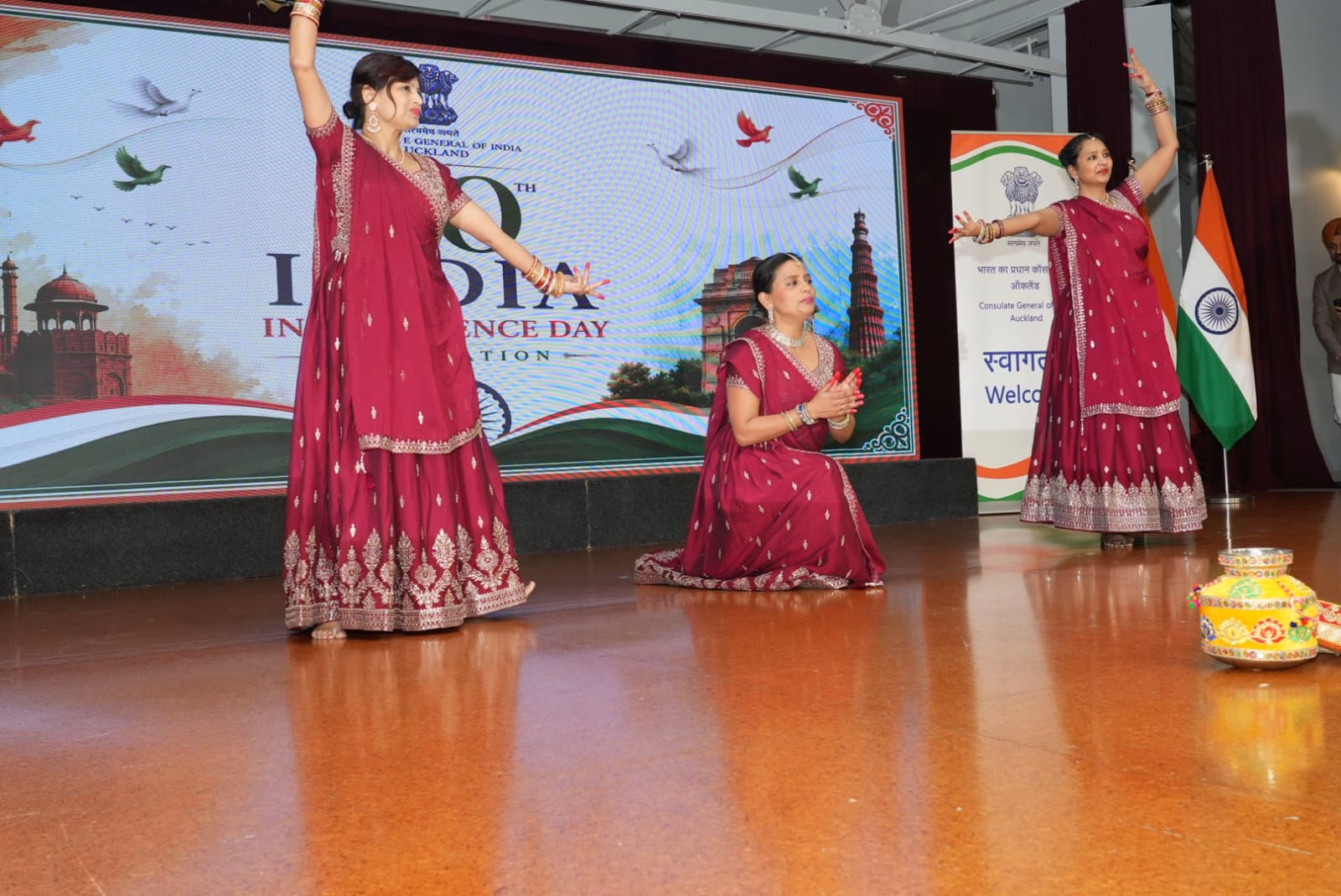
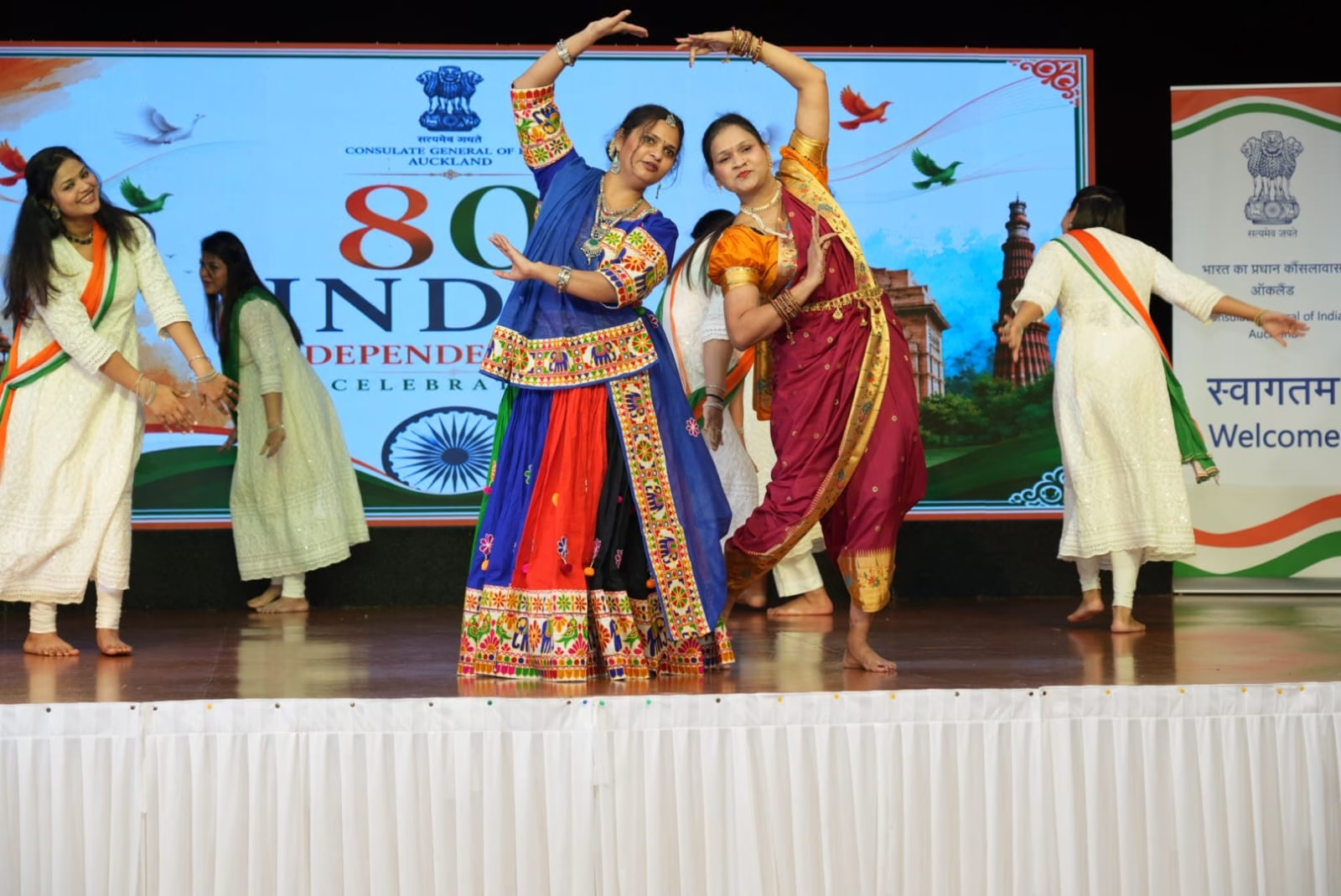
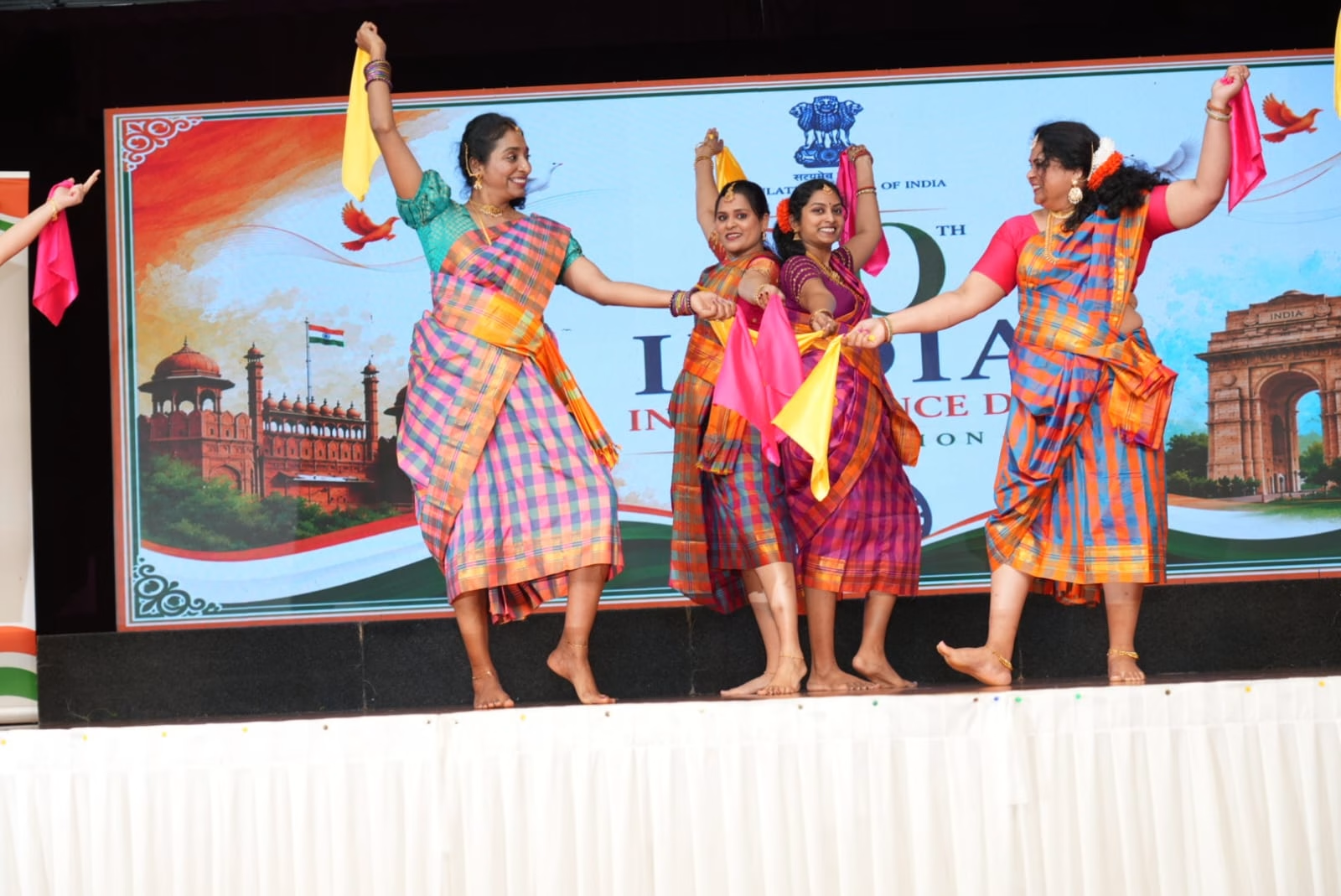
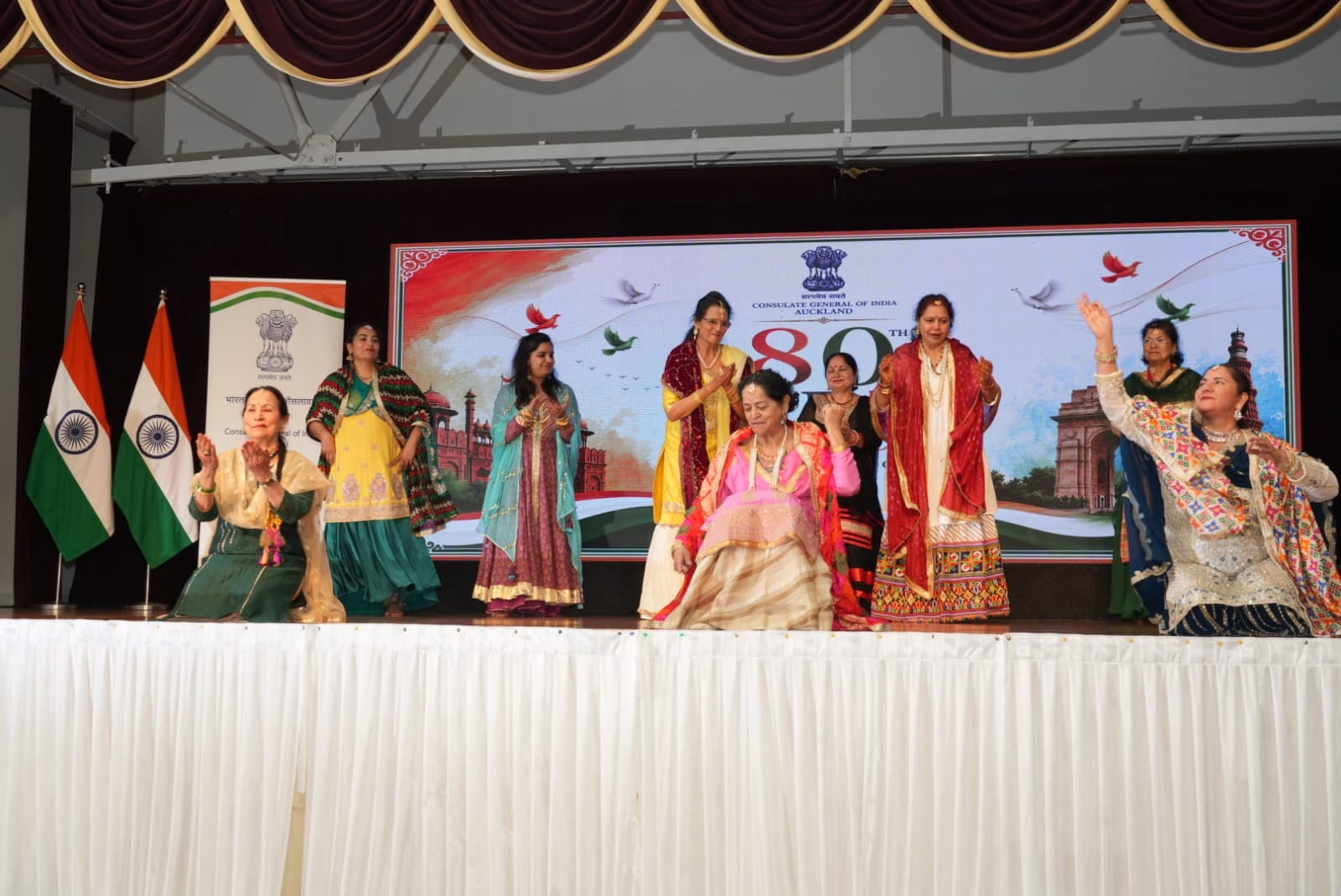
The cultural performances that followed were not simply entertainment inserted between speeches.
Dance, music and traditional presentations from different communities demonstrated something India often struggles to explain in a single sentence: there is no single way to look Indian.
India’s diversity is enormous, encompassing languages, regions, religions, cuisines, clothing, artistic traditions and histories.
A diaspora celebration compresses some of that enormous complexity into a few hours.
In Auckland, the result was unmistakably Indian but equally unmistakably New Zealand.
That combination matters.
Successful multiculturalism does not require people to erase where they came from. Nor does maintaining cultural identity require living separately from the society one has chosen as home.
The healthiest version allows both identities to exist comfortably in the same person.
Saturday offered plenty of examples.
Independence carries a different meaning overseas
There is something distinctive about watching an Indian flag being raised thousands of kilometres from India.
For those who migrated later in life, it can bring back memories of school assemblies, neighbourhood flag ceremonies, patriotic songs, family gatherings and 15 August mornings from another time and place.
For the second generation, the experience can be different.
India may be part of their heritage, but New Zealand is the country in which they are growing up.
That does not make the connection weaker. It makes it different.
Events such as the Auckland ceremony give younger Indian New Zealanders a way to understand that history without requiring them to choose between identities.
They can be proud of India’s journey and equally invested in New Zealand’s future.
There is no contradiction in that.
The significance of the 80th Independence Day
India became independent from British rule on 15 August 1947.
The 2026 observance is officially described by the Government of India as the country’s 80th Independence Day, while marking 79 completed years since independence.
Numbers, however, tell only a small part of the story.
In 1947, India’s immediate challenges included the trauma of Partition, mass displacement, poverty, low literacy, weak infrastructure and the enormous task of constructing democratic institutions across a vast and extraordinarily diverse population.
Nearly eight decades later, India is a major global economy and an increasingly influential diplomatic power.
Its next chapter will bring a different set of questions.
Can growth remain strong while becoming more inclusive?
Can technology create opportunity rather than deepen inequality?
Can one of the world’s most complicated democracies preserve social cohesion amid rapid change?
Can India’s international influence be matched by improvements in everyday life?
Independence Day should leave room for those questions too.
Patriotism is strongest when it has enough confidence to celebrate achievement while still expecting better.
Auckland offered a glimpse of where this relationship is heading
By the time people began leaving the Mahatma Gandhi Centre, hundreds of photographs had been taken.
There will be pictures of the tricolour, politicians, diplomats, performers, veterans, children and families.
Webfit News also captured original photographs and video from inside the celebration, including speeches and key ceremonial moments.
Those images document something larger than a single Saturday gathering.
They capture India and New Zealand at an interesting point in their relationship.
A free trade agreement is now signed. Political engagement has intensified. Senior leaders are visiting each other’s countries. Business interest is growing. The Indian diaspora is becoming more established and influential within New Zealand.
Against that backdrop, seeing the Prime Minister of New Zealand standing inside Auckland’s Mahatma Gandhi Centre while India’s tricolour flew above the gathering did not feel like a routine diplomatic photo opportunity.
It felt like evidence of how far the relationship has travelled.
And perhaps of where it is going next.
For the Indian community gathered in Auckland, however, the morning could still be reduced to something much simpler.
Thousands of kilometres from the country where the story began in 1947, families stood together as the familiar three colours rose once again.
Saffron.
White.
Green.
A flag from one home, flying proudly in another.
Jai Hind.
References
- Webfit News original reporting, photographs and video recorded at the Mahatma Gandhi Centre, Auckland, 15 August 2026.
- Consulate General of India, Auckland, official Independence Day 2026 information and diplomatic updates.
- President of India, Address to the Nation by President Droupadi Murmu on the Eve of the 80th Independence Day, 14 August 2026.
- New Zealand Government, announcement of the India-New Zealand Free Trade Agreement, 13 April 2026.
- World Bank, India Country Profile and development overview.
- Webfit News’ editorial approach follows its commitment to accuracy, community relevance and responsible independent journalism as a New Zealand Media Council member.