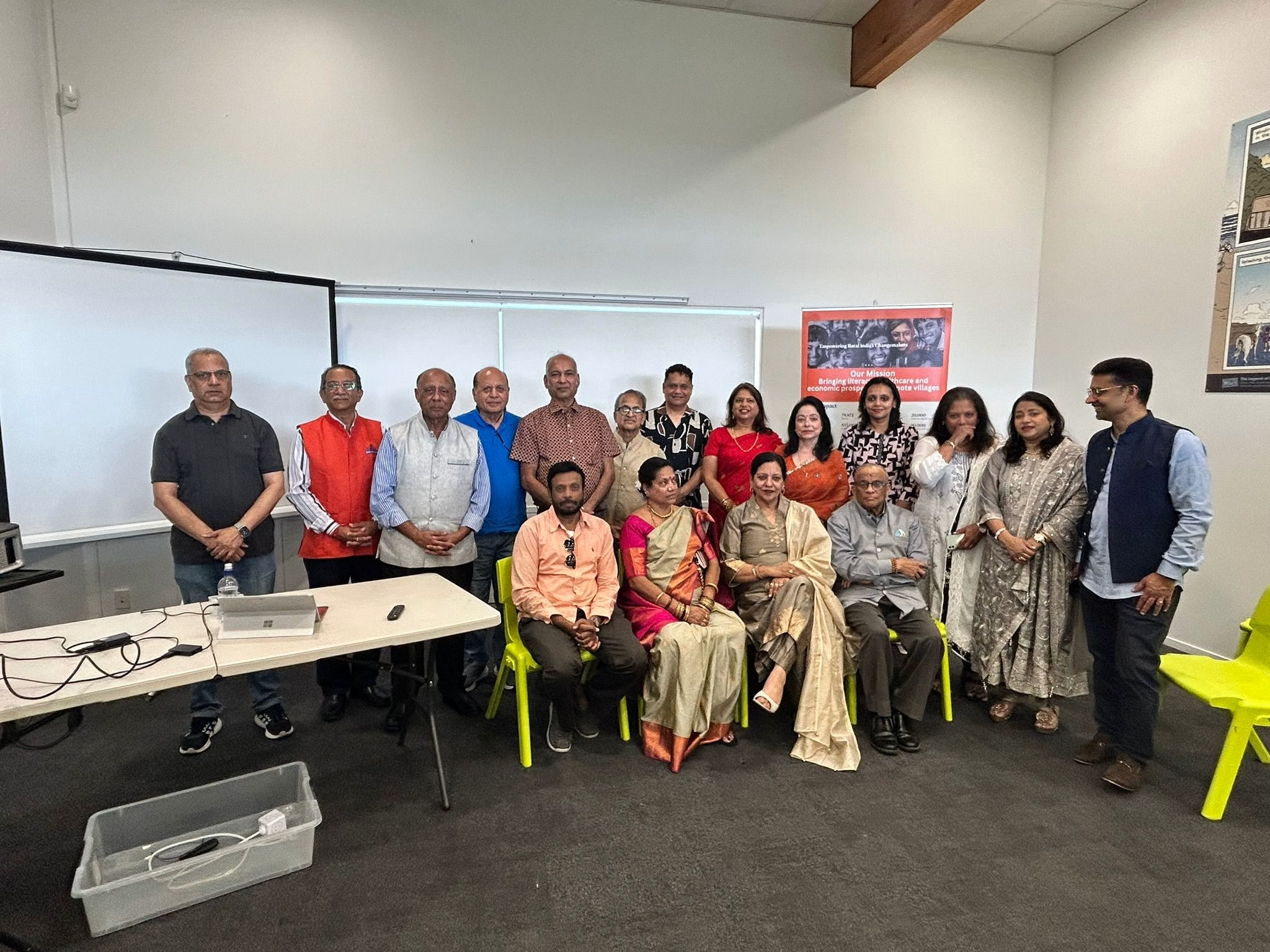
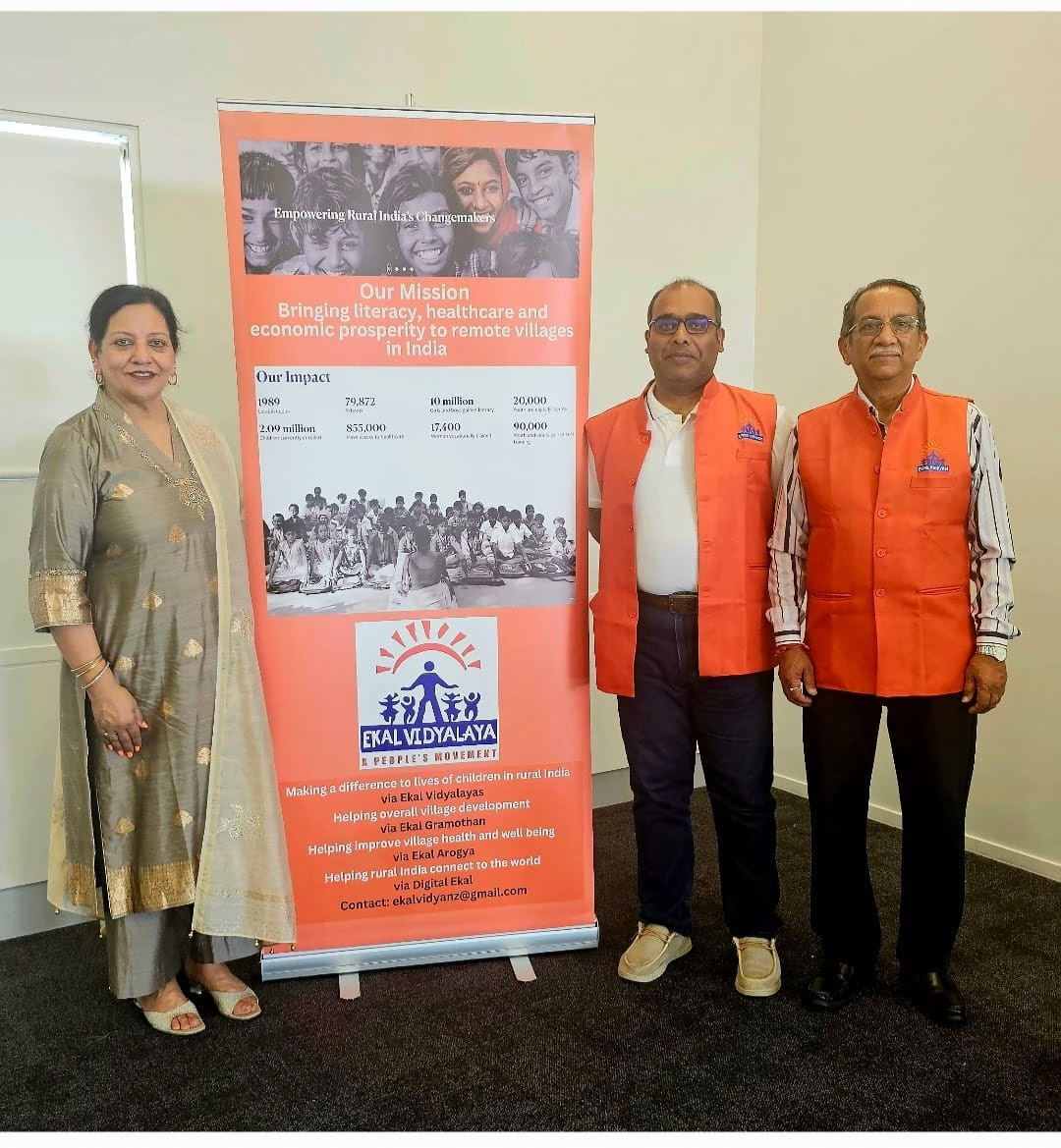
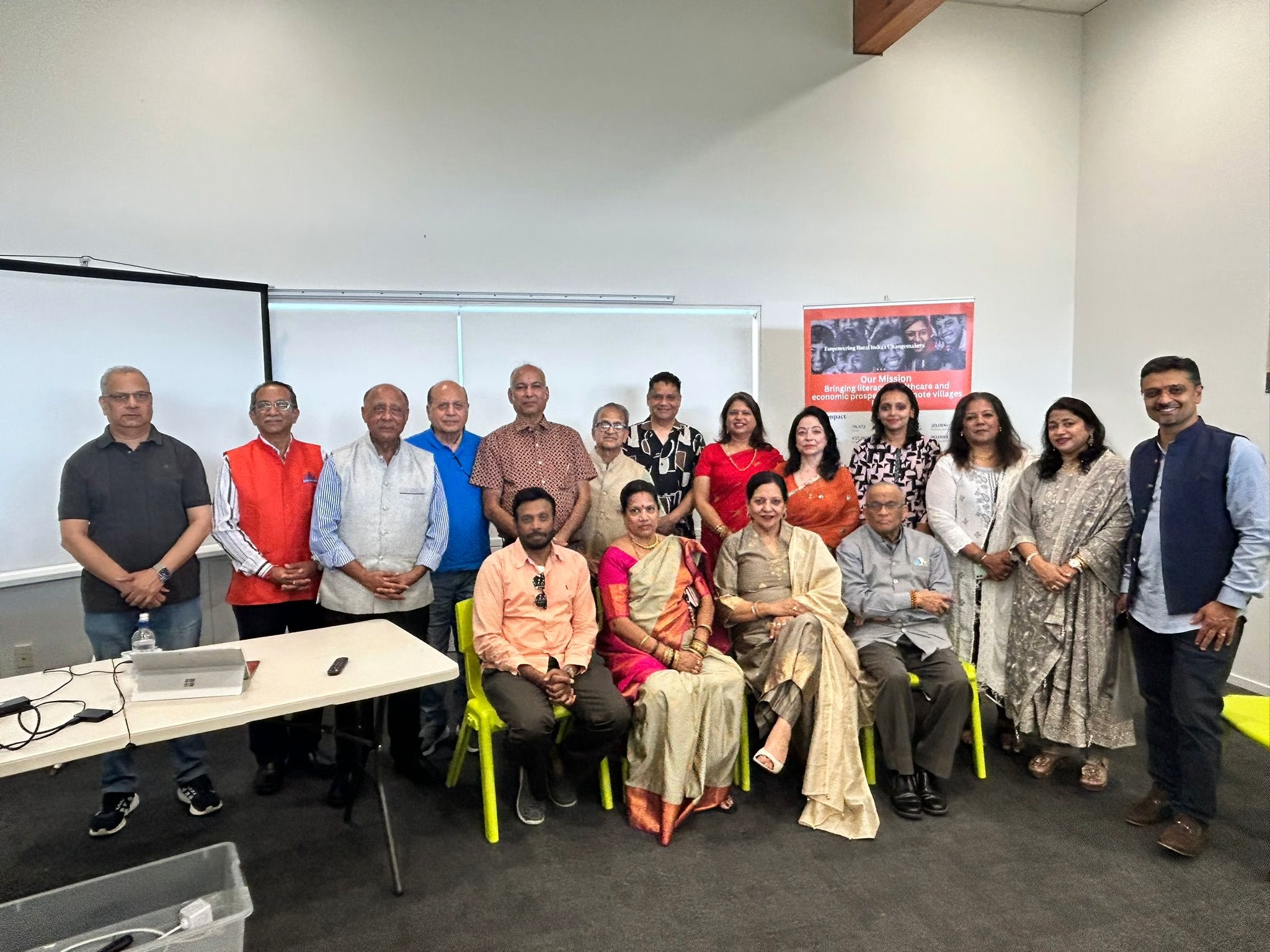

On a calm Sunday afternoon in Auckland, a gathering at the New Lynn Community Centre turned into something far bigger than a routine community event. It became a reminder of how far impact can travel when a local community connects with a global cause.
The Auckland chapter of the Ekal Vidyalaya Foundation of New Zealand hosted an awareness event on 22 March 2026, focusing on the Ekal Abhiyan. This initiative works in some of the most remote and underserved regions of Bharat, where access to formal education is still limited.
The event was not just about information. It was about responsibility, identity, and a shared connection to grassroots change.
Background: What is Ekal Abhiyan?
Ekal Abhiyan is one of the largest grassroots education movements in the world. Its model is simple but powerful.
- One teacher
- One village
- One school
Currently, the initiative operates around 93,000 schools across rural and border regions. Each school typically supports 25 to 40 children, focusing on basic literacy, values, and life skills.
The cost is surprisingly low. Around NZ$600 per year can sustain one school. That number matters because it removes the excuse that impact is out of reach.
Event Highlights from Auckland
The Auckland awareness event followed a structured yet warm format, blending cultural grounding with practical insight.
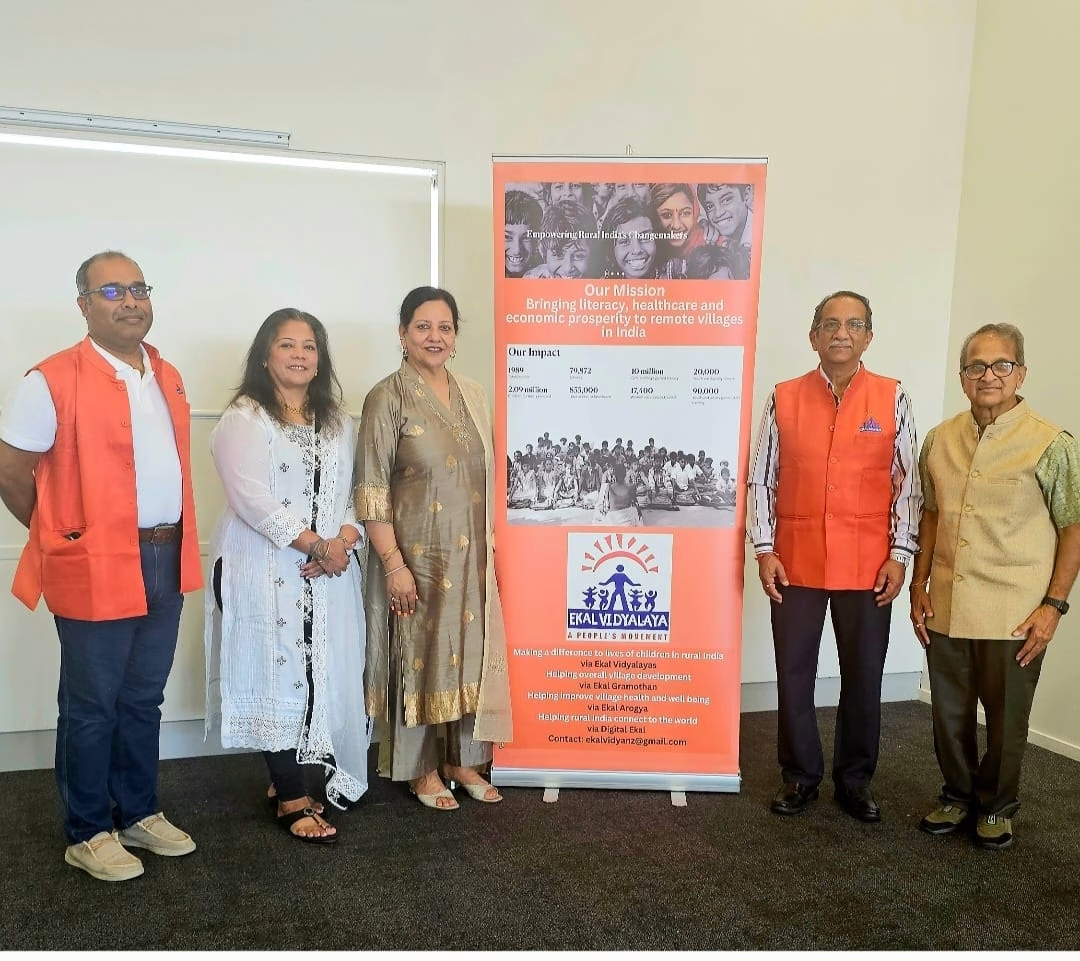
The programme began with a prayer, setting a reflective tone. This was followed by a detailed address from Auckland chapter President Smt Shivani Arora, who explained the mission, scale, and urgency of Ekal’s work.
She also introduced the local leadership team:
- Vice-President: Shri Sunil Das
- Organising Secretary: Shri Ashish Goyal
- General Secretary: Shri Niranjan Kirtikar
This matters more than it sounds. Community initiatives often fail due to a lack of structure. Here, the team made it clear that this is not a loose volunteer effort. It is organised, accountable, and growing.
Key Presentations and Insights
One of the most impactful segments came from Shri Ashish Goyal, who presented a detailed overview of Ekal Abhiyan’s reach and execution model.
Instead of generic slides, the presentation focused on real outcomes:
- How schools operate in remote regions
- The role of local teachers
- The scalability of the one-teacher model
Attendees were not just told what Ekal does. They were shown how it works.
Another powerful moment came from Trustee Shri Shrikant Bhave, who shared first-hand insights from visiting an operational Ekal school in India.
That changed the room.
There is a big difference between hearing statistics and hearing lived experience. His account grounded the initiative in reality, not theory.
Community Engagement and Response
The event drew a mix of community leaders, media representatives, and members of the Indian diaspora in Auckland.
Names like Shri Venkat Raman and Shri Jugal Parashar were among those present, reflecting the level of engagement within the community.
The response was clear:
- People were interested
- People were engaged
- But more importantly, people were thinking
Attendees were encouraged to:
- Spread awareness within their networks
- Visit Ekal schools during trips to Bharat
- Consider sponsoring schools
That last point is where most events fail. They inspire, but they do not convert.
This one did both.
The event concluded with networking and refreshments, supported by community sponsors including Sanskar Events, Better Future Trust, and Enkay Entertainments. Among these, Sanskar Events played a key role in supporting the initiative, with Shri Sunil Das, who also serves as Vice-President of the Auckland Chapter, recognised as a driving force behind the event’s coordination and community outreach efforts. The collaboration between organisers and sponsors reflected a strong alignment within the community to support meaningful social initiatives such as the Ekal Abhiyan.
A Year of Growth for the Auckland Chapter
The March 2026 event did not happen in isolation. It is part of a steady build over the past year.
Key milestones include:
- February 2025: Inaugural Auckland event with strong diplomatic and community presence
- Leadership appointments, including President Shivani Arora and the core team
- June 2025: International Yoga Day collaboration with Gopio and the Consulate General of India
- Cultural outreach through events like a Bollywood musical programme
- Expansion of leadership with the appointment of Vice-President Sunil Das
This pattern shows something important. This is not a one-off initiative trying to gain attention. It is a structured effort building credibility step by step.
Sponsorship and Community Support
No community event runs on goodwill alone. Execution requires backing.
The event concluded with networking and refreshments, supported by:
- Shivani Restaurants
- Better Future Trust
- Enkay Entertainments
This is where things get interesting. When local businesses support such initiatives, it signals alignment between commerce and community impact.
If that alignment strengthens, the scale of these initiatives can grow much faster.
Why This Matters Beyond One Event
Here is the part most people miss.
This is not just about education in rural India.
It is about:
- Diaspora responsibility
- Structured giving
- Scalable impact
Let’s be blunt.
Many people in overseas communities talk about “giving back.” Very few engage with a model that is:
- Measurable
- Affordable
- Proven
Ekal removes all three excuses.
If someone can spend $50 a month on subscriptions, they can sponsor education for an entire village.
So the real question is not whether the model works. It clearly does.
The question is whether people are willing to act.
Webfit News Perspective
This is where things get uncomfortable, but necessary.
Events like this are easy to attend. Harder to follow through.
The Auckland community clearly has the capacity, awareness, and network to support initiatives like Ekal at scale. What is missing is a consistent commitment beyond events.
If even a small percentage of attendees convert into long-term contributors, the impact could be massive.
If not, this becomes another well-organised event that people forget by next week.
The opportunity is real. The outcome depends on action.
How to Support
For those interested in contributing:
- Sponsor a school: NZ$600 per year
- Monthly contribution: NZ$50
- Visit schools during travel to Bharat (arranged via the Auckland chapter)
More details can be found on the official platform:
www.ekal.org.in
Conclusion
The Ekal Vidyalaya Foundation NZ event in Auckland was not just informative. It was a clear demonstration of how local communities can connect to global impact in a structured way.
The model is simple. The numbers are realistic. The outcomes are proven.
Now it comes down to one thing.
Whether people choose to move from awareness to action.
References
- Ekal Vidyalaya Foundation official website
- Auckland Chapter event briefing and internal summary
- Webfit News editorial and structuring guidelines