AUCKLAND, 24 July 2026
Auckland Council has purchased 100 hectares of land near Karaka for a future cemetery intended to serve South Auckland communities for several decades.
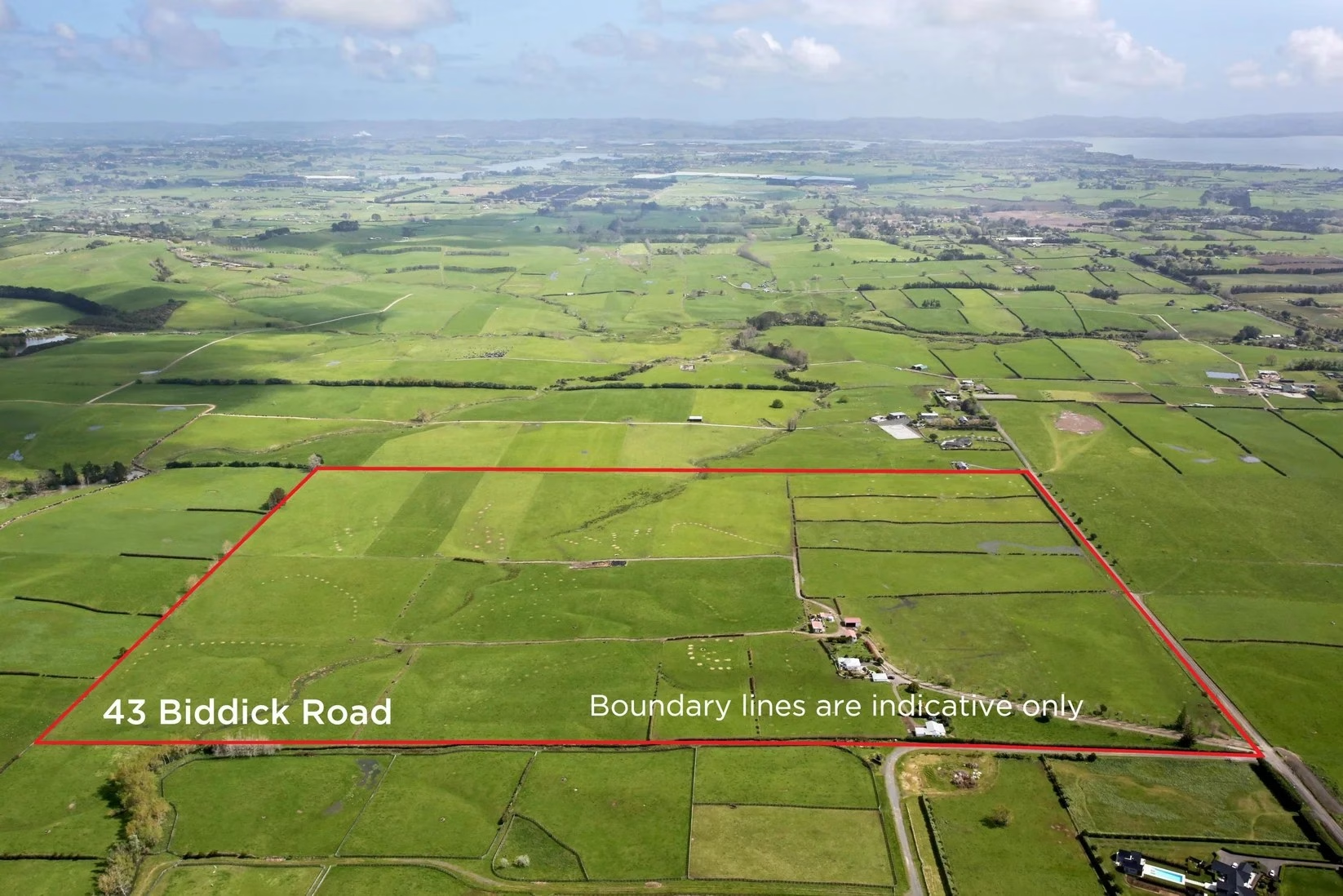
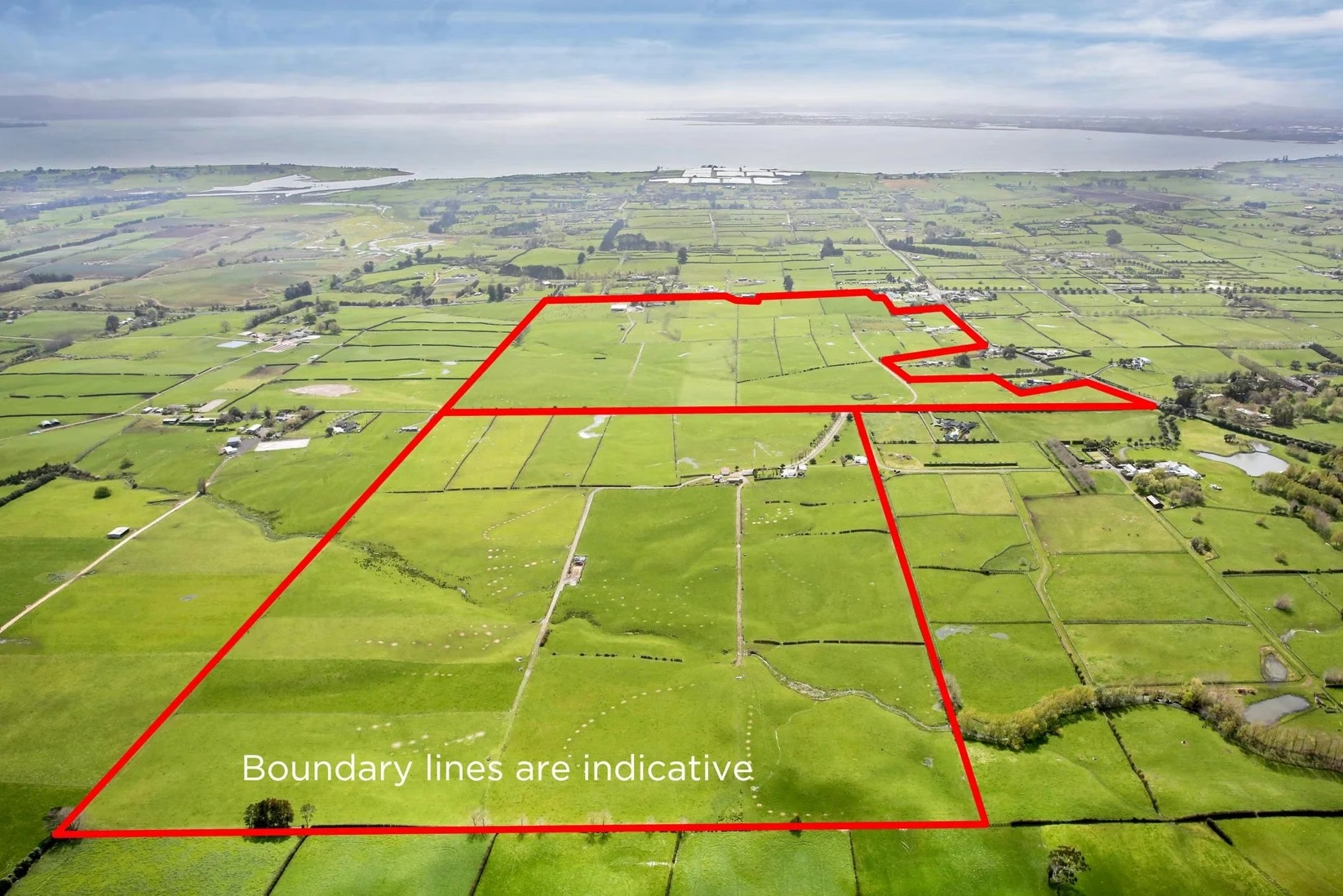
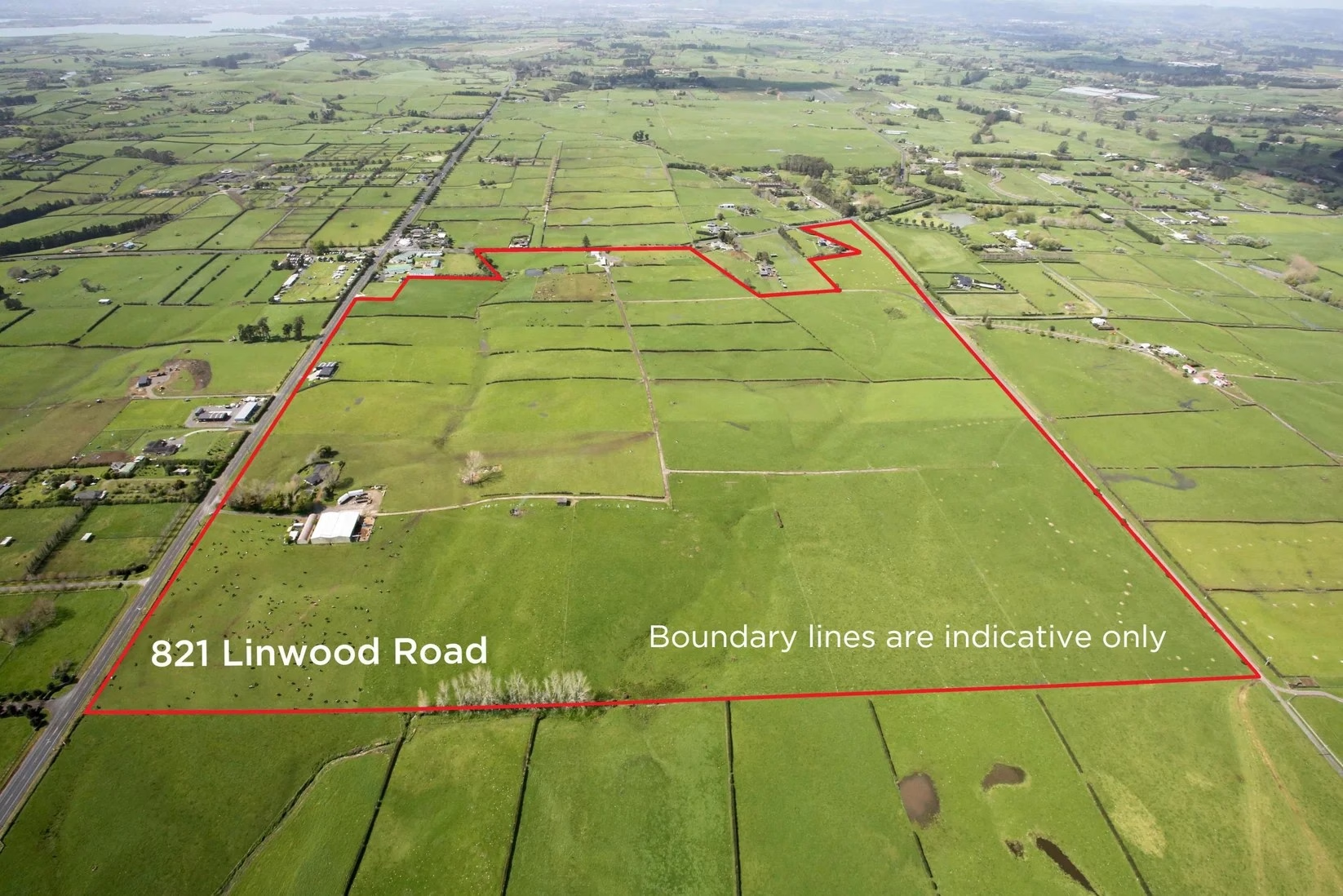
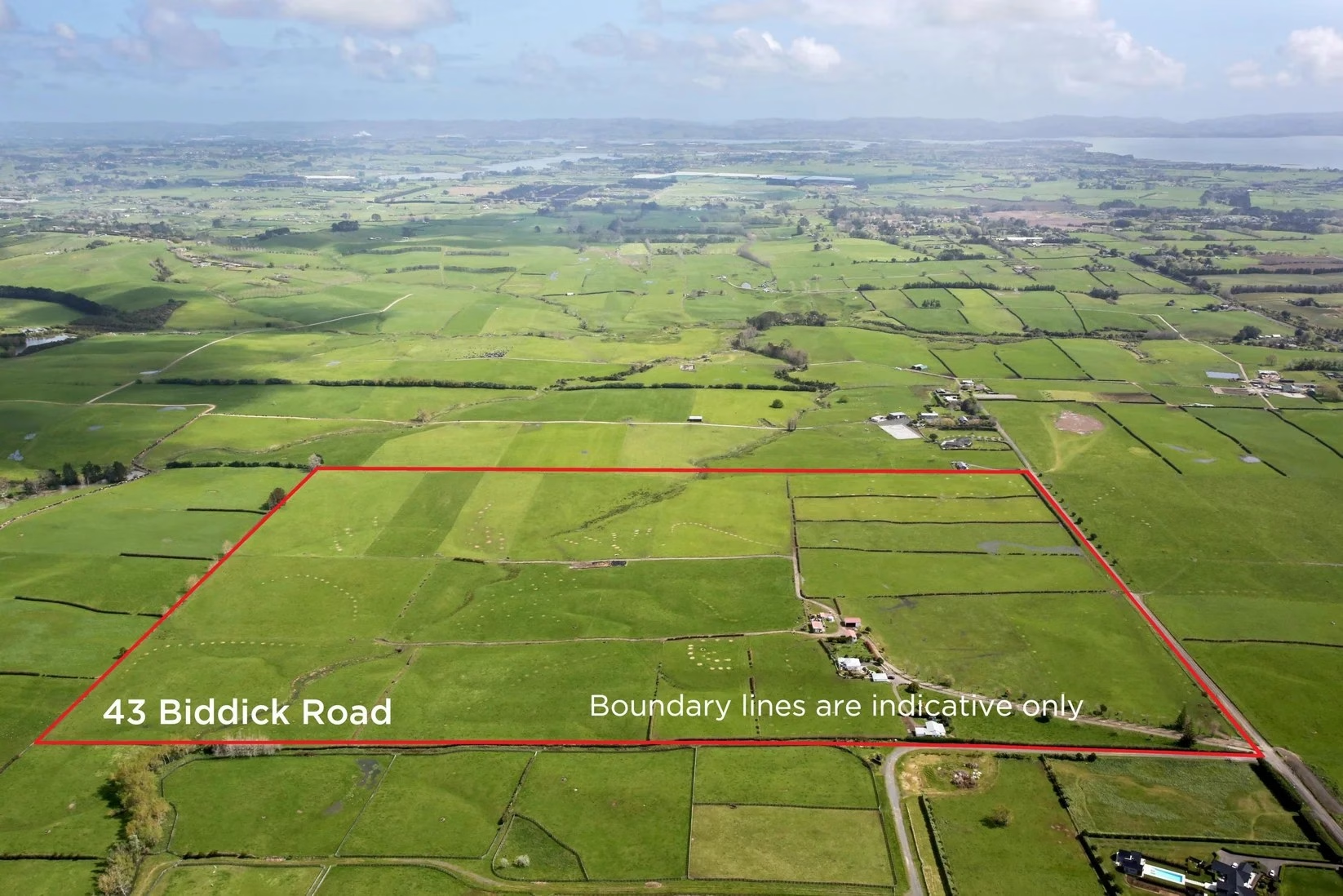
The site includes two neighbouring properties on Linwood Road and Biddick Road at Te Hihi. The council paid $16 million for the land, with settlement scheduled for October 2026.
The purchase follows a long search for suitable cemetery land as existing South Auckland cemeteries move closer to capacity.
Council officials say the site was selected because of its location, size and physical characteristics, although the acquisition has also drawn concerns from mana whenua and the Franklin Local Board.
Growing pressure on cemetery capacity
South Auckland is one of the fastest-growing parts of the region and already accounts for a large share of Auckland’s annual burials.
Auckland Council carries out around 1,500 burials, 1,000 ash burials and 2,400 cremations each year. About two-thirds of all annual burials take place in the south.
That pressure has made the search for additional cemetery land increasingly urgent.
Franklin Ward Councillor Andy Baker said the purchase was necessary to meet long-term demand.
“South Auckland requires more cemetery capacity to meet the needs of this fast-growing part of the region,” Baker said.
He described the search for an appropriate property as difficult and lengthy.
“The land meets the criteria for a cemetery and this is a sensible and timely acquisition by the council, with appropriate cemetery land in Auckland being hard to find,” he said.
Cultural objections remain
The council engaged with Ngāti Tamaoho, including Whātāpaka Marae, Ngāti Te Ata and Te Ākitai Waiohua during the process.
Each group provided cultural input, but Ngāti Tamaoho and Whātāpaka Marae opposed the purchase of the Te Hihi land for use as a cemetery.
The council said those objections were based on cultural concerns.
Auckland Council has acknowledged the opposition and says it will continue working with mana whenua during the planning and development process.
“While differing views remain, the council is committed to engaging openly, respectfully and constructively to address concerns where possible,” the council said.
The council also said it values its relationship with mana whenua and intends to maintain engagement throughout the consenting, design and establishment phases.
The disagreement is likely to remain a major issue as planning progresses.
Franklin Local Board did not support the purchase
The Franklin Local Board was consulted during the due diligence process but did not support the acquisition.
While recognising the need for more cemetery capacity, the board raised concerns about:
- Land use
- Rural character and amenity
- Traffic volumes
- Road safety
- The site’s proximity to Te Hihi School
- Whether alternative sites had been adequately considered
The council said these matters would continue to be assessed through future planning, design and statutory approval processes.
That means the land purchase does not give the council an automatic green light to begin construction.
The project will still need to pass through consenting, infrastructure planning, traffic assessment and community engagement stages.
Cemetery development will take years
Planning for the future use of the site is expected to begin later this year.
Taryn Crewe, Auckland Council’s General Manager of Parks and Community Facilities, said securing the land was only the first stage.
“The development of a cemetery site of this scale will be a multi-year process and it is likely to be some time before it is fully operational,” Crewe said.
She said the cemetery would be developed in stages over several decades, similar to the council’s three existing hub cemeteries.
Those hub sites are Manukau Memorial Gardens, North Shore Memorial Park and Waikumete Cemetery.
Crewe said the scale of the Te Hihi property would allow the council to create a significant long-term place of remembrance.
“What’s really important is that we’ve secured a large piece of land that gives lots of scope for creating a very special place of remembrance for many, many decades to come,” she said.
The final design could include burial areas, memorial spaces, roads, landscaping, service facilities and potentially other associated cemetery infrastructure.
No opening date has yet been announced.
Second cemetery land purchase within a year
The Te Hihi purchase is Auckland Council’s second cemetery land acquisition within the past year.
Earlier, the council secured land at Kumeū for a future cemetery in northwest Auckland.
That project is intended to provide additional capacity as Waikumete Cemetery approaches its limits.
Crewe said both purchases were part of a wider effort to prepare for future population growth and long-term burial demand.
“The land acquisition at Te Hihi is the first step in putting in place a new cemetery that will help meet long-term demand for the South Auckland community,” she said.
The fact that two major cemetery purchases have been required within a relatively short period highlights the scale of pressure on Auckland’s existing network.
Auckland operates 53 cemeteries
Auckland Council owns and operates 53 cemeteries covering around 300 hectares.
Of those, 30 remain operational.
The three major hub cemeteries handle around 80 per cent of all council-administered burials across the region.
They are also home to Auckland’s three council-operated crematoria.
The wider cemetery network is supported by a council team of around 40 staff, including customer service representatives, sextons and site managers.
Each year, council cemetery facilities also host approximately 800 chapel services and 450 lounge bookings.
The system therefore supports not only burials and cremations, but also a wide range of funeral and memorial services.
A necessary purchase, but not an uncontested one
The Te Hihi acquisition addresses a clear long-term need.
South Auckland requires more burial capacity, and suitable land is increasingly difficult to find.
However, the project will not move forward without scrutiny.
Mana whenua objections, local board opposition, road safety concerns and questions about the site’s effect on the surrounding rural area will all need to be addressed.
The council now has the land, but it does not yet have broad agreement.
The real test will be whether Auckland Council can design and deliver a cemetery that meets future demand while also responding credibly to cultural, environmental and community concerns.
For now, the purchase secures options for the future. The harder work begins with planning what happens next.