While most headlines focus on disaster and division, real change is happening around the world. Lives are being saved. Peace is being built. Nature is healing. These stories just don’t get top billing.
Here are five global wins that prove progress is still possible.
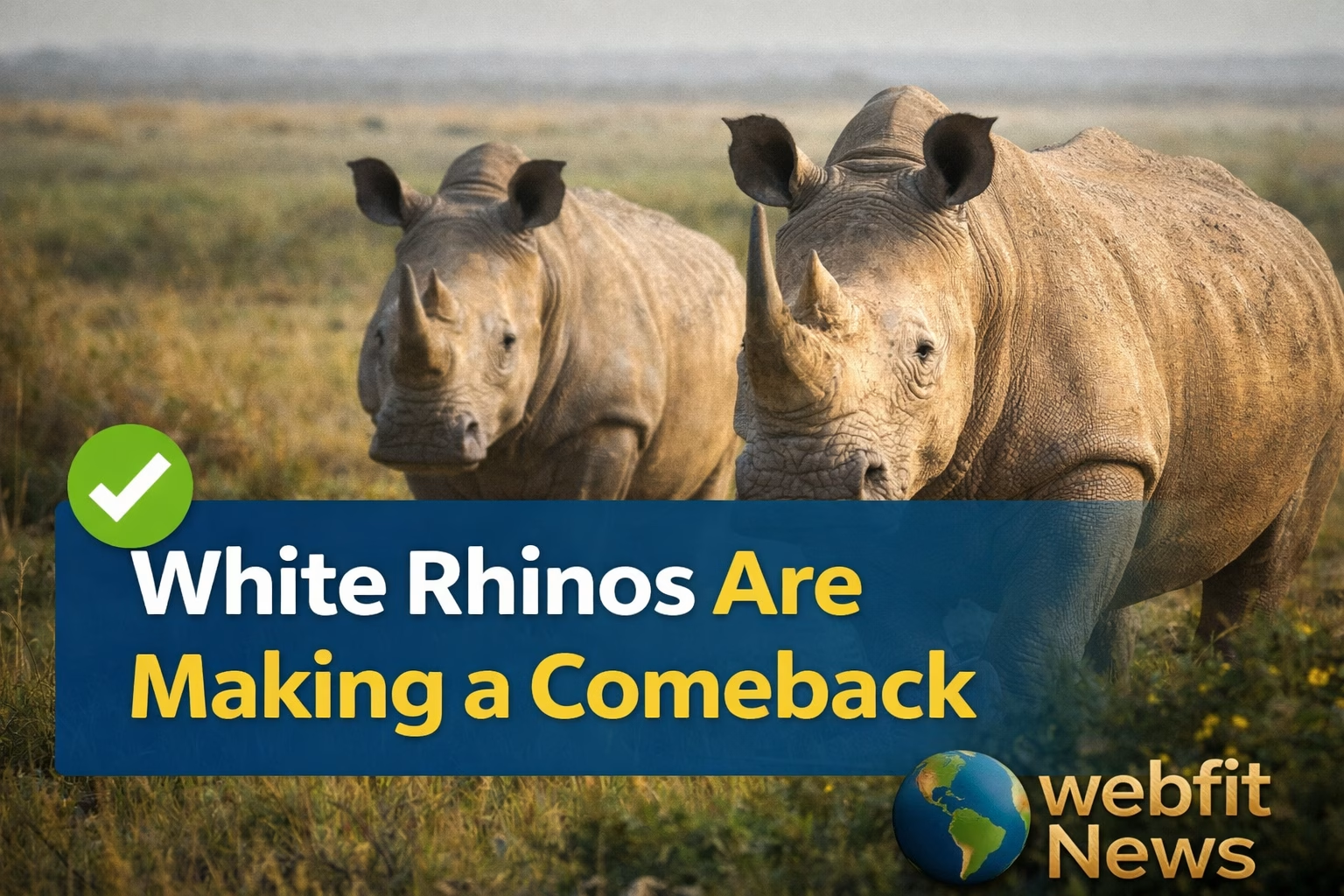
1. White Rhinos Are Making a Comeback
After years of decline, the southern white rhino population is rising again. According to the International Union for Conservation of Nature, numbers grew by 5.6 percent last year, reaching nearly 16,800. It is the first increase since 2012.
This progress comes from years of anti-poaching patrols, habitat protection, and coordinated conservation efforts across South Africa, Namibia, Zimbabwe, and Kenya. Regional wildlife authorities have stepped up aerial surveillance, installed smart camera networks, and imposed tighter restrictions on illegal trade in rhino horn.
“We can take a sigh of relief for the first time in a decade,” said Michael Knight of the IUCN.
Why it matters: White rhinos are a keystone species. Their comeback proves that serious conservation work pays off. But experts warn the gains are fragile, and more funding is needed to protect both rhinos and the rangers who defend them.
2. Geneva Fights Hunger with Street Fridges
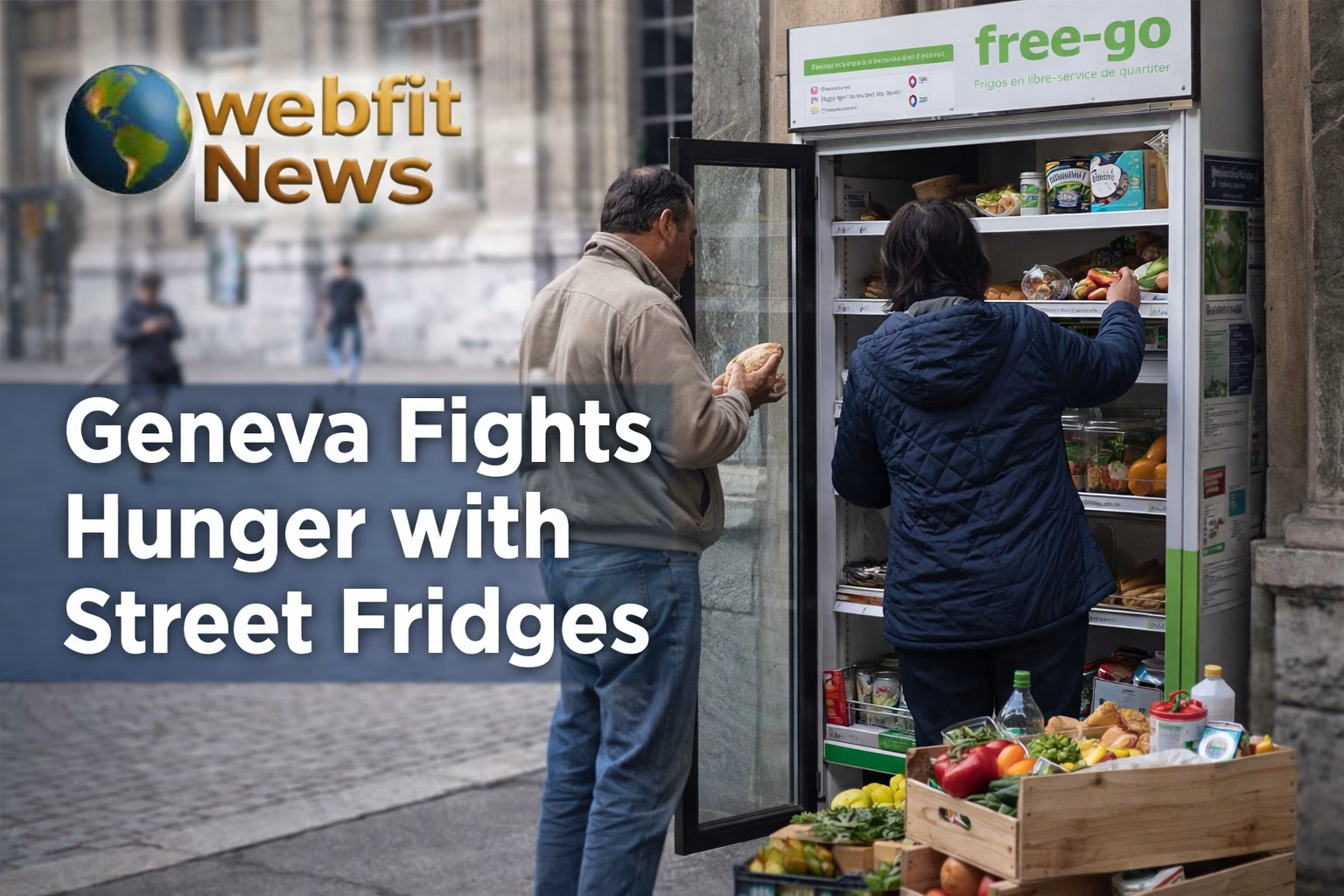
In Geneva, Switzerland, public food-sharing fridges are helping the community reduce waste and feed those in need.
China signals warmth to India while pushing back on the US. What is really going on? – WebfitNews
The nonprofit Free-Go manages four outdoor fridges where people leave surplus food, and others take what they need. More than 3 tonnes of food were saved in the first year alone. These fridges are restocked daily by supermarkets, bakeries, and home cooks. Each one is monitored to ensure food is safe, fresh, and free for all.
“We have too much,” one volunteer said. “This is a small way to help someone who doesn’t.”
Why it matters: Switzerland wastes nearly one-third of its food supply each year. At the same time, thousands struggle with food insecurity. Free-Go offers a replicable model that combines community care, zero bureaucracy, and circular economy values.
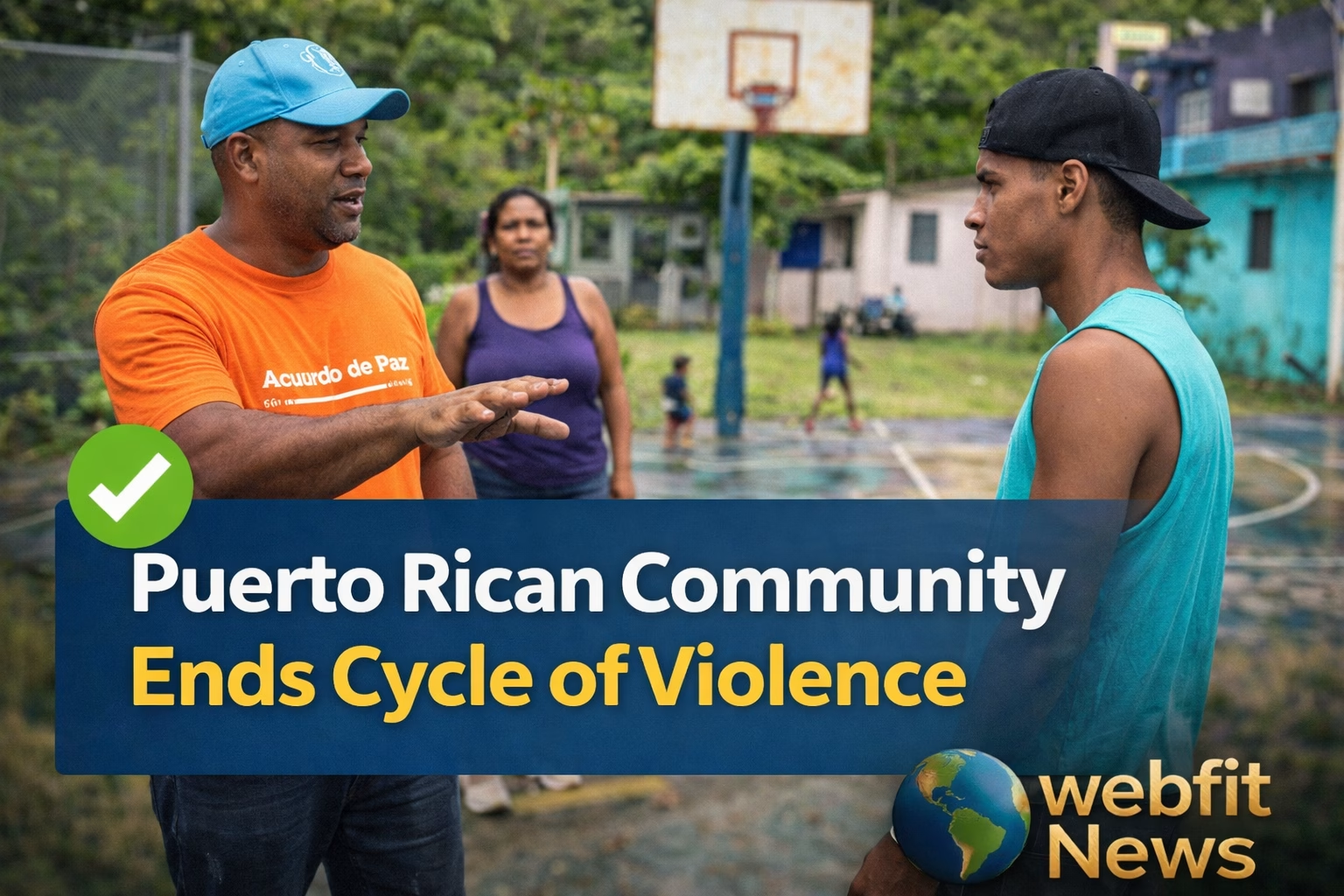
3. A Puerto Rican Community Ends Its Cycle of Violence
Tocones, a neighborhood in Loíza, Puerto Rico, has seen its murder rate drop by over 60 percent thanks to a grassroots peace program.
The initiative, called Acuerdo de Paz and led by Taller Salud, trains local “violence interrupters” to mediate conflicts and mentor youth. It also reclaims public spaces for community use. Former gang hotspots have become basketball courts, gardens, and festival spaces.
Loíza has long struggled with inequality, unemployment, and police distrust. This program does not rely on outside enforcement. It empowers residents to take ownership of their streets, protect their children, and build alternatives to violence.
“We can finally breathe fresh air,” said community leader Alicia Carrasquillo.
Why it matters: The success in Tocones is being studied as a potential model for other Caribbean and Latin American cities. It proves that investing in people, not prisons, can change the trajectory of entire communities.
4. Sickle Cell Gets a Game-Changing Treatment
In December 2023, the FDA approved two one-time gene therapies for sickle cell disease. One of them, Casgevy, uses CRISPR to repair the faulty gene that causes the condition.
Patients in trials went more than a year without any pain crises. The treatment edits the patient’s own stem cells and reintroduces them into the body. The other approved therapy, Lyfgenia, uses a different gene-insertion method but with similar results.
This is the first time a CRISPR-based treatment has been approved in the United States or Europe. More than 20,000 patients are expected to become eligible in the first rollout wave, with priority going to those with severe crisis histories.
“This is a turning point in treating inherited diseases,” the FDA stated.
Why it matters: Sickle cell affects millions globally, especially in African, Middle Eastern, and Indian populations. These therapies could mark the end of an era where people lived with chronic pain, stroke risk, and reduced life expectancy.

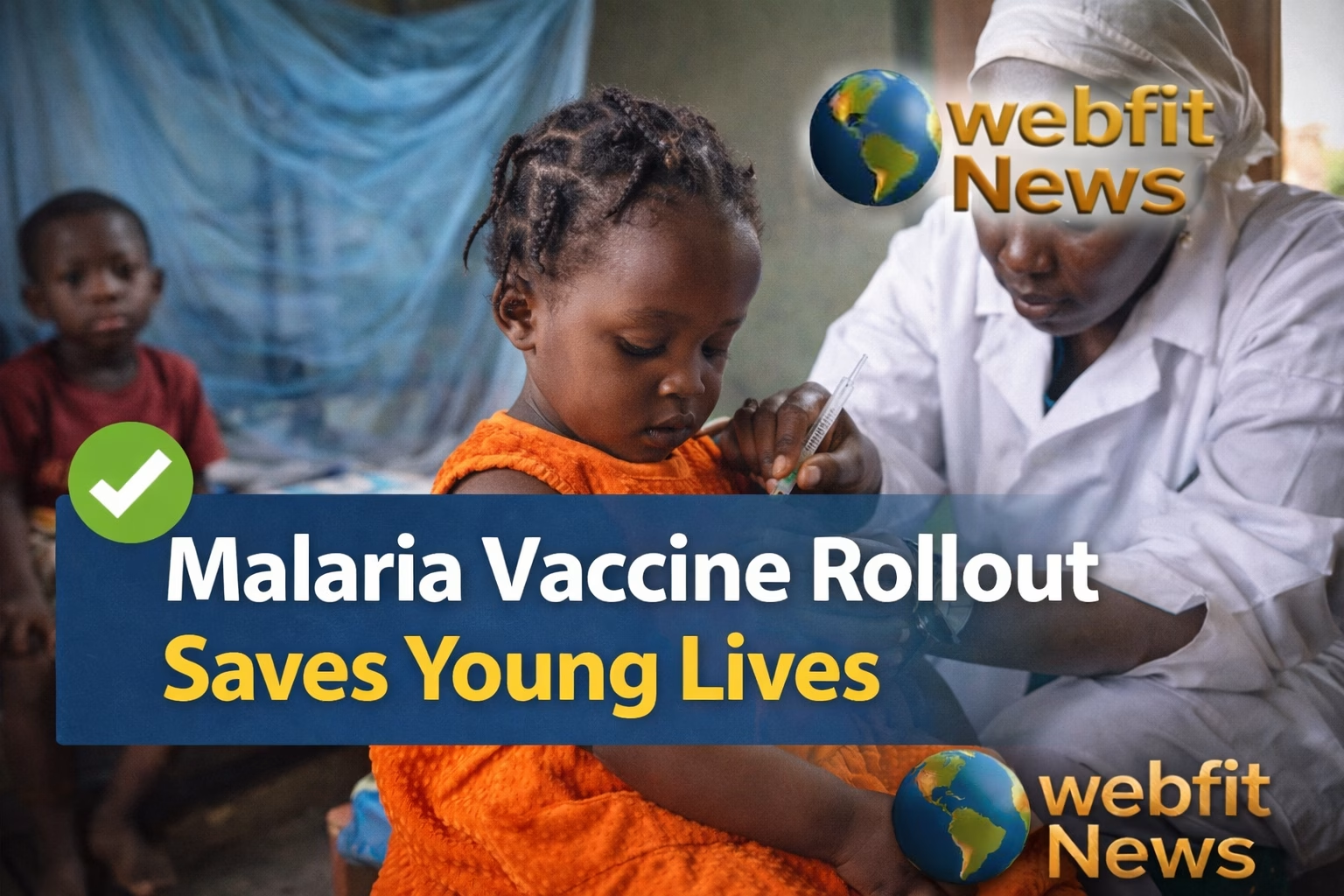
5. Malaria Vaccine Rollout Saves Young Lives
Seventeen African countries have now introduced a malaria vaccine into their child immunisation programs. Over 12 million doses have been given so far.
In countries that began early, child deaths from malaria dropped by 13 percent in the first year. The vaccine, known as RTS,S or Mosquirix, works alongside bed nets and mosquito control. A second vaccine, R21/Matrix-M, was also approved in 2023 and will increase supply.
According to the World Health Organization, these vaccines could prevent over 500,000 hospitalizations and save more than 40,000 lives annually once full coverage is reached.
Why it matters: Malaria has killed children for generations, especially under age five. This vaccine is not theoretical. It is already saving lives. The challenge now is funding and delivery across remote regions.
Wrap-Up
These stories are not soft news. They are proof. Proof that things can improve when people commit, organize, and keep pushing. Whether it is gene editing or a neighborhood fridge, change does not have to be flashy. It just has to work.
Progress does not always trend. But it counts. And it is happening more than we think.
The next time the feed gets heavy, remember this: not everything is broken.