By Geet G | Webfit News
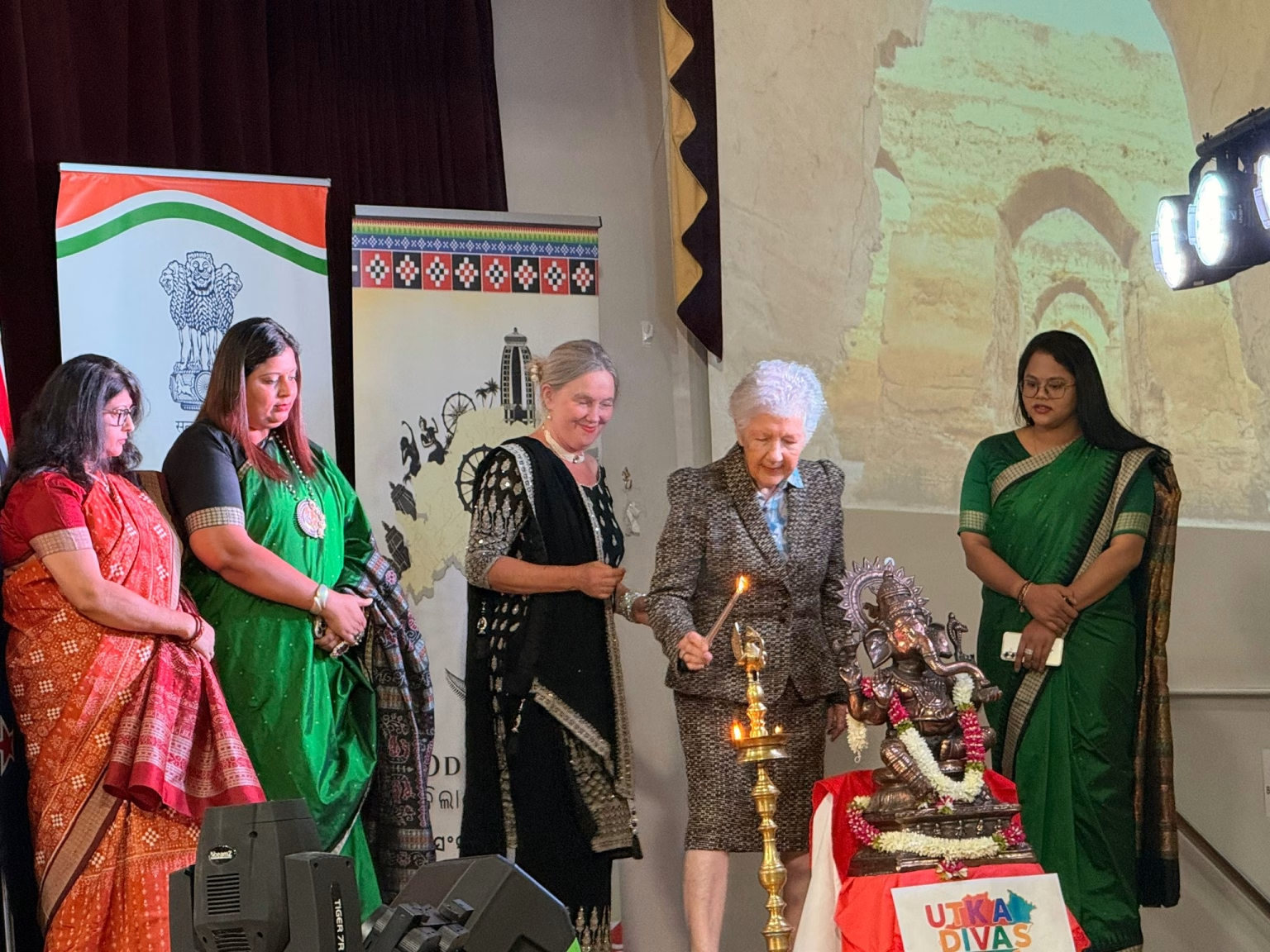
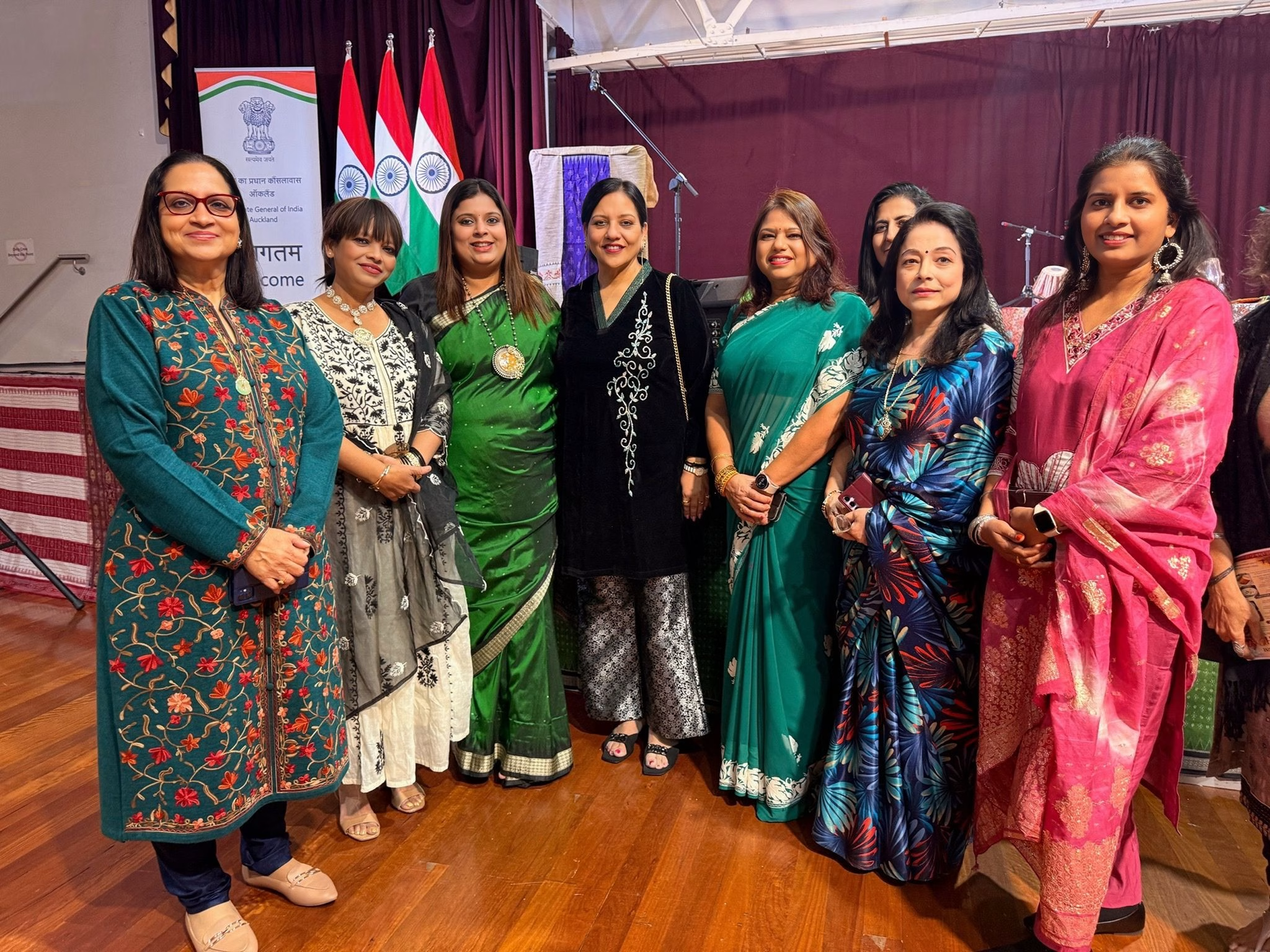
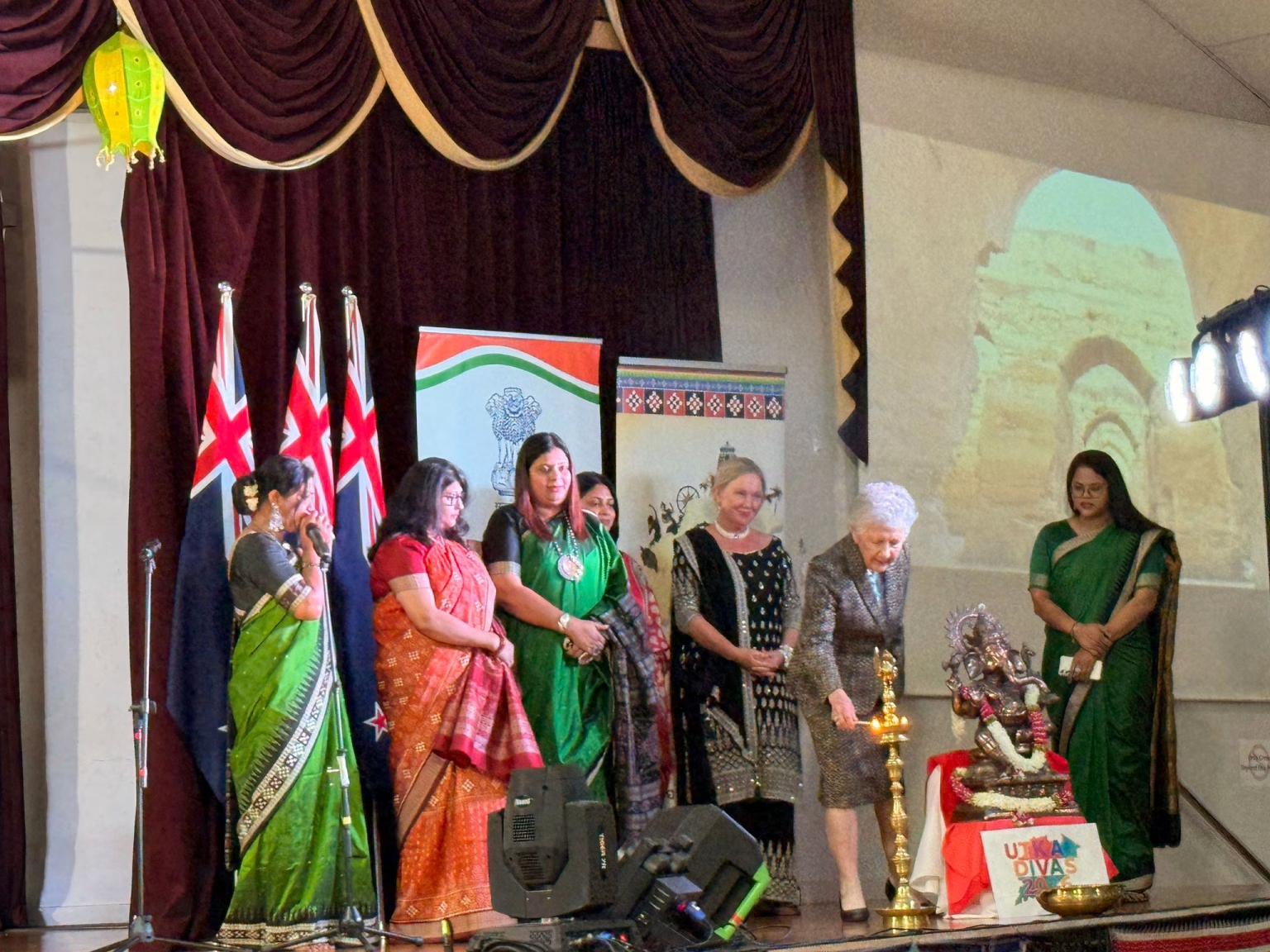
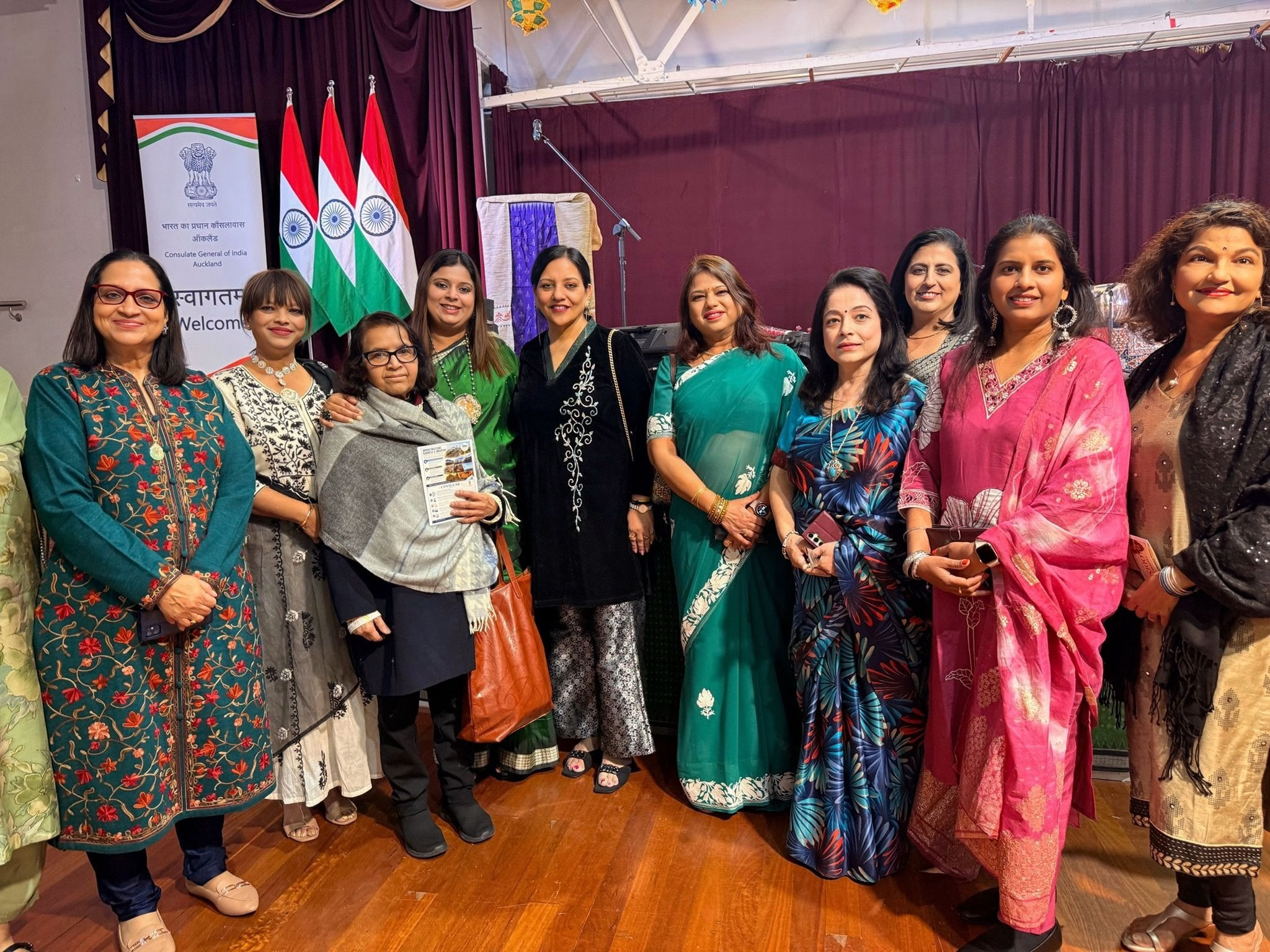
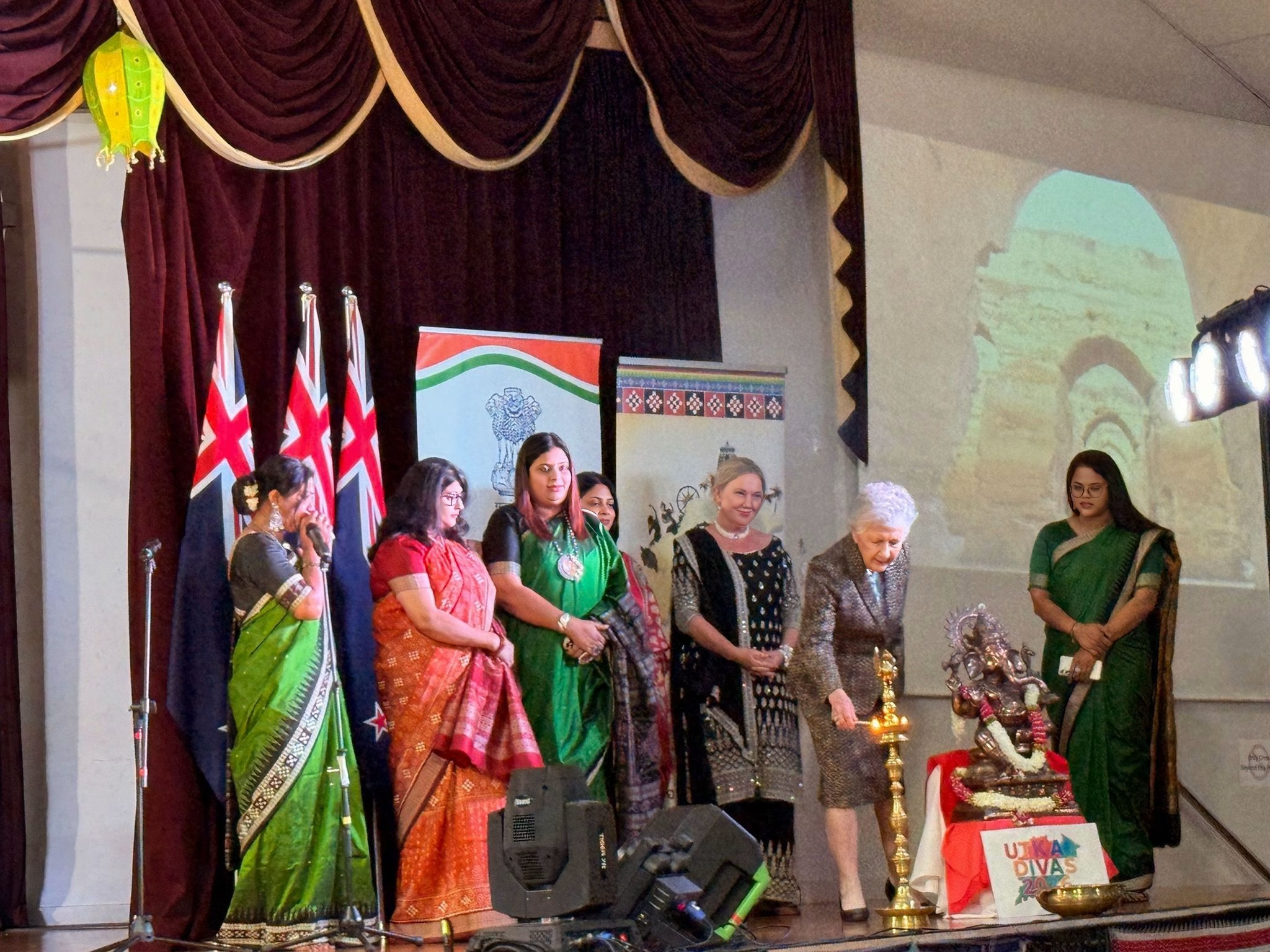
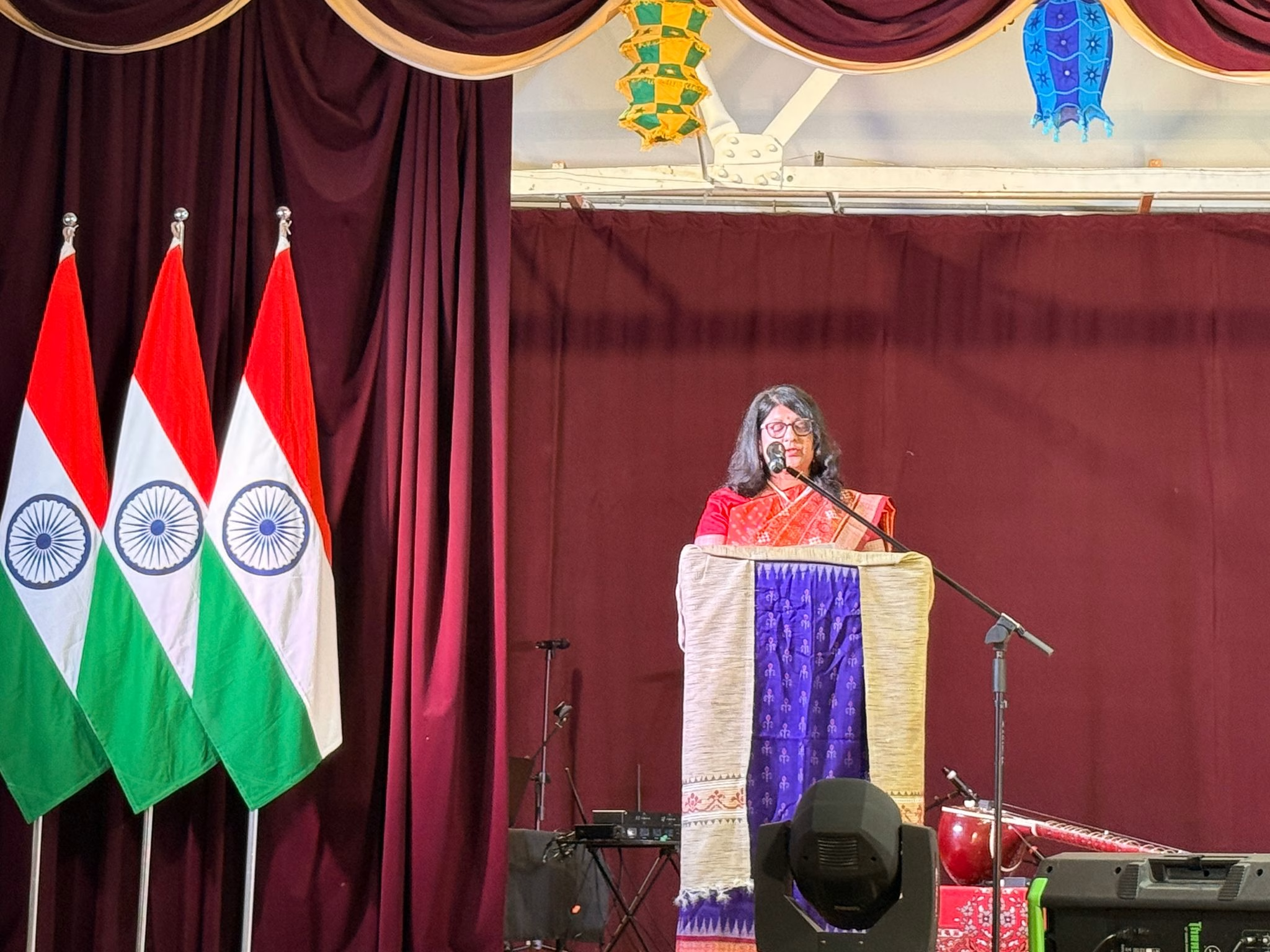
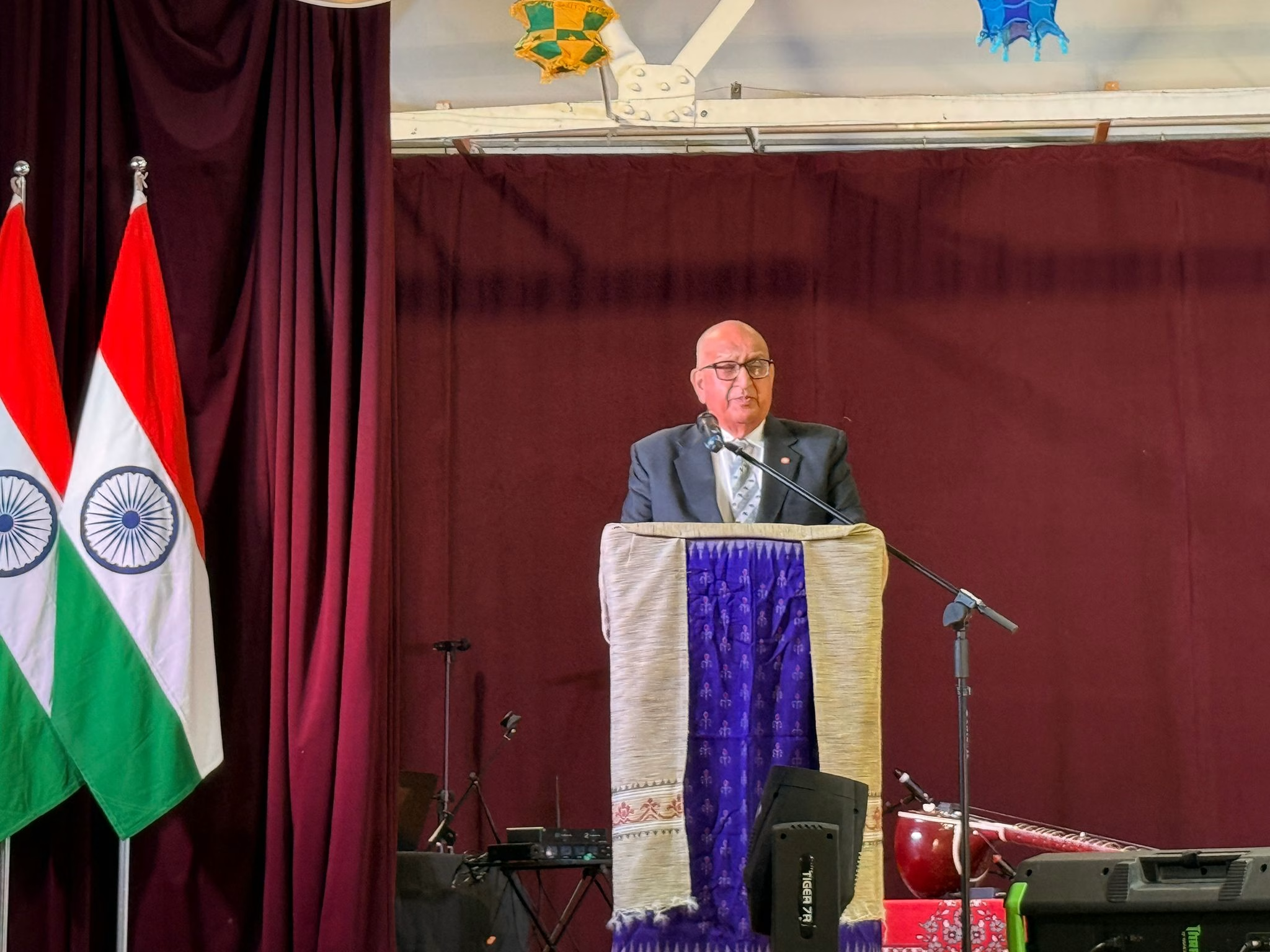
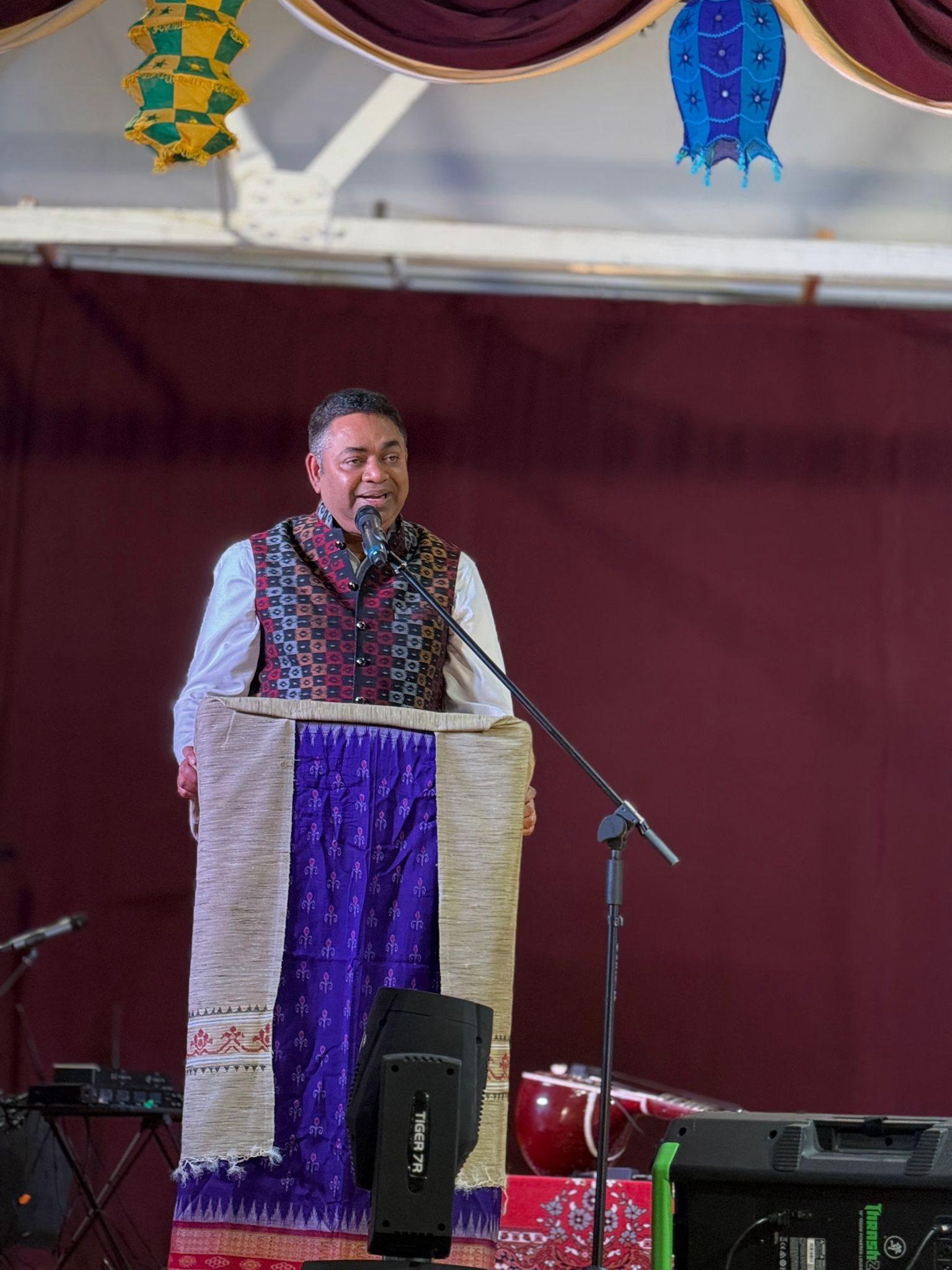
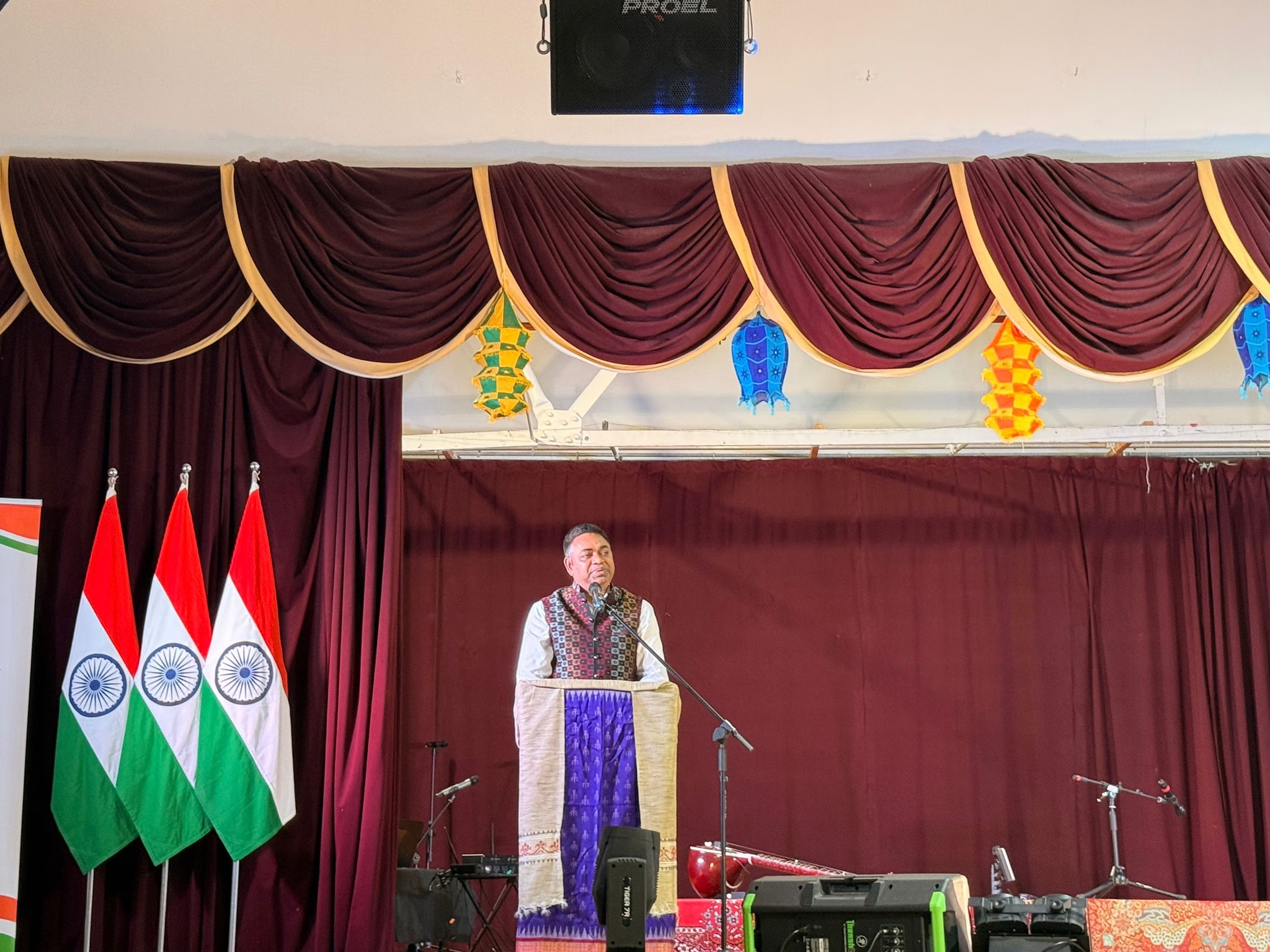
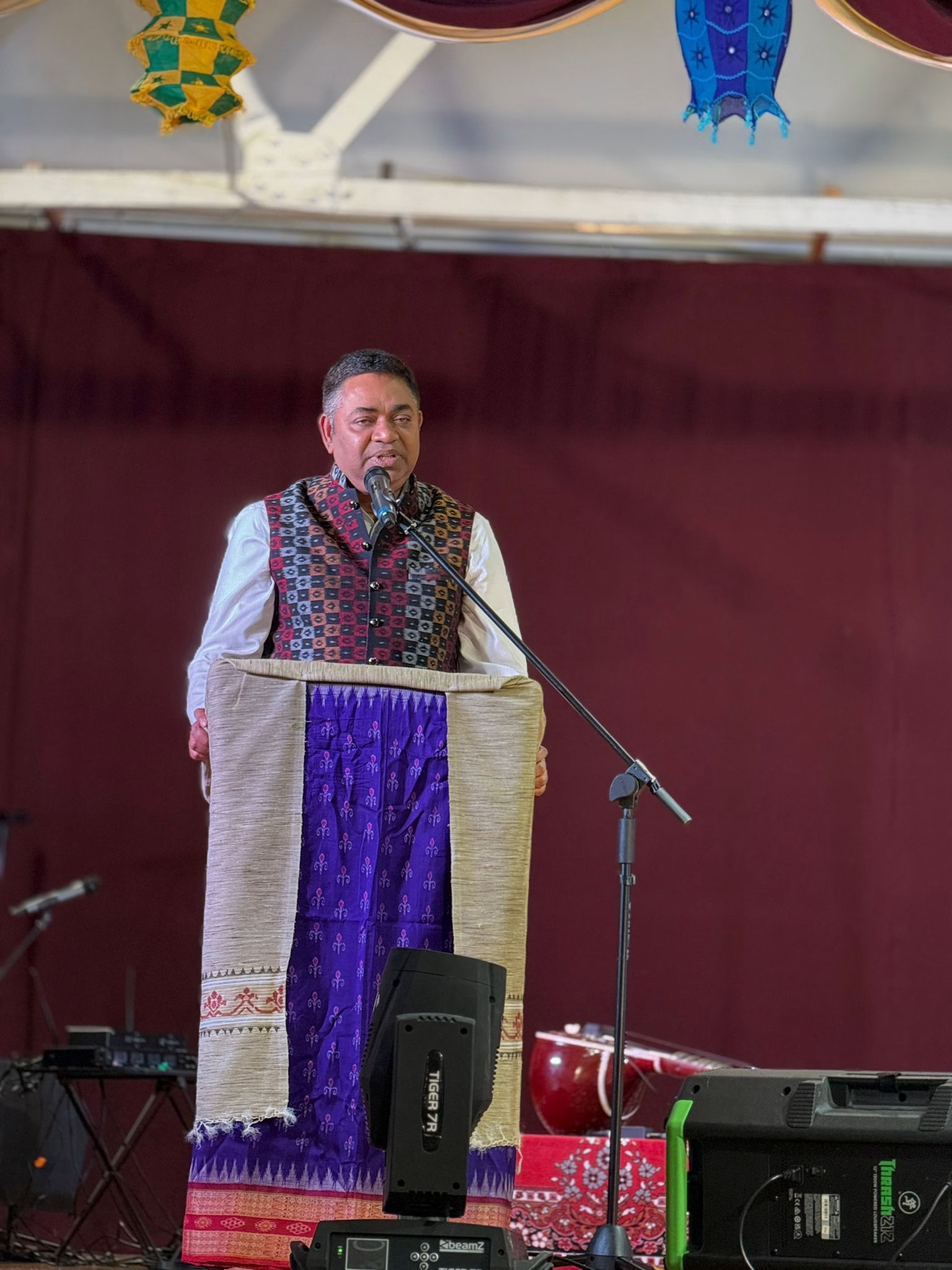
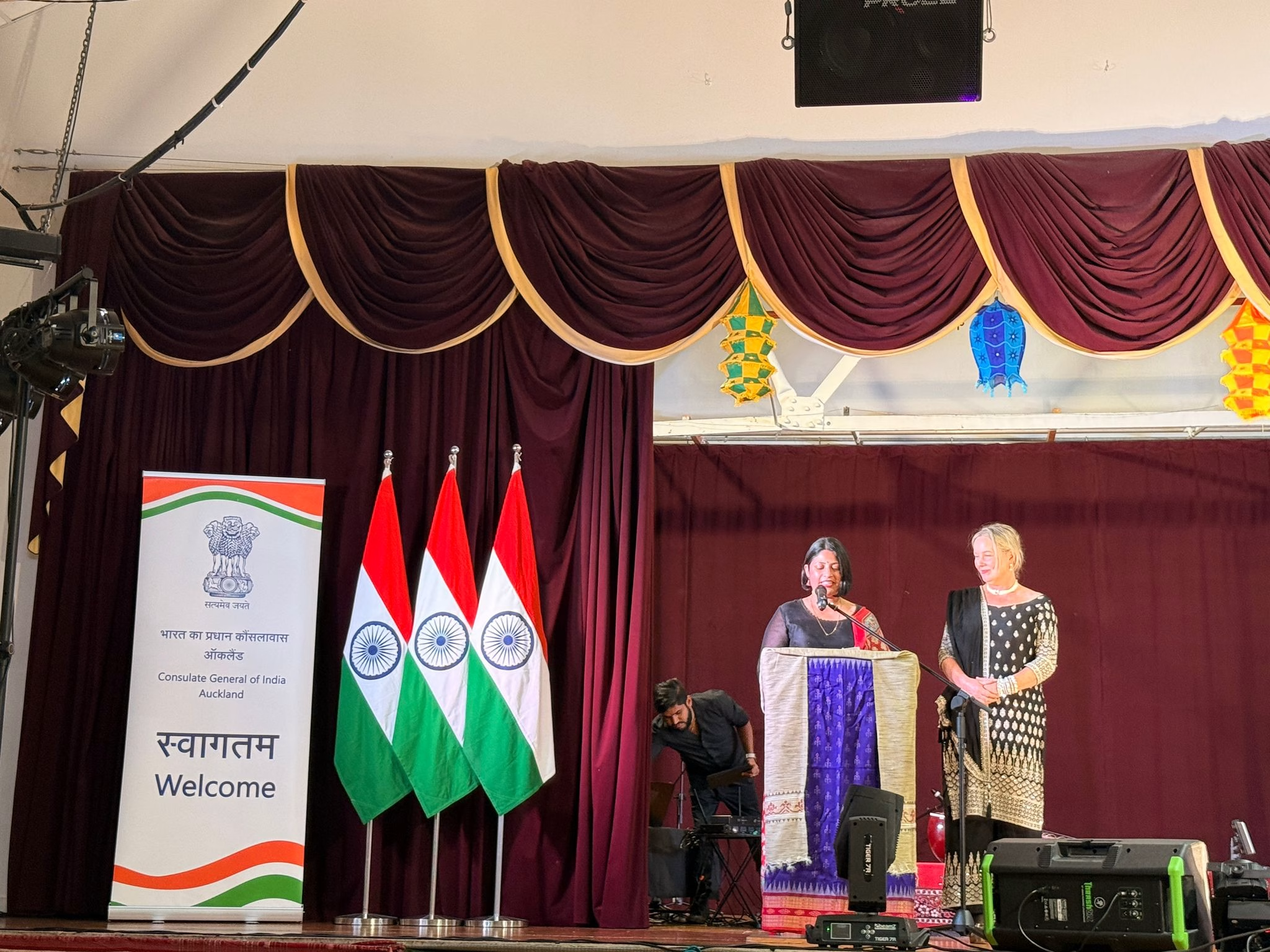
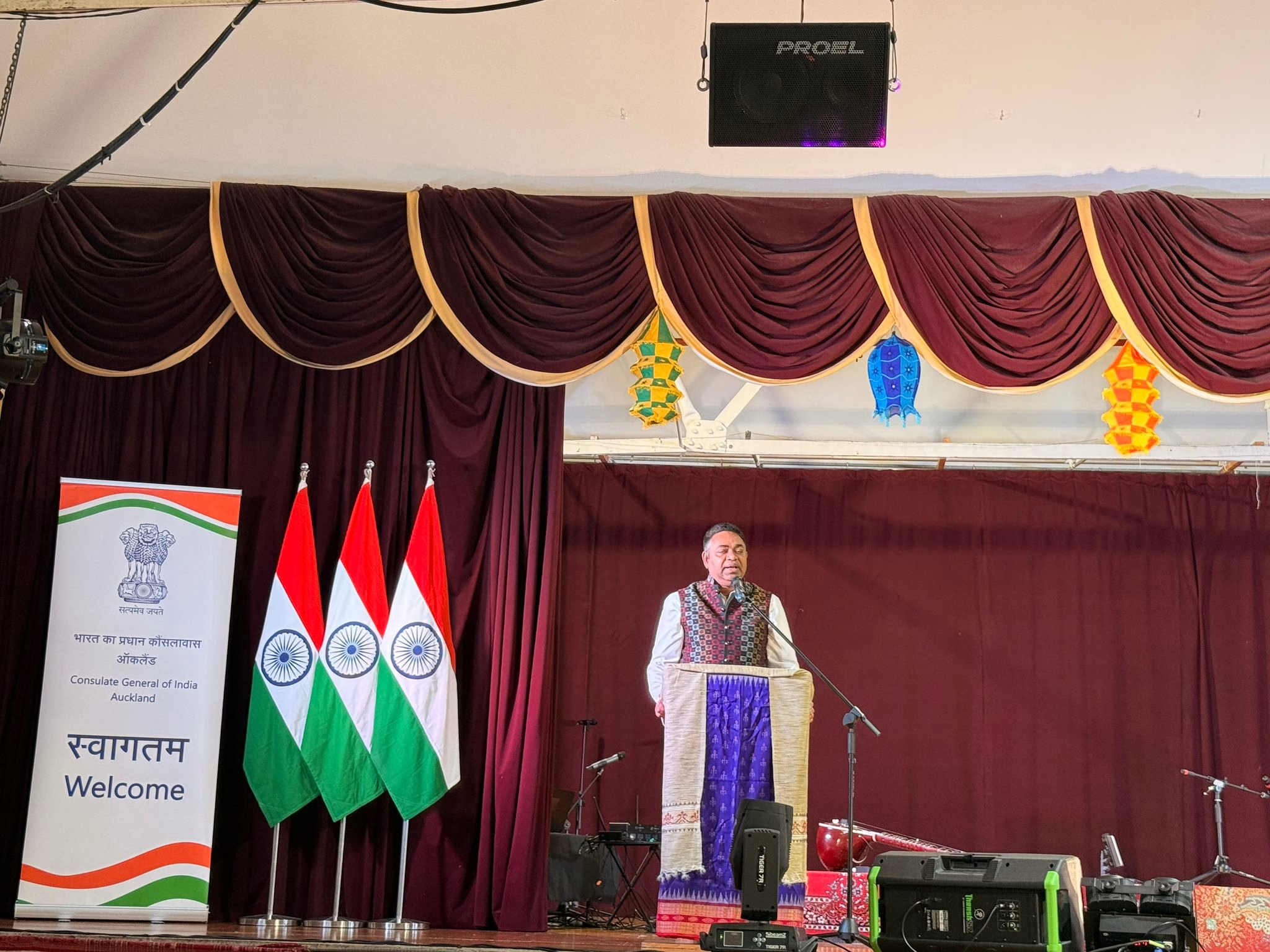
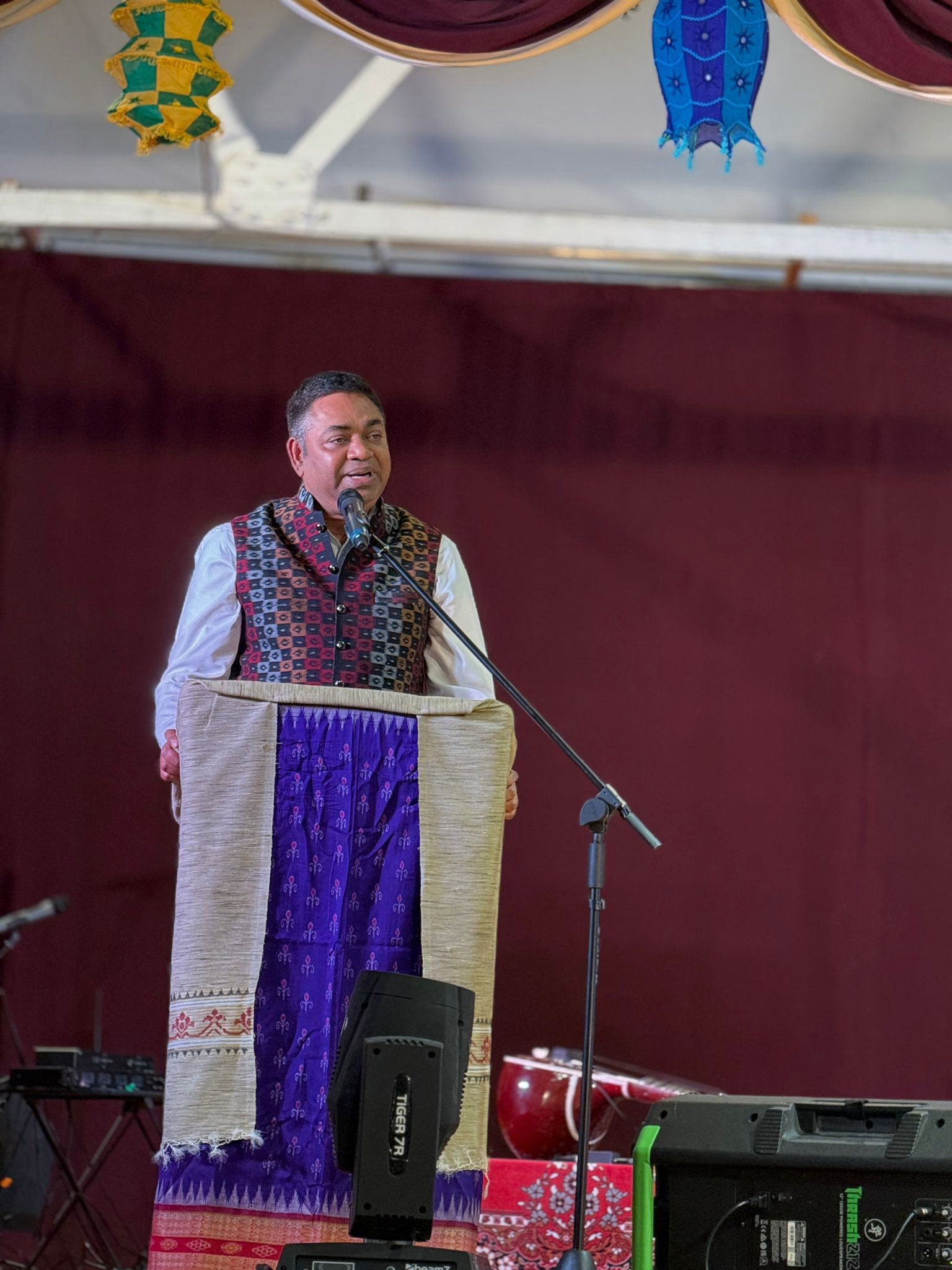
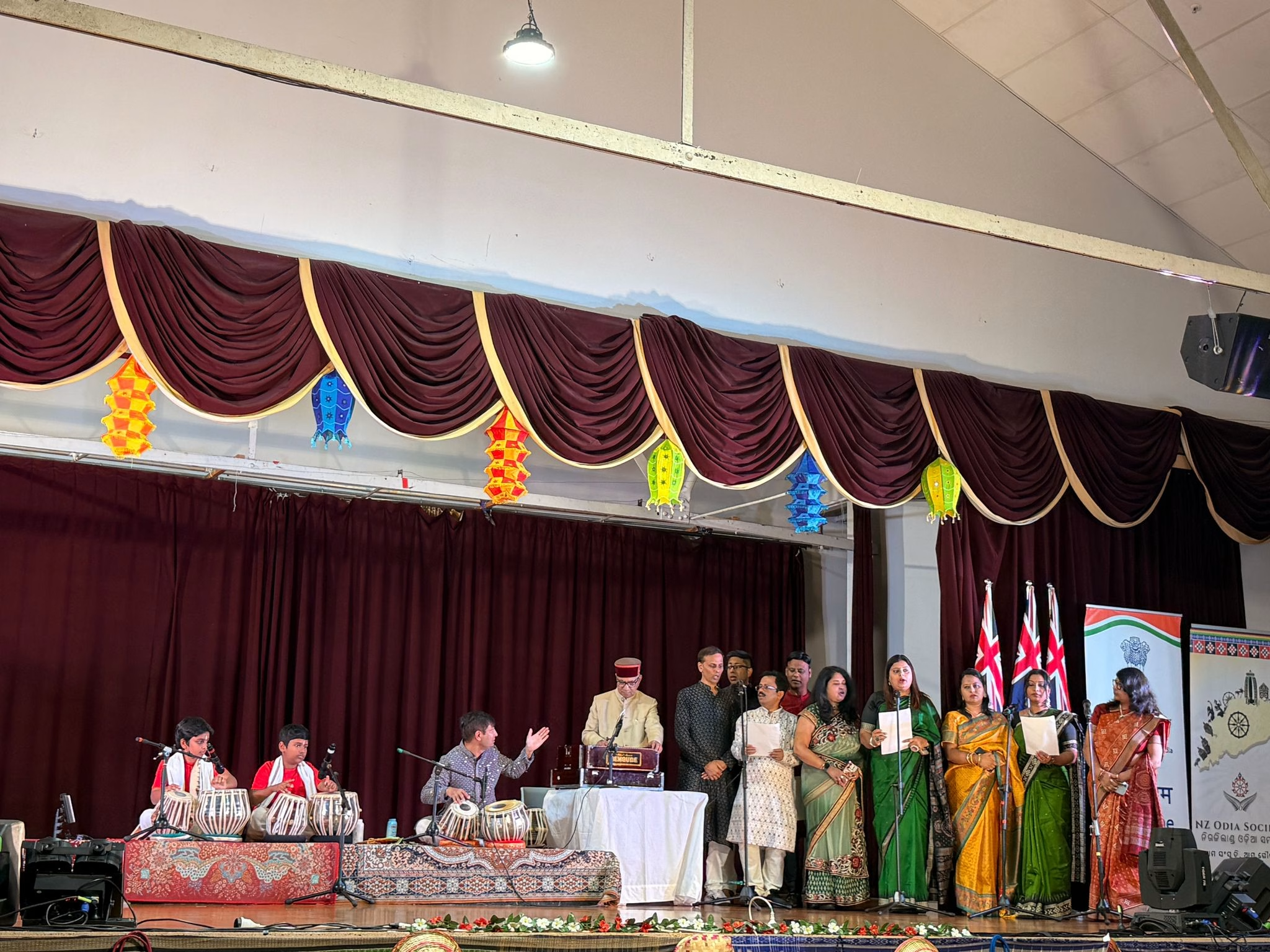
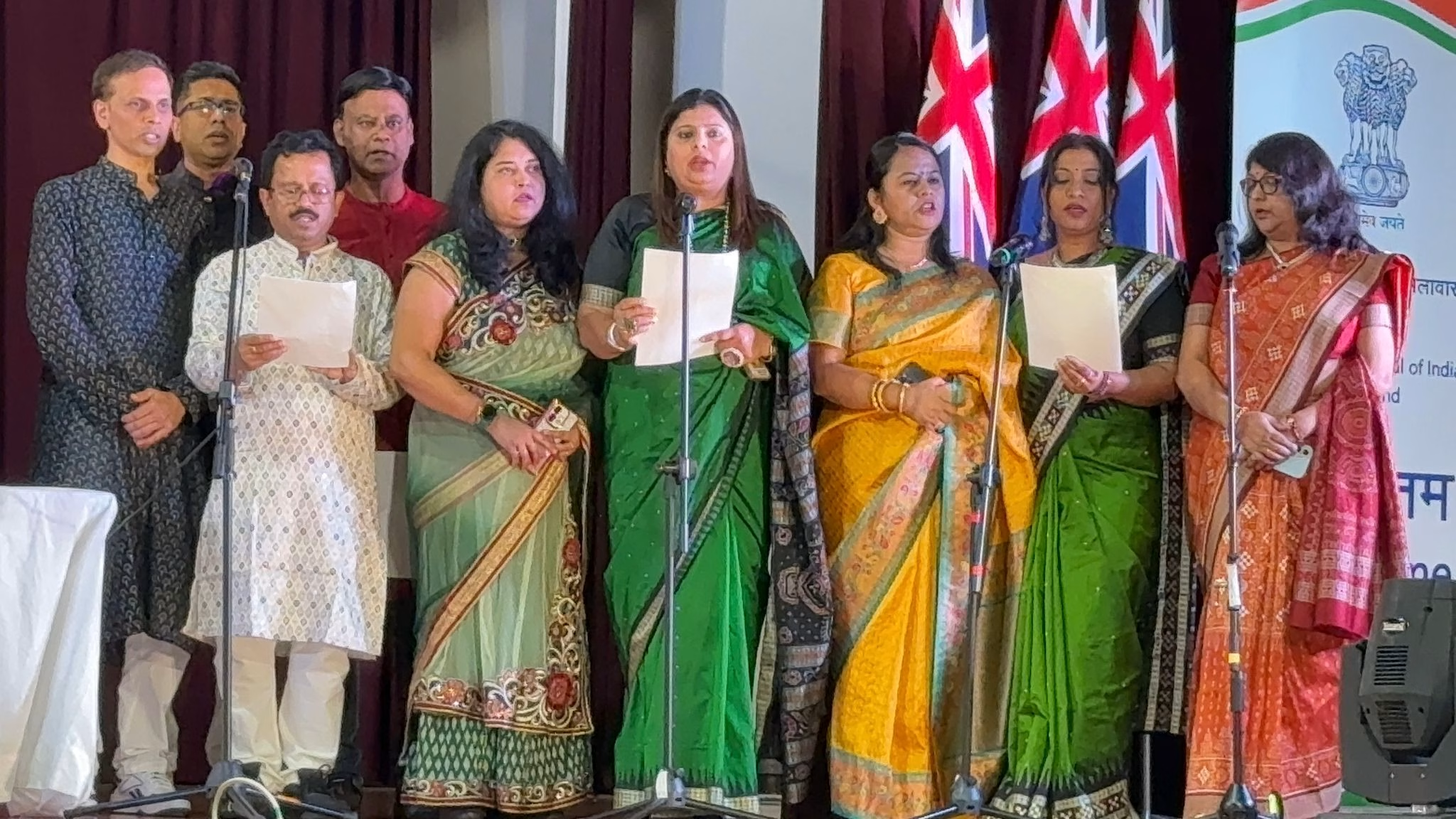
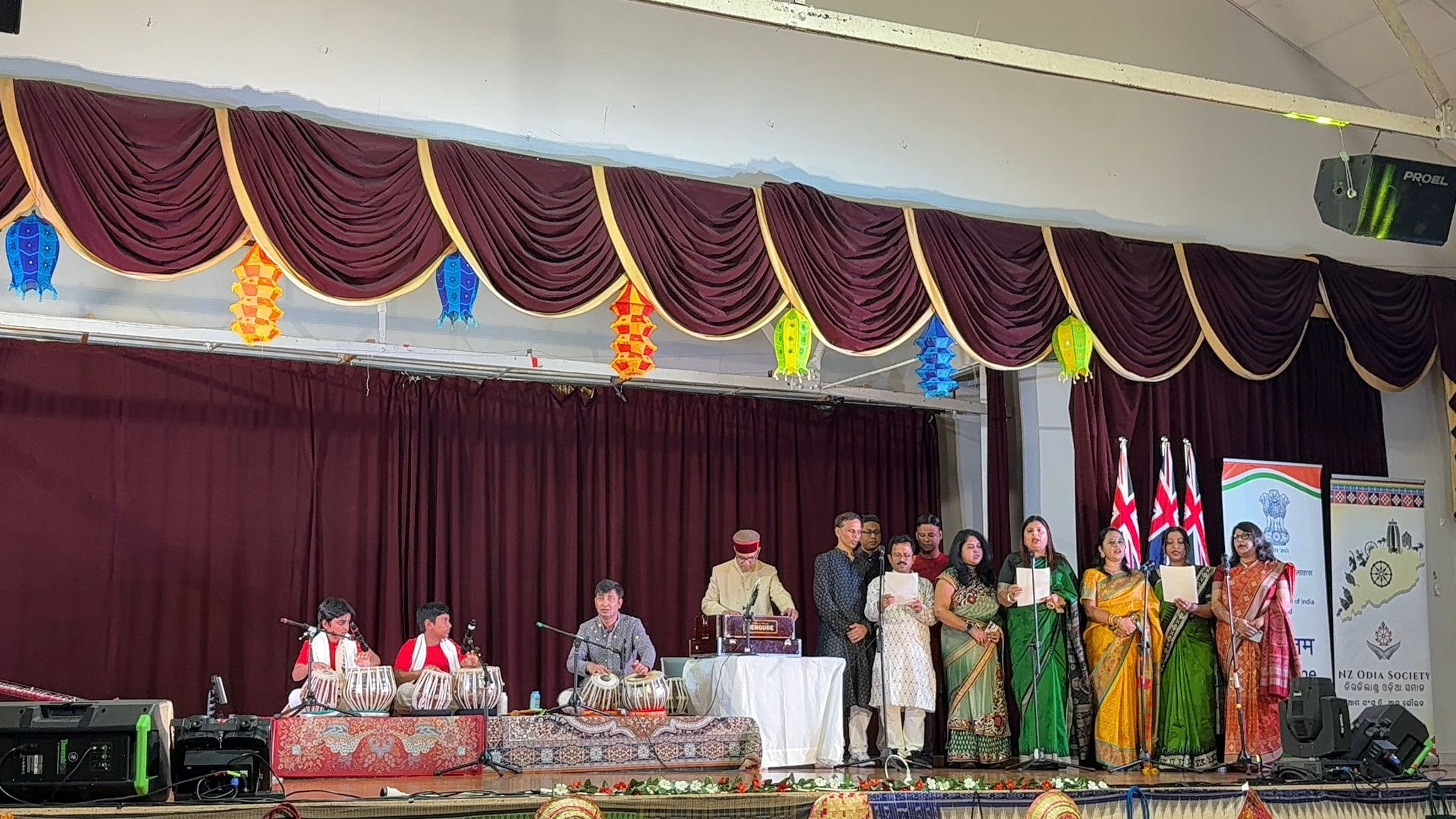
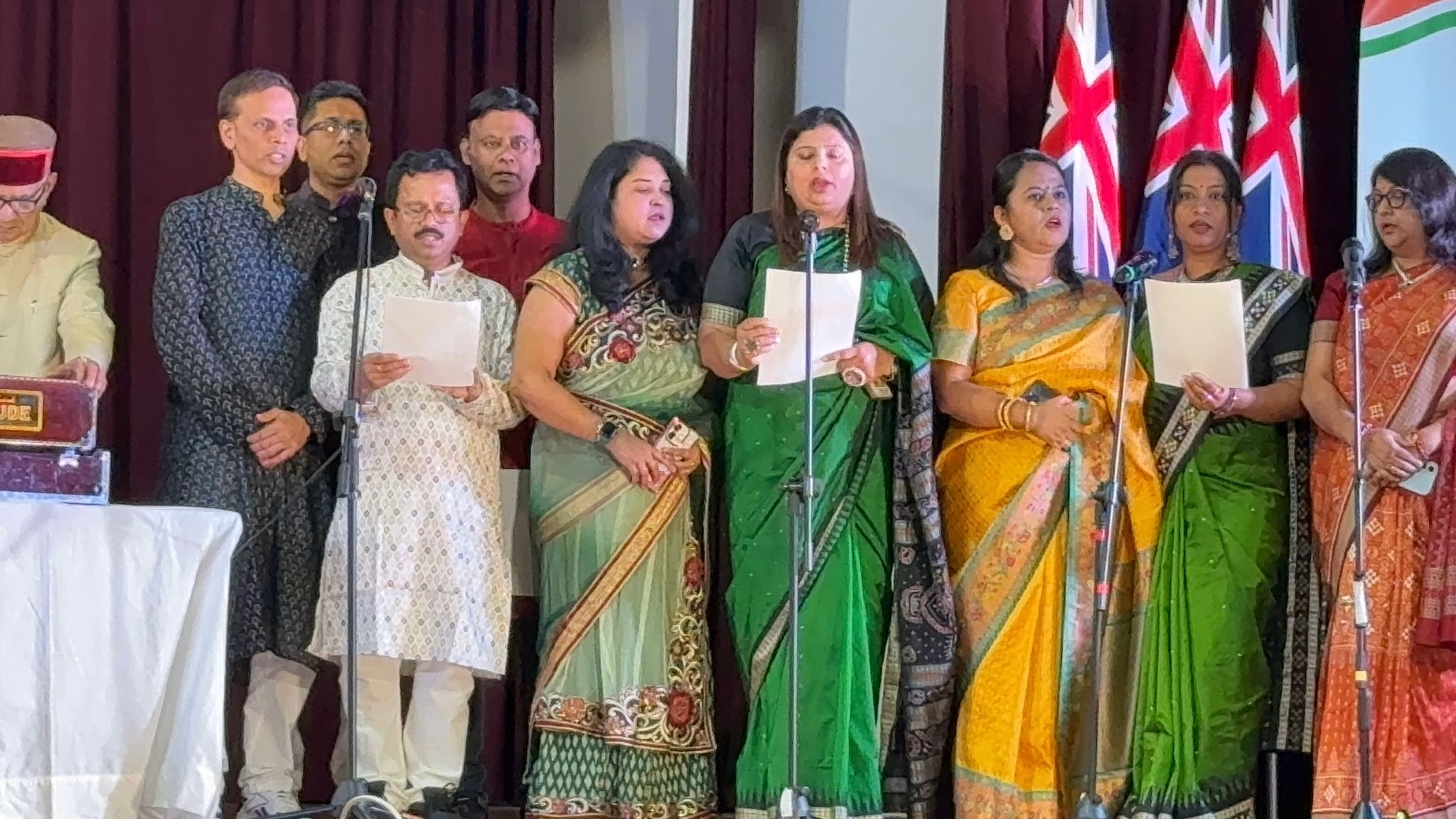
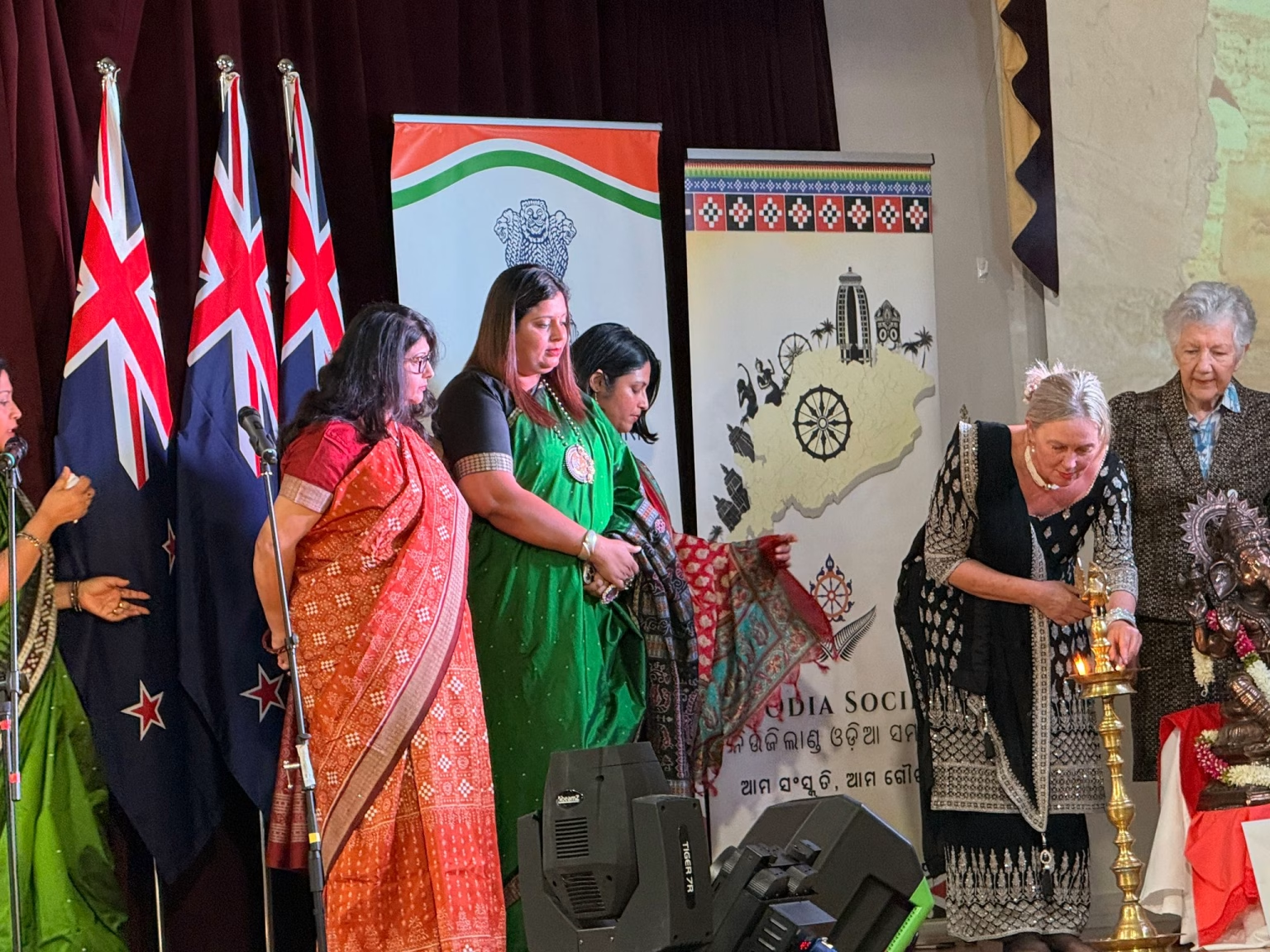
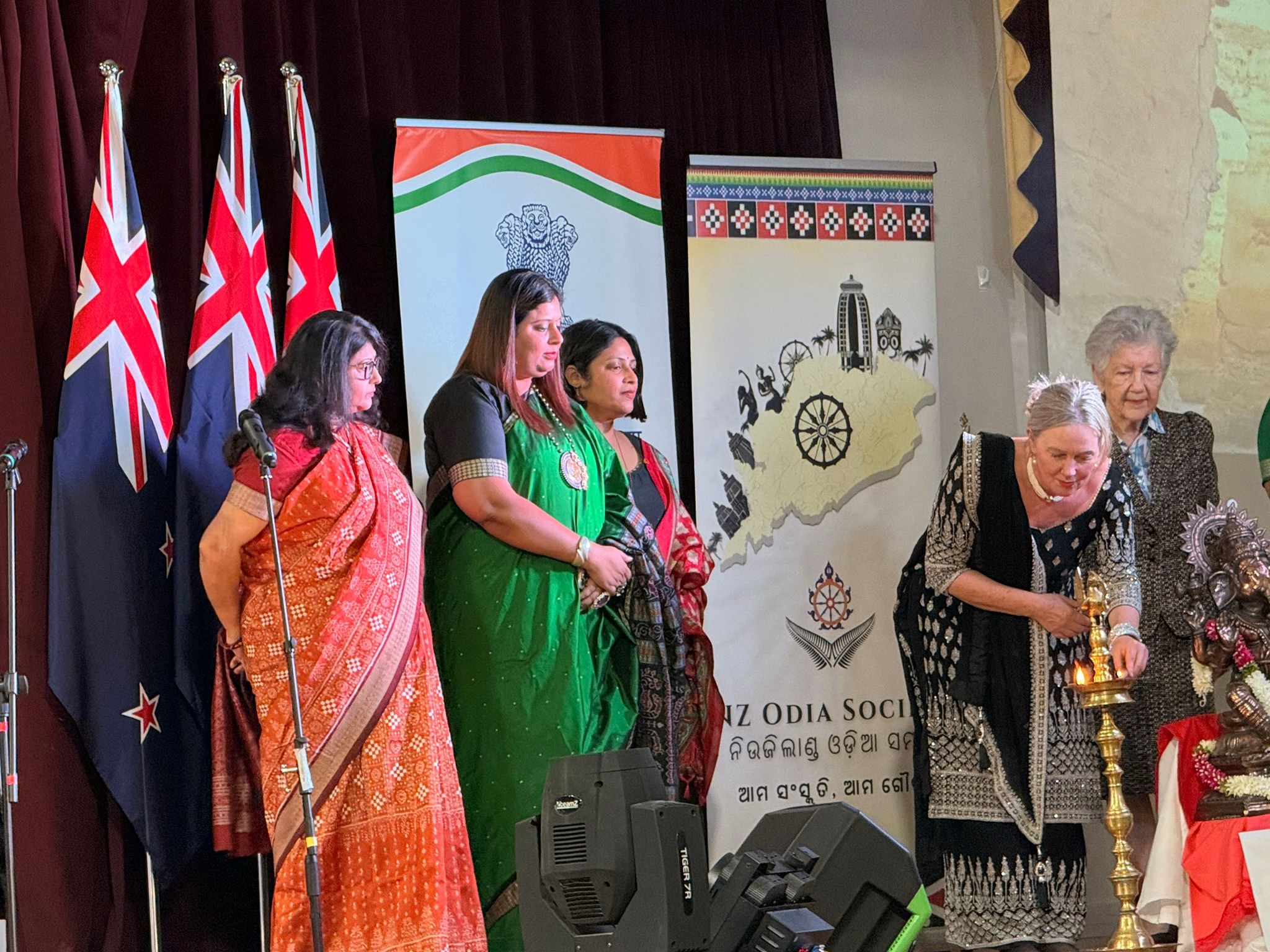
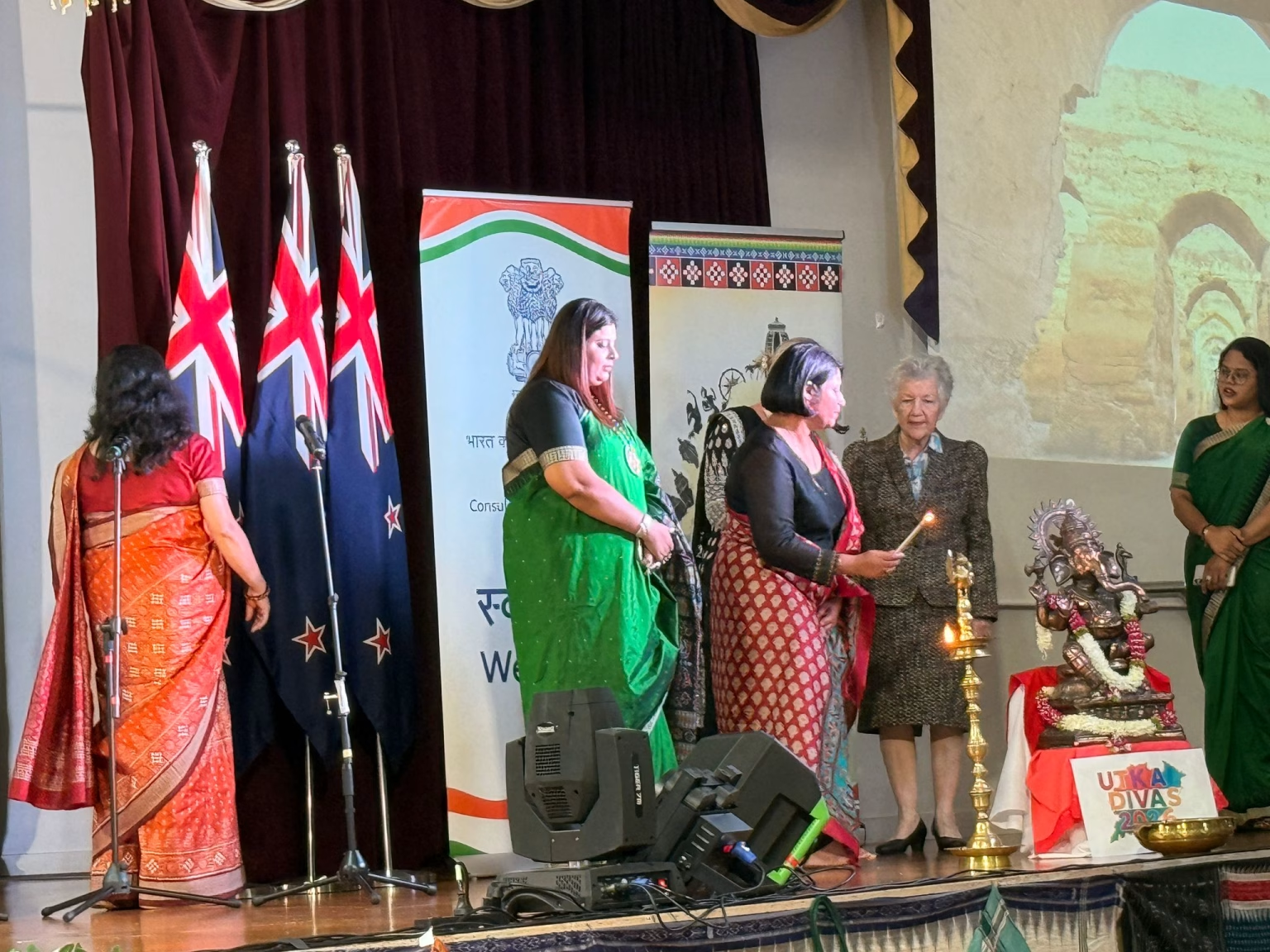
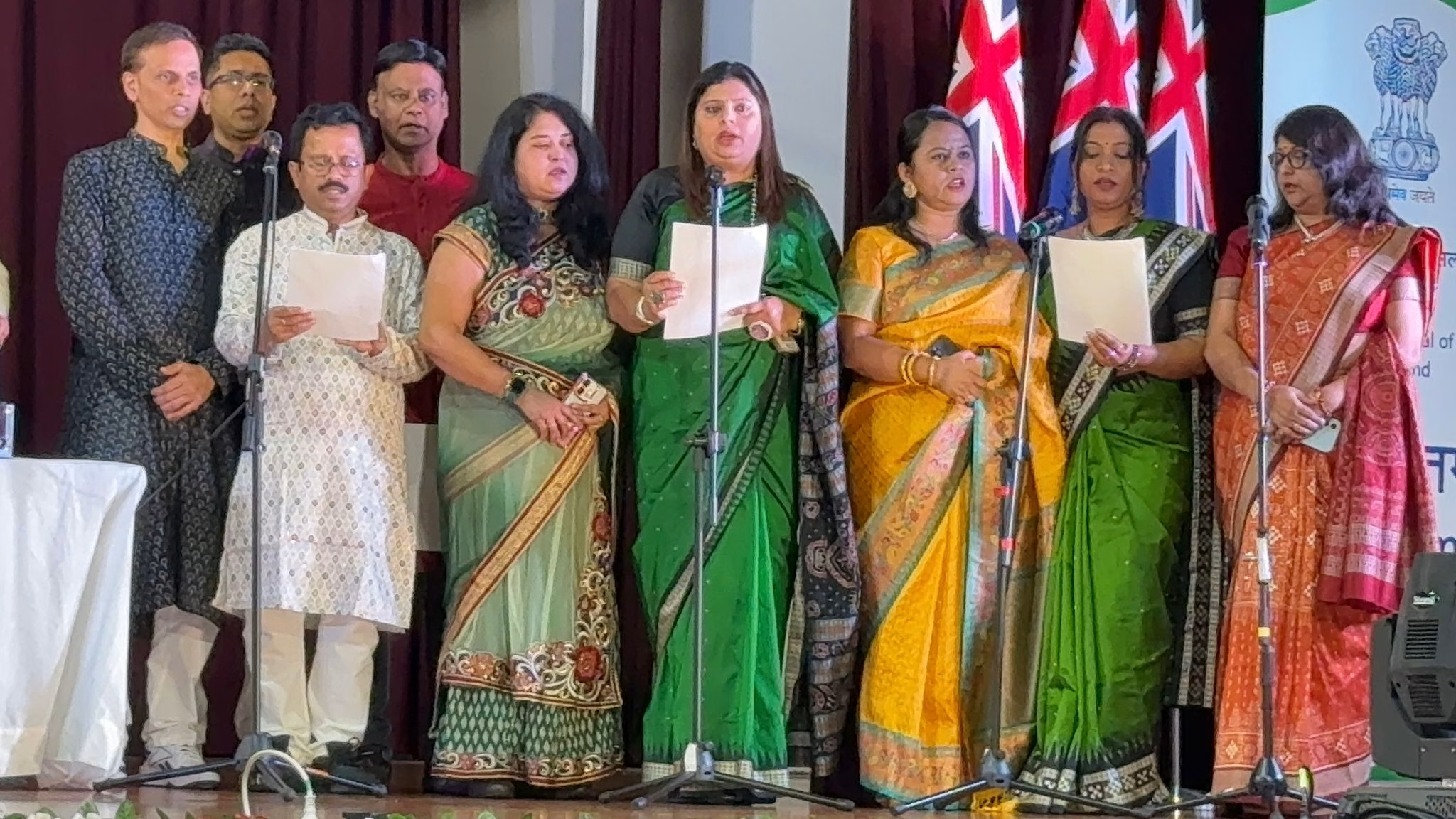
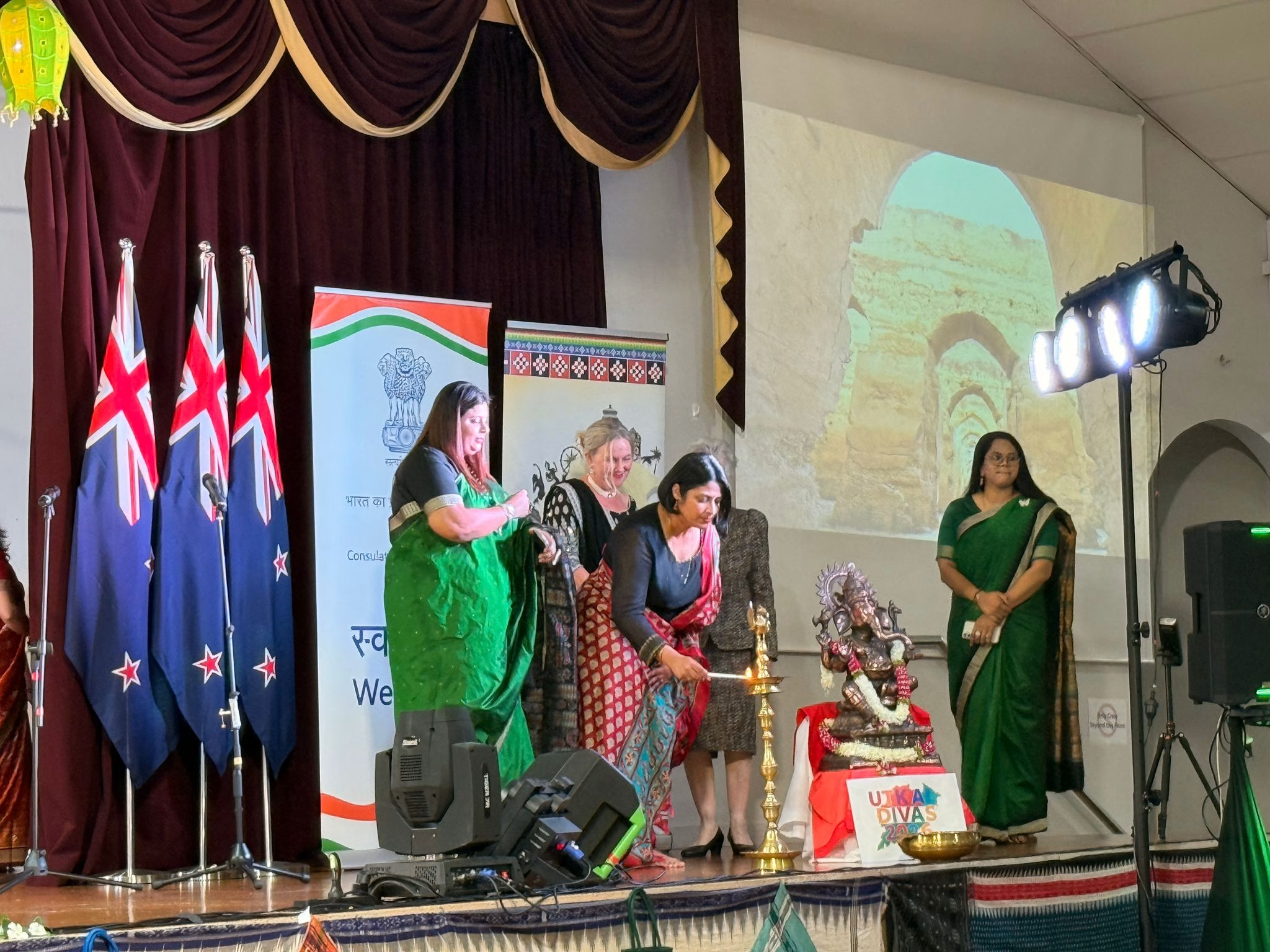
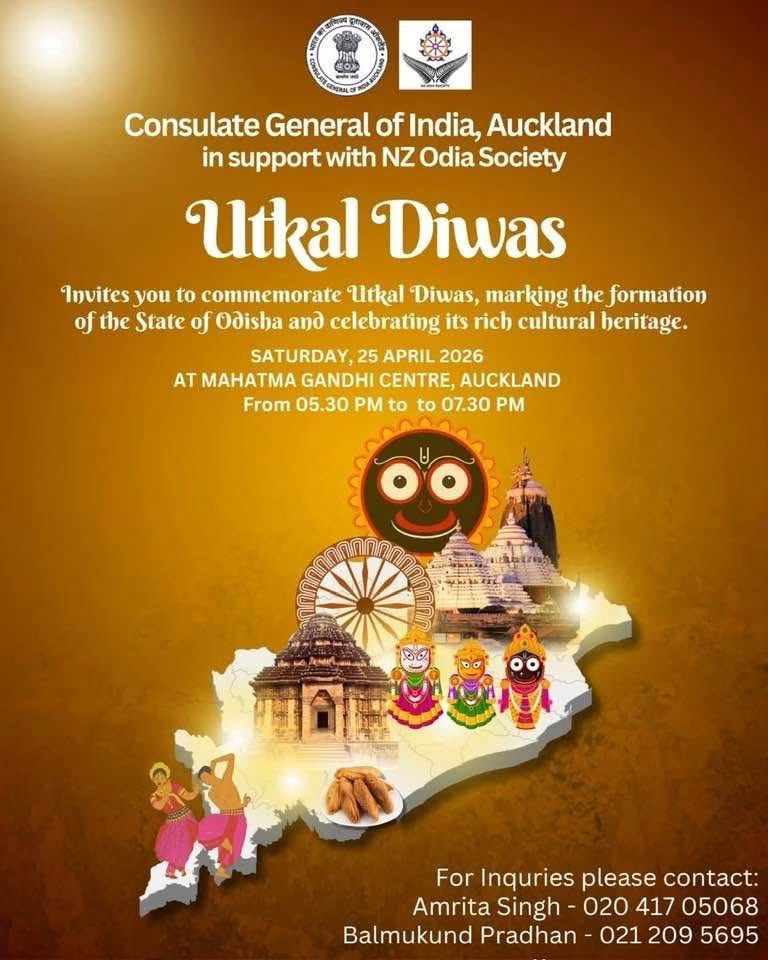
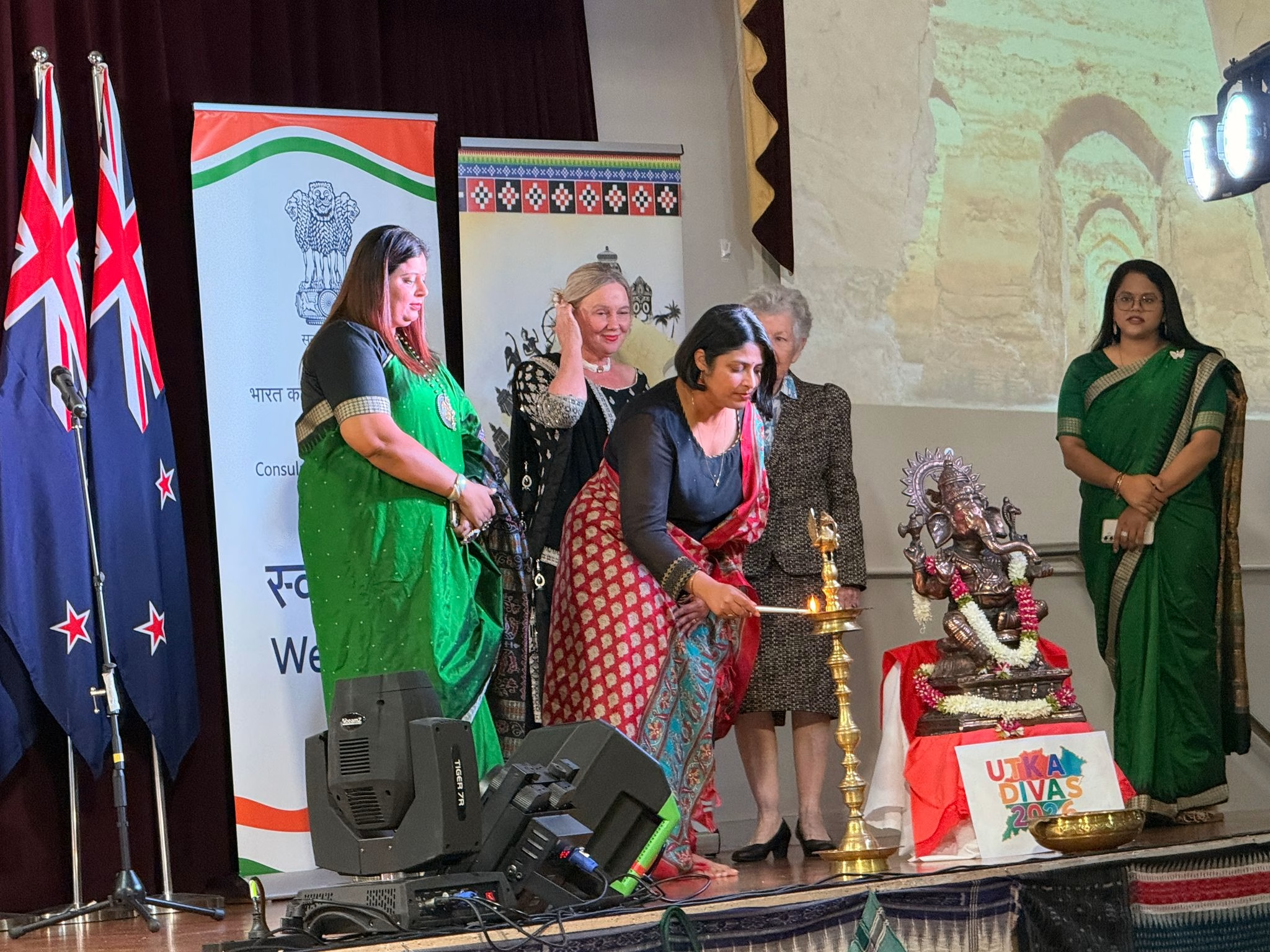
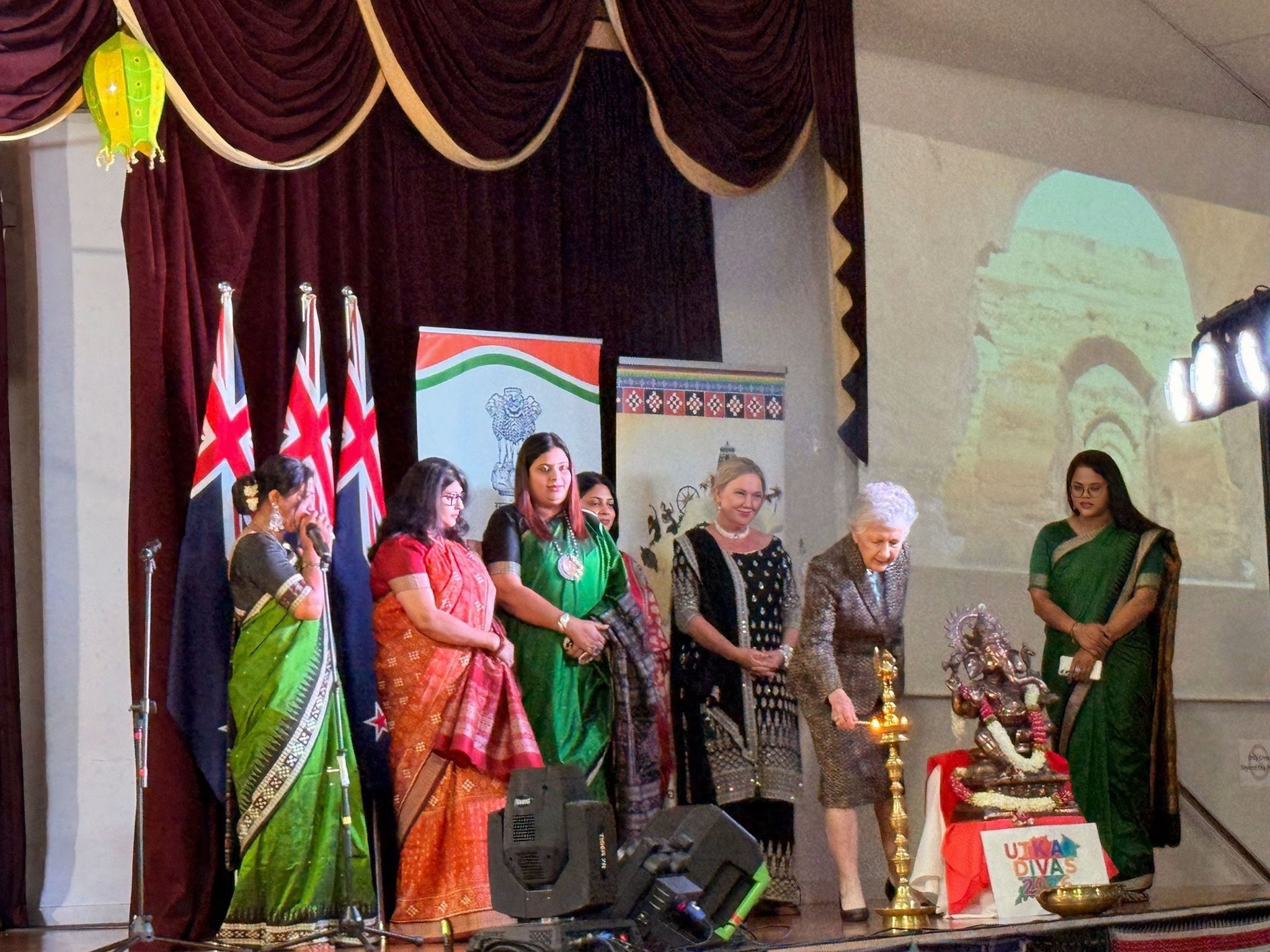
Auckland witnessed a powerful blend of culture, remembrance, and diplomacy on Saturday as the Utkal Diwas 2026 celebration brought the Indian community together in a vibrant and meaningful way.
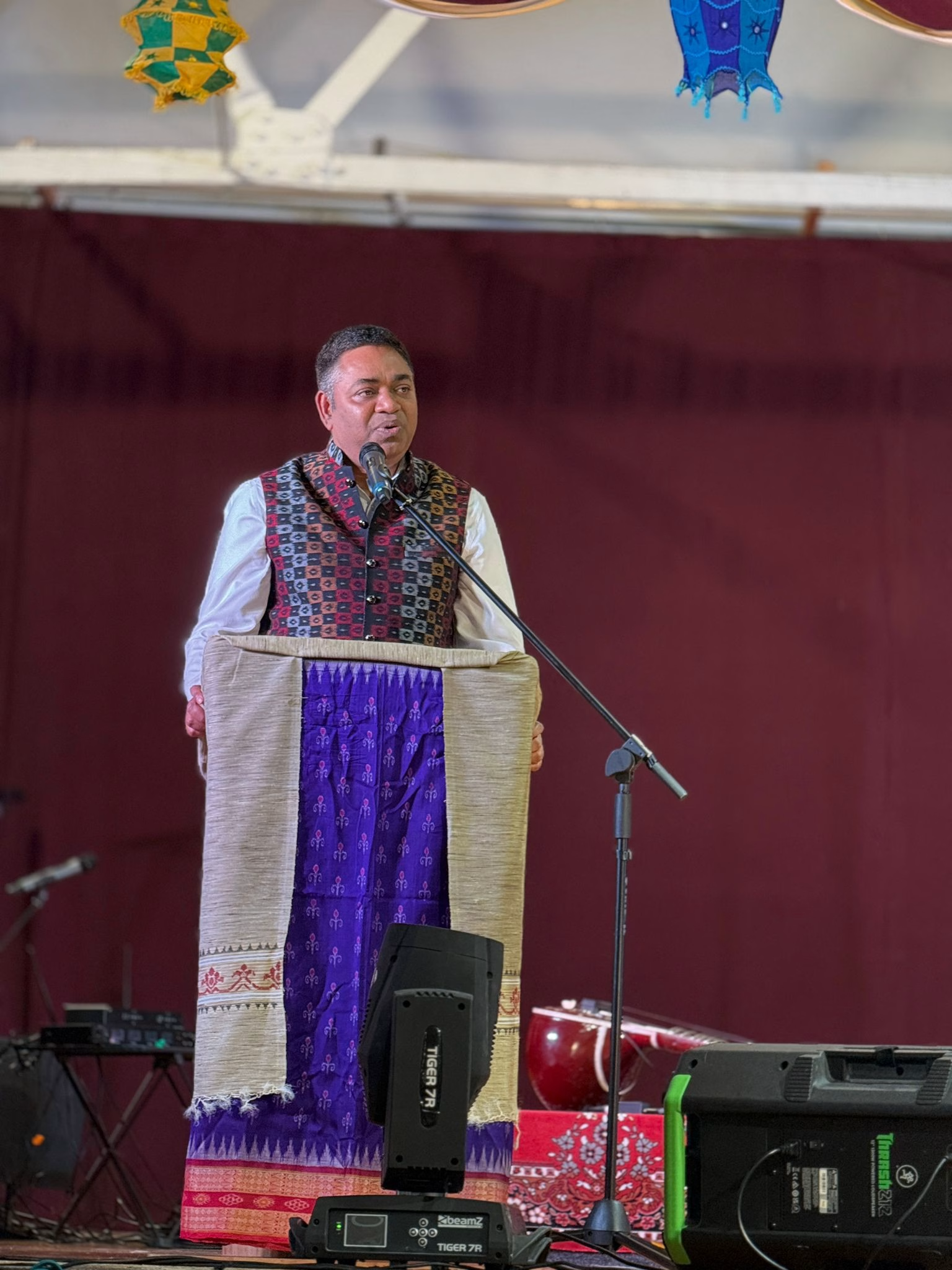
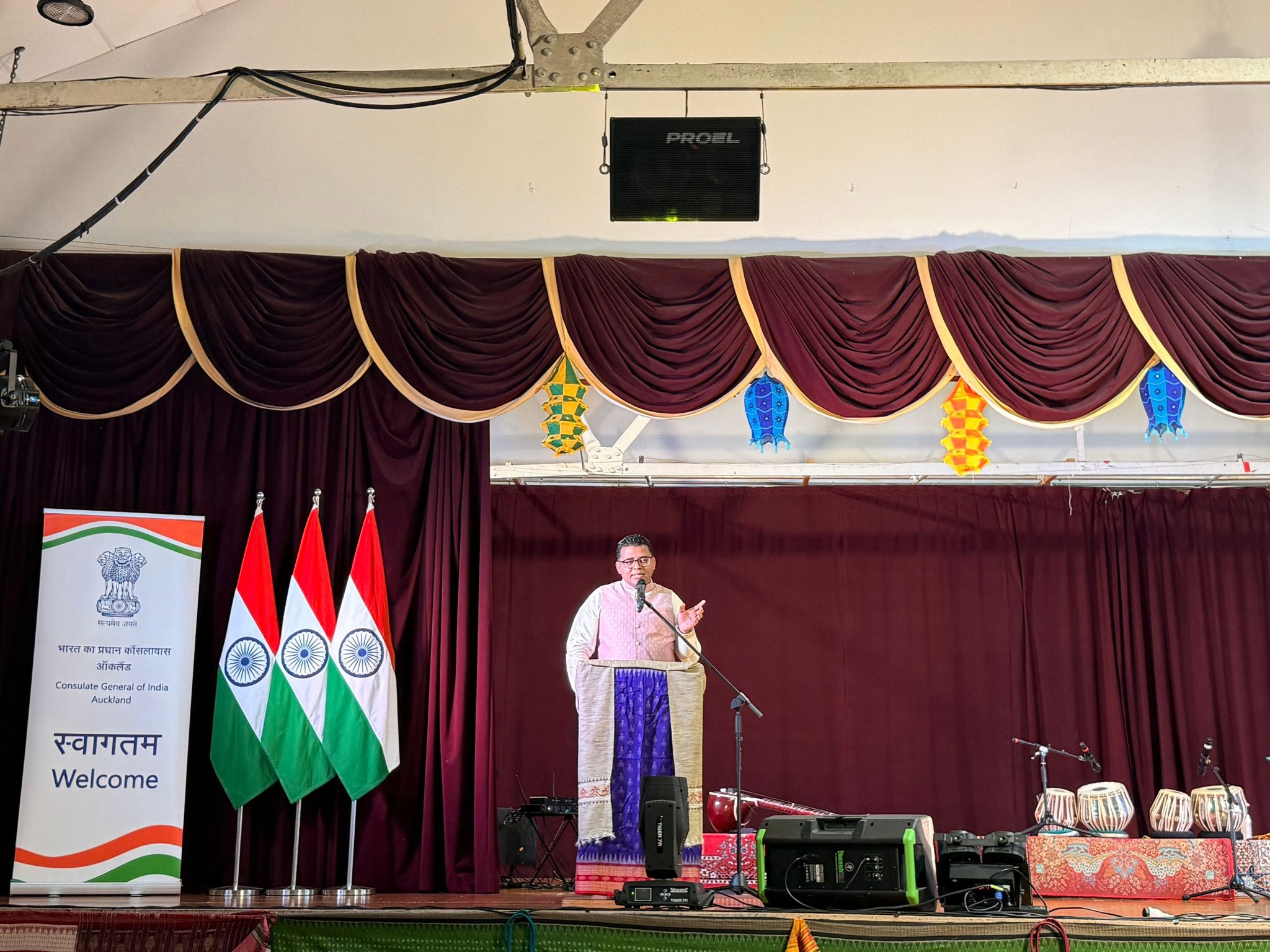
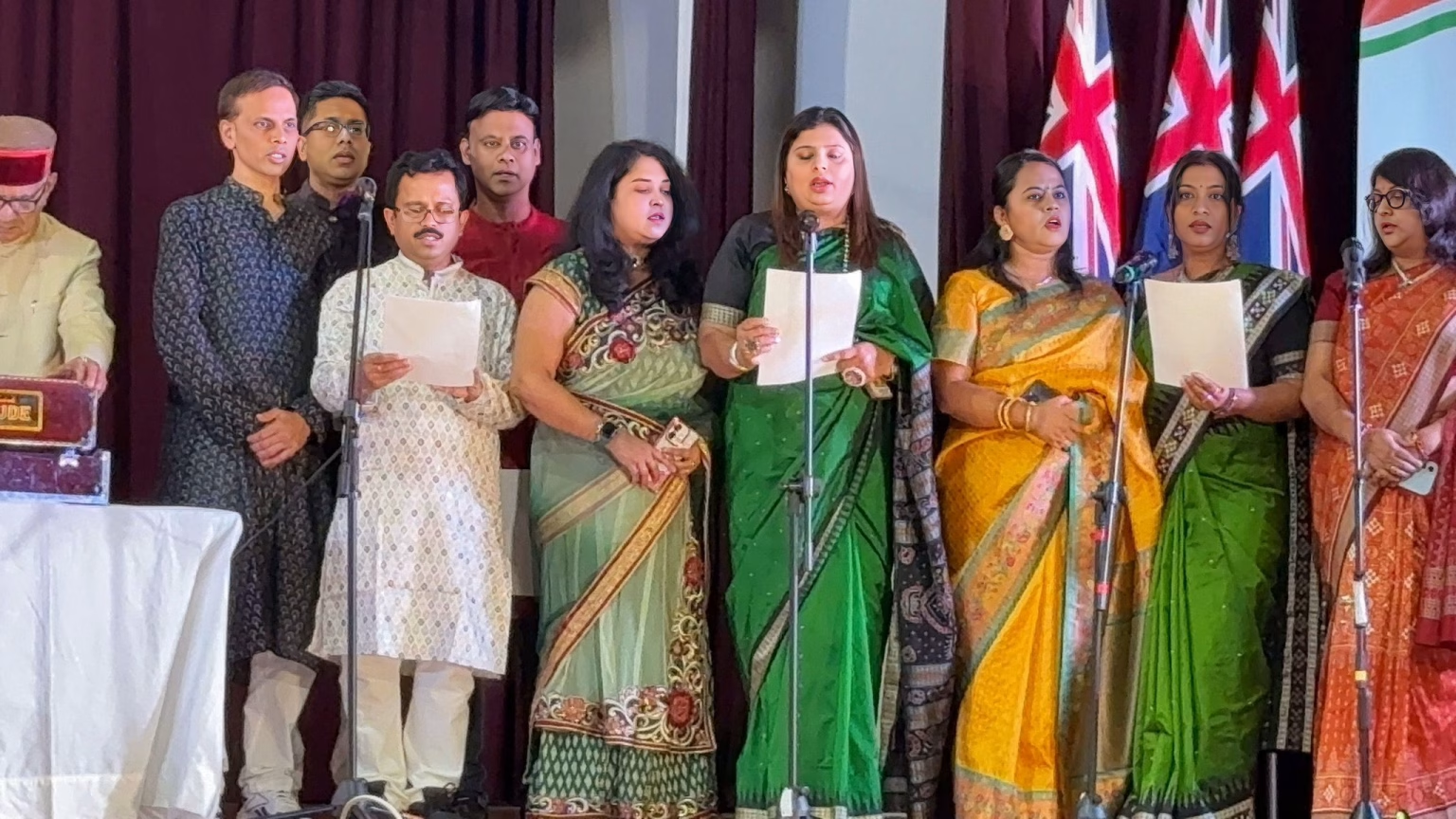
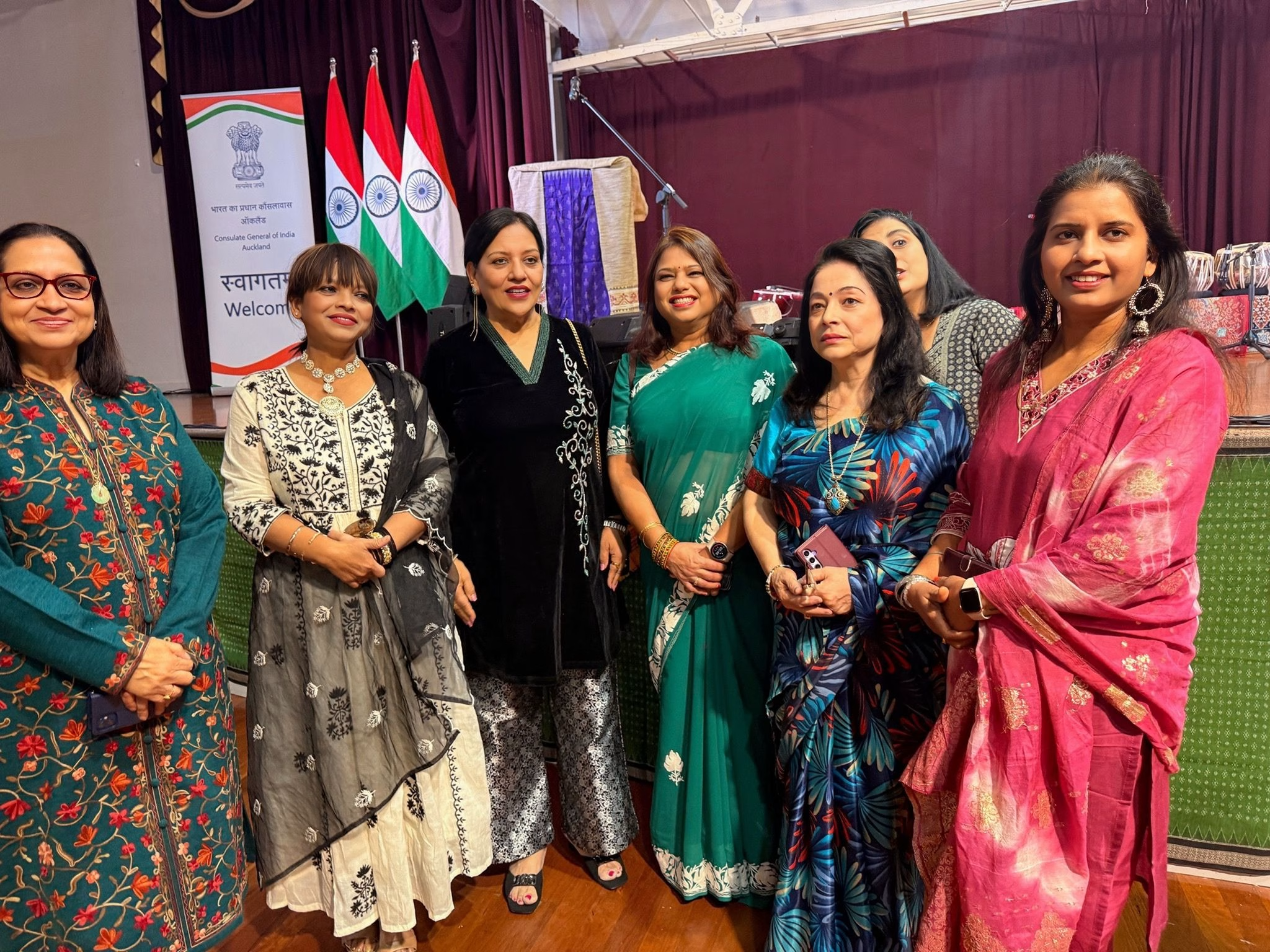
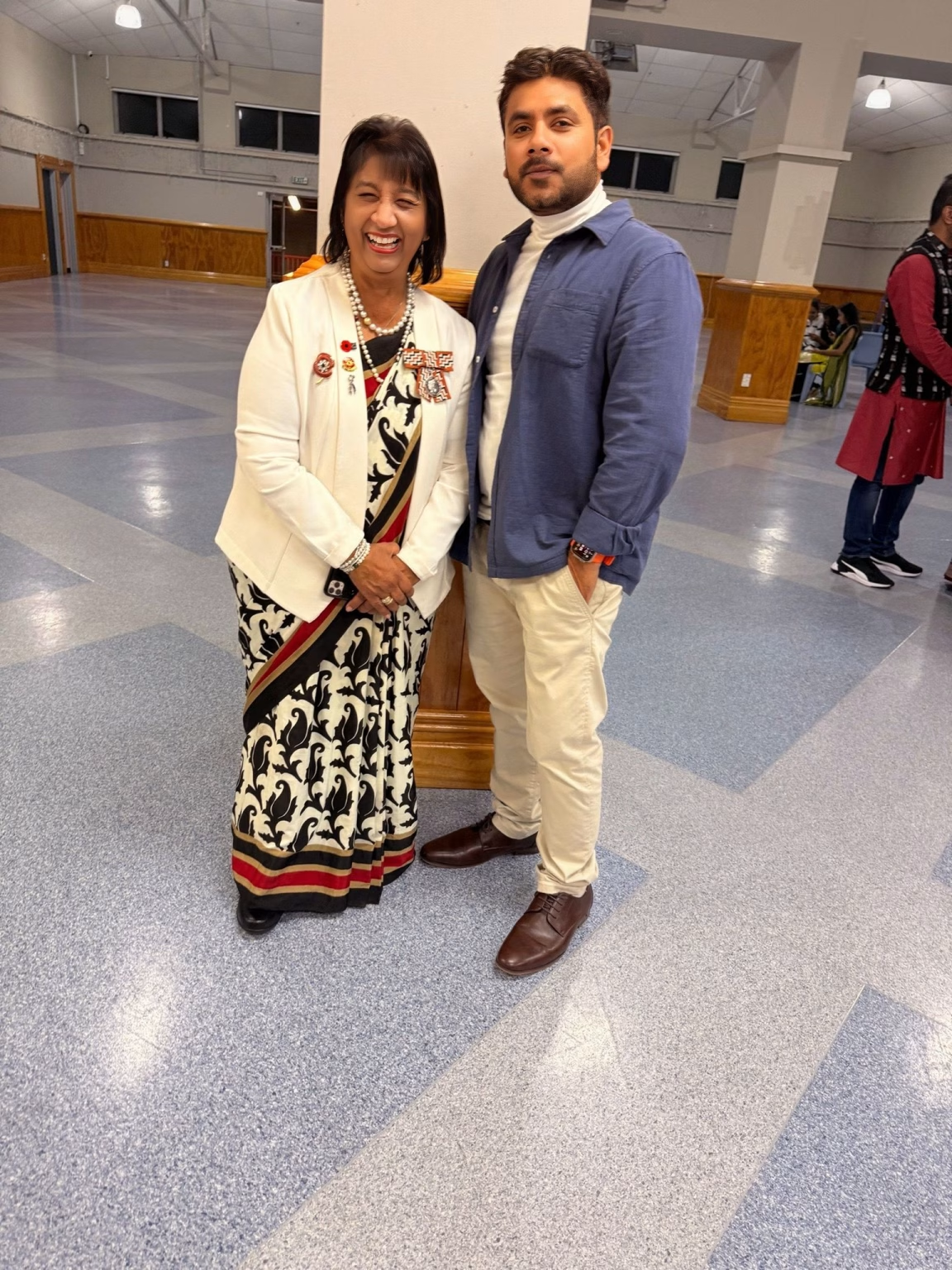
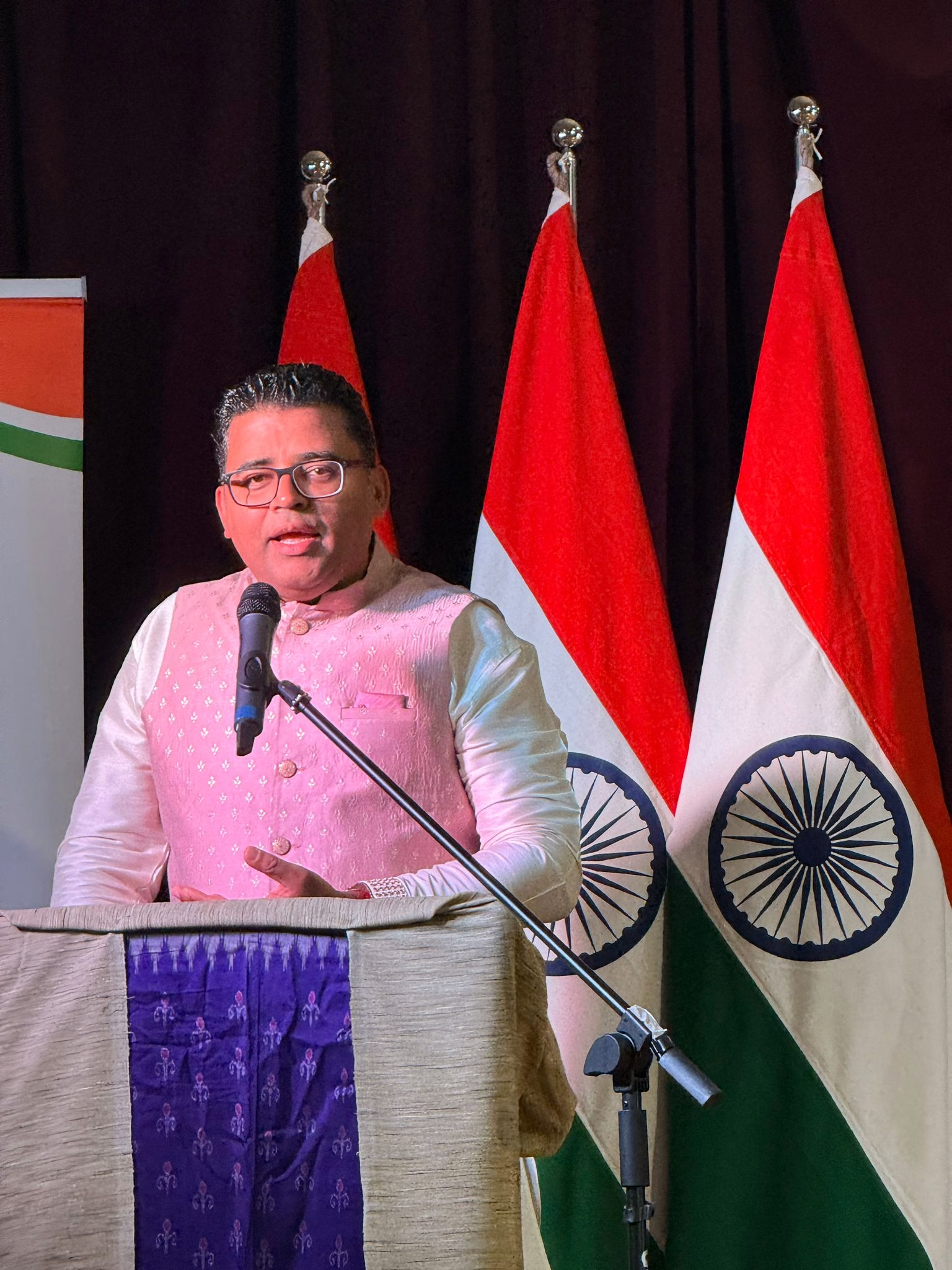
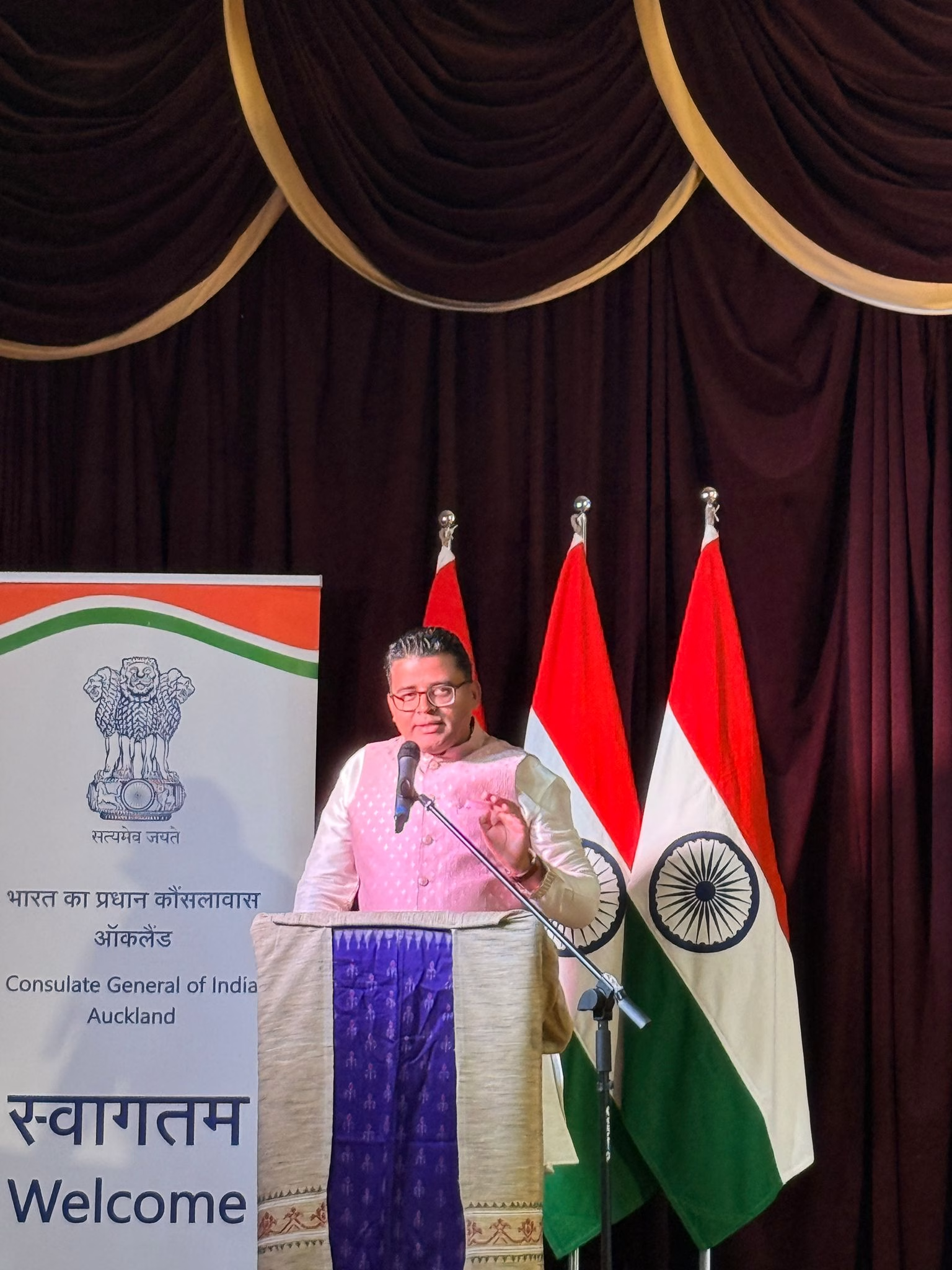
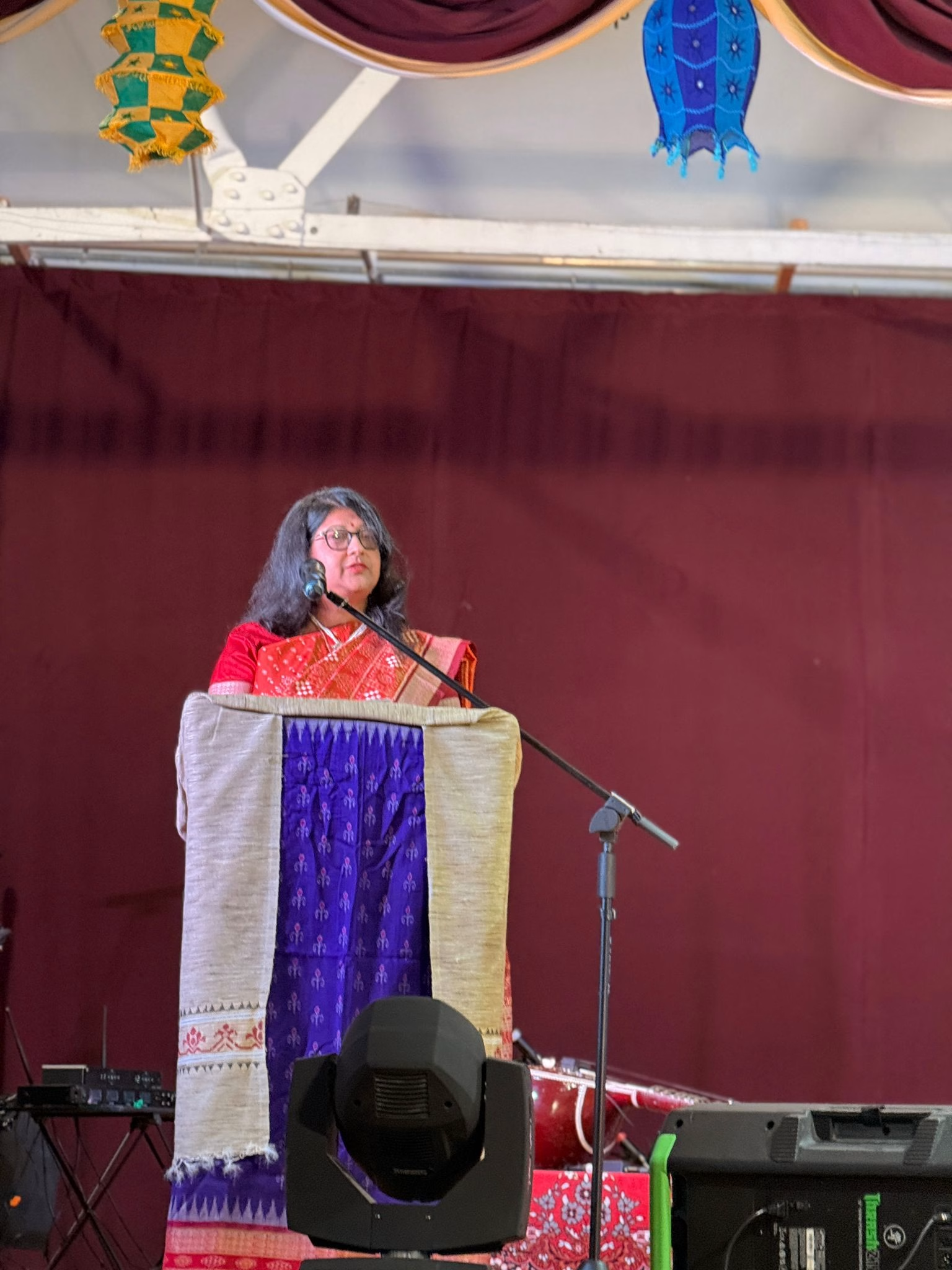
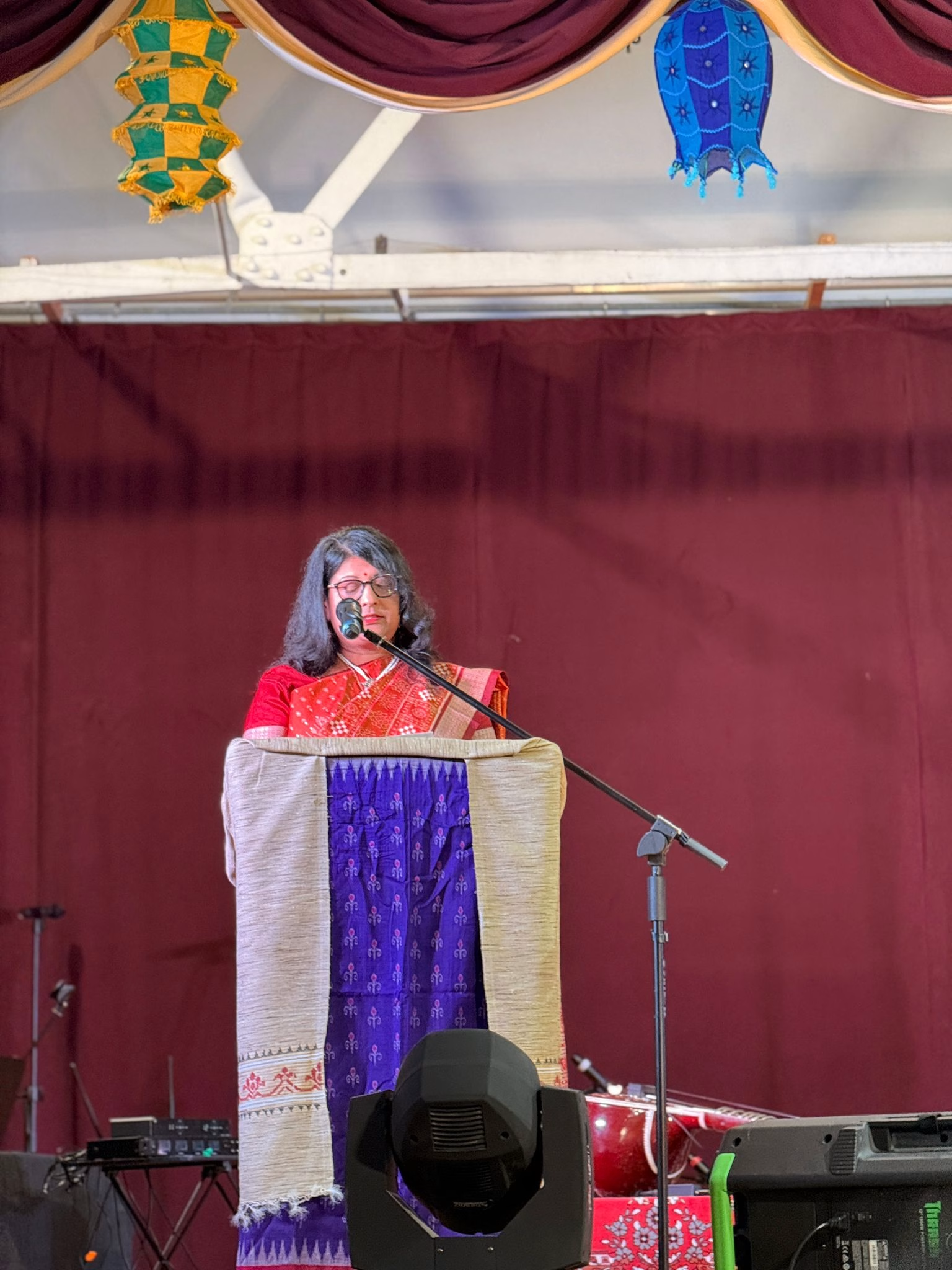
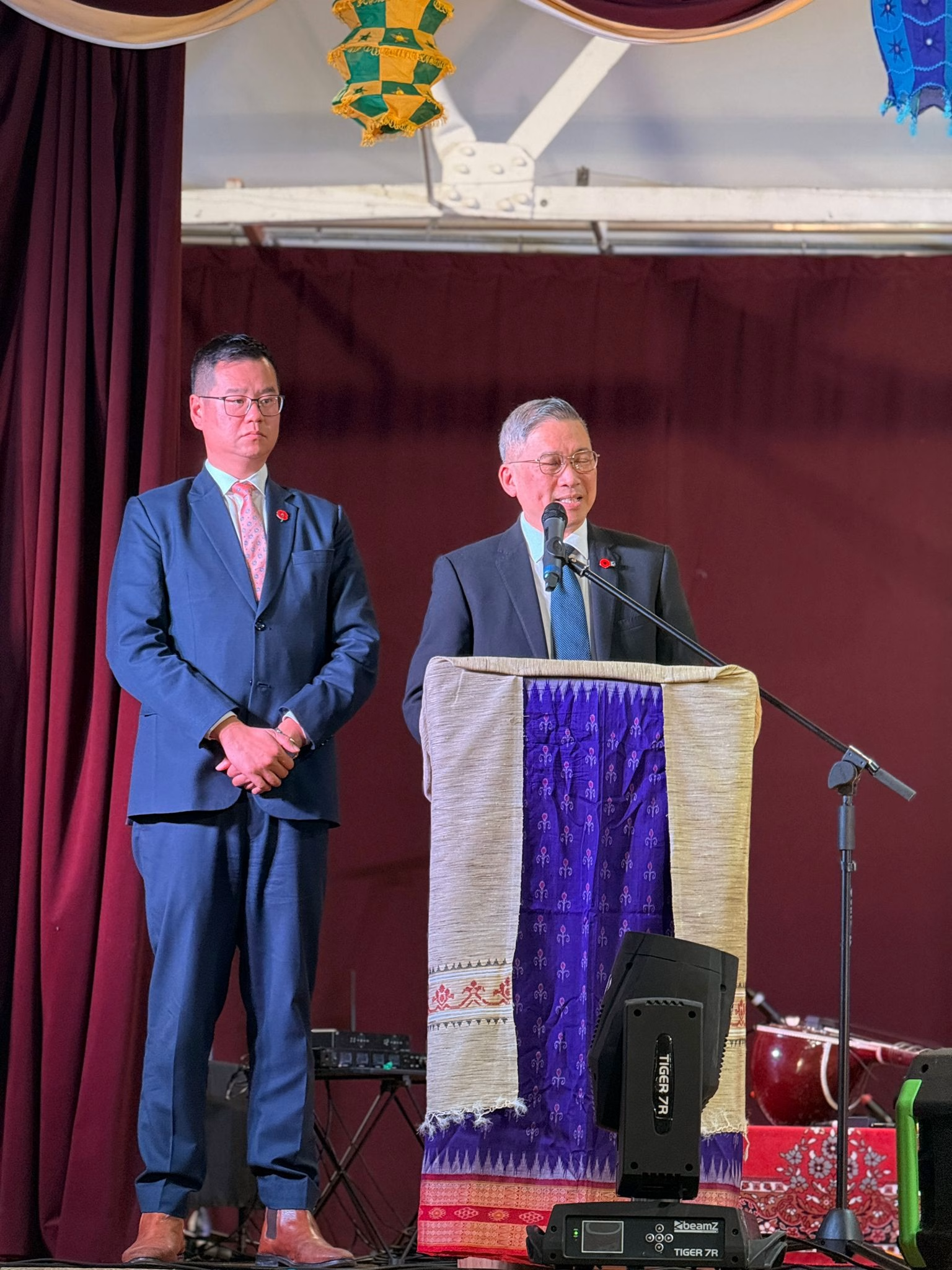
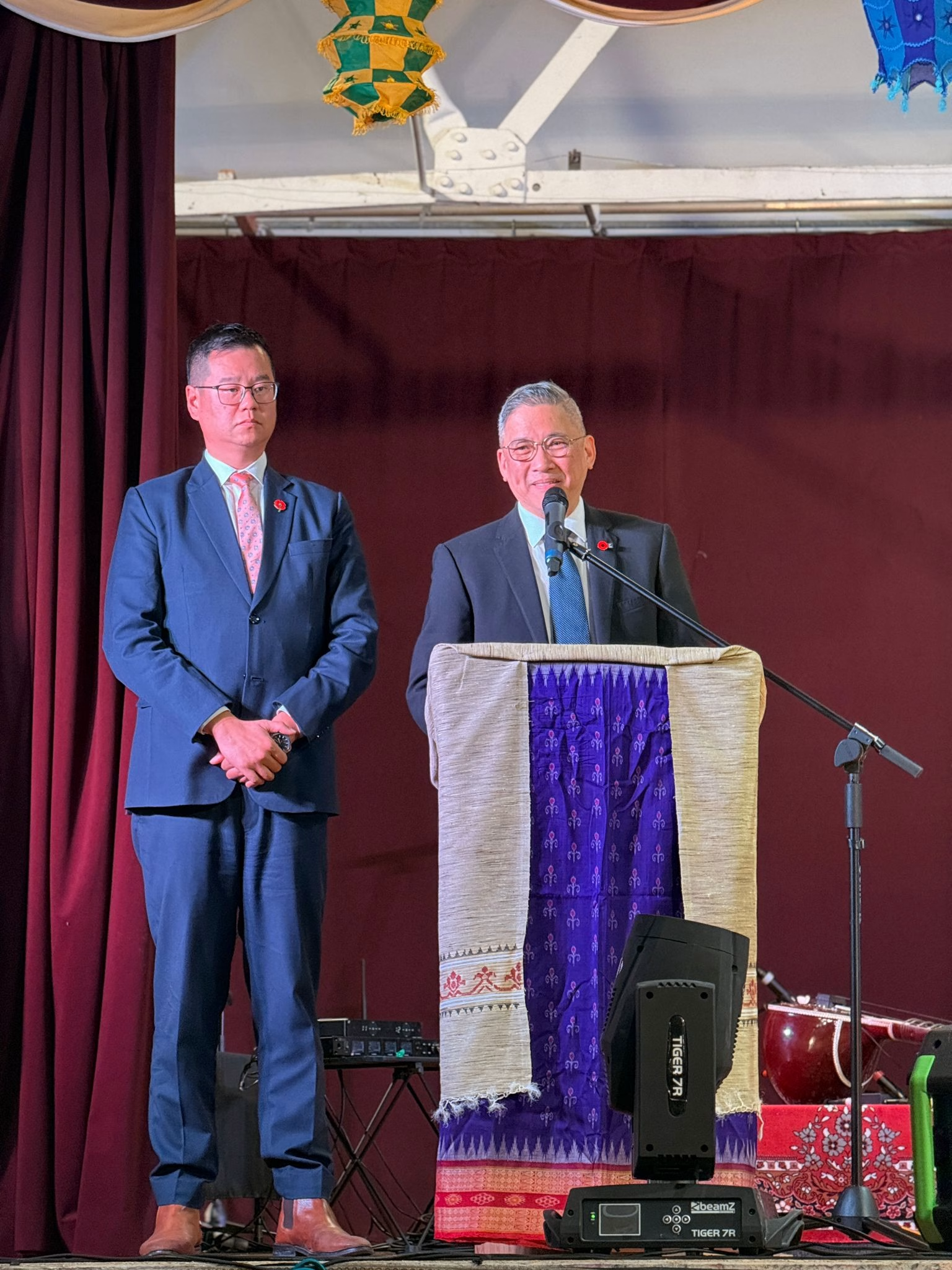
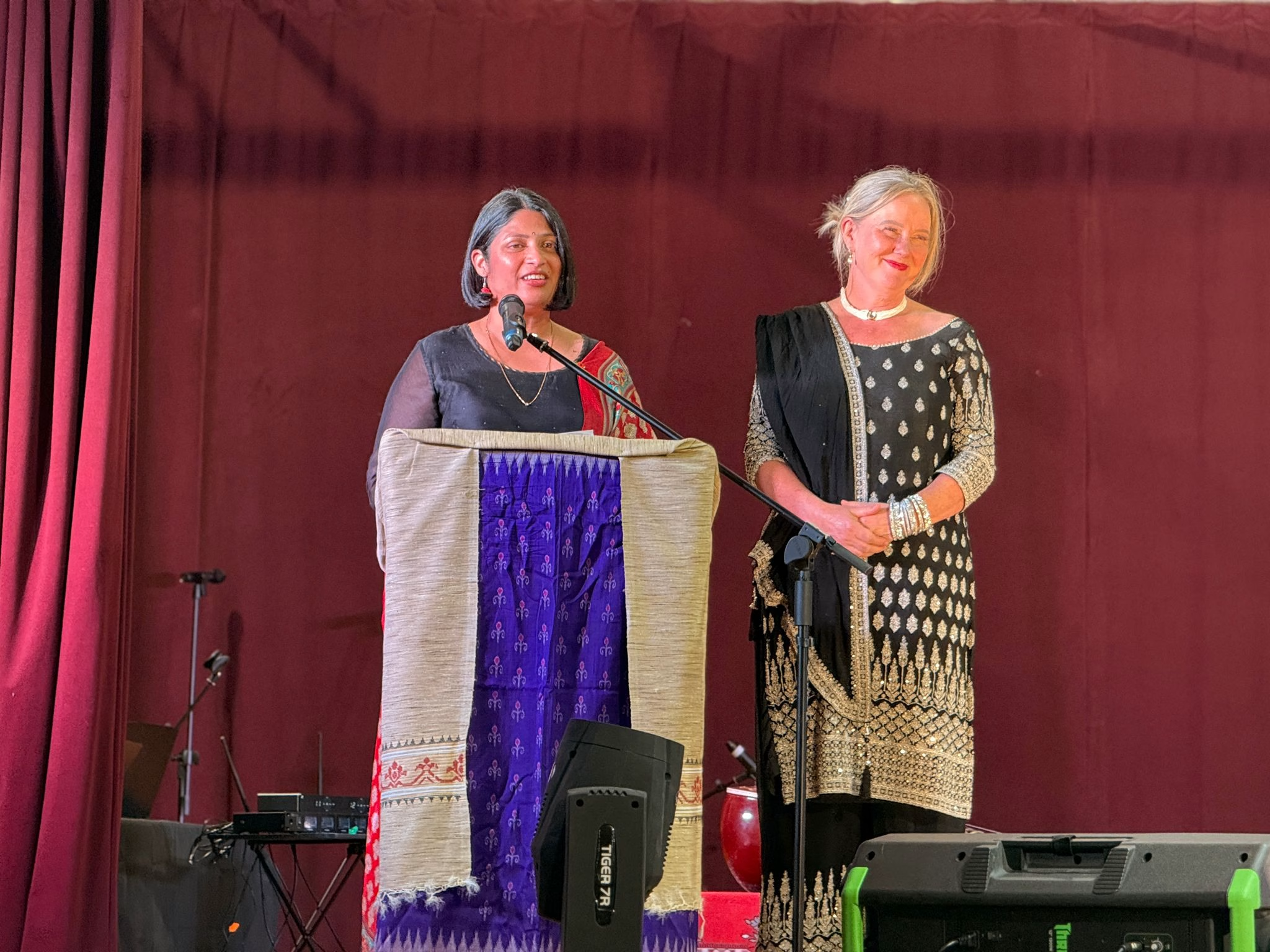
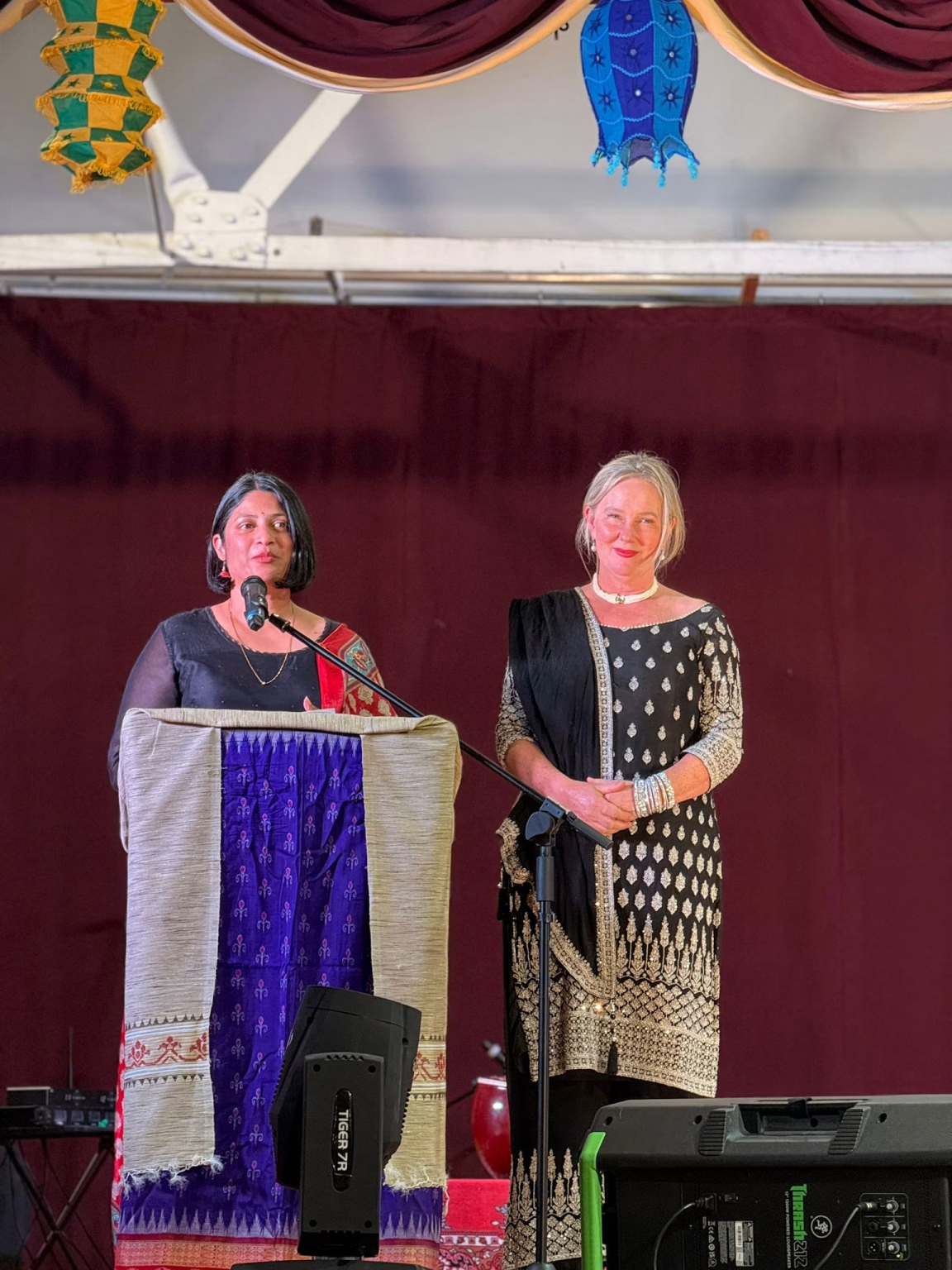
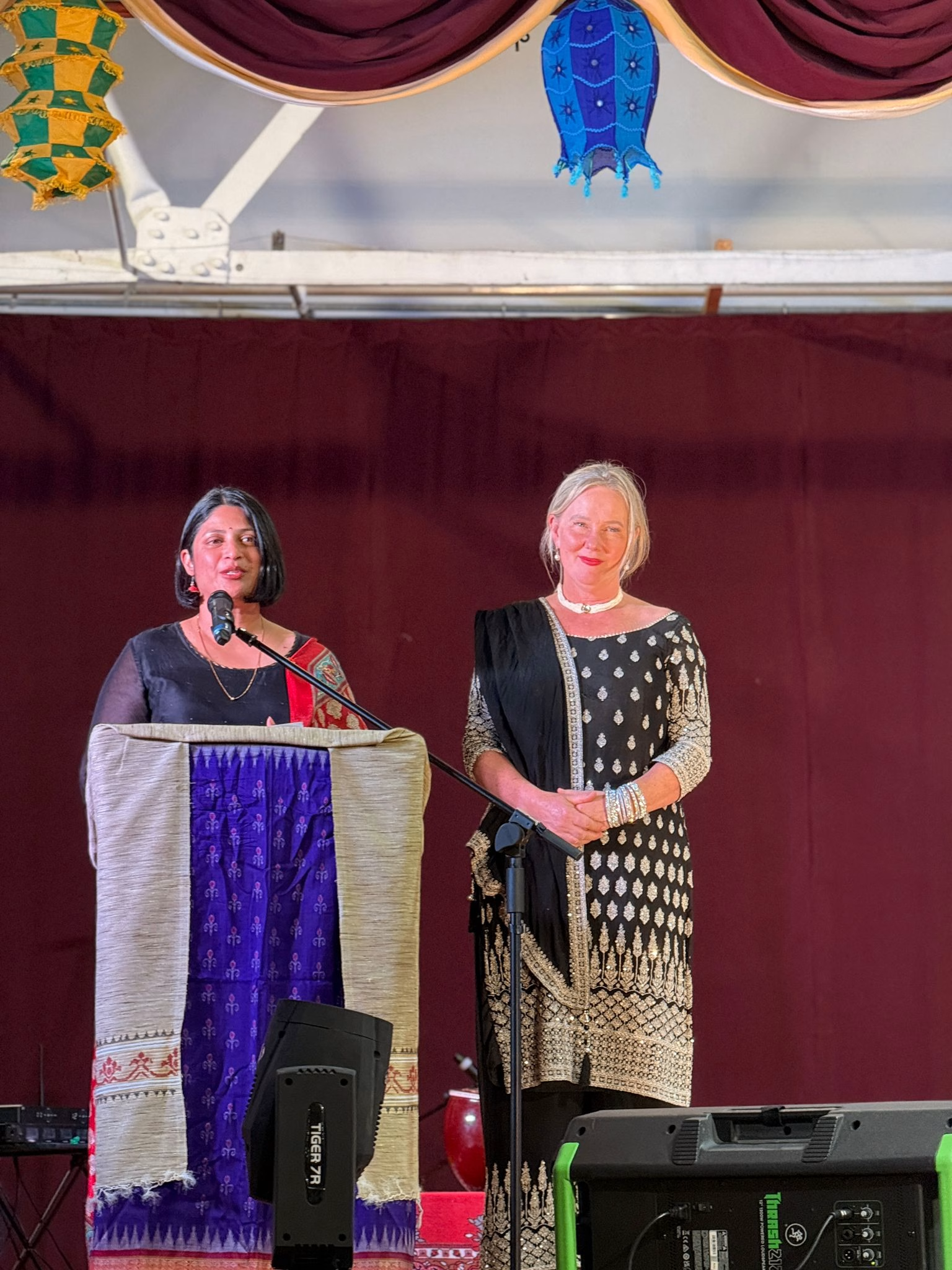
Hosted by the Consulate General of India in Auckland, under the leadership of Consul General Mr. Madan Mohan Sethi and supported by Mrs. Swagatika Mohanty, the event was organised in collaboration with the NZ Odia Society at the Mahatma Gandhi Centre.
The evening stood out not just for its cultural richness, but for its timing. Held on 25 April, the same day as ANZAC Day in New Zealand, the event carried a deeper message of shared history, sacrifice, and unity.
It also came at a significant diplomatic moment, just two days before the expected signing of the India–New Zealand Free Trade Agreement on 27 April 2026, placing the celebration within a broader context of strengthening bilateral relations.
A Celebration Rooted in Identity and Heritage
Utkal Diwas marks the formation of the Indian state of Odisha, a region known for its ancient temples, classical arts, and deep-rooted traditions.
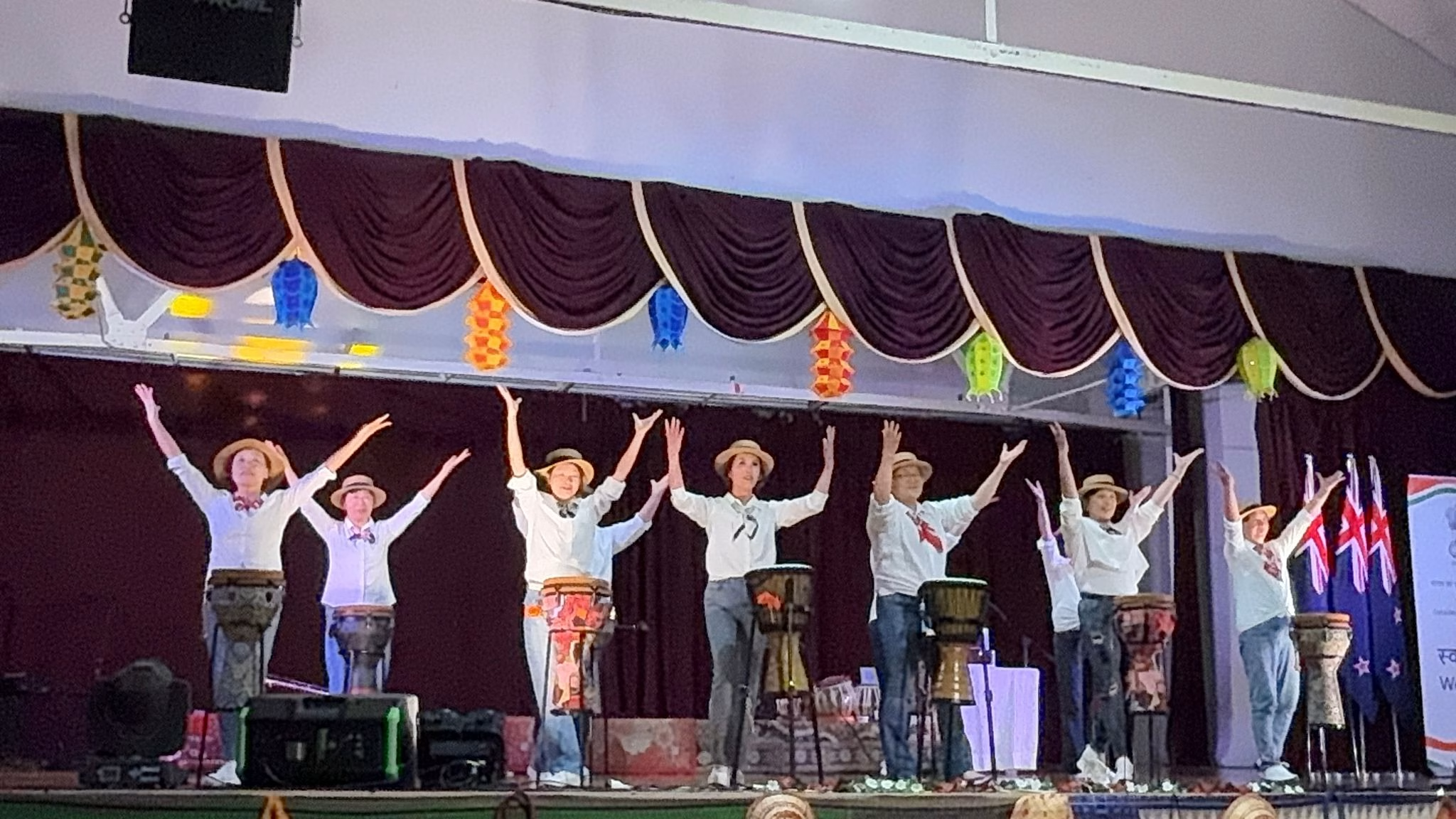
From the outset, the event created an atmosphere that was both welcoming and culturally immersive. The venue was filled with vibrant displays, traditional elements, and a strong sense of pride among attendees.
Guests were introduced to Odisha’s rich heritage through:
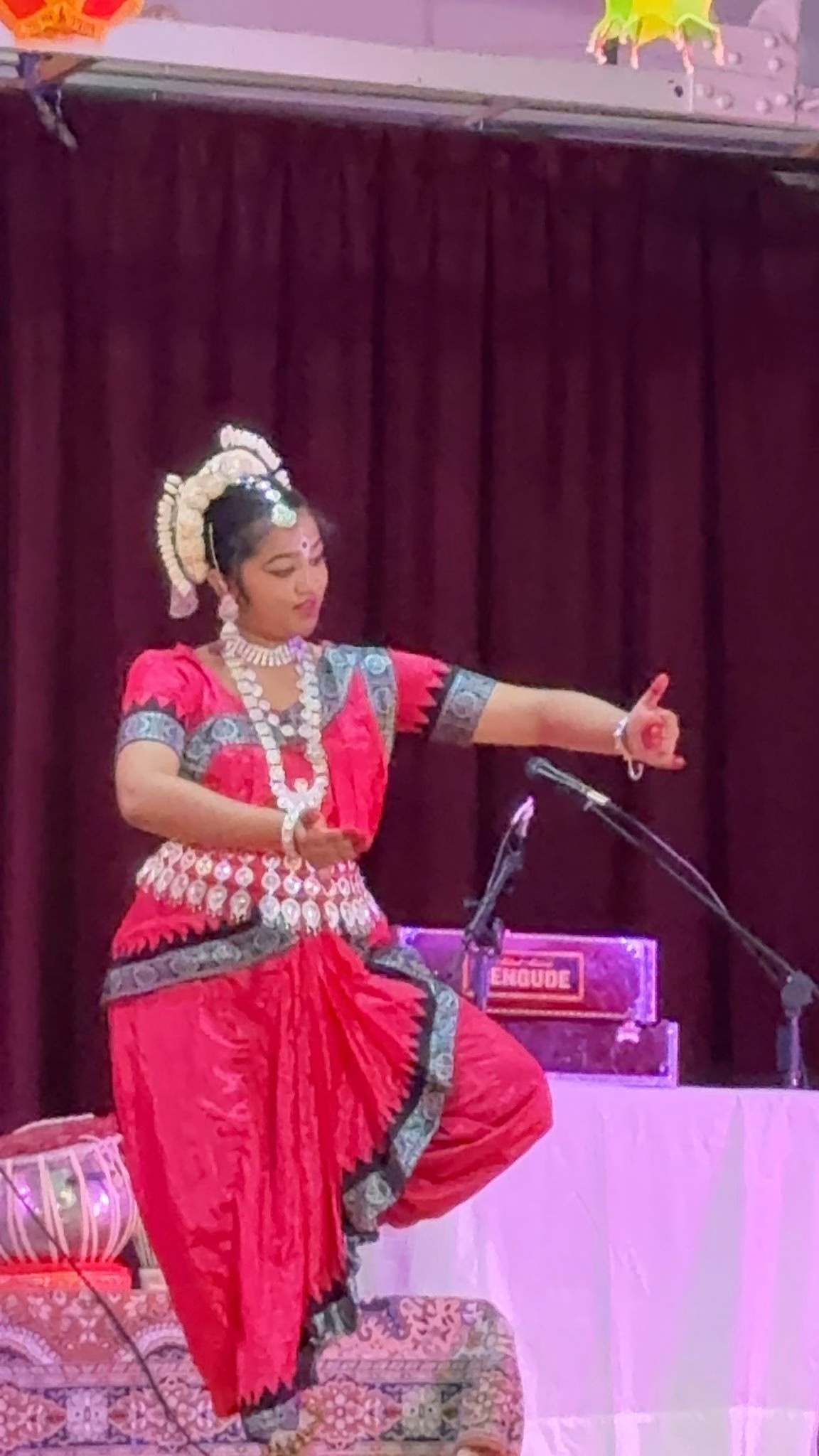
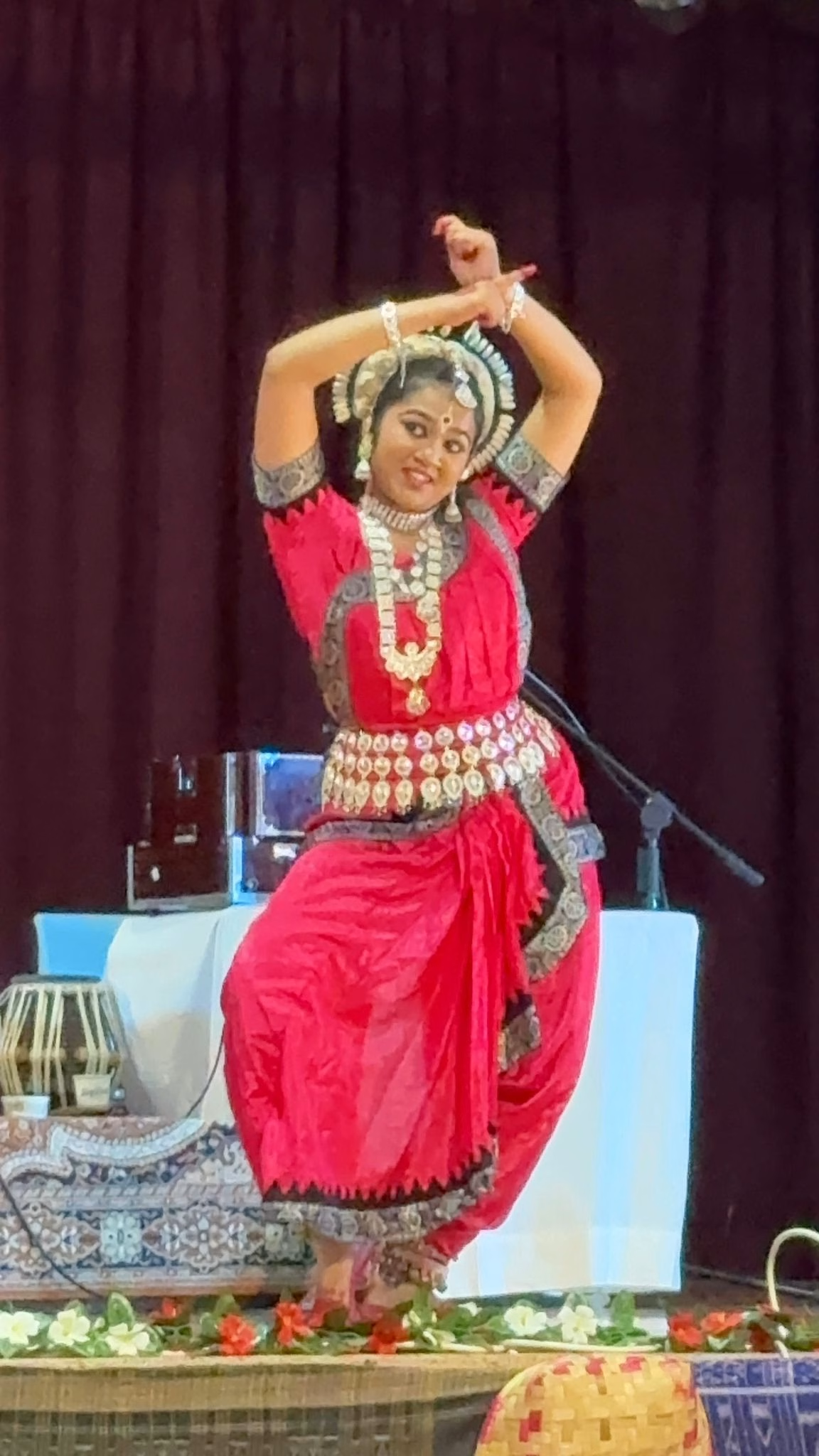
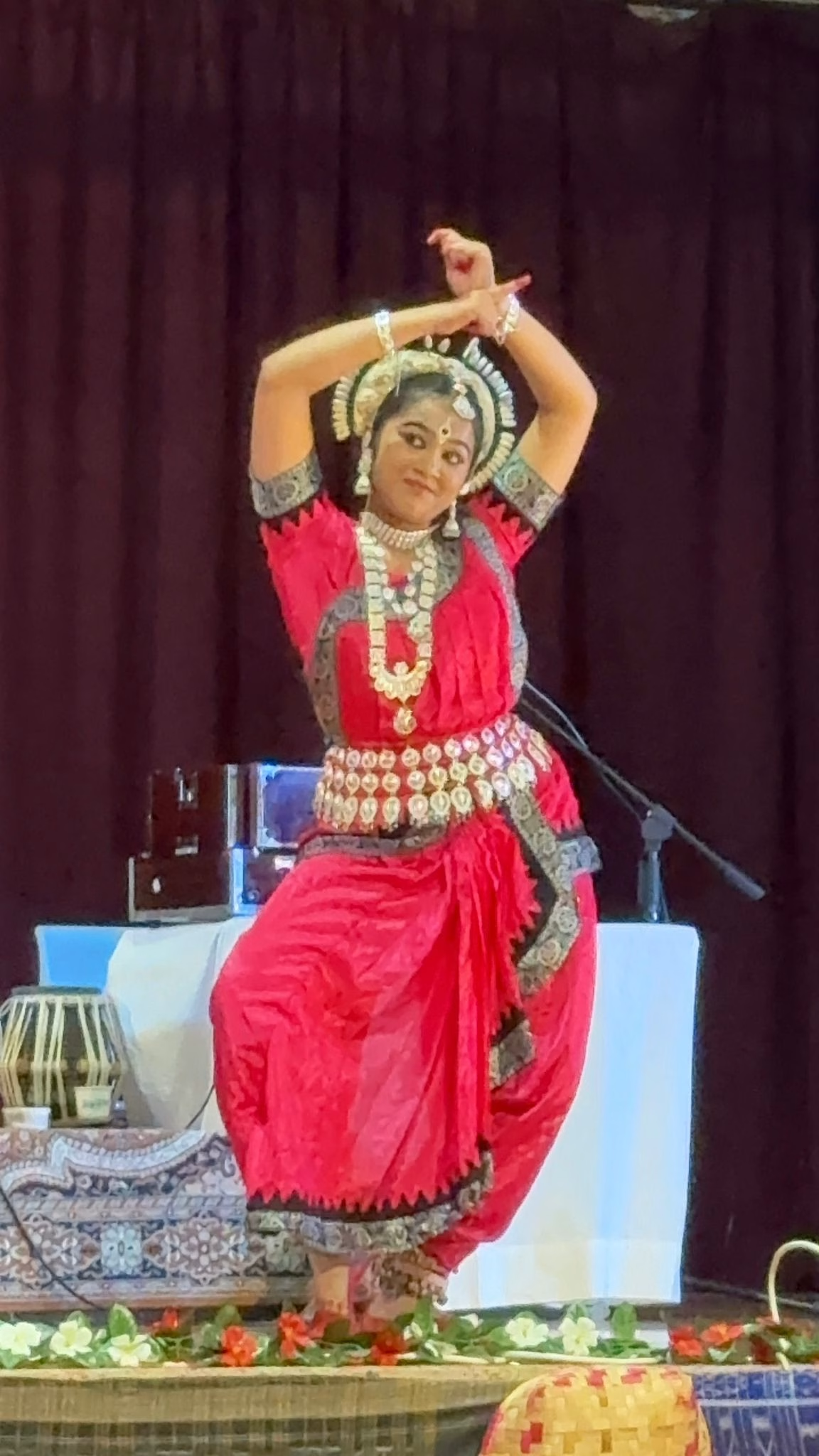
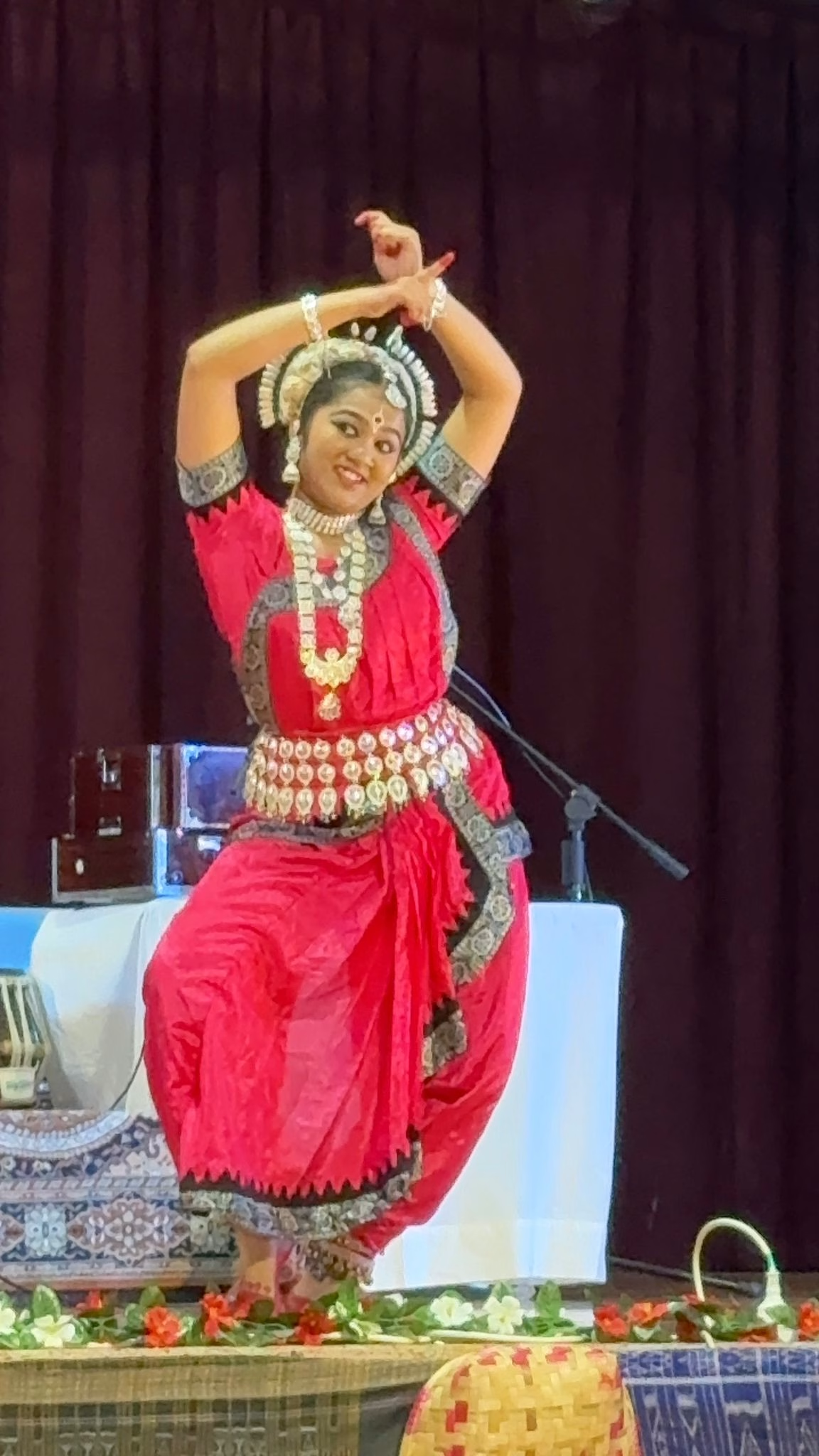
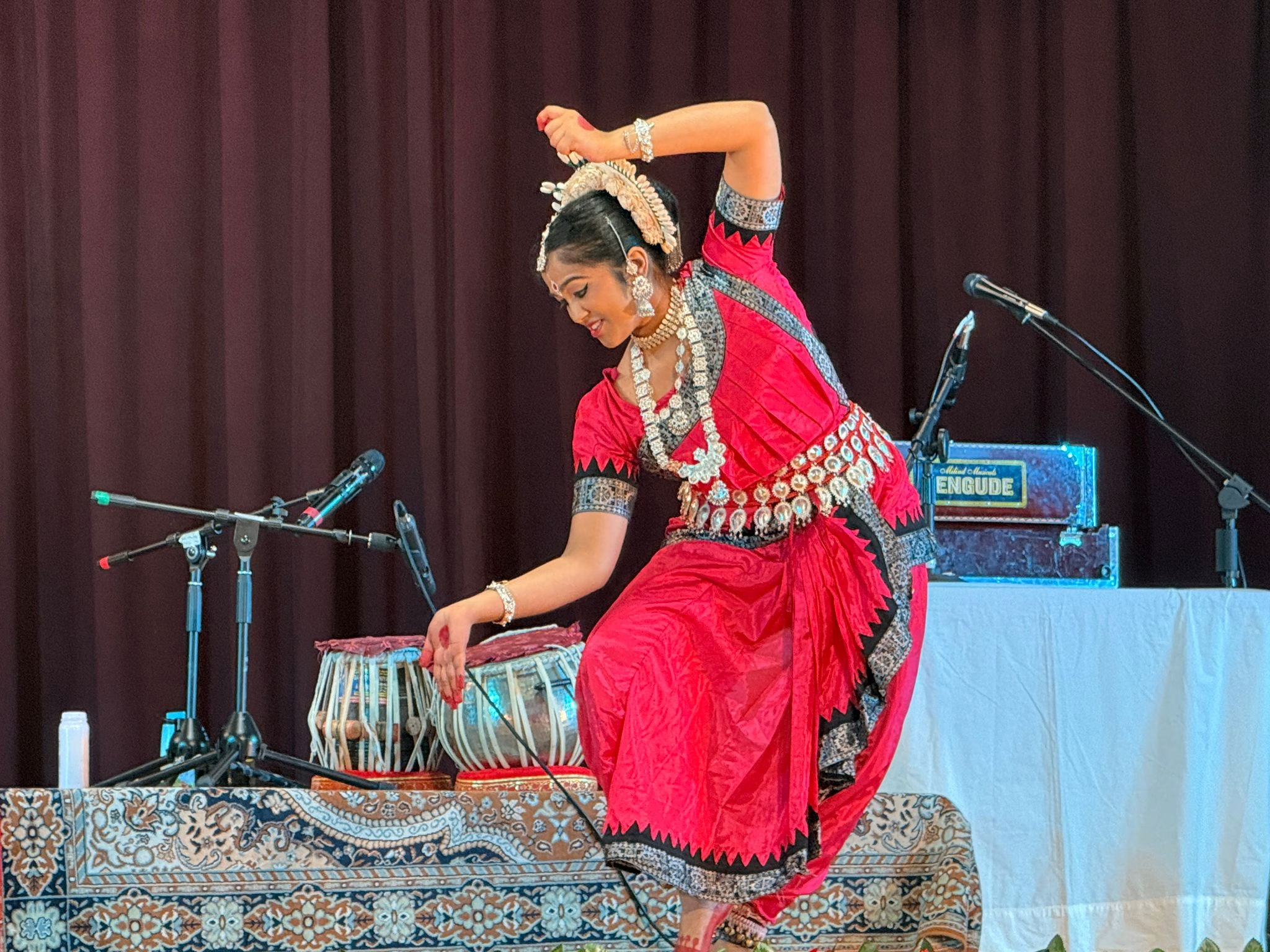
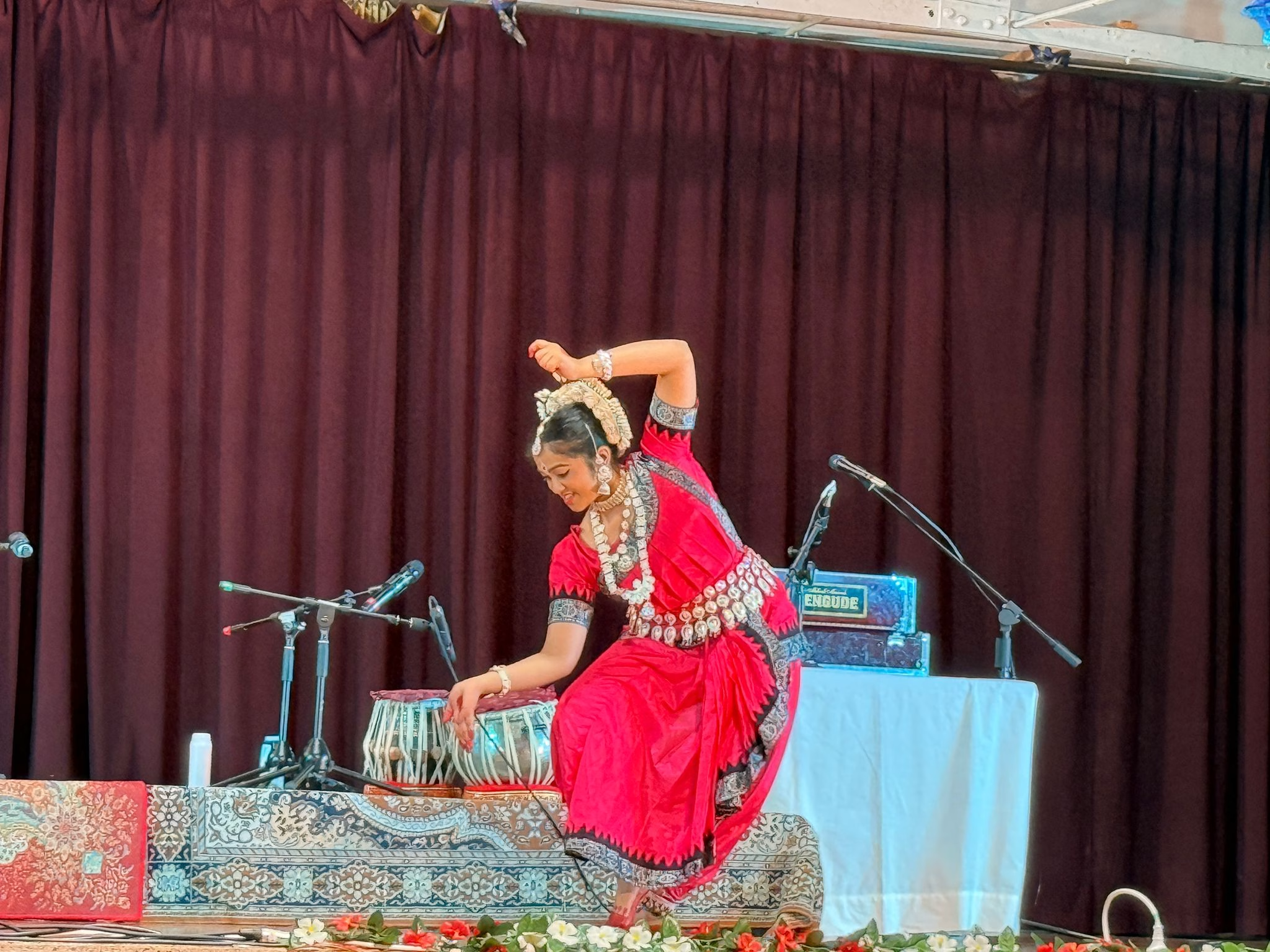
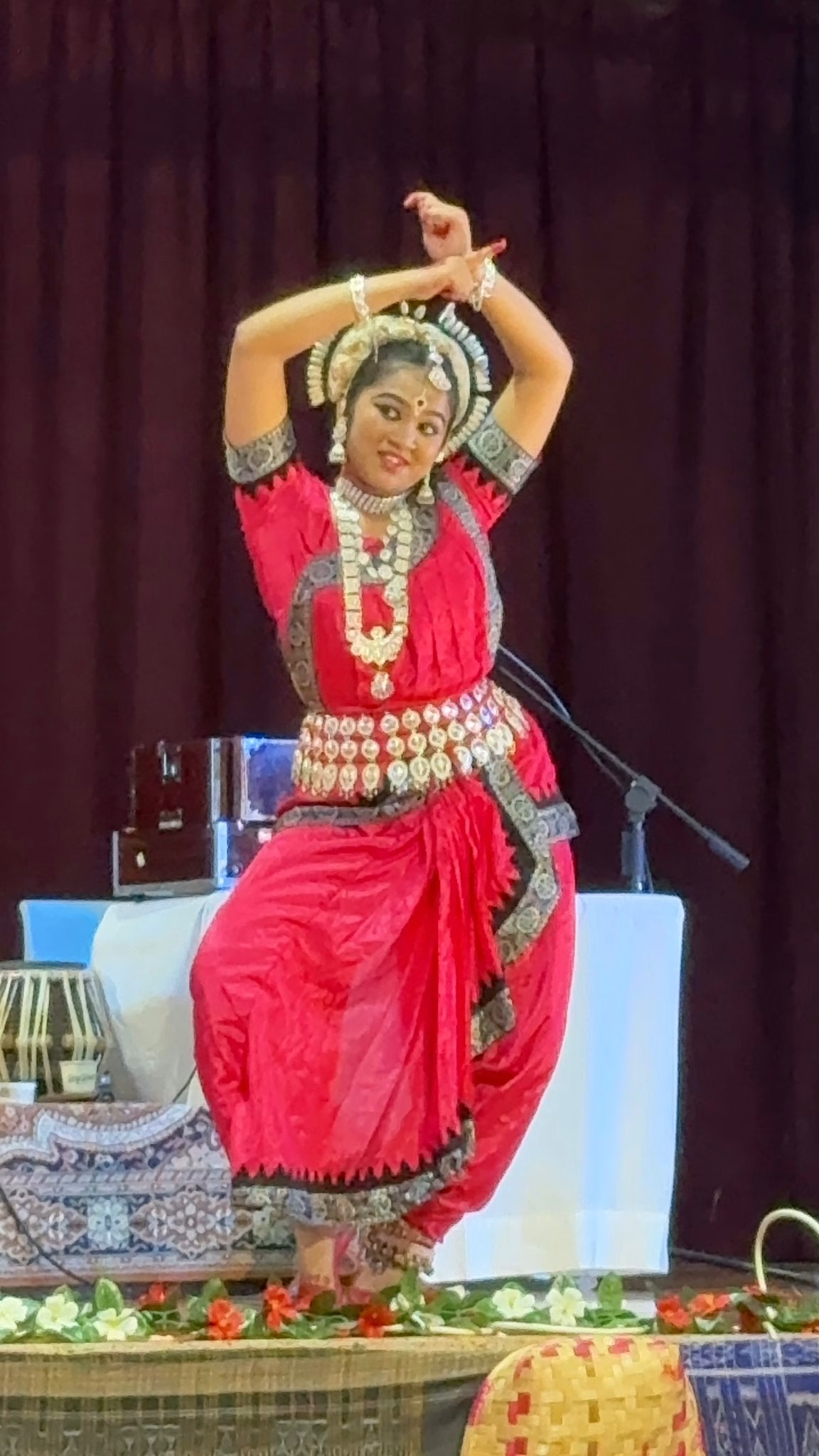
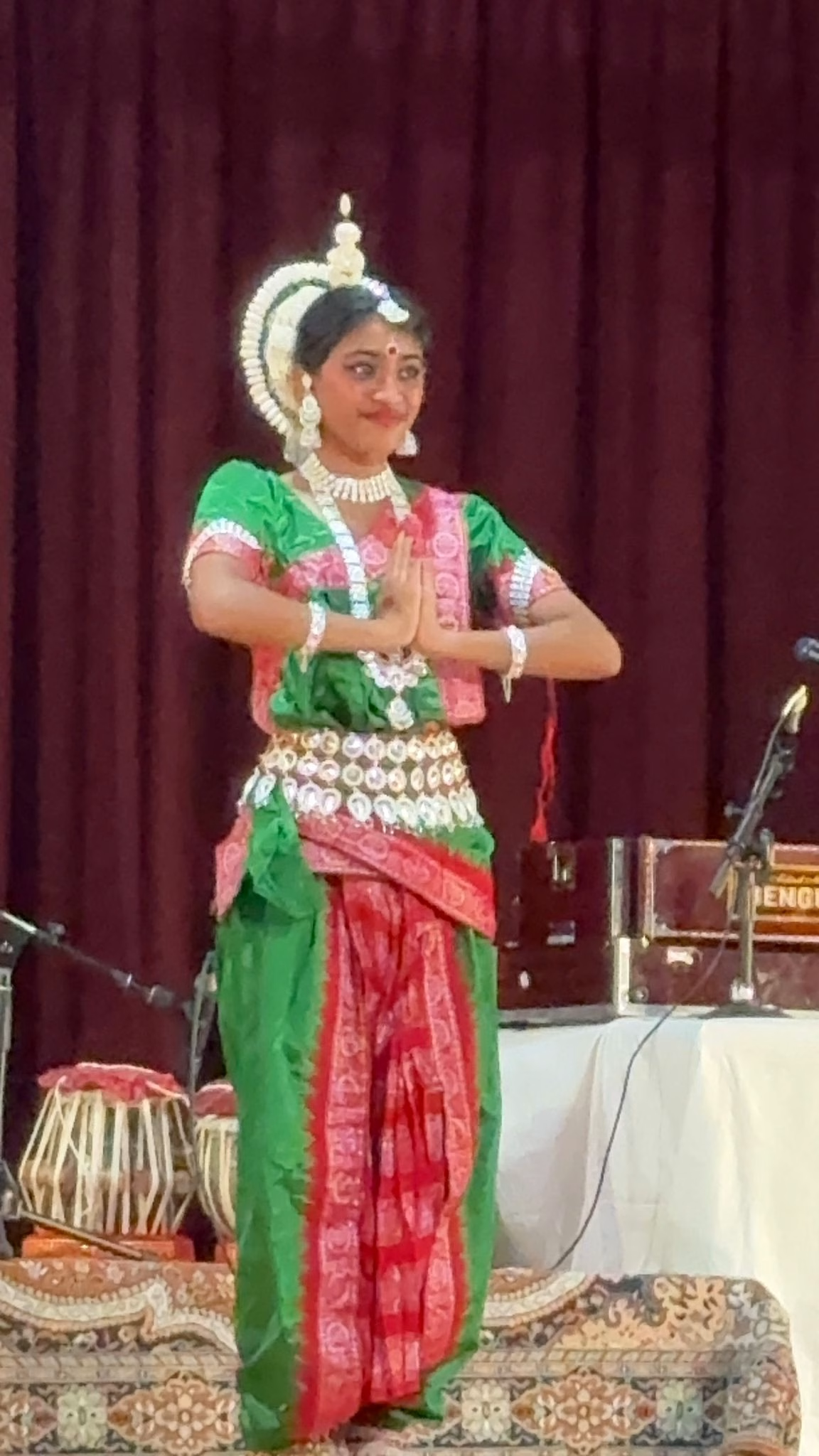
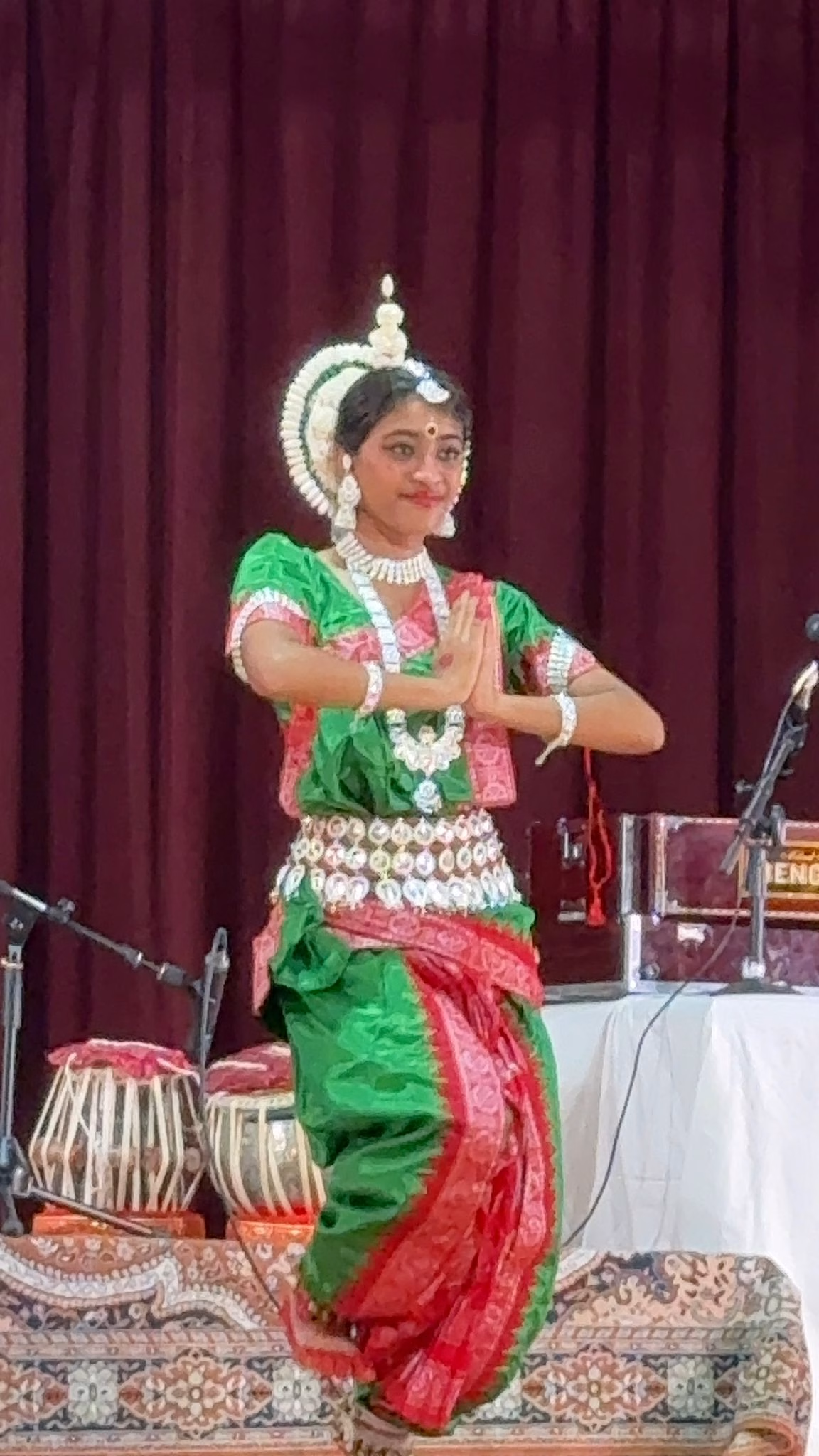
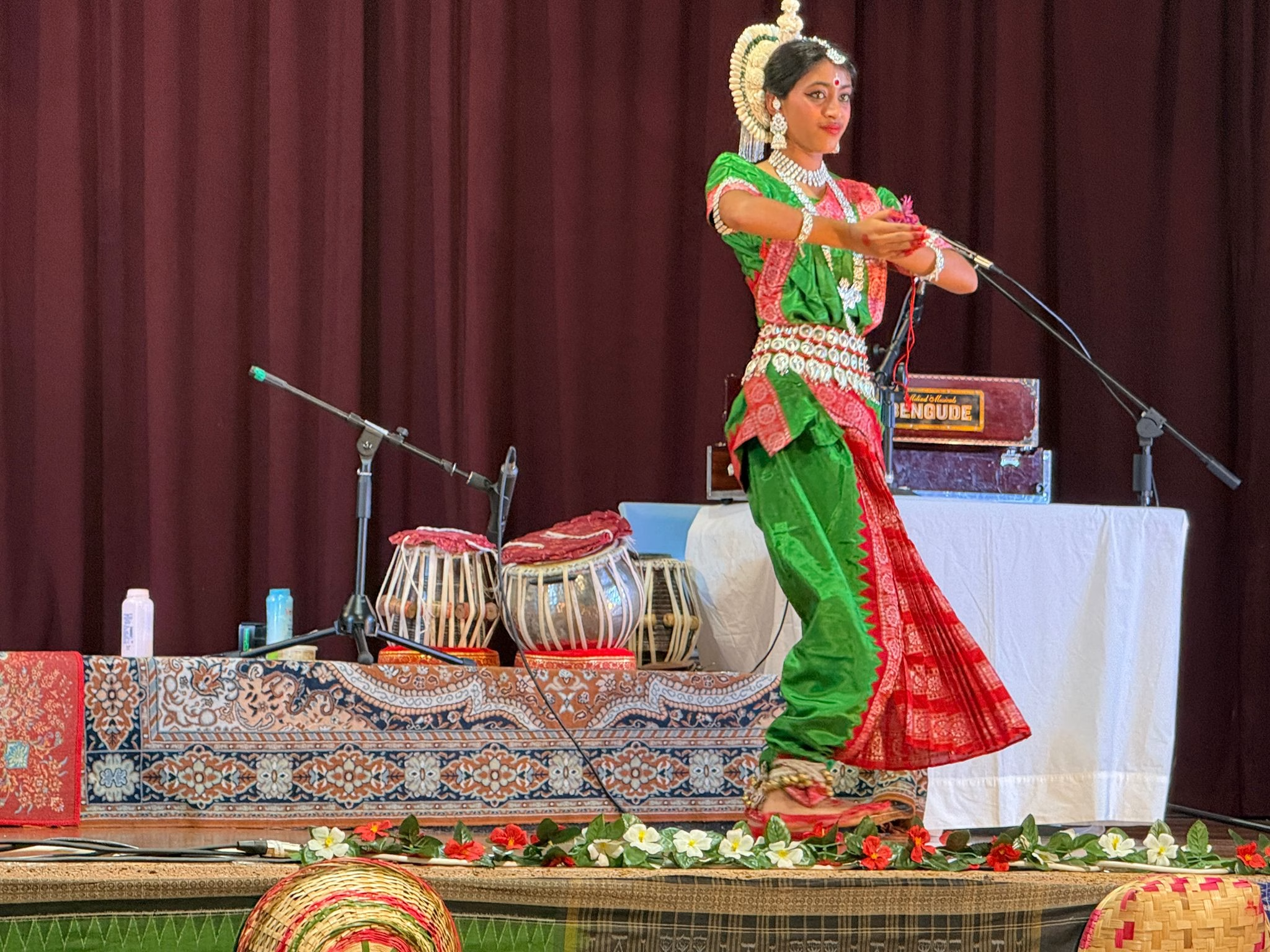
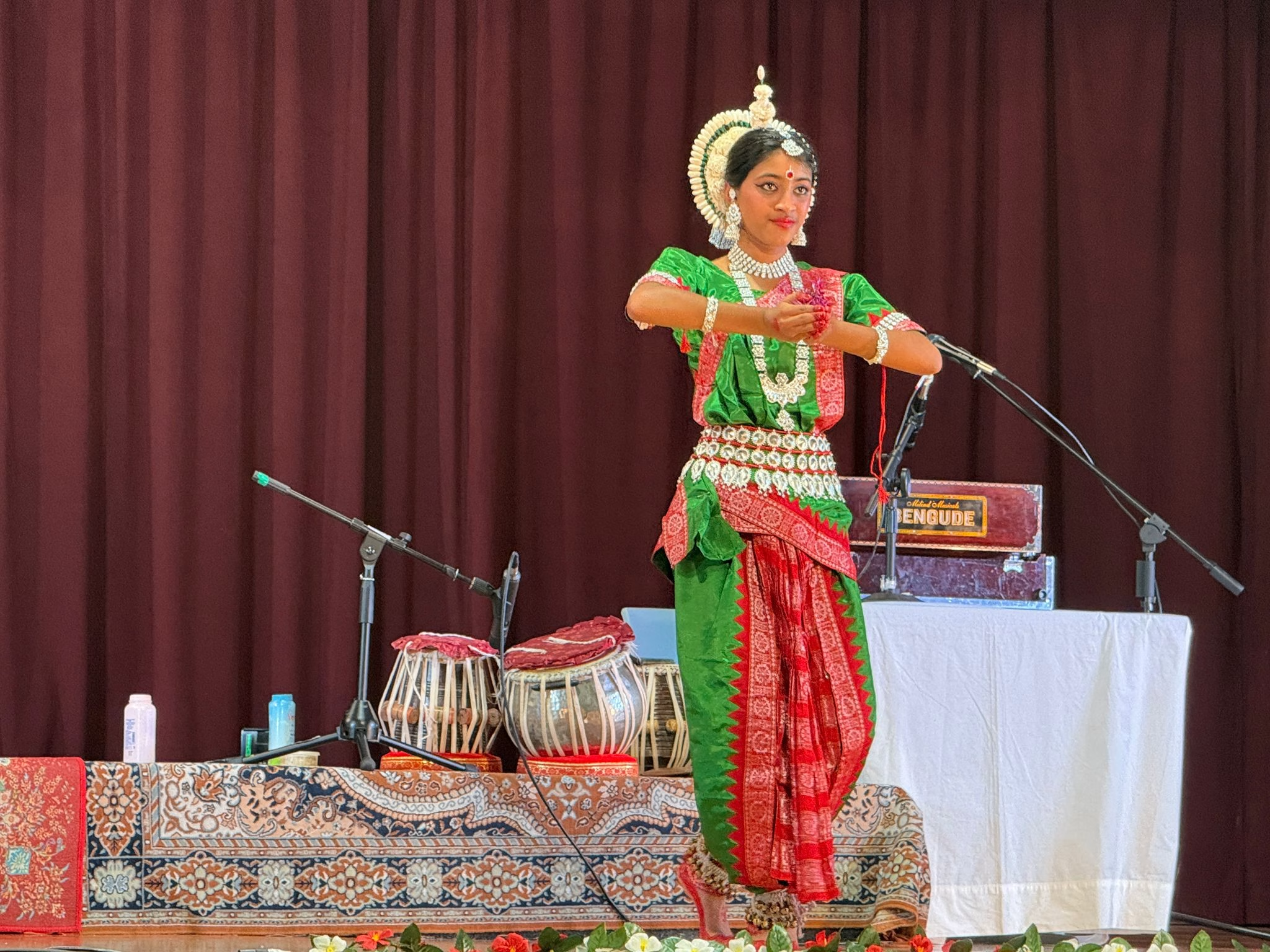
- Classical dance performances, especially Odissi, one of India’s oldest dance forms
- Traditional art forms such as Pattachitra paintings
- Cultural symbols linked to Jagannath heritage
- Authentic cuisine, including Dalma, Pakhala Bhata, and Chhena Poda
Detailed visual panels and printed materials shared at the venue offered insights into:
- Odisha’s journey from ancient Kalinga to modern India
- Iconic tourism sites such as the Konark Sun Temple and Chilika Lake
- The state’s growing infrastructure and industrial development
For many attendees, particularly younger members of the community and non-Indian guests, this served as both an educational and cultural experience.
ANZAC Day Adds a Layer of Reflection
The alignment with ANZAC Day brought a unique dimension to the celebration.
Speakers during the event reflected on the shared military history between India and New Zealand, acknowledging the role of Indian soldiers who fought alongside ANZAC forces in global conflicts.
The message delivered was thoughtful and clear:
Remembrance is not just about honouring history. It is about recognising responsibility.
The audience was reminded that:
- Peace cannot be taken for granted
- Sacrifice underpins the freedoms enjoyed today
- Communities must remain united to preserve these values
The words “Lest we forget” carried added meaning in this multicultural setting, reinforcing the idea that remembrance transcends borders.
A Moment of Growing India–New Zealand Engagement
Beyond culture and remembrance, the event also reflected a broader shift in India–New Zealand relations.
With the India–New Zealand Free Trade Agreement expected to be formally signed on 27 April 2026, the timing of the event highlighted increasing engagement between the two nations.
While Utkal Diwas is traditionally a cultural celebration, its hosting by the Consulate at this moment subtly underscores:
- Strengthening diplomatic ties
- Growing economic cooperation
- Expanding people-to-people connections
Events like these play a quiet but important role in building trust and familiarity, which often form the foundation of larger policy and trade developments.
Voices of Unity and Shared Values
Community leaders and speakers throughout the evening focused strongly on unity and belonging.
A consistent theme emerged:
Communities grow stronger when they stand together.
Speakers highlighted:
- The close relationship between the Indian and New Zealand communities
- The importance of mutual support and respect
- The value of cultural exchange in building a stronger society
One message that resonated deeply was the idea that while history saw soldiers from both nations fighting side by side, today that unity continues through community, culture, and shared purpose.
The audience response reflected this sentiment, with strong engagement and appreciation throughout the event.
Cultural Performances Take Centre Stage
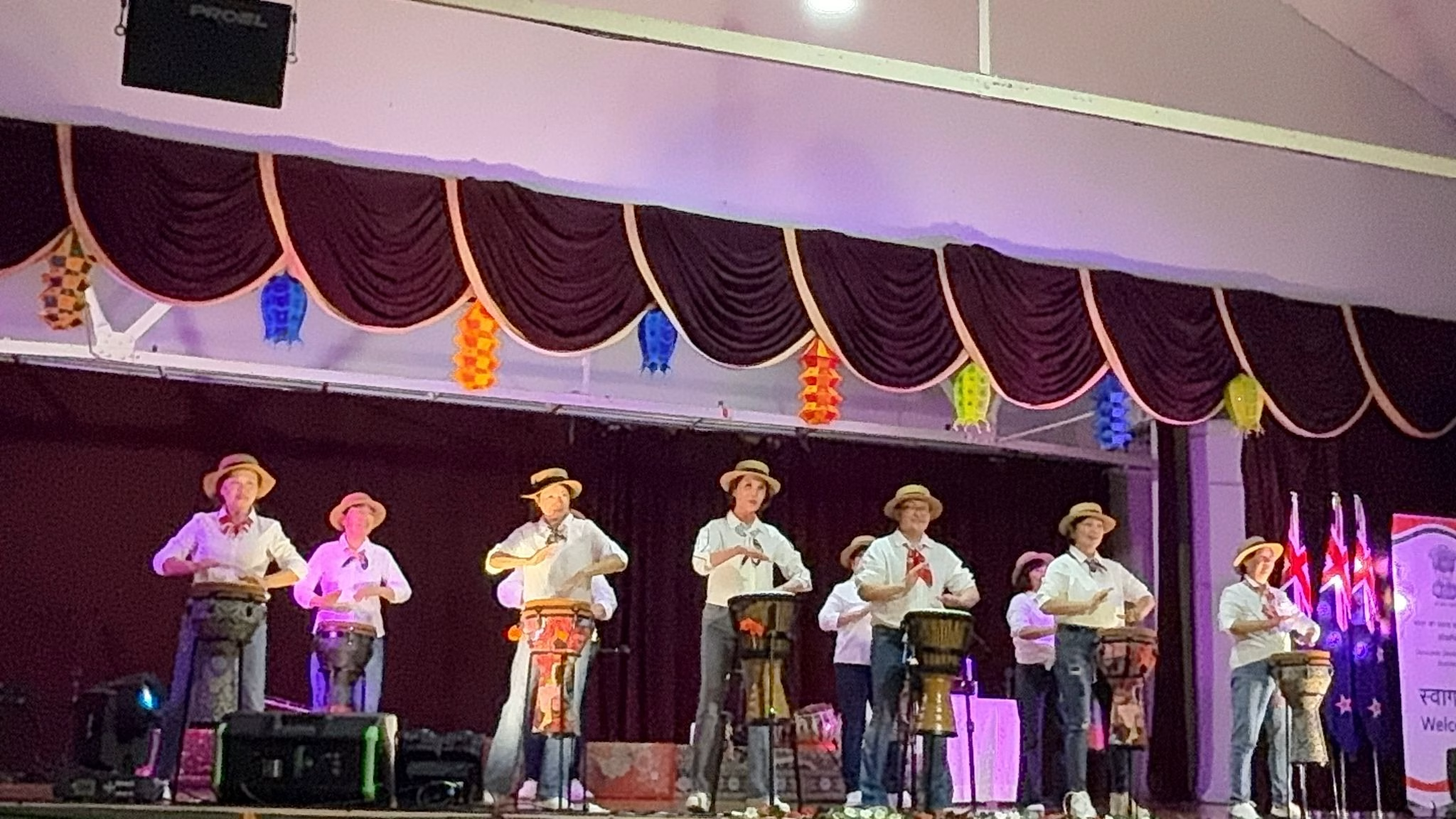
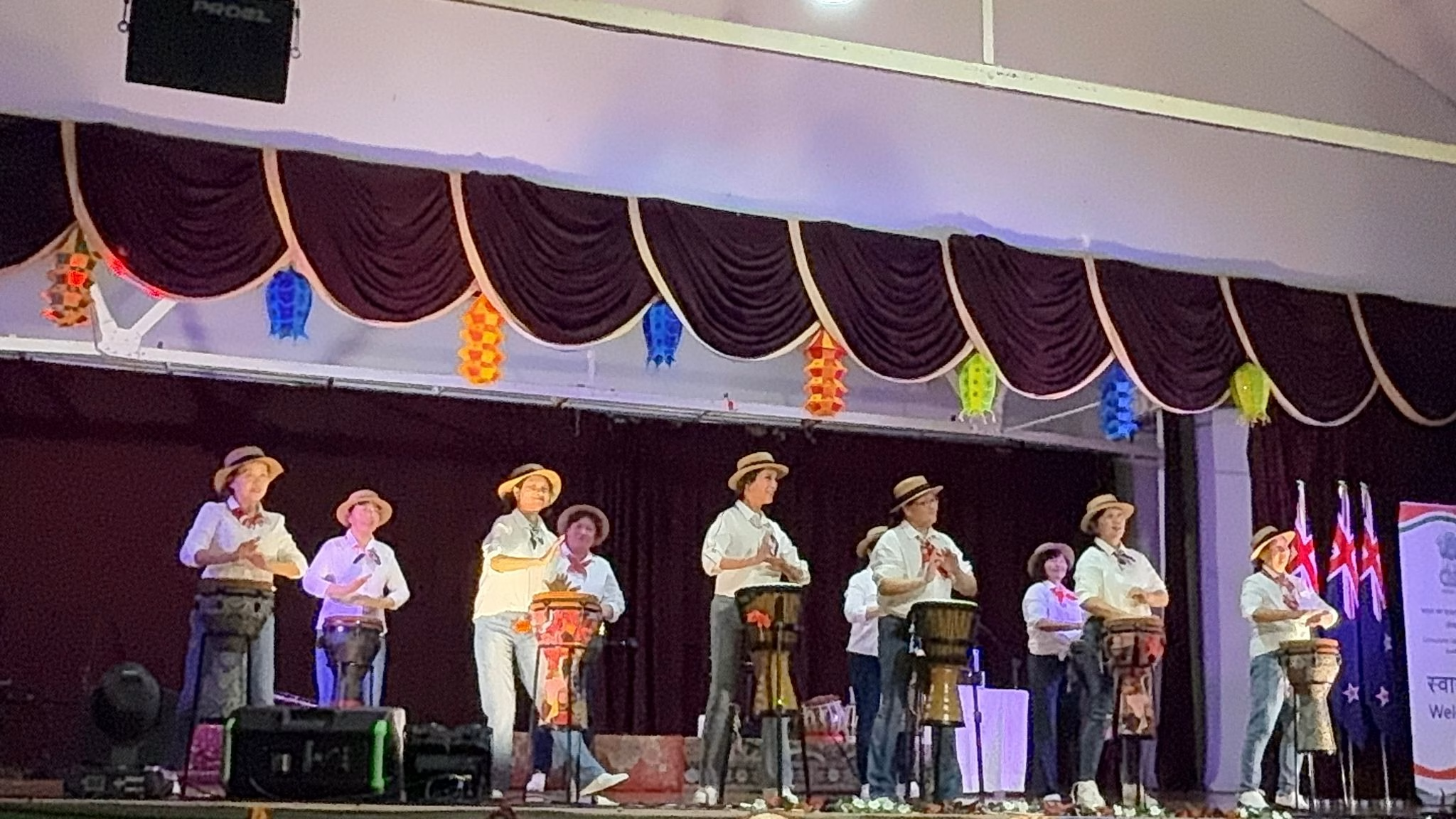
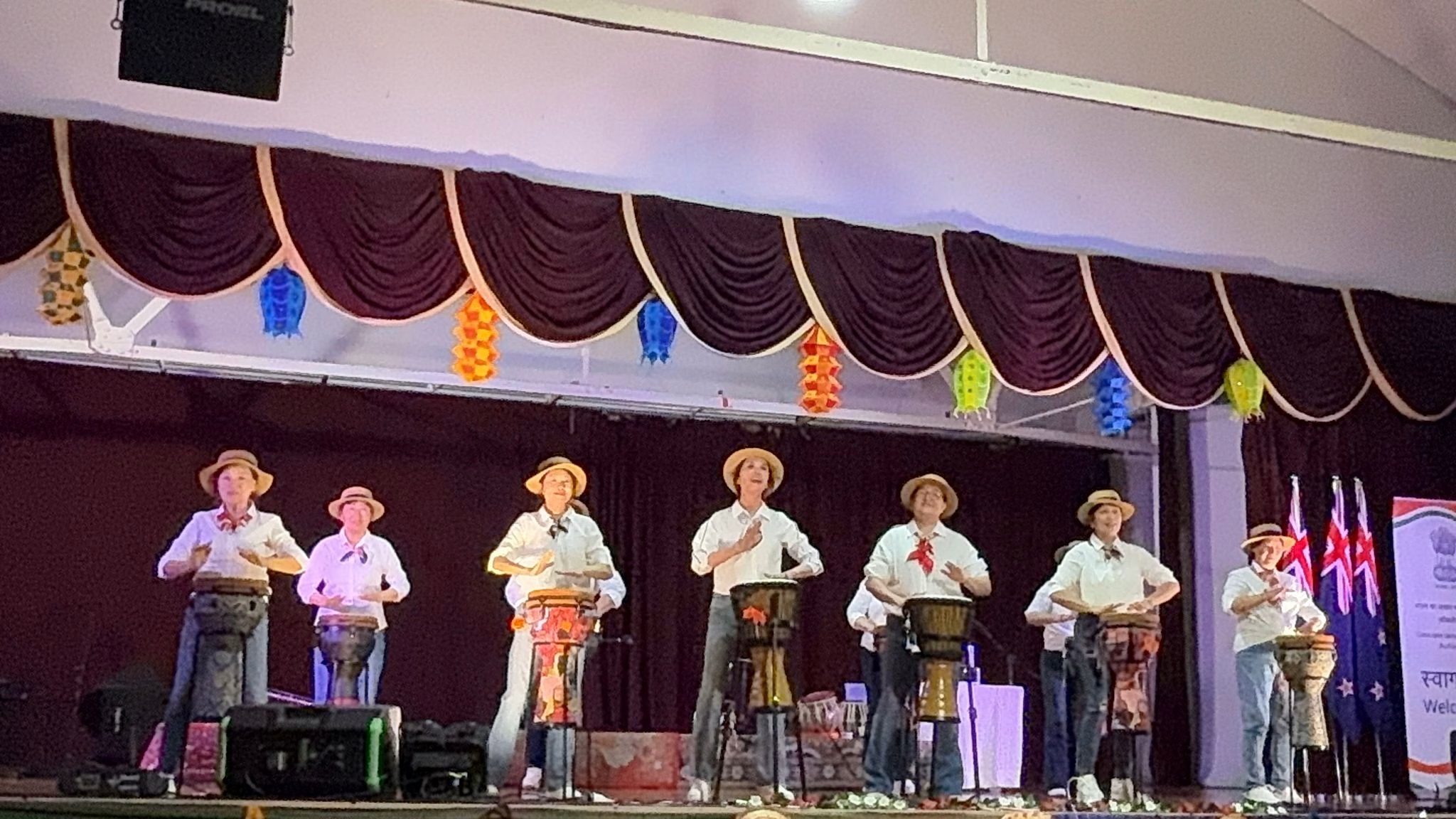
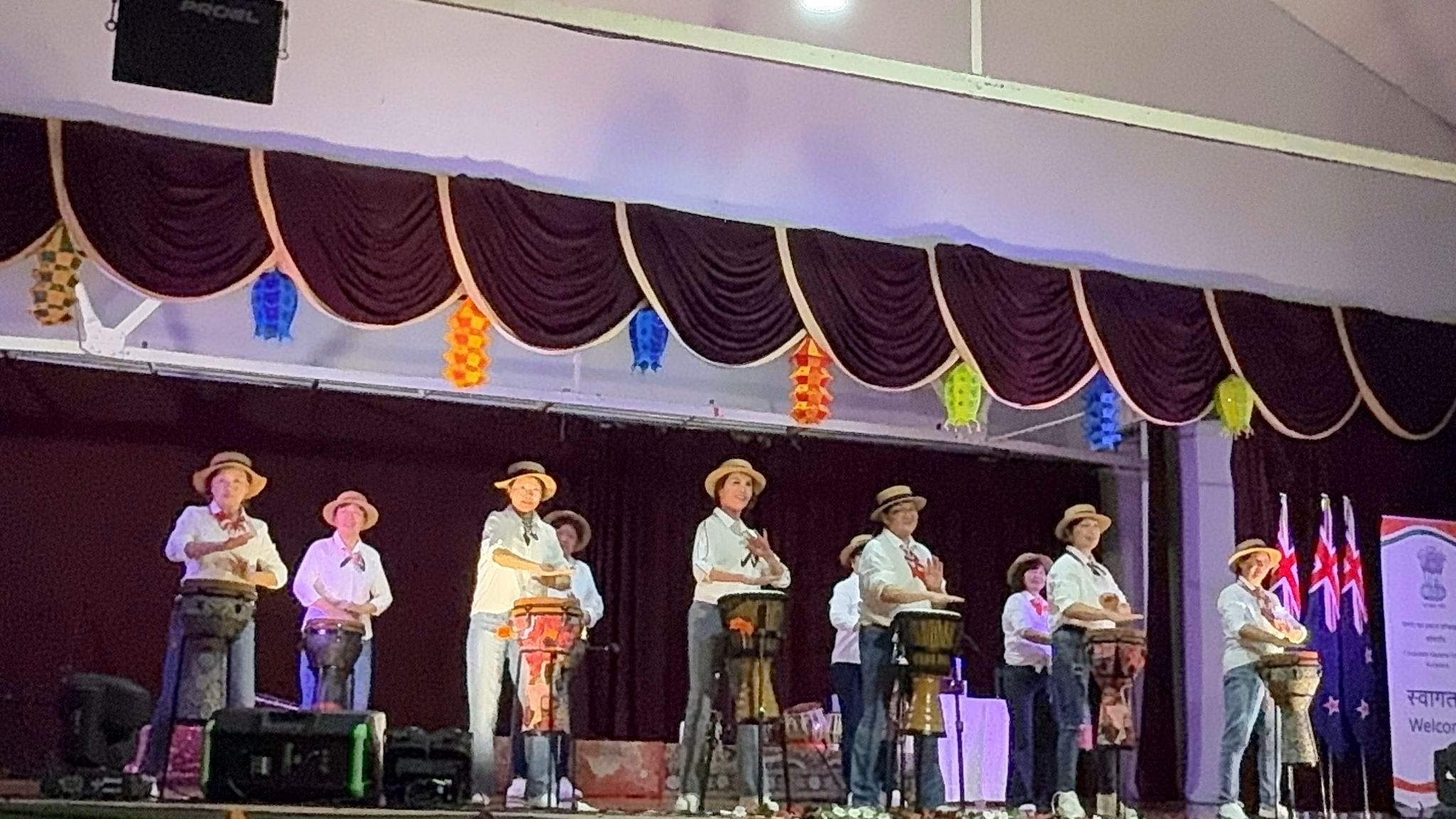
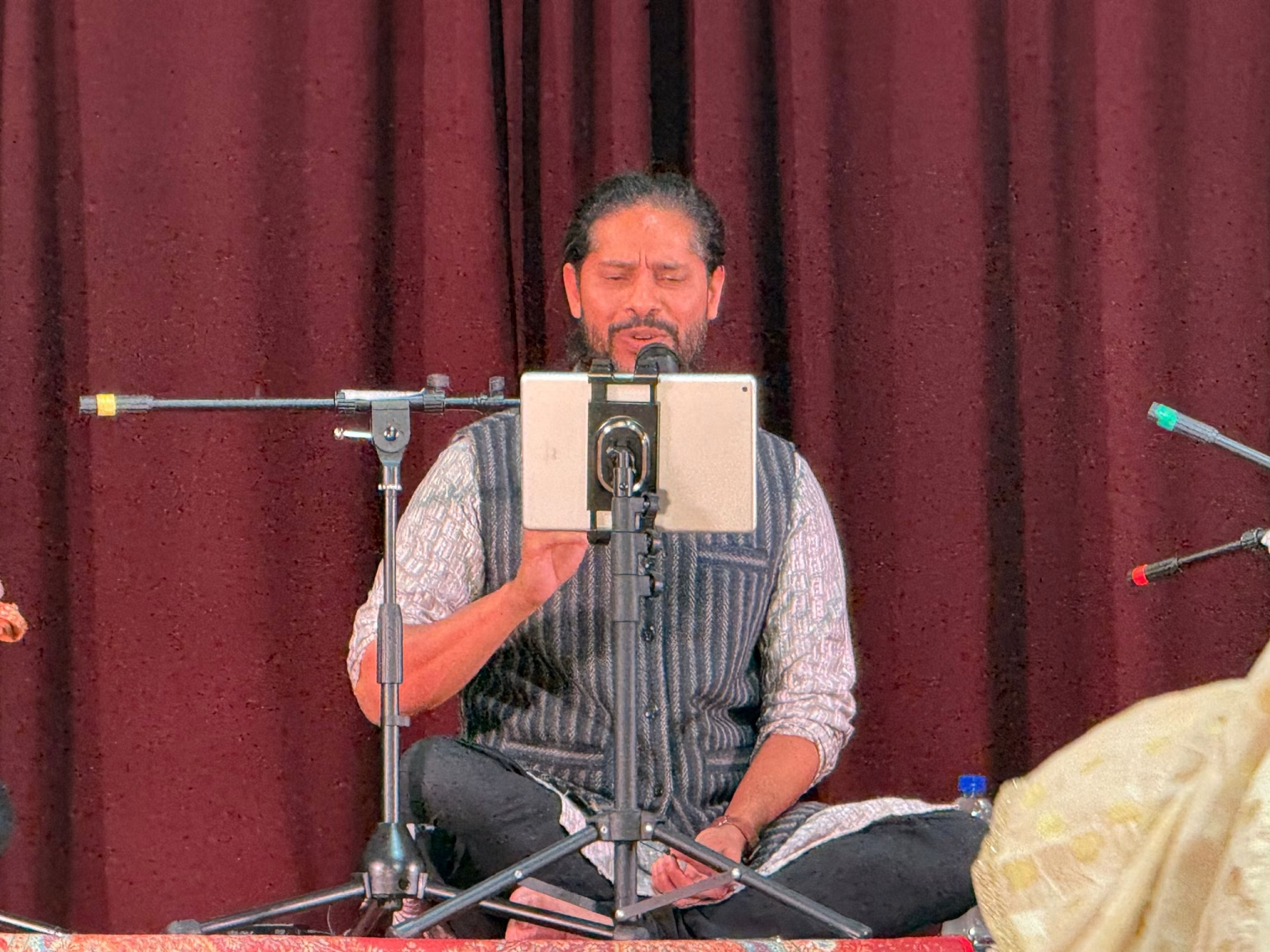
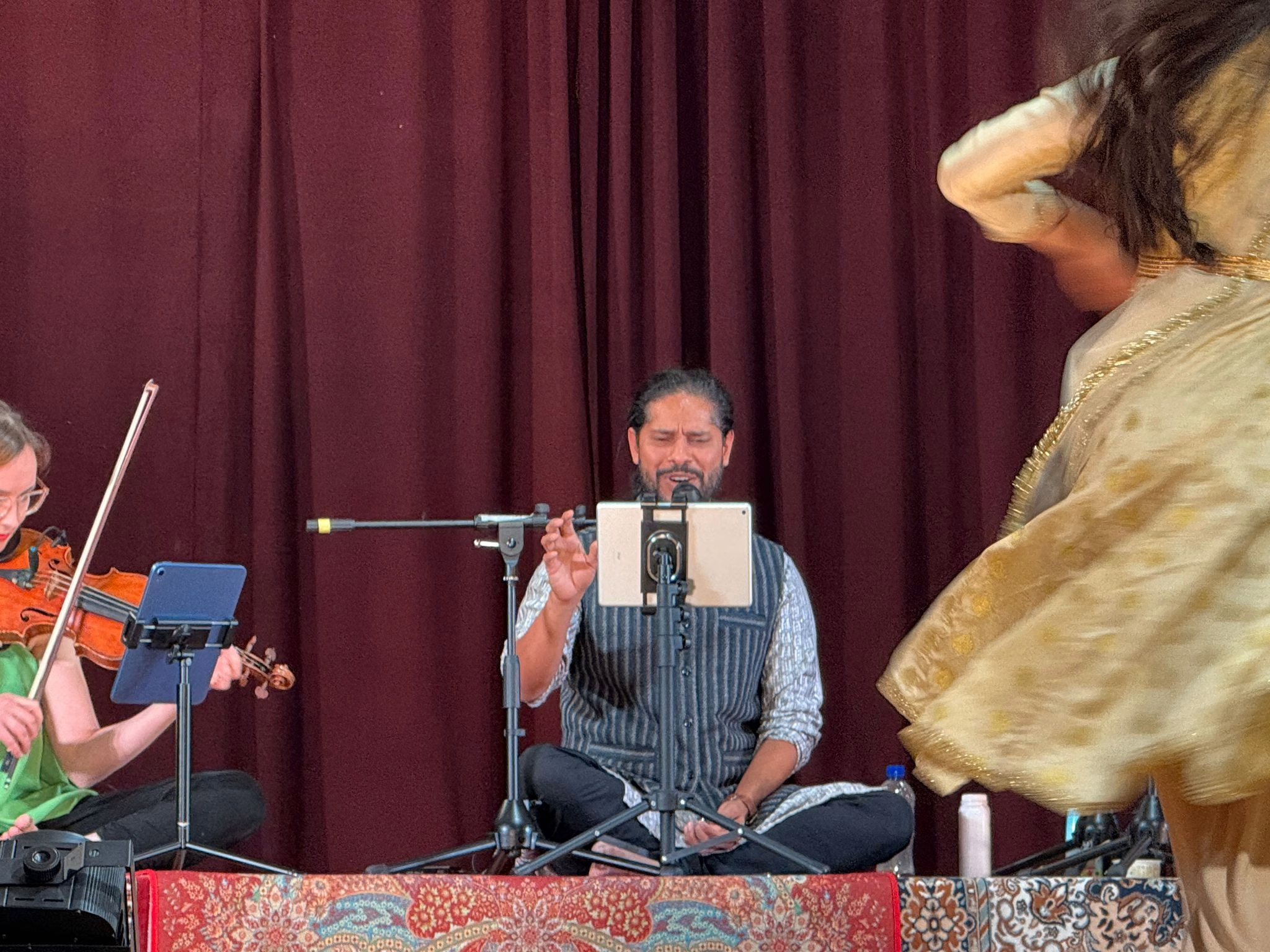
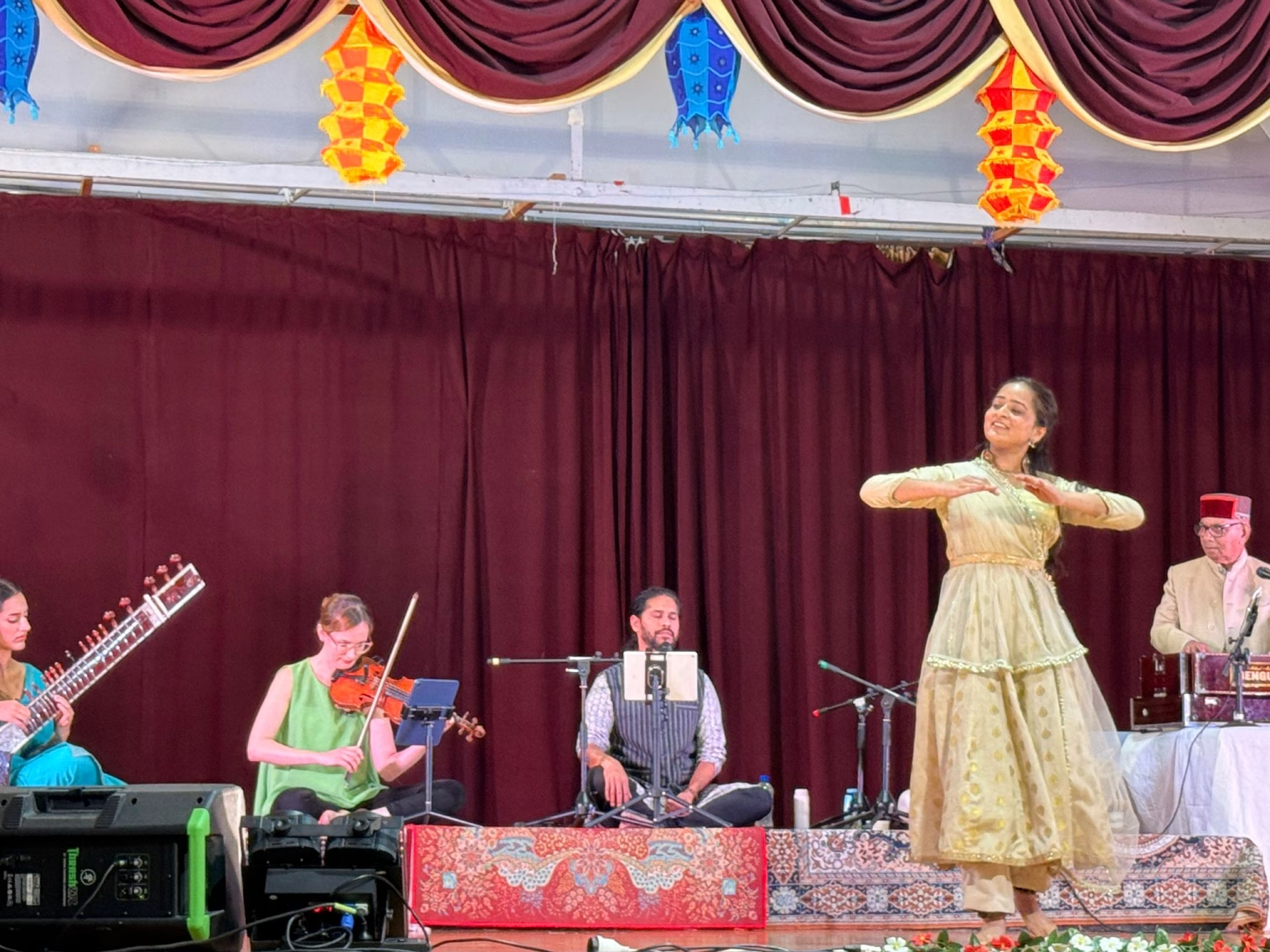
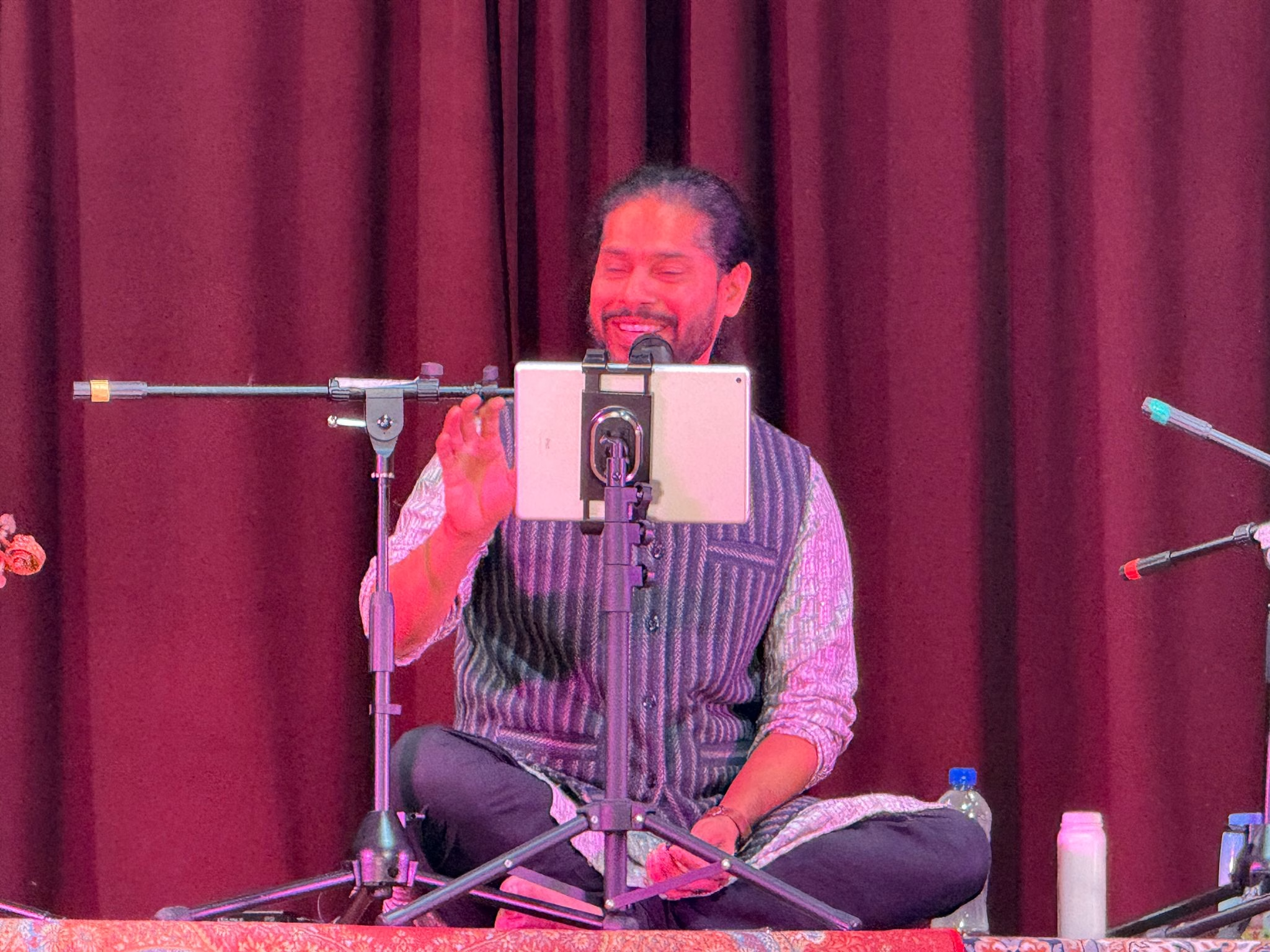
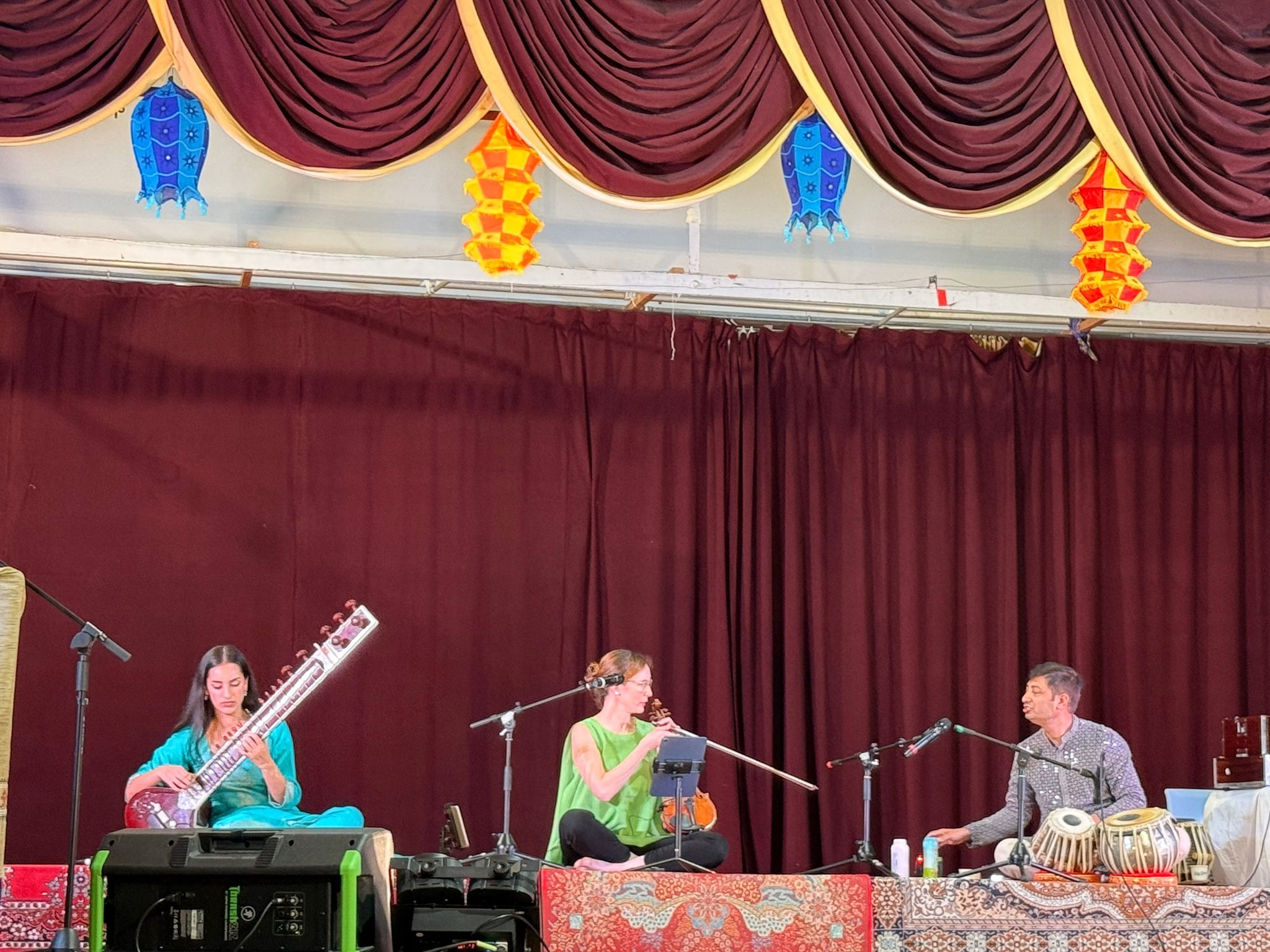
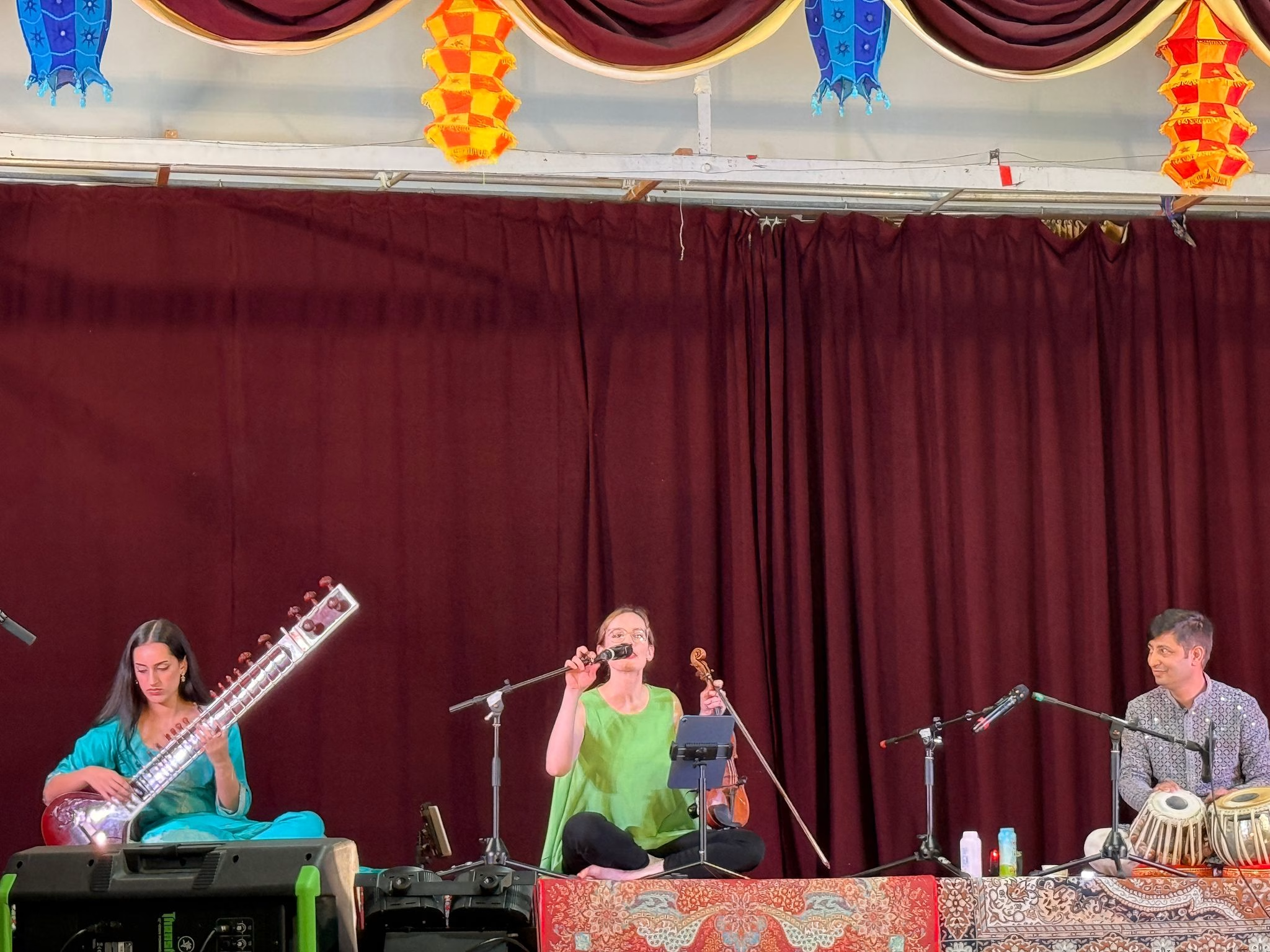
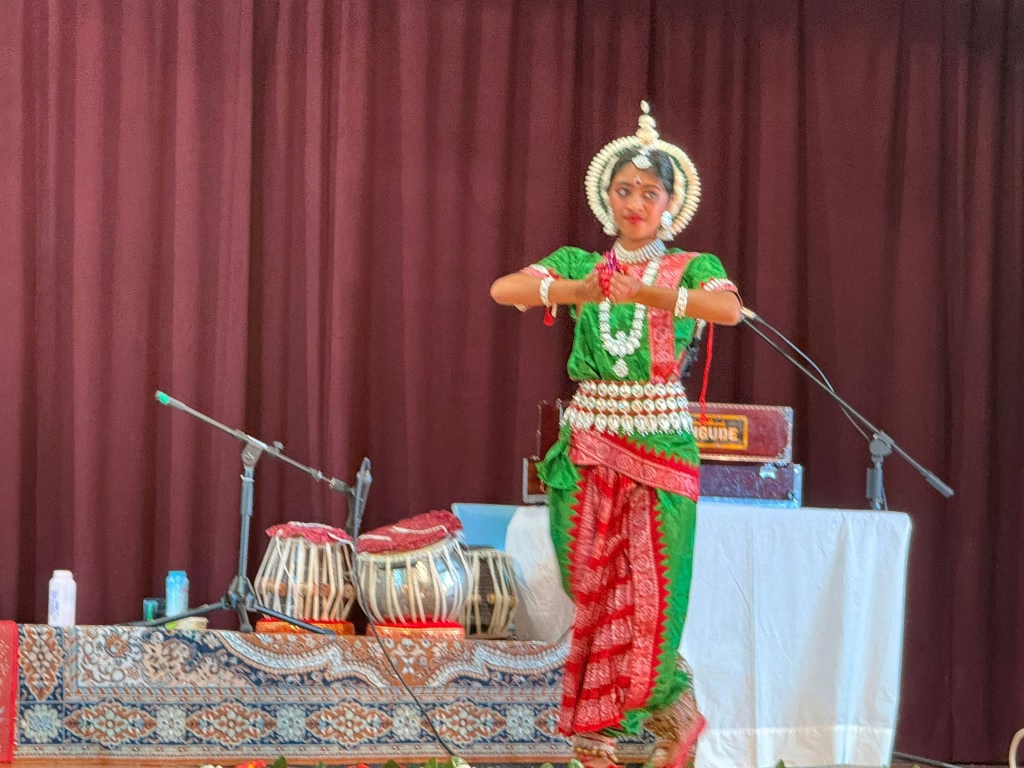
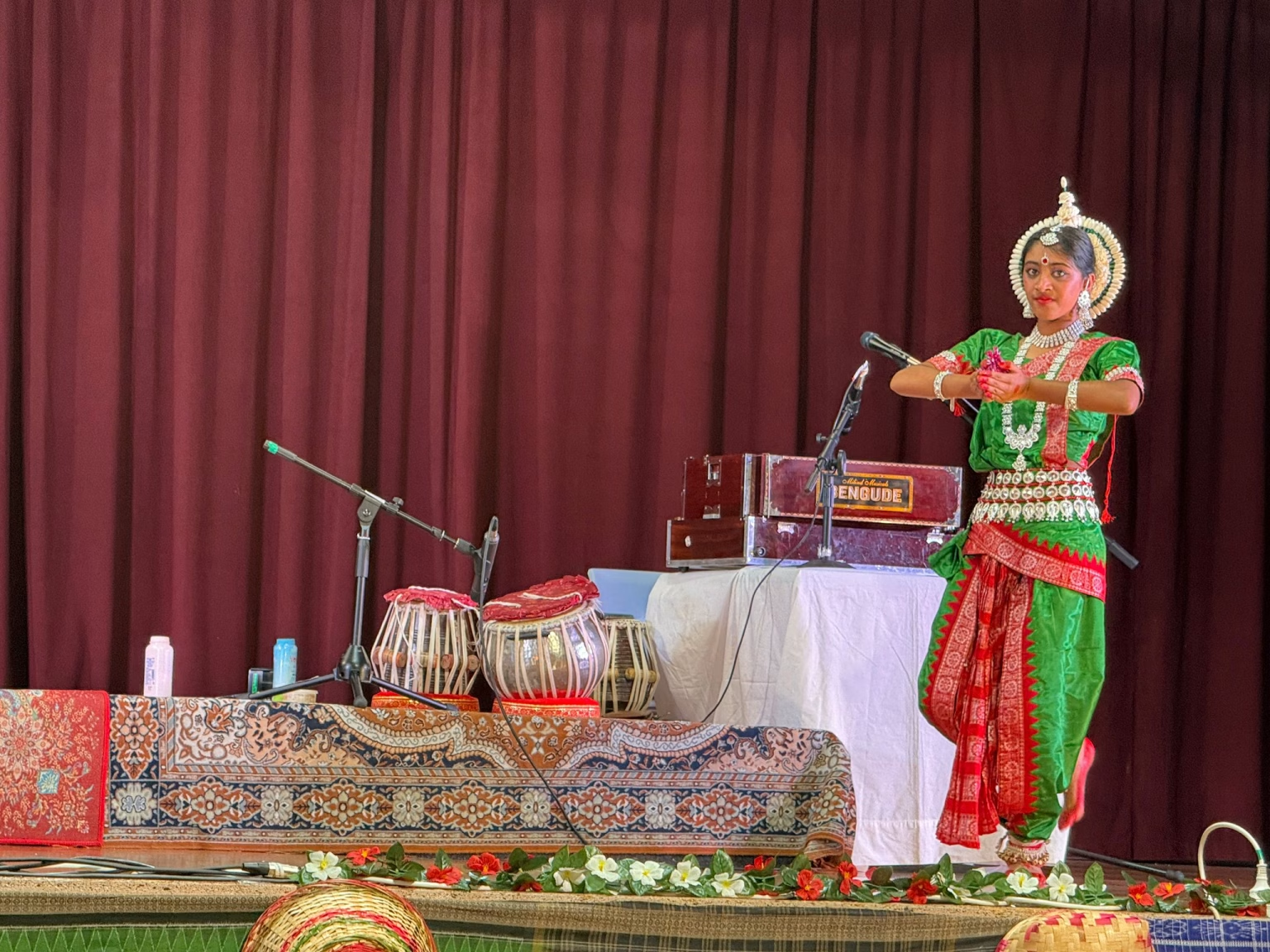
The highlight of the evening was the series of cultural performances.
The Odissi dance presentations were particularly striking. Known for their intricate movements and expressive storytelling, these performances showcased both technical mastery and emotional depth.
Each performance was rooted in devotion and tradition, reflecting centuries of cultural evolution.
For many attendees, especially those experiencing Odissi for the first time, it was both captivating and insightful.
The performances received enthusiastic applause, reinforcing the role of art as a universal language.
More Than Just a Cultural Event
While the event celebrated Odisha, its impact went beyond regional identity.
It served as:
- A cultural bridge between India and New Zealand
- A platform for education and awareness
- A reminder of shared historical connections
- A celebration of diversity within New Zealand
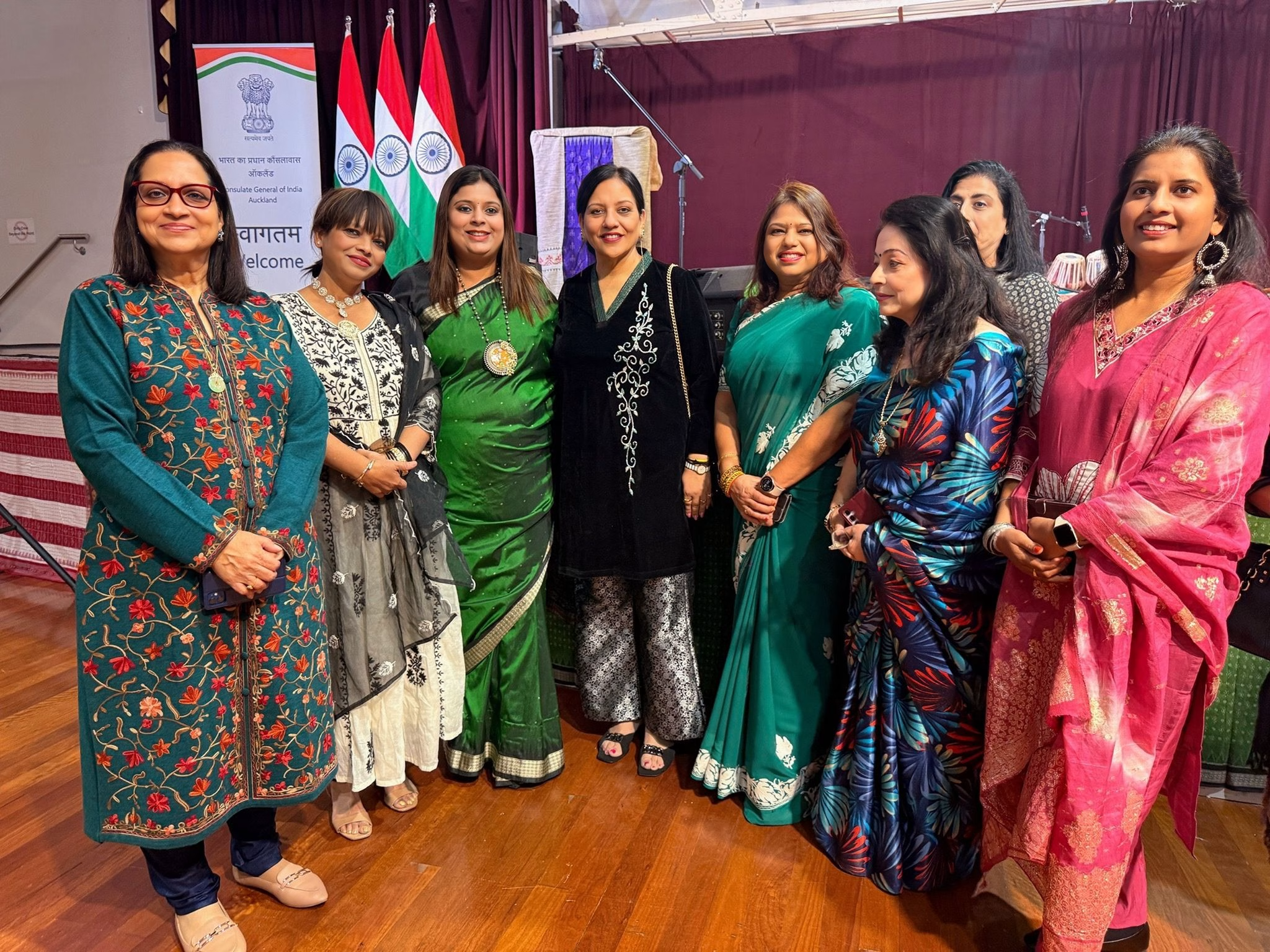
The presence of families, community members, and dignitaries created a well-balanced environment that brought together tradition and modern multicultural identity.
Webfit News Perspective
It is easy to label events like Utkal Diwas as cultural gatherings. That would be a mistake.
What unfolded in Auckland was a reflection of something larger.
At a time when New Zealand marked ANZAC Day and prepared for a major trade milestone with India, this event quietly connected the dots between history, culture, and future collaboration.
This is where multicultural nations find their strength.
Not in isolated communities, but in shared spaces.
When culture is celebrated openly, it builds understanding. When history is acknowledged collectively, it builds respect.
And when both come together, they create the foundation for stronger relationships, whether at a community level or between nations.
Conclusion
The Utkal Diwas 2026 celebration in Auckland was a well-organised and deeply meaningful event that brought together culture, remembrance, and emerging global connections.
With strong participation, thoughtful messaging, and high-quality performances, it left a lasting impression on attendees.
More importantly, it reinforced a simple but powerful idea:
When communities come together with purpose, they do more than celebrate identity.
They shape the future.