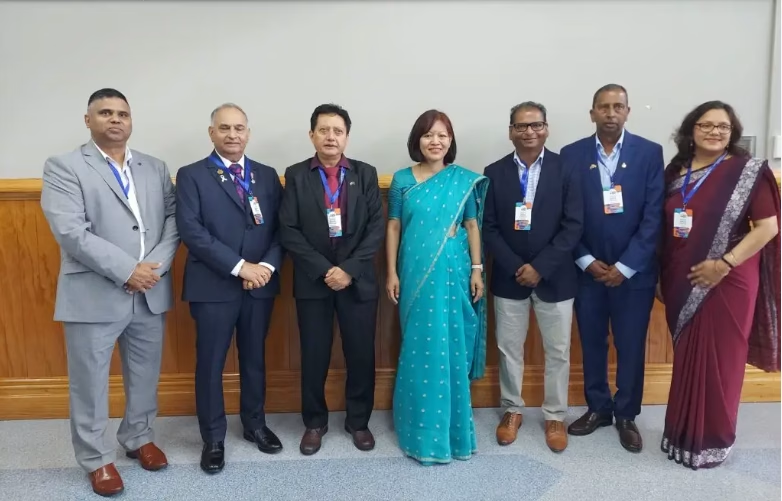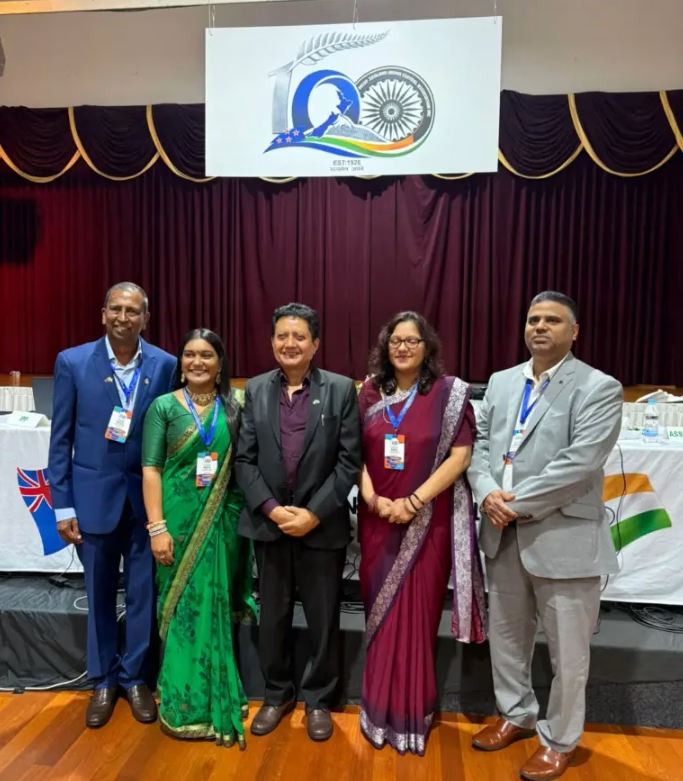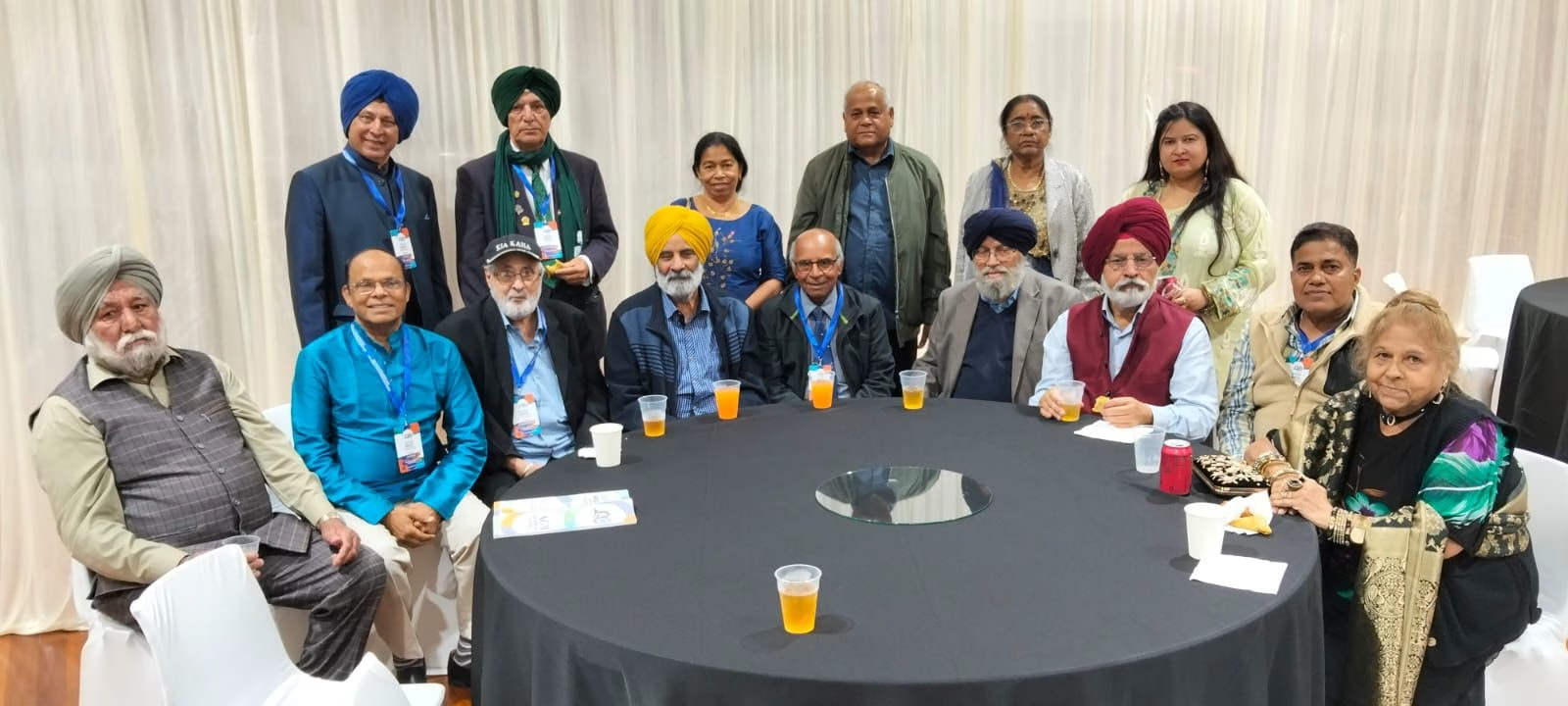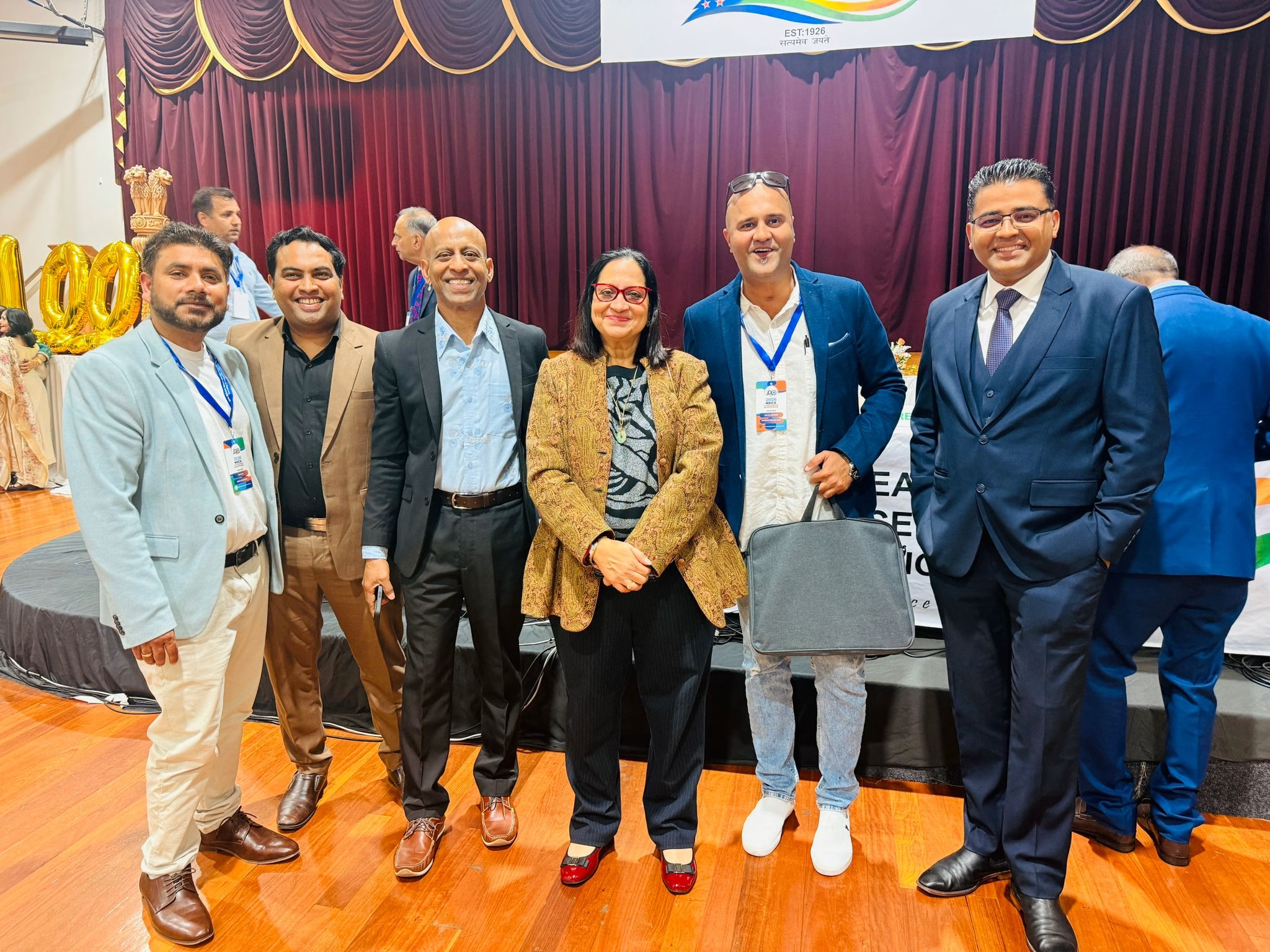
Webfit News on the ground at one of the most important Indian community gatherings in New Zealand this year
By Webfit News | Auckland | April 12, 2026
A room full of legacy, responsibility, and forward direction
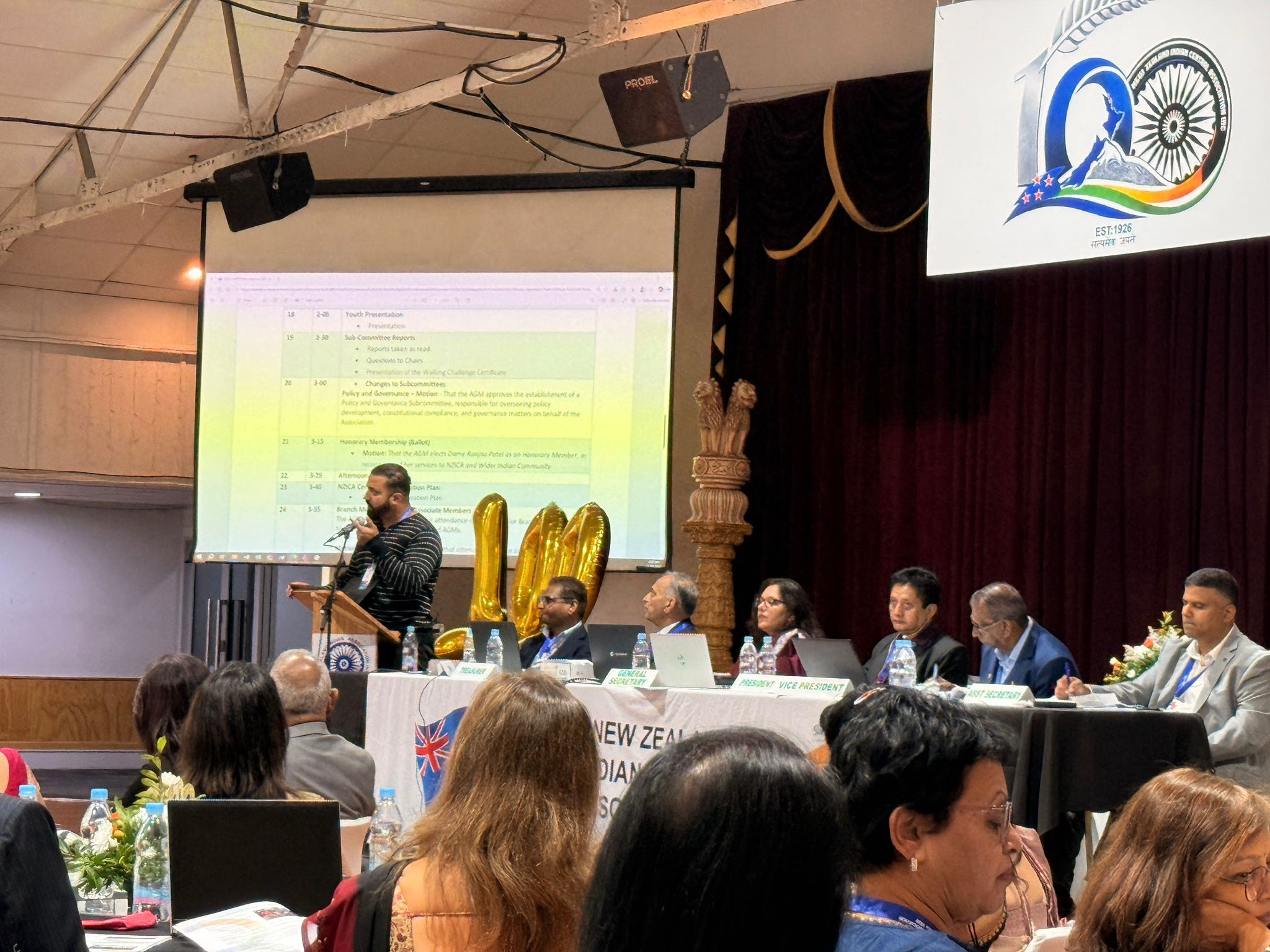
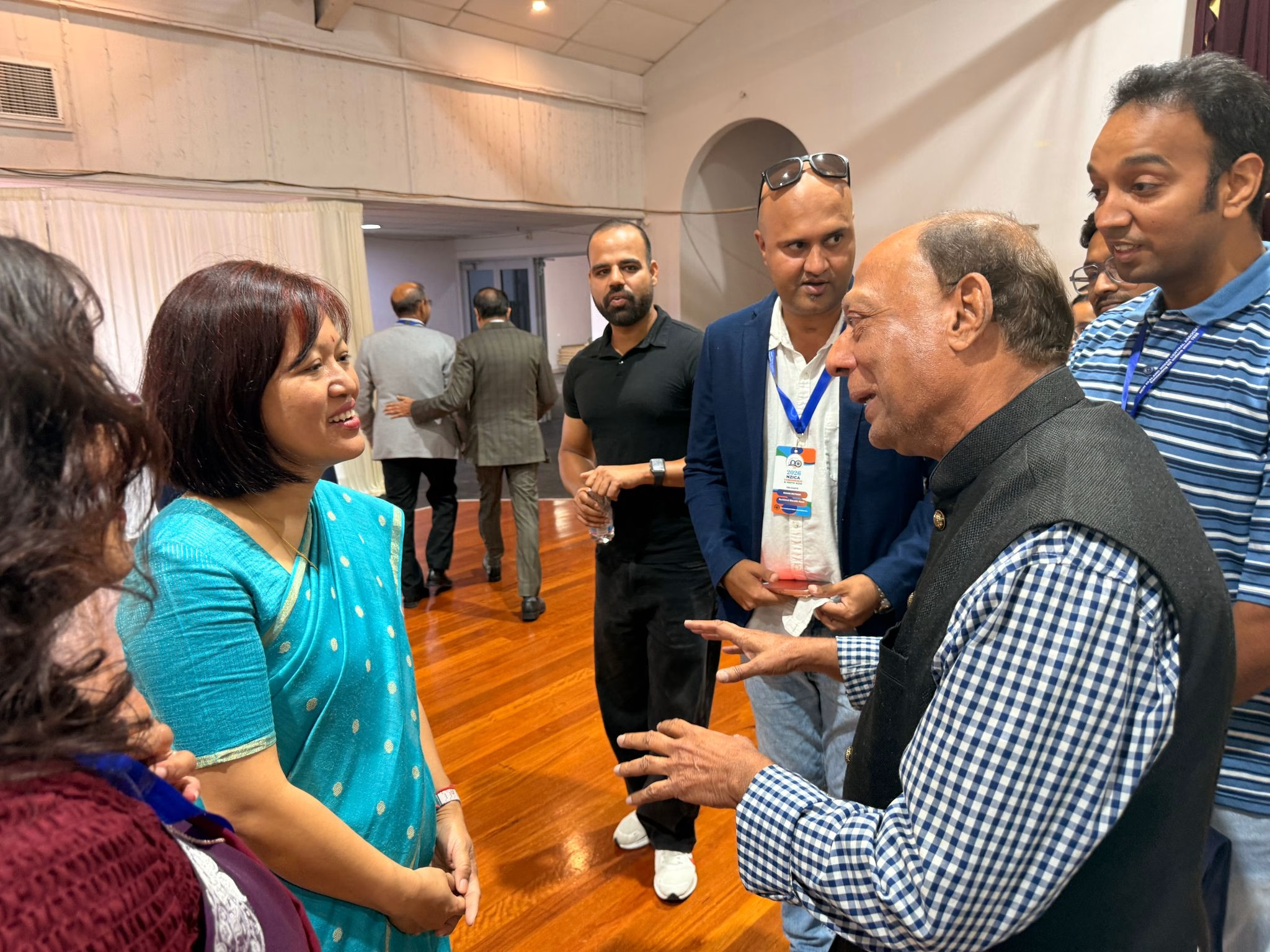
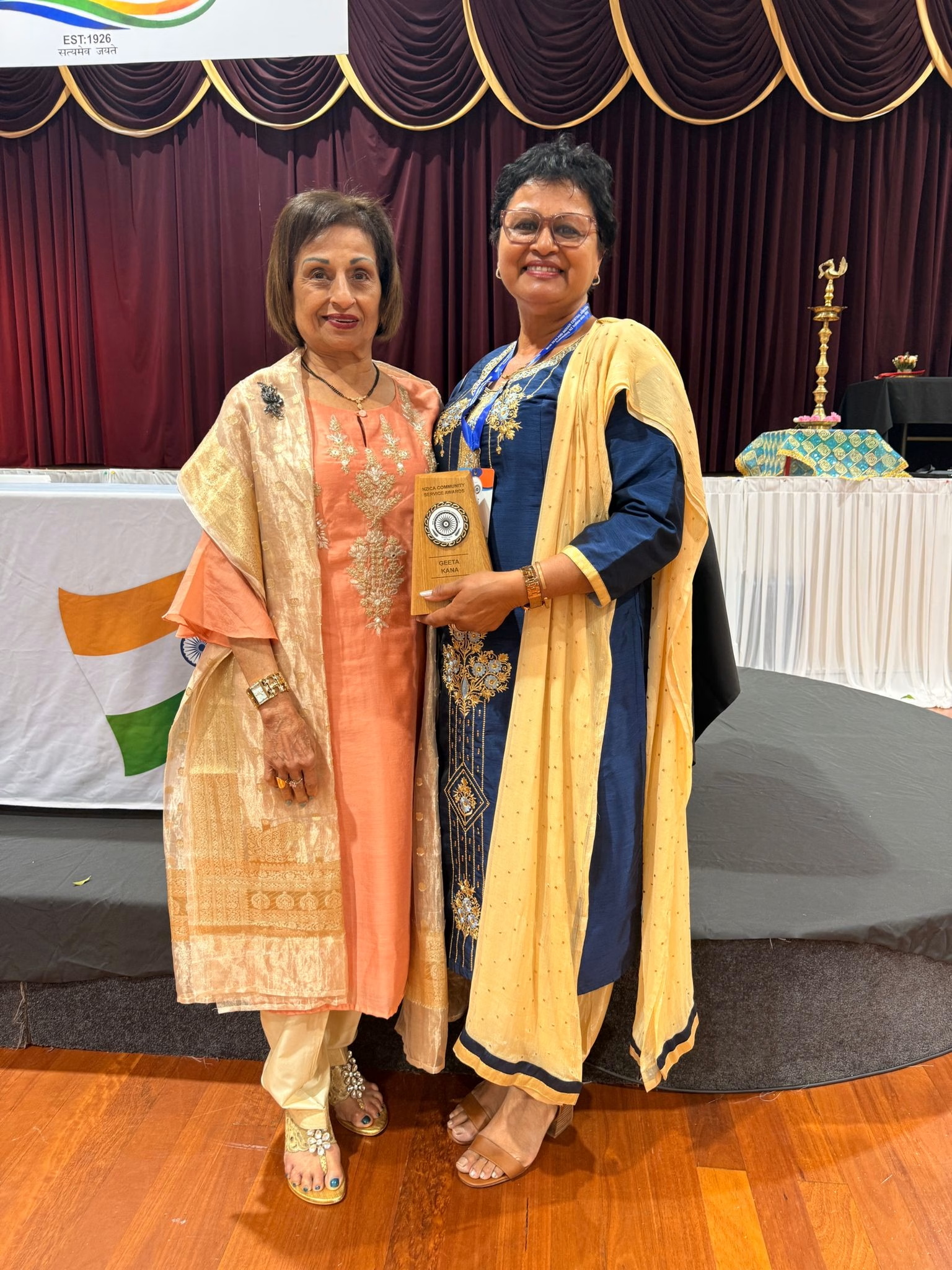
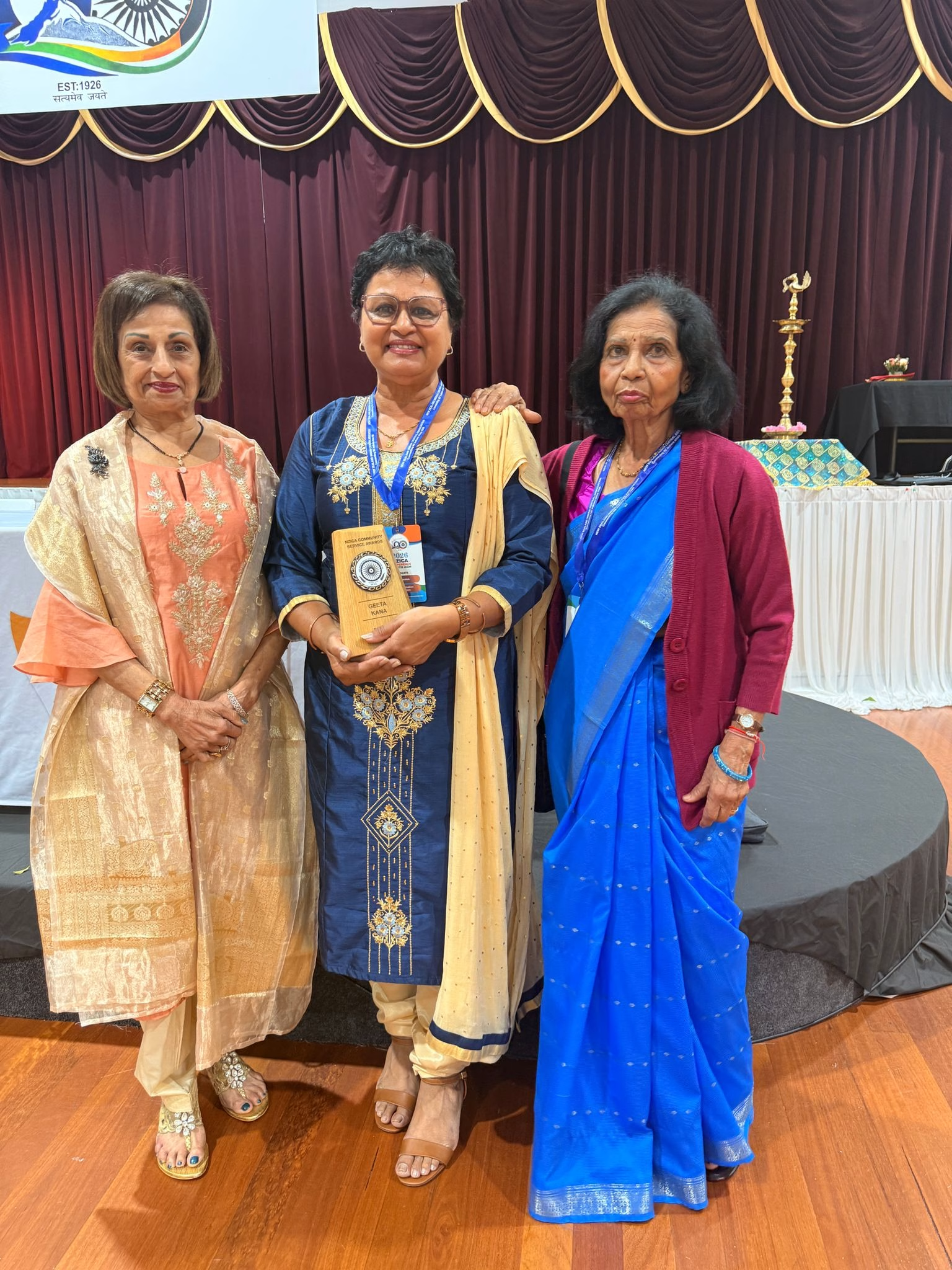
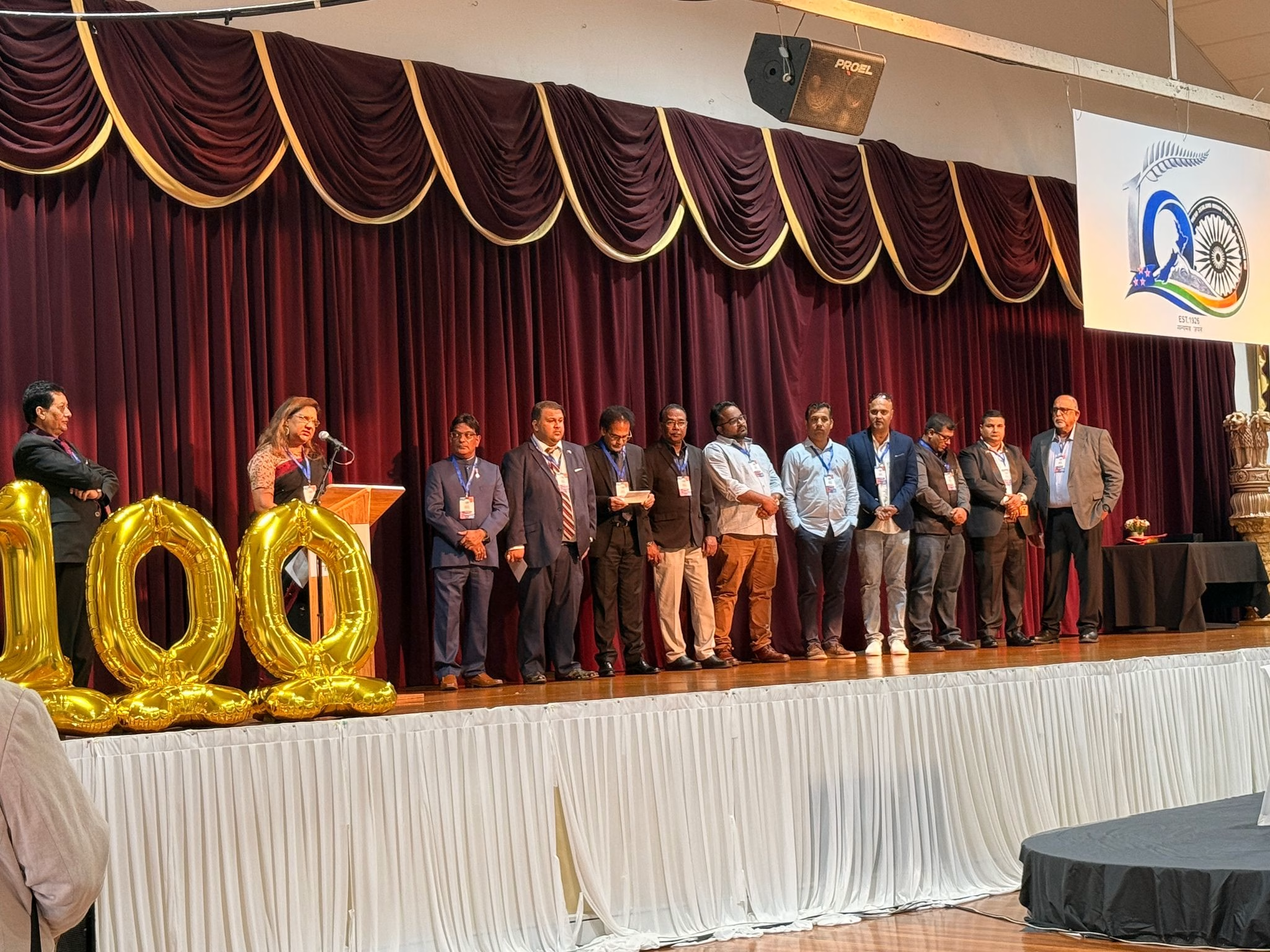
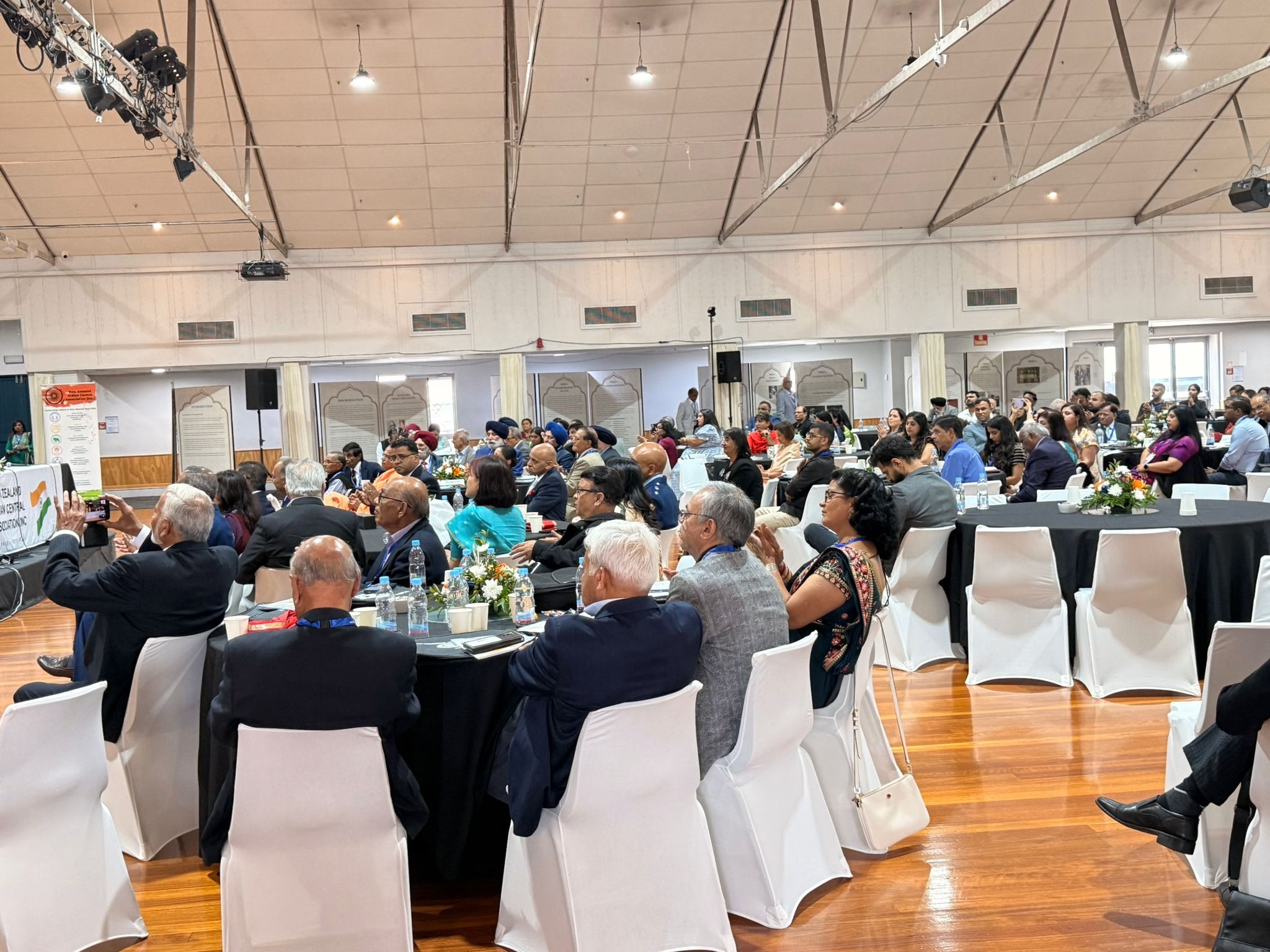
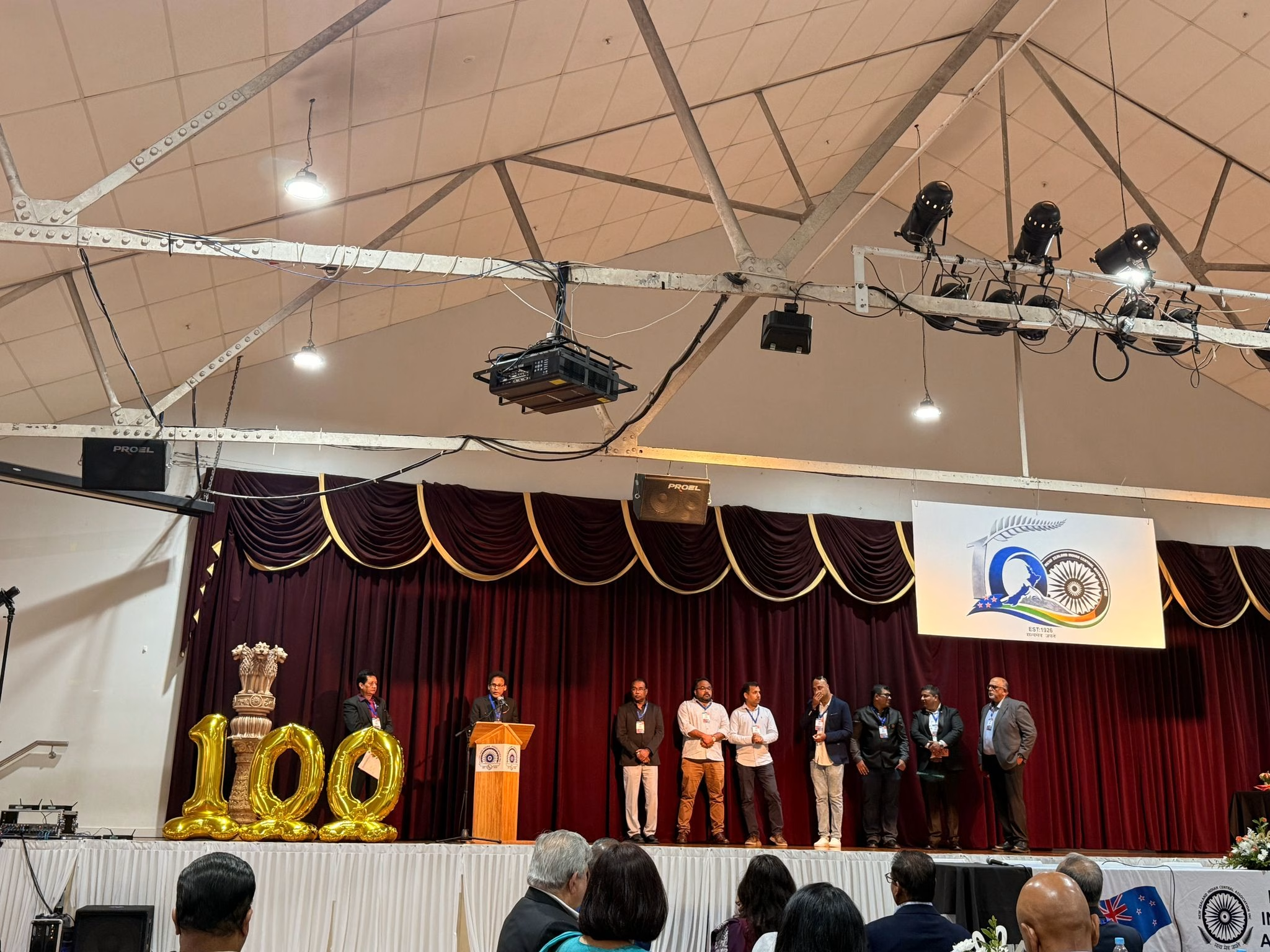
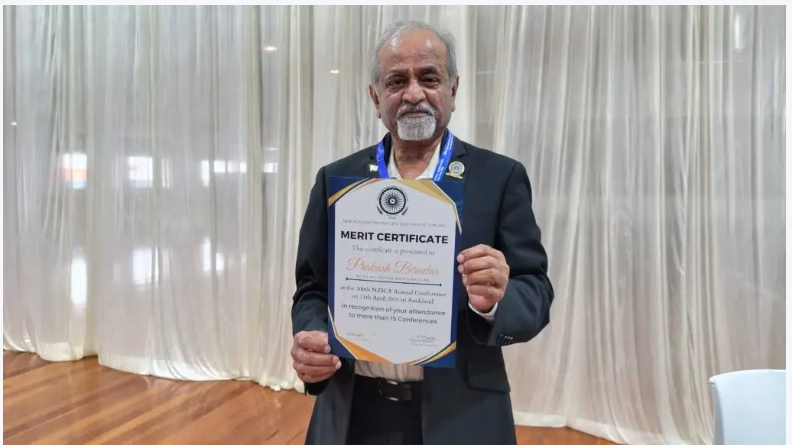
Auckland today hosted one of the most significant gatherings for the Indian community in New Zealand as the New Zealand Indian Central Association (NZICA) held its Annual General Meeting.
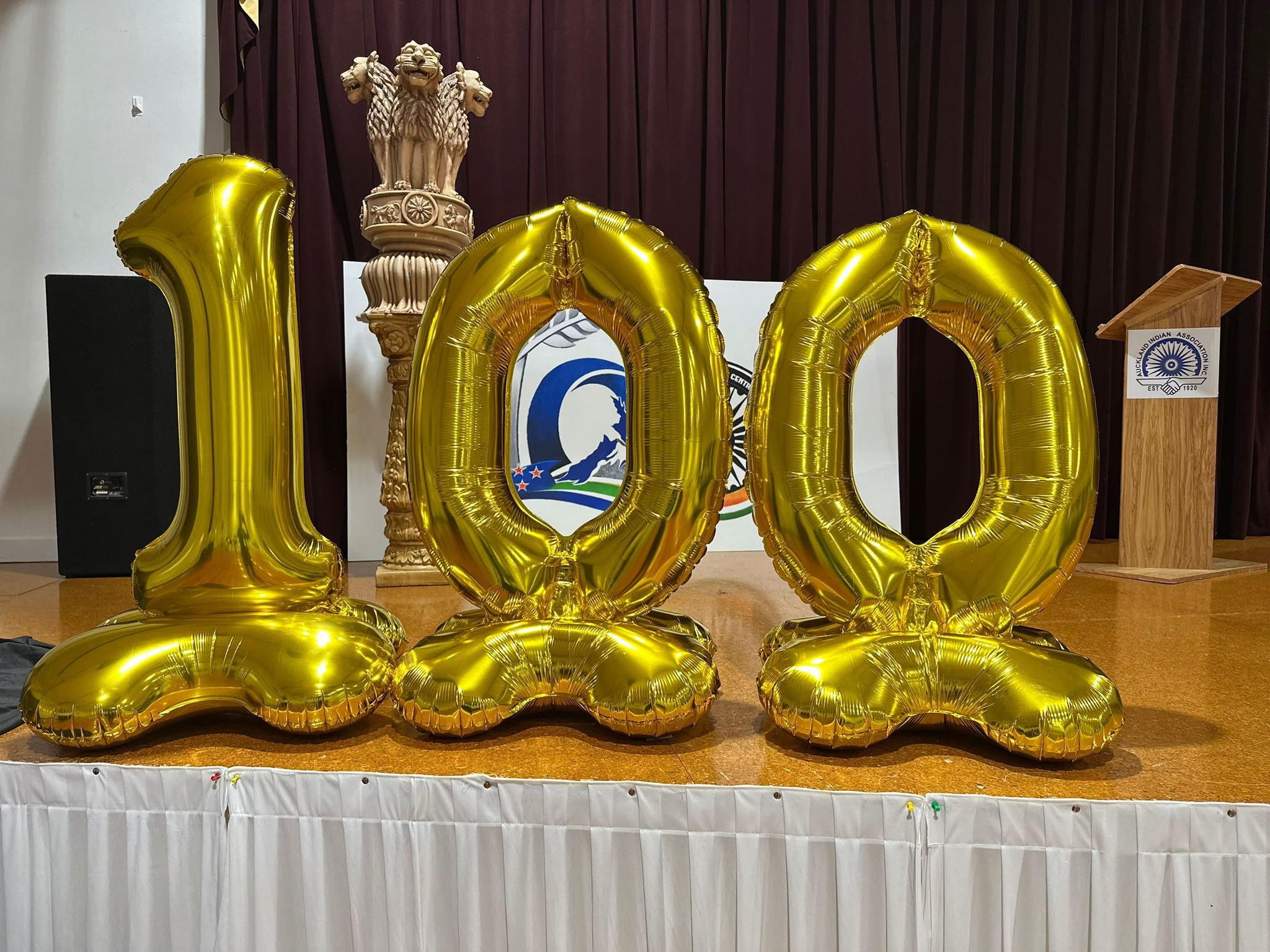
While the association has already marked its 100-year milestone earlier this year, this AGM was not about celebration. It was about direction, accountability, and leadership continuity.
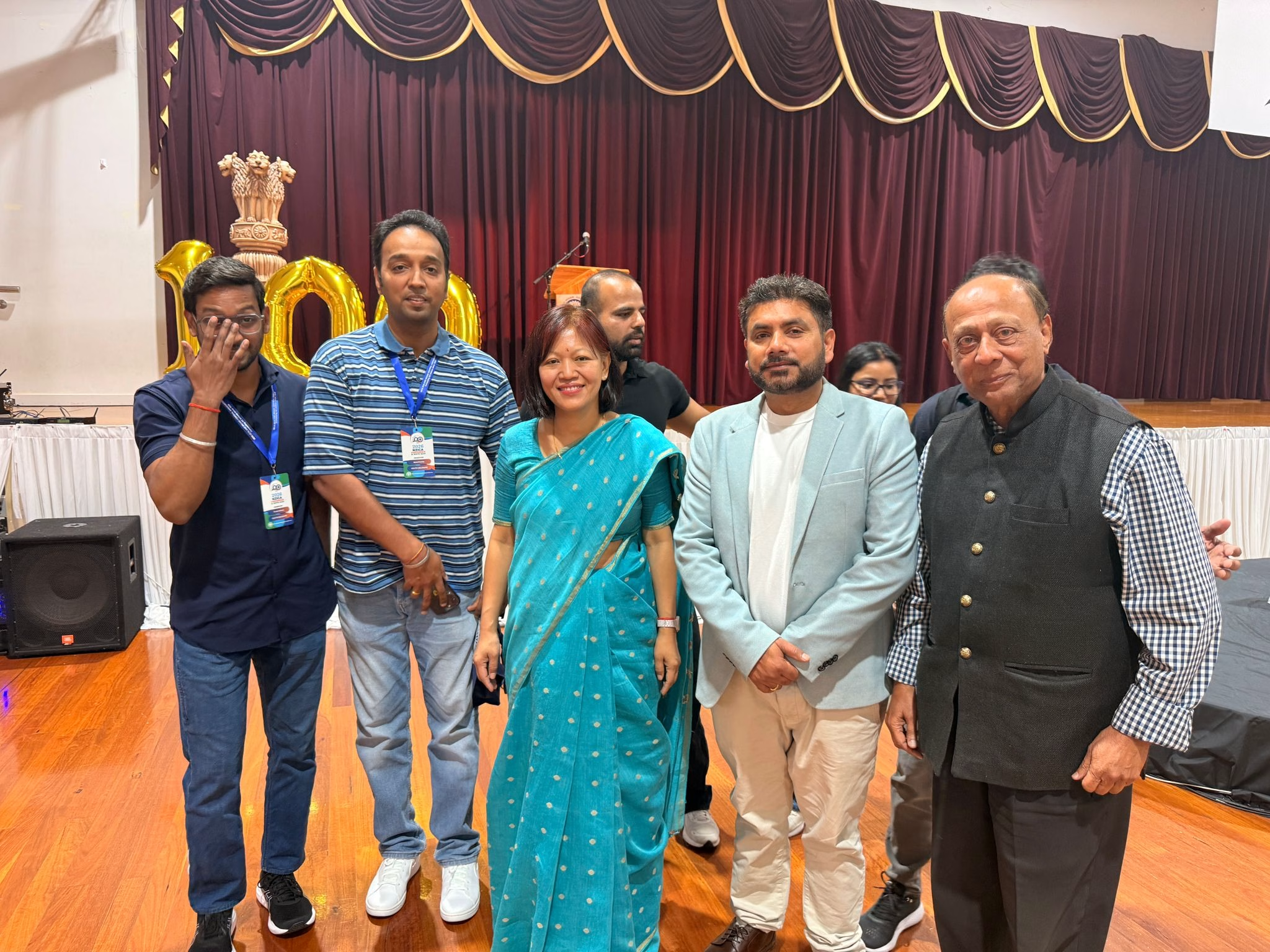
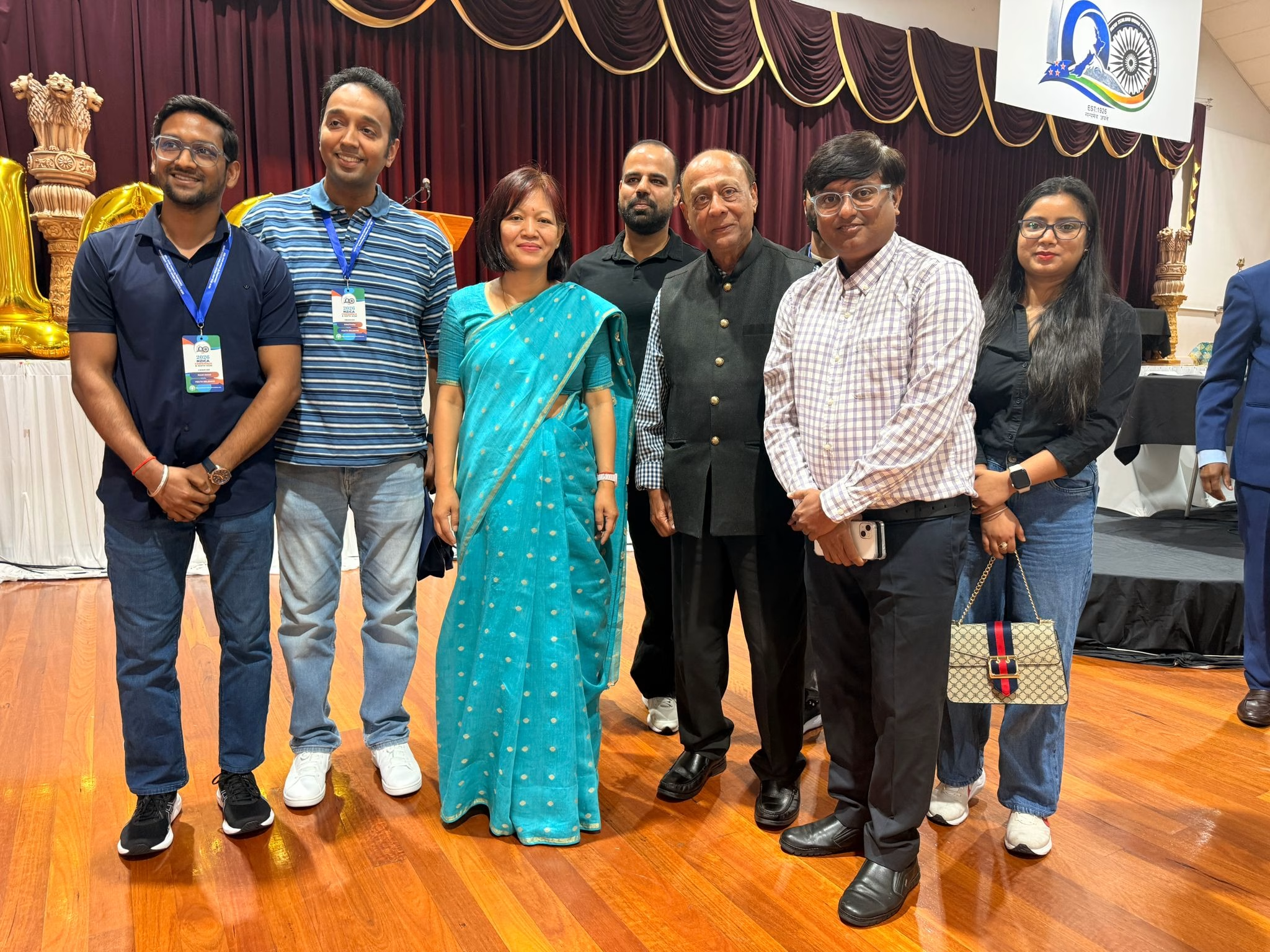
Webfit News attended the AGM on the ground, and what stood out clearly was the seriousness of the discussions and the evolving role NZICA is positioning for itself in modern New Zealand.
Delegates from across the country came together not just to elect leadership, but to define what the next phase of community representation should look like.
Leadership reaffirmed with Veer Khar re-elected as President
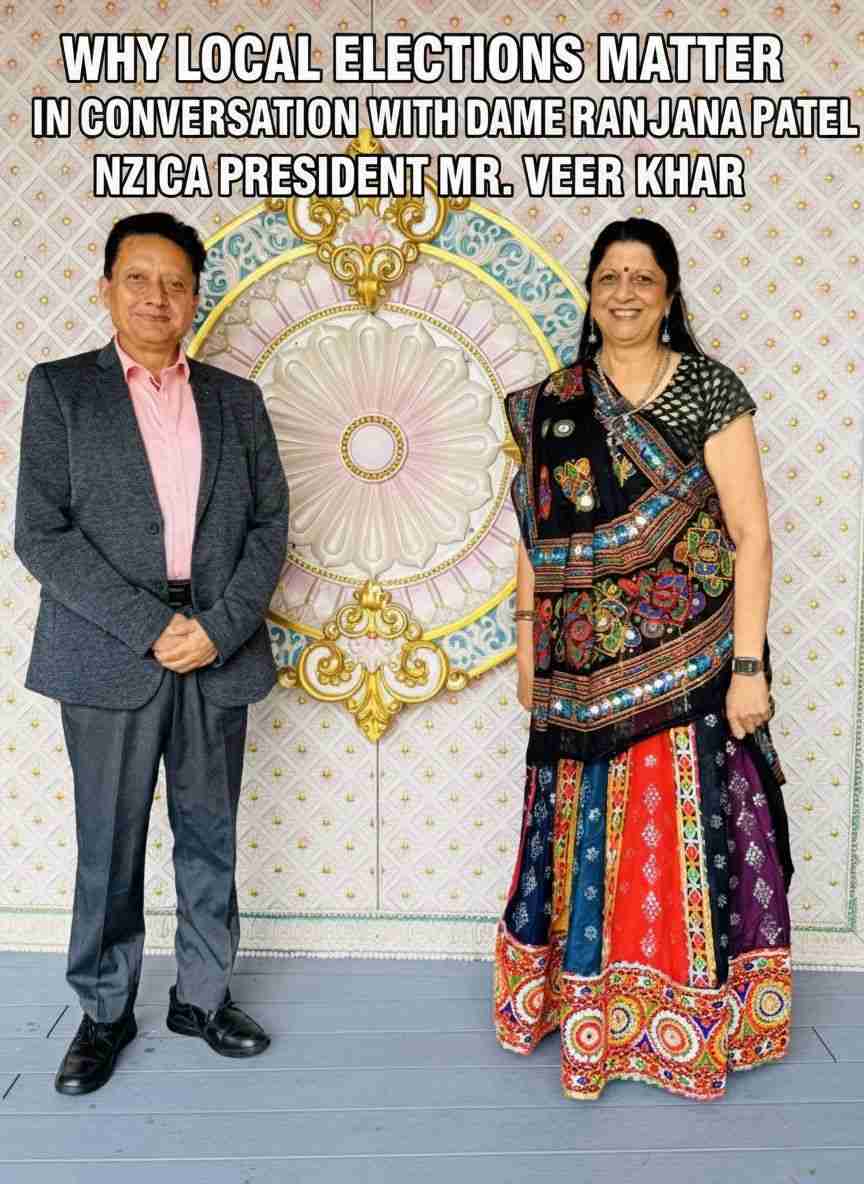
The AGM confirmed a strong and stable leadership team, with Veer Khar re-elected as President, reflecting continued trust in his leadership.
The executive committee confirmed includes:
- President: Veer Khar
- Vice President: Dhansukh Lal
- Treasurer: Bhavisha Patel
- General Secretary: Taruna Bhana
- Assistant Secretary: Kalyan Rao
This is not just a routine re-election. It signals that the community is choosing continuity over disruption, especially at a time when the Indian diaspora in New Zealand is expanding rapidly in both numbers and influence.
In his address, Veer Khar reinforced NZICA’s role as the apex body representing over 350,000 Indian-origin New Zealanders and set a clear expectation for stronger engagement from all affiliated branches.
AGM focus: Not symbolic, but operational
Unlike many community events that lean towards optics, this AGM was operational and grounded in real priorities.
Key discussions included:
- Strengthening coordination between NZICA and regional branches
- Expanding national-level representation
- Increasing participation across community segments
- Aligning future initiatives with the realities of a growing diaspora
The tone of the meeting made one thing clear:
NZICA is not positioning itself as just a cultural body anymore. It is moving towards structured community leadership.
Youth development takes centre stage
One of the strongest and most appreciated aspects of the AGM was the clear and intentional focus on youth development.
NZICA’s youth wing and related initiatives are actively working towards:
- Encouraging young leaders to step into visible roles
- Building skills that align with global and professional expectations
- Creating a pipeline of future-ready community leaders
This is not just about participation. It is about capacity building.
The messaging from leadership was direct:
If the next generation is not prepared today, the community loses tomorrow.
This focus received strong support from attendees, as it reflects a shift from traditional community engagement to long-term sustainability and relevance.
Talent Register: Turning community potential into opportunity
A key initiative highlighted during the AGM was the NZICA Talent Register, a digital platform designed to identify and showcase talent within the Indian community.
The idea is simple but powerful.
The Indian diaspora in New Zealand includes professionals across sectors such as:
- Healthcare
- Technology
- Education
- Business and entrepreneurship
- Public service
But much of this talent remains fragmented and underutilised.
The Talent Register aims to:
- Create visibility of skills within the community
- Connect individuals to opportunities
- Support organisations in finding expertise within the diaspora
Delegates were encouraged to actively promote and contribute to this platform, with the goal of making it a nationally recognised resource.
Looking beyond New Zealand: Global and diplomatic relevance
The AGM also reflected on the growing global importance of the Indian community in New Zealand, especially in light of expected international developments.
There was strong discussion around the anticipated visit of Indian Prime Minister Narendra Modi, which, if confirmed, would mark a historic moment for the Indian diaspora in Aotearoa.
Such developments are not just symbolic. They reflect:
- Strengthening ties between India and New Zealand
- Increased recognition of the diaspora
- Expanding economic and diplomatic opportunities
NZICA’s positioning as a central body makes it a key player in facilitating community engagement at this level.
A century behind, but the real test ahead
NZICA’s journey from its founding in 1926 to today was acknowledged throughout the AGM.
From early advocacy during times of discrimination to becoming a national umbrella body representing over 20 affiliated organisations, the association has played a foundational role in shaping the Indian community’s presence in New Zealand.
But the conversation today was not about history.
It was about relevance.
Webfit News Perspective
Let’s be blunt.
Most community organisations plateau after reaching legacy status.
They become ceremonial.
NZICA is at a point where it can either:
- Stay as a traditional umbrella body
- Or evolve into a strategic, influential national voice
The signs from this AGM suggest it is trying to move in the second direction.
The youth focus, the Talent Register, and the structured leadership continuity all point towards intentional evolution.
But intent is not execution.
The real test starts now:
- Will these initiatives be followed through?
- Will youth actually be given power or just visibility?
- Will the Talent Register become active or remain symbolic?
If NZICA gets this right, it can shape not just community identity, but policy, business, and national conversations.
If not, it risks becoming another legacy organisation that talks more than it delivers.
Final word
The NZICA AGM 2026 was not loud.
It was not flashy.
But it was important.
Because this is where decisions are made.
And the people in that room will influence where the Indian community in New Zealand goes next.