By Webfit News | February 4, 2026
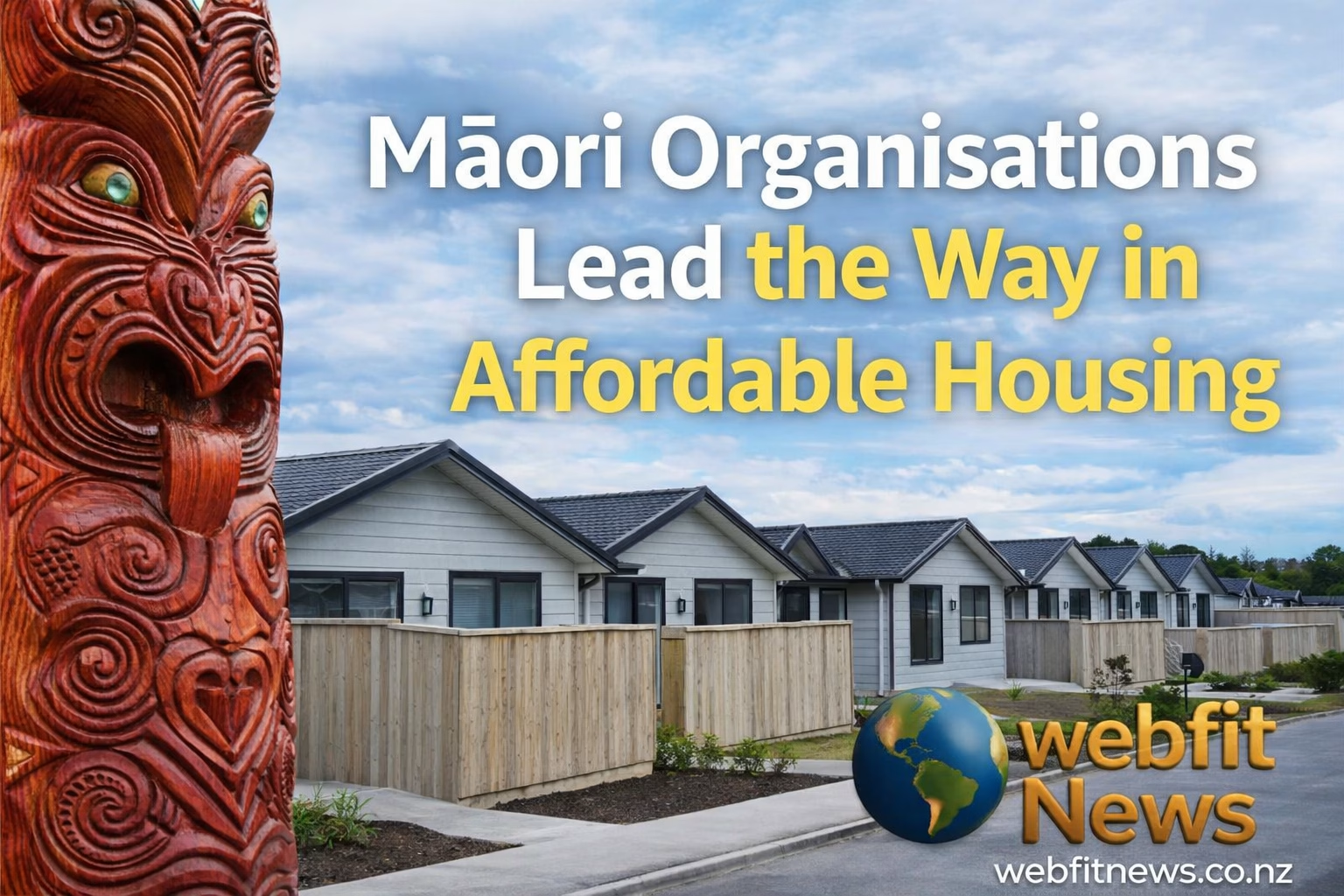
One year after a major Government commitment to Māori-led housing, the results are beginning to show where it matters most on the ground, in communities facing the sharpest housing pressure.
Across Aotearoa, Māori housing providers are moving hundreds of affordable rental homes from planning into construction, delivering not just roofs and walls, but long-term stability for whānau who have waited too long for secure housing.
Associate Minister of Housing Tama Potaka says the Government’s $200 million investment, announced last year to accelerate Māori-led affordable rentals, is now translating into real delivery.
So far, 463 homes have been approved across 11 Māori-led housing projects, with 392 homes already contracted for delivery. More than 260 homes are progressing through consents, earthworks, and infrastructure stages.
This is not theoretical progress. It is concrete being poured, whenua being prepared, and communities watching homes rise where plans once sat on paper.
Building where the need is greatest
All of the approved projects sit in regions with persistent housing shortages, including Te Tai Tokerau, Ikaroa–Rāwhiti, Tāmaki Makaurau, Waiariki, Te Tai Hauāuru, and Hauraki–Waikato.
These are places where overcrowding, insecure tenancies, and intergenerational housing stress have long been part of everyday life.
Rather than a one-size-fits-all approach, the programme backs Māori organisations to design and deliver housing for their own people, on their own whenua, with an eye on long-term outcomes rather than short-term fixes.
As Potaka puts it, Māori providers understand their land, their communities, and what sustainable housing looks like beyond a single funding cycle.
Major iwi-led programmes driving delivery
Among the largest initiatives now underway are:
- Toitū Tairāwhiti Housing Limited, delivering 150 homes across Ikaroa–Rāwhiti
- Te Hau Ora o Ngāpuhi, delivering 100 homes across Kaikohe
- Ngāti Whakaue Tribal Lands, delivering 80 homes in Rotorua
Construction is rolling out in stages, with multiple sites active and further projects expected to move through approval in the coming months.
Crucially, the homes will remain affordable rentals for at least 25 years, ensuring the investment creates lasting benefit rather than being lost to market pressures.
More than housing, a foundation for whānau wellbeing
For Māori leaders involved in delivery, the kaupapa goes beyond housing numbers.
Stable, affordable homes are closely tied to better health outcomes, stronger educational participation for tamariki, and reduced stress on whānau who are too often forced to move or live in overcrowded conditions.
By retaining ownership and control within Māori organisations, the programme also builds long-term capability, enabling iwi and Māori trusts to plan, finance, and deliver housing well into the future.
A shift toward delivery
The progress in Māori-led housing comes as the Government signals a broader focus on unlocking land, improving infrastructure support, and cutting delays that slow down building across the country.
While New Zealand’s housing challenges remain significant, the movement of Māori-led projects from planning into construction offers a clear example of what can happen when funding, decision-making, and delivery are aligned.
One year on, the picture is no longer just about commitments and announcements. It is about homes being built, whānau moving in, and Māori organisations leading solutions that are grounded in place, people, and long-term responsibility.
For communities that have waited decades to see housing done differently, that shift matters.
Webfit News
Independent reporting on communities, policy, and delivery in Aotearoa