By Geet G | Webfit News
A complicated immigration case involving a man linked to New Zealand, India, and an asylum process has now triggered wider discussions across migrant communities about travel risks, legal status, deportation systems, and how international immigration laws actually work in real life.
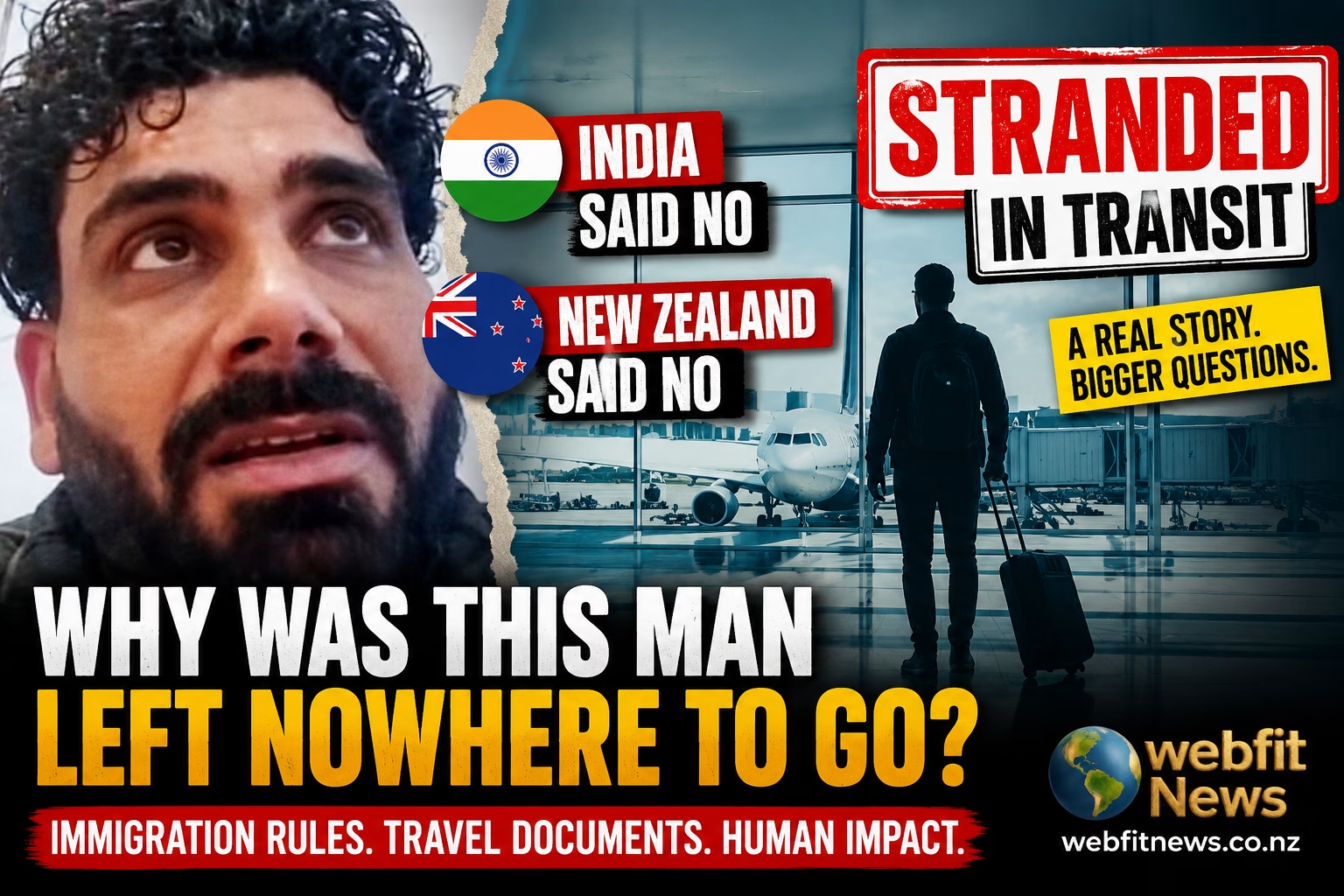
The case, recently highlighted by The Australia Today, involves a man who reportedly travelled to Punjab while seeking asylum. According to the report, India later refused him entry, while New Zealand also faced challenges accepting his return immediately.
Now the story is spreading rapidly online because many migrants are asking the same question:
How can a person end up stuck between two countries?
And more importantly:
Could something like this happen to other migrants, asylum seekers, or temporary visa holders?
This is no longer just one person’s immigration issue. It has become a larger conversation about international border systems, legal identity, asylum rules, and the risks people take without fully understanding immigration consequences.
Why This Story Is Getting So Much Attention
New Zealand’s Citizenship Rules Are About to Change Dramatically – WebfitNews
Across New Zealand, Australia, Canada, and the UK, many migrants travel back to their home countries while holding temporary visas, refugee claims, protection claims, appeals, or unresolved immigration matters.
But immigration experts often warn that travel during certain legal processes can create serious complications.
In this case, the biggest public discussion point is the reported contradiction:
- India reportedly refused entry
- New Zealand reportedly did not immediately accept return
- The individual allegedly became caught in an international immigration limbo
For ordinary people reading this online, it sounds shocking.
Many migrants assume that once they have lived in a country for years, travelled previously, or held certain visas before, re-entry will always remain simple.
But immigration law does not work emotionally.
It works legally.
And that is where many people make dangerous assumptions.
The Bigger Immigration Reality Most Migrants Ignore
One harsh reality of global immigration systems is this:
A visa is not permanent security unless it is legally protected and active.
Many migrants confuse:
- residence pathways,
- asylum claims,
- temporary visas,
- appeals,
- refugee protections,
- and citizenship rights.
They are not the same thing.
For example:
- A resident visa holder has different rights from a refugee claimant.
- A citizen has different protections from a temporary visa holder.
- Travelling while an immigration matter is unresolved can sometimes affect legal arguments around protection or risk.
This is why immigration lawyers often tell clients:
“Do not travel internationally without proper legal advice.”
Especially if:
- your visa status is complicated,
- your claim is under review,
- you are appealing decisions,
- or your travel history could create contradictions in your case.
Why Returning to Home Country Can Become a Problem
One major issue raised in asylum or refugee-related matters internationally is this:
If somebody claims they cannot safely return to a country, but later voluntarily travels back there, immigration authorities may question aspects of the claim.
Every case is different.
But globally, immigration systems often examine:
- travel records,
- passport use,
- entry history,
- previous statements,
- and border movements.
That is why this story is now creating anxiety among migrant communities online.
People are beginning to ask:
- What rights do asylum seekers actually have?
- Can someone lose protection claims after travelling?
- What happens if one country rejects entry?
- Which country becomes responsible?
These are not simple questions.
Immigration Systems Between Countries Are Becoming Tougher
Another important aspect of this case is the growing international coordination between immigration systems.
Countries now share more information than before.
Travel history, deportation orders, visa refusals, asylum records, and border alerts are increasingly connected digitally across international systems.
That means actions taken in one country can affect decisions in another.
This is especially important for:
- overstayers,
- asylum seekers,
- deportation cases,
- and migrants with unresolved immigration history.
Many people still think immigration systems work slowly like they did 20 years ago.
That is outdated thinking.
Modern border systems are heavily data-driven.
Social Media Reactions Are Divided
Online reactions to this case have been intense and emotional.
Some people believe immigration systems are becoming too harsh and bureaucratic.
Others argue that immigration laws must be followed strictly and consistently.
Some migrant communities are expressing fear, saying many people do not fully understand the legal risks attached to international travel during unresolved immigration matters.
Others say this case should become a warning lesson for migrants to seek proper legal advice before making major travel decisions.
One thing is clear:
this story has touched a nerve far beyond one individual case.
The Human Side Often Gets Lost
Behind every immigration headline is still a human being.
Families become separated.
People panic.
Mental health pressure increases.
Financial stress builds quickly.
Many migrants spend years building lives in countries like New Zealand or Australia. When immigration complications suddenly emerge, the emotional impact can be enormous.
That is why immigration experts repeatedly encourage migrants not to rely only on:
- community rumours,
- WhatsApp advice,
- TikTok videos,
- or social media comments.
Immigration law is complex.
And mistakes can become life-changing very fast.
The Webfit News Perspective
This case is important not because people enjoy immigration drama.
It is important because thousands of migrants across New Zealand quietly live with complicated visa situations, unresolved pathways, appeals, or misunderstandings about their legal status.
Many people believe:
“Nothing will happen to me.”
Until suddenly something does.
This story should not be used to spread fear.
But it should encourage awareness.
Before travelling internationally, migrants should properly understand:
- their visa conditions,
- residency rights,
- legal risks,
- and how international immigration systems now operate together.
One wrong assumption can create consequences across multiple countries very quickly.
And in today’s world, immigration systems are becoming stricter, faster, and far more connected than many people realise.
Source:
Report originally highlighted by The Australia Today