By Geet G | Webfit News
April 7, 2026
A Diplomatic Moment with Global Implications
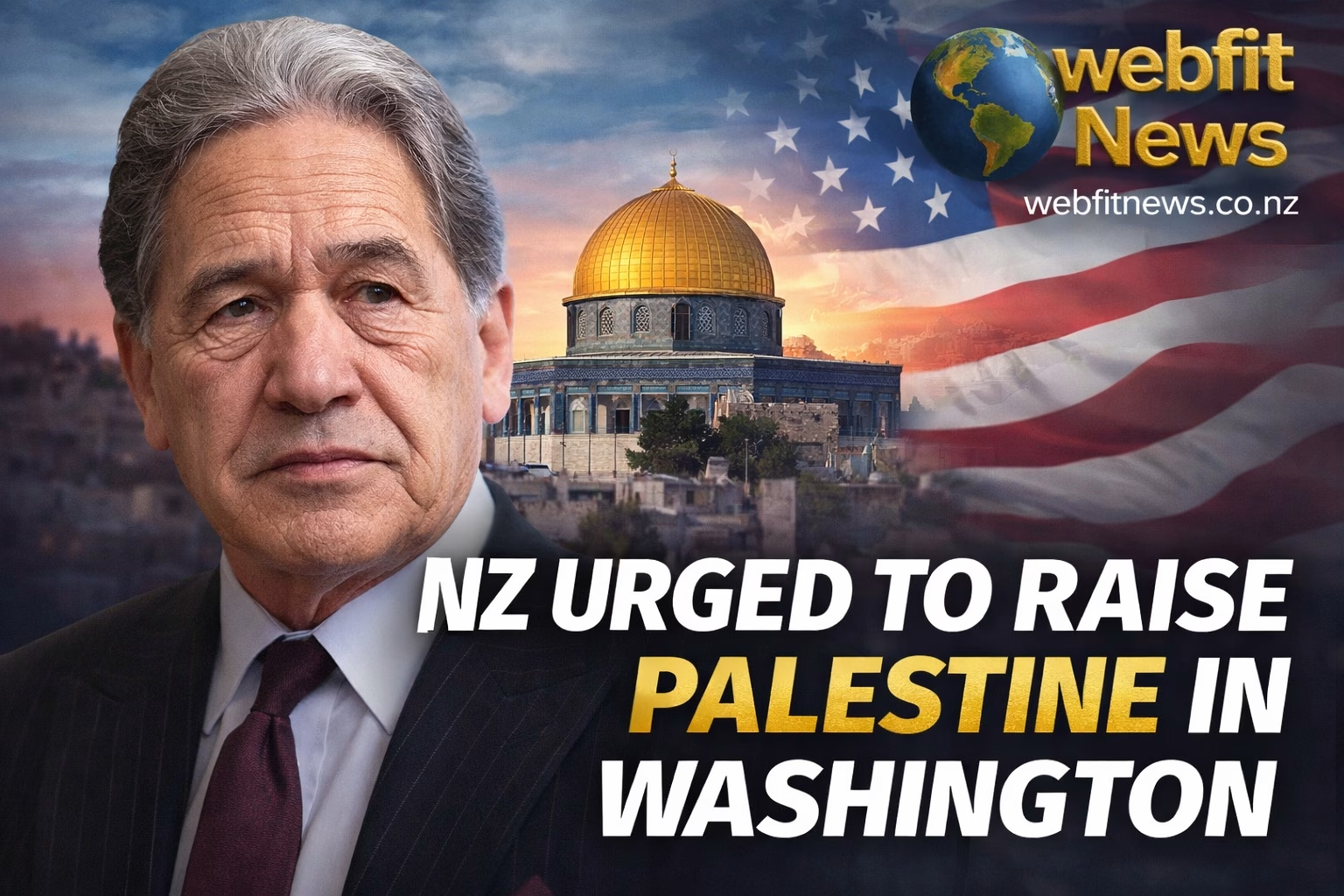
As New Zealand’s Foreign Minister Winston Peters prepares for high-level talks in Washington, advocacy group Palestine Solidarity Network Aotearoa (PSNA) is calling for the issue of Palestine to be placed firmly at the centre of discussions.
The group has formally written to Peters ahead of his scheduled meeting with Marco Rubio, urging New Zealand to take a stronger stance on the ongoing crisis in Gaza and the wider Middle East.
Advocacy Group Pushes for Stronger Position
PSNA Co-Chair Maher Nazzal said the current situation requires urgent international attention, describing the conflict as a key driver of wider instability.
According to the group, New Zealand should use its diplomatic position to advocate for de-escalation and push for equal rights for all people in the region.
The letter also raises concerns about the possibility of increased geopolitical tensions, particularly involving the United States and Iran, and suggests that New Zealand should avoid being drawn into any military alignment.
Concerns Around Regional Escalation
The advocacy group warned that broader military involvement in the Middle East could have far-reaching consequences, including disruption to global trade routes such as the Strait of Hormuz.
While no official indication has been made by the New Zealand government regarding such involvement, the concerns reflect growing unease among advocacy groups about the direction of international alliances.
Controversial Developments Highlighted
PSNA also pointed to recent legislative developments in Israel, criticising what it described as unequal legal treatment and escalating tensions on the ground.
These claims reflect a wider international debate around human rights, security, and governance in the region, with strong and often opposing perspectives from different stakeholders.
It is important to note that such claims remain contested internationally, with governments and organisations offering differing interpretations of both the legal framework and on-ground realities.
New Zealand’s Role on the Global Stage
New Zealand has historically positioned itself as a voice for diplomacy, peacekeeping, and multilateral engagement.
Advocacy groups argue that this legacy places responsibility on the country to engage constructively in global conflicts, particularly those with humanitarian implications.
However, the government typically balances such positions carefully, considering diplomatic relationships, trade interests, and international alliances.
Webfit News Perspective
This is where things get real.
Calls from advocacy groups are not new. What matters is what governments actually do when they step into rooms like Washington.
New Zealand’s strength has always been its credibility as a balanced voice. If it shifts too far into rhetoric, it loses influence. If it stays silent, it loses relevance.
The challenge for Peters is simple but difficult:
push for humanitarian accountability without compromising diplomatic leverage.
That balance will define whether New Zealand is just present in global conversations, or actually shaping them.
What Comes Next
All eyes will now be on the outcome of the Washington meeting and whether the issue of Palestine features prominently in discussions.
As global tensions continue to evolve, the role of smaller nations like New Zealand in advocating for stability and dialogue may become increasingly significant.
References
Source: Palestine Solidarity Network Aotearoa (Press Release)
Published via Scoop Media