Auckland, New Zealand | 16 October 2025
By Webfit News
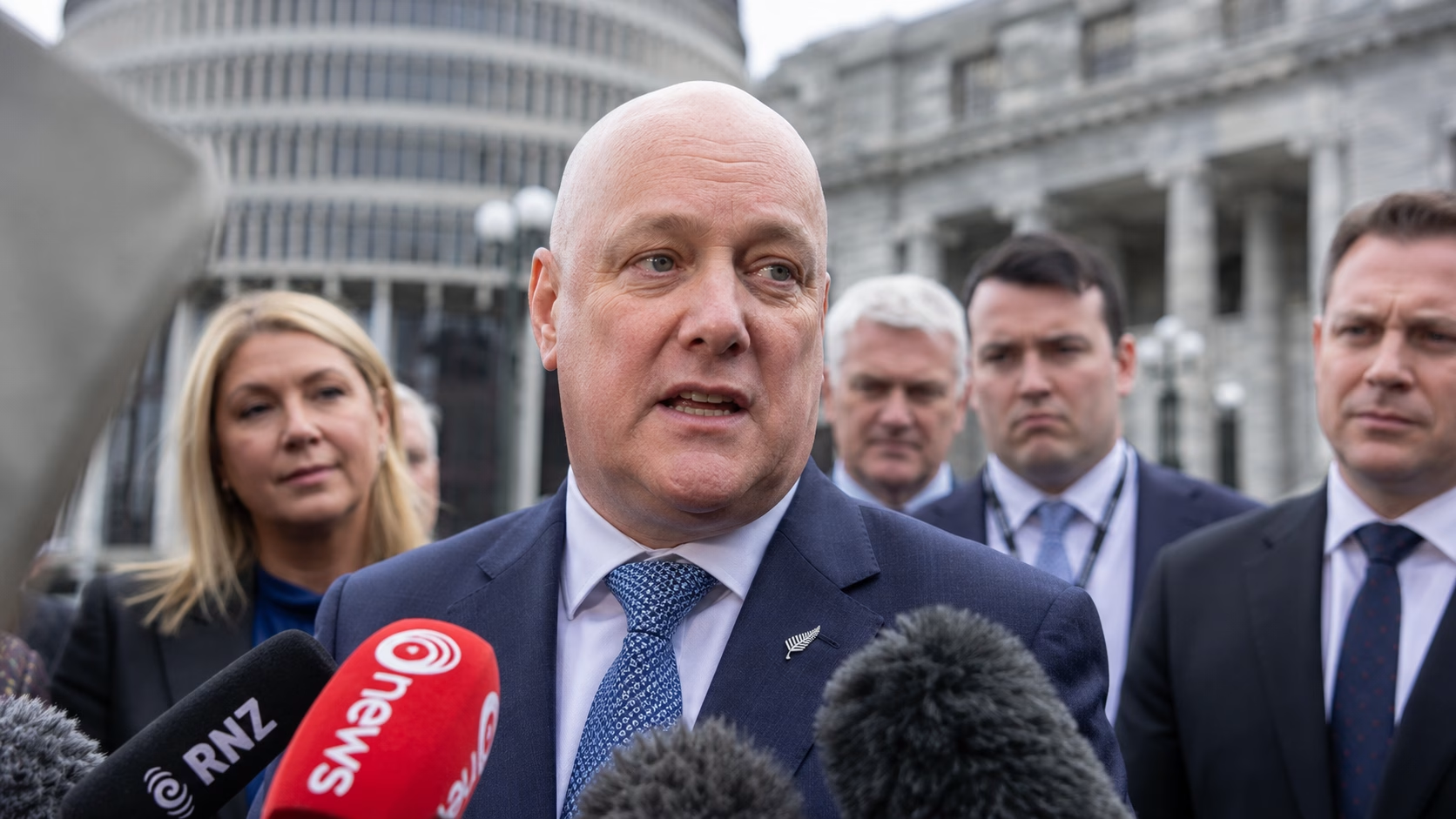
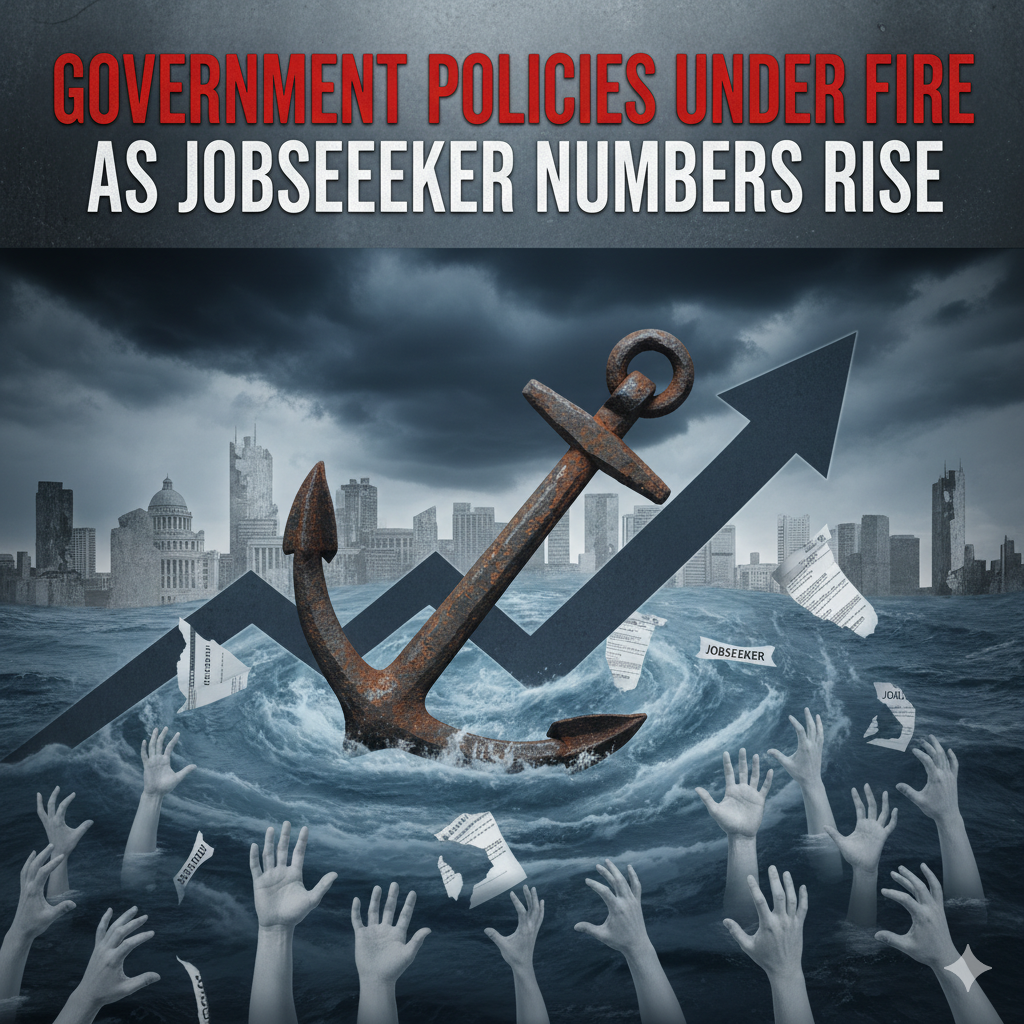
New Zealand’s latest Ministry of Social Development figures show a sharp rise in the number of people relying on Jobseeker benefits, prompting renewed debate about the strength and fairness of the country’s economy.
According to the new data, more New Zealanders are now dependent on income support than at any time since the COVID-19 pandemic. The Green Party says the figures highlight what it calls an “economy for the rich” that is leaving unemployed people behind.
Green Party Social Development and Employment spokesperson Ricardo Menéndez March described the statistics as “a damning picture of an economy that’s failing to provide enough jobs or opportunities.”
“New Zealanders should be in control of our economy, our jobs, and our future,” he said. “With fewer jobs available and living costs continuing to rise, more people are being pushed onto Jobseeker benefits. People want to work, but the main barrier to employment right now is the system itself.”
The Party argues that the government’s current policies are not creating enough employment pathways and are instead contributing to financial stress for thousands of households. It is calling for large-scale investment in public housing, climate-resilience projects, and nature restoration work—initiatives it says could generate tens of thousands of new jobs while supporting communities.
Government leaders have previously defended their economic approach, saying global challenges and post-pandemic pressures continue to affect job markets. They maintain that efforts are being made to stabilize growth, lower inflation, and attract new investment to generate sustainable employment.
Economists note that while employment remains relatively high, job creation has slowed in several sectors, including construction, retail, and local government services. Rising living costs are also stretching household budgets, leaving many on low incomes with few alternatives.
Menéndez March reiterated his party’s stance that a “liveable income for everyone” is essential to reducing inequality.
“We can do things differently so everyone has what they need to live a good life,” he said.
As the political debate continues, the data will likely feed into wider conversations about the direction of New Zealand’s economic recovery and the balance between fiscal discipline and social welfare.
References:
Ministry of Social Development (MSD) Benefit Statistics, October 2025
Green Party of Aotearoa New Zealand – Official Press Release, 16 October 2025
© Scoop Media