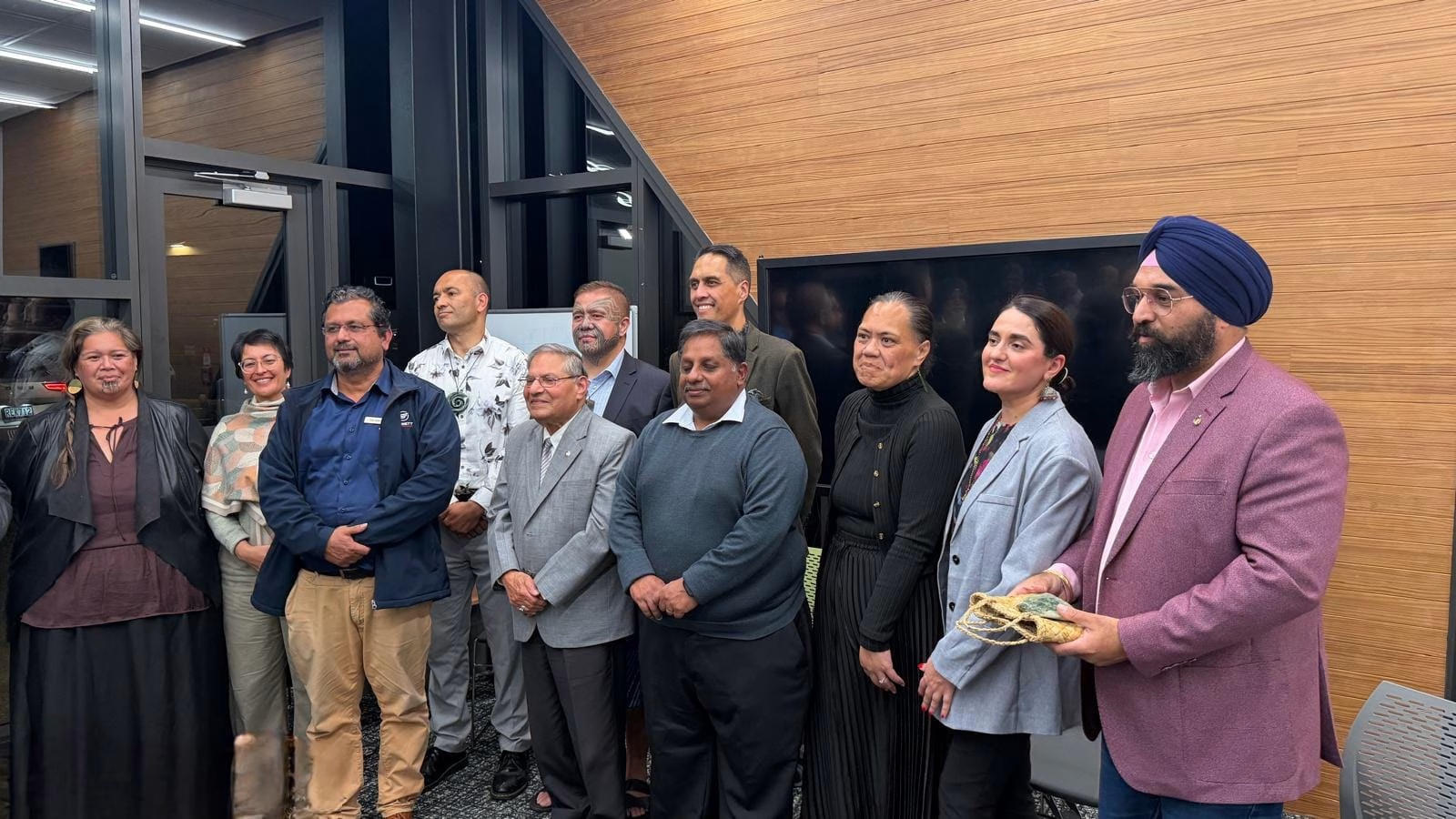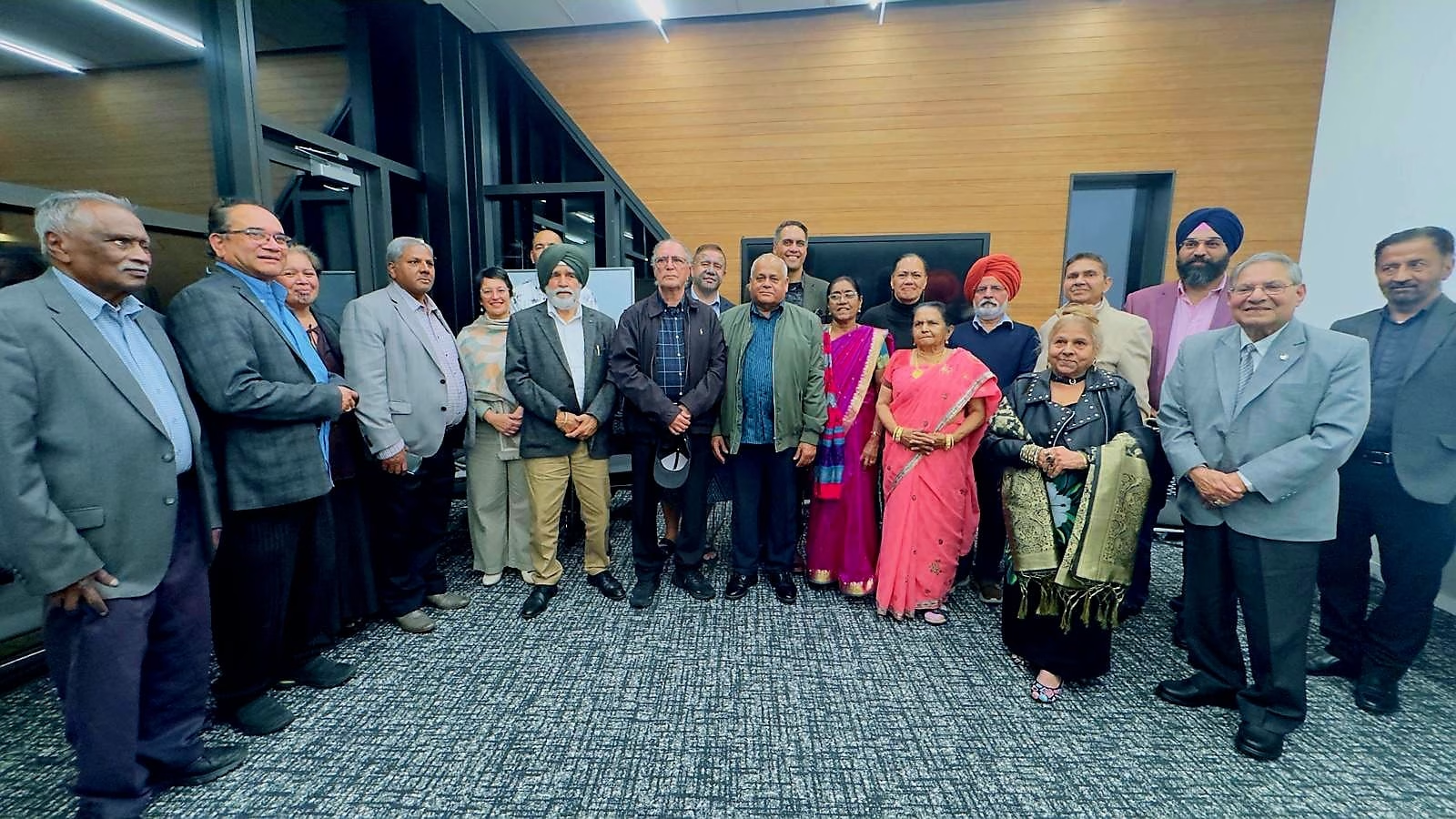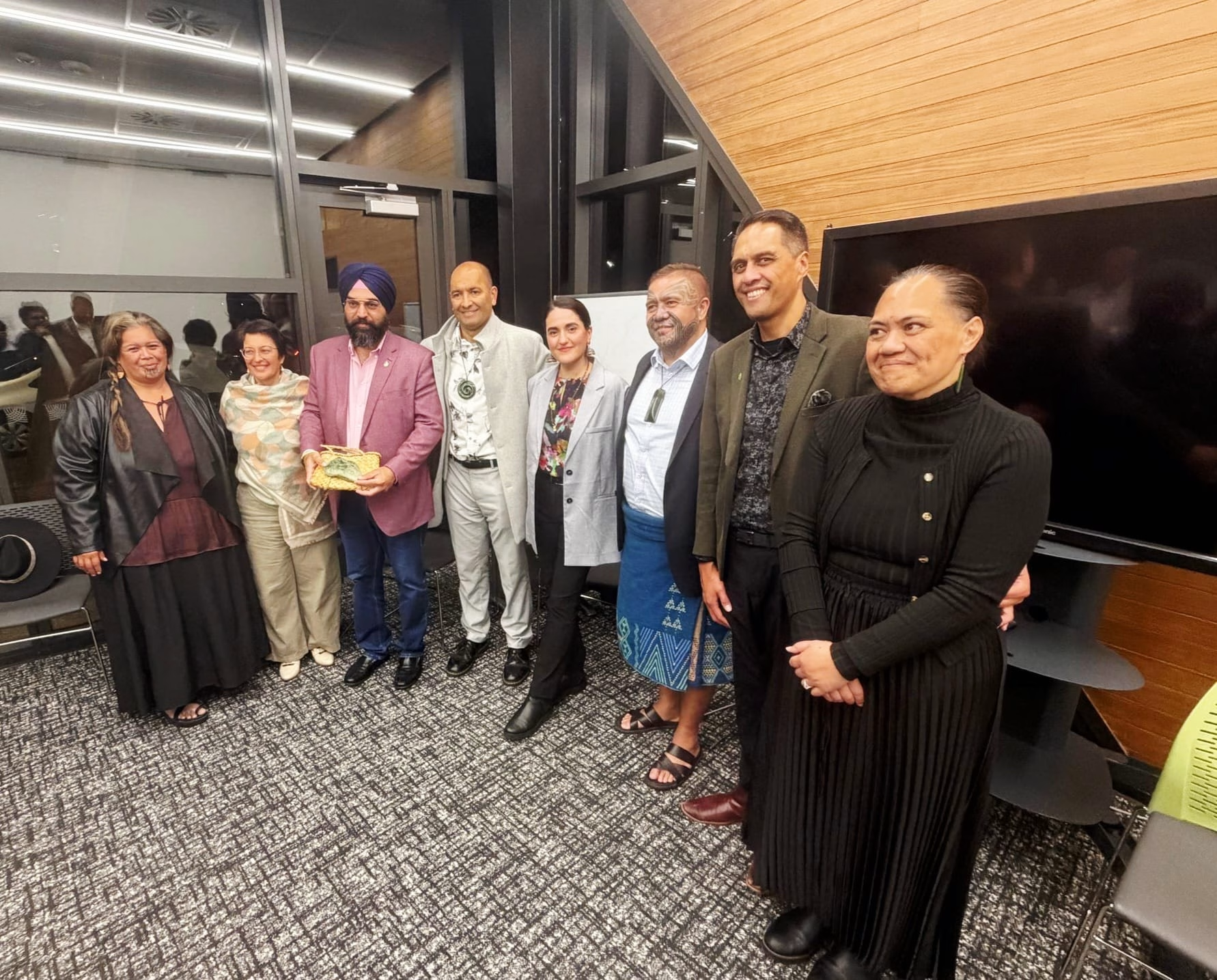
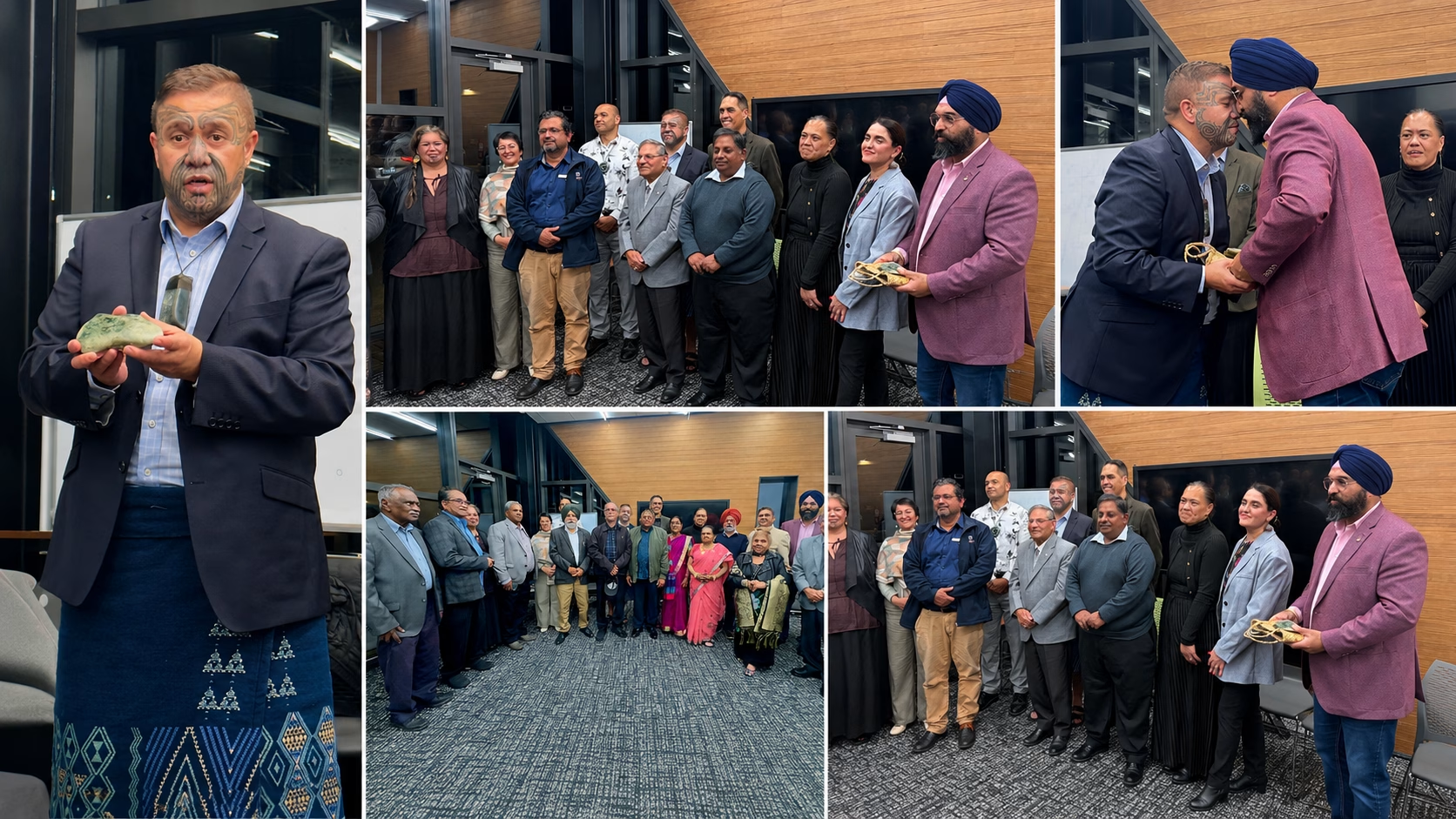
A multi-community hui held at Trust Waikato meeting rooms this week has become an important moment of reflection, reconciliation, and renewed connection between Māori, Indian, and wider South Asian communities in the Waikato region.
The hui, organised by Indian Cultural Society Waikato Inc., brought community leaders together to address recent hurt, open respectful dialogue, and build a stronger path forward based on understanding and trust. According to the press release shared by Indian Cultural Society Waikato Inc., the gathering was led by its President and Director of Events, Jujhar Singh Randhawa JP, following constructive engagement aimed at turning recent challenges into an opportunity for learning and unity.
New Zealand Confirms End Of NCEA In Major Education Shake-Up – WebfitNews
A gathering built on respect
The evening opened with a warm welcome, shared kai, and traditional Indian chai. This simple but meaningful setting helped create an atmosphere of openness, where people could speak honestly while still holding respect for one another.
The hui then moved into formal proceedings and meaningful kōrero. Leaders from Māori, Indian, and wider South Asian communities came together not only to discuss what had happened but also to consider how communities can respond better when cultural misunderstandings or hurt occur.
That is the real value of such a hui. It does not pretend that everything is perfect. It creates a space where difficult moments can be discussed with dignity.
Dr Sarkaw Randhawa’s message of collective strength
Dr Sarkaw Randhawa, speaking on behalf of the Indian Cultural Society Waikato, delivered an emotional opening address that included te reo Māori.
She reminded those present of the well-known phrase, “E waka eke noa”, meaning “we are all in this together”. Her message was clear: no community stands alone, and real strength comes from the collective.
She also acknowledged the recent incident that had caused hurt within the community. Rather than allowing that hurt to deepen division, she encouraged people to use the moment as a reminder of the importance of cultural respect, listening, and education.
Dr Randhawa also highlighted the shared values between Māori and South Asian communities. These include respect for elders, strong family structures, cultural traditions, and the importance of collective identity.
Her message that “we’re stronger together” captured the deeper spirit of the evening.
Leadership from the Indian Cultural Society, Waikato
Jujhar Singh Randhawa JP welcomed attendees and thanked community leaders for coming together in the spirit of goodwill and partnership.
His role in bringing people into the same room was significant. Community leadership is not only about organising events or making public statements. Sometimes, it is about creating a safe space where people can listen, reflect, and reset relationships.
The press release notes that Mr Randhawa emphasised the importance of turning dialogue into long-term collaboration. That point matters because reconciliation is not a one-night exercise. It needs follow-up, consistency, and continued respect.
Che Wilson’s message and the gift of Te Aroha
Che Wilson addressed the hui on behalf of his team, acknowledging the importance of the moment and reinforcing a commitment to open engagement and mutual respect.
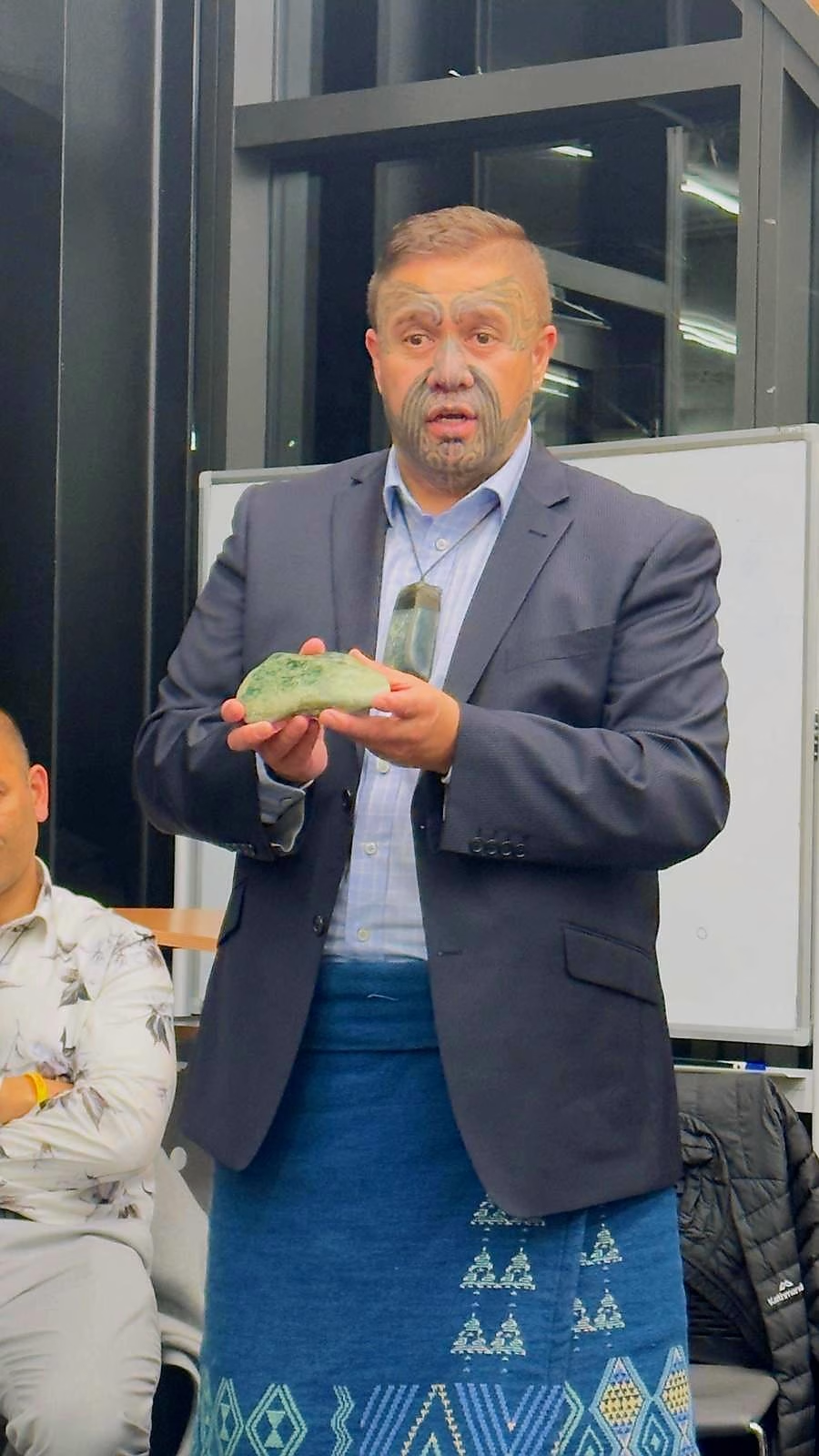
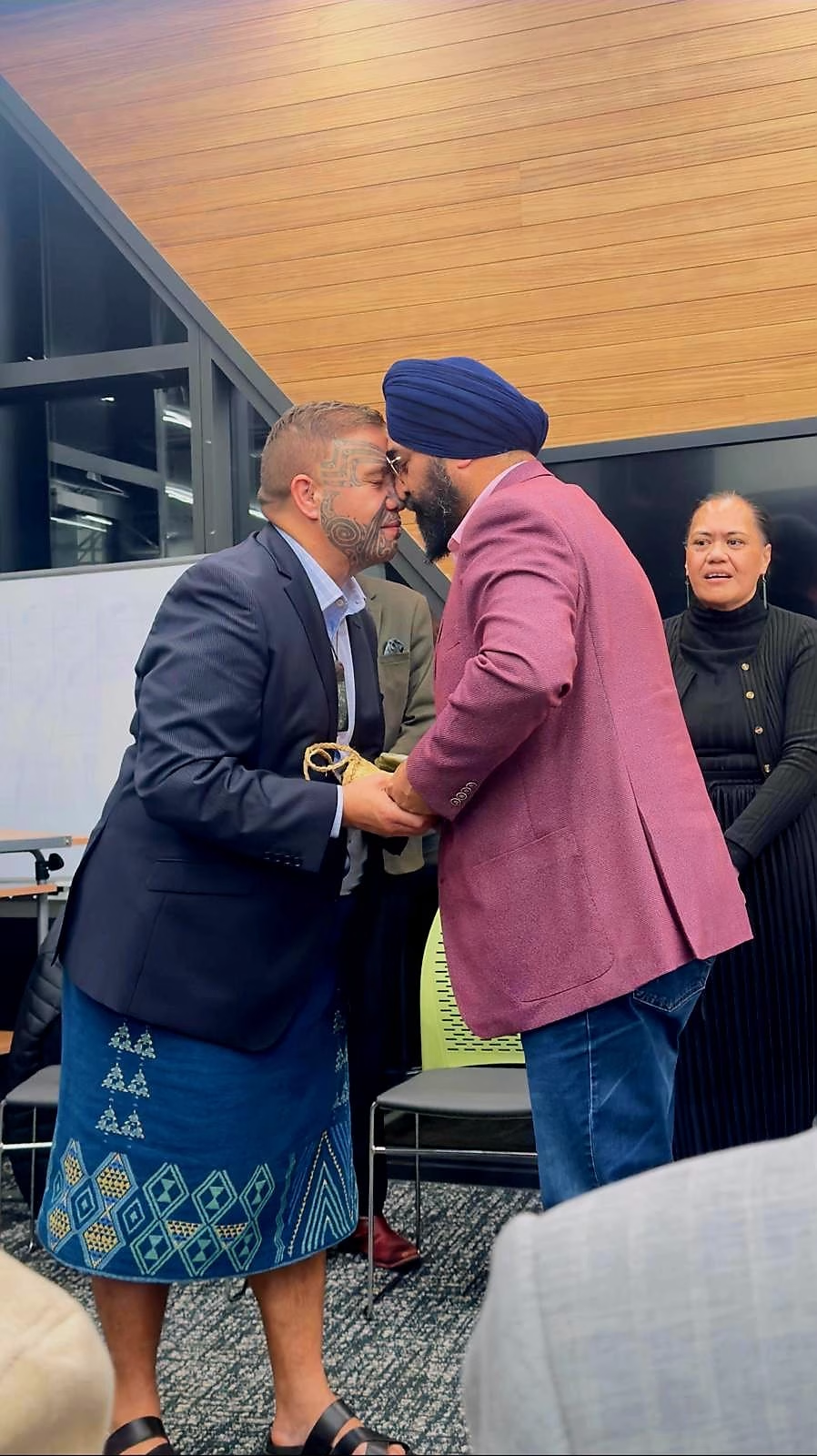
One of the most powerful moments of the evening came when Che Wilson and his team presented a pounamu, or greenstone, named Te Aroha to the South Asian and Indian community. It was received on behalf of the community by Jujhar Singh Randhawa, JP.
In Māori tradition, the press release describes this as representing a tatau pounamu, a symbolic doorway to lasting peace and connection. The name Te Aroha itself carries deep meaning, linked to love, compassion, and goodwill.
This gesture was more than ceremonial. It gave physical form to the message of the evening: that communities can move from hurt toward healing when there is sincerity, humility, and a willingness to understand one another.
Community response and future direction
Community leaders at the hui expressed appreciation for the initiative and acknowledged the openness shown by all involved. Particular recognition was given to Che Wilson and his team for engaging sincerely and taking meaningful steps forward.
The hui reflected a shared commitment to dealing with differences through respectful kōrero, not silence, anger, or distance.
For multicultural New Zealand, this is an important lesson. Our communities are growing more diverse, and with that diversity comes both strength and responsibility. Cultural respect does not happen automatically. It has to be learned, practised, and protected.
Webfit News perspective
From a Webfit News perspective, this hui is a strong example of how local leadership can turn tension into trust. New Zealand’s multicultural future will not be built only through festivals, food, and public celebrations. It will also be built through honest conversations when things go wrong. The Waikato hui shows that reconciliation is possible when leaders choose dialogue over division and humility over ego.
Why this matters
This story matters because it shows what practical reconciliation can look like at a community level.
It was not about blame. It was not about public pressure. It was about people sitting together, acknowledging hurt, respecting culture, and choosing a better way forward.
In a time when communities can easily become divided, especially through social media misunderstandings and public reactions, this hui offered a more mature model: meet face to face, listen carefully, speak respectfully, and build from there.
The evening concluded with optimism and a shared vision for the future, one where cultures are celebrated, differences are respected, and communities stand united.
References
Indian Cultural Society Waikato Inc. Press Release, “From Hurt to Healing: Waikato Hui Sparks Unity Across Cultures”, Saturday, 16 May 2026.