Why this matters
Mental distress remains high in New Zealand. Around 13 percent of adults report high or very high psychological distress in four weeks. Among young people aged 15 to 24, the rate is about 23 percent. Many still hesitate to talk about mental health because of stigma, fear of judgment, or not knowing where to go for help. Migrants and international students can face added barriers such as separation from family, language, and unfamiliar systems.
Globally, the World Health Organization estimates that more than one billion people live with a mental health condition at any time and that depression affects roughly one in twenty adults. The good news is that proven prevention and treatment options work when people can access them early.
Webfit News is launching a series to make everyday conversations about mental well-being normal. The series will provide practical guidance, highlight culturally responsive services, and feature the experiences of young people, parents, workers, and migrants.
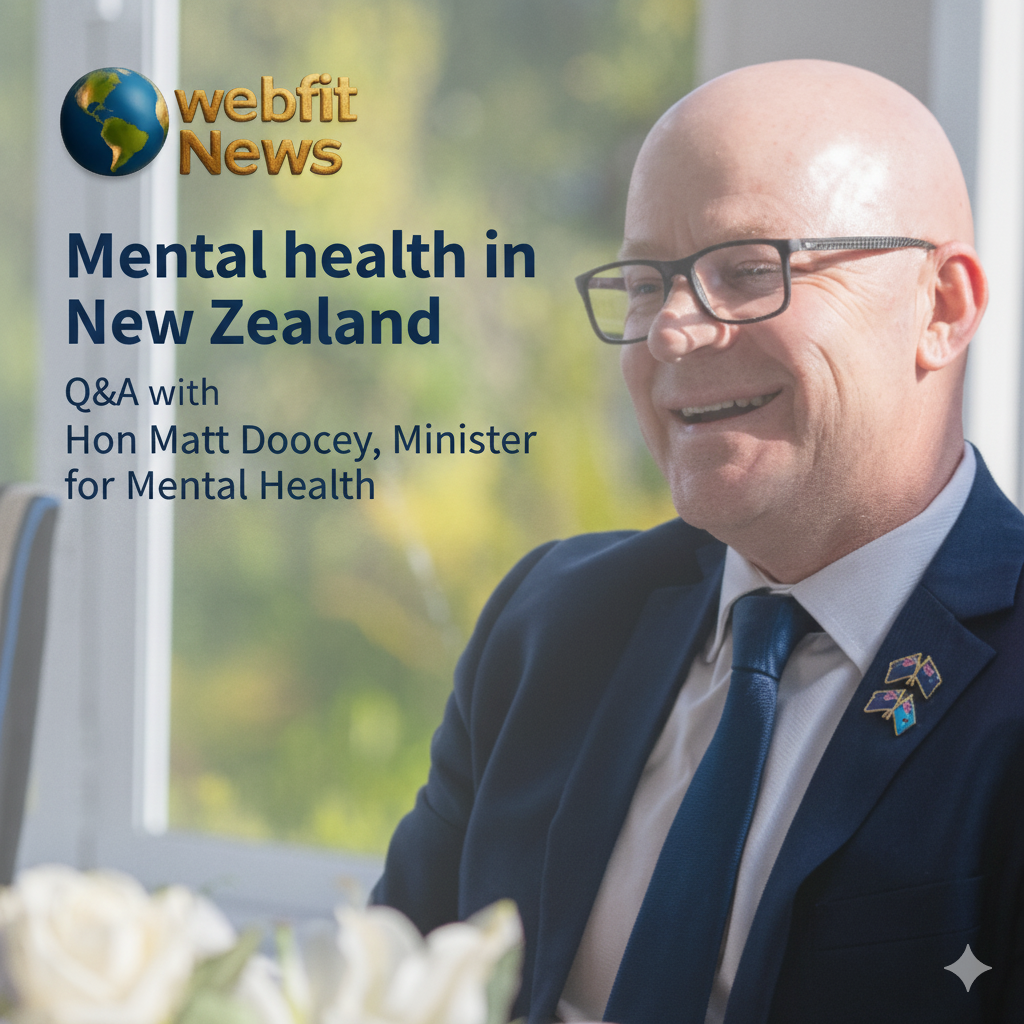
Below is an edited Q&A from our recorded interview with Hon Matt Doocey, New Zealand’s first Minister for Mental Health. It focuses on awareness, early help, youth, migrants, access targets, and the next steps for services.
Q: How can a society build real awareness without adding stigma?
Hon Matt Doocey: More New Zealanders now have the words to talk about mental health and are willing to ask for help. The priority is to grow awareness and make support available in local communities in ways that respect different cultures and needs.
Q: When should mental health education start in schools?
Doocey: Start early with age-appropriate skills. Well-being is not only about reducing distress. It is also about learning daily habits that keep us well. Young people want practical tools. Government-funded programs in primary and secondary schools aim to teach noticing emotions, staying active, connecting with others, and other everyday skills.
Q: What are you changing to reduce long waits and a fragmented system?
Doocey: We introduced national targets, including one week of access to primary mental health and addiction support and three weeks of access to specialist services. Publishing targets helps direct resources and create accountability. We have also launched a workforce plan to reduce vacancies so people get faster help where they live.
Q: What national awareness work is running now?
Doocey: A long-running campaign based on the five ways of wellbeing. The themes are connect, keep learning, be active, take notice, and give. Funding allows community groups to adapt the messages so they fit local languages and cultures.
Q: If someone thinks they might need help, what is the simplest first step?
Doocey: Call or text 1737 to reach a trained counselor at any time. Young people can also contact Youthline. Many people can access free support in their GP clinic through Access and Choice.
Q: Can you share a story that shows what support can look like?
Doocey: Emergency departments are adding peer support workers with lived experience. In Wellington, a new worker who once arrived in crisis now supports others. Hope and connection from someone who has been there can make a real difference.
Q: How do you protect your own mental well-being in a demanding role?
Doocey: I watch for signs that my balance is off, then reset with simple routines such as time with my children, walking the dog on the North Canterbury coast, sleeping well, eating well, and returning to the five ways of wellbeing.
Q: What signs of burnout should families and managers never ignore?
Doocey: Persistent tiredness, withdrawal, poor sleep or appetite, disengagement, and increased use of alcohol or other substances. When you notice a change, check in and offer support.
Q: How can workplaces make wellbeing a daily practice rather than a one-day campaign?
Doocey: Treat wellbeing as an investment. Mentally healthy workplaces have fewer sick days, lower turnover, and better performance. Many candidates now ask about EAP access, flexible work, and balance at the interview. It is a win for employers and for staff.
Q: What is being done for people in acute distress who call 111?
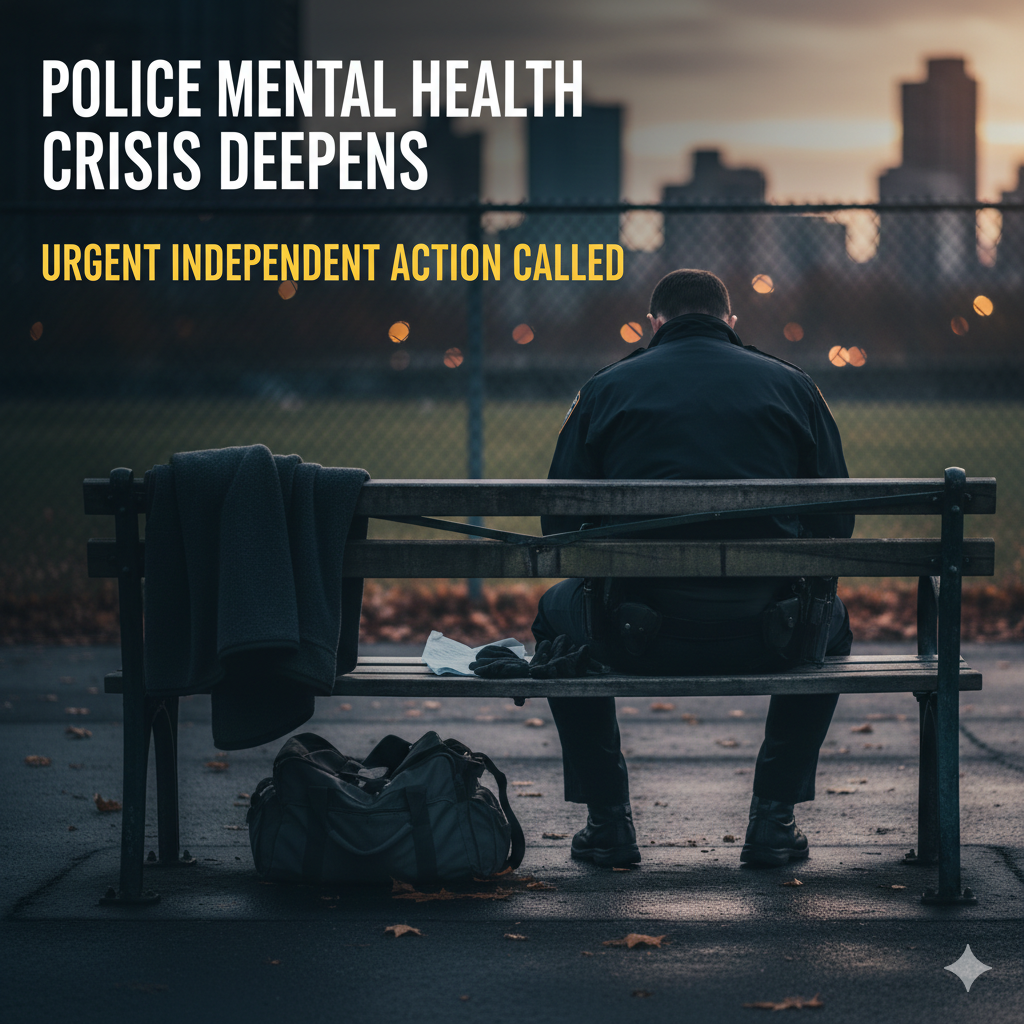
Doocey: Mental health co-response teams will pair mental health professionals with the Police. Callers will be assessed in the dispatch center and met by the right responder, with fewer unnecessary emergency department visits and faster links to appropriate services.
Q: What about migrants and international students who feel isolated?
Doocey: We are expanding culturally responsive services, including new Asian mental health services and partnerships with community providers. The aim is to care in preferred languages and in settings that reflect cultural values.
Q: What is your five-year vision?
Doocey: Higher awareness, less stigma, and a guaranteed level of timely service that is not a postcode lottery. A cross-party parliamentary group helps keep policy settings stable beyond one electoral term.
Practical help
Call or text 1737 for free, confidential support at any time.
Ask your GP about Access and Choice for free support in the clinic.
Youthline, Lifeline, and other helplines are available nationwide.
References
New Zealand Health Survey 2023 to 2024 key results
Mental Health and Wellbeing Commission summaries of recent survey findings
World Health Organization mental health and depression fact sheets
New Zealand Government announcements on mental health targets and workforce planning