By Geet G | Webfit News
Leadership Signals Strong Strategic Alignment

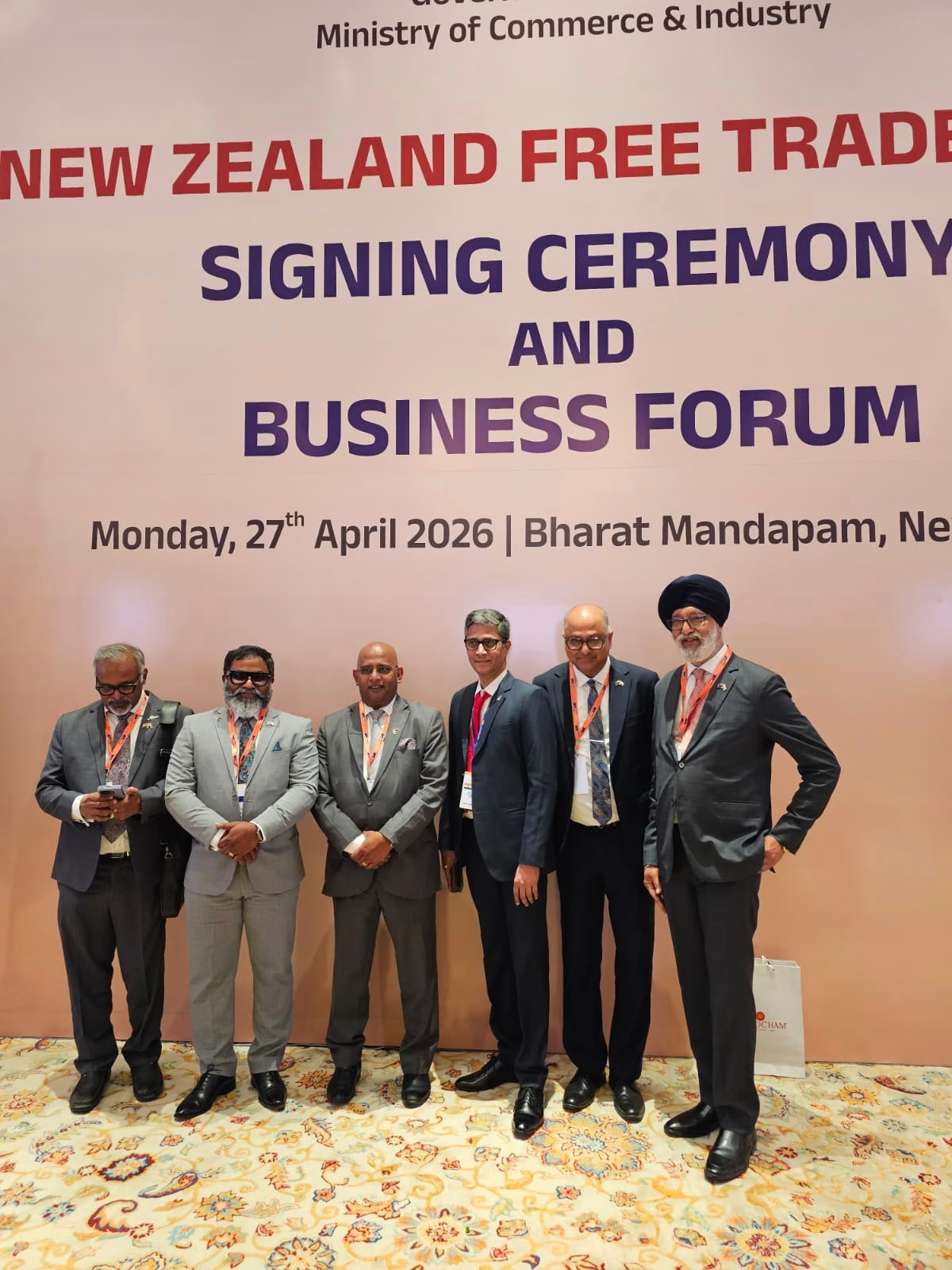
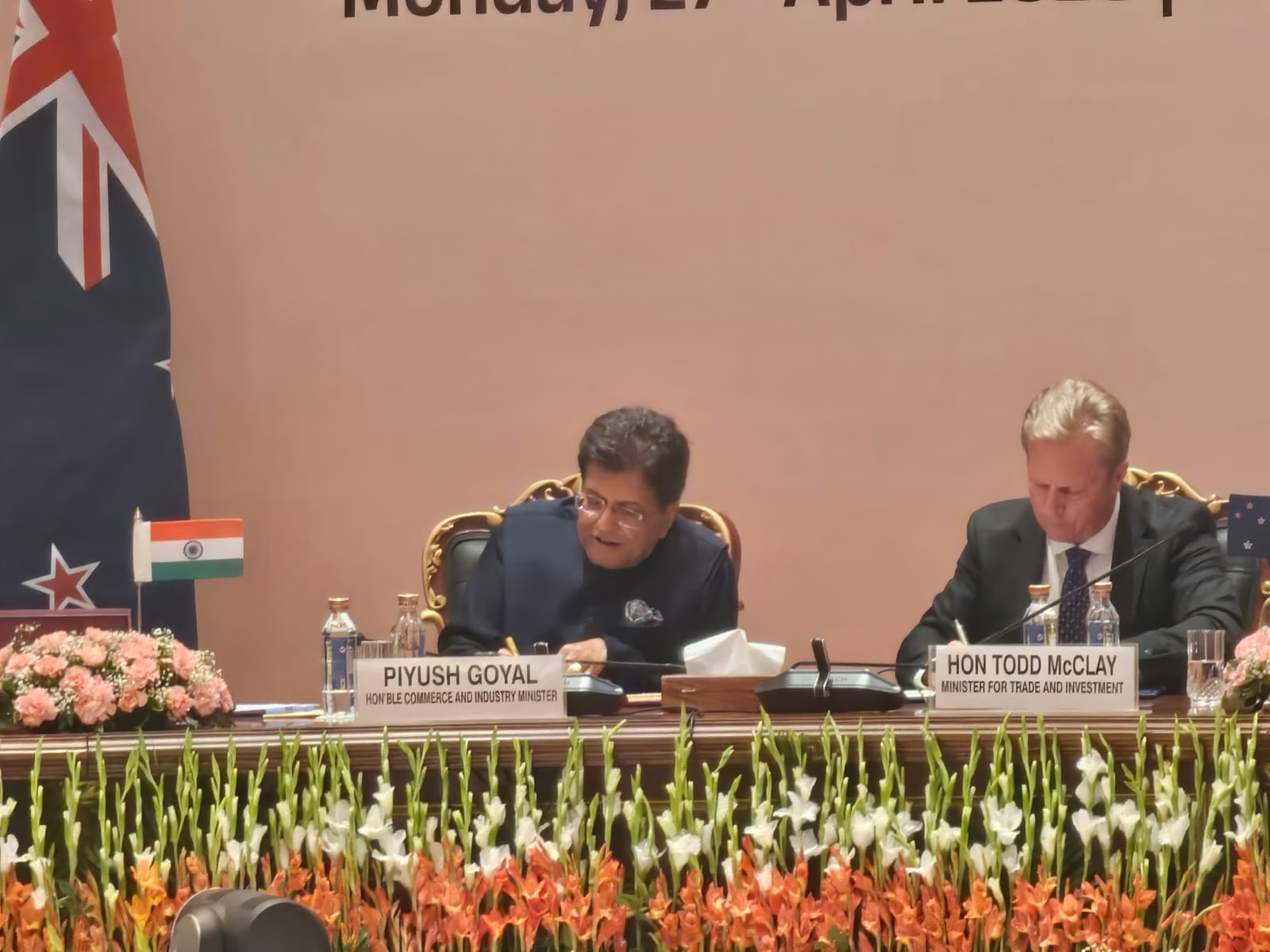
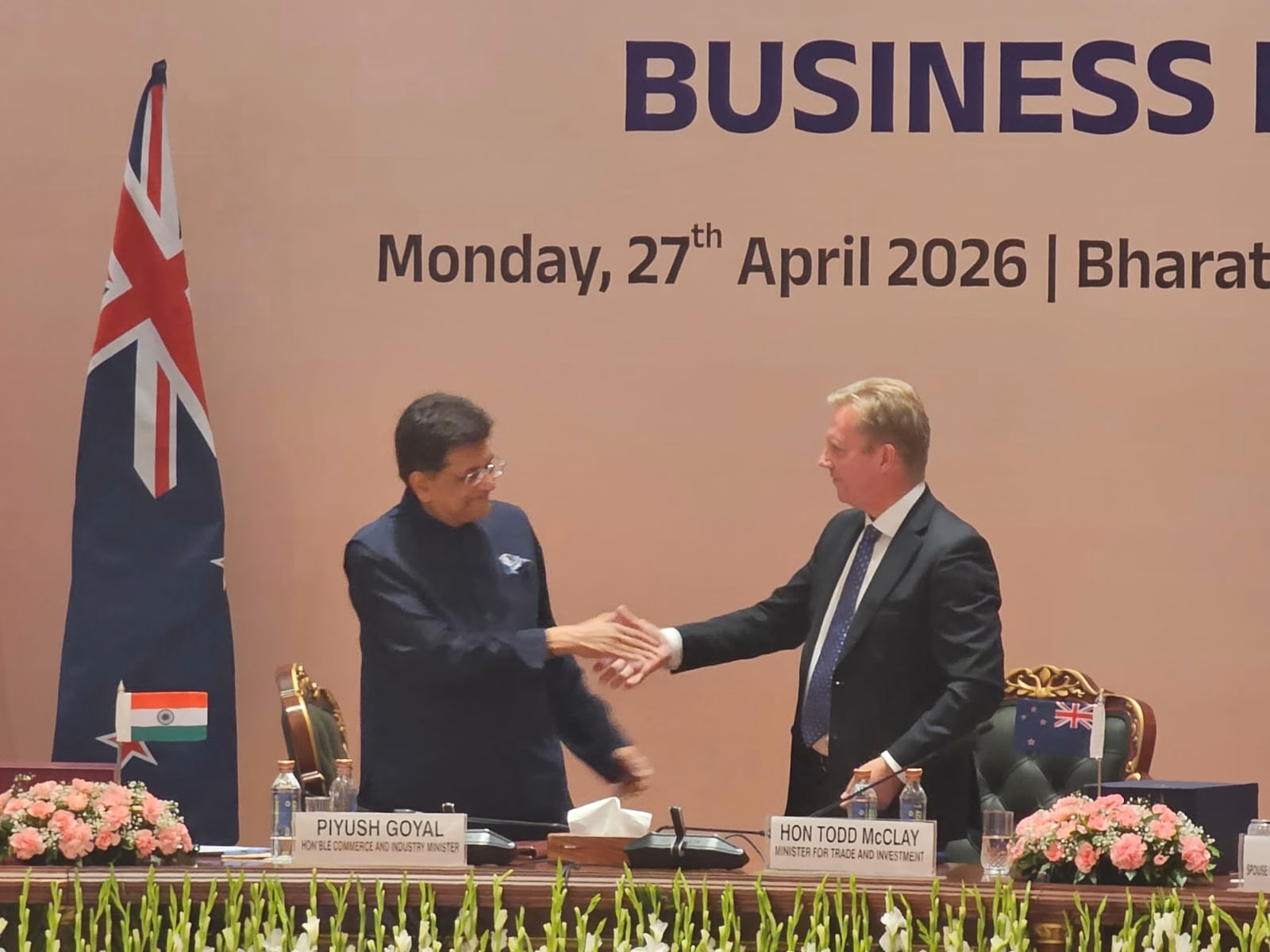
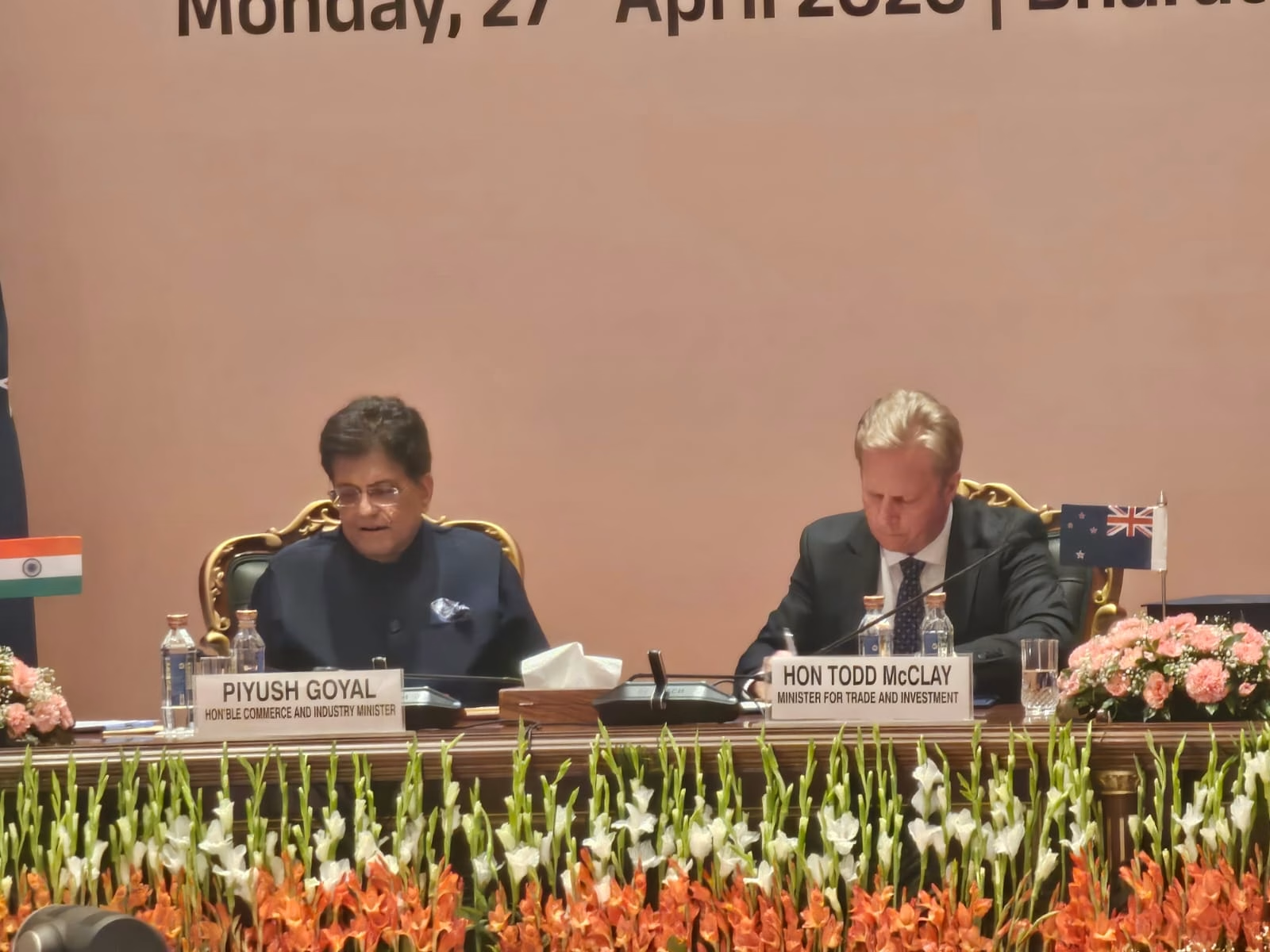
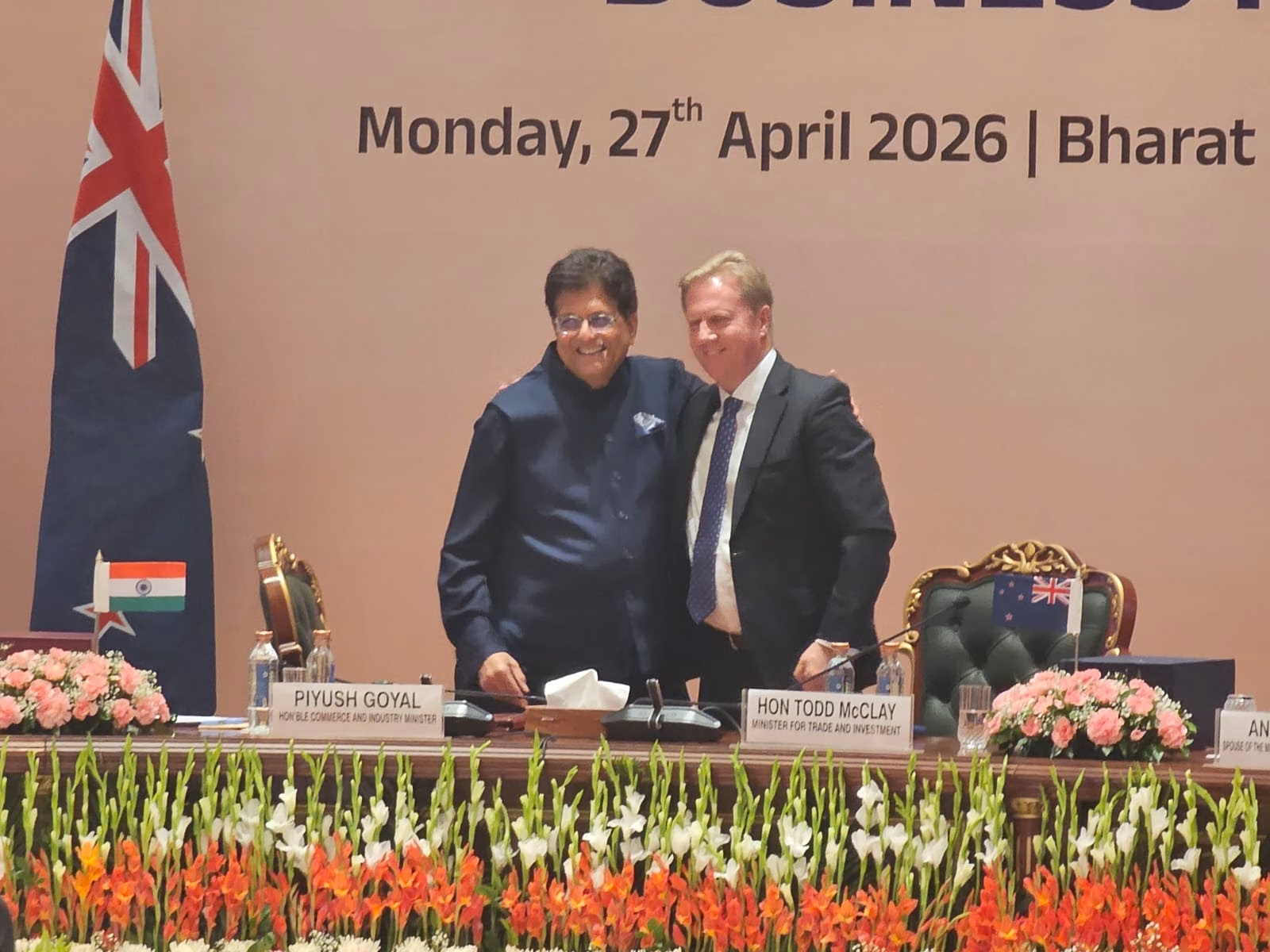
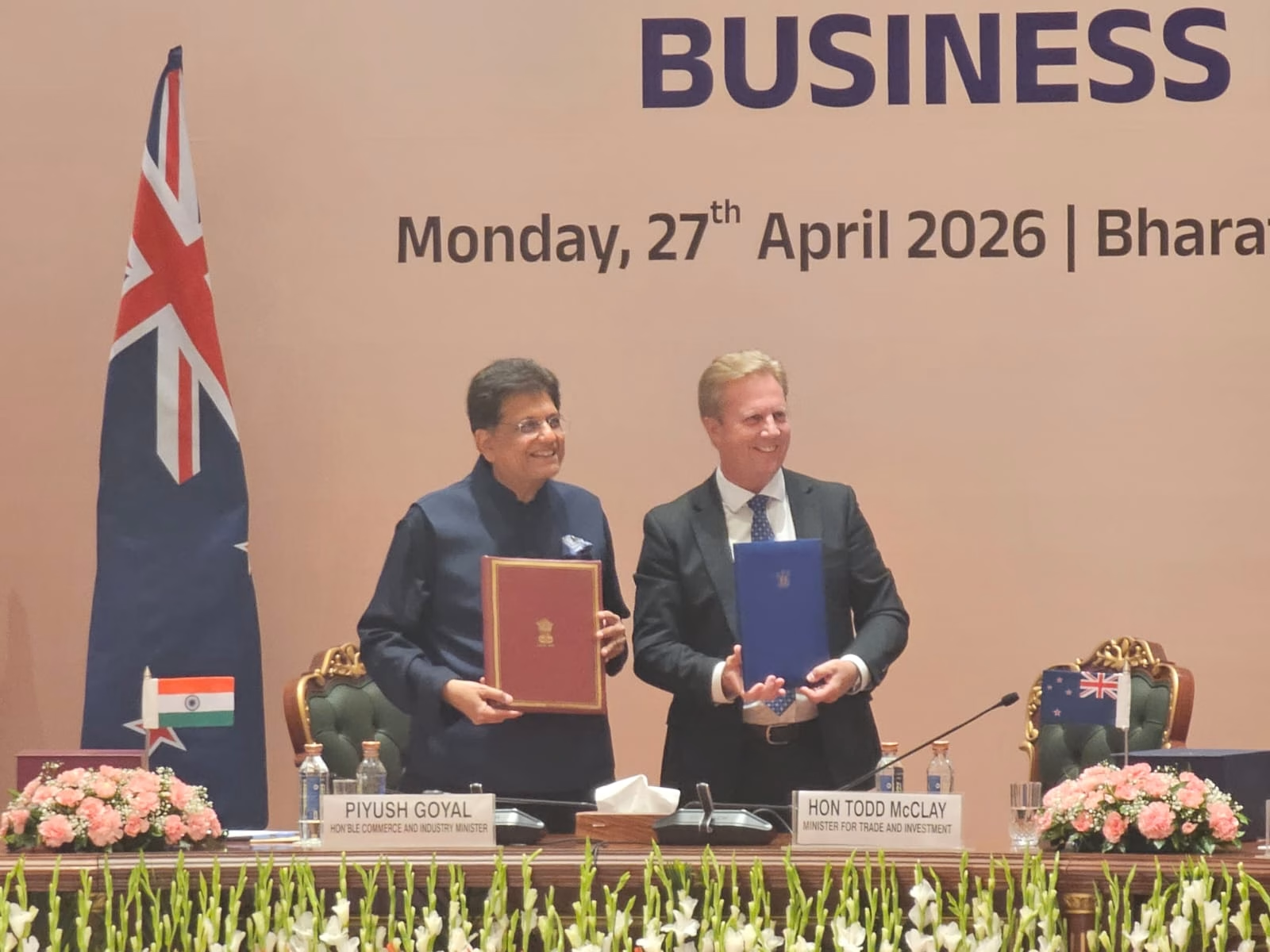
In a moment that has been years in the making, India and New Zealand have officially signed a Free Trade Agreement in New Delhi, marking what industry leaders are calling a turning point in the economic relationship between the two nations.
On the surface, it is a diplomatic win. But beneath the ceremony, the agreement signals something bigger. A strategic repositioning by New Zealand in a rapidly shifting global trade landscape.
A Long-Awaited Breakthrough
The agreement, welcomed by the India New Zealand Business Council, has been described as a “game-changer” for businesses seeking stronger access to one of the world’s fastest-growing economies.
After years of stalled talks and cautious engagement, both countries have finally moved forward with a deal that aims to unlock trade, reduce barriers, and create long-term certainty for exporters and investors.
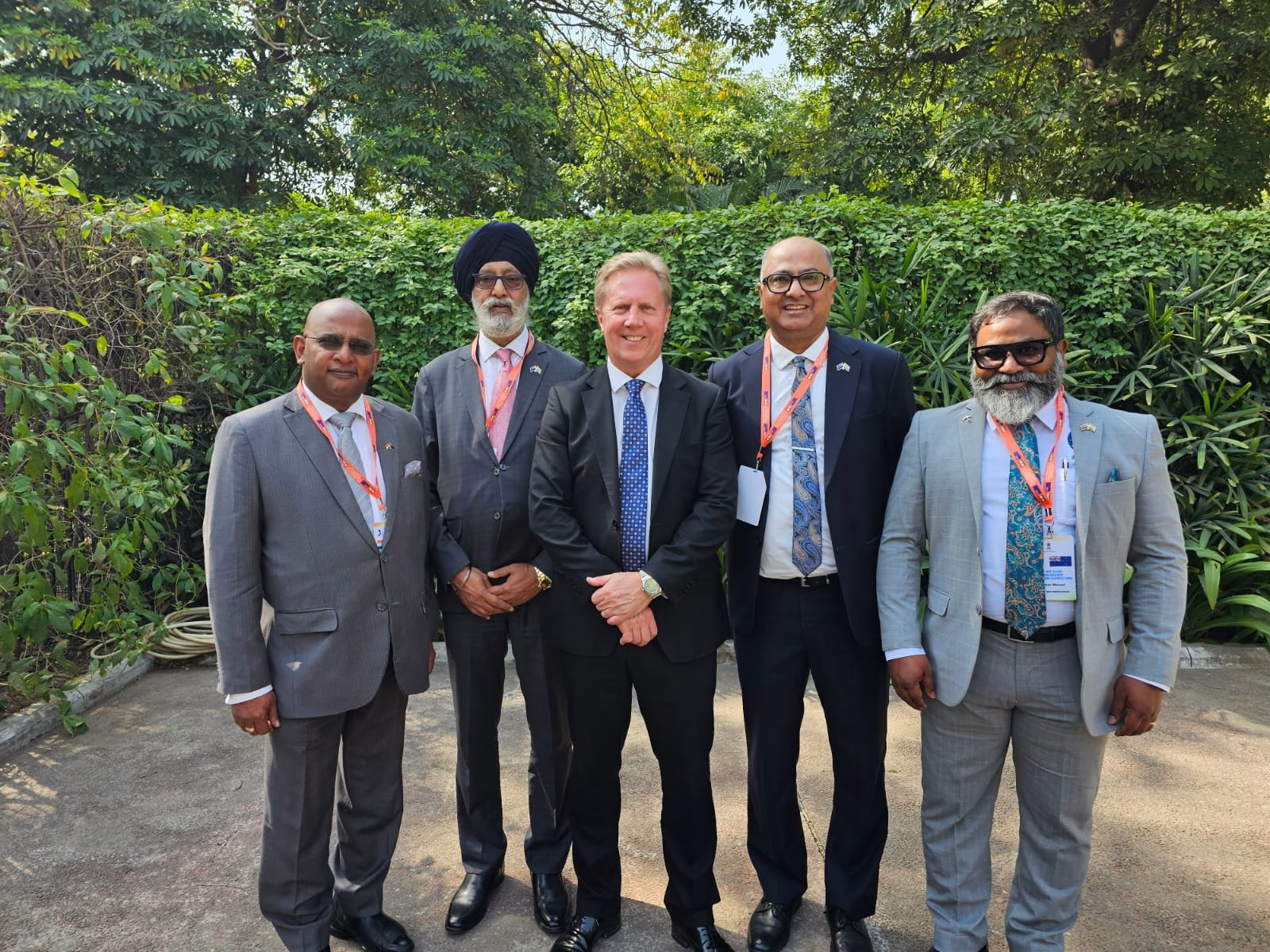
INZBC Chief Executive Sunil Kaushal emphasised that this milestone is not just about policy, but about sustained effort behind the scenes.
The agreement reflects years of relationship building between governments, industry groups, and business leaders who have steadily worked to strengthen ties between the two countries.
What the Deal Actually Means
At its core, the FTA is designed to make trade easier and more competitive.
Key highlights include:
- Reduction or elimination of tariffs on around 95 percent of New Zealand exports
- Improved market access for NZ businesses
- Greater certainty for long-term investment planning
- Expansion beyond traditional goods into services and technology sectors
For New Zealand exporters, this could reshape how they compete in India, especially in sectors like agriculture, education, and advanced manufacturing.
For India, it opens a trusted pathway into a stable and high-quality export market.
The Bigger Economic Reality
Right now, trade between India and New Zealand sits at approximately NZ$3.7 billion annually
That number sounds significant, but in global terms, it is relatively small.
Here is the real story:
- India is on track to become the third-largest economy in the world
- New Zealand is actively looking to diversify trade beyond traditional partners
- Global supply chains are under pressure, forcing countries to rethink alliances
This agreement is not just about growth. It is about reducing risk.
New Zealand is effectively saying it cannot afford to rely on a narrow set of trading partners anymore.
Political Alignment at the Top
The signing also reflects strong political backing from both sides.
New Zealand’s Minister for Trade and Investment, Todd McClay, highlighted the natural alignment between the two countries, pointing to shared democratic values, education links, and growing business cooperation.
India’s Commerce and Industry Minister Piyush Goyal played a central role in pushing the agreement forward, signalling India’s intent to deepen engagement with trusted partners in the Indo-Pacific.
This is not a low-level trade arrangement. It has been driven from the top.
Business-to-Business Will Decide Success
While the signing is significant, industry leaders are clear on one point.
This is just the beginning.
The India-New Zealand Business Council has repeatedly stressed that trade agreements only work when supported by strong business relationships.
Over the past few years, organisations like INZBC have focused on:
- Building market understanding
- Supporting collaboration projects
- Creating long-term engagement between companies
This groundwork now becomes critical.
Because entering India is not simple.
The India Challenge No One Can Ignore
Even within the official messaging, there is a clear caution.
India is a complex and highly competitive market
For New Zealand businesses, success will depend on:
- Long-term commitment
- Strong local partnerships
- Deep understanding of regional markets
- Patience and adaptability
This is where many international companies struggle.
Signing a deal is easy. Executing in India is not.
A Parallel Move That Matters
Alongside the FTA, INZBC also signed a Memorandum of Understanding with ASSOCHAM, one of India’s largest industry bodies representing over 450,000 members.
This is not a side note.
It creates a direct bridge between businesses in both countries, allowing companies to:
- Connect faster
- Explore partnerships
- Expand into new sectors
If used properly, this MoU could accelerate real business outcomes far beyond what the FTA alone can deliver.
Webfit News Perspective
The signing of the India–New Zealand Free Trade Agreement is a strong move. But calling it a success today would be premature.
The real success will depend on what happens next.
New Zealand businesses now have an opportunity. But they also face a challenge. India rewards those who invest time, build relationships, and stay committed.
If companies treat this as a quick export opportunity, they will fail.
If they treat it as a long-term strategic market, this agreement could redefine New Zealand’s economic future over the next decade.
The Bottom Line
This is not just another trade deal.
It is a signal that New Zealand is adjusting its global strategy in a world that is becoming more uncertain, more competitive, and more interconnected.
The agreement opens doors.
But whether those doors lead to real growth or missed opportunity will depend entirely on execution.
References
- India New Zealand Business Council Official Press Release
- Ministry of Trade and Investment Statements
- Industry commentary and INZBC insights