By Geet G, Webfit News
Auckland, 27 May 2026
In Auckland’s growing multicultural calendar, food festivals are no longer just about eating. They have become places where communities protect culture, share stories, welcome others, and pass traditions to the next generation.
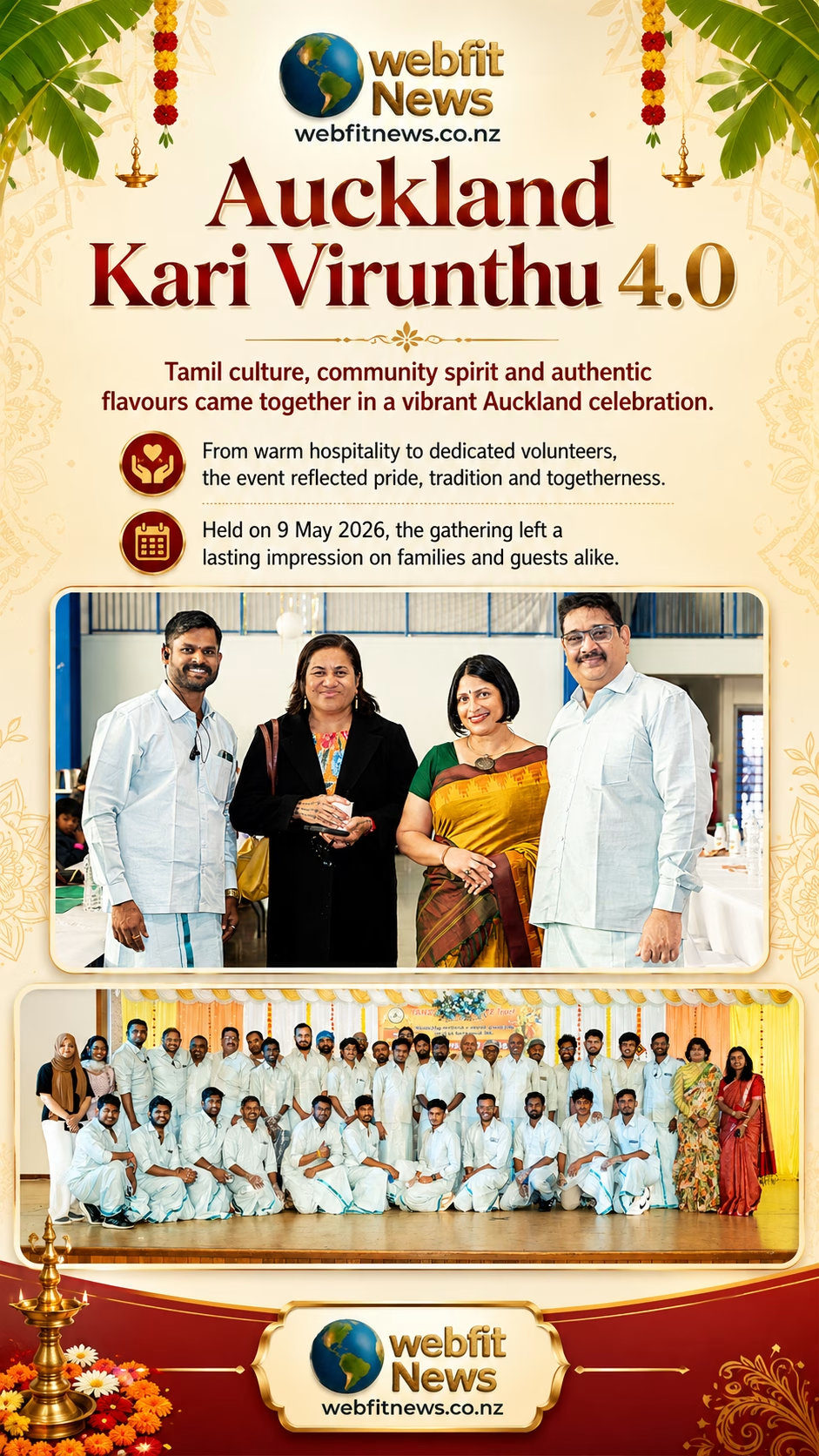
Auckland Kari Virunthu 4.0, held on 9 May 2026 at FWCT Church, 143 Favona Road, Māngere, was one such celebration. Nearly three weeks later, the memories of the event are still fresh for many who attended. The colours, the food, the family atmosphere, the cultural pride, and the warm hospitality all came together to create a strong reminder of how deeply Tamil culture continues to grow in New Zealand.
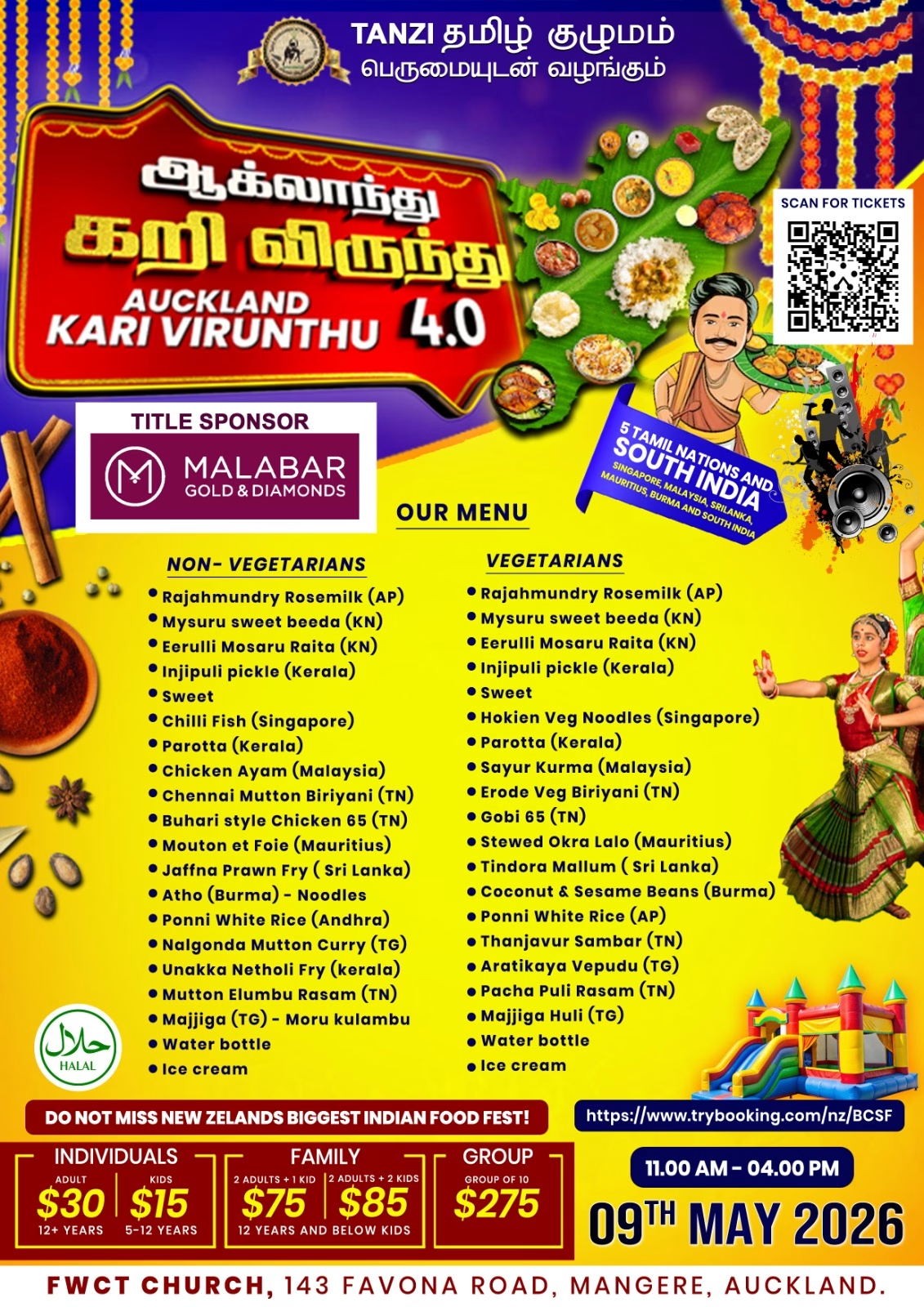
The event, presented by TANZI Tamil Kuzhumam with support from the Tamil community, brought together families, community leaders, guests, performers, sponsors, volunteers and food lovers for a full day of South Indian and Tamil-influenced food traditions.
More Than a Food Festival
What makes Auckland Kari Virunthu stand out is that it is not built like a purely commercial event. It carries the feeling of a family-led community celebration.
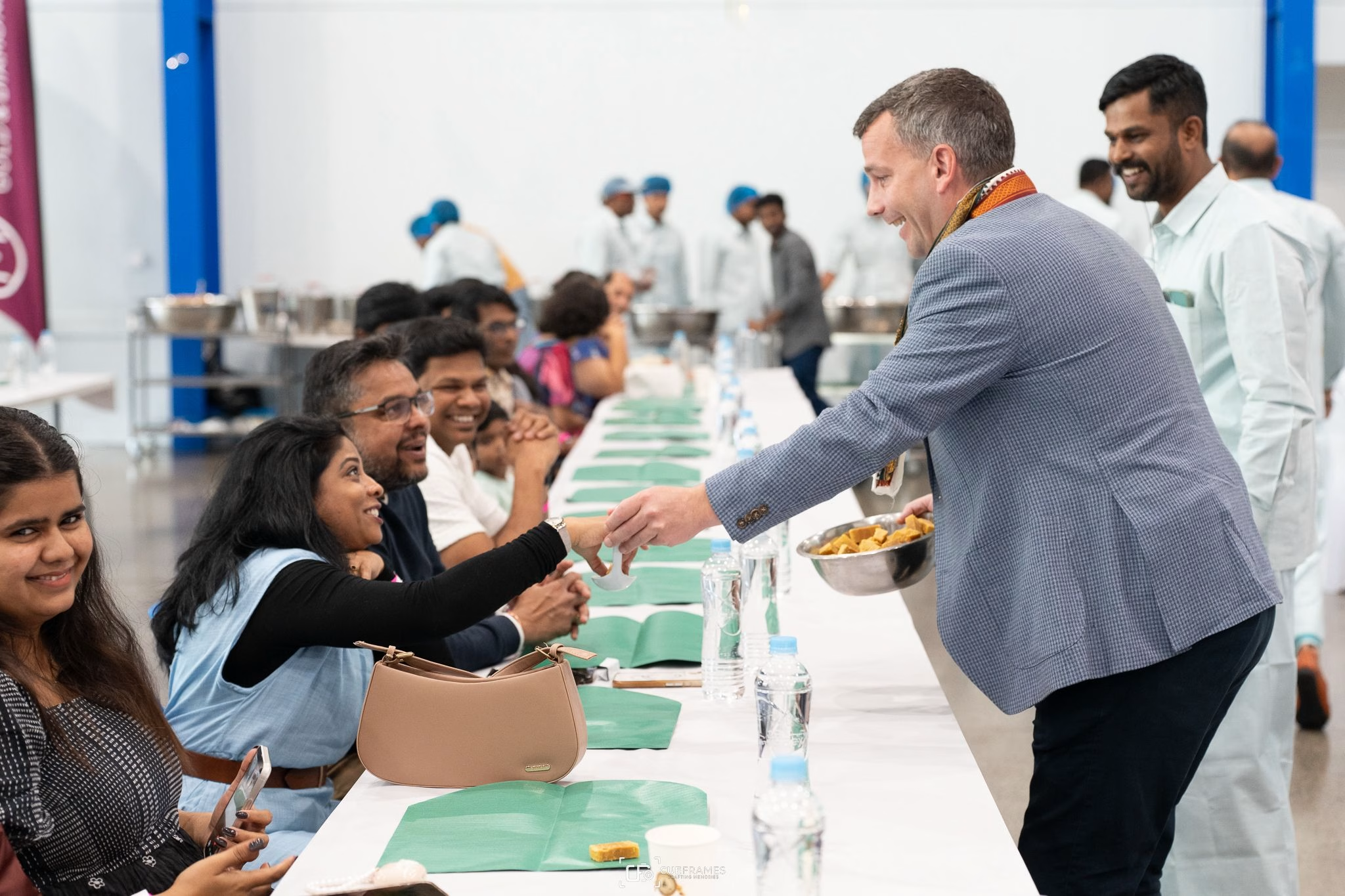
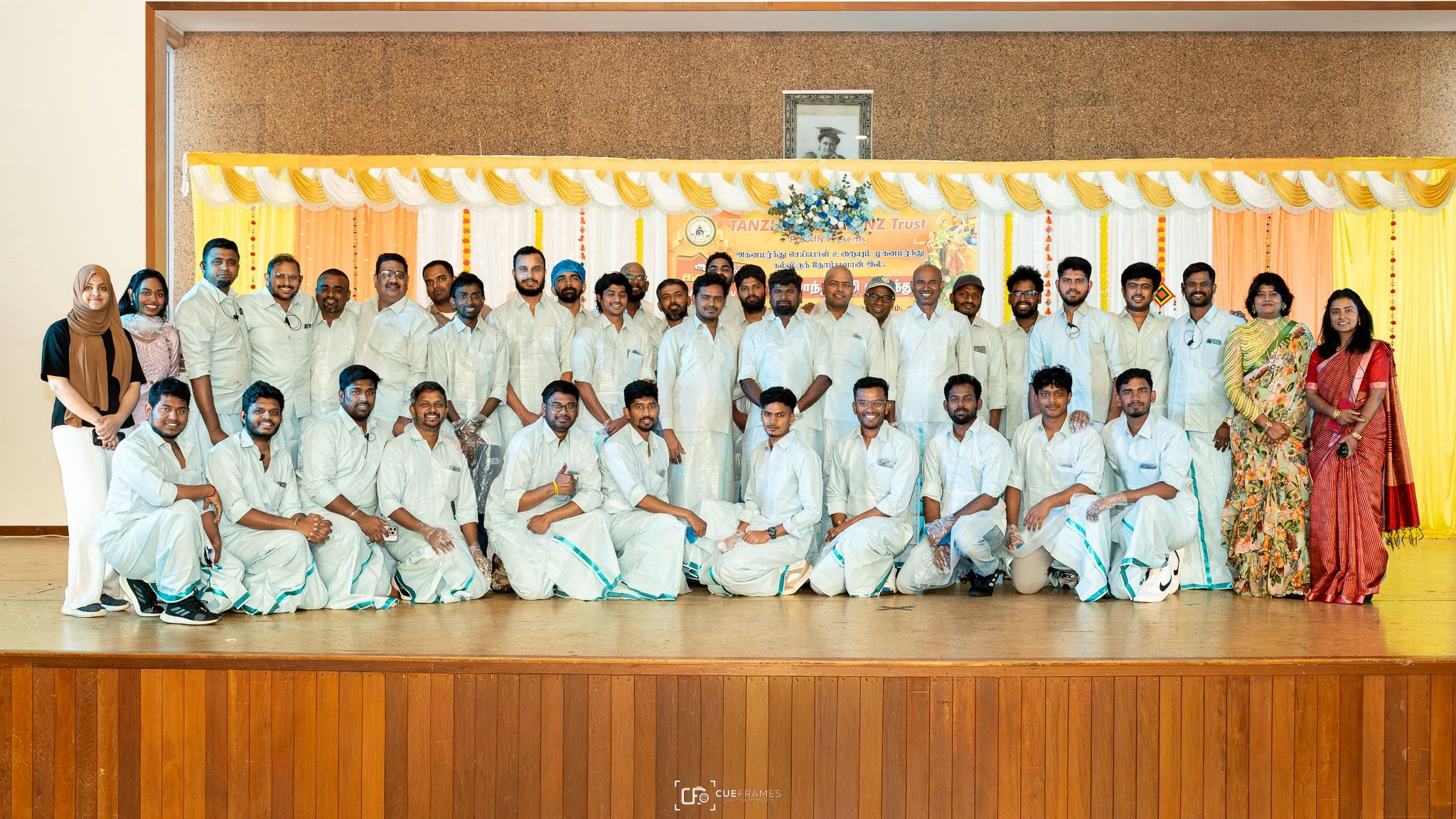
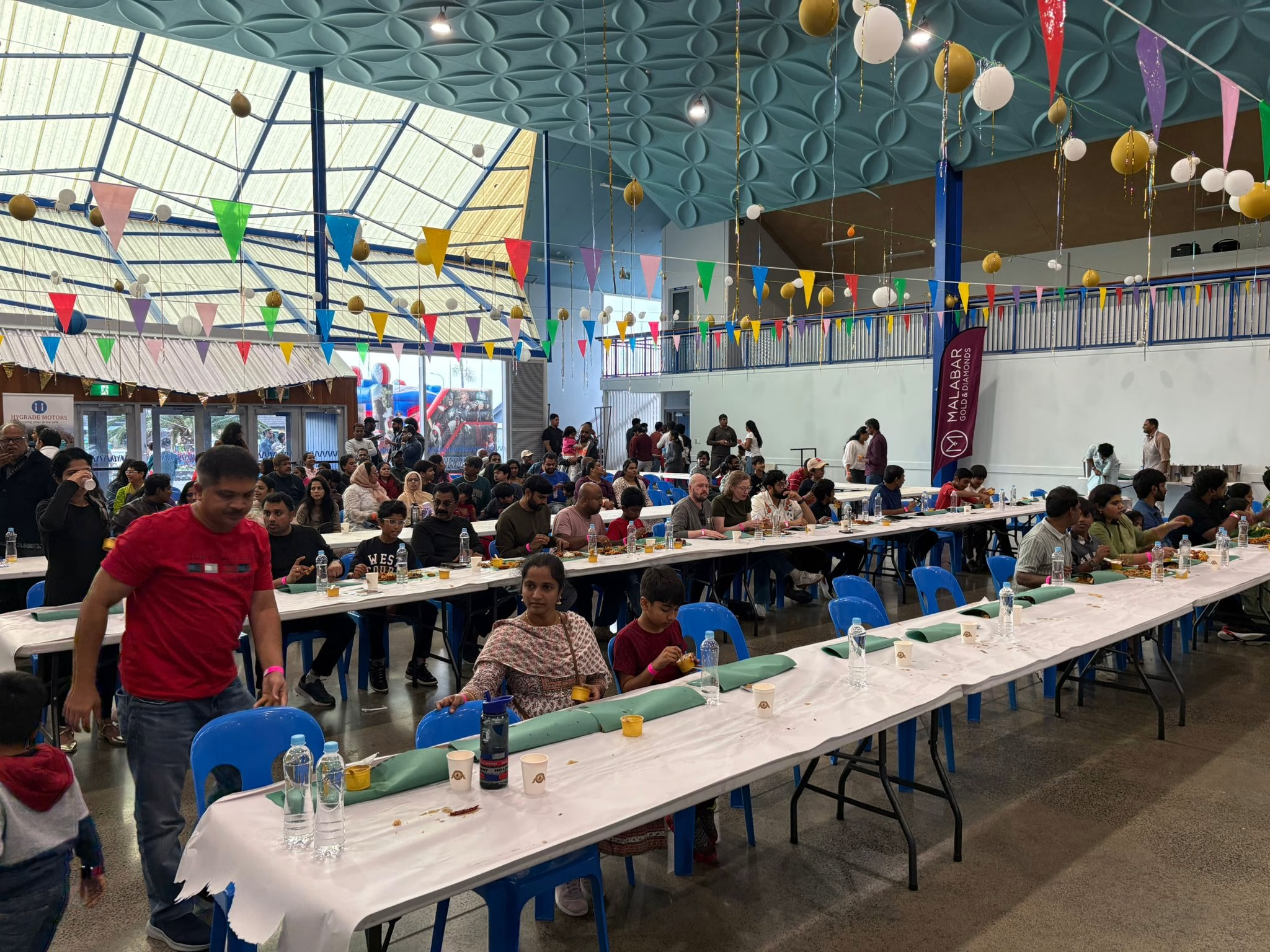
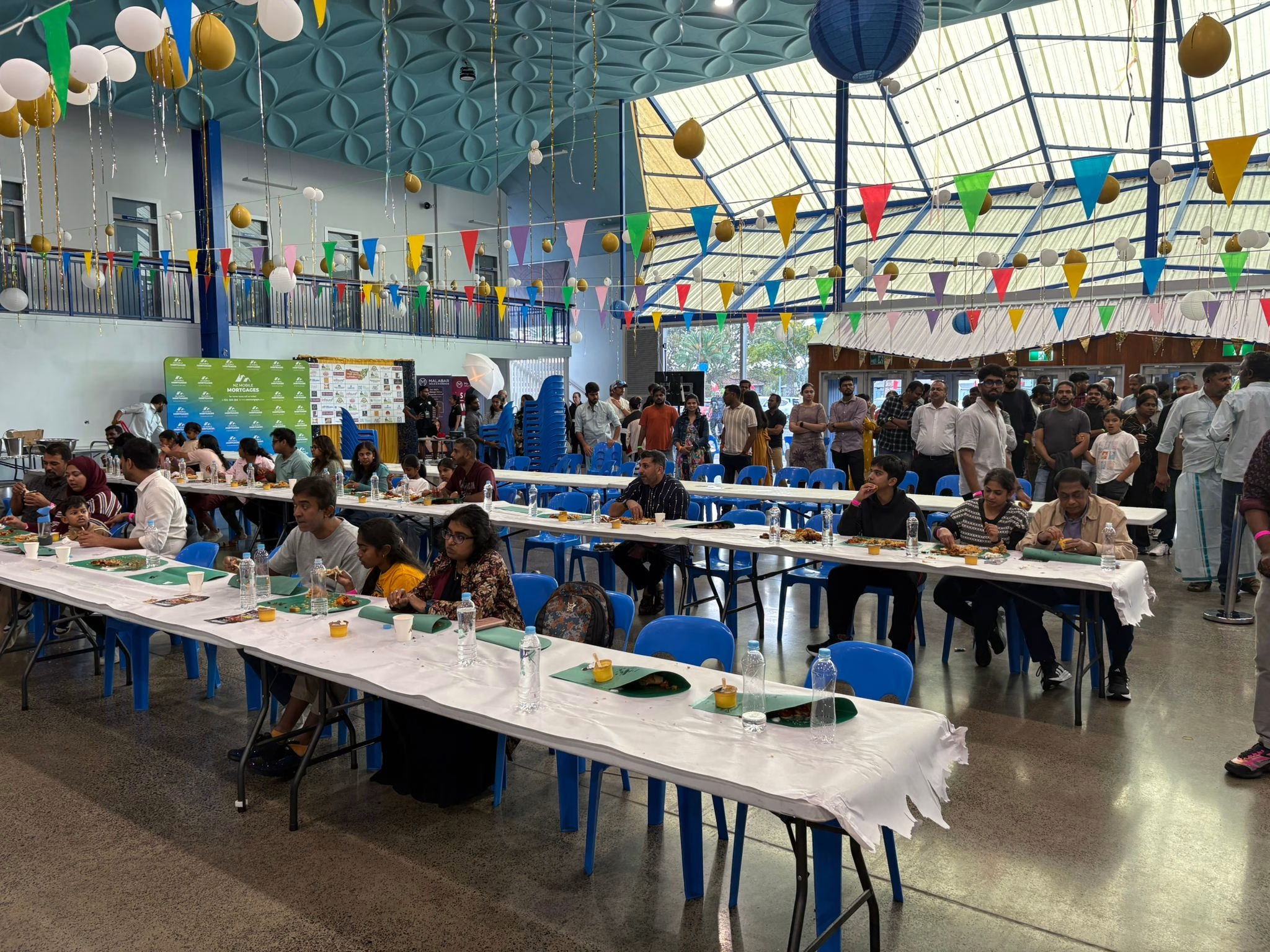
The organisers, volunteers, chefs and support teams were not simply serving meals. They were presenting heritage. From the stage welcome to the long dining tables, from the traditional banana leaf-style food service to the cultural performances, the event had a strong personal touch.
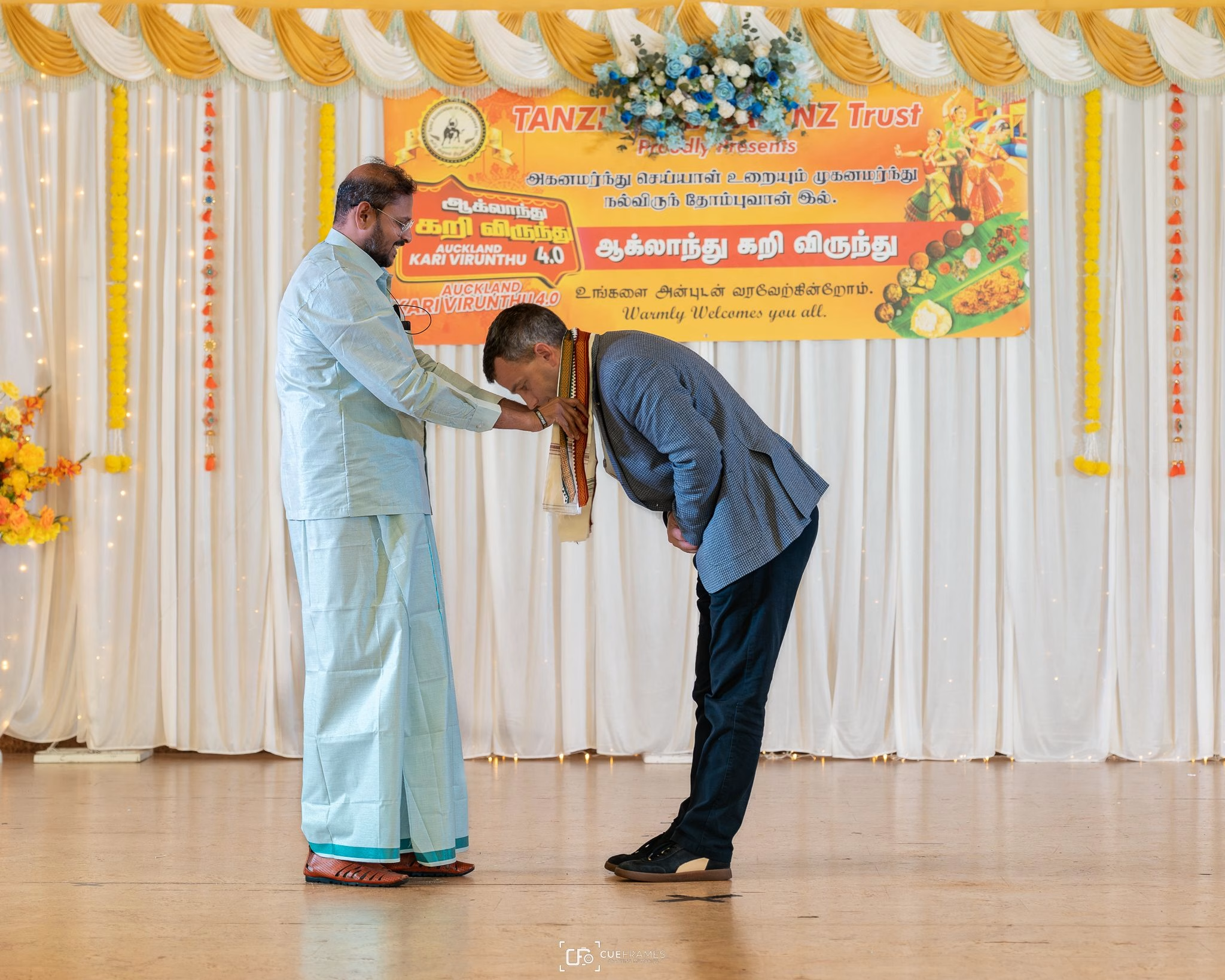
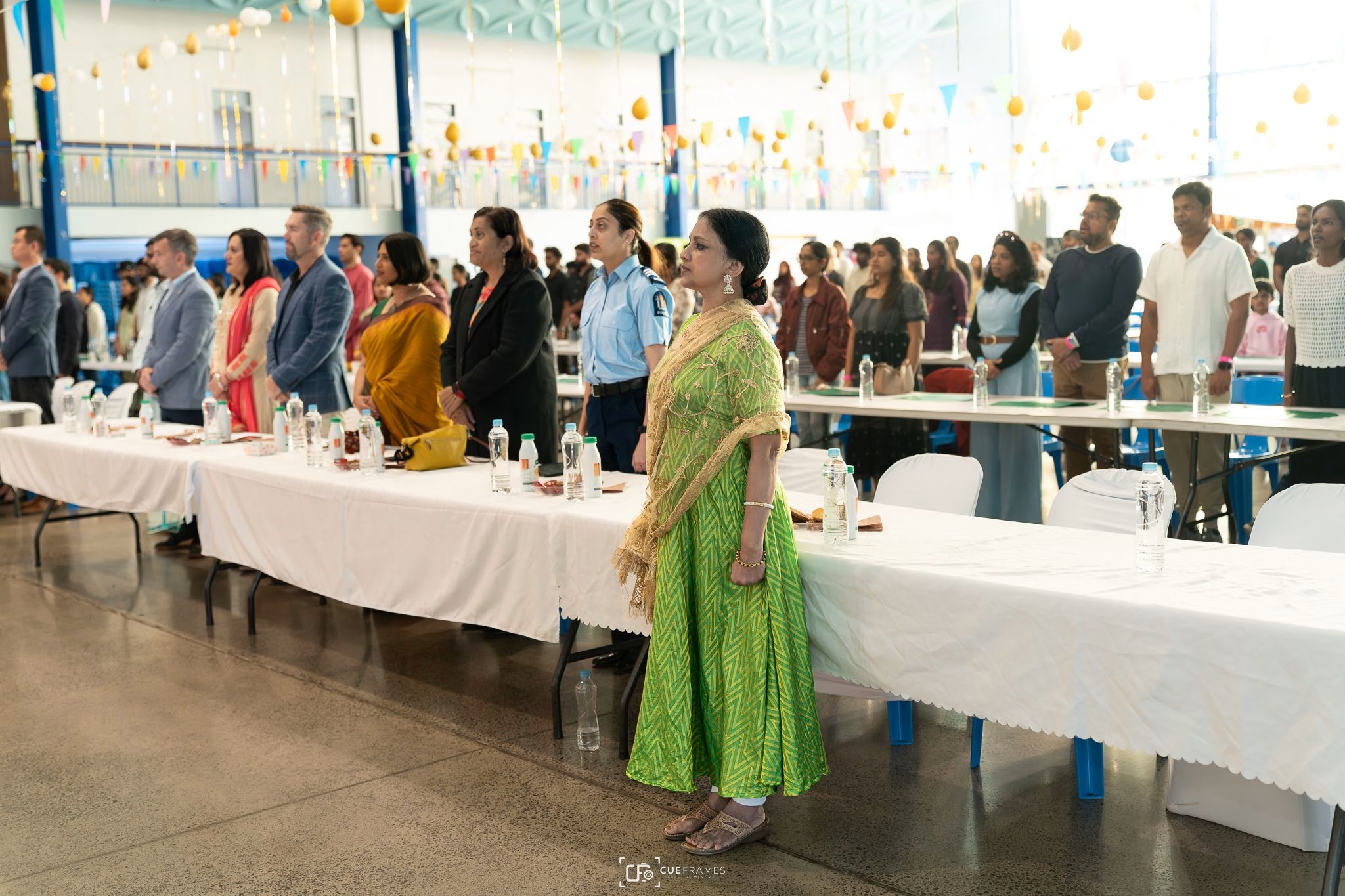
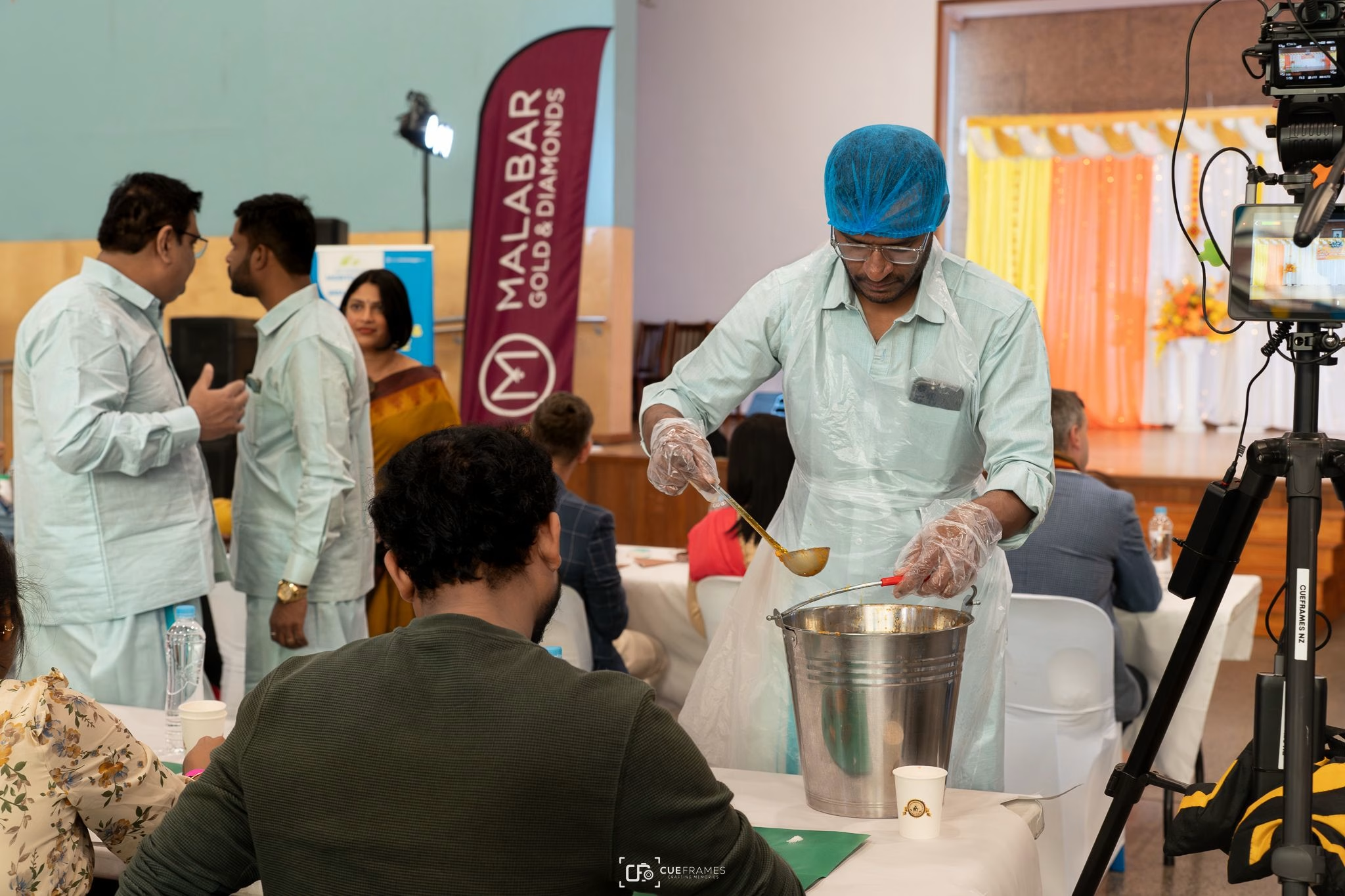
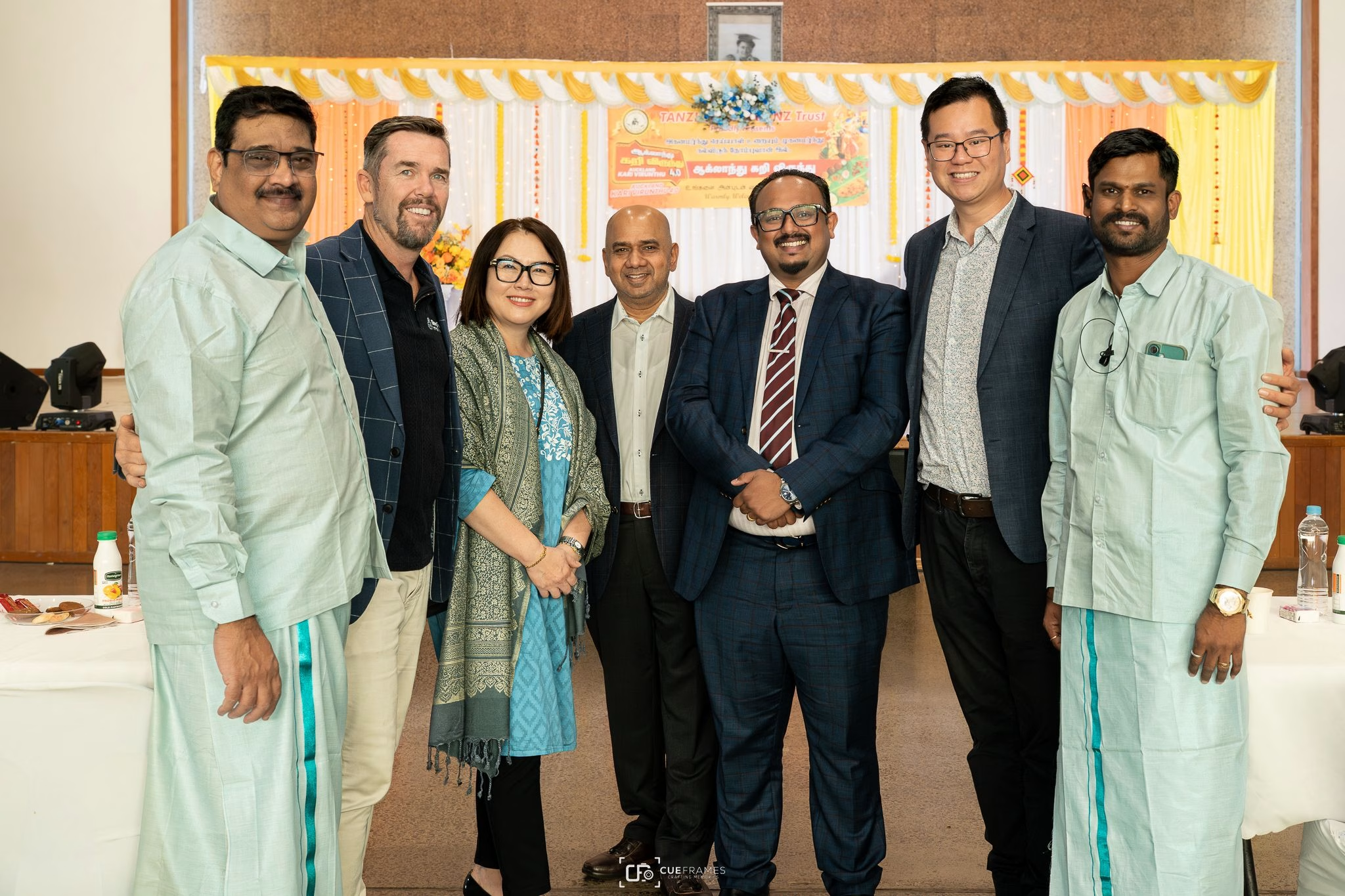
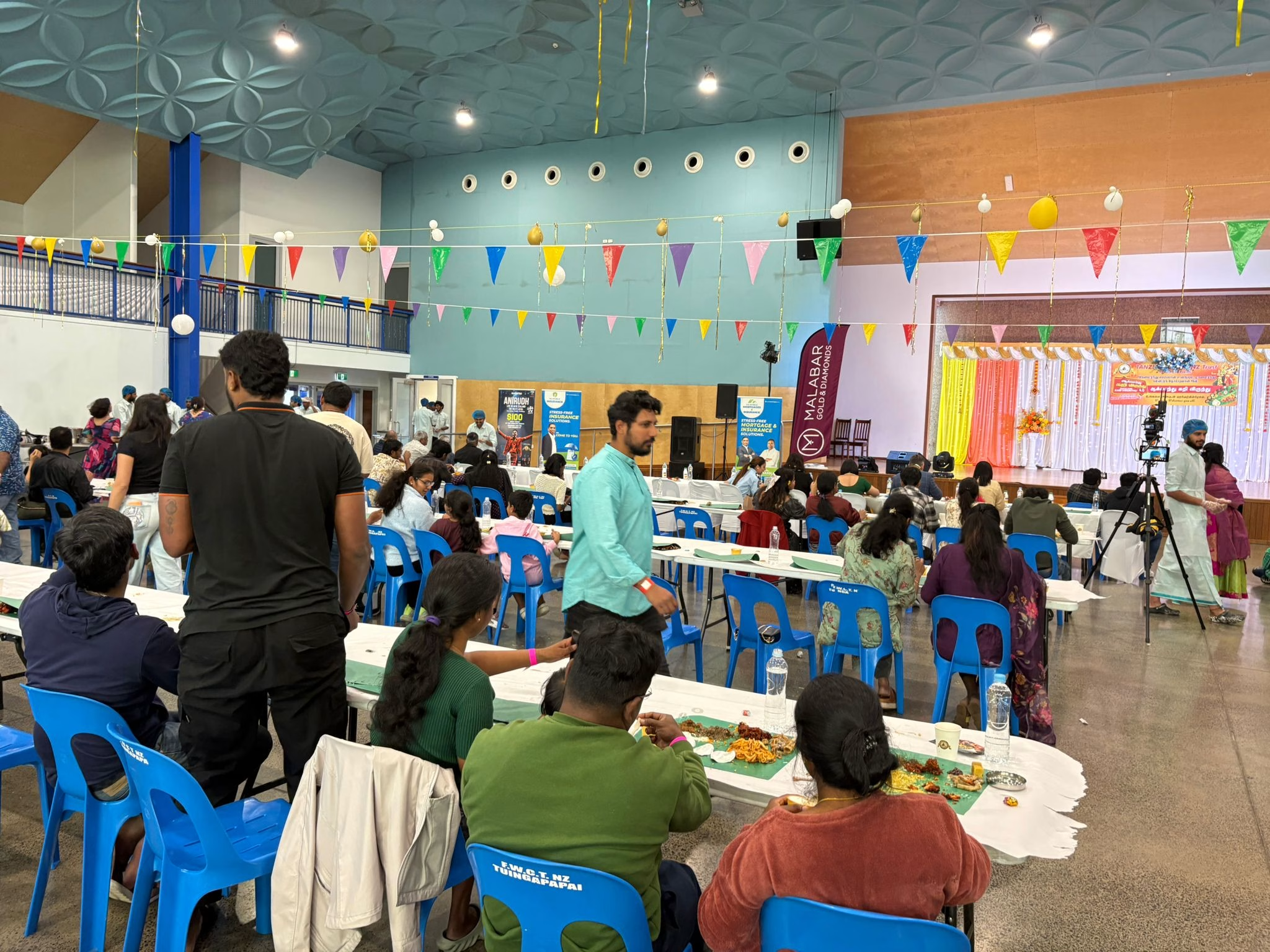
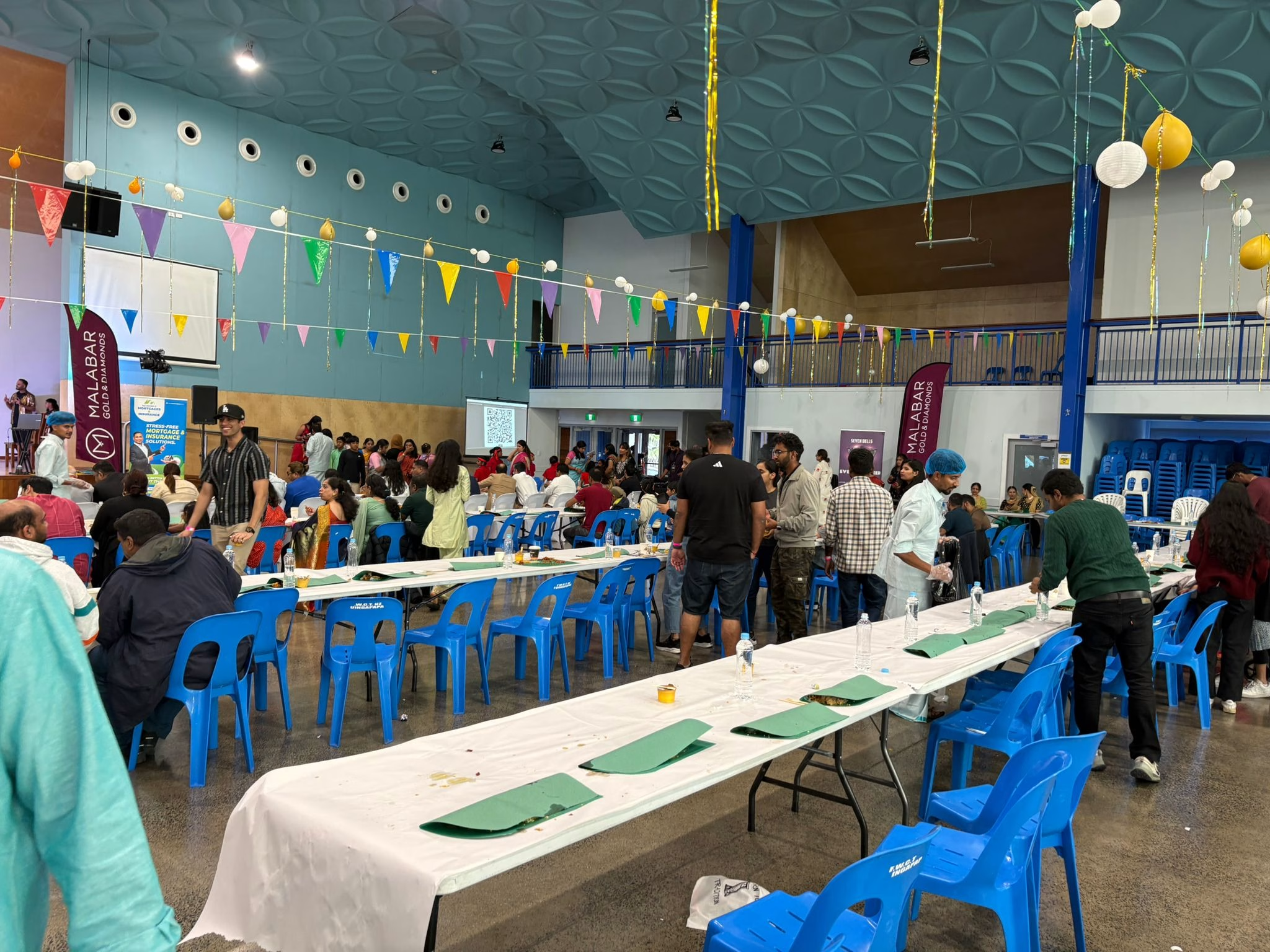
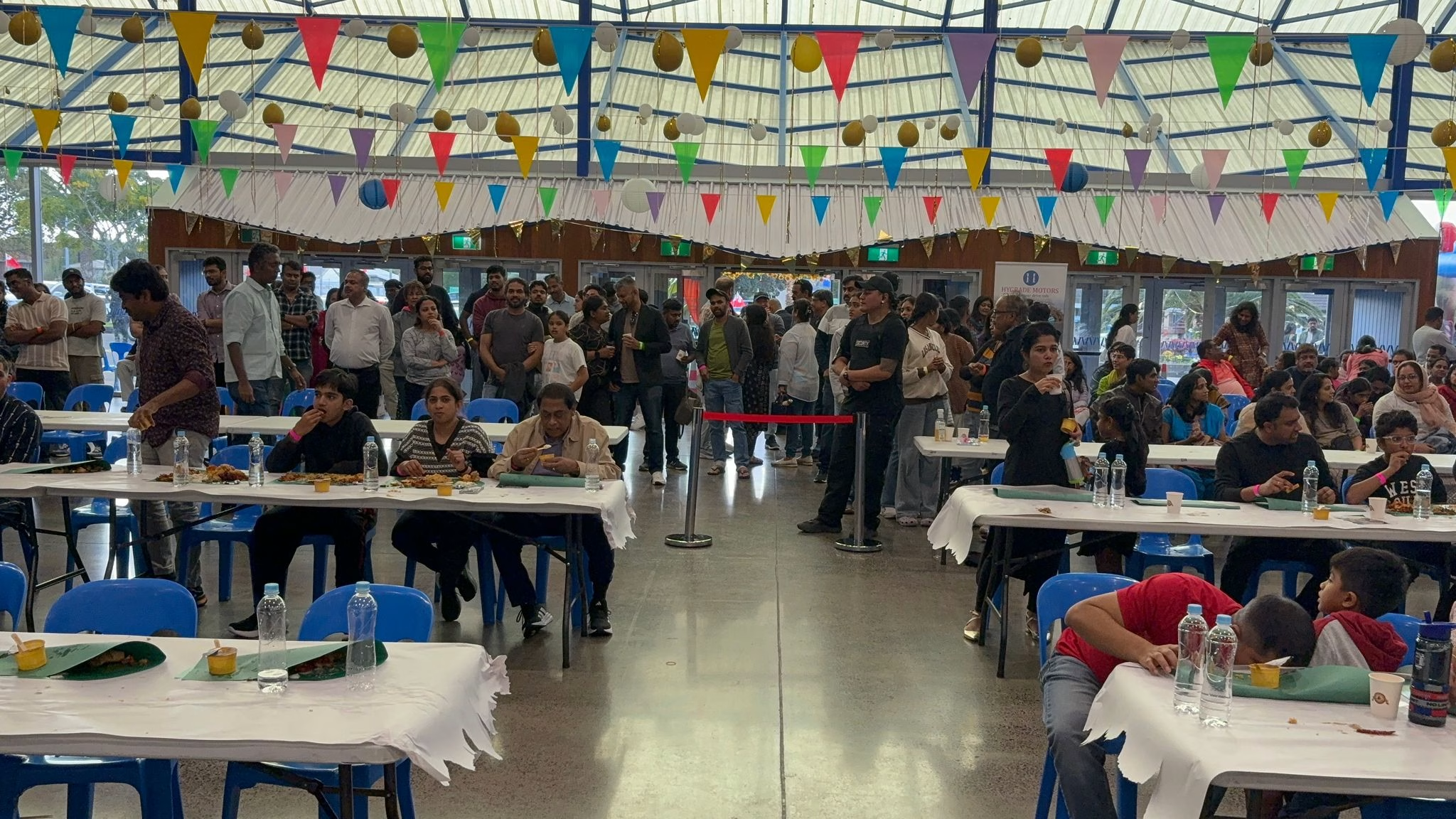
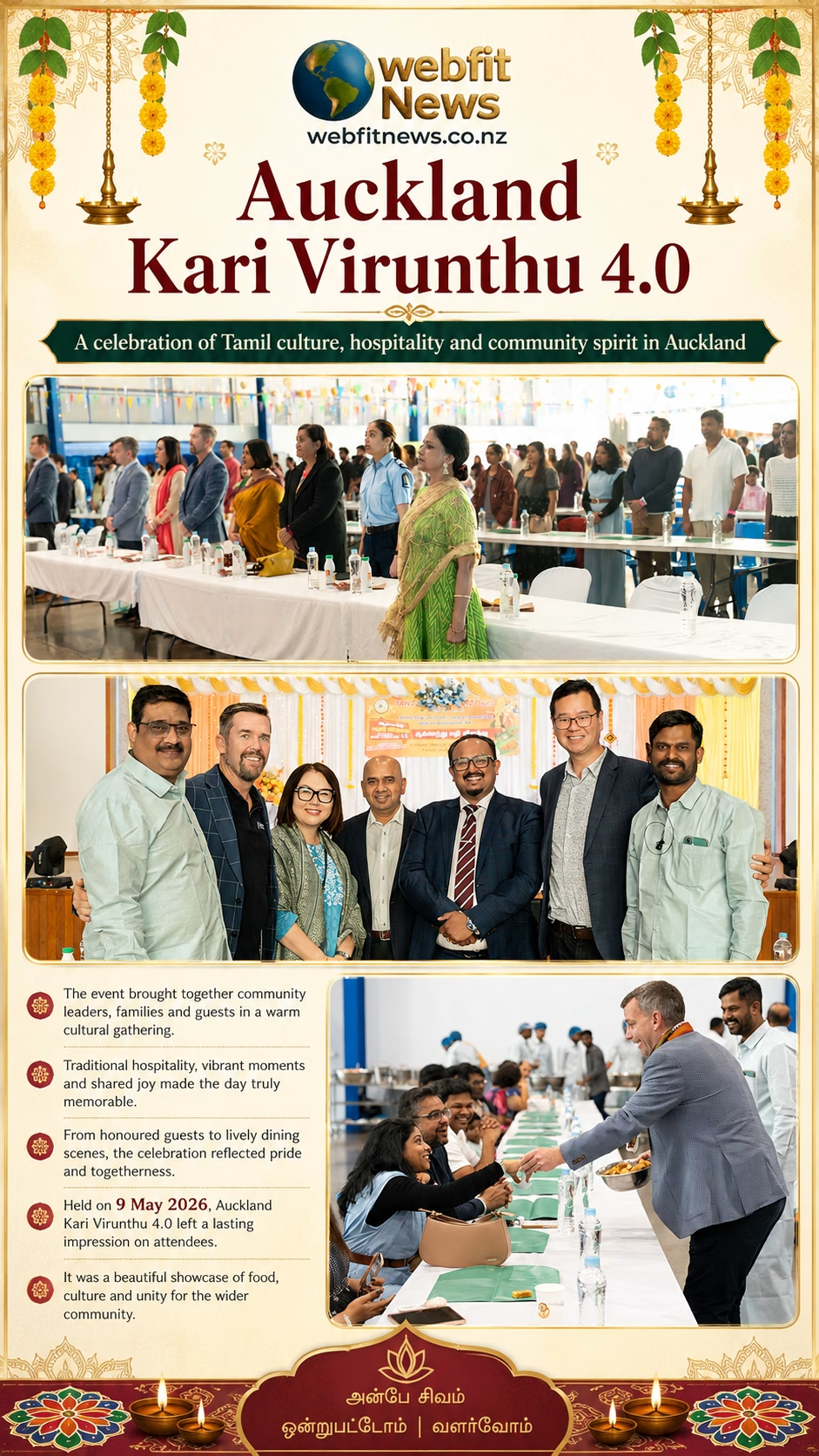
The images from the day show this clearly. Guests stood respectfully during formal moments, community leaders were welcomed with shawls, chefs and volunteers worked behind the scenes, and families enjoyed the atmosphere together. There was also a visible sense of teamwork, with many volunteers dressed traditionally and serving food with pride.
That is the real strength of this event. It does not feel distant or corporate. It feels owned by the community.
A Journey Across Tamil Food Traditions
This year’s edition was ambitious. Instead of focusing only on South Indian regional dishes, the organisers explored food traditions from Tamil-speaking and Tamil-influenced communities across different parts of the world.
The menu included dishes inspired by South India, Sri Lanka, Singapore, Malaysia, Mauritius, Burma and other cultural food routes connected to Tamil migration and heritage.
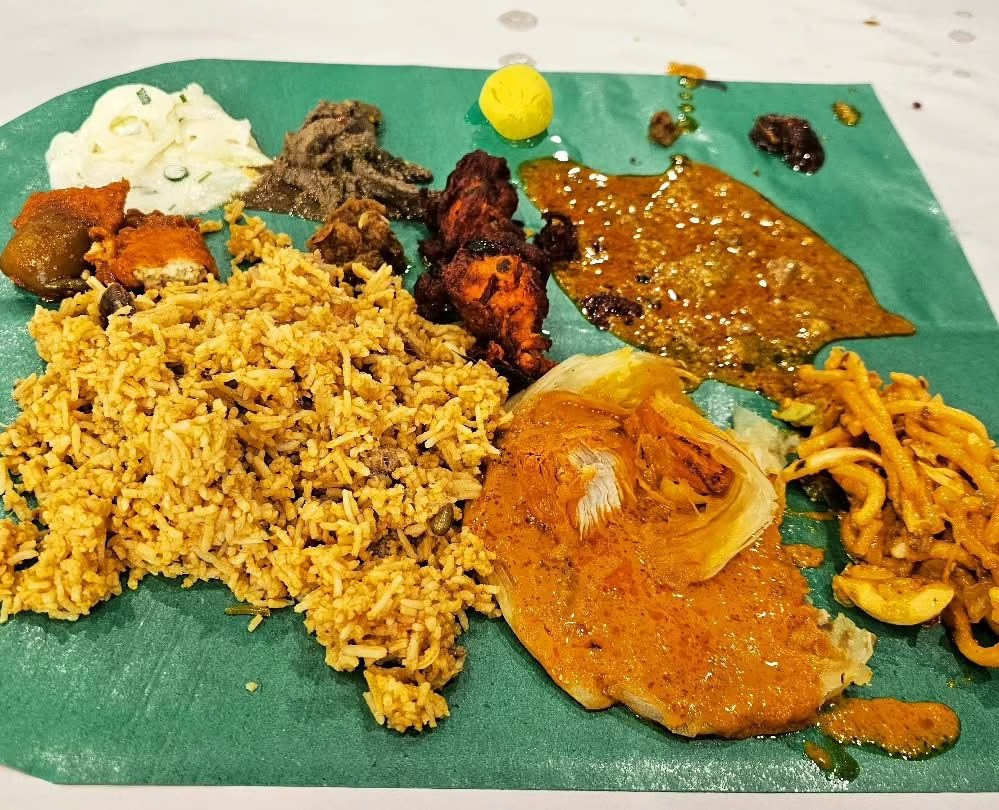
For non-vegetarian guests, the menu included items such as Chilli Fish from Singapore, Chicken Ayam from Malaysia, Jaffna Prawn Fry from Sri Lanka, Chennai Mutton Biriyani, Buhari Style Chicken 65, Nalgonda Mutton Curry, Unakka Netholi Fry, Atho noodles from Burma, and Mutton Elumbu Rasam from Tamil Nadu.
Vegetarian guests were also well served, with dishes including Hokkien Veg Noodles, Sayur Kurma, Erode Veg Biriyani, Stewed Okra Lalo from Mauritius, Tindora Mallum from Sri Lanka, Coconut and Sesame Beans from Burma, Thanjavur Sambar and Majjiga Huli.
This was not a random food list. It was almost like a cultural map on a plate.
Authenticity Was the Main Ingredient
One of the most important points shared by the organisers was their commitment to authenticity. In many food events, when an ingredient is hard to source, organisers may replace it with something similar. Auckland Kari Virunthu appears to follow a different standard.
The team shared one example from this year’s planning. A Telangana dish was originally considered, but it required Marathi Mogu, a traditional spice that was difficult to source authentically in New Zealand. Rather than using a substitute and weakening the dish, the organisers removed it from the menu and replaced it with another item.
That may sound like a small decision, but it says a lot. It shows that the organisers are not only interested in filling a menu. They are serious about respecting the original recipes and the communities behind them.
The chefs also played a major role. Their experience and understanding of traditional cooking helped maintain taste, quality and consistency across a large-scale event. Serving such a wide range of dishes to a large crowd is not easy. Doing it while trying to maintain cultural accuracy is even harder.
Culture, Performance and Family Atmosphere
Auckland Kari Virunthu 4.0 was not only about food. The event also provided a platform for cultural entertainment and local talent.
The stage area featured performances, music and community moments that added energy to the day. The organisers have made it clear that they want to support aspiring local performers by giving them a chance to dance, sing and present their talent in front of the community.
This is important because culture does not survive only through food. It survives through language, music, dance, clothing, rituals, storytelling and family participation.
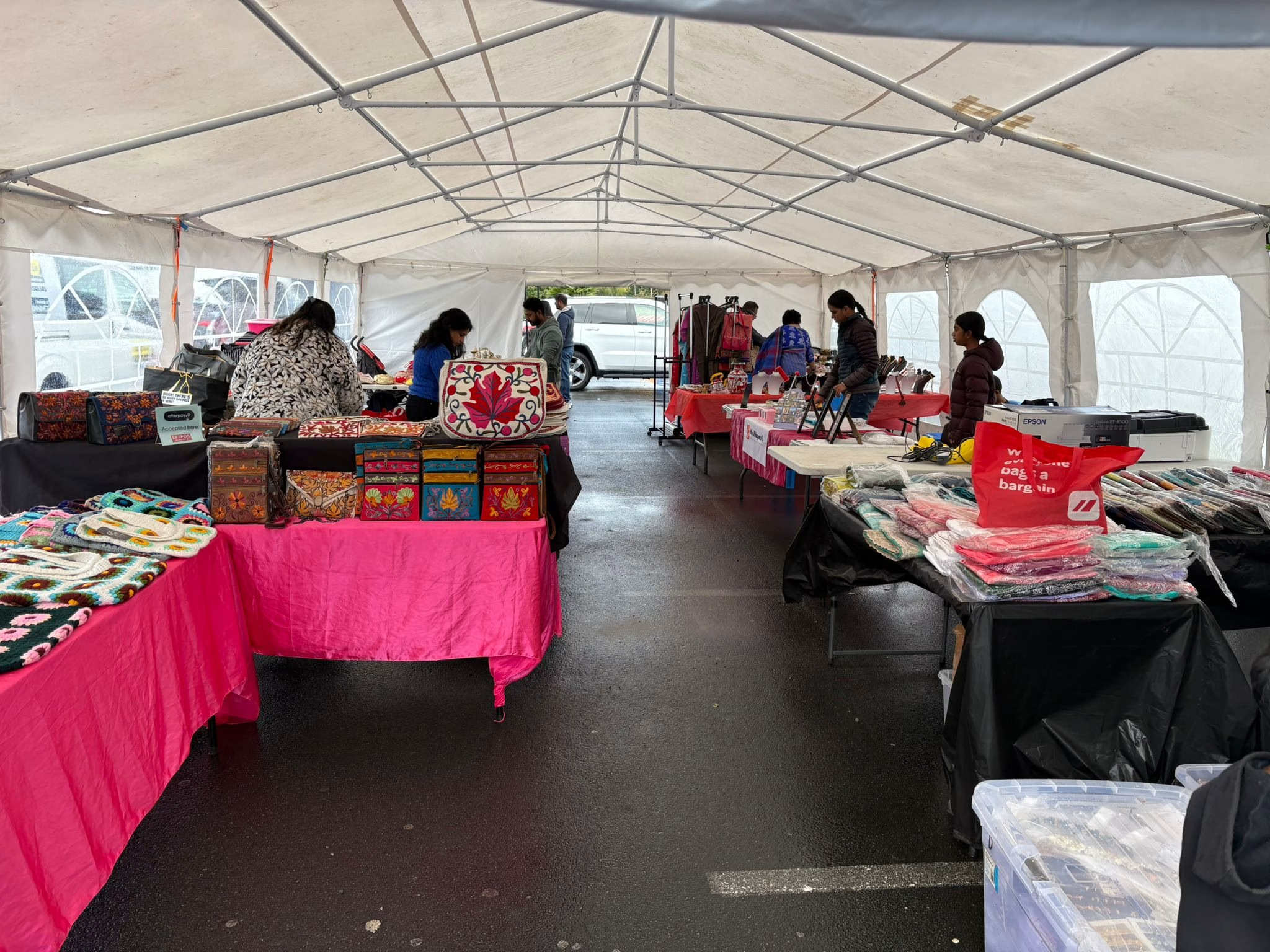
Children also had activities such as bouncy castles, while adults explored stalls, connected with friends, and enjoyed the food and performances. This made the event feel like a complete family day rather than a simple lunch or dinner gathering.
Community Leaders and Wider Auckland Participation
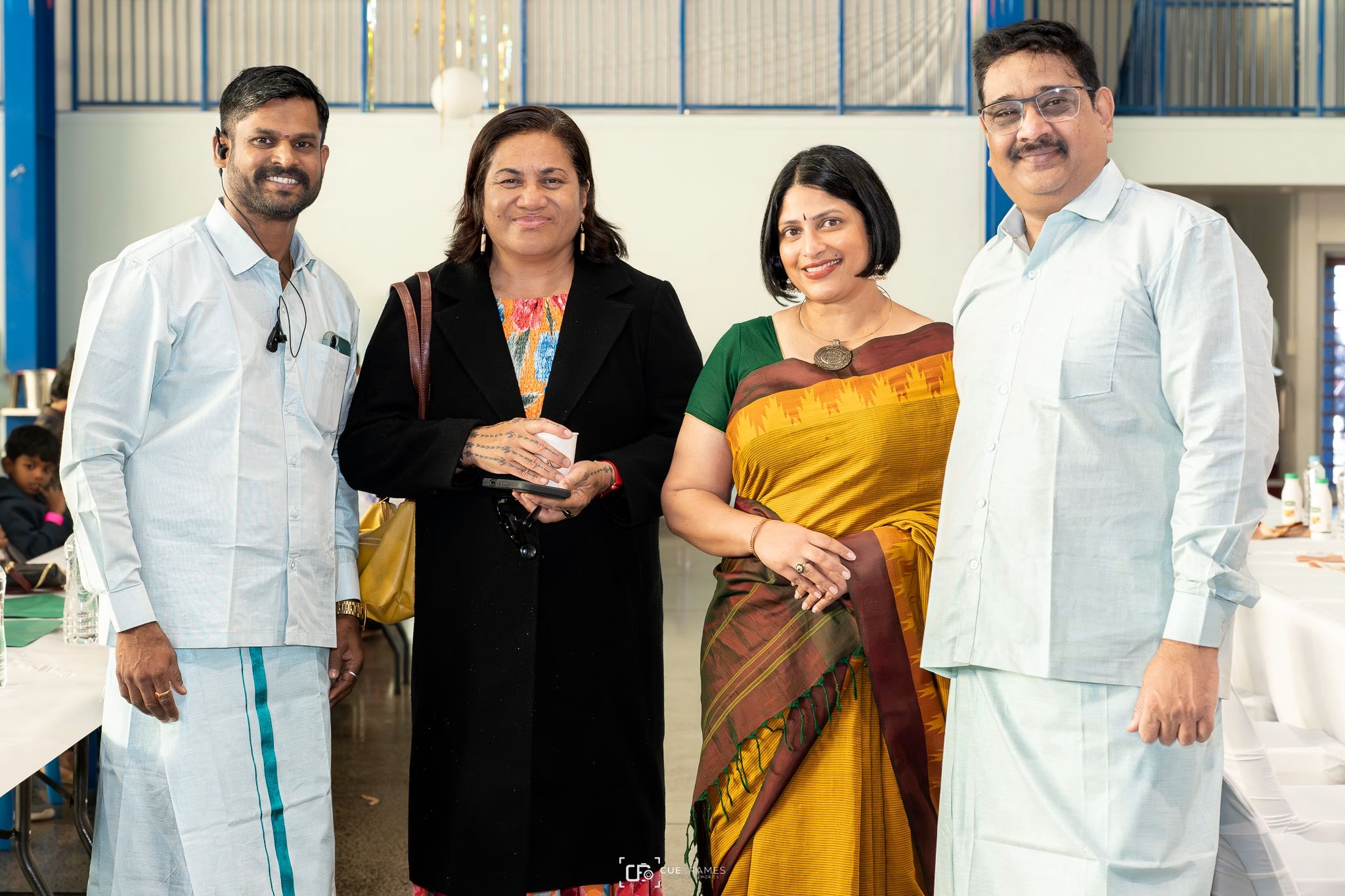
The event also showed how Tamil community events are becoming part of Auckland’s wider multicultural life. Guests from different communities and backgrounds attended, and community leaders were seen participating in formal welcomes and informal interactions.
Photos from the event show a mix of traditional South Indian clothing, formal suits, community stalls, sponsor displays, and families seated together in a large hall. That mix is very Auckland. It reflects a city where migrant communities are not only preserving their own traditions but also sharing them with others.
For many second-generation children growing up in New Zealand, events like this matter. They give children a chance to see their culture celebrated publicly, not only privately at home.
Quality Over Numbers
The organisers have also indicated an important change for the future. From next year, Auckland Kari Virunthu is expected to limit attendance to around 2,000 bookings only. Once tickets are sold out, no extra numbers will be added.
This is a smart decision. Many community events make the mistake of chasing bigger crowds without thinking about guest experience. Bigger is not always better. If food quality drops, waiting times increase, or families feel uncomfortable, the brand suffers.
By limiting numbers, the organisers are making a clear statement: quality, comfort and standards come first.
Webfit News Perspective
From a Webfit News perspective, Auckland Kari Virunthu 4.0 is a good example of what strong community events should look like in New Zealand. It was not only about entertainment. It carried identity, discipline, planning and cultural pride. The Tamil community has shown that a food festival can also become a platform for heritage, local talent, family connection and multicultural understanding.
Auckland needs more events like this, where communities do not dilute their culture to make it more “mainstream”, but instead present it with confidence and warmth.
Looking Ahead to Kari Virunthu 5.0
As Auckland Kari Virunthu moves toward its next chapter, excitement is already building for Auckland Kari Virunthu 5.0. The organisers are planning a new themed food series, fresh menu ideas and an even stronger cultural experience.
The 2026 edition has already set a high standard. It showed that when passion, authenticity and community effort come together, a food festival can become something much bigger than food.
Auckland Kari Virunthu 4.0 was not just a meal. It was a celebration of Tamil heritage, South Indian hospitality, and the power of community in multicultural Auckland.