AUCKLAND, 24 July 2026
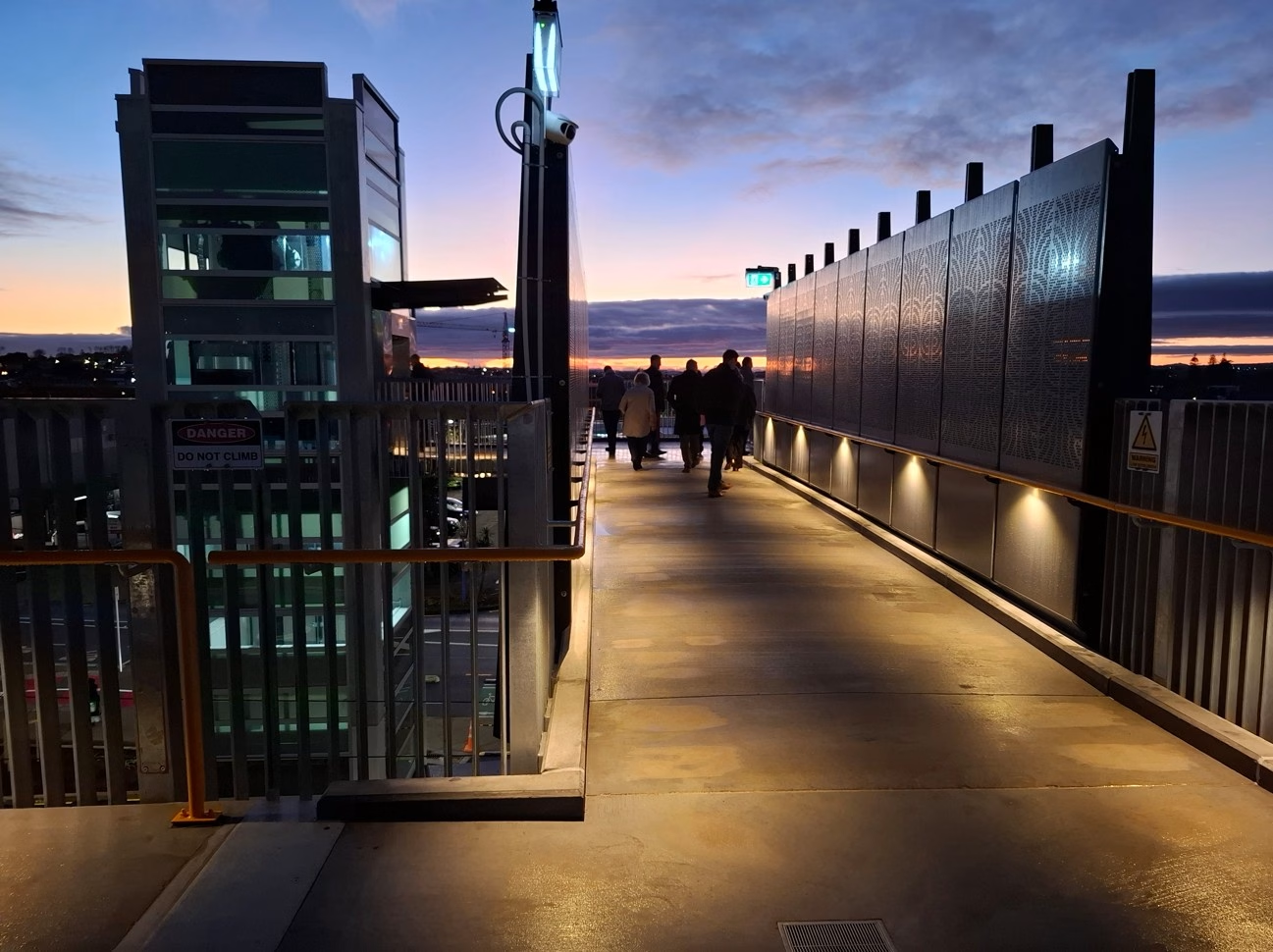
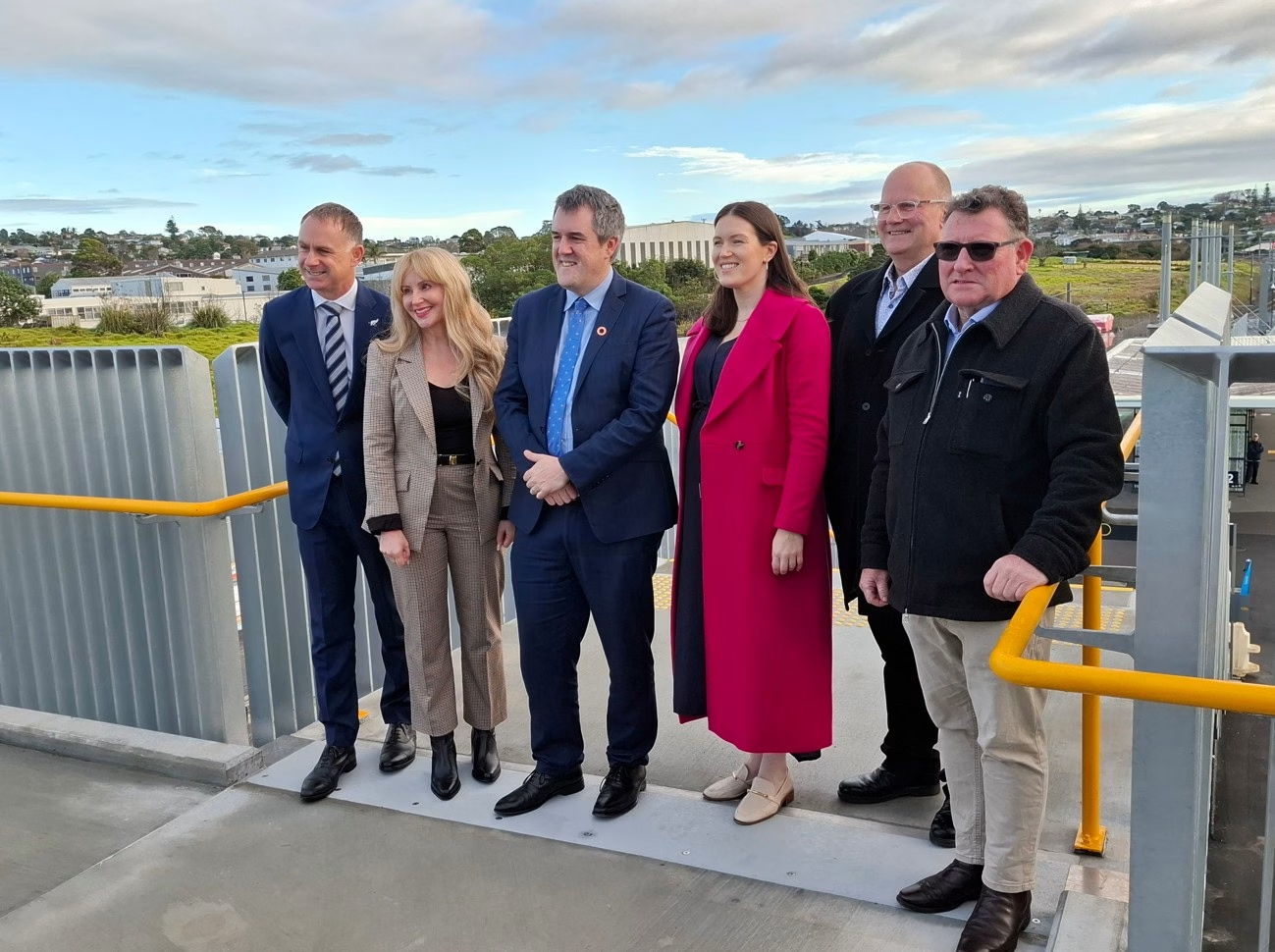
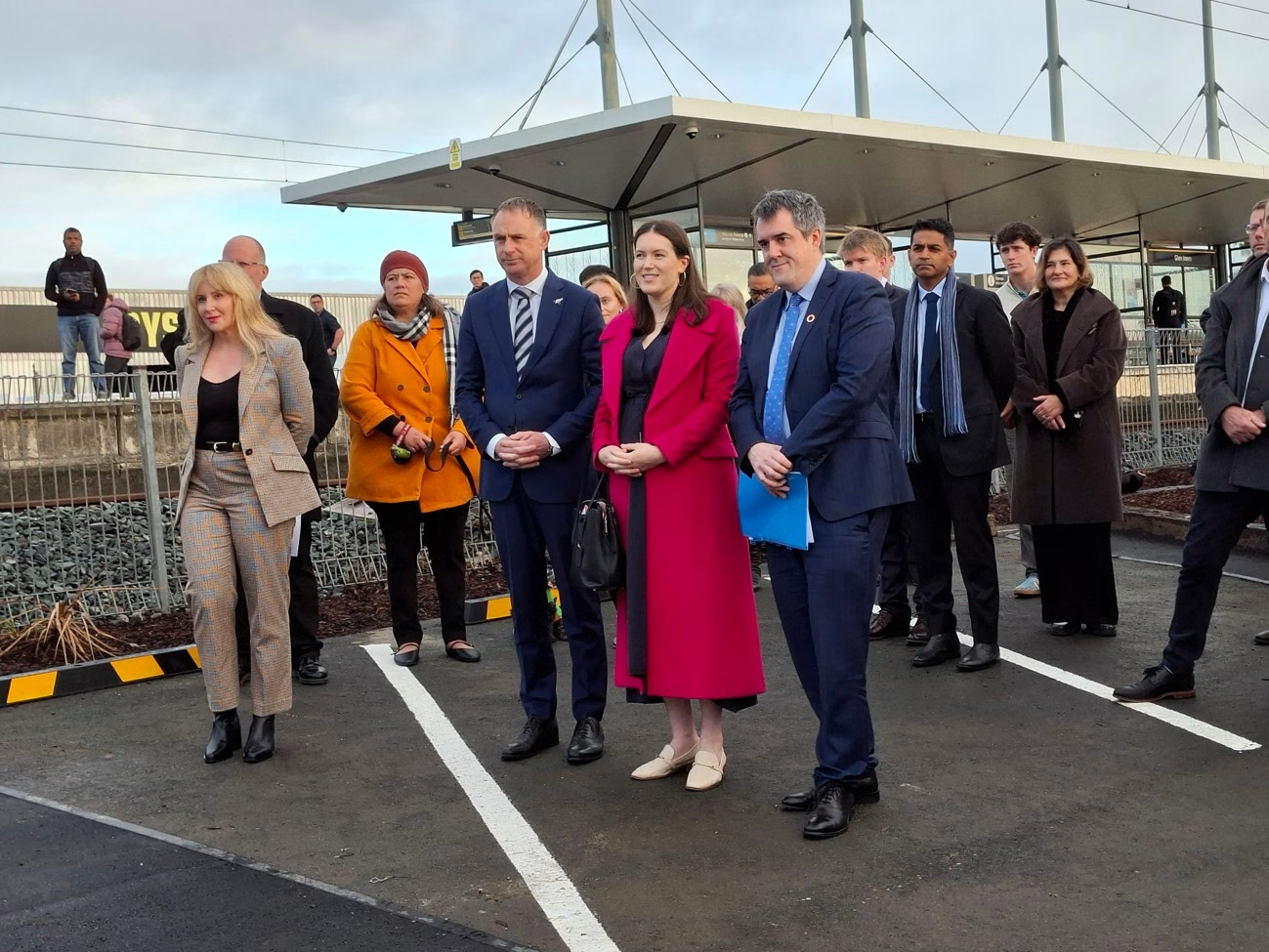
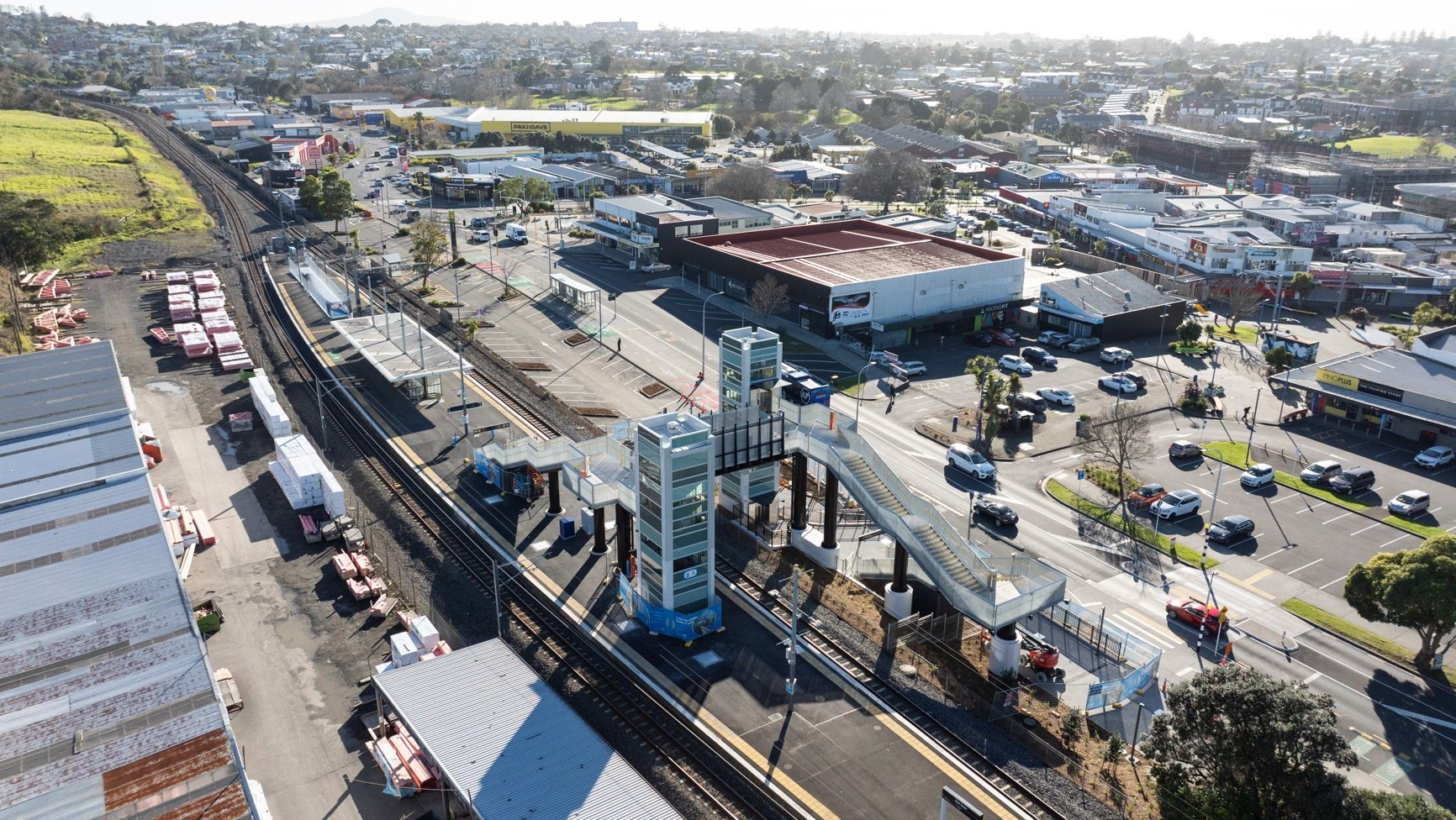
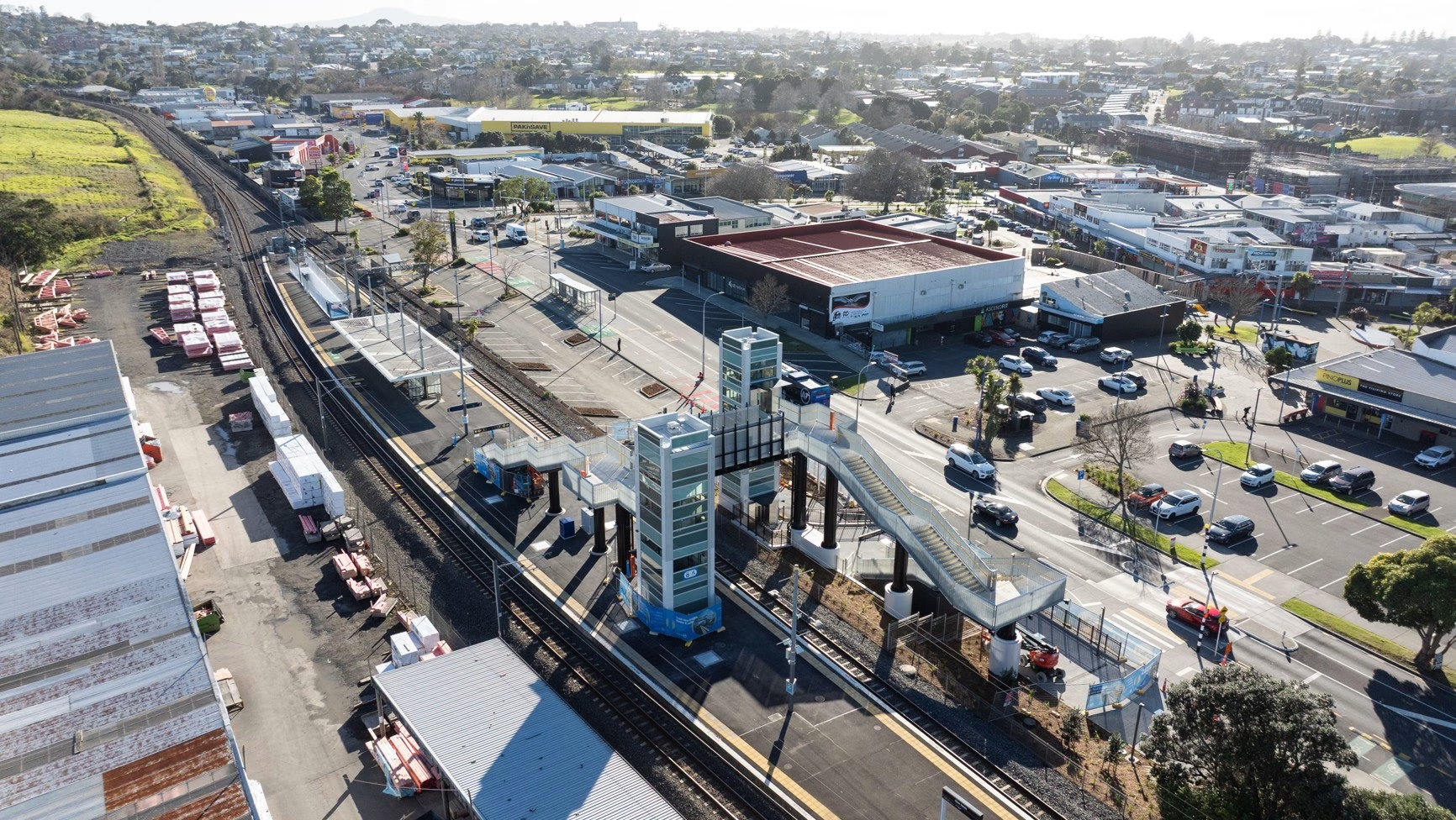
A new pedestrian bridge has opened at Glen Innes Train Station, replacing two rail level crossings that recorded one fatality and 18 near misses since 2014.
The fully accessible bridge includes stairs and large lifts, giving passengers a safer way to reach station platforms while supporting Auckland’s wider preparation for the opening of the City Rail Link.
The project is one of three new pedestrian bridges being delivered in less than a year. Similar bridges at Te Maahia and Takaanini stations are expected to open in August and September.
Construction was accelerated after the Government and Auckland Council brought forward funding, allowing work to begin over Labour Weekend in 2025.
BLACKCAPS Confirm Eight-Match England Tour Ahead of 2027 Cricket World Cup – WebfitNews
Safer access for Glen Innes passengers
The old level crossings required pedestrians to cross the railway tracks directly.
That arrangement carried significant risk, particularly as the number and frequency of trains increased.
According to Auckland Transport, the two crossings at Glen Innes had been linked to one death and 18 near misses since 2014.
The new bridge physically separates pedestrians from moving trains, reducing the risk of collisions and allowing trains to move through the station without being affected by people crossing the tracks.
The bridge is designed to be fully accessible, with large lifts and stair access on both sides.
Auckland Transport says weather protection canopies and anti-climb and anti-throw screens are expected to be installed during a planned rail closure later this year.
Supporting more frequent trains
The bridge is part of a broader programme to remove or replace rail level crossings across Auckland.
That work is considered essential to unlocking the full benefits of the City Rail Link.
Once the new underground rail system opens, Auckland will be able to run more frequent services across the network. However, more trains also mean level crossings would remain closed for longer, creating additional delays and safety risks.
Transport and Infrastructure Delivery Committee Chair Councillor Andy Baker said replacing crossings is a key part of preparing the network for future growth.
“These bridges support even more trains to run on the network once City Rail Link opens and in the future,” Baker said.
“They are an important milestone in the wider work underway to replace rail level crossings across the city, improving safety, congestion and reliability for Aucklanders.”
Over the past 10 years, 16 rail level crossings have either been closed or replaced.
Automatic safety gates have also been installed at all remaining pedestrian crossings.
Building community confidence
Maungakiekie-Tāmaki Ward Councillor Josephine Bartley said the bridge would help restore confidence among passengers who had concerns about safety at the station.
“We know some people have felt hesitant using the station because of safety concerns, so it’s fantastic to see improvements that address this and give the community more confidence to catch the train,” Bartley said.
The project has also included several upgrades to the station underpass.
These improvements include:
- Upgraded lighting
- Additional CCTV
- Restored asphalt
- Improved drainage
- New fencing
Auckland Transport says the work was focused on improving both safety and the overall experience for people using the station.
Construction completed during rail closures
Auckland Transport Head of Level Crossings Tom Willetts said teams used planned rail closures to complete some of the most difficult work safely and efficiently.
“Our teams worked hard to make the most of planned rail closures,” Willetts said.
“We recognise the disruption the closures cause, but they allowed crews to safely undertake critical work and deliver more efficiently while trains weren’t operating, with some teams working around the clock.”
Over the King’s Birthday long weekend alone, crews worked a combined 5,000 hours.
During that period, workers built 60 metres of undertrack crossing, installed 100 metres of rail boundary fencing, poured 1,000 cubic metres of concrete and installed one of the bridge decks.
Further work was completed during public and school holiday closures, including the Christmas period.
Willetts thanked the Glen Innes community for its patience during construction.
“We know construction has had an impact on the community and commuters, and we’re grateful to the Glen Innes community for its patience, understanding and support throughout the project,” he said.
“This bridge is an important investment in the area’s future, and we’re proud to see it open for everyone to use.”
Station access changes still underway
Although the bridge is now open, some related station work is continuing.
The section of Park and Ride that was closed during construction is expected to reopen on Saturday, 25 July.
Bike parking will remain in its current location until upgrades are completed at a new parking area.
New mobility parking is not expected to be ready until November 2026. Until then, existing mobility parking will remain available, although passengers are being advised to allow extra time to access the station.
A new pick-up and drop-off area is also under construction and is expected to open before the end of the year.
More bridges to open soon
The Glen Innes bridge is the first of three station bridge projects scheduled to open in 2026.
The Te Maahia bridge is expected to open in August, followed by the Takaanini bridge in September.
Together, the projects are designed to improve safety while preparing the southern and eastern rail corridors for more frequent services.
The final design of the Glen Innes bridge was shaped through engagement with mana whenua, community stakeholders and local residents.
This consultation helped guide accessibility, safety and connectivity features within the project.
Auckland-wide crossing programme continues
Auckland Transport and Auckland Council, with support from KiwiRail, are working on a long-term programme to replace rail level crossings across the city over the next 10 to 30 years.
The programme is funded by Auckland Council and the New Zealand Transport Agency.
Current work includes detailed design and property acquisition for new road bridges in Takaanini.
An investment case is also being developed to determine how and when up to 21 crossings along the Western Line should be replaced or removed.
The scale of the programme reflects the pressure created by Auckland’s growing population and increasing demand for rail services.
Without changes, more frequent trains would lead to longer delays for road users, higher congestion and greater safety risks.
A major step for Glen Innes
The opening of the Glen Innes bridge marks a practical improvement for local commuters and a wider milestone for Auckland’s rail network.
For passengers, the most immediate benefit is simple: they no longer need to cross active railway tracks to reach the platform.
For the city, the bridge is part of the larger challenge of making the rail network safer, faster and capable of carrying more people once the City Rail Link opens.
The project also shows the trade-off involved in major transport upgrades. Construction caused disruption, but the result is a safer and more resilient station that is better prepared for Auckland’s future transport demands.
References
Auckland Transport, New Glen Innes station bridge replaces rail level crossings, media release, 24 July 2026.
Auckland Council and Auckland Transport, Auckland Rail Level Crossing Programme.
New Zealand Transport Agency, funding support for Auckland rail crossing upgrades.