
Meta Description:
Australia has approved a genetically modified purple tomato rich in antioxidants. Here is what it is, why it was developed, and how it will be sold.
Keywords: purple tomato Australia, GM tomato Australia, genetically modified food, anthocyanins, FSANZ approval, OGTR license
Introduction
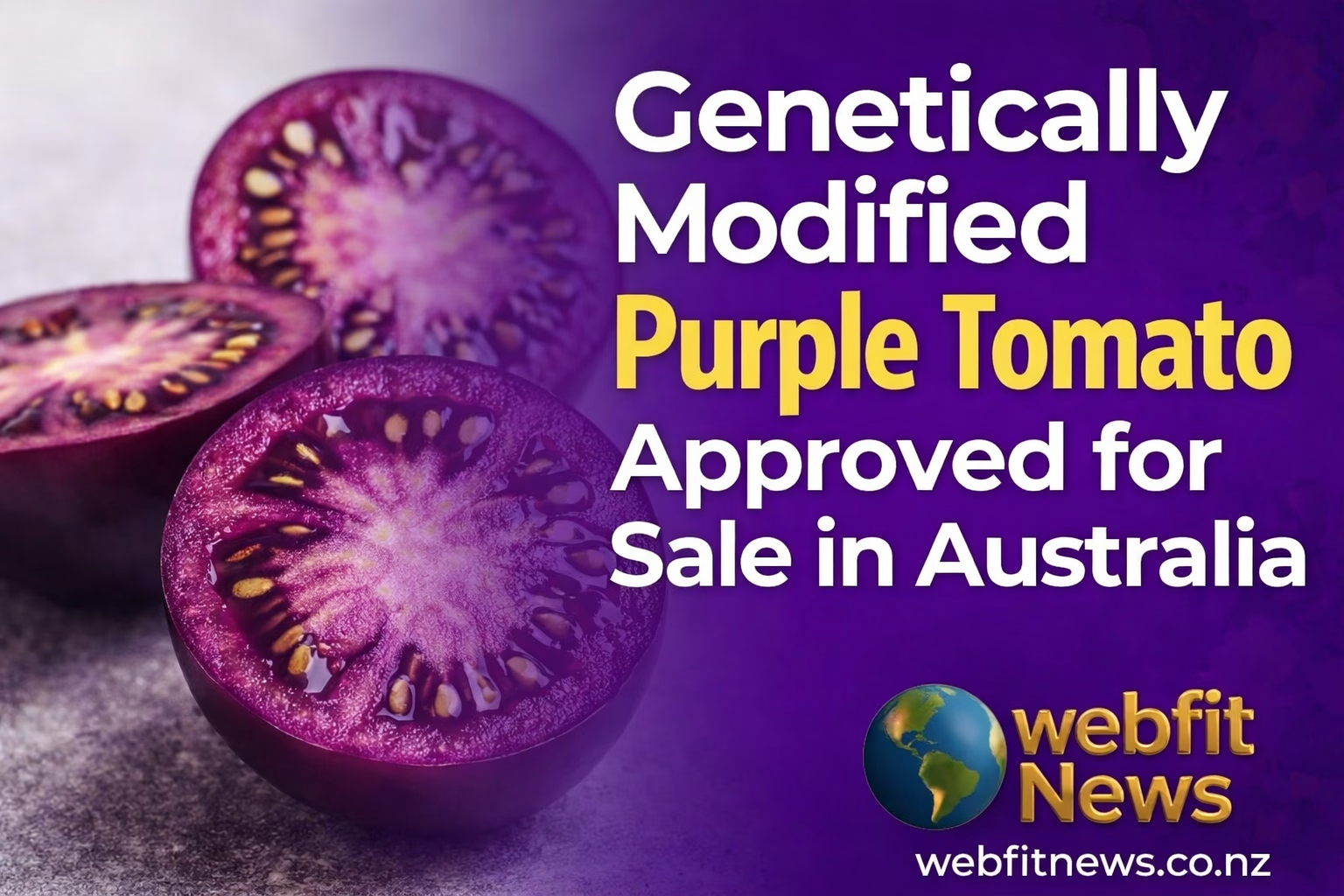
Australia has officially approved the sale of a genetically modified purple tomato that is now available for consumers to buy.
This tomato is not just different in colour. It has been engineered to produce high levels of antioxidants that are usually found in berries like blueberries and blackberries.
The approval marks an important moment for biotechnology in Australia, as it is the first genetically modified fresh whole fruit sold directly to the public.
Background: What Is the Purple Tomato?
Norfolk Plant Sciences developed the purple tomato in the United States and is being introduced in Australia through licensed distributors.
Unlike regular red tomatoes, this variety produces high levels of anthocyanins. These are natural plant pigments that give blueberries their deep blue colour. Anthocyanins are known for their antioxidant properties and are often linked to potential health benefits.
Normal tomatoes have the genetic ability to produce anthocyanins, but those genes are usually inactive in the fruit. Scientists activated this pathway by inserting two genes from the edible snapdragon flower. These genes switch on the production of purple pigments during ripening.
The result is a tomato that is deep purple inside and out.
Why Was It Developed?
The main goal behind the purple tomato is biofortification. That means increasing the nutritional value of a food using science.
Researchers published early animal studies showing that mice fed diets enriched with purple tomatoes lived longer than those fed red tomatoes. While these results do not directly prove health benefits for humans, they sparked interest in developing antioxidant-rich produce.
Scientists say anthocyanins may help support:
- Heart health
- Reduced inflammation
- Protection against oxidative stress
- General cellular health
However, health authorities emphasise that it should still be seen as a food, not a medicine.
Regulatory Approval in Australia
Two major regulators reviewed the purple tomato before approval:
1. Food Standards Australia New Zealand (FSANZ)
FSANZ assessed whether the tomato is safe to eat. The review examined:
- Toxicity
- Allergenicity
- Nutritional composition
- Comparison with conventional tomatoes
The authority concluded the purple tomato is safe for human consumption and nutritionally equivalent to other tomatoes, except for the higher anthocyanin content.
Approval was finalised in late 2025, allowing it to be legally sold across Australia.
2. Office of the Gene Technology Regulator (OGTR)
The OGTR reviewed environmental risks. The assessment looked at:
- Whether the tomato could become invasive
- Risk of gene transfer
- Environmental impact
The regulator determined that it presents negligible environmental risk and granted a cultivation licence.
How Will It Be Sold?
The purple tomato is expected to roll out in selected Australian markets during 2026.
It will likely be sold as:
- Fresh cherry-sized tomatoes
- Premium specialty produce
- Available through selected retailers and garden suppliers
Home gardeners may also be able to purchase seeds through authorised sellers. The variety is stable, meaning seeds saved from home gardens will grow similar purple plants, although commercial resale of seeds is restricted.
Labelling and Transparency
Australian food law requires genetically modified foods with altered characteristics to be clearly labelled.
Consumers will see:
- Shelf signs stating “genetically modified.”
- Labels on packaged products containing the tomato
Restaurants are not legally required to label it when used in prepared meals, although some may choose to disclose it voluntarily.
Public Reaction and Debate
As expected, reactions are mixed.
Supporters argue that:
- It represents innovation in agriculture
- It provides added nutritional value
- Australia has strict scientific oversight
Critics argue that:
- Long-term human feeding studies are limited
- GM crops can raise ethical concerns
- Labelling transparency must be strong
Environmental advocacy groups remain cautious about broader GM expansion, while agricultural experts see this as part of a wider global trend toward functional foods.
What This Means for Australia
The purple tomato represents more than a new grocery item. It signals:
- Growing acceptance of biotechnology in food
- Strong regulatory frameworks in action
- Expansion of premium health-focused produce
Australia already approved GM bananas for disease resistance in recent years. The purple tomato is the first step into direct consumer-facing bioengineered fresh produce.
How well it performs in the market will likely influence future approvals of similar products.
Conclusion
The genetically modified purple tomato is now approved and available for purchase in Australia.
It is designed to deliver higher antioxidant content while maintaining the taste and structure of a regular tomato. Australian regulators have declared it safe to eat and safe to grow.
For consumers, the choice is simple. It is another option on the shelf. Some will embrace it for innovation and health potential. Others may prefer traditional varieties.
Either way, the purple tomato marks a new chapter in Australia’s food and biotechnology landscape.