By Webfit News
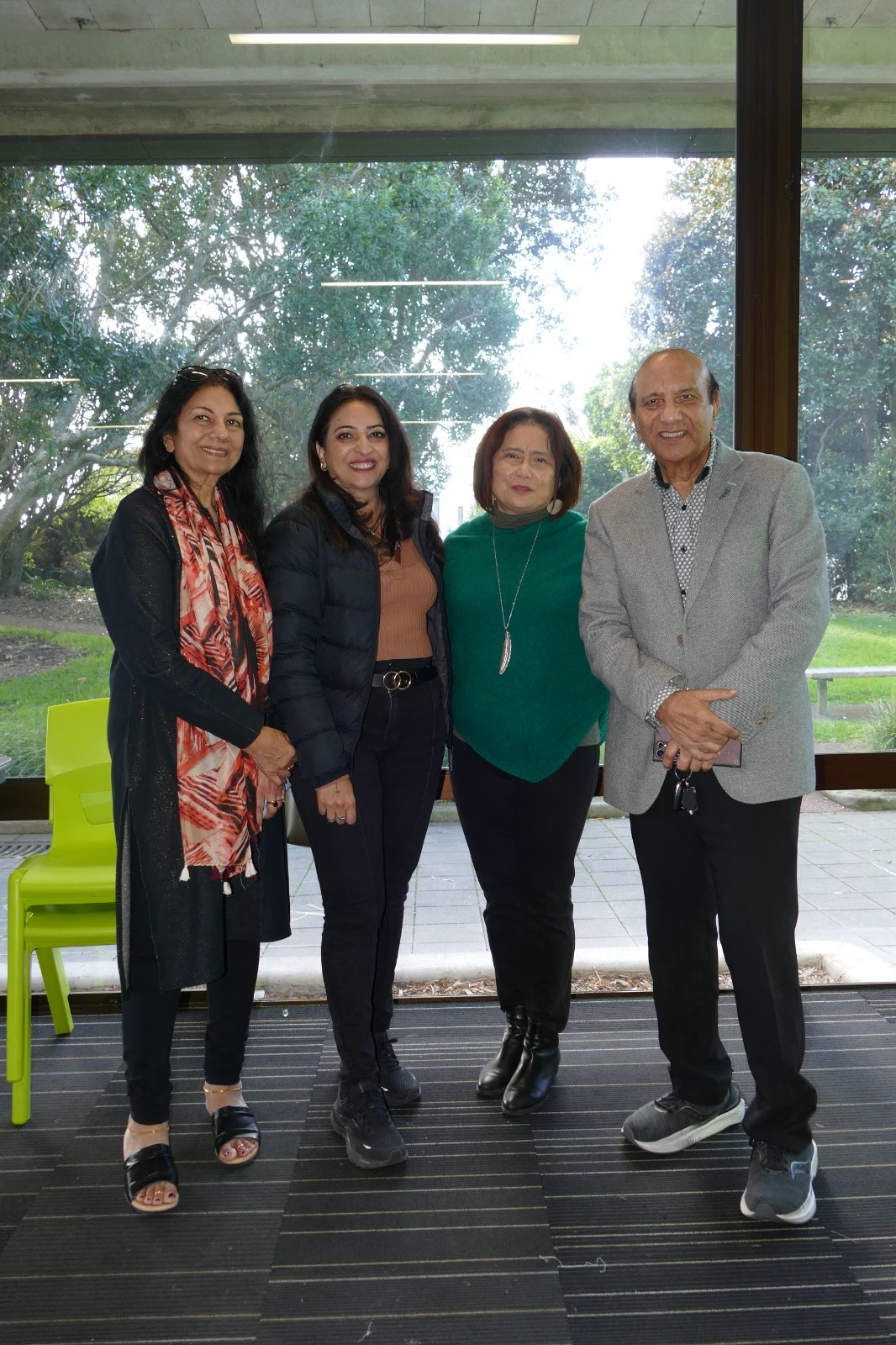
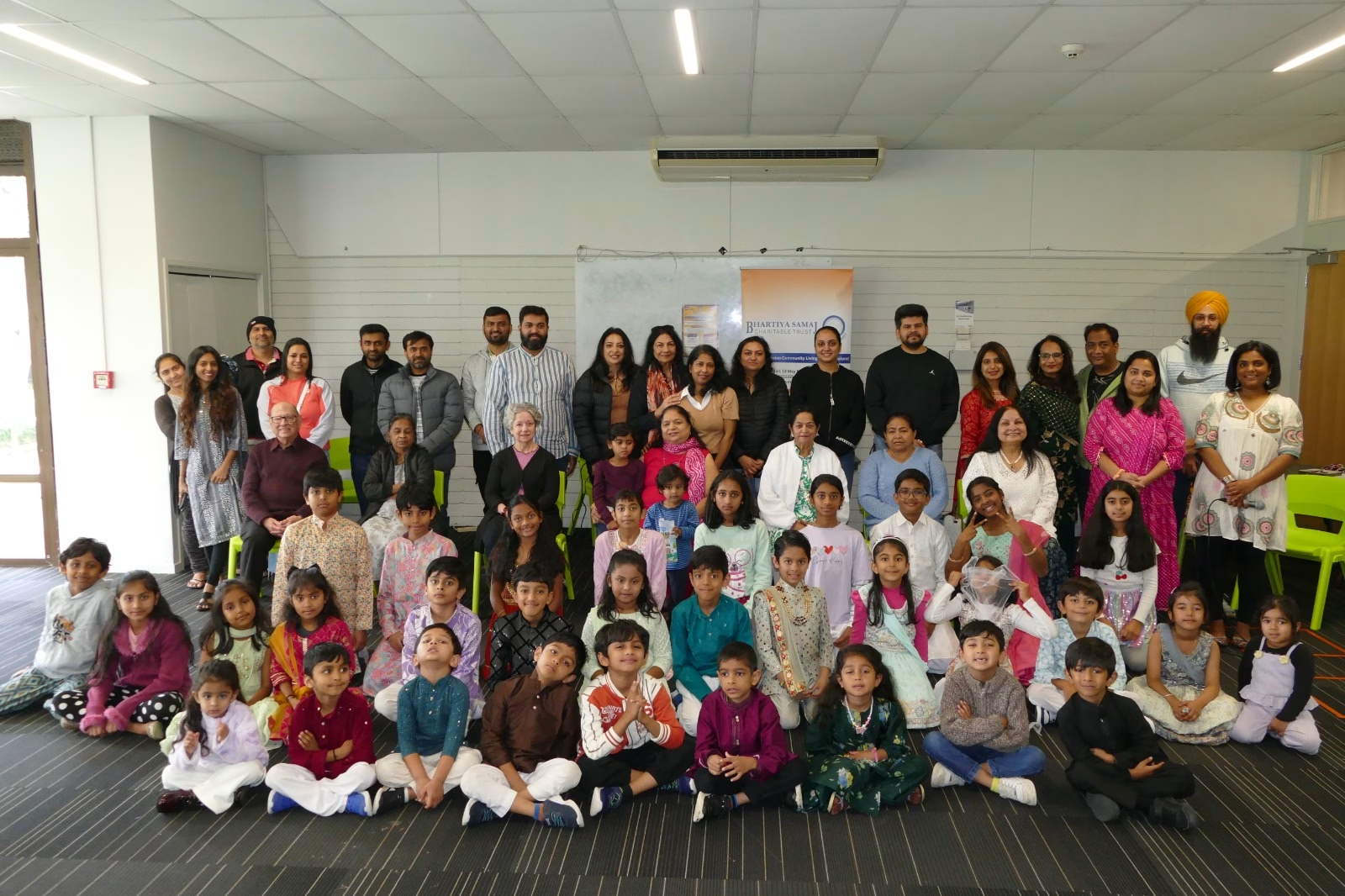
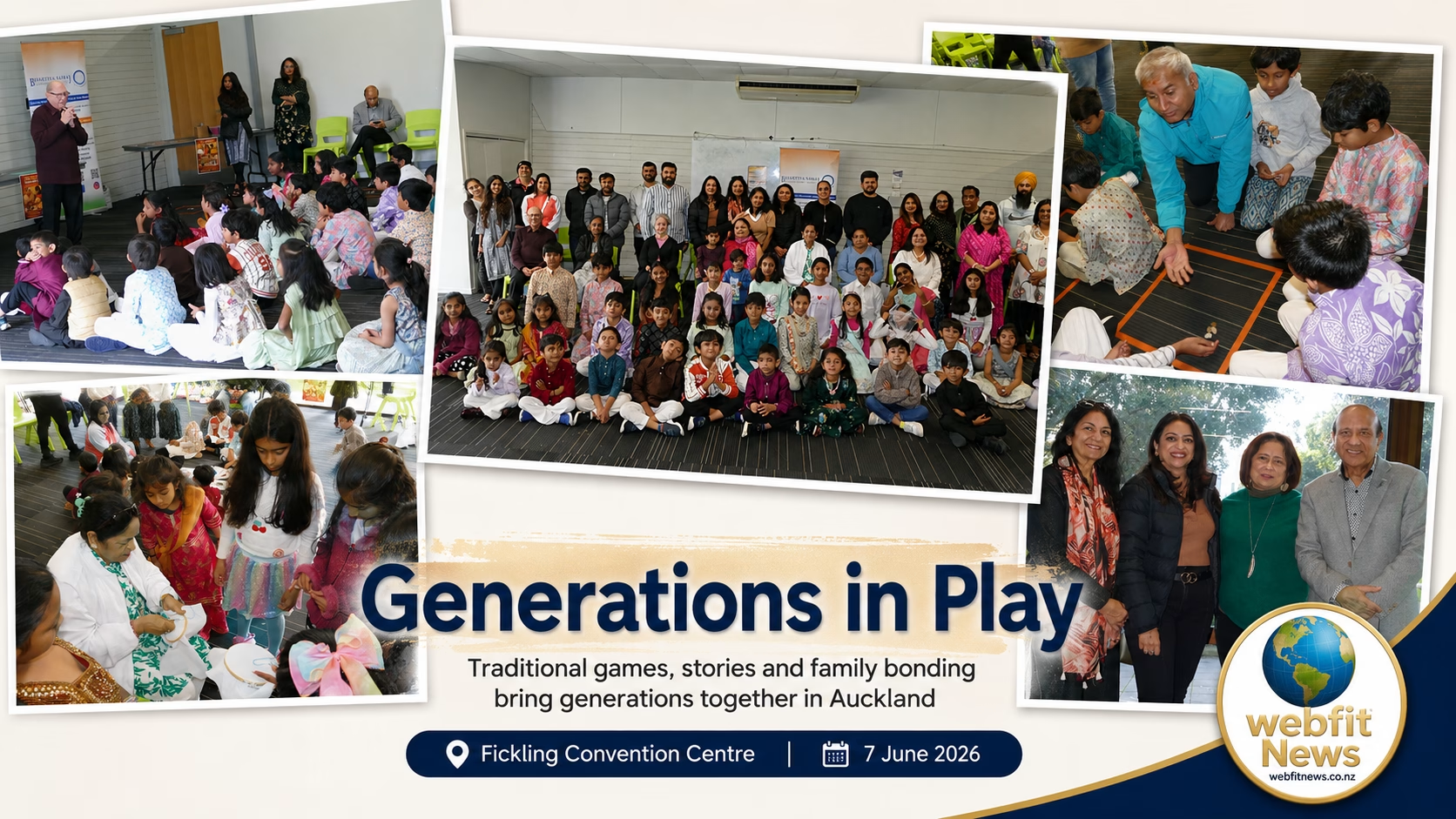
Auckland’s Fickling Convention Centre in Three Kings came alive with laughter, storytelling and cultural connection on 7 June 2026, as Bhartiya Samaj Charitable Trust hosted Generations in Play: Reviving Traditional Indian Games & Stories.
The event, supported by Welcoming Communities and the Puketāpapa Local Board, brought grandparents, parents and children together for a meaningful celebration of Indian heritage, traditional games, family bonding and intergenerational learning.
At a time when many families are navigating fast-paced routines, digital distractions and changing cultural environments, the programme offered something simple but powerful: time together. Through stories, crafts, traditional games and shared performances, the event created a space where older and younger generations could learn from one another in a natural and joyful way.
A Celebration of Family, Culture and Belonging
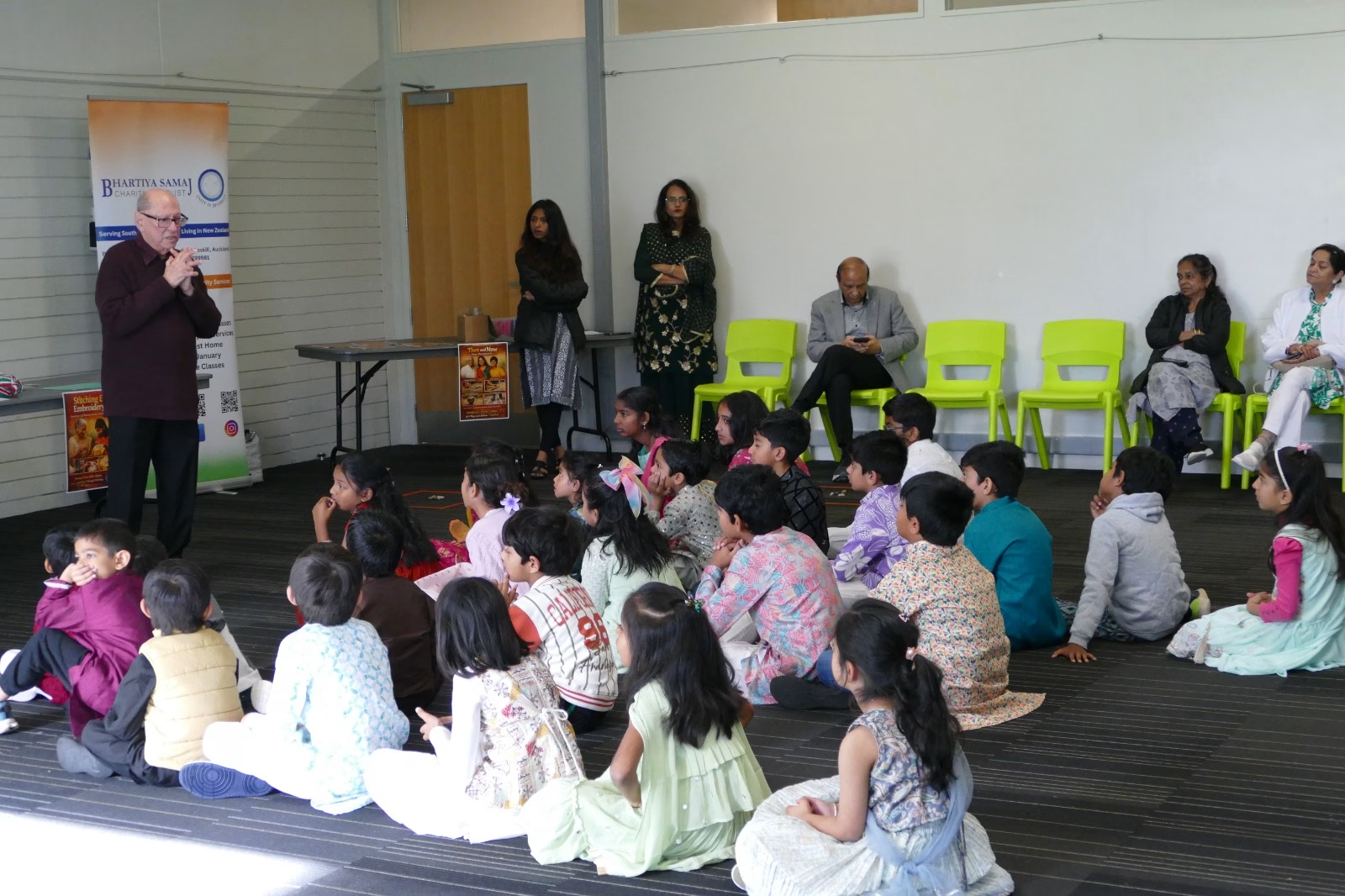
The event began with the Indian National Anthem and a prayer, setting a respectful and warm tone for the day. Families gathered not only to participate in activities, but also to reconnect with cultural practices that many grandparents grew up with and many children may not experience in everyday New Zealand life.
Bhartiya Samaj Charitable Trust designed the programme to help families preserve cultural memory through direct participation. Instead of simply speaking about tradition, the event encouraged people to experience it through play, conversation, music and hands-on learning.
Grandparents shared childhood stories, personal memories and traditional values with the younger generation. For many children, it was an opportunity to hear directly from elders about life before smartphones, online entertainment and modern indoor activities became part of everyday childhood.
These conversations were among the most valuable parts of the day. They reminded families that heritage is not only found in books, festivals or formal ceremonies. It is also carried through everyday memories, childhood games, songs, stories and skills passed from one generation to the next.
Children Bring Classic Storytelling to the Stage
One of the highlights of the event was a lively enactment of the classic tale The Monkey and the Crocodile. Children brought the well-known story to life through performance, giving the audience a cheerful reminder of the role traditional stories play in teaching values such as intelligence, friendship, trust and decision-making.
For many Indian families, stories like The Monkey and the Crocodile are part of a wider storytelling tradition passed down through grandparents and parents. These tales are more than entertainment. They often carry moral lessons, cultural references and shared family memories.
The performance added energy to the programme and showed how storytelling can remain relevant for children when presented in an engaging and participatory way.
Traditional Skills Shared Across Generations
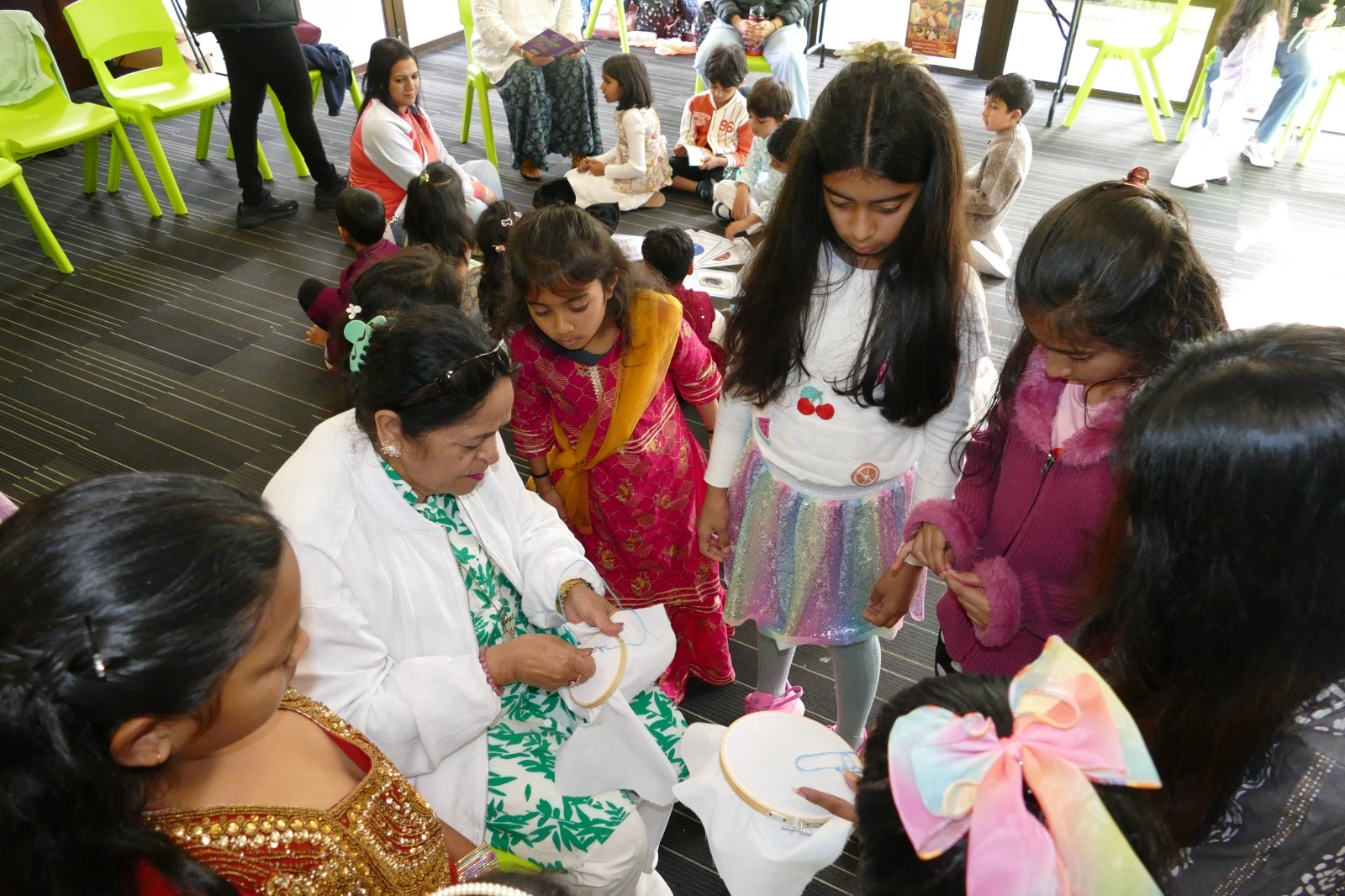
The day also featured stitching and embroidery activities, where grandparents and elders helped children learn practical skills rooted in tradition. These sessions were filled with patience, curiosity and plenty of smiles as children tried their hand at craftwork under the guidance of adults.
In many families, skills such as embroidery, sewing and handcrafts were once commonly learned at home. Events like Generations in Play help keep those traditions visible and accessible for younger generations growing up in a different cultural environment.
Henna art also added colour and creativity to the event, with participants of different ages joining in. The activity gave families another way to celebrate cultural expression through design, beauty and shared participation.
Reviving Traditional Indian Games
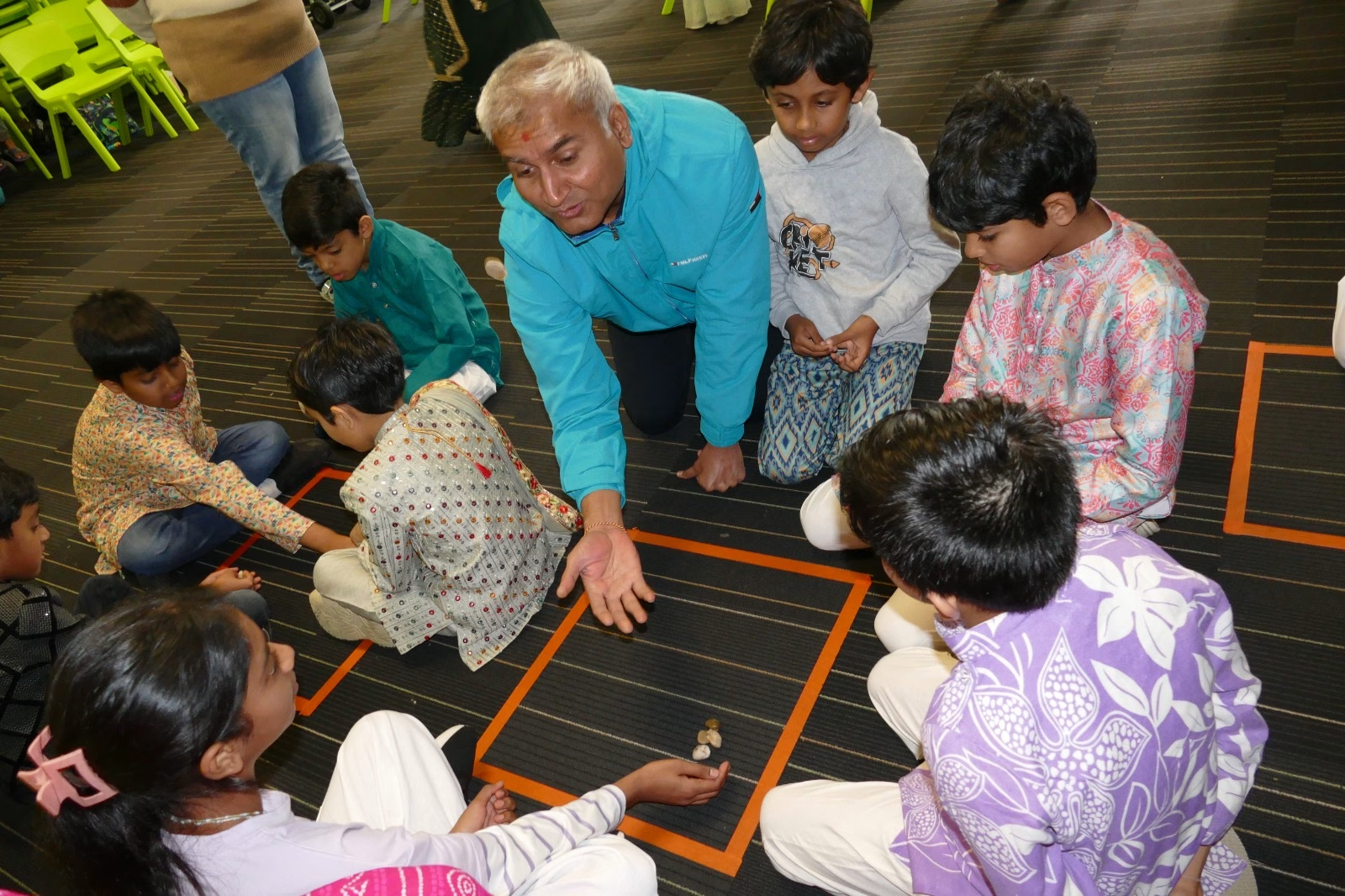
The heart of the event was the revival of traditional Indian games. Grandparents introduced children to games they once played during their own childhood, including Kho-Kho, Kanche, also known as marbles, and Stapoo, widely known as hopscotch.
For many elders, these games were a reminder of simpler times when children played outdoors, used imagination and built friendships through movement and teamwork. For the younger participants, the games offered a refreshing change from screens and digital entertainment.
Kho-Kho encouraged teamwork, speed and coordination. Kanche introduced children to patience, focus and friendly competition. Stapoo brought back the joy of balance, movement and playful challenge.
The venue quickly became a vibrant community space where children were not just watching culture from a distance, but actively participating in it. That is the difference between a token cultural event and a meaningful one. This programme gave children something they could remember, repeat and share.
Music, Performance and Shared Joy
The festive atmosphere continued with a heartwarming performance by grandmothers and grandchildren to the much-loved song “Daadi Amma Daadi Amma Maan Jao.”
The performance drew enthusiastic applause from attendees and captured the central spirit of the day: love between generations. It was a simple but memorable reminder of the special bond between grandparents and grandchildren.
These shared performances matter because they allow families to see culture as something alive, joyful and inclusive. They also help children feel proud of their roots while growing up in New Zealand’s multicultural society.
Why Events Like This Matter
In today’s world, many children spend more time with digital devices than with extended family members. That is not a moral failure, it is just the reality of modern life. But it does mean communities need to be intentional about creating spaces where intergenerational bonds can grow.
Generations in Play showed that traditional games and stories still have a strong place in family and community life. They help children develop confidence, social skills, cultural awareness and respect for elders. They also give grandparents a meaningful role in passing on knowledge, values and lived experience.
For migrant communities in New Zealand, events like this are especially important. They help families maintain a connection to their cultural heritage while also strengthening their sense of belonging in Aotearoa.
Community Support Behind the Event
Bhartiya Samaj Charitable Trust extended its sincere thanks to Welcoming Communities, the Puketāpapa Local Board, volunteers, families and community members who helped make the event successful.
The programme concluded with refreshments, photographs and heartfelt conversations. Many participants left with a renewed appreciation for the value of spending time across generations and keeping cultural traditions alive.
Through traditional games, storytelling, music, craft and shared memories, Generations in Play successfully celebrated the power of family connection. More importantly, it showed that culture is strongest when it is lived, shared and passed on with love.