BASS HILL, NSW, 31 July 2026
A sophisticated hydroponic cannabis operation allegedly capable of producing more than $1.2 million worth of cannabis has been dismantled by New South Wales Police following a raid on a residential property in Sydney’s southwest.
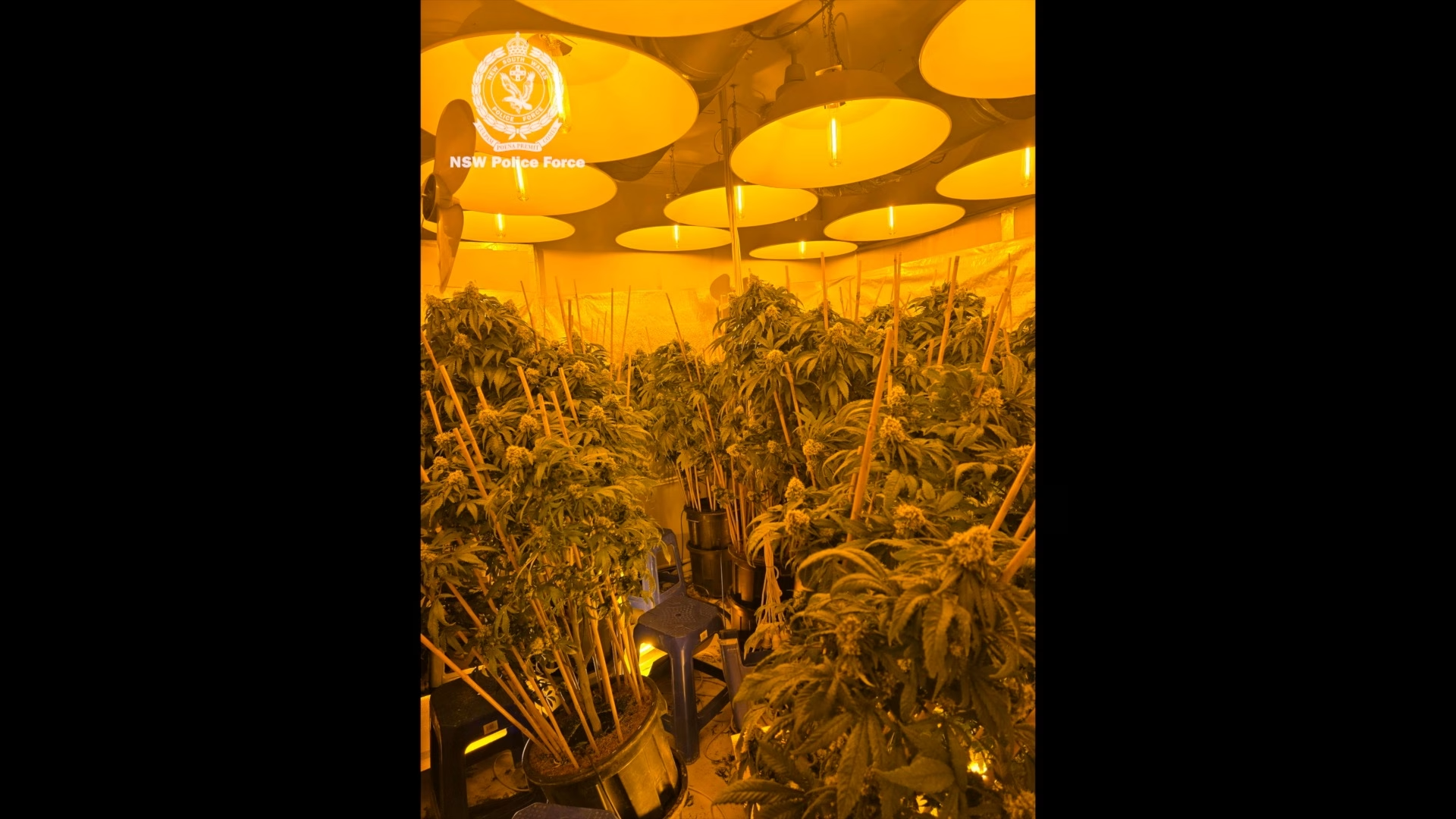
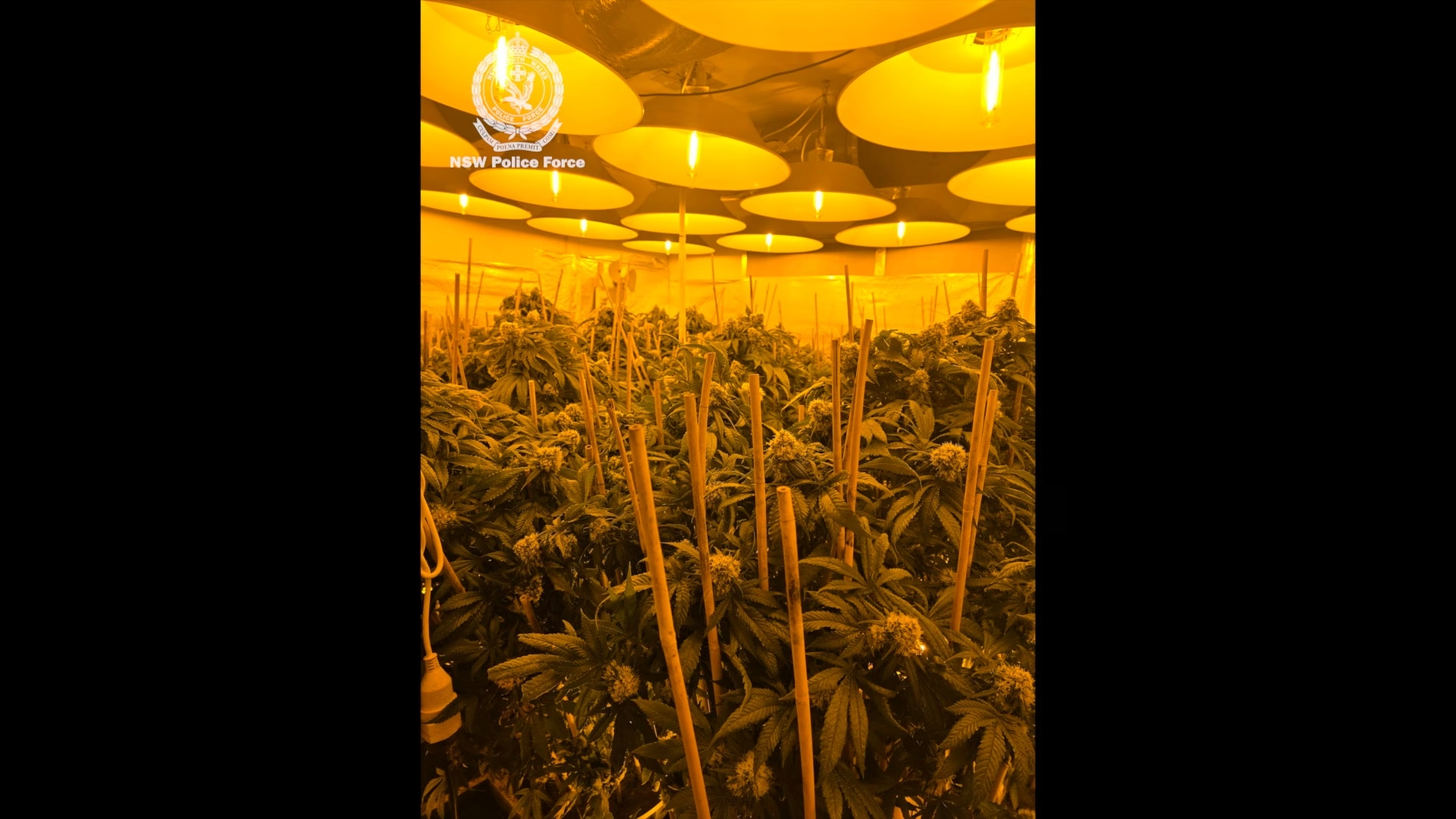
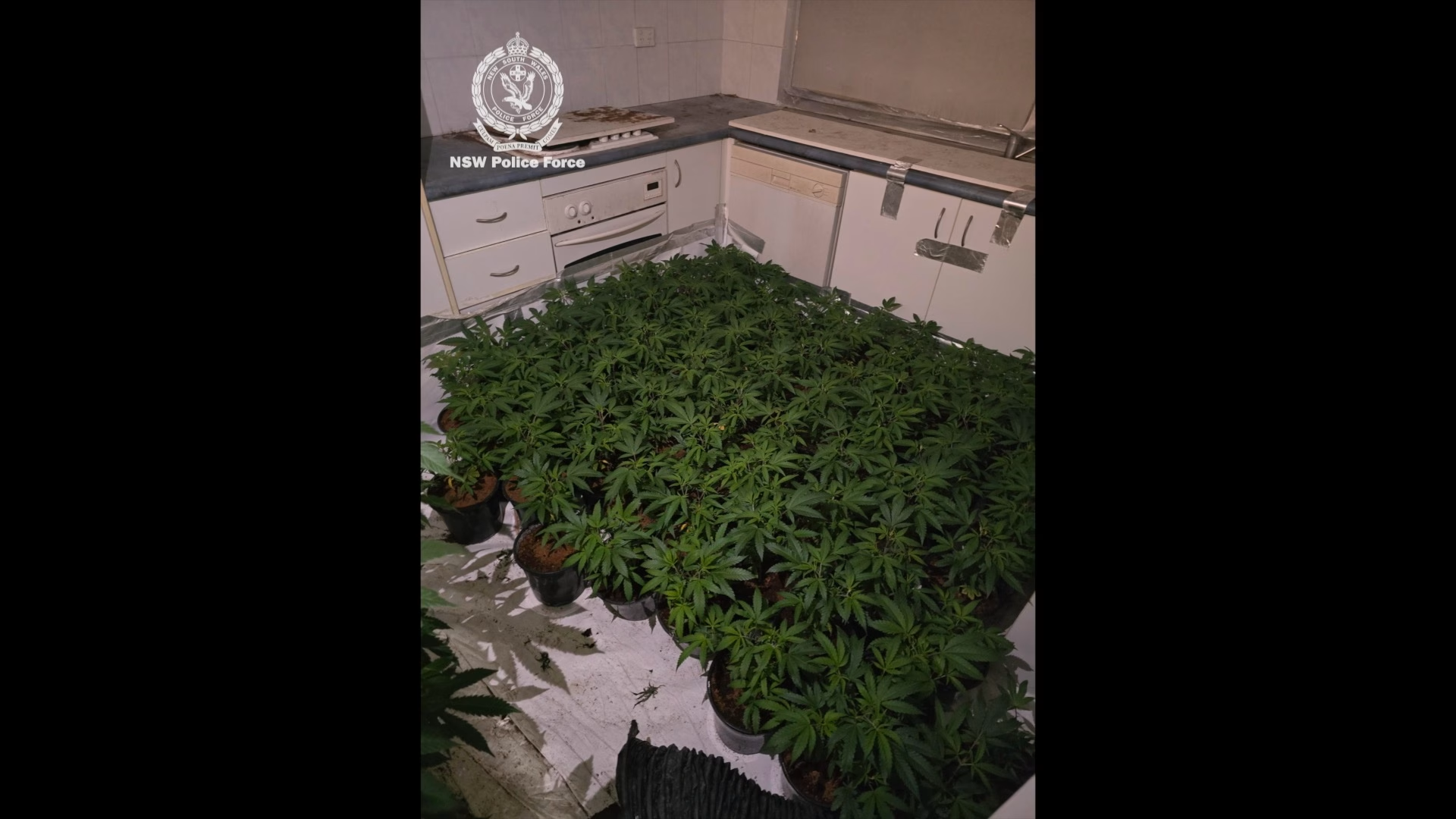
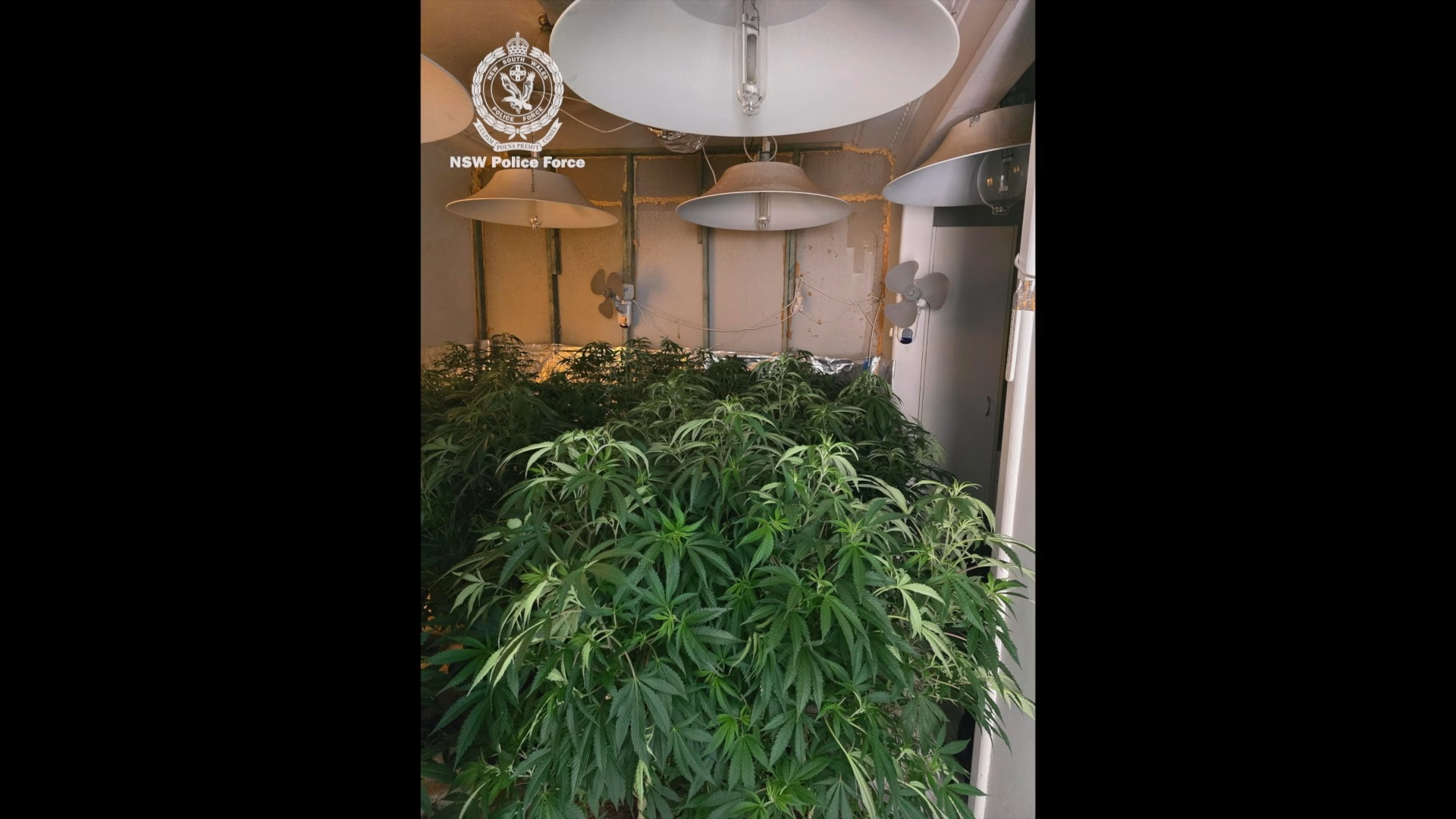
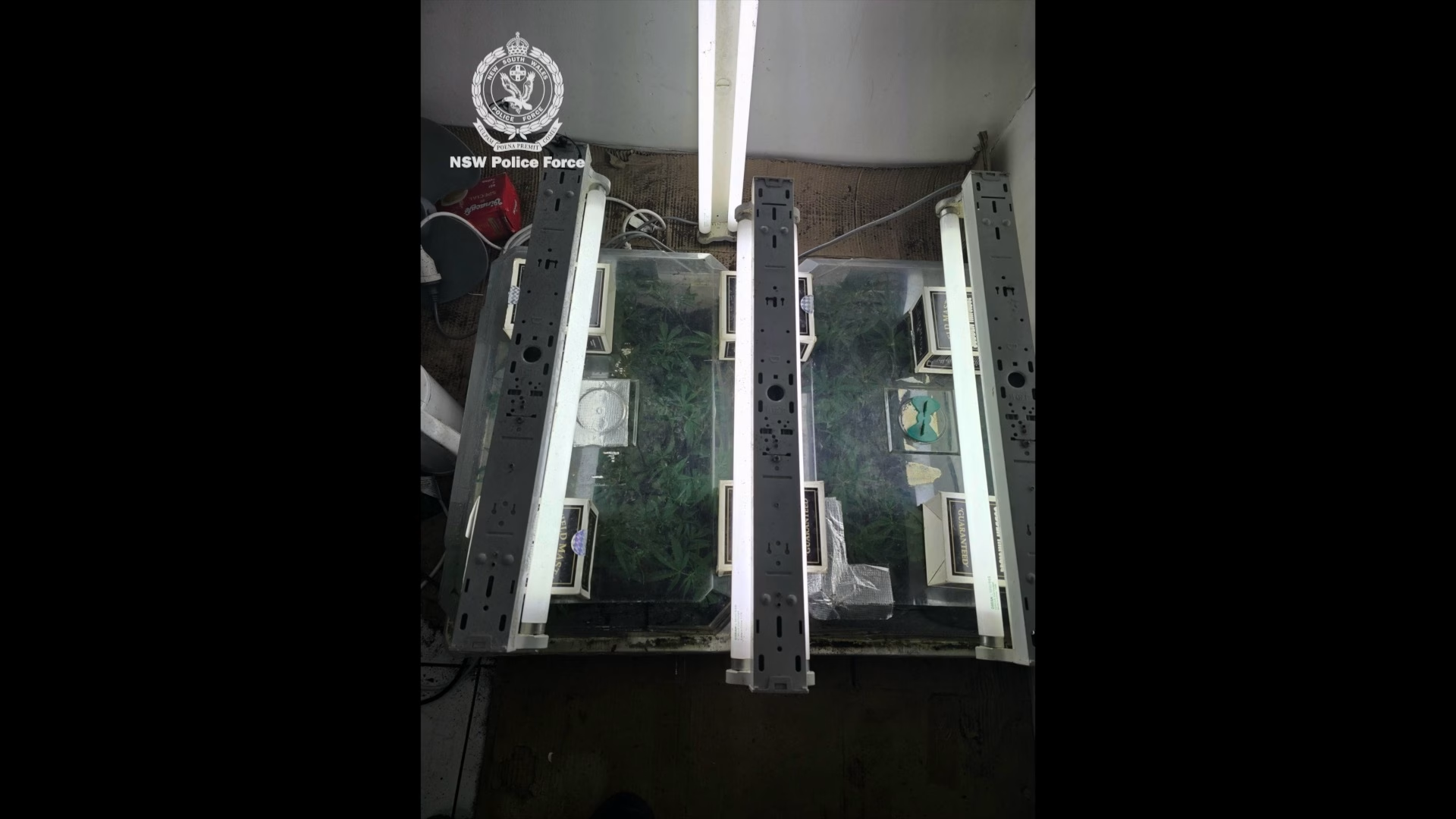
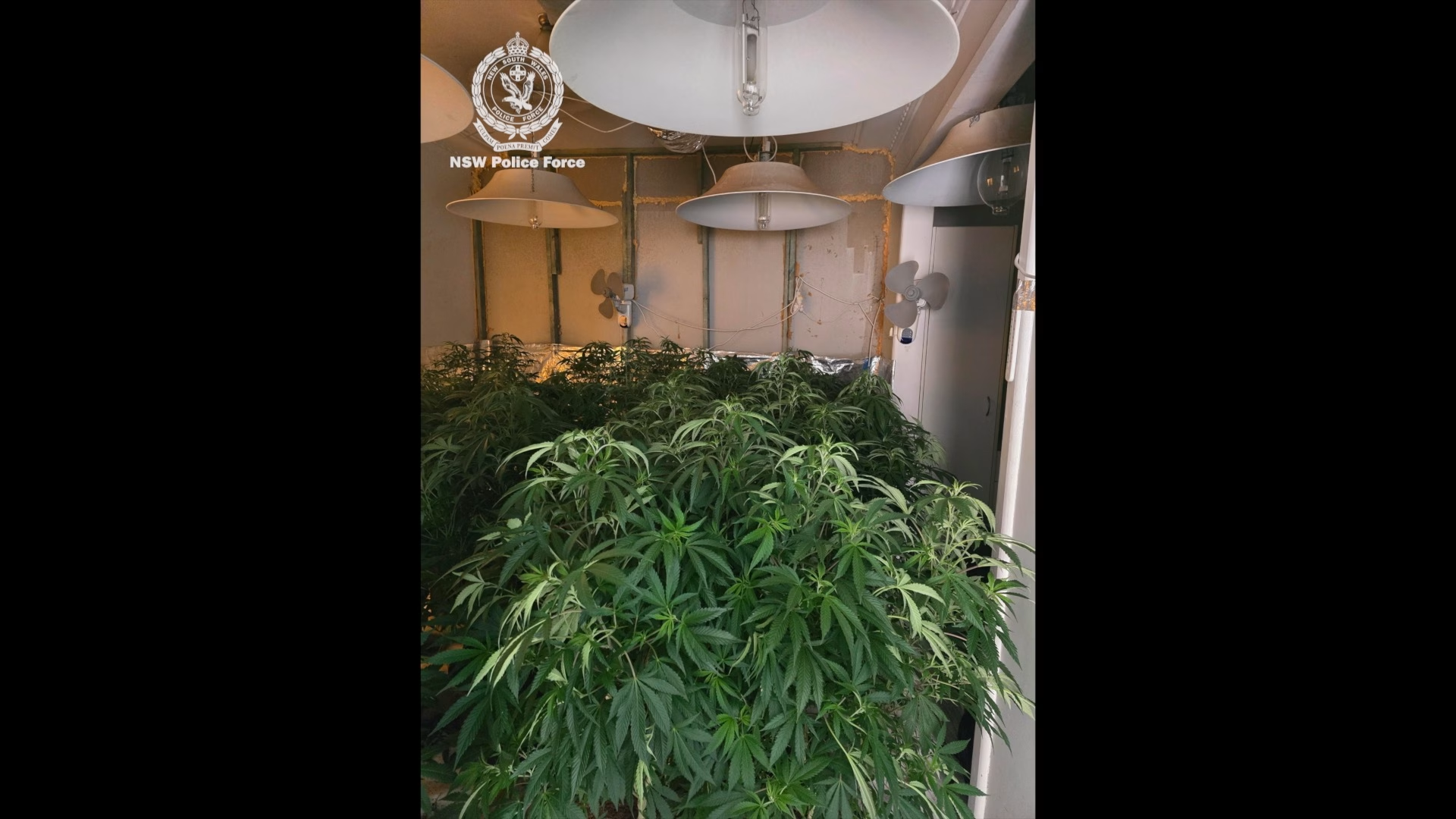
Police say 415 cannabis plants were discovered growing inside a house in Trebartha Street, Bass Hill, during a targeted operation carried out by detectives from the South West Metropolitan Region Enforcement Squad (Bankstown).
A 41-year-old man was arrested at the property and has since been charged with cultivating a prohibited plant in a commercial quantity, one of the most serious cannabis cultivation offences under New South Wales law.
He was refused bail and was scheduled to appear before Bankstown Local Court on Friday.
The seizure marks another significant operation targeting large-scale indoor cannabis cultivation, which authorities say continues to be linked to organised criminal networks seeking to avoid detection while producing high-value illicit drugs.
Queenstown Lakes Economic Diversification Fund Opens for 2026 Applications – WebfitNews
Search warrant uncovers large indoor cultivation setup
According to NSW Police, officers executed a search warrant at approximately 9.30am on Thursday, 30 July, after an investigation by the South West Metropolitan Region Enforcement Squad.
Inside the suburban home, investigators allegedly found an extensive hydroponic cannabis growing operation occupying multiple rooms of the property.
Police released photographs showing rows of mature cannabis plants supported by bamboo stakes and growing under powerful artificial lighting systems designed to maximise growth throughout the year.
Several rooms appeared to have been converted entirely into cultivation areas, complete with specialised lighting, ventilation systems and irrigation equipment commonly associated with commercial indoor cannabis production.
Hydroponic cultivation allows cannabis plants to be grown without traditional soil by using nutrient-rich water solutions and carefully controlled environmental conditions.
The method enables growers to produce faster crop cycles, larger yields and higher-quality plants while reducing reliance on seasonal weather conditions.
Investigators believe the operation was operating on a commercial scale.
Estimated street value exceeds $1 million
Police will allege the 415 cannabis plants had a potential street value of approximately $1.2 million.
Street value estimates generally reflect the estimated retail value of cannabis if processed, packaged and sold through illegal drug markets.
The final value can vary depending on the maturity of the plants, the quantity ultimately harvested and prevailing prices within illicit drug markets.
Even so, authorities say operations of this size have the potential to generate substantial criminal profits.
Large indoor cannabis facilities often involve significant investment in lighting, ventilation, irrigation, electrical modifications and climate control systems.
Investigators frequently examine whether such operations are connected to broader criminal enterprises involved in drug distribution, money laundering or other organised crime activities.
Police have not released any information suggesting additional arrests at this stage.
One man charged
Following the search, officers arrested a 41-year-old man at the property.
He was taken to Bankstown Police Station, where detectives charged him with:
| Charge | Details |
|---|---|
| Cultivate prohibited plant (commercial quantity) | Alleged cultivation of 415 cannabis plants at a Bass Hill property |
Police opposed bail, and the accused was refused release pending his appearance before Bankstown Local Court.
As with all criminal proceedings, the charge remains an allegation, and the accused is presumed innocent unless and until proven guilty in court.
Why hydroponic cannabis operations concern police
Hydroponic cannabis cultivation has become increasingly common because it enables production inside ordinary residential properties, warehouses and industrial buildings.
Unlike outdoor crops, indoor operations can continue throughout the year and are often concealed from public view.
Police say these operations frequently involve extensive electrical modifications to support powerful lighting and ventilation equipment.
Those modifications can increase the risk of electrical faults and house fires, particularly where systems are installed without appropriate safety standards.
Indoor cannabis operations may also generate excessive heat, high humidity and strong odours that require specialised ventilation systems.
Authorities regularly urge members of the public to report suspicious activity, particularly properties with permanently covered windows, unusual electrical installations or persistent humming from ventilation equipment.
Organised crime remains a priority
The seizure forms part of ongoing efforts by New South Wales Police to disrupt organised drug production across Sydney.
Commercial cannabis cultivation remains a significant source of income for organised criminal groups despite changing attitudes towards medicinal cannabis and cannabis law reform in several jurisdictions.
Police say illegal cultivation networks often attempt to exploit suburban homes because they attract less attention than large industrial sites.
Operations can remain active for months before being detected.
Law enforcement agencies continue to target both cultivation sites and the criminal networks responsible for financing, managing and distributing illicit drugs.
Cannabis laws remain strict in New South Wales
Although Australia has expanded access to medicinal cannabis through regulated medical pathways, the commercial cultivation of cannabis without appropriate licences remains a serious criminal offence.
New South Wales law distinguishes between small-scale personal cultivation and commercial production, with penalties increasing significantly when large numbers of plants are involved.
Commercial cultivation offences can carry lengthy prison sentences upon conviction, particularly where prosecutors establish that operations were conducted for financial gain.
Each case is assessed individually by the courts based on the evidence presented.
Community safety remains a focus
Police say dismantling commercial drug cultivation sites is about more than removing illegal drugs from circulation.
Indoor growing operations can expose neighbouring properties to electrical hazards, fire risks and other safety concerns arising from unauthorised building modifications.
Investigators also examine whether properties have been altered in ways that compromise structural safety or create hazards for emergency responders.
Removing commercial cultivation sites is therefore viewed as both a law enforcement and community safety objective.
Investigation continues
Police have not indicated whether further arrests or charges are expected as investigations continue.
Forensic officers will examine the property, equipment and seized plants as part of the ongoing investigation.
The accused is expected to face Bankstown Local Court, where the matter will proceed through the judicial process.
The seizure represents one of the larger indoor cannabis cultivation operations uncovered in Sydney this year and highlights the continuing efforts by NSW Police to target organised drug production across the metropolitan region.