By Geet G, Founder and Editor in Chief, WebfitNews
A friendly introduction
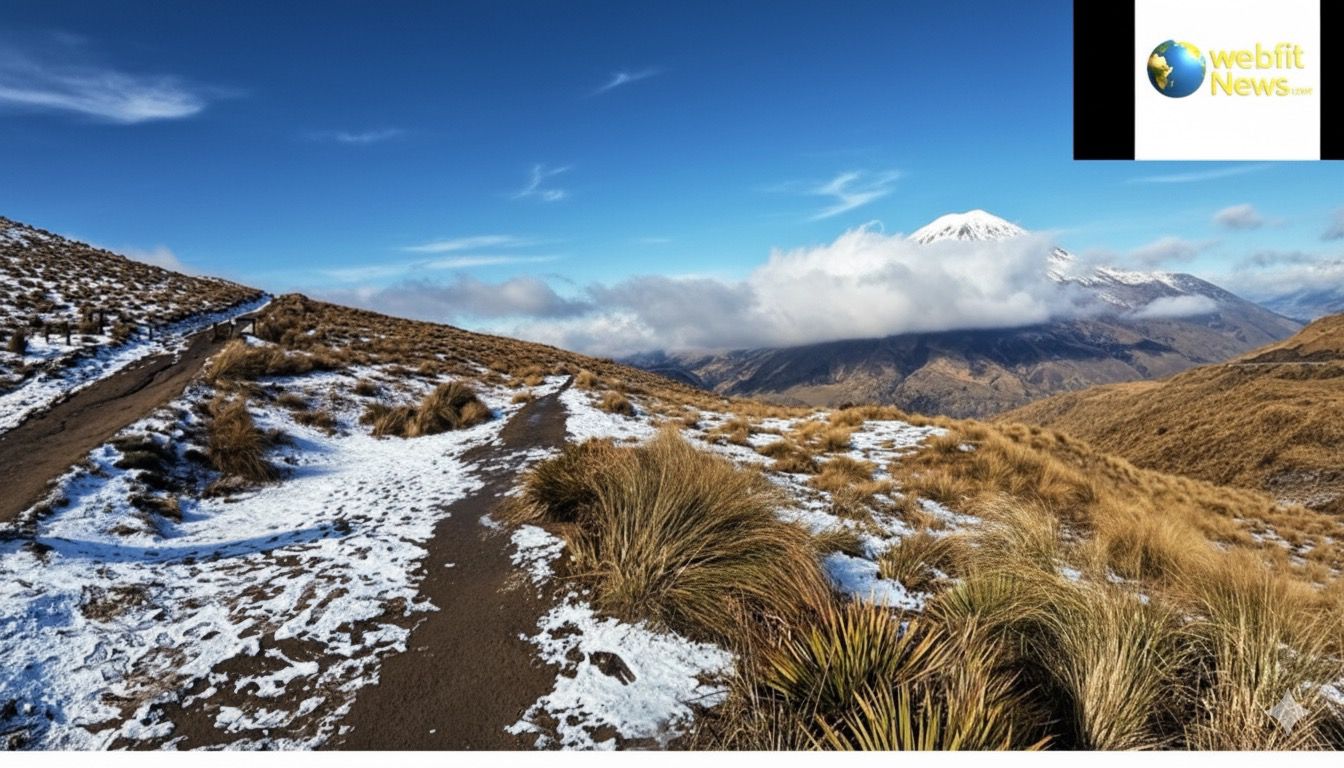
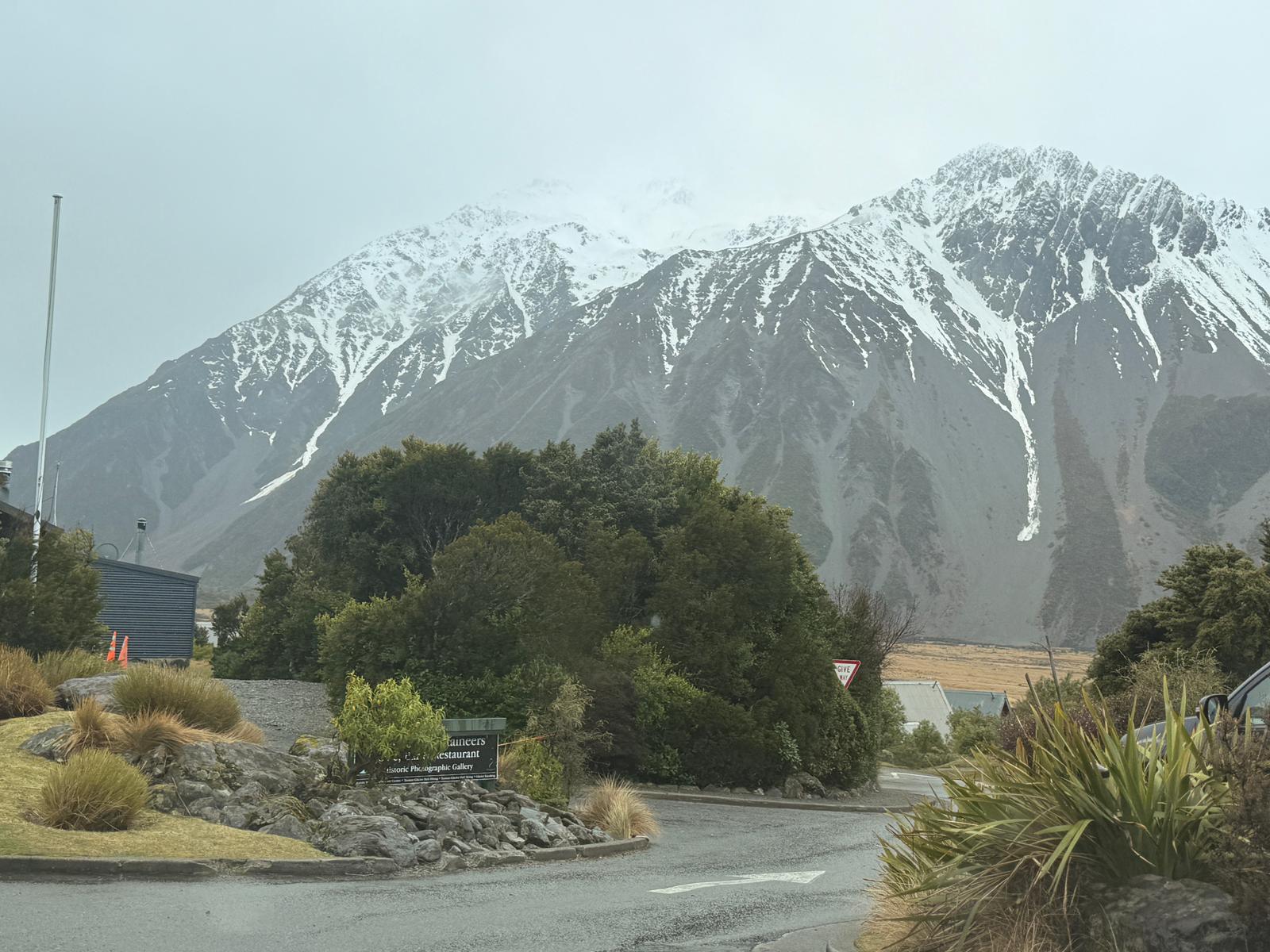
Aoraki Mount Cook is New Zealand’s highest mountain. It sits inside Aoraki Mount Cook National Park in the Mackenzie region. The village at its base is small and welcoming. Life here moves at a calm pace, with big skies, clean air, and mountain views in every direction.
Local life and business
Only a few hundred people live in Mount Cook Village year round. Most work in tourism and conservation. You will find guiding companies, hotels, backpacker lodges, cafés, scenic flight operators, glacier boat tours, and Department of Conservation staff. Nearby towns like Twizel and Lake Tekapo support the area with fuel, groceries, and extra places to stay. The region is part of the International Dark Sky Reserve, so stargazing tours and astro photography are a big part of local business.
A short history
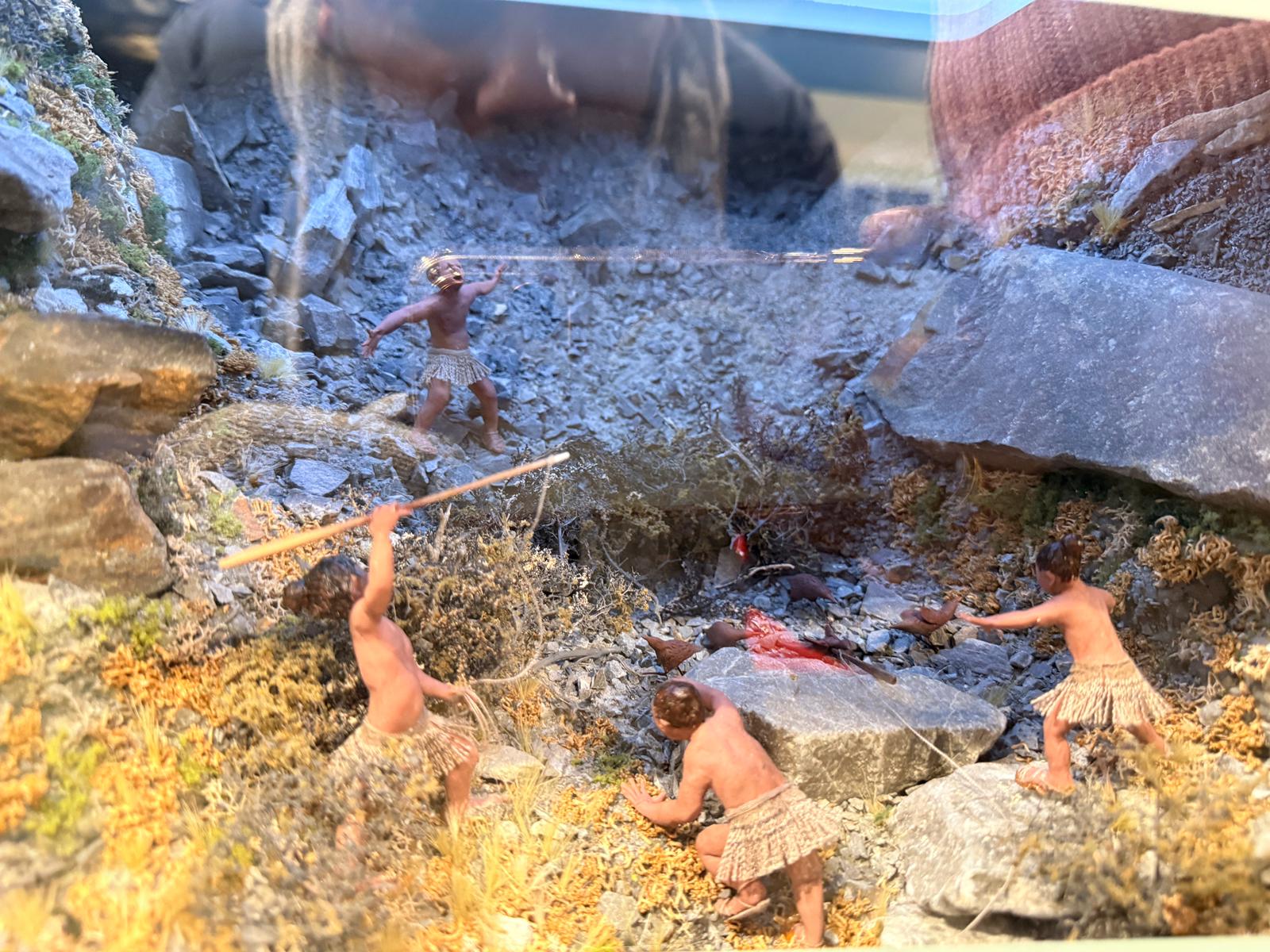
For Māori, Aoraki is a sacred mountain with a well known legend. European climbers began exploring the Alps here in the late 1800s. The national park was created in the 1950s and helped make the region a centre for mountaineering. Sir Edmund Hillary trained in these mountains before his Everest climb. That spirit of adventure still shapes the village today.
How many people visit
The permanent population is small, but visitor numbers are large. Thousands of people come every year to walk the famous tracks, see glaciers, take photos, and learn about the alpine environment.
Things to do
- Hooker Valley Track: A gentle walk with swing bridges and boardwalks, ending at a lake with a full view of Aoraki
- Tasman Glacier and Lake: Lookouts, boat tours in season, and views of icebergs on calm days
- Ski plane or helicopter flights: Scenic flights with snow landings when conditions allow
- Guided glacier hikes: With specialist guides and the right gear
- Sir Edmund Hillary Alpine Centre: Stories, photos, and films about local history
- Stargazing: Clear nights in the Dark Sky Reserve are perfect for learning the southern sky
- Easy cycle rides and photo stops: Around Lake Pukaki and Twizel for the classic turquoise water view
Main attractions nearby
- Lake Pukaki: Bright blue water with a straight view to Aoraki
- Lake Tekapo: The Church of the Good Shepherd, hot pools, and cafés
- Twizel: Base for supplies and family friendly food spots
- Mueller Hut and Sealy Tarns: Big climbs for fit walkers with the right gear and care
Getting here from Queenstown
The drive from Queenstown to Mount Cook Village is about 260 kilometres and usually takes three and a half hours. Follow State Highway 6 to Cromwell, State Highway 8 through Lindis Pass and Omarama, then State Highway 80 along Lake Pukaki into the park. Buses and tour companies also run this route. If you can drive, I recommend it. The final stretch beside Lake Pukaki is one of the best road views in New Zealand.
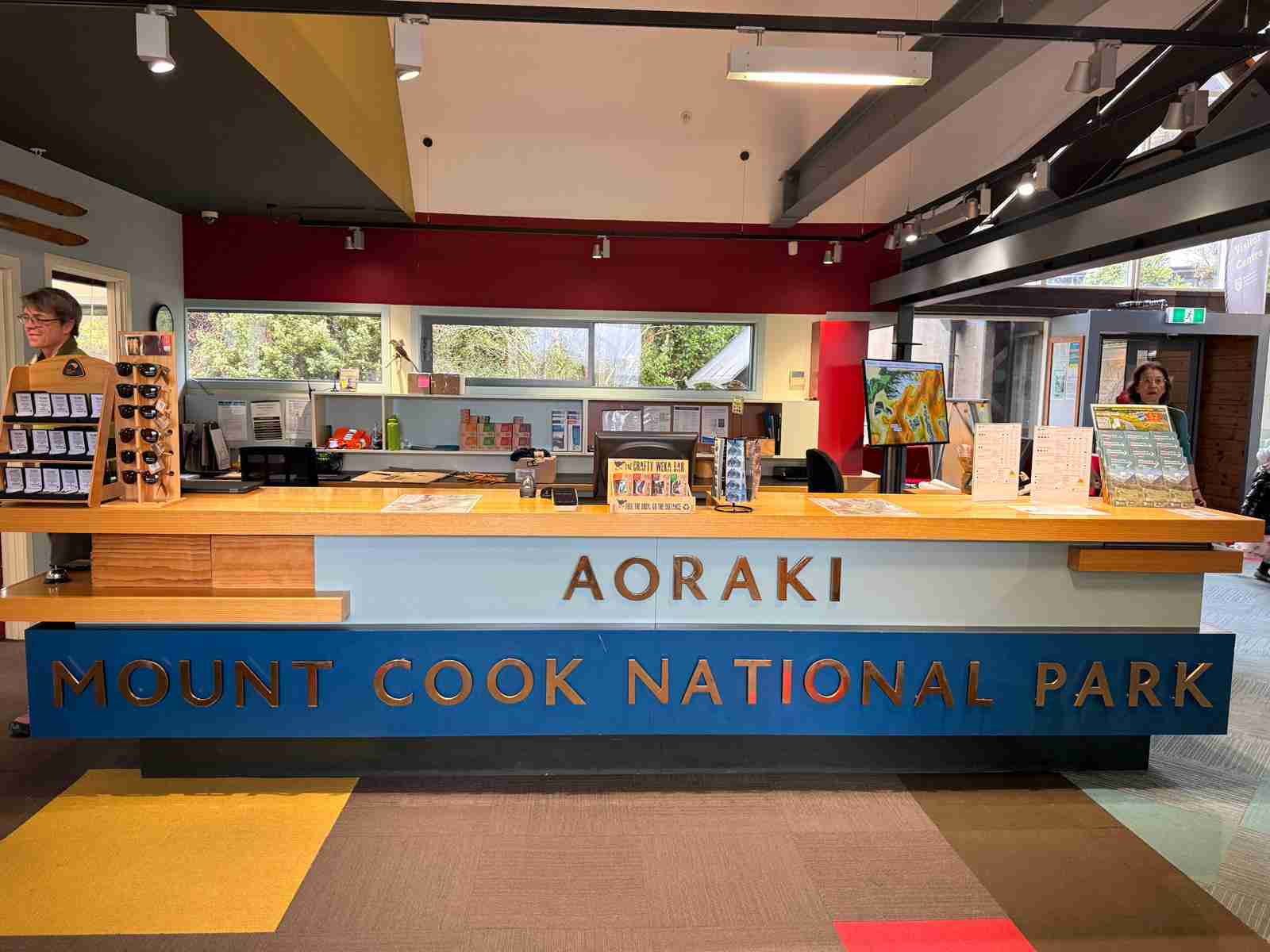
Science and conservation you will see at the Visitor Centre
Your photos from the Visitor Centre capture great stories. Here are simple facts you can include.
Tasman Glacier in plain language
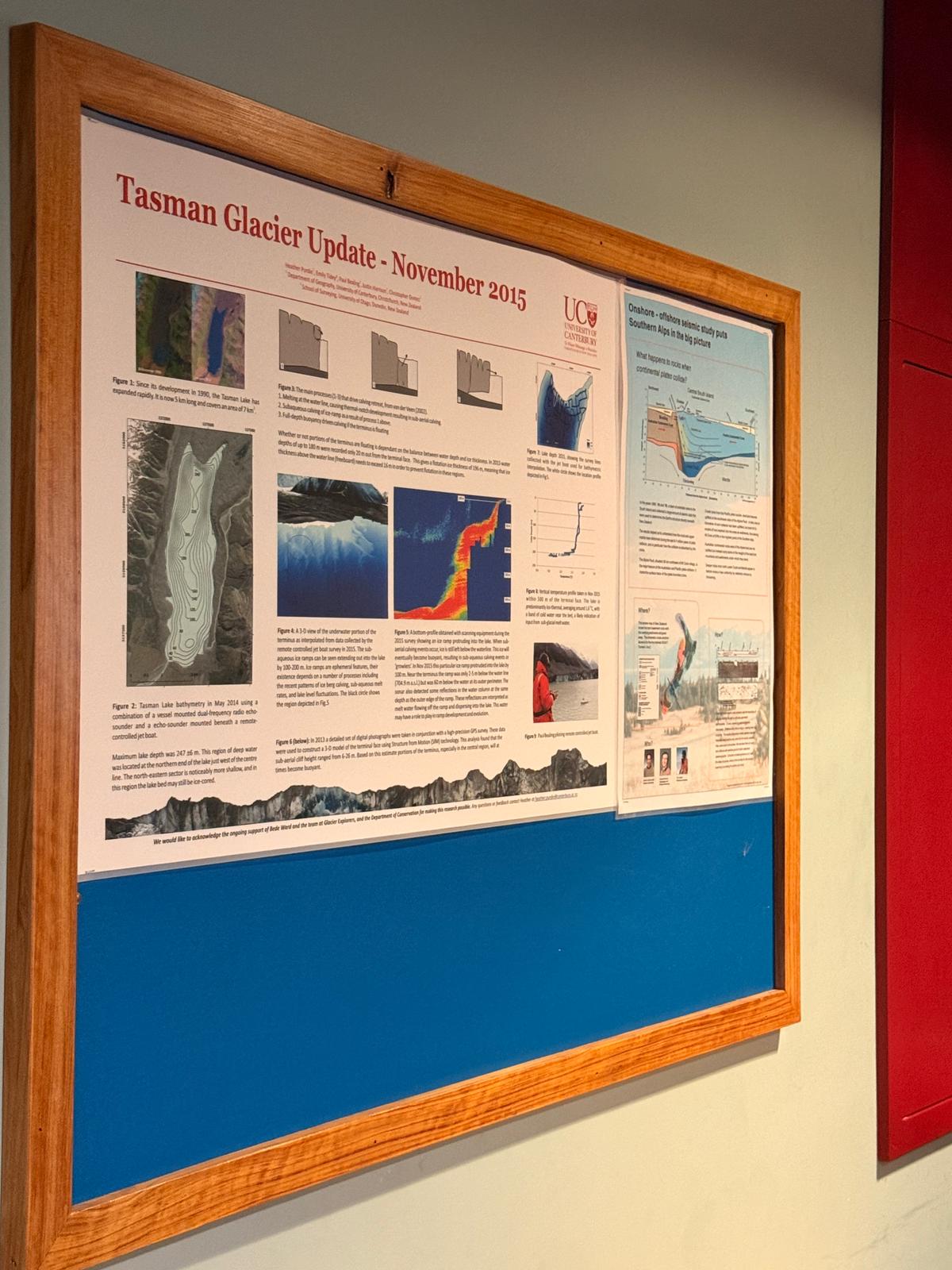
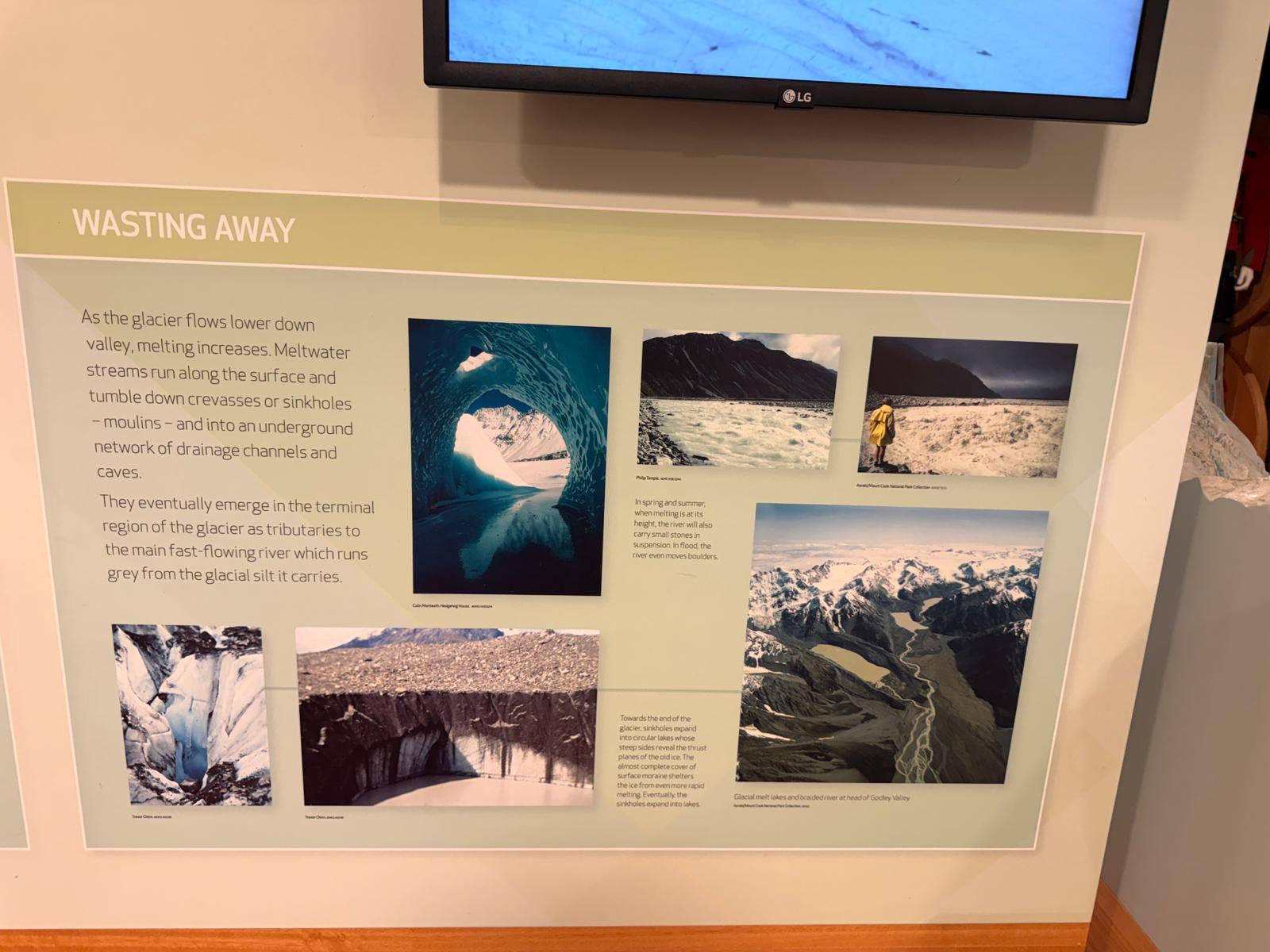
- The Tasman Glacier is retreating. A research board shows the lake at its front getting larger as the ice face breaks and melts.
- Cross-sections explain that the glacier thins as it flows downhill. Thinner ice moves faster and cracks more, which adds to melting and calving.
- Meltwater runs through crevasses and ice caves into an underground drainage network. It comes out at the terminal lake and then into wide braided rivers.
- Those rivers look milky grey because they carry very fine rock powder called glacial flour.
- Calm mornings often show floating slabs of ice and small icebergs. Stay well back from the water edge and follow DOC signs.
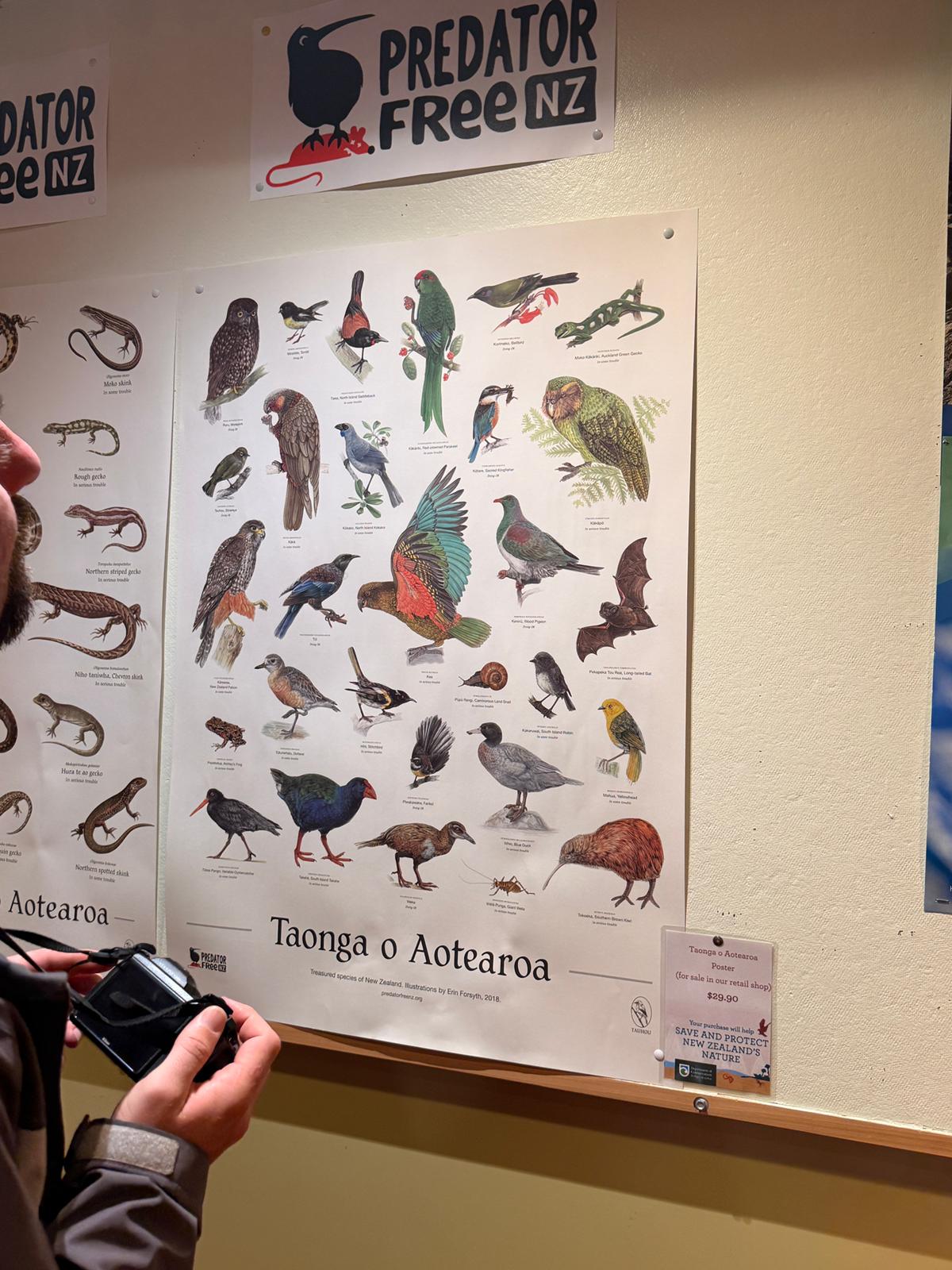
Predator Free 2050 and native wildlife
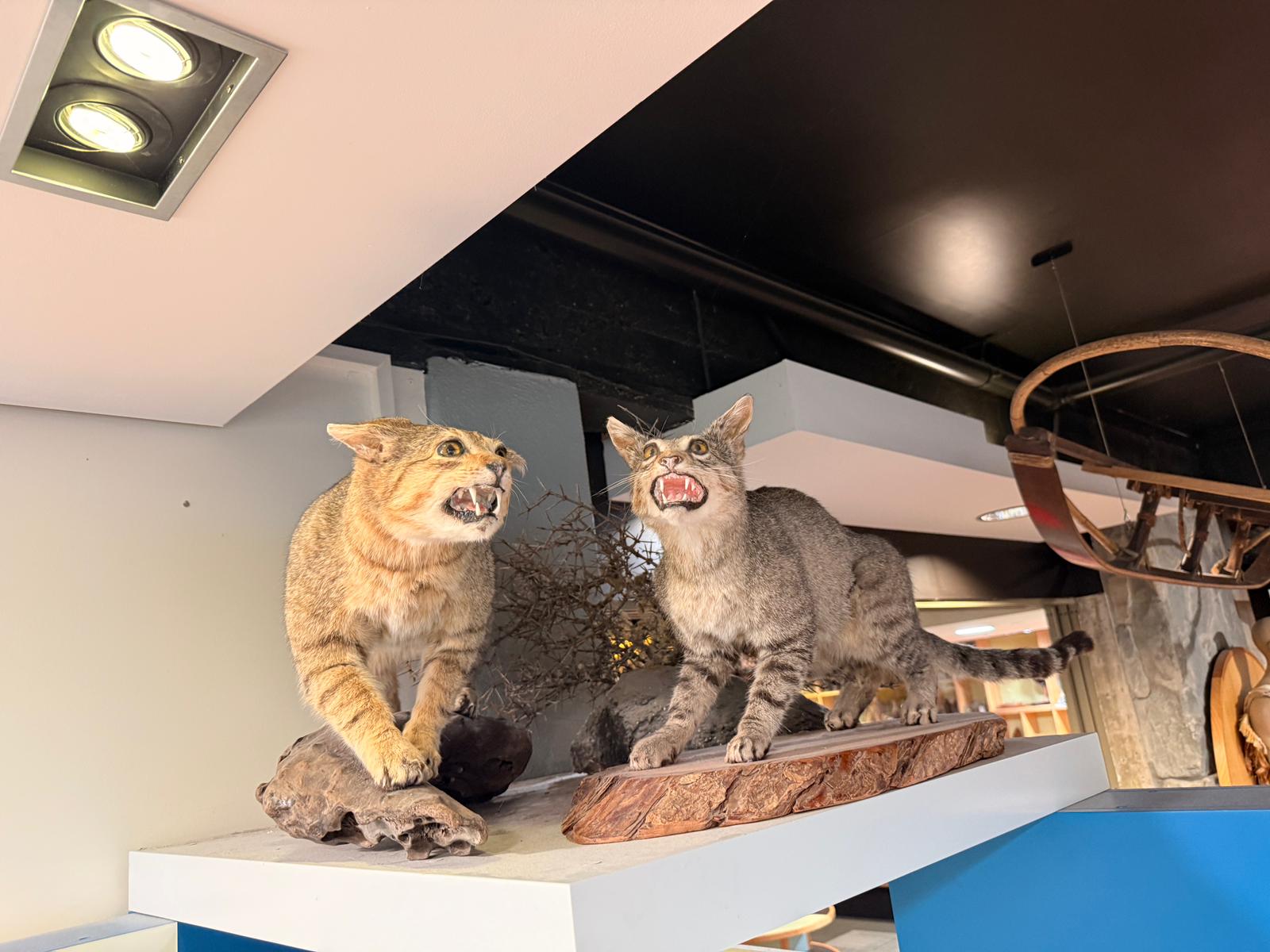
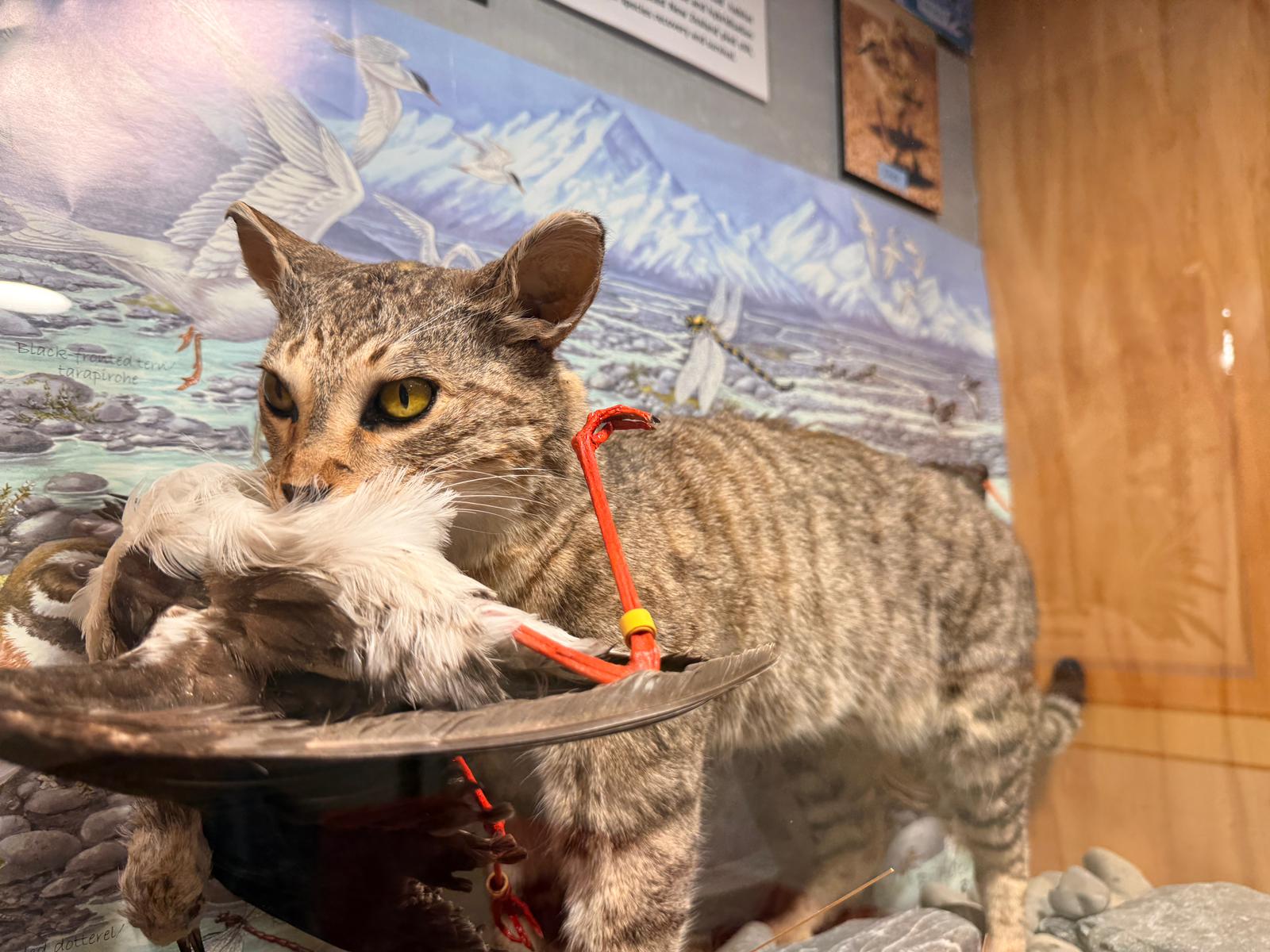
- New Zealand aims to remove rats, stoats, and possums by 2050 so native wildlife can recover.
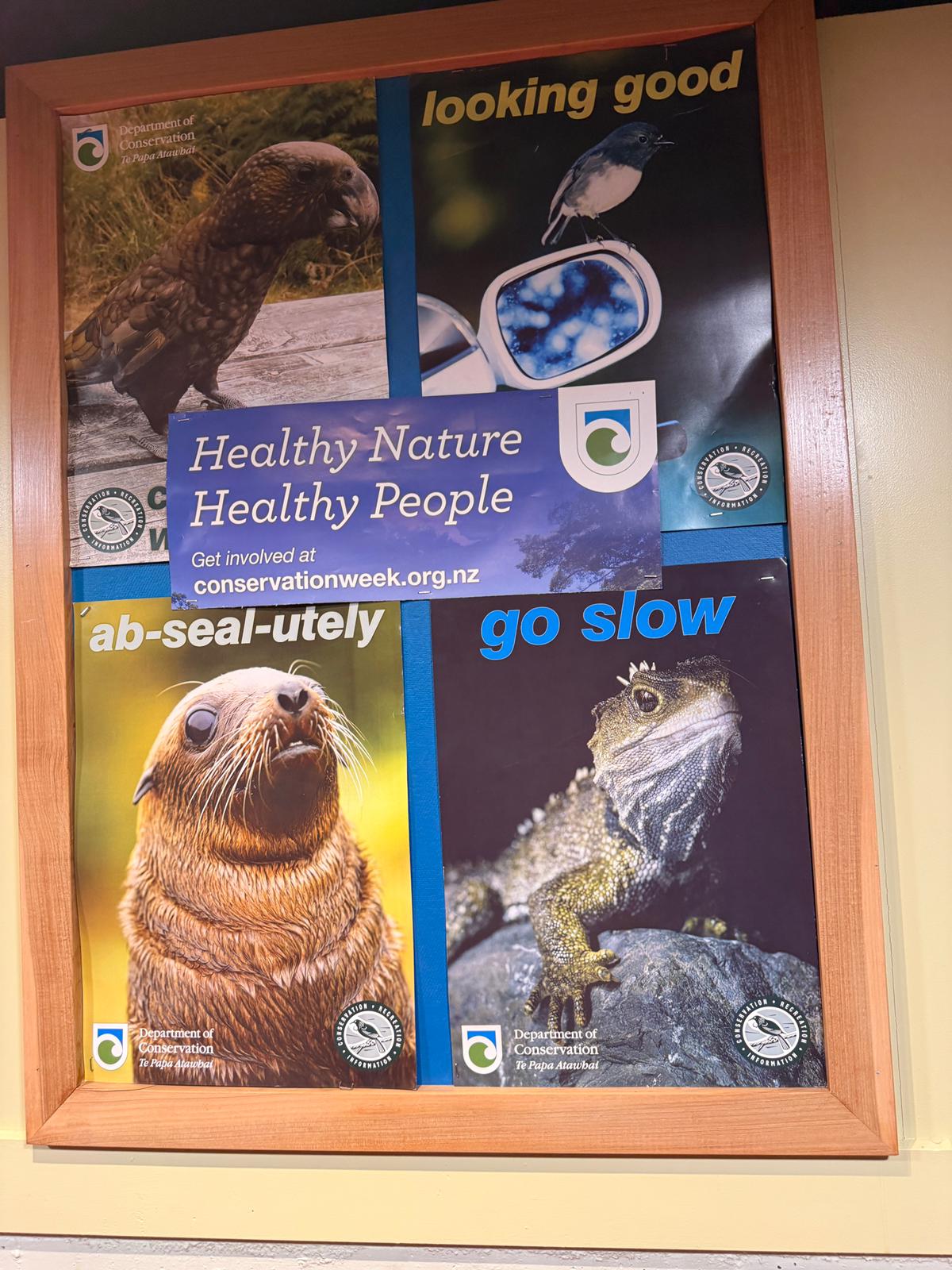
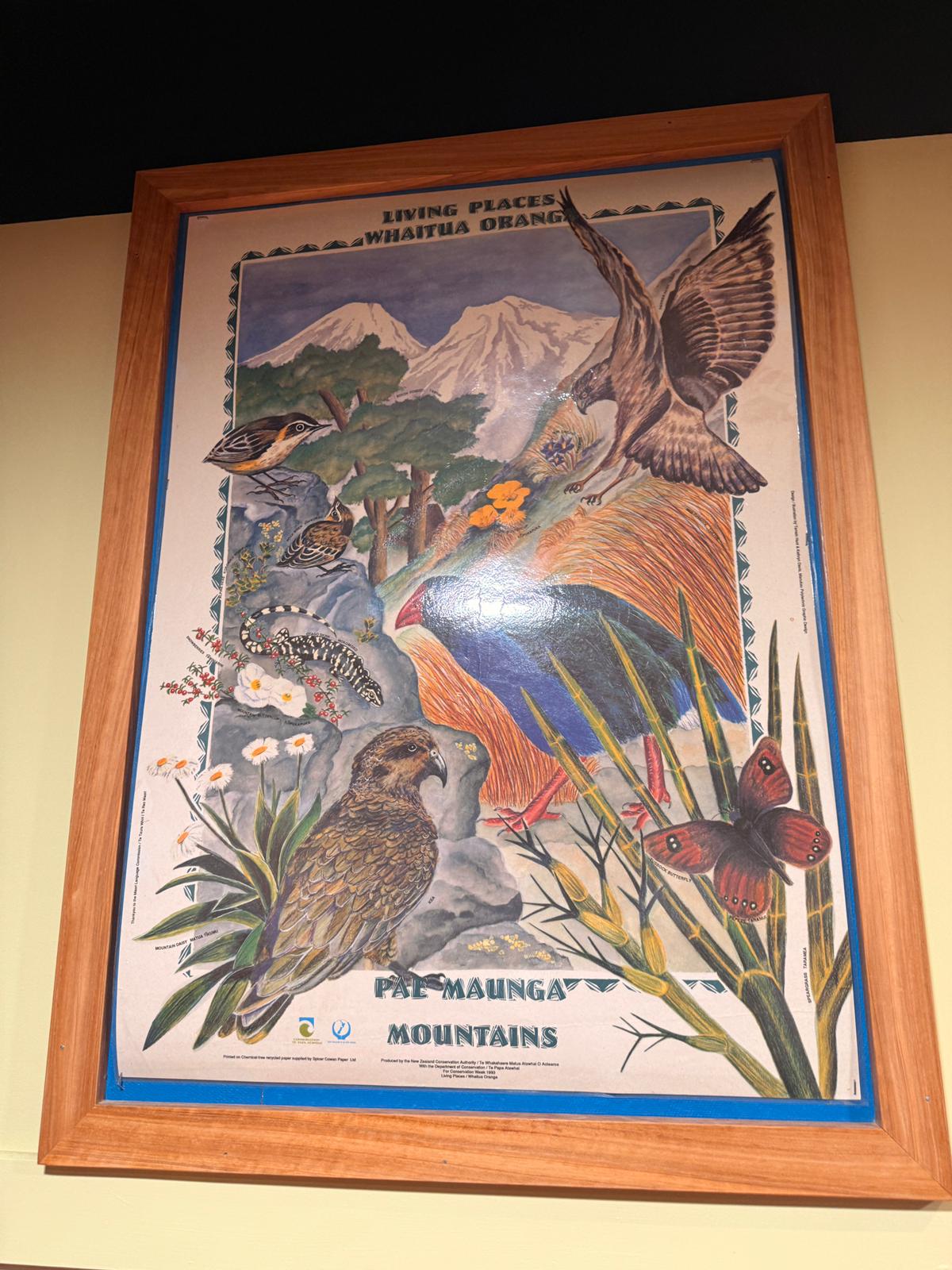
- Displays highlight taonga species such as the kea, kārearea falcon, kākāriki parakeet, and a range of rare skinks and geckos.
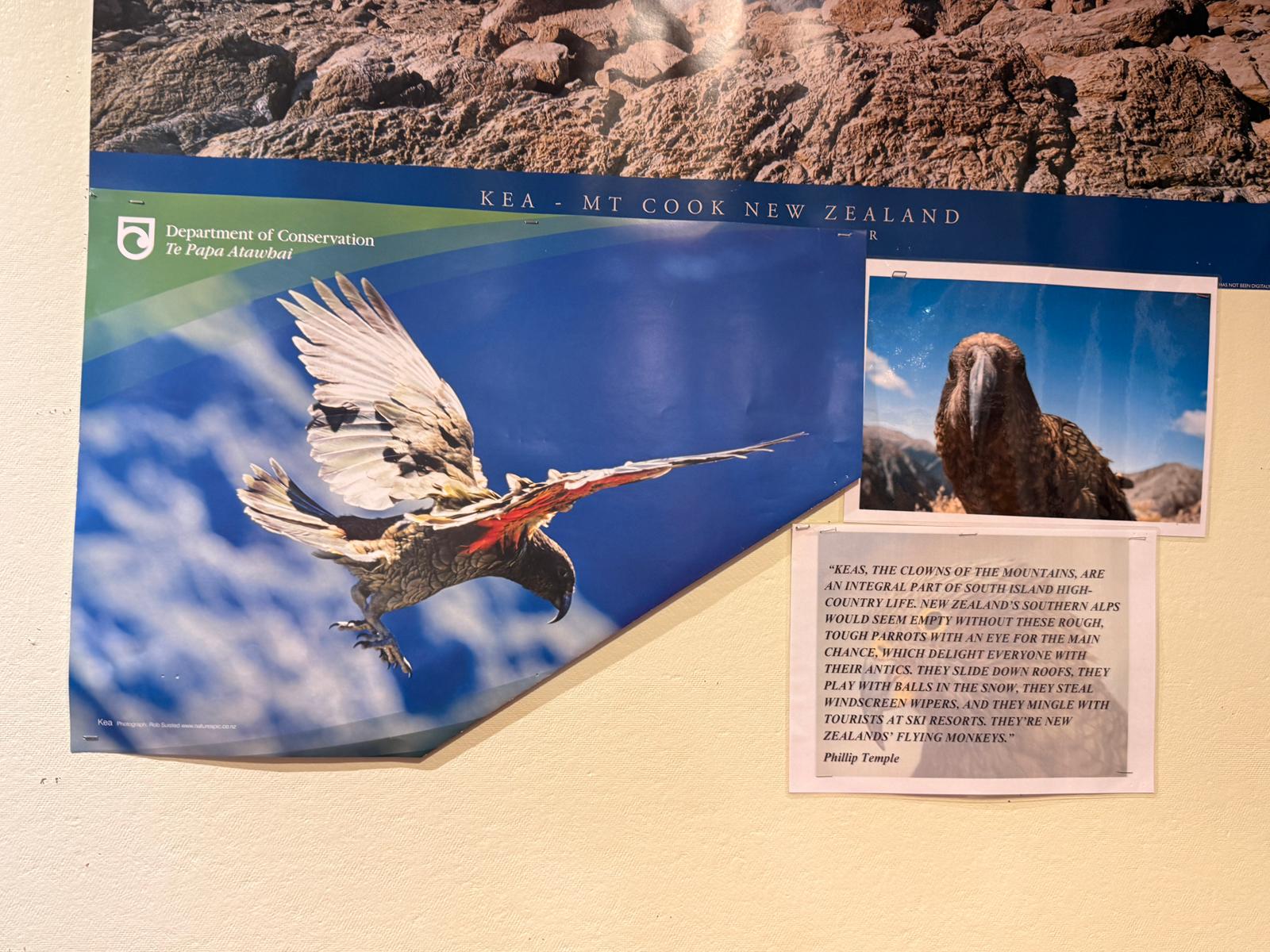
- The kea is known as the clown of the mountains. It plays in the snow and loves to explore backpacks and car parts. It is also endangered, so please keep food sealed and enjoy these birds at a distance.
- A simple message runs through the displays: healthy nature means healthy people. Visitors are encouraged to support Conservation Week and local volunteering.
A whole Alps in one table
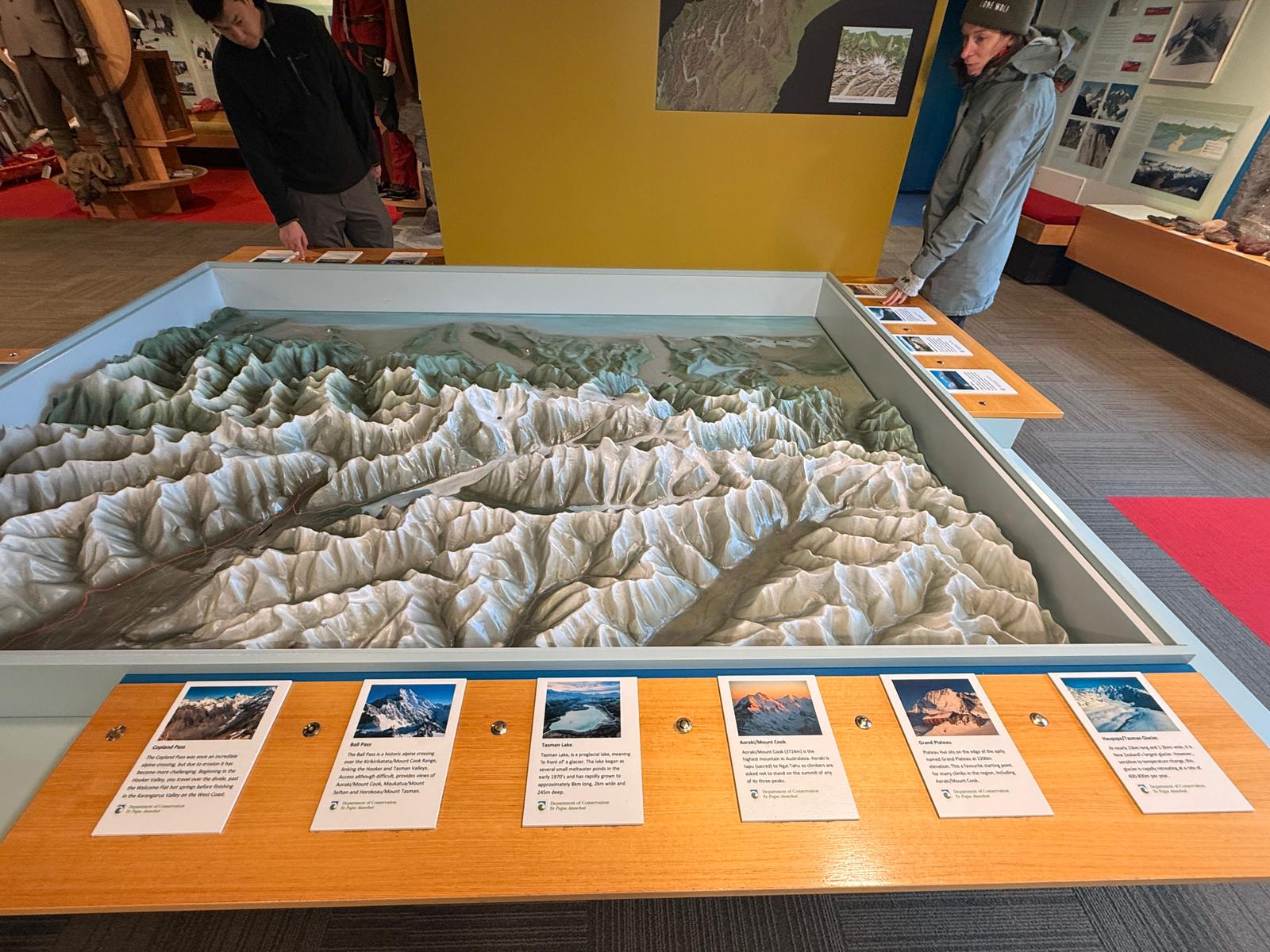
- A large 3D model maps the valleys and passes of the park. It helps you see how the Hooker, Tasman, and Godley river systems fit together and is perfect for planning your day walks.
Writer’s note
What stands out most is the silence and the scale. Walk the Hooker Valley in the late afternoon, watch the light turn pink on Aoraki, then step outside after dinner to see a sky full of stars. This is simple, honest travel that stays with you.
Practical tips
- Weather changes fast. Check the forecast and track conditions at the Visitor Centre.
- Carry water, snacks, layers, sun protection, and a charged phone.
- Drones are restricted in the national park.
- Keep to marked tracks and respect closures around the glacier lakes and rivers.
Image credits
Image credits: Photographs of posters, research boards, maps, and displays were taken inside the Aoraki Mount Cook National Park Visitor Centre. Courtesy of the Department of Conservation Te Papa Atawhai and the contributing scientists, artists, and photographers credited on site.
Photographer: Geet G, WebfitNews.
Attribution and use notice: WebfitNews photographed publicly displayed materials for news and educational reporting. Rights in the original artworks, maps, and scientific figures remain with their creators and the Department of Conservation. If you are a rightsholder and have concerns, please contact us and we will amend or remove content.