Auckland | November 1, 2025
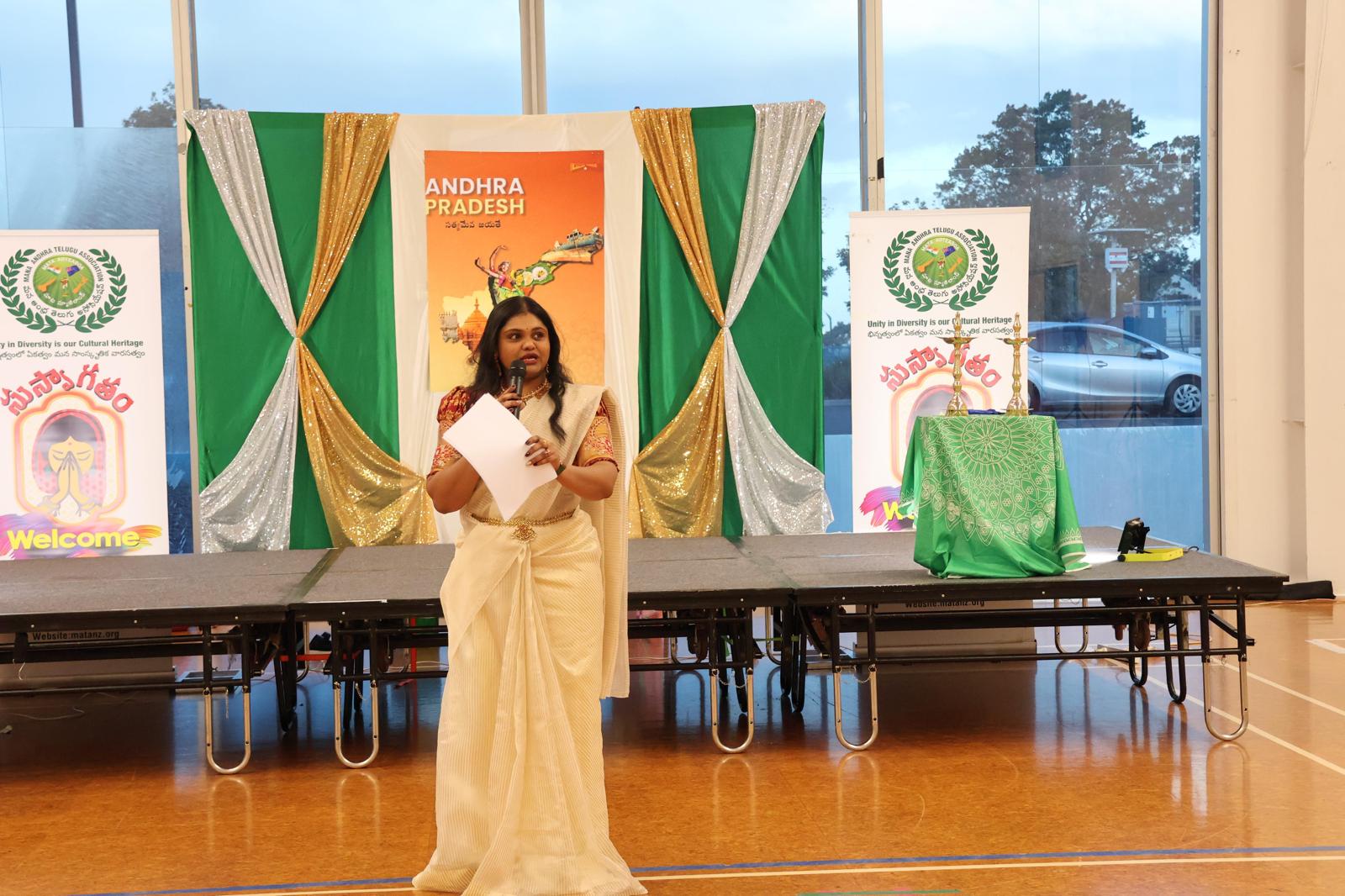
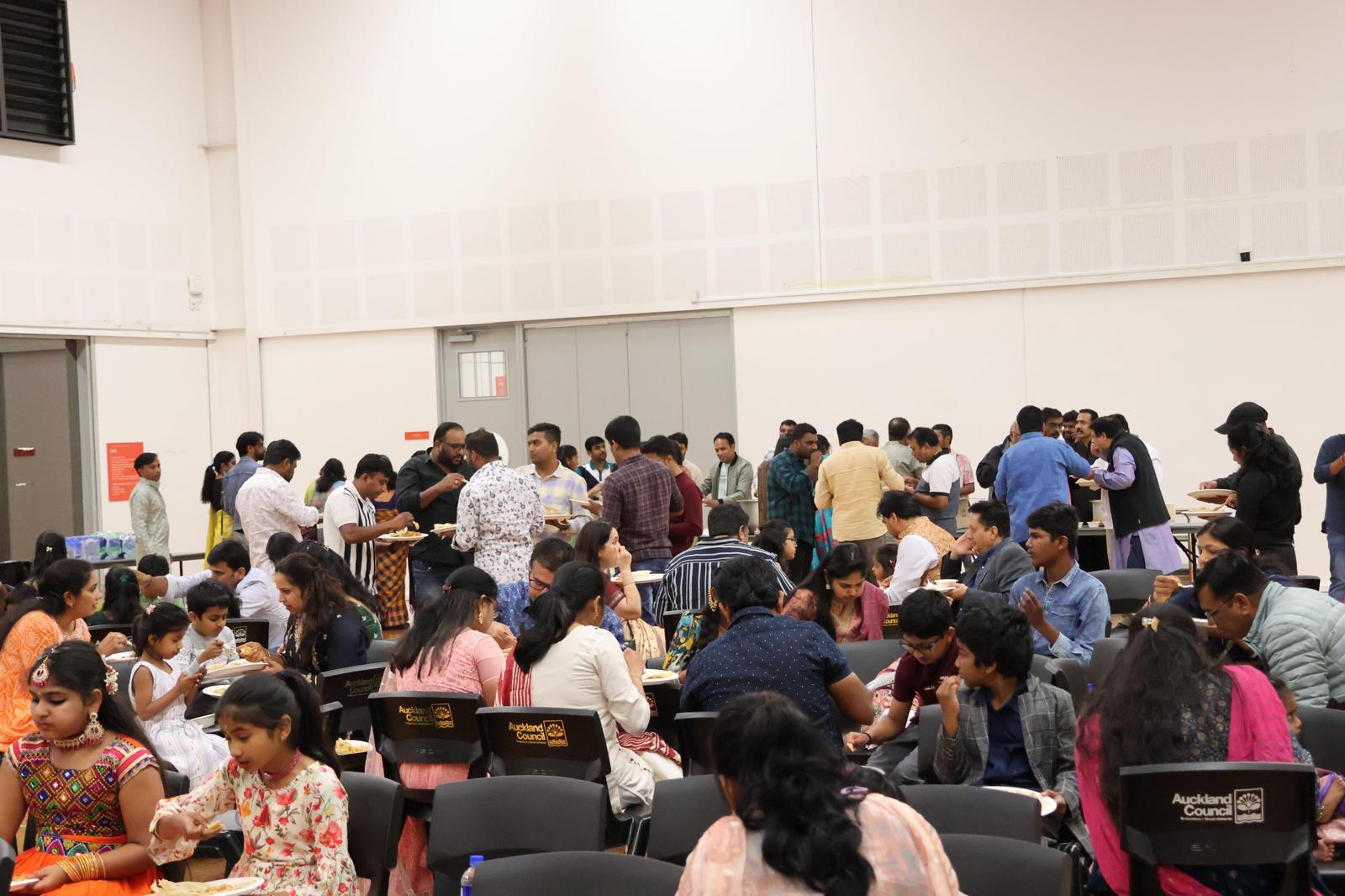
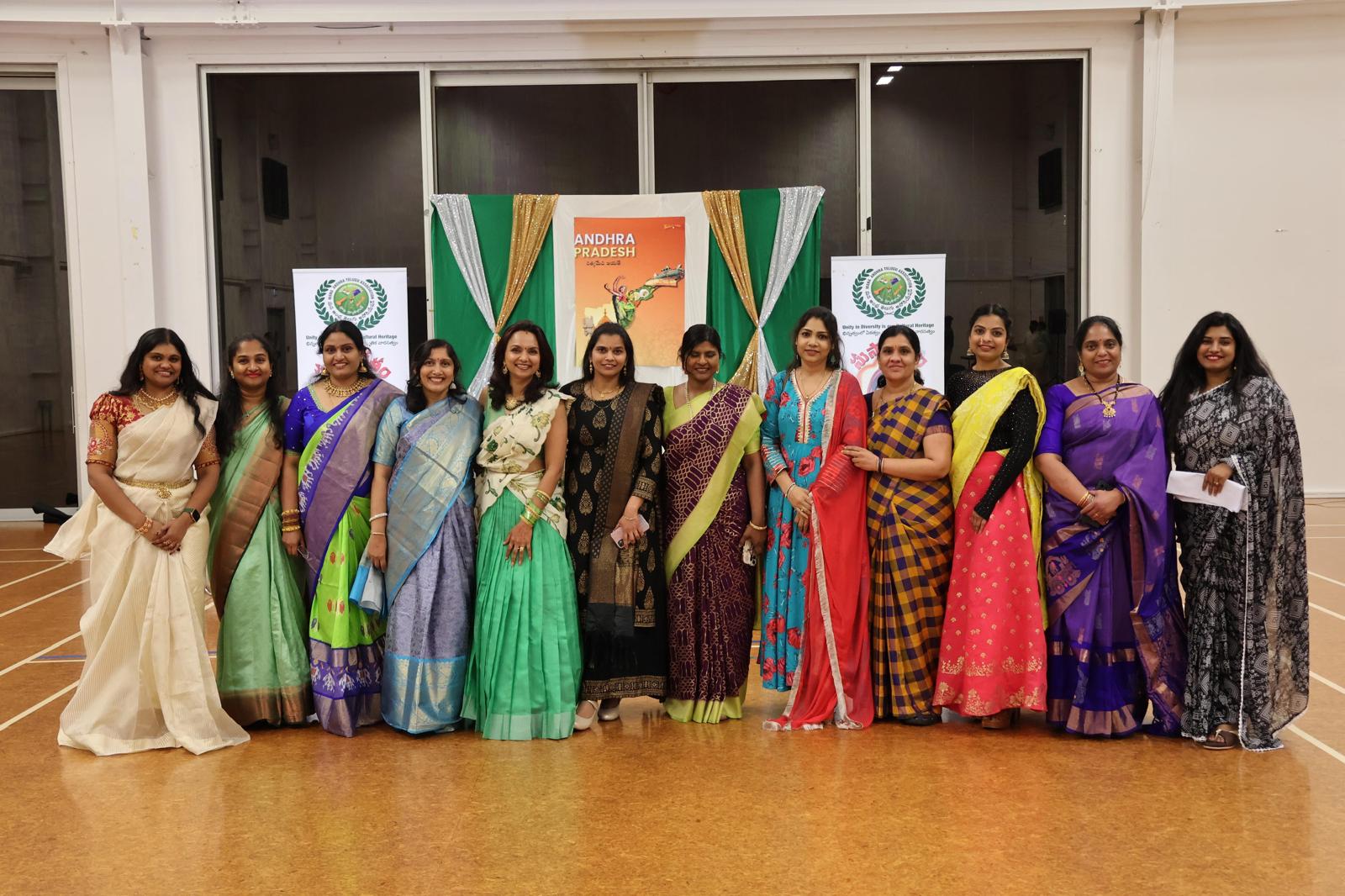
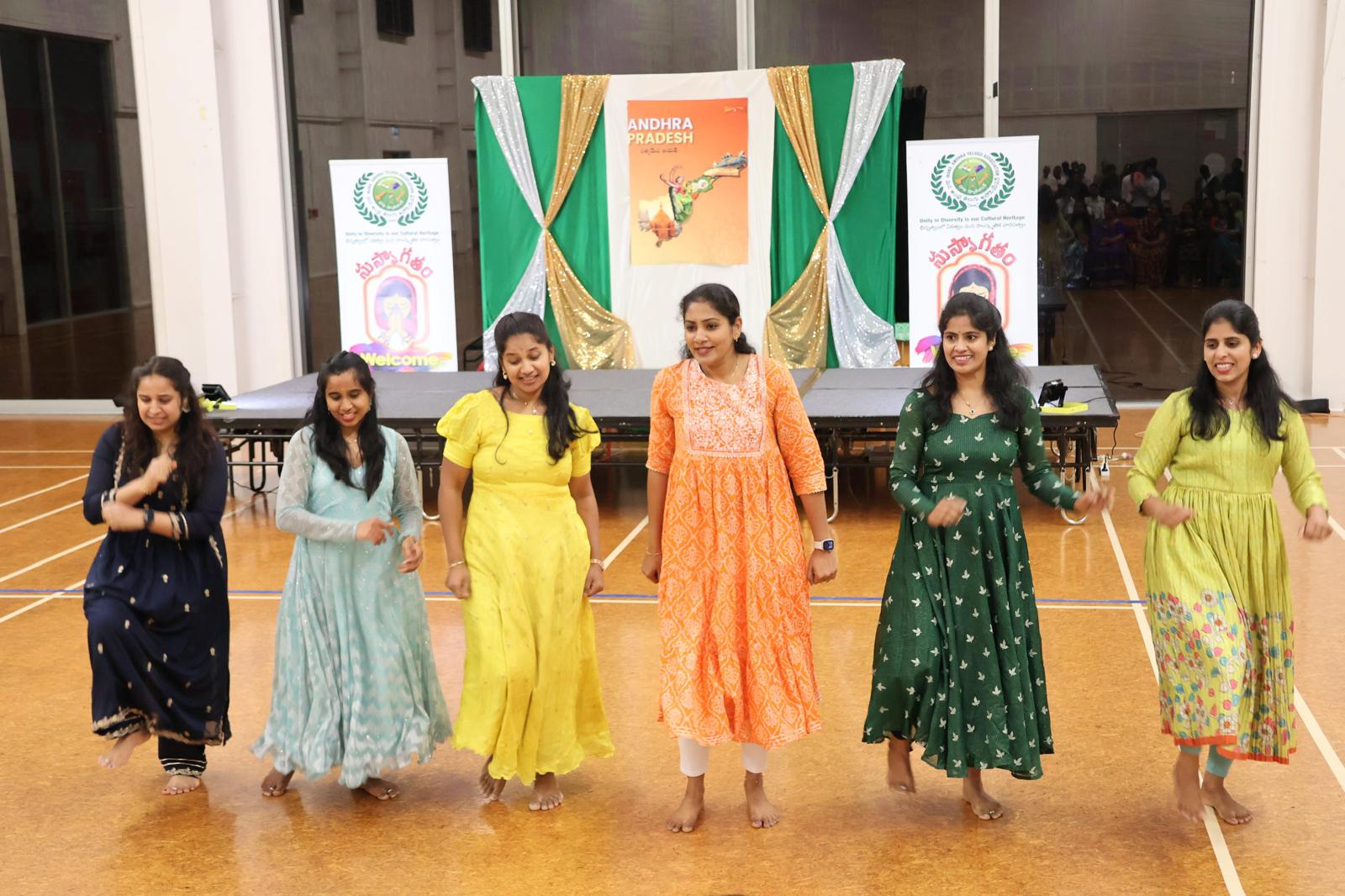
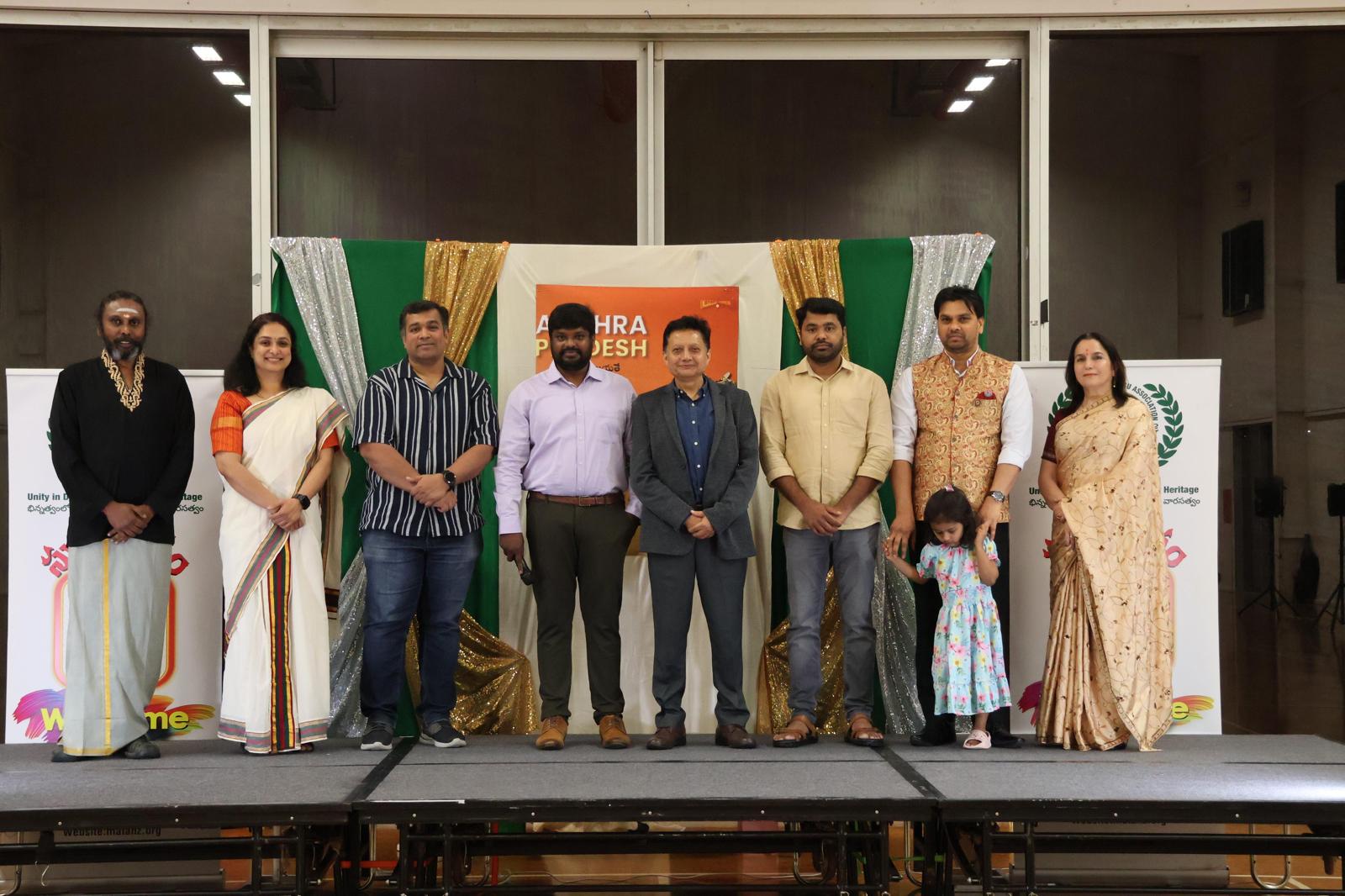
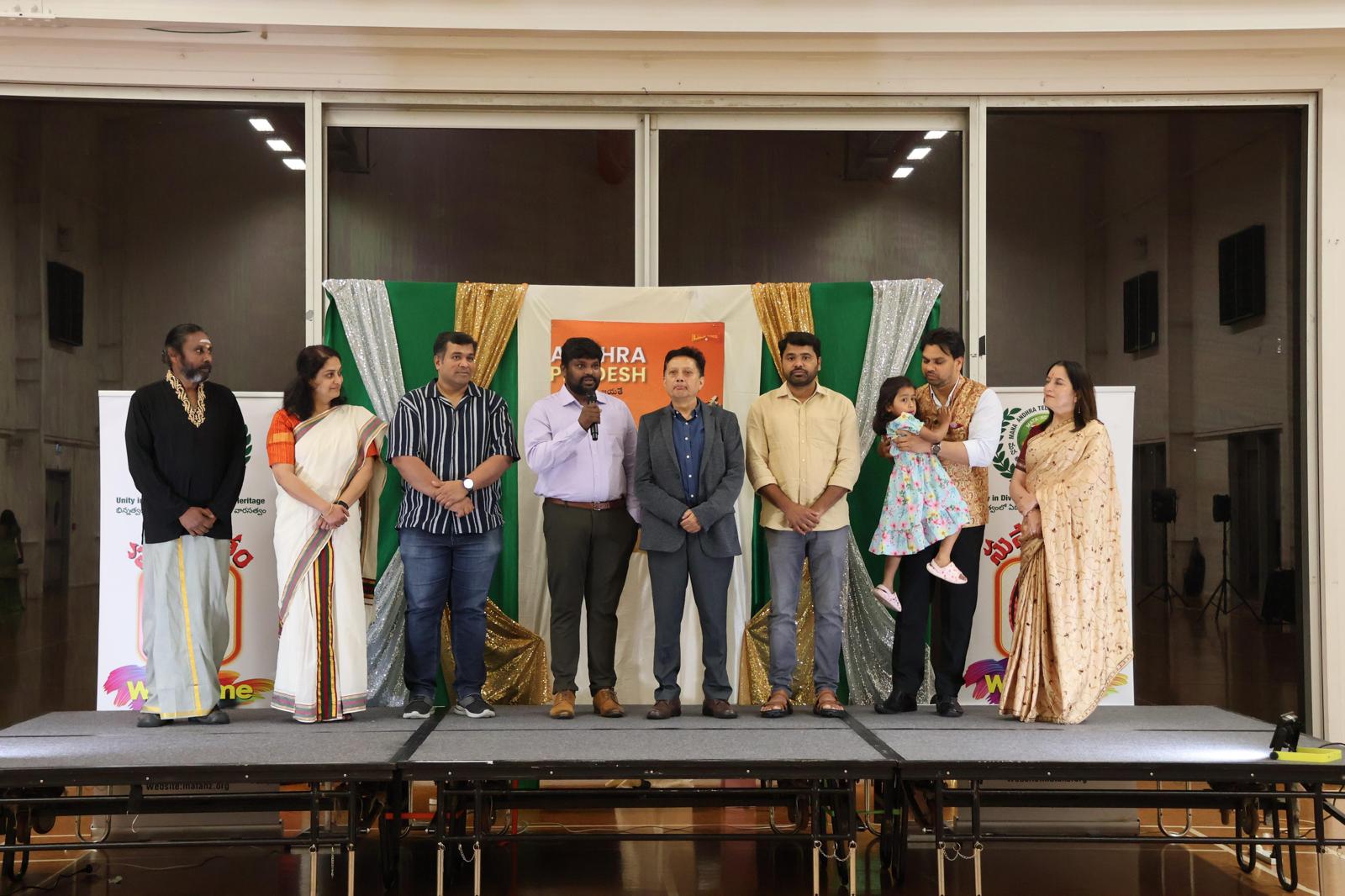
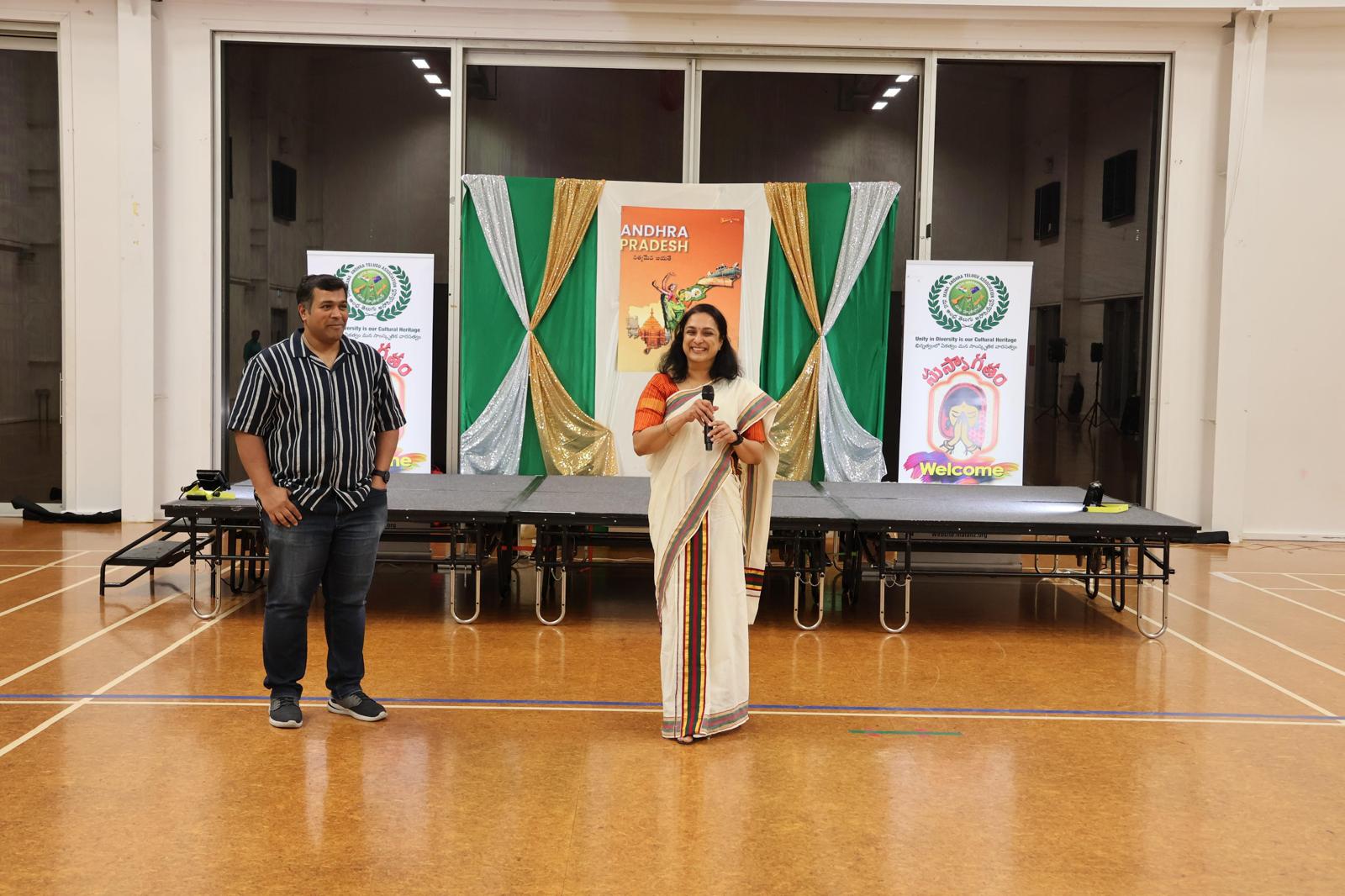
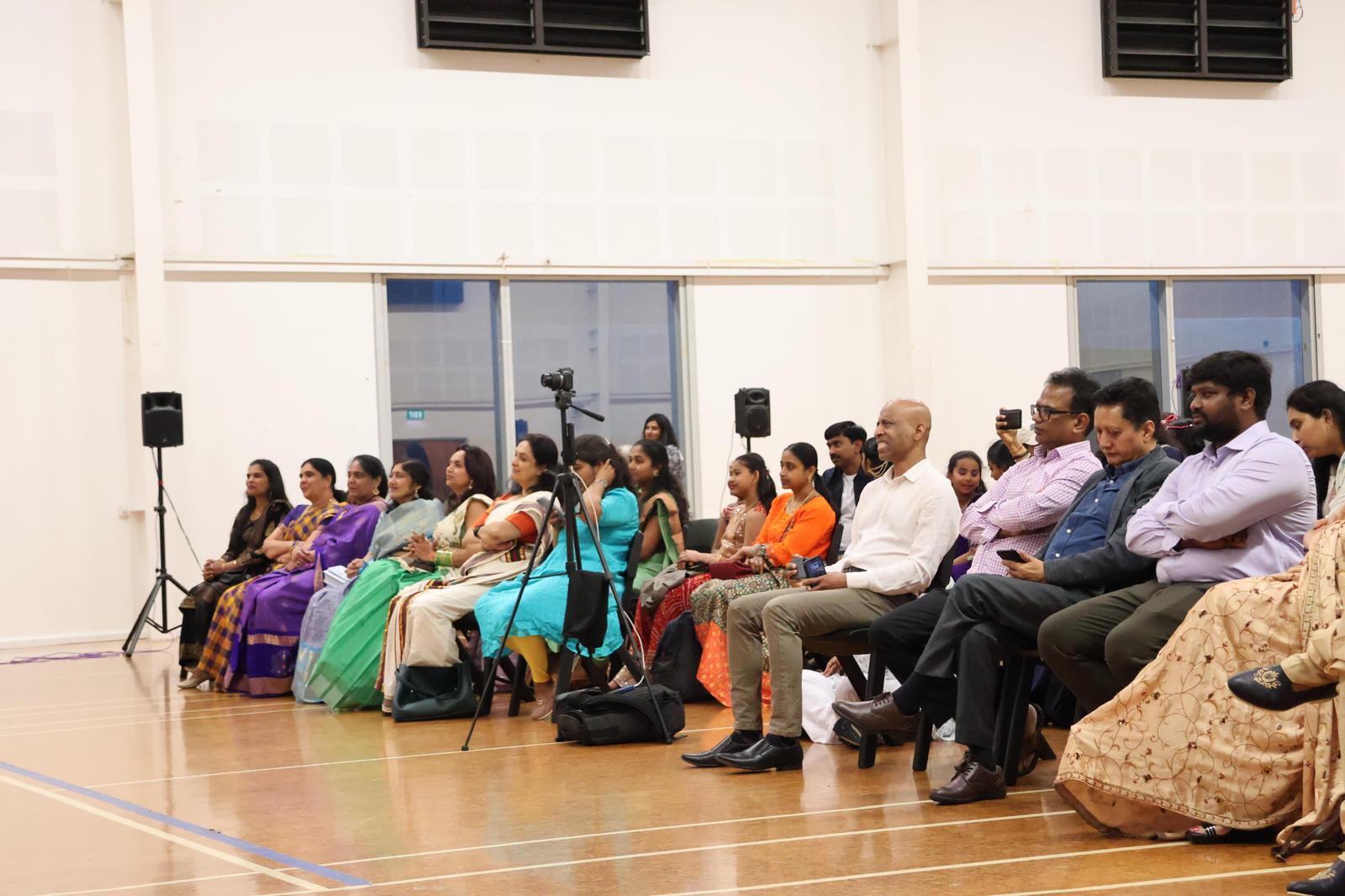
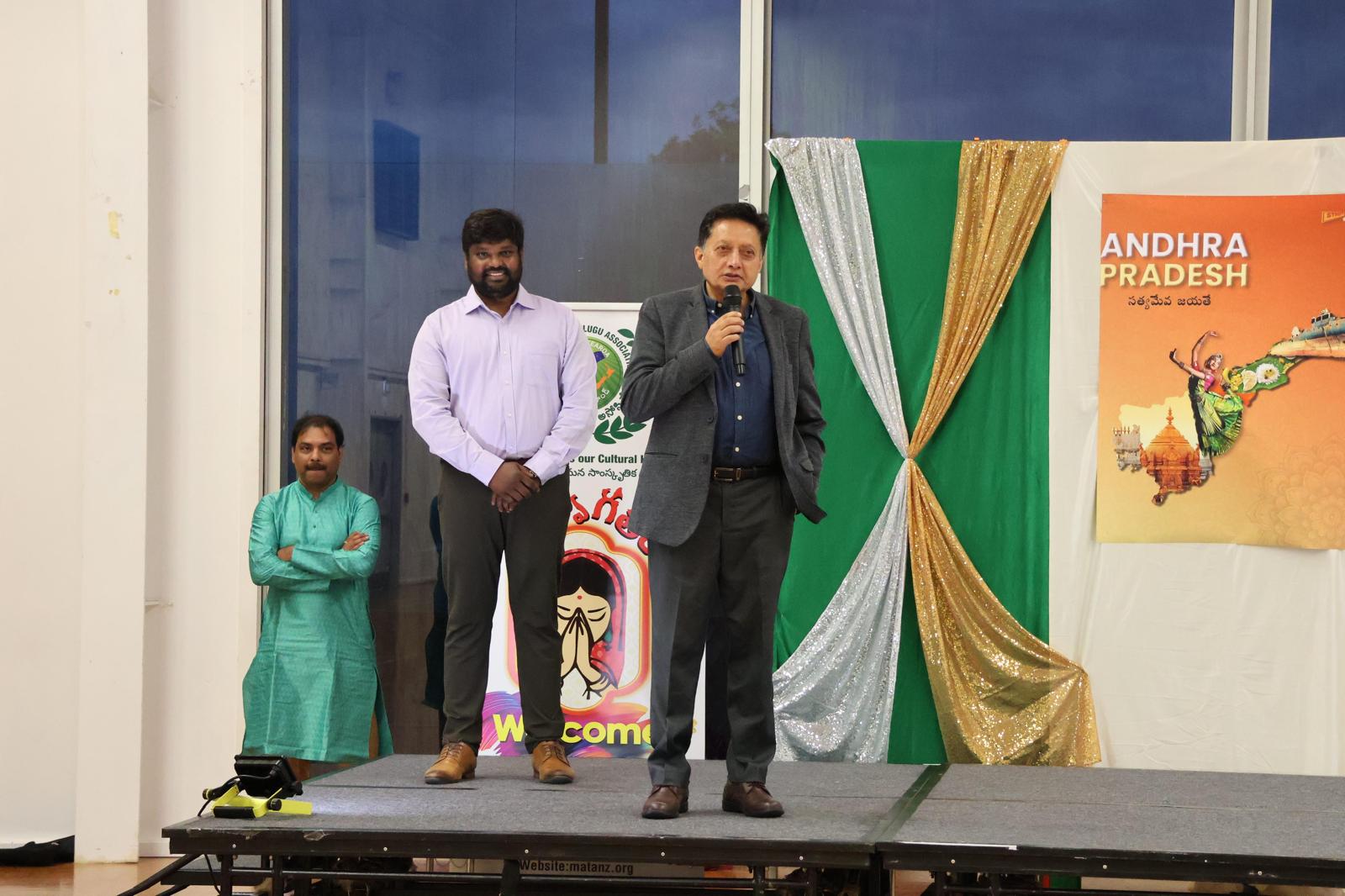
The Telugu community of Aotearoa gathered in fine spirit to mark the Formation Day of Andhra Pradesh, hosted by the Mana Andhra Telugu Association (MATA). The evening united community leaders, cultural groups, and families in a vibrant showcase of heritage, unity, and gratitude.
A Celebration of Telugu Identity
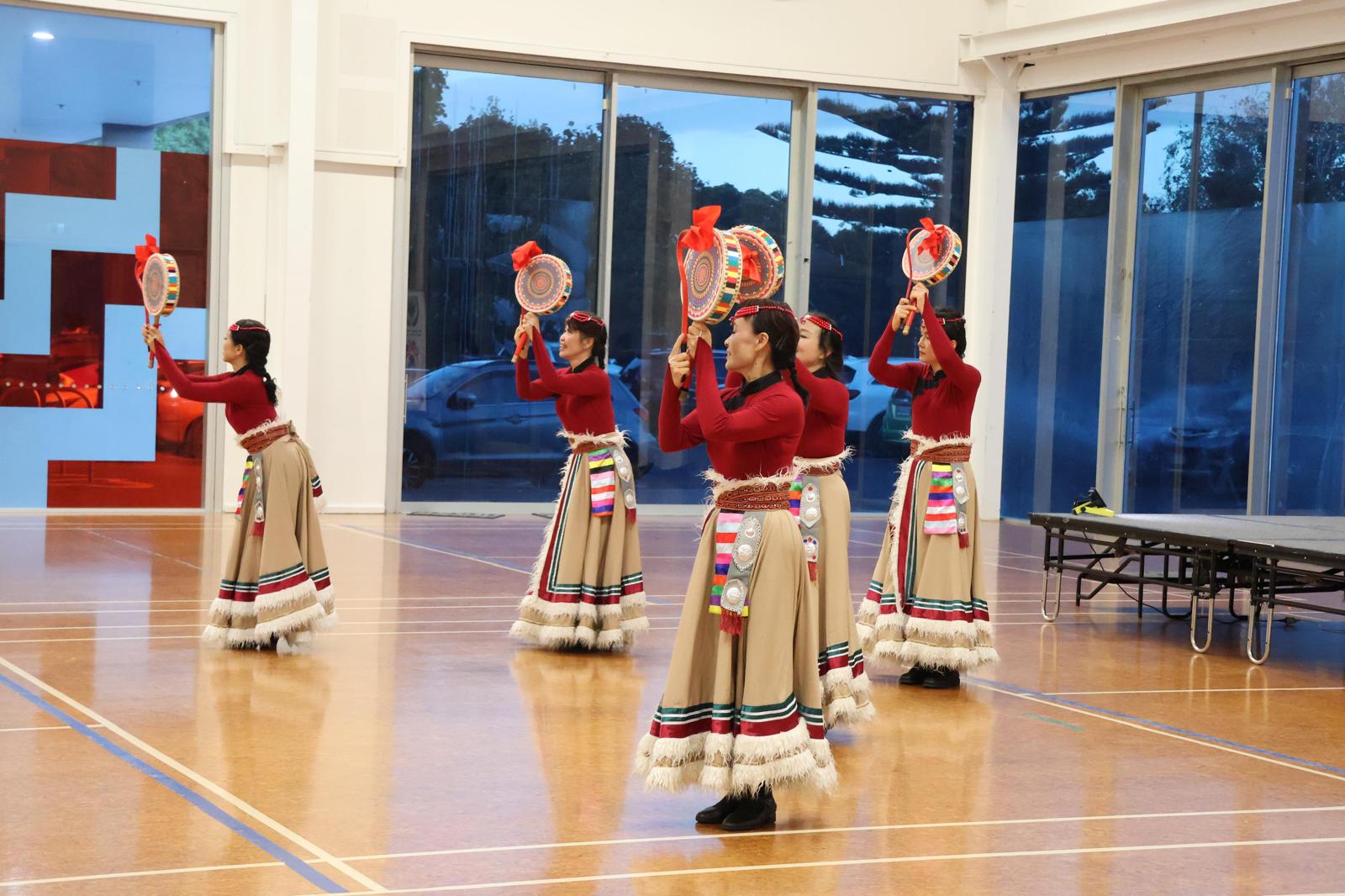
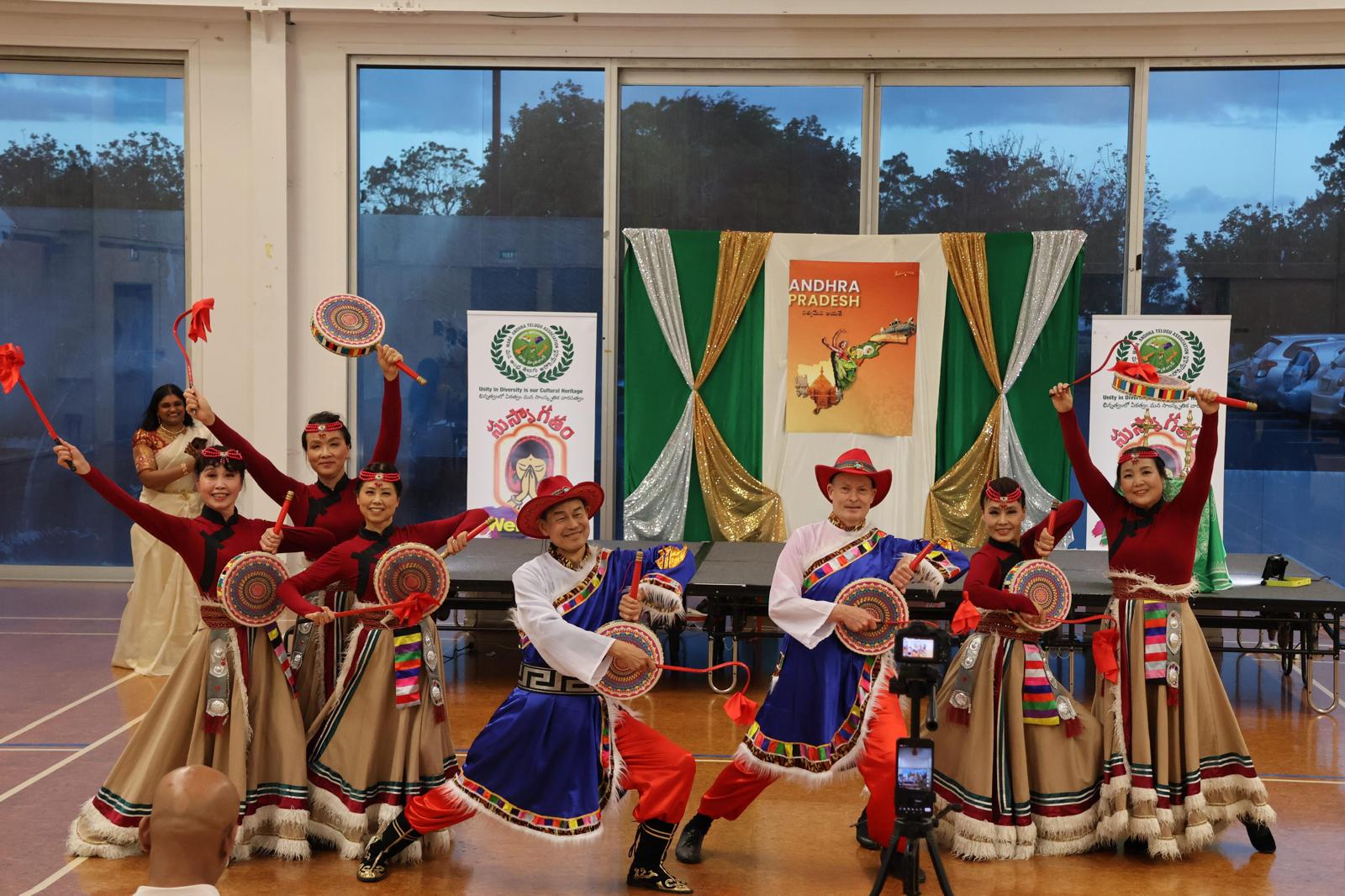
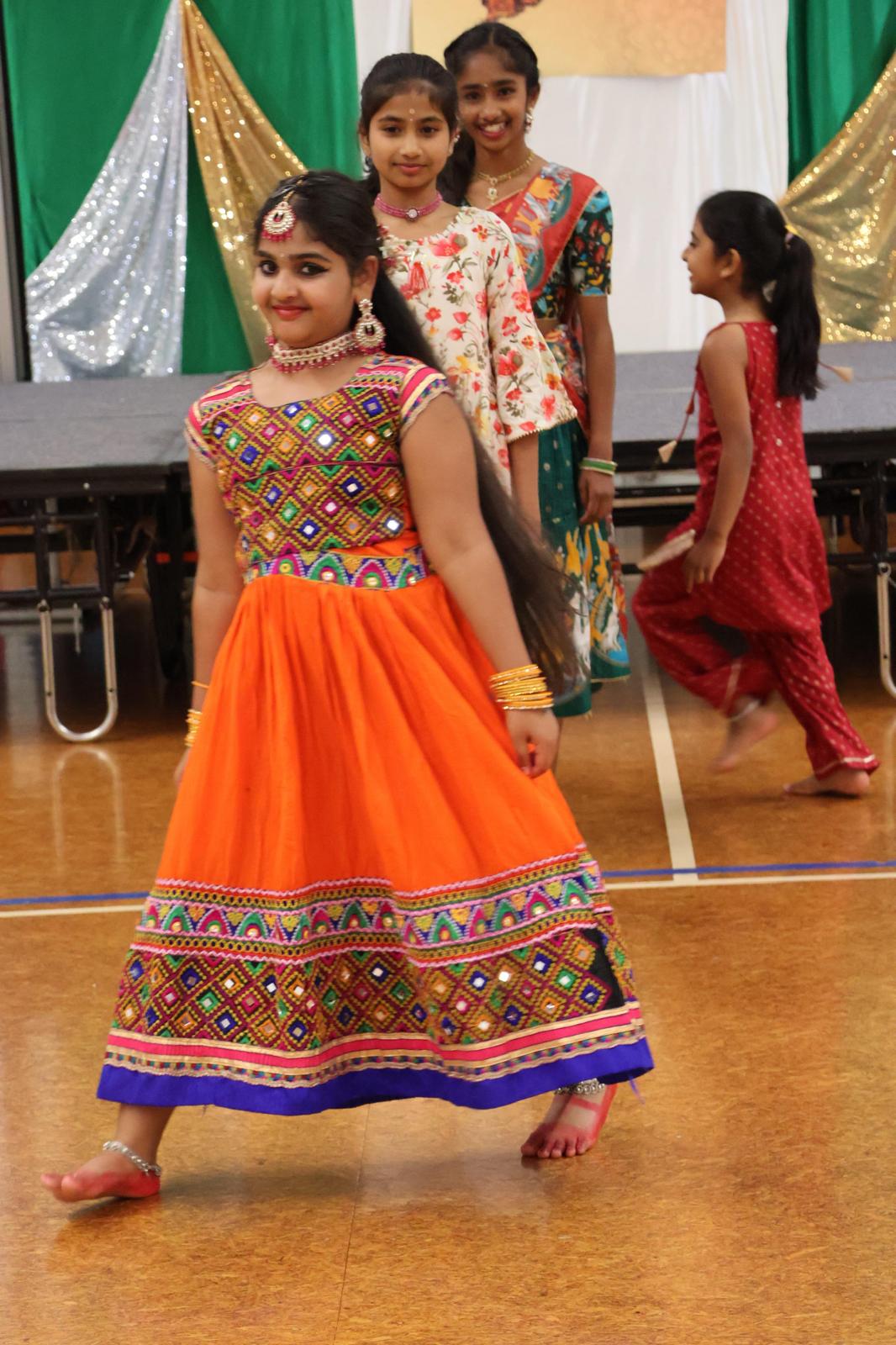
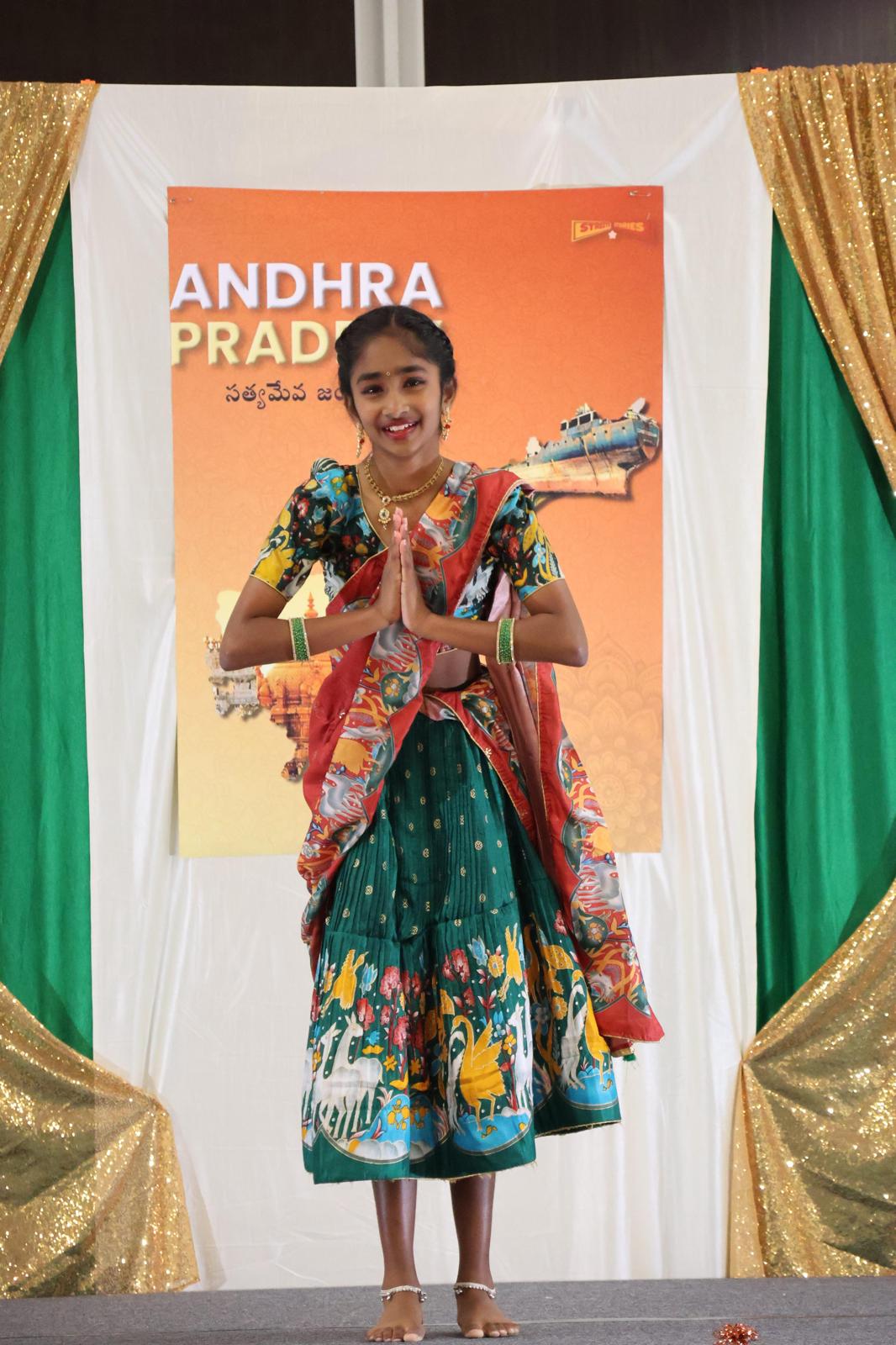
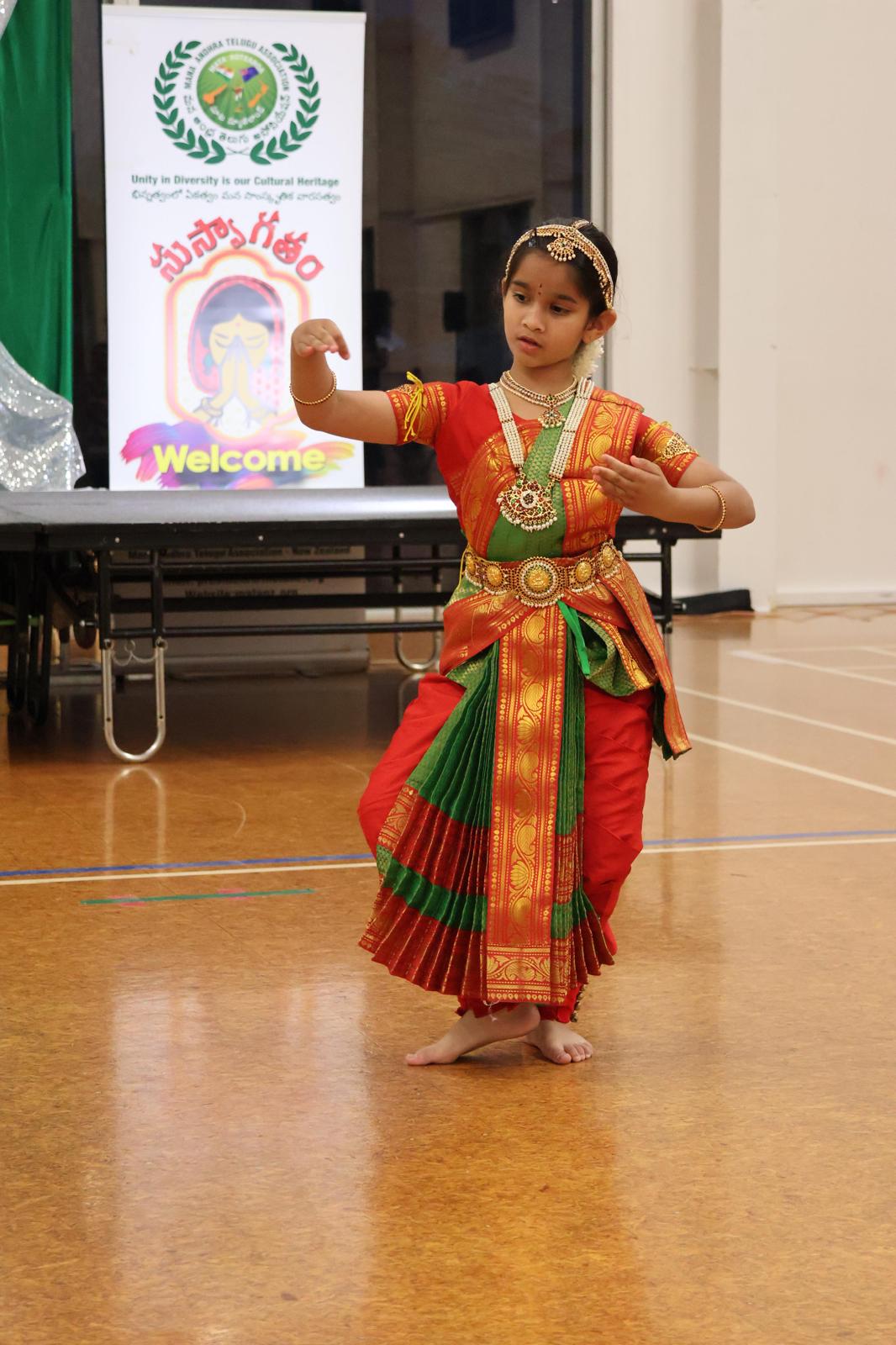
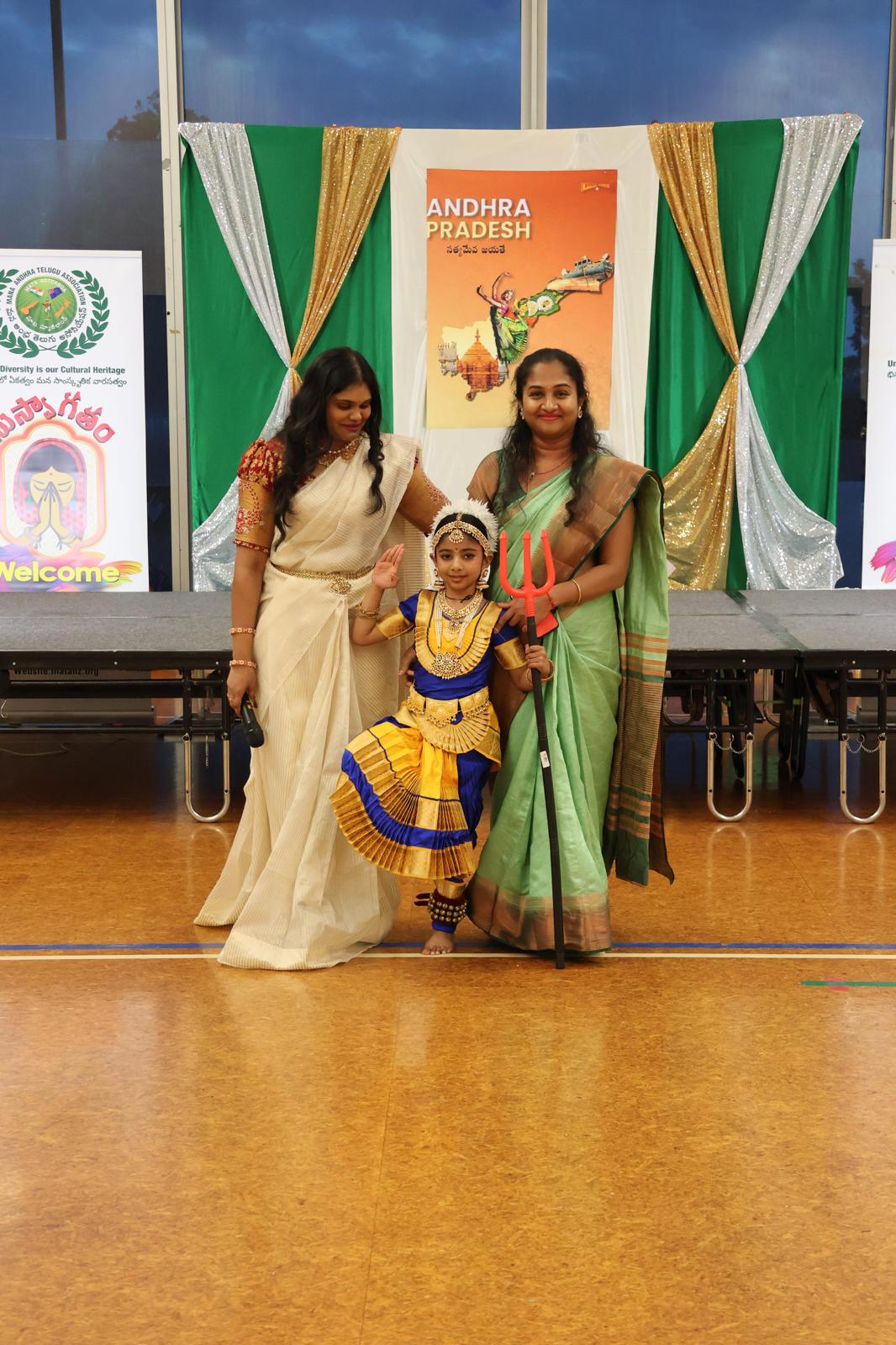
The event reflected the cultural richness of Andhra through traditional performances, heartfelt speeches, and a strong sense of belonging among Telugu-speaking New Zealanders. Dancers and singers presented classical, folk, and modern acts that highlighted the state’s deep artistic legacy and evolving cultural dynamism.
Distinguished Guests Joined the Celebration
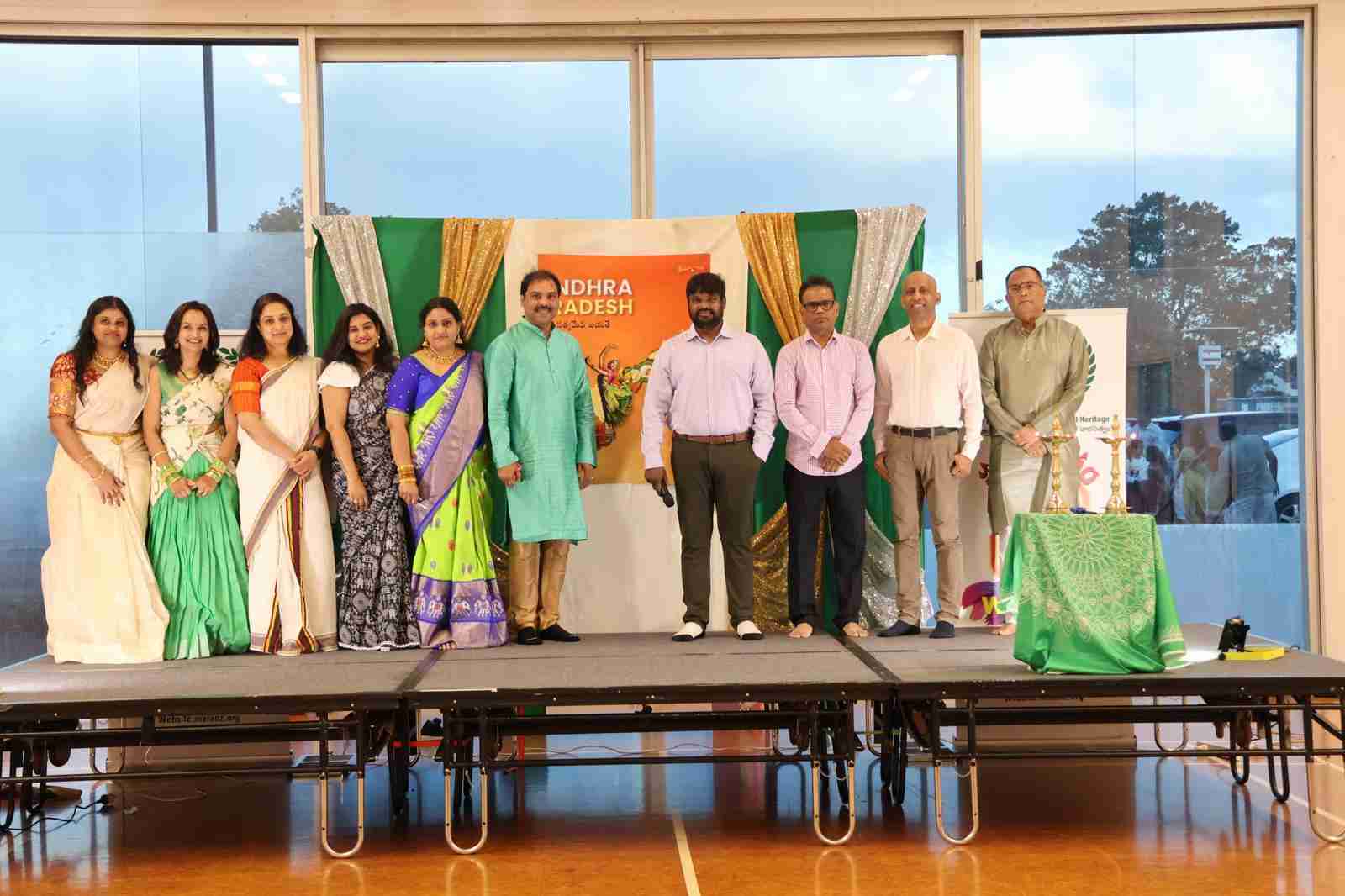
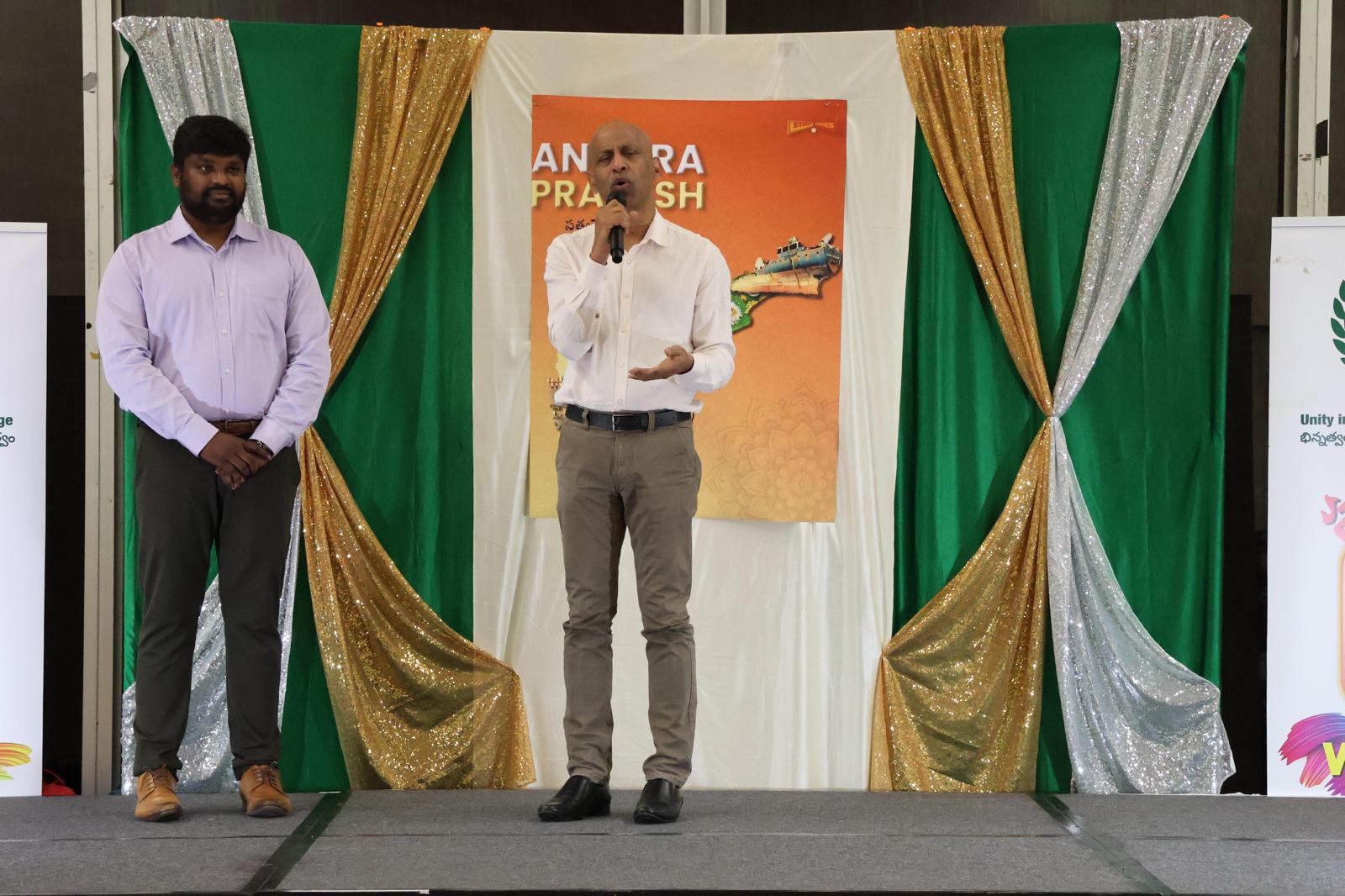
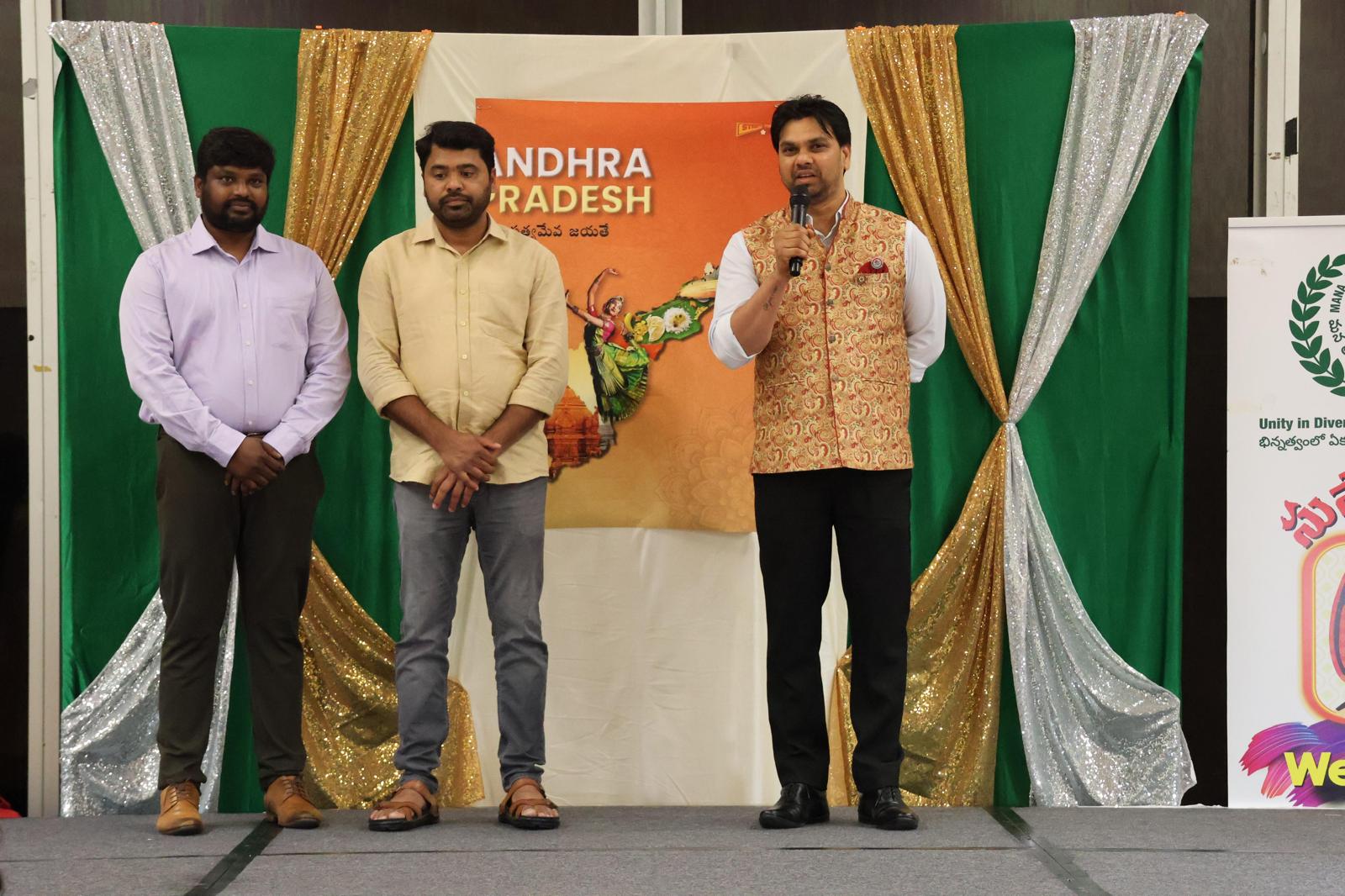
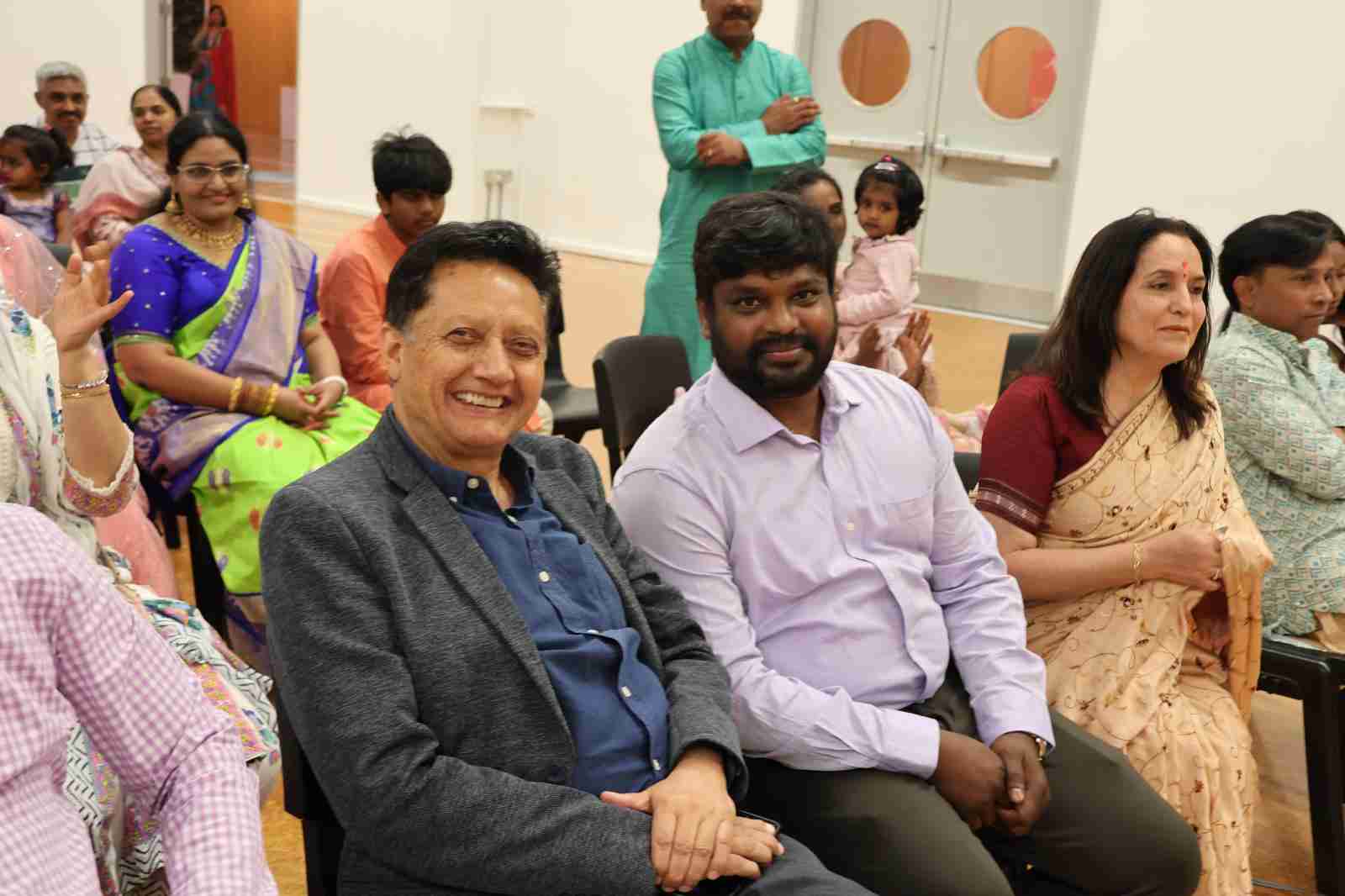
The occasion was graced by several notable guests and community leaders whose presence affirmed the collaborative spirit among New Zealand’s Indian-language associations. Among those in attendance were:
Mr Veer Khar, President – New Zealand Indian Central Association (NZICA)
Mrs Primal, President – Indian Manukau Association
Mr Arun Reddy Gone, President – New Zealand Telugu Association
Mr Chandrasekhar Koduri, President – Telangana Association of New Zealand
Mr Suhas, President – Kannada Kutami
Ms Smitha Nair, President – Organization of Hindu Malayali Association (OHM)
Mr and Mrs Ilango and Shakthi
Mr Bala Beeram, Scientist and Community Leader
Mr Suneel Kuncha, Community Leader
Mr Narendra Reddy Patlola, Community Leader
Mr Dharmendar, Community Leader
Their participation reinforced the message of unity among India’s linguistic communities and the collaborative ethos of Auckland’s multicultural landscape.
Cultural Highlights and Community Support
Audiences were treated to an engaging line-up of dance, music, and traditional arts that showcased the depth of Andhra culture. The energy and enthusiasm of the performers transformed the evening into a festival of togetherness and cultural pride.
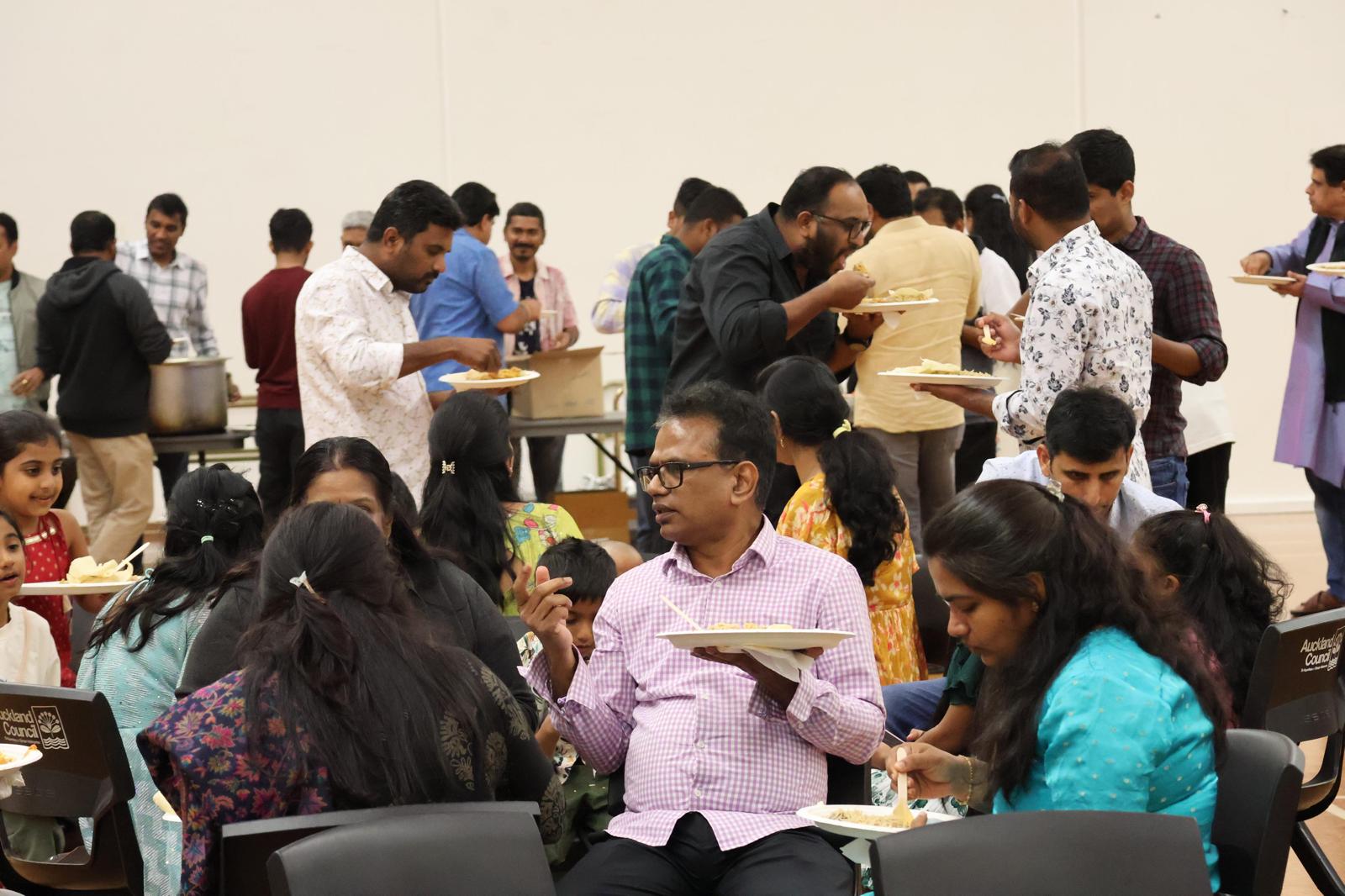
A special mention was made of the support from the local business community: Idly Sambar (Satya) sponsored a delicious South Indian dinner, which brought guests together over authentic cuisine, symbolic of the hospitality and shared spirit of giving that underpin MATA’s community events.
Behind the scenes, the success of the celebration was driven by the tireless efforts of the MATA committee and volunteers, whose planning and coordination ensured every aspect, from stage design to logistics, ran smoothly. Their teamwork reflected the values of service and collective pride that continue to sustain the Telugu diaspora in New Zealand.
Looking Ahead
As MATA marks another milestone in preserving Telugu heritage abroad, the event underscored how cultural associations continue to strengthen the fabric of New Zealand’s Indian diaspora. With active participation from multiple community groups and organizations, the celebrations reinforced a shared message of unity in diversity.
The Rich Culture of Andhra Pradesh
Located in the southeastern part of India, Andhra Pradesh is home to a vibrant cultural heritage shaped over millennia by dynasties, trade, religion, and art. Below are some of the key elements of this cultural richness.
Language and Literary Tradition
The official language of Andhra Pradesh is Telugu, one of India’s classical languages, with a rich literary tradition stretching back centuries. Its literature, poetry, and prose form a core part of the state’s identity and link the diaspora to their roots.
Performing Arts – Dance and Music
Classical dance and music thrive in the state. The celebrated classical dance form Kuchipudi originated here, known for its dramatic storytelling and expressive movement. Folk and ritual dances like Veeranatyam, the “dance of the brave,” are steeped in temple ritual and devotion. Andhra Pradesh has also made significant contributions to Carnatic classical music, enhancing the richness of its performing-arts profile.
Handicrafts, Textiles, and Visual Arts
The state’s craft traditions are exceptional. The textile art form Kalamkari, known for hand-painted and block-printed designs, has two main styles registered as Geographical Indications. Wood carving, such as the toys from Etikoppaka, brass and stone sculpture, and traditional weaves like Uppada and Mangalagiri sarees, all reflect the artistic dexterity of the region.
Festivals and Rituals
Andhra’s festival calendar is vibrant and diverse. Major celebrations include Ugadi (Telugu New Year), Makar Sankranti or Pongal (harvest festival), Dasara, and Deepavali (Festival of Lights). These festivals bring communities together, combining ritual, music, dance, feasting, and a strong communal spirit.
Cuisine
The cuisine of Andhra is famous for its bold flavors and spices. Staples such as rice, lentils, pickles, and chutneys dominate the diet, while coastal areas bring fresh seafood to the table. Iconic dishes include gongura chutney made from sorrel leaves and tamarind rice known as pulihora.
Architecture, Temples, and Heritage Sites
The state’s ancient past is evident in its architecture and monuments. From the Buddhist relics of Amaravati to the temples of Srisailam and Simhachalam, Andhra’s built heritage reflects centuries of religious and cultural continuity.
Social Fabric and Diversity
Andhra is home to people of many faiths and communities. Hinduism is predominant, but significant Muslim, Christian, and tribal populations contribute to a multi-layered social fabric. Agriculture has long been the backbone of the economy, shaping diet, festivals, and rural life.
Why This Matters for Diaspora Celebrations
For the Telugu community in Auckland and elsewhere, celebrating the Formation Day of Andhra Pradesh is more than a date on the calendar. It is a reaffirmation of cultural roots, collective memory, and inter-generational identity. When associations such as MATA bring together community members, cultural performances, and shared meals, they recreate in miniature the richness of Andhra’s cultural landscape. By including dance, music, crafts, cuisine, and language, these events do not merely entertain – they preserve heritage for future generations.
Summary
Andhra Pradesh’s cultural heritage is multi-faceted and deeply rooted. Its language (Telugu), performing arts (Kuchipudi, Veeranatyam), textile and handicraft traditions (Kalamkari, Etikoppaka carvings), vibrant festivals (Ugadi, Sankranti, Dasara, Deepavali), bold cuisine (gongura, tamarind rice, seafood), and ancient architecture together form a cultural profile that reaches far beyond state boundaries. For New Zealand’s Telugu community, the Formation Day celebration becomes a platform to recall, revive, and share these traditions in a global context.