AUCKLAND, 20 July 2026
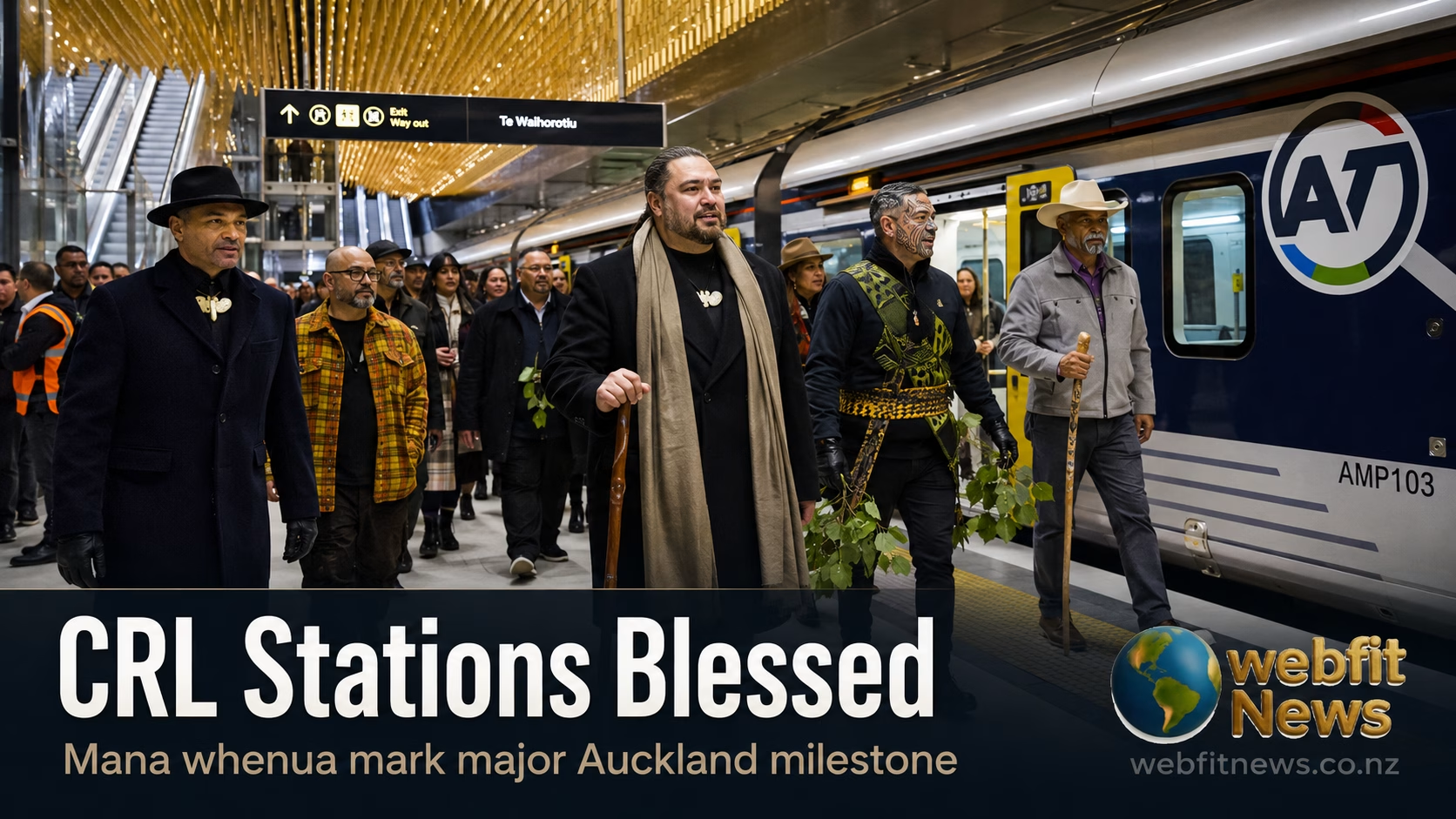
Auckland’s new City Rail Link stations have received a formal blessing from mana whenua, marking an important cultural and operational milestone as the multibillion-dollar transport project enters its final readiness phase.
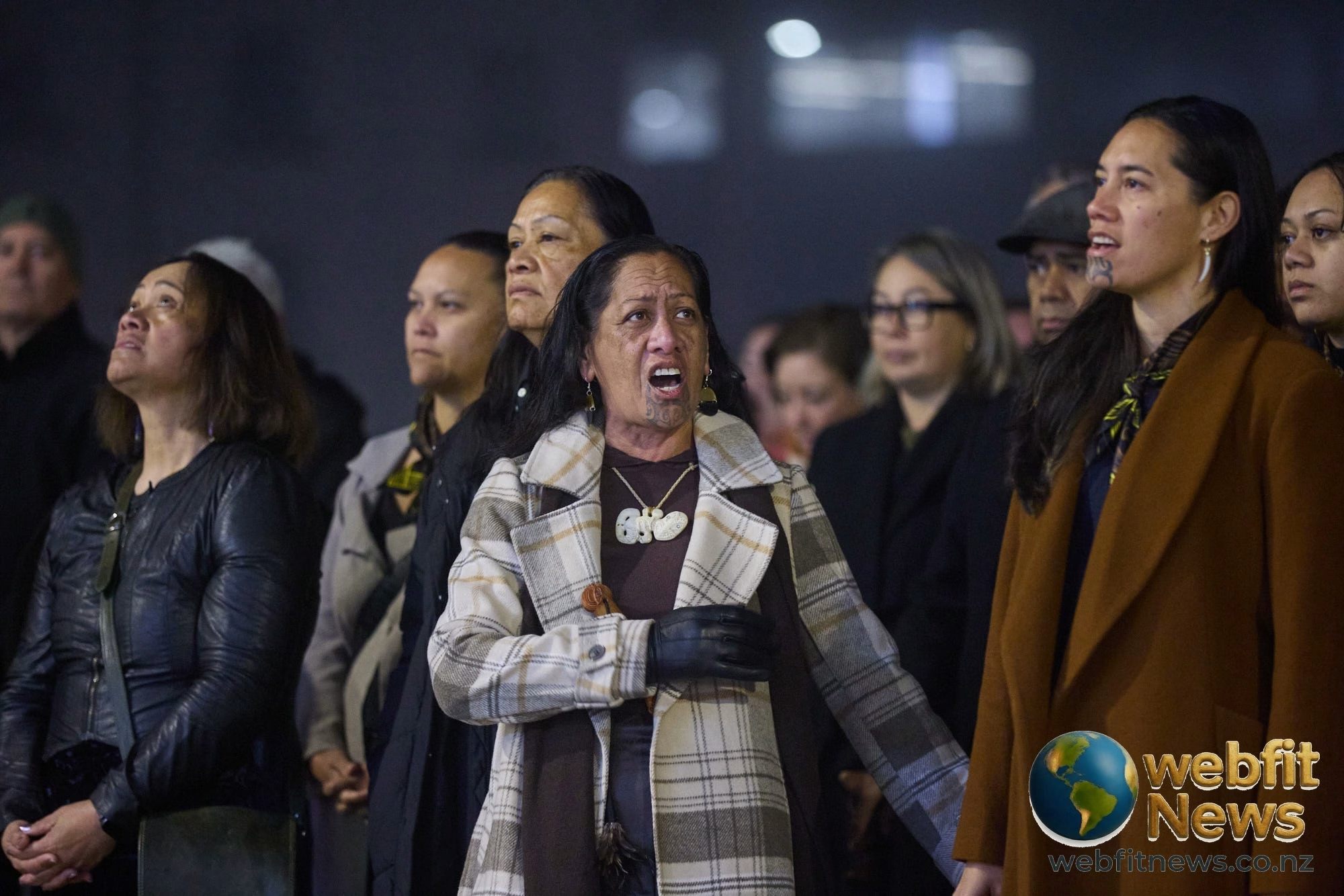
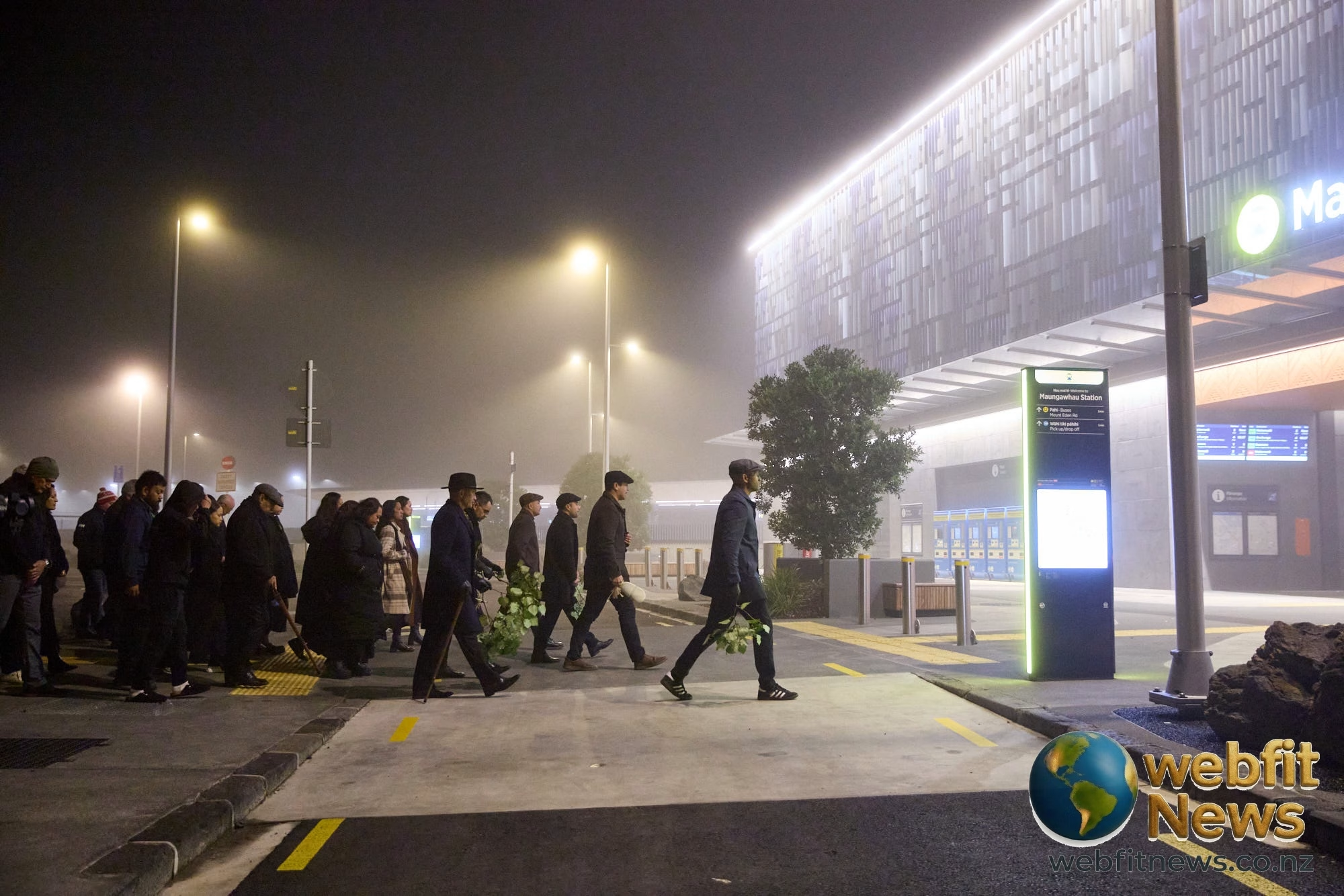
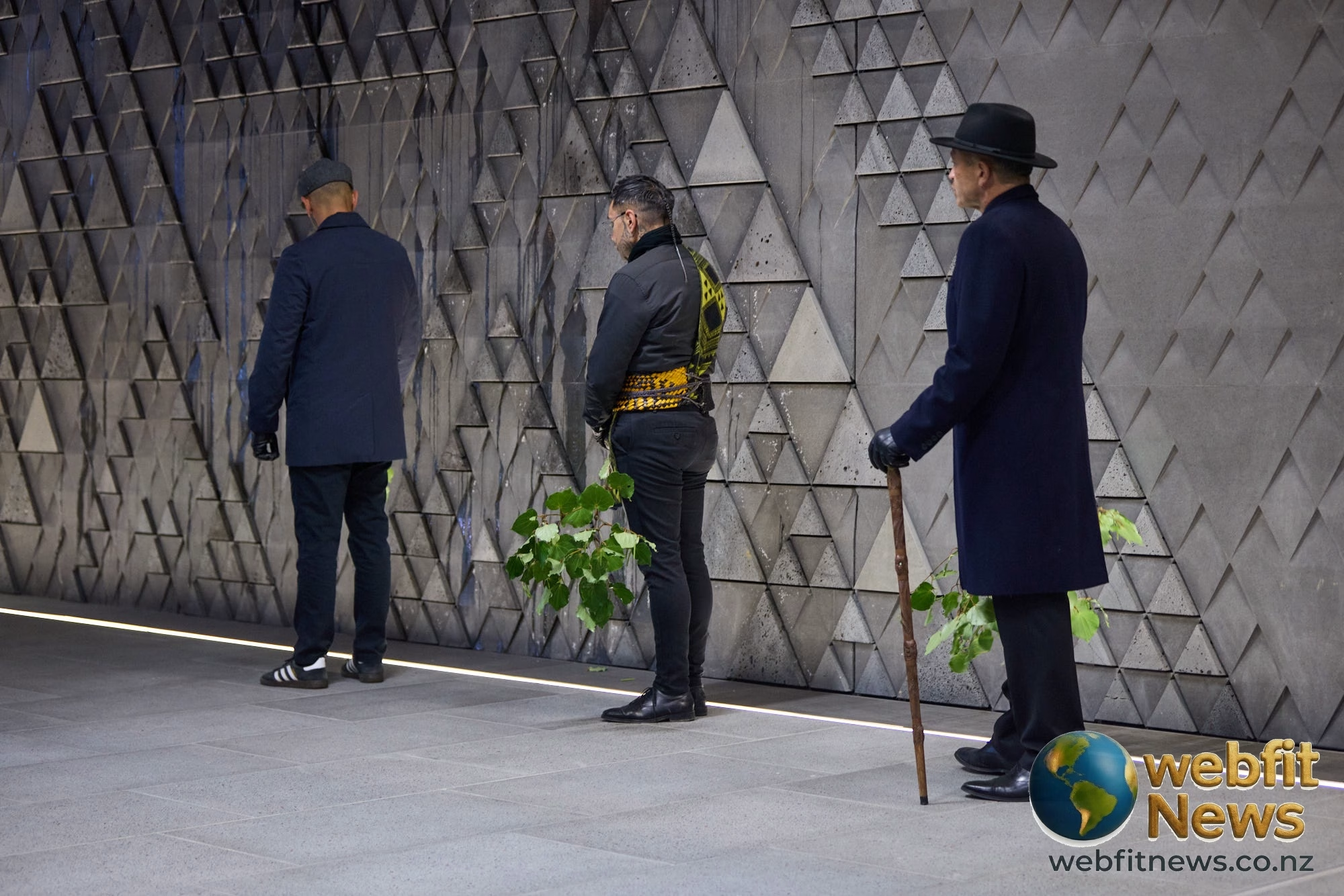
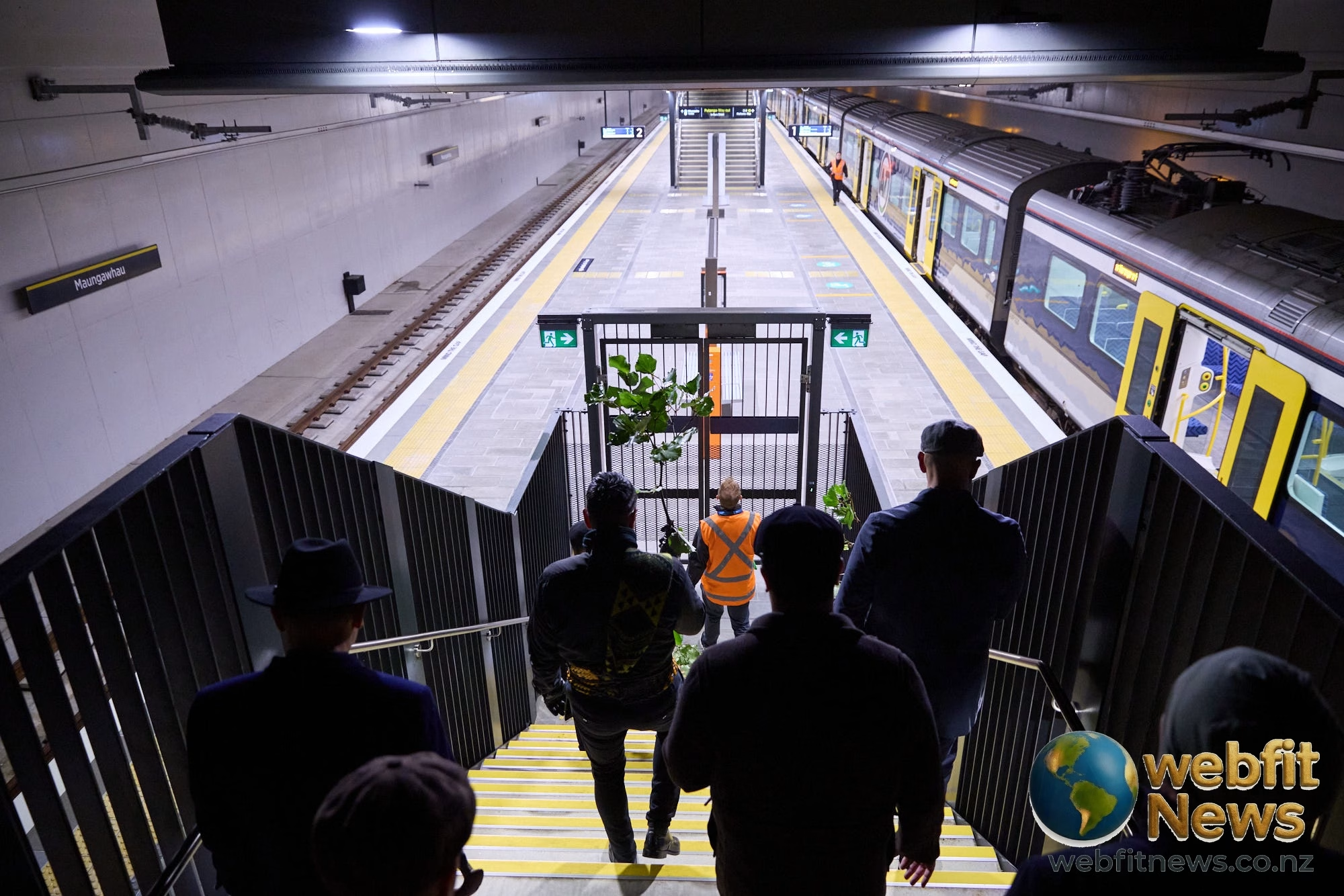
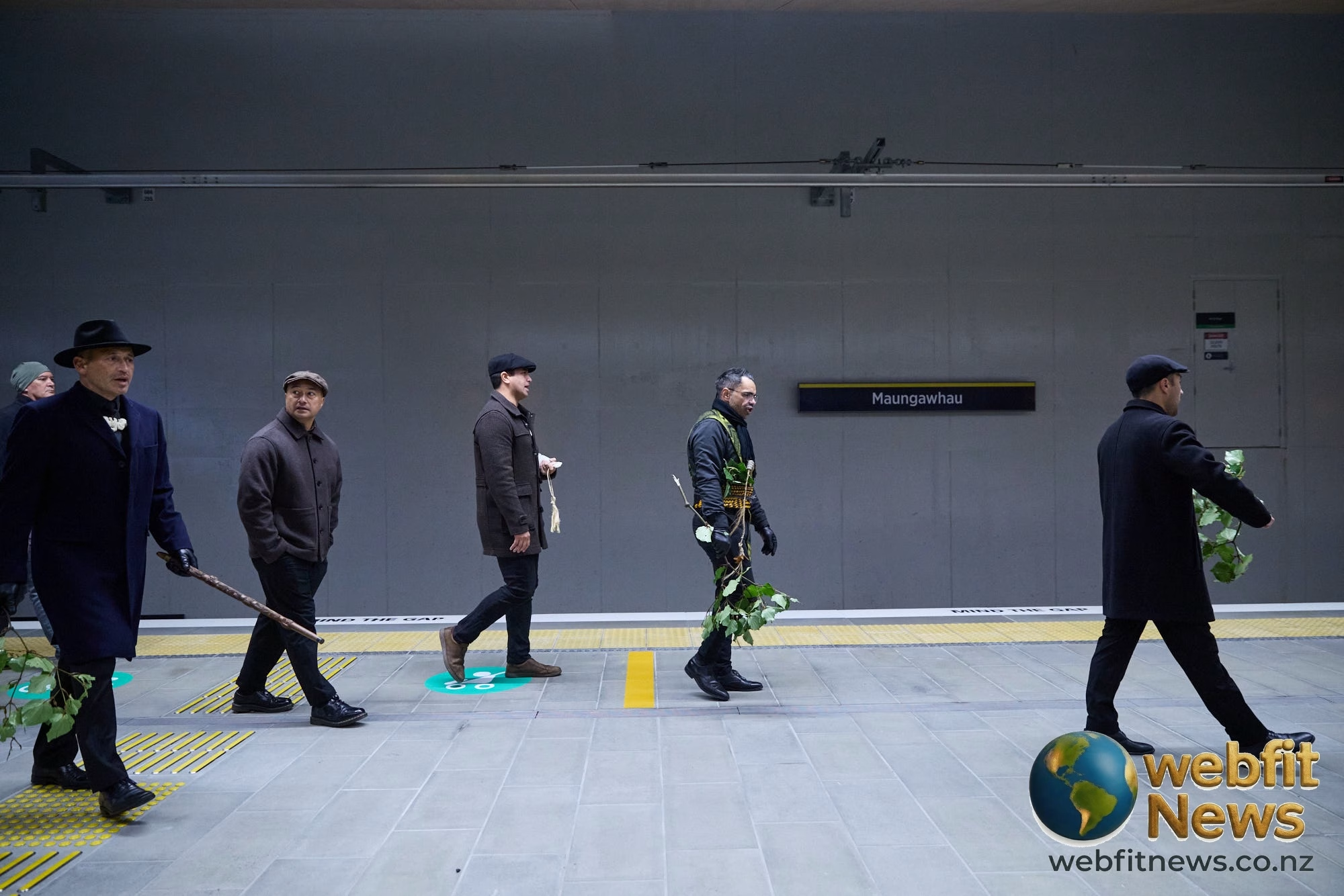
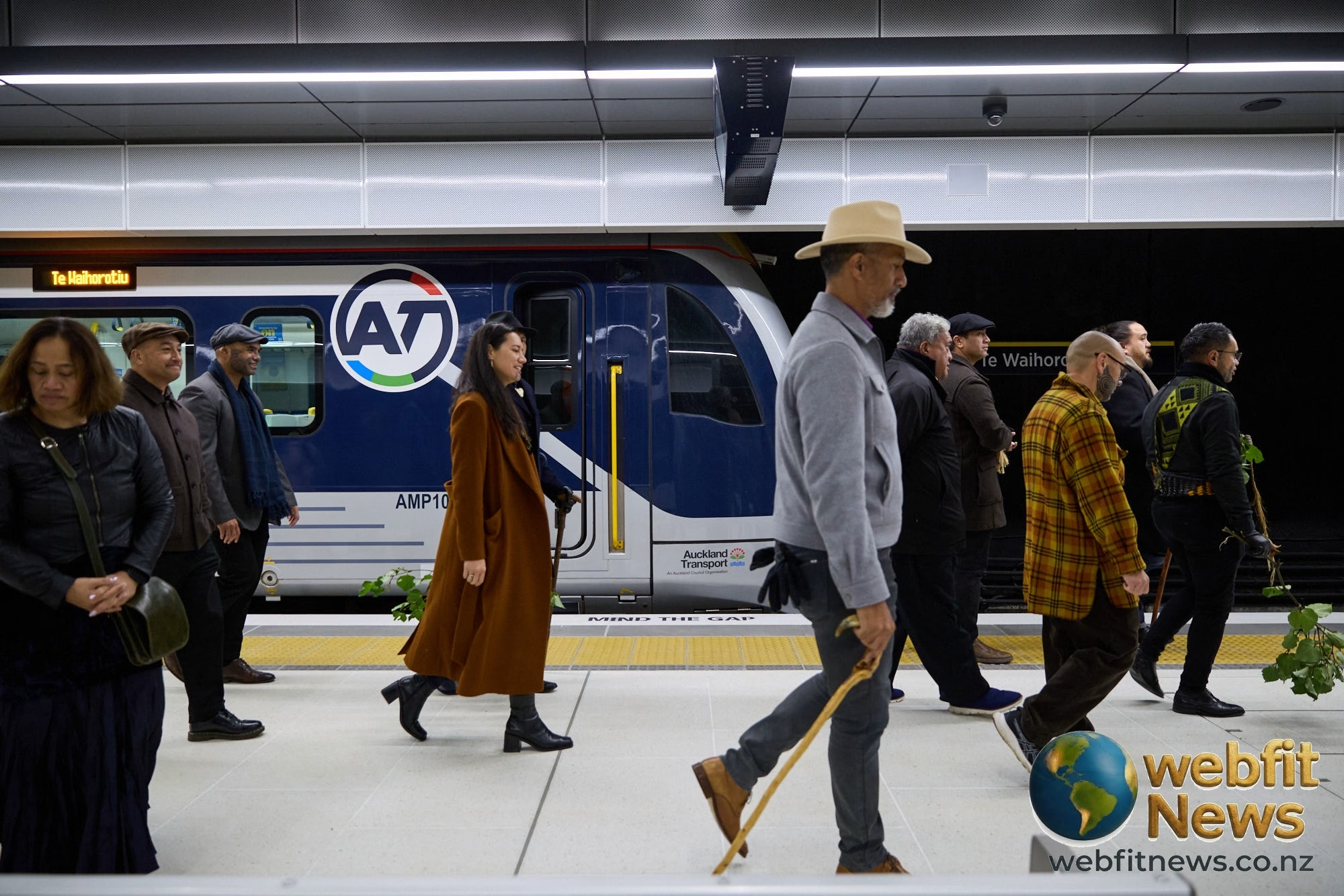
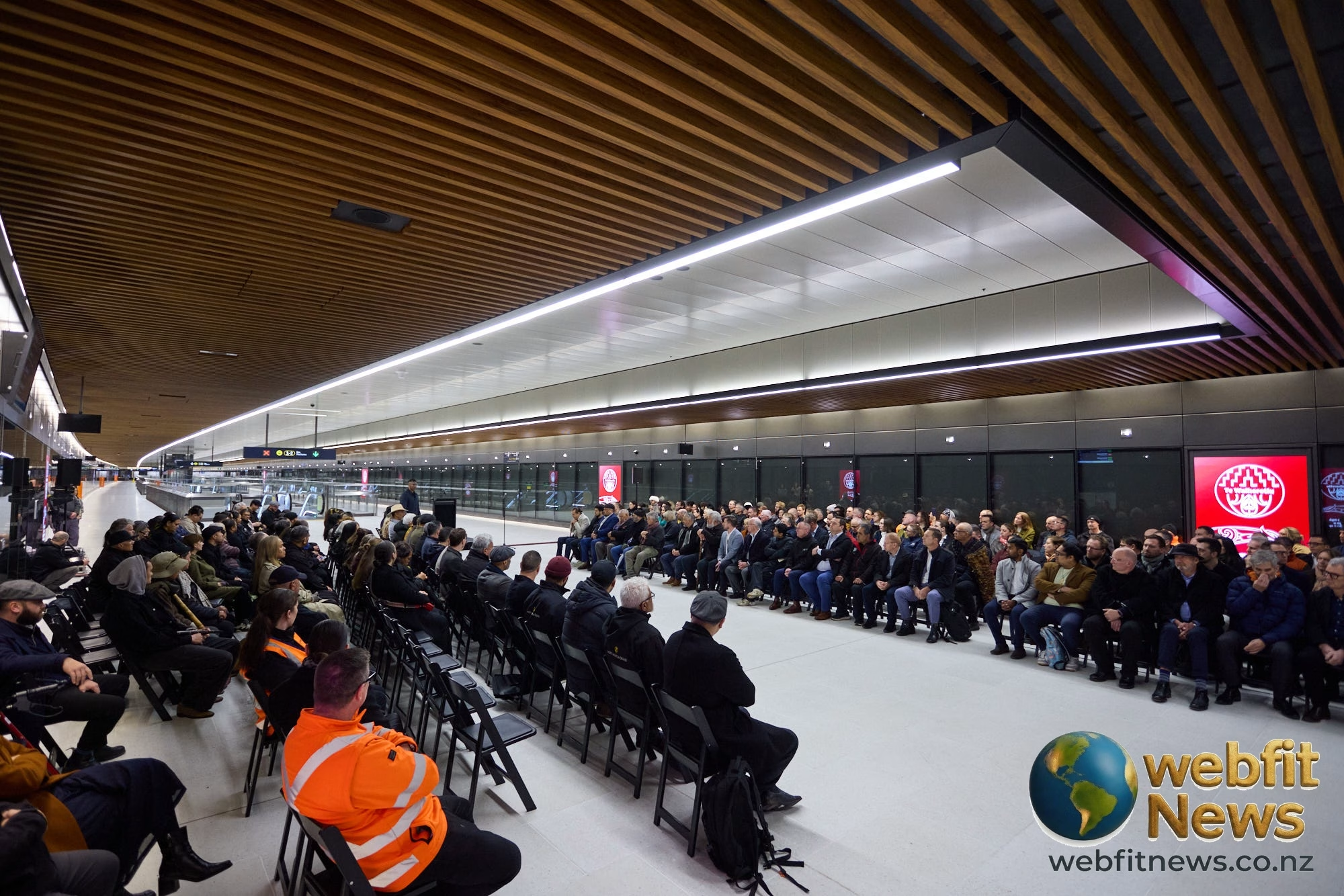
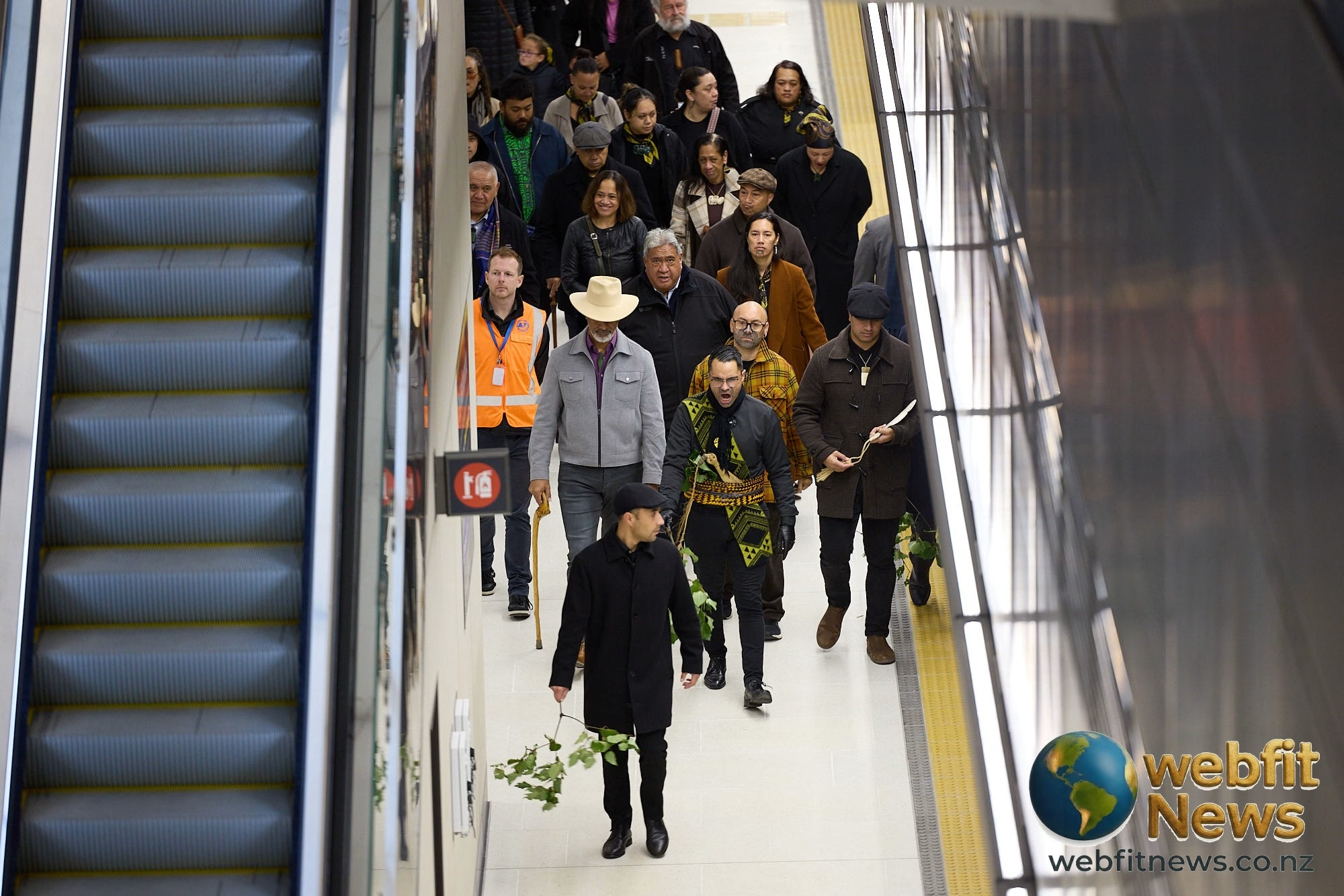
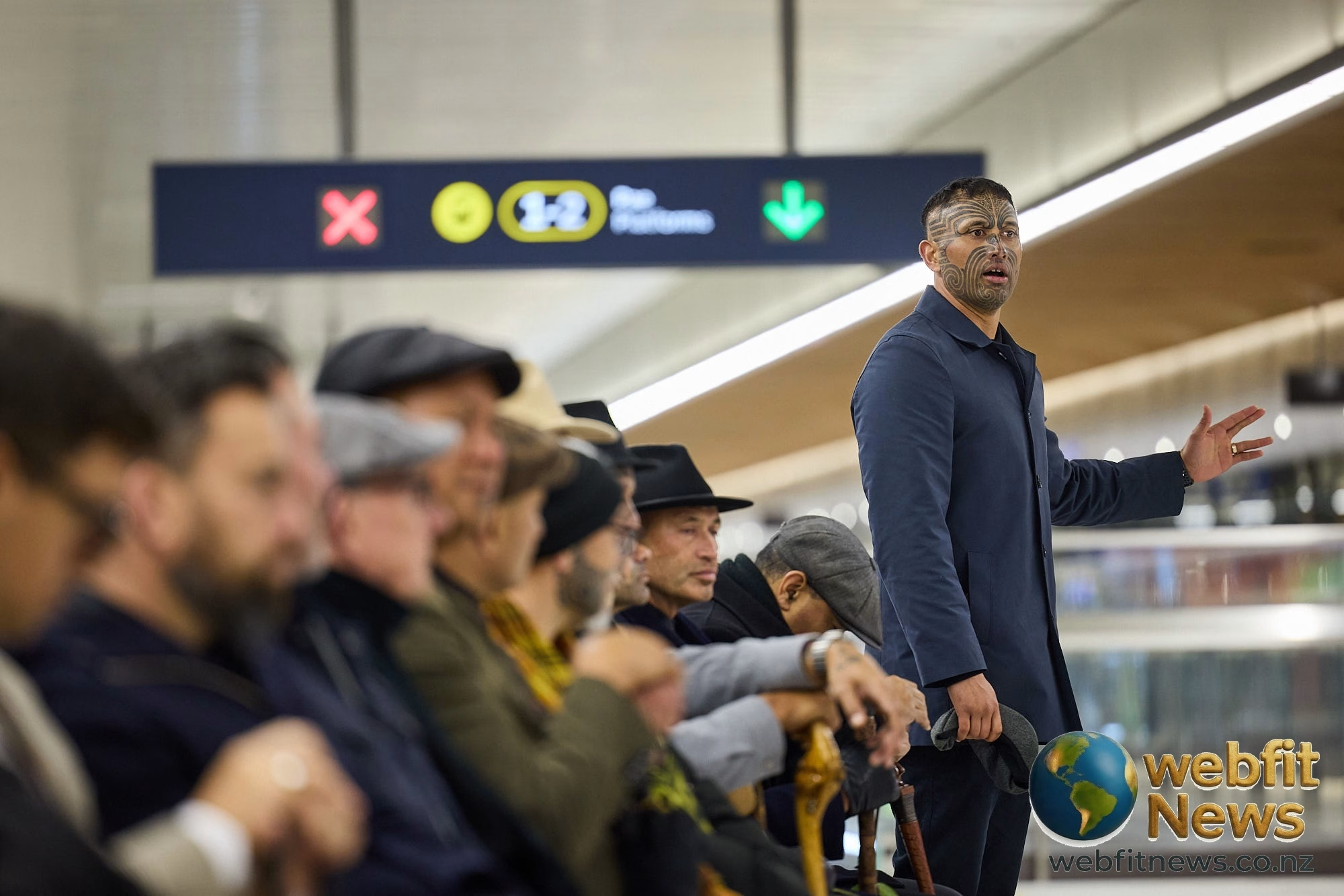
The Mahi Ōkawa ceremony was held on Monday morning and involved representatives from the eight iwi that make up the City Rail Link Mana Whenua Forum.
The ceremony was led by tangata whenua Ngāti Whātua Ōrākei and provided tikanga and cultural safety ahead of planned public open days and the future commencement of passenger services.
The eight iwi represented through the forum are:
Ngāti Whātua Ōrākei, Te Ākitai Waiohua, Te Kawerau ā Maki, Ngāti Maru, Ngāti Pāoa, Ngāi Tai ki Tāmaki, Ngāti Tamaoho and Ngāti Te Ata Waiohua.
The blessing represents another major step towards the opening of the City Rail Link, which will reshape Auckland’s rail network by connecting the existing Waitematā Station at Britomart with the Western Line at Maungawhau.
A significant moment for Auckland
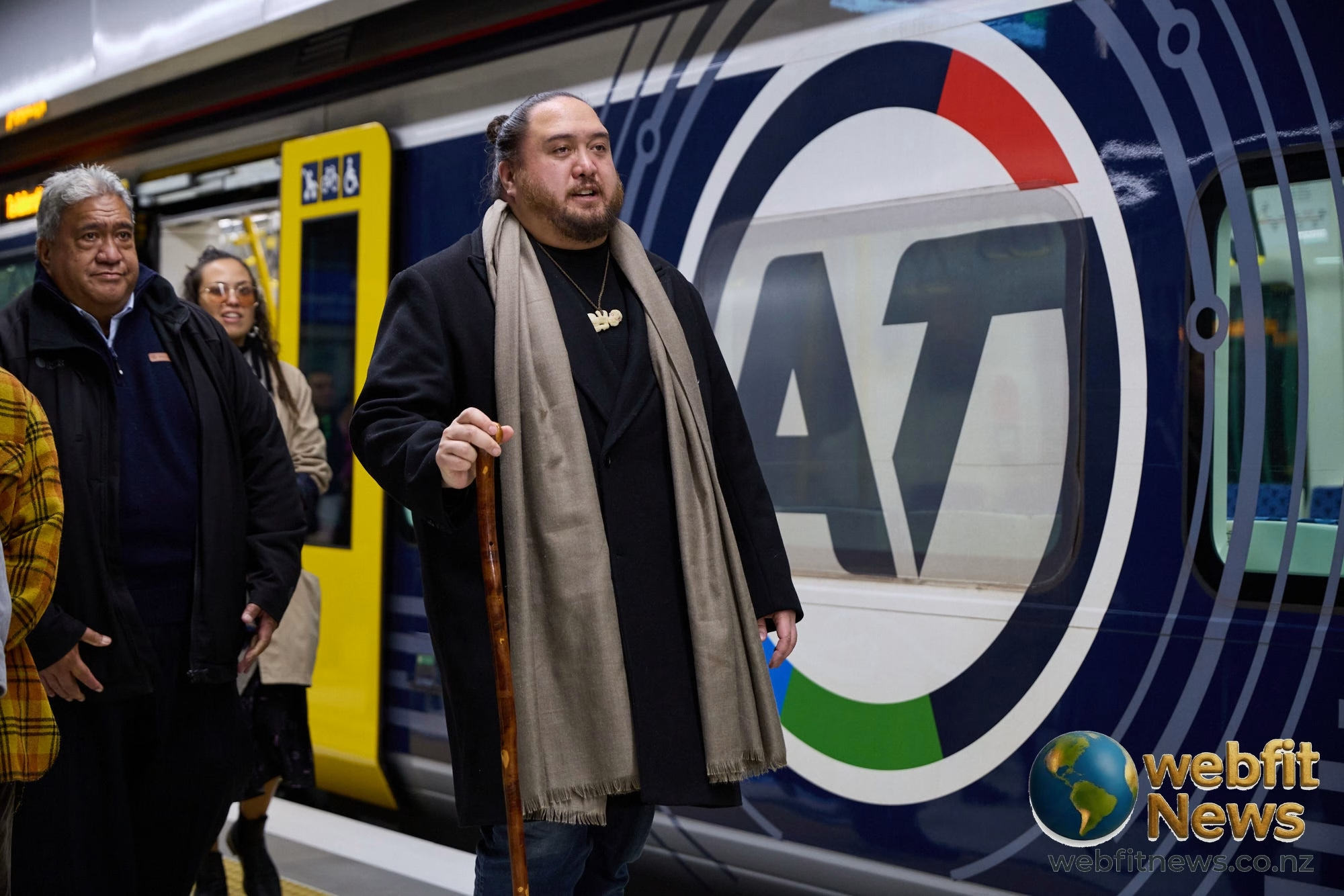
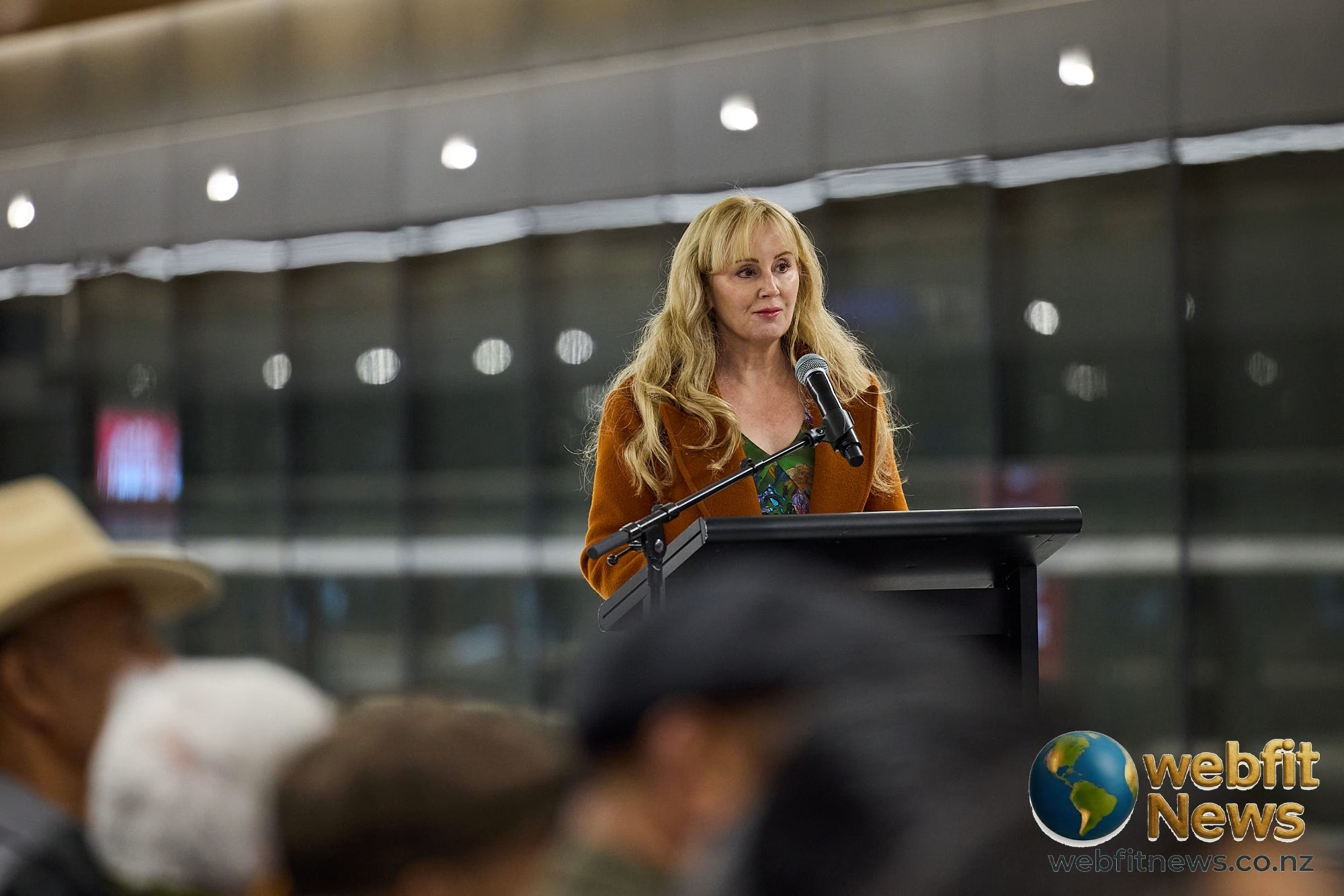
Ngārimu Blair, Deputy Chair of Ngāti Whātua Ōrākei, said the project represented an important step in a wider journey to transform both Auckland’s city centre and the regional economy.
“Our related iwi from across the region were represented in today’s ceremony, which we led to recognise the regional significance and impact of the City Rail Link,” Blair said.
“By connecting people and communities more efficiently and affordably, the CRL will bring Auckland’s suburbs closer together and deliver positive economic and environmental benefits for generations to come.”
The ceremony also recognised the whenua, people and partnerships that have shaped the project over more than a decade.
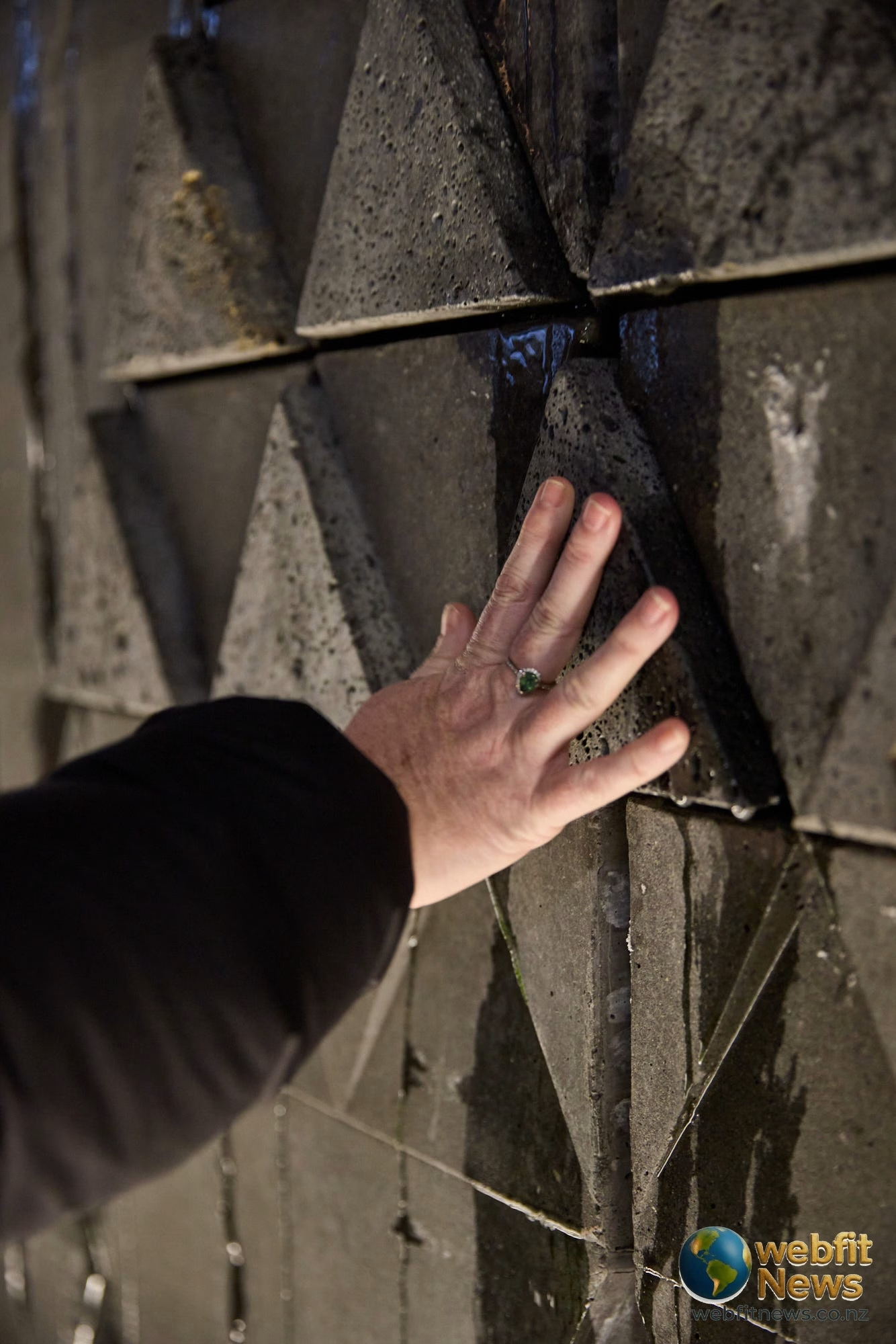
Mana whenua have been involved in the City Rail Link through planning, station naming, design and the incorporation of Māori narratives throughout the new transport infrastructure.
That involvement has helped create stations and public spaces that reflect the history, identity and cultural landscape of Tāmaki Makaurau.
New stations ready for the public
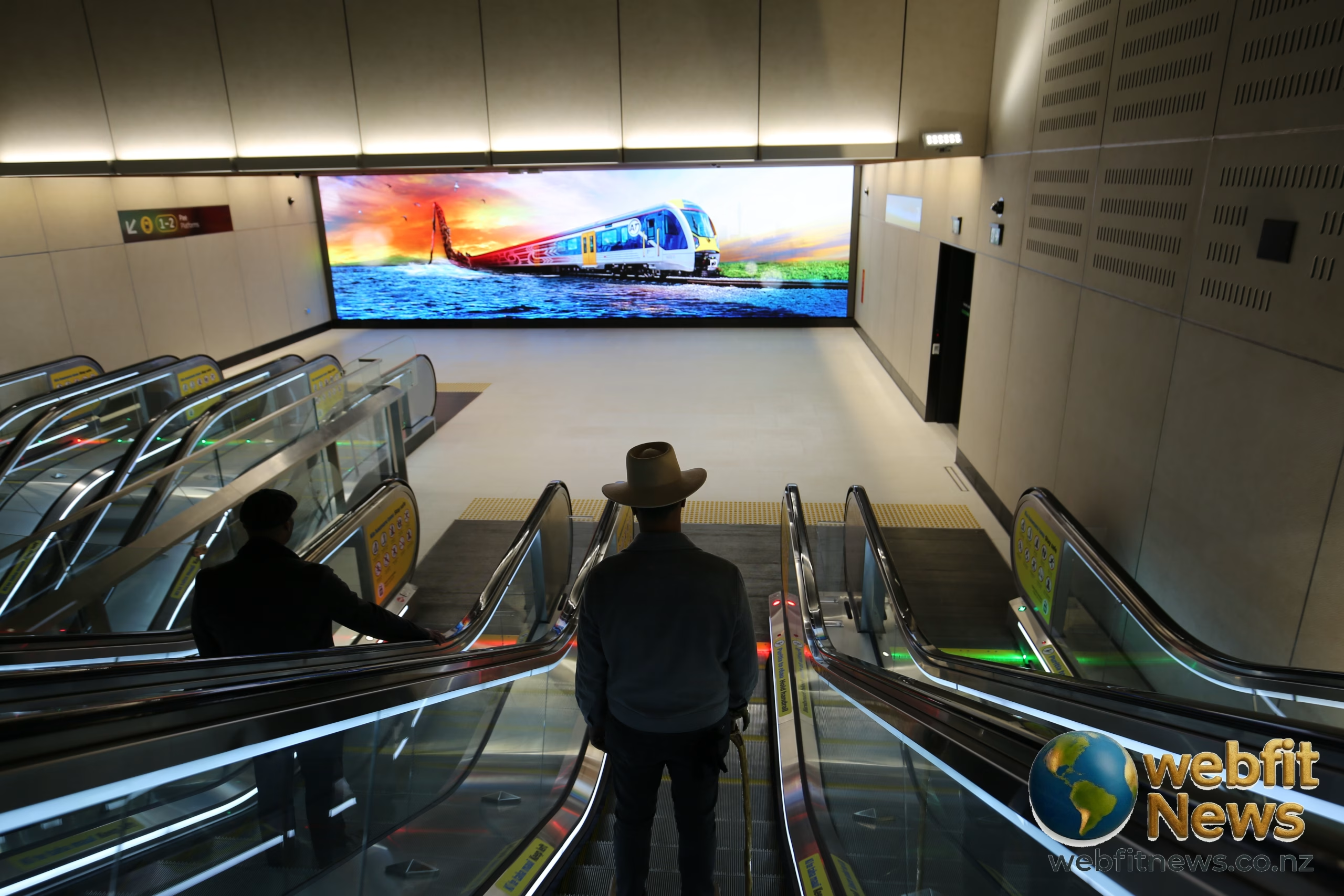
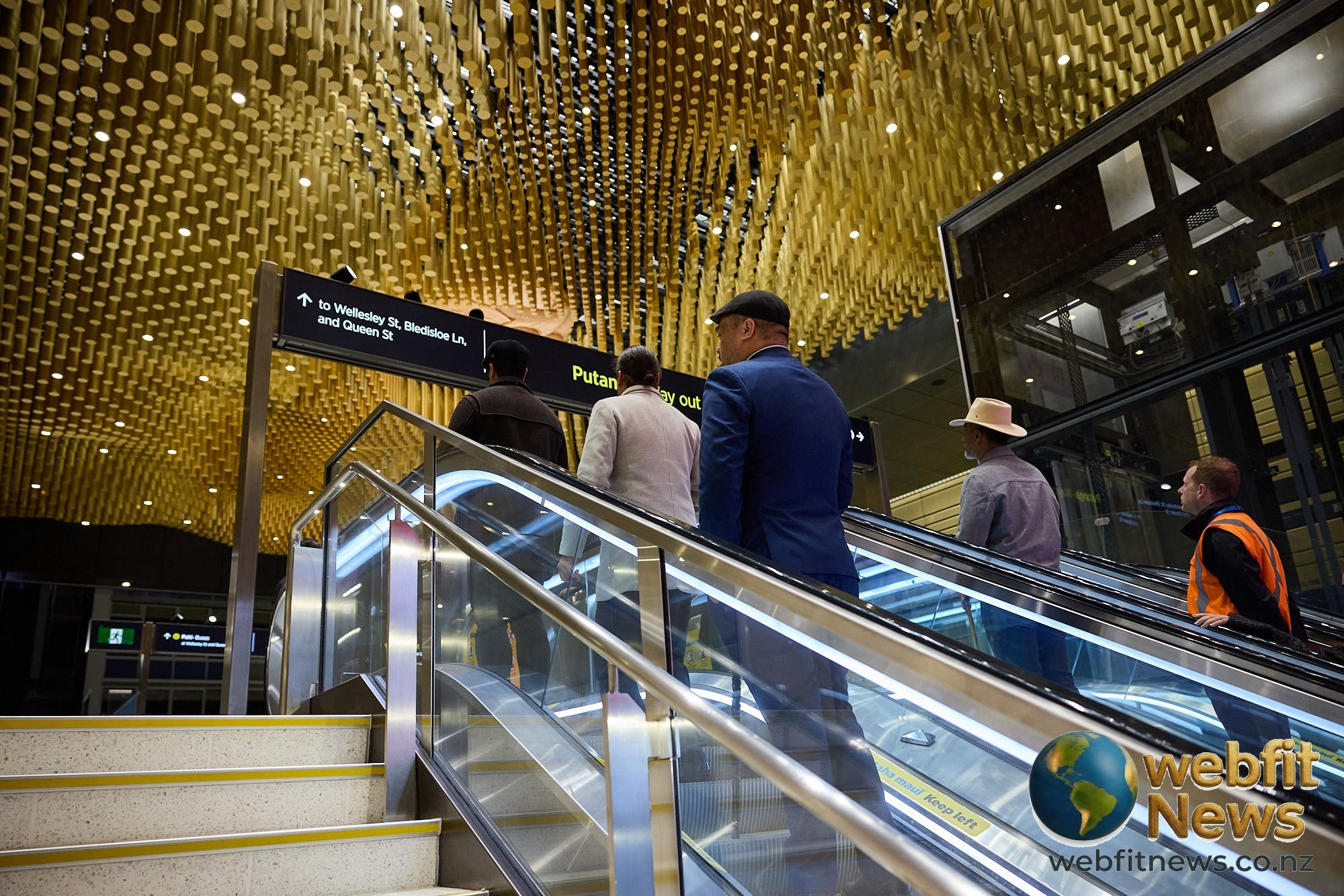
The City Rail Link includes two new underground stations, Te Waihorotiu and Karanga-a-Hape, as well as the redeveloped Maungawhau Station at Eden Terrace.
Te Waihorotiu Station will have entrances on Wellesley Street and Victoria Street in Auckland’s city centre.
Karanga-a-Hape Station will connect passengers through entrances at Mercury Lane and Beresford Square, providing improved access to the Karangahape Road area.
Maungawhau Station will connect the new tunnels with the existing Western Line and allow trains to travel through the city rather than terminating at Waitematā Station.
The official City Rail Link website describes the project as a 3.45-kilometre twin-tunnel underground rail connection running as deep as 42 metres below central Auckland.
Public open days expected before passenger services
The blessing was completed ahead of upcoming “First Look” public open-day events, which will give Aucklanders an opportunity to see the new stations before regular passenger services begin.
An exact opening date has not yet been announced. Official project information states that the City Rail Link is expected to open in the second half of 2026, with Auckland Transport responsible for confirming the final date.
That distinction matters. The completion of construction does not mean the railway can immediately begin carrying passengers.
The final readiness phase includes testing station systems, training staff, completing safety checks, integrating the new infrastructure with the wider rail network and preparing passenger operations.
Responsibility for opening and operating the completed project has transitioned to Auckland Transport for the stations and KiwiRail for the tunnels.
Auckland Transport has previously said preparations also include hiring frontline staff, purchasing additional trains, updating bus routes and improving streets, paths and bus stops around the new stations.
A major change to Auckland’s rail network
Once operational, the City Rail Link will turn Waitematā Station from a terminating station into part of a continuous rail route.
This will allow trains to move through central Auckland and connect more directly with other parts of the network.
The change is expected to improve journey options, increase rail capacity and reduce travel times for many passengers.
Previous project information has indicated that journeys from Maungawhau could take approximately three minutes to Karanga-a-Hape, six minutes to Te Waihorotiu and nine minutes to Waitematā.
The project also creates the infrastructure required for more frequent services and future network growth, although the full benefits will depend on the reliability of the wider rail system, the availability of trains and the completion of supporting upgrades.
The City Rail Link has an official project cost of $5.493 billion and has been jointly funded by the New Zealand Government and Auckland Council.
Partnership extending beyond construction
The blessing highlights that the project has not been treated solely as an engineering exercise.
Mana whenua partnership has influenced the names, visual identity and cultural expression of the stations, creating a stronger connection between the transport network and the history of Auckland.
The station names gifted through the mana whenua process have also been formally adopted by the New Zealand Geographic Board Ngā Pou Taunaha o Aotearoa.
For the iwi involved, the project carries regional significance because it changes how people move across Tāmaki Makaurau while permanently shaping important spaces within the city.
Monday’s ceremony provided an opportunity to acknowledge that contribution before the stations are opened to the wider public.
With the blessing now completed, attention will turn to the First Look events, final testing and the announcement of the passenger opening date.
After years of construction, disruption and anticipation, Auckland is now approaching the point when the City Rail Link will move from being a major infrastructure project to becoming part of everyday public transport.